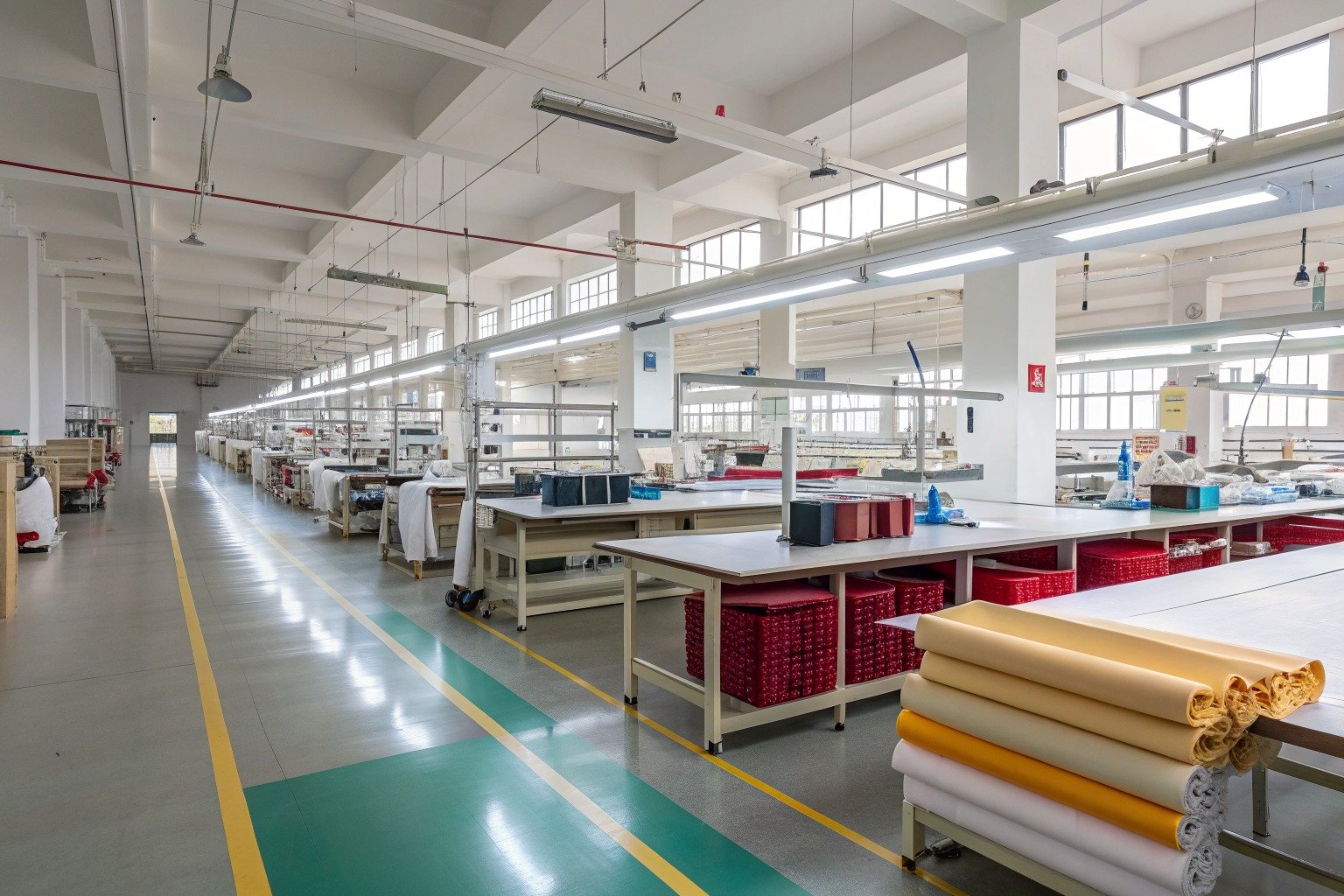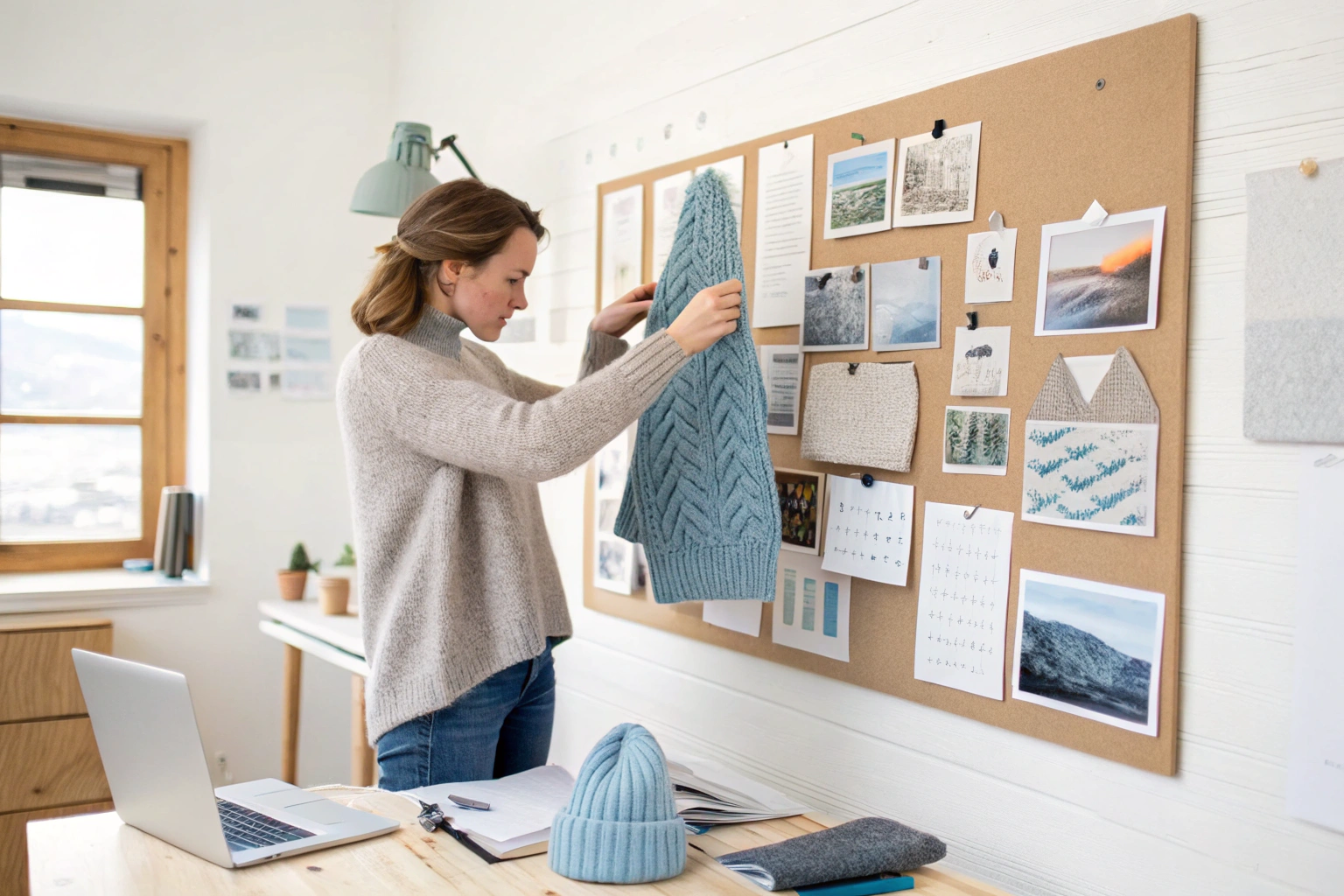
You sit in a creative meeting with your brand director. She pushes a mood board across the table. It has a photo of a Norwegian fisherman’s sweater, a swatch of brushed alpaca wool in heather grey, a close-up of a vintage cable-knit pattern, and a Pantone chip of "Glacier Blue." She says, "I want a beanie that captures this feeling. How fast can we see a sample?" You email the mood board to your factory. A week passes. Then another. The factory sends a photo of a plain rib-knit beanie in a standard grey. It looks nothing like the mood board. They have the technical skill to knit, but they lack the design translation ability to turn a visual feeling into a knitted pattern.
We develop a new beanie pattern from a mood board in 5 to 7 working days from receiving the board to shipping a physical knitted sample. This speed is possible because we have an in-house knitwear designer who reads the mood board’s visual language, translates it into a technical knitting program for our Shima Seiki electronic flat knitting machines, and knits the first prototype within 24 hours. The remaining days are for yarn dyeing, finishing, and client feedback iteration.
The gap between a mood board and a beanie is a translation step. A photo of a cable-knit sweater does not tell the knitting machine what stitch to use, what yarn gauge to select, or what tension to set. That translation requires a human knitwear designer who speaks both creative and technical languages. I want to walk you through exactly how our designer extracts the key visual elements from the mood board, converts them into a knitting program, and produces a physical sample that captures the intended feeling.
How Does a Knitwear Designer Read a Mood Board’s Visual Language?
A mood board is not a technical specification. It is an emotional collage. It might contain a photo of a cracked glacier, a swatch of tweed fabric, a vintage postage stamp, and a Matisse cut-out. None of these images contain a knitting instruction. The designer’s job is to extract the three abstract visual properties that can be translated into knit structure.
A knitwear designer reads a mood board by identifying three translatable elements: texture, which maps to specific knit stitches such as cable, moss, rib, or jacquard; color mood, which maps to the yarn’s base color, heathering, and any marl or space-dye effects; and structure, which maps to the beanie’s silhouette, crown shaping, brim style, and slouch or fitted preference. The designer does not look for literal images of beanies. They extract the texture of the glacier, the color of the stamp, the softness of the tweed.
Our designer spent twelve years in knitwear, five of them on the factory floor programming machines. When she sees a photo of cracked ice, she sees a broken rib stitch with a drop-stitch detail. When she sees a tweed swatch, she sees a marl yarn with a moss stitch structure. This visual-to-technical dictionary exists in her head, built from years of translating abstract creative direction into physical knit.
How does the designer choose between a cable, a rib, and a jacquard structure?
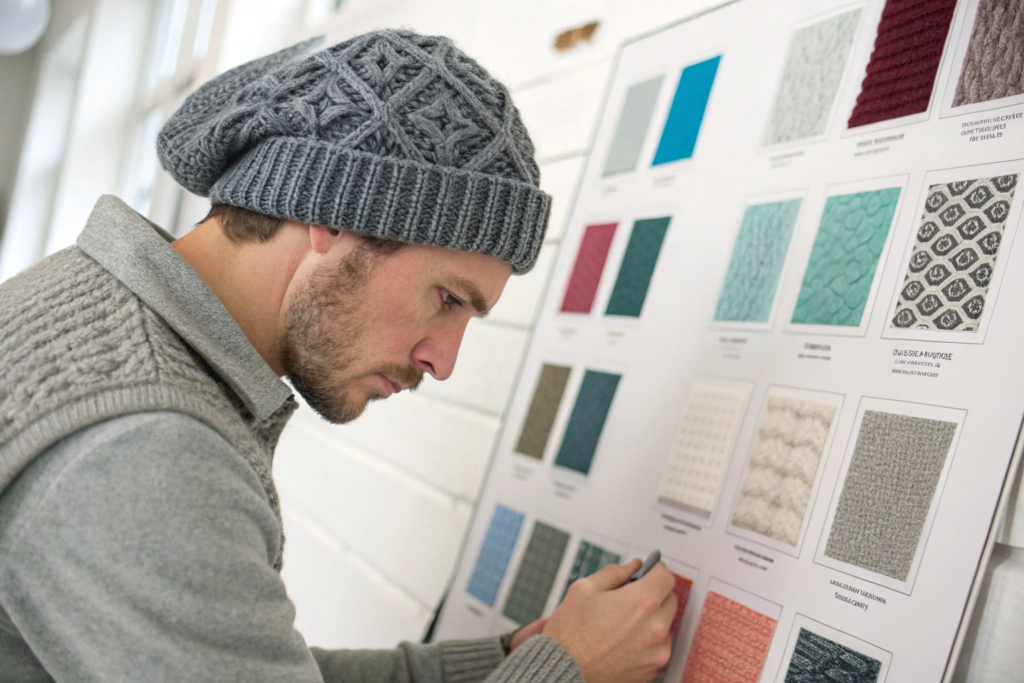
The mood board guides the choice. A photo of a fisherman’s rope suggests a cable structure. A photo of corduroy fabric suggests a wide rib. A photo of a Persian rug suggests a jacquard with a repeating geometric motif. The designer presents two or three stitch structure options to the brand before programming the final pattern.
Can the mood board specify the hand feel as well as the look?
Yes, and this is often communicated through a physical swatch attached to the board. A piece of brushed alpaca says "soft, fuzzy, warm." A piece of waxed cotton says "crisp, smooth, cool." The designer selects the yarn fiber, the yarn count, and the stitch tension to match the hand feel as closely as the visual appearance.
What Happens Inside the Knitting Machine When a Pattern Is Programmed?
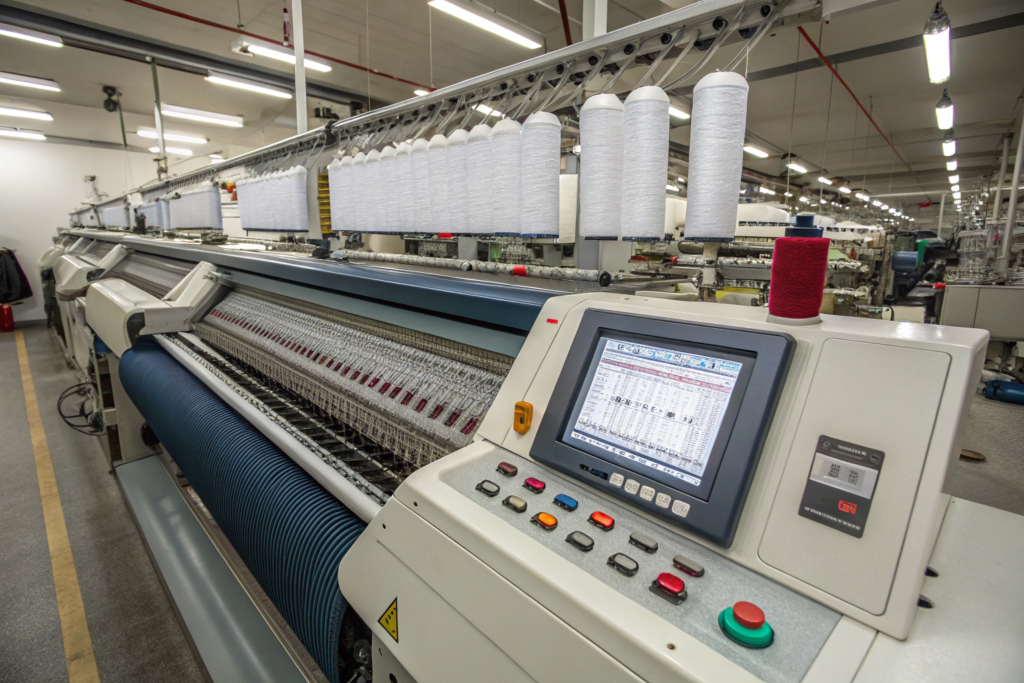
The Shima Seiki knitting machine is not a printer. You cannot feed it a photo and receive a beanie. It requires a specific programming language that describes every needle movement, every yarn carrier motion, and every stitch formation for the entire beanie.
Inside the knitting machine, a pattern is a digital file containing several thousand lines of code that instruct each individual needle to knit, tuck, or miss at every course of the beanie. The file also controls the yarn carriers, the take-down tension, and the machine speed. Our designer creates this file using Shima Seiki’s SDS-ONE APEX design software, which allows her to design the stitch structure visually on a screen and then automatically generate the machine-ready programming code.
The software includes a 3D simulation module. Before a single stitch is knitted, the designer sees a photo-realistic simulation of the finished beanie on a virtual head form. She can rotate the beanie, zoom in on the stitch detail, and check the color accuracy against the Pantone reference. The simulation eliminates the "guess and knit" cycle that used to take days.
How long does the actual knitting of a prototype beanie take?
Once the program is loaded and the yarn is threaded, the machine knits a complete beanie in approximately 8 to 12 minutes, depending on the complexity of the pattern. A simple 2×2 rib beanie with a folded brim knits in 8 minutes. A complex multi-color jacquard with a shaped crown knits in 12 minutes.
What happens if the first knitted prototype does not match the mood board?
The designer compares the physical prototype to the mood board and the 3D simulation. Adjustments to stitch tension, yarn color, or brim height are programmed into the software, and a second prototype is knitted within an hour. This rapid iteration is only possible because the machine programming is digital.
How Is the Yarn Selected and Dyed to Match the Mood Board Color Palette?
The mood board’s color palette is the most subjective element to match. A photo printed on paper, viewed under office fluorescent light, has a completely different color appearance than a knitted wool fabric viewed under daylight. The yarn selection and dyeing process bridges this gap.
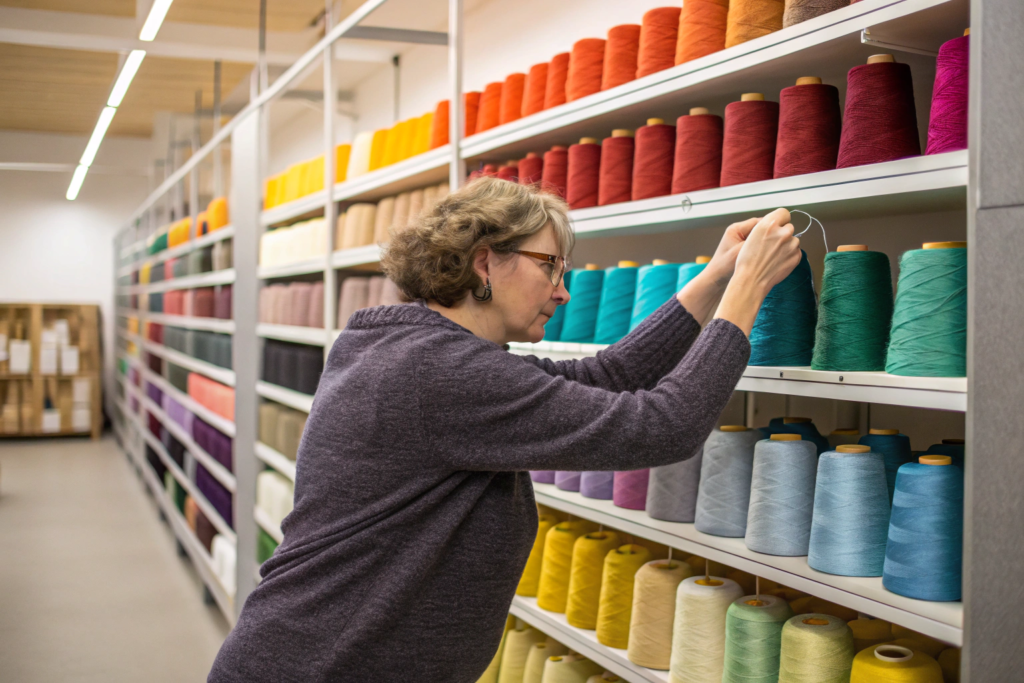
We select and dye yarn to match the mood board palette by pulling physical yarn cones from our stock library of over 200 standard colors and laying them directly onto the mood board under a D65 daylight lamp. If no stock color matches, we custom-dye a small batch of yarn using our in-house yarn dyeing facility. A 500-gram dye lot, sufficient for five prototype beanies, is dyed, steamed, and dried within 24 hours.
The yarn library is organized by fiber type, merino wool, lambswool, alpaca, cotton, acrylic, and then by color family. The designer walks to the library with the mood board in hand and pulls every cone that falls within the color story. She lays them on the board, photographs them, and sends the photo to the brand for approval.
Can a marl or heather effect be created from a mood board reference?
Yes, a marl yarn is created by twisting together two different colored yarns. A heather effect is created by blending dyed and undyed fibers before spinning. If the mood board shows a heathered grey, our spinner blends black wool fibers with white wool fibers at a specific ratio, 5% black to 95% white, to achieve the exact visual density of the heather.
What if the brand specifies a Pantone color that is not in our yarn library?
We cross-reference the Pantone TCX code to our dye recipe database. If a matching recipe exists, we dye a small batch and ship the yarn swatch for approval. If no recipe exists, our dye technician develops a new recipe, testing small dye baths until the Delta E against the Pantone chip is below 1.5.
What Finishing Techniques Complete the Transformation from Mood Board to Beanie?
The beanie comes off the knitting machine looking like a flat, curled tube. It does not look like the mood board yet. The finishing steps, washing, steaming, blocking, and brushing, transform the raw knitted fabric into the final accessory with the correct hand feel, size, and drape.
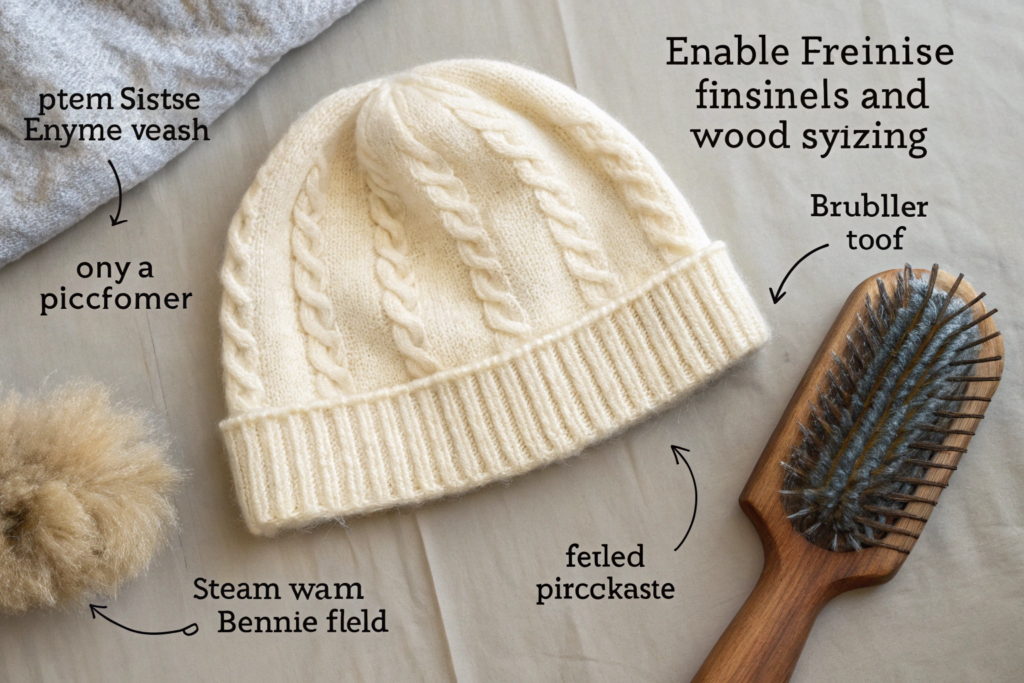
The finishing techniques that complete the transformation are: a gentle enzyme wash to soften the wool and remove any prickle, steam blocking on a metal beanie form that sets the crown shape and brim fold, and, if the mood board calls for it, a light brushing with natural teasel combs to raise a soft, fuzzy halo on the yarn surface.
The brushing step is critical for mood boards that emphasize softness and warmth. The teasel combs gently pull the wool fibers to the surface without breaking them, creating a fine, even halo that feels like cashmere. The degree of brushing is adjustable from a light, barely-there fuzz to a deep, fluffy cloud.
How is the size consistency ensured during steam blocking?
The metal blocking form is machined to the exact circumference and crown height specification in the tech pack. The steamed beanie is pulled over the form and cooled. As it cools, the wool fibers set in the exact shape and size of the form. This ensures that beanie number one and beanie number one thousand have identical dimensions.
Does the finishing process affect the color of the beanie?
Enzyme washing can slightly lighten the color of dyed wool. Our dye technician accounts for this by dyeing the yarn slightly darker than the target Pantone chip, knowing that the wash will lift the color to the exact target. The pre-wash and post-wash colors are both measured with a spectrophotometer and recorded.
Conclusion
A new beanie pattern developed from a mood board moves from visual inspiration to physical sample in 5 to 7 working days through a precise translation process: the knitwear designer extracts texture, color, and structure from the board; programs the stitch pattern into the electronic knitting machine; selects or custom-dyes the yarn to match the palette; and finishes the knitted beanie through washing, blocking, and brushing. The 3D simulation software eliminates multiple physical iterations, and the in-house yarn dyeing capability compresses color development to a single day.
Our Zhejiang knitwear facility has the in-house designer, the Shima Seiki machines, the yarn library, and the dyeing and finishing equipment to run this development cycle start to finish. We develop new beanie patterns for brands across North America and Europe.
If you have a mood board and a deadline, send it to our Business Director, Elaine. She will route it to our knitwear designer within the hour. You will receive a 3D simulation image on day one and a physical sample beanie on day five. Write to her at elaine@fumaoclothing.com. Let’s turn your inspiration into a knitted reality.