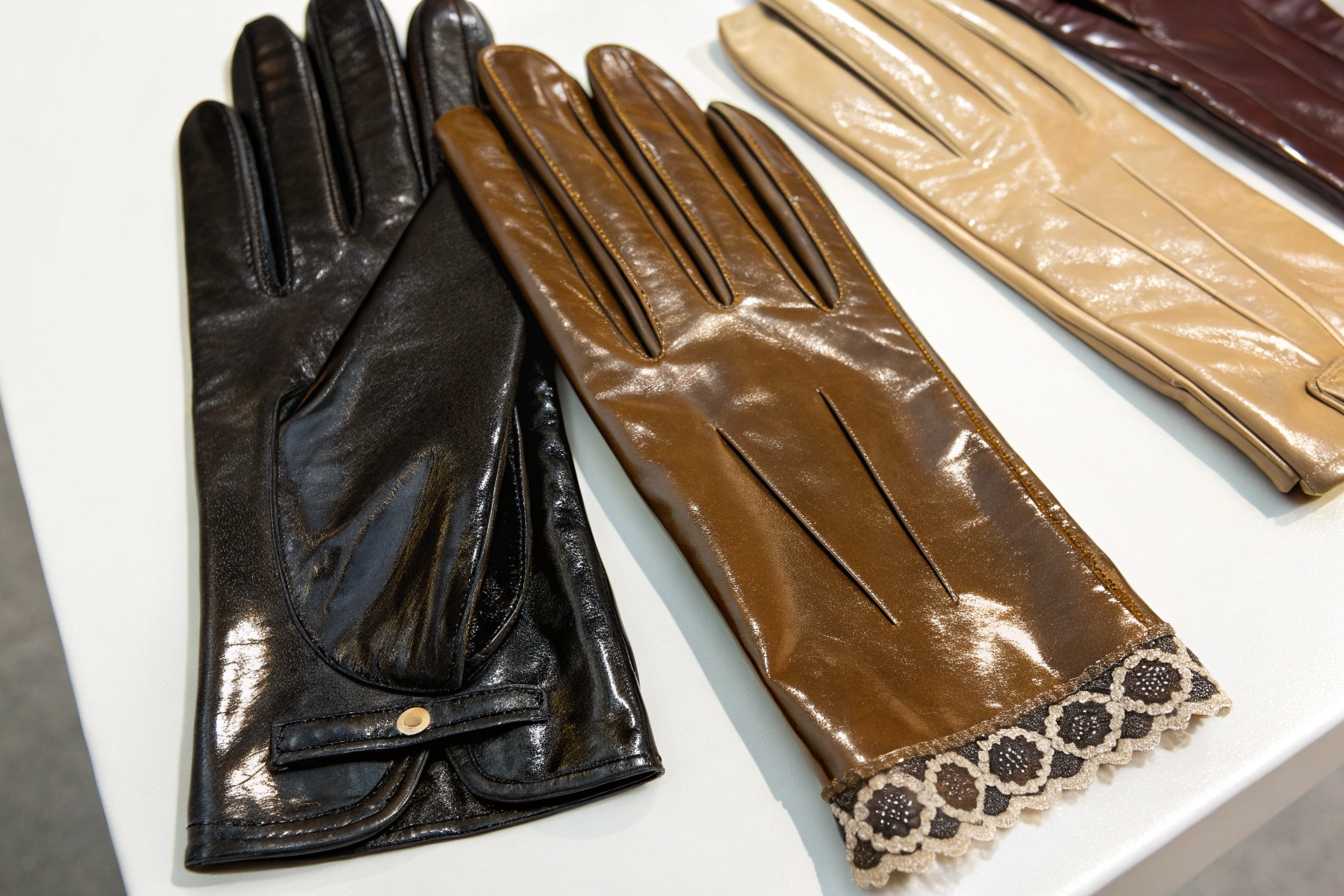
You walk into a luxury boutique on Rue Saint-Honoré in Paris. The glove display that was once a quiet shelf of black lambskin and chestnut cashmere now looks like a jewelry counter. Gloves shimmer with a subtle, wet-look coating. Sculptural, twisted cuffs rise halfway up the forearm. A single glove hangs on a minimalist acrylic stand, lit like a sculpture. The era of the anonymous, purely functional luxury glove is over. The 2026 luxury glove must perform on a mannequin, in an editorial photoshoot, and in the hand of a consumer who has just watched a 30-second TikTok showcasing the glove’s texture against a steering wheel or a champagne flute.
The 2026 luxury glove trends for European fashion brands are defined by three radical shifts: a "wet-look" high-shine technical coating applied to classic lambskin, transforming a matte skin into a liquid-mercury reflective surface; an elongated, sculptural "opera" cuff that extends 15 to 20 centimeters past the wrist bone and is structurally reinforced to hold a deliberate, architectural drape; and a material fusion where traditional leather is cut and sewn in a patchwork with sheer silk organza or upcycled lace, creating a see-through, cut-out effect on the back of the hand.
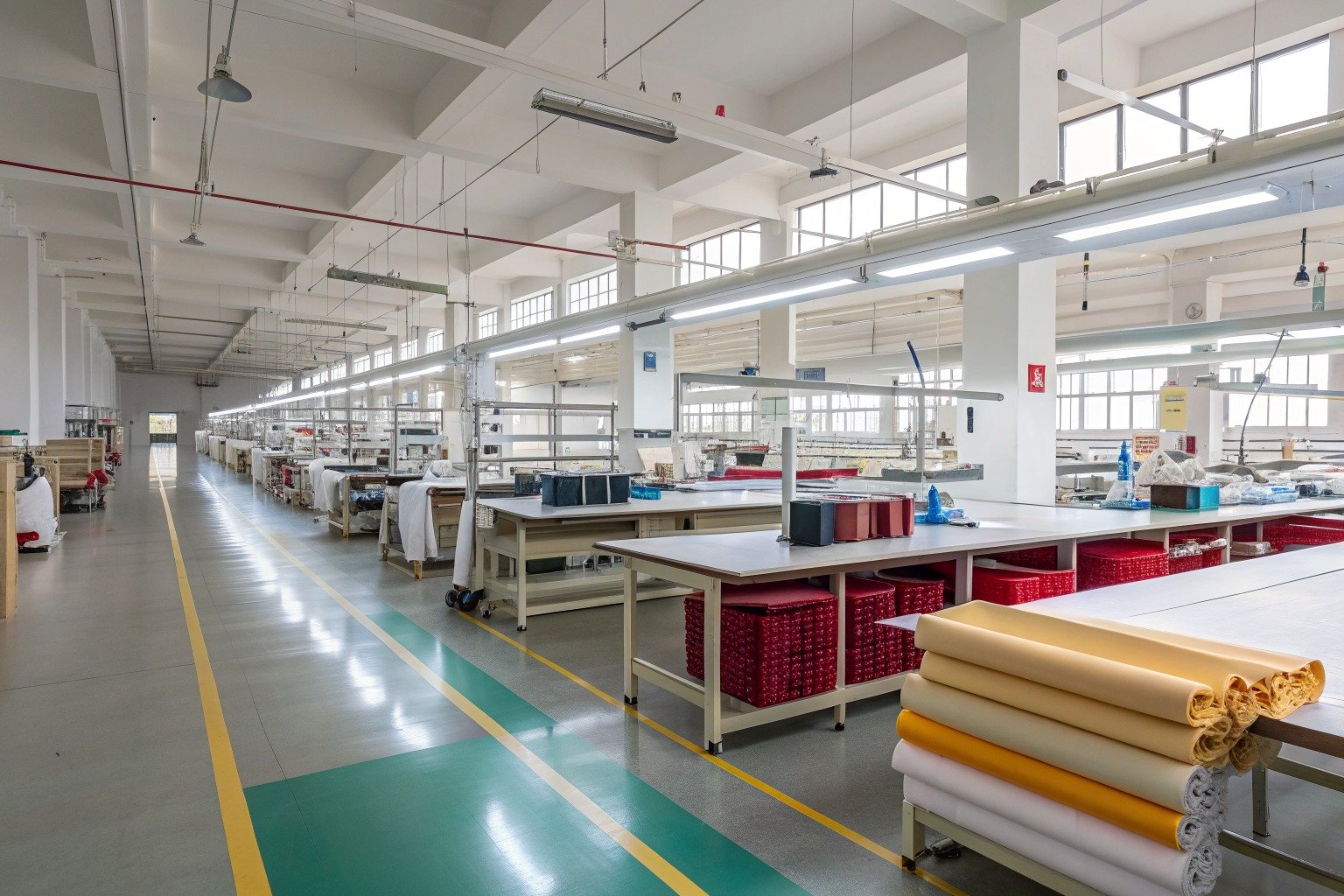
These are not just aesthetic flourishes. Each trend requires a specific set of tannery finishes, pattern-cutting geometries, and sewing machine setups that differ fundamentally from standard glove production. I want to walk you through exactly how we achieve these effects in our Zhejiang facility, what materials we are sourcing from European tanneries, and how these gloves are being presented in luxury retail environments.
Why Is a "Wet-Look" High-Shine Coating Overtaking Classic Matte Leather?
Matte black leather gloves have been the silent workhorse of luxury accessories for fifty years. They are elegant. They are invisible. They do exactly what a classic glove should do: cover the hand beautifully and say nothing else. The 2026 luxury consumer wants more. She wants a glove that reflects light actively, that catches the camera flash, that looks like a second skin made of molten glass.
The wet-look coating is overtaking matte leather because it transforms a natural, organic material into a hyper-modern, almost synthetic-looking surface while retaining the supple, breathable, warm interior feel of genuine lambskin. The coating is a water-based, high-gloss polyurethane film, applied at a thickness of 0.1 millimeters, that bonds permanently to the leather grain without cracking, peeling, or yellowing over the life of the glove. The visual effect is a liquid-shine, patent-leather aesthetic that photographs dramatically and reads as unmistakably luxurious.
We source the lambskin from a tannery in France that applies the wet-look finish as a final drum-dyeing stage using a specifically formulated, glossy aniline topcoat. The lambskin retains its natural softness and stretch because the coating is an integral film, not a stiff, separate lacquer applied post-tanning. Our cutting team treats these skins identically to classic matte skins, with no special blade wear or cutting speed adjustments required.
How does the wet-look finish perform in cold, humid European winter conditions?
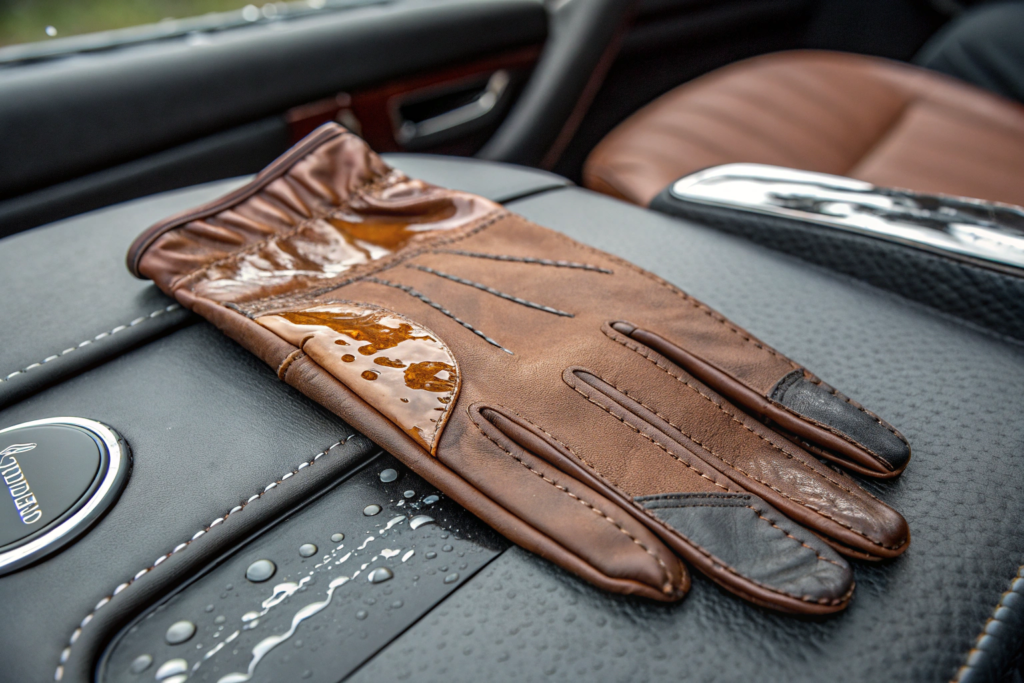
The coating is fully waterproof against rain and snow. Water beads and rolls off instantly. The interior lambskin lining remains warm and dry. Crucially, the coating does not stiffen at temperatures down to minus 10 degrees Celsius. Standard patent leather finishes using PVC or acrylic lacquers become rigid and prone to cracking in freezing conditions. Our polyurethane-based finish retains its flexibility and stretch at the temperatures encountered in a Scandinavian or Alpine winter.
Can the wet-look finish be applied in custom Pantone colors?
Yes, and the high-shine finish amplifies the color saturation dramatically. A deep burgundy rendered in matte leather absorbs light. The same burgundy under a high-shine coating reflects light and appears to glow from within. We produce the wet-look finish in a standard palette of ten colors, including oxblood, midnight navy, emerald green, and a clear "crystal" finish that leaves the natural lambskin color visible under a glossy layer.
How Is the Elongated Opera Cuff Constructed to Hold a Sculptural Shape?
An opera glove traditionally extended past the elbow, a romantic relic of a bygone dress code. The 2026 luxury glove takes the opera length not up the arm, but outward from the wrist. The wrist becomes the focal point. The cuff flares, twists, or stands away from the forearm, creating a sculptural silhouette that frames the hand like a corolla frames a flower.
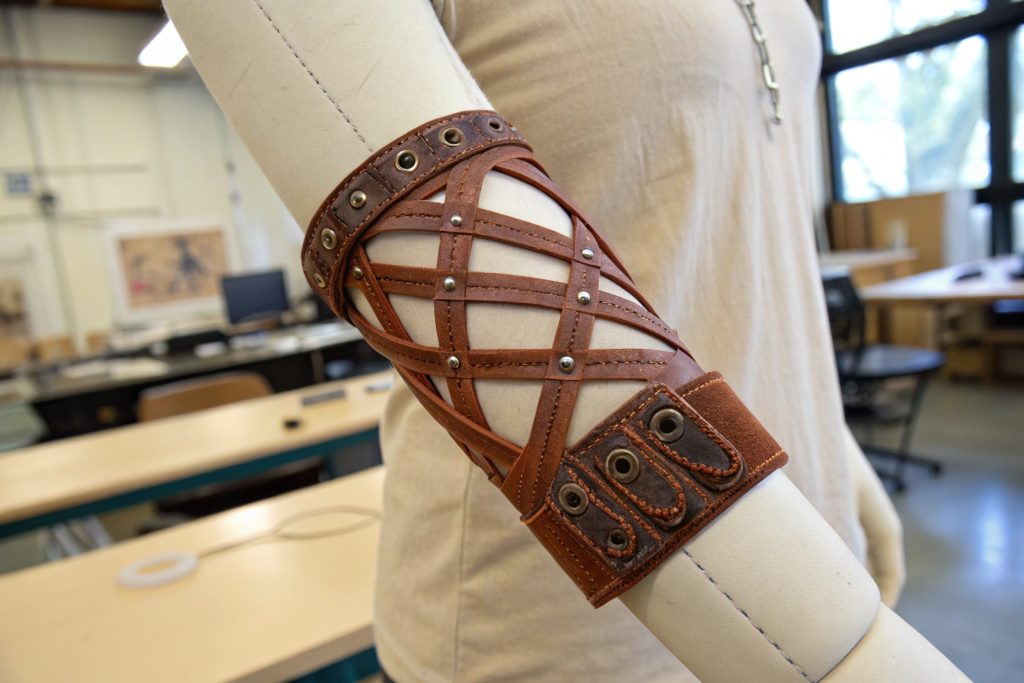
The elongated opera cuff is constructed with an internal, multi-layered support structure that holds a deliberate, sculptural shape without external boning or visible stitching. We sandwich a fine, 0.5mm-thick polyester boning strip between the outer leather and the silk lining, channel-stitching it into vertical ribs that follow the curve of the forearm. The cuff is cut on the bias to create a natural, fluid flare that is then heat-set on a custom-shaped wooden form, giving it a permanent, graceful wave that will not collapse during wear.
We developed this internal structure over three prototype iterations. The challenge was creating a cuff that stood away from the arm dramatically enough to photograph well on a mannequin, but softly enough that a wearer could bend her elbow freely. The bias cut and the flexible boning strips solve both requirements.
How is the cuff edge finished to maintain the clean silhouette?
A simple turned hem would collapse the sculptural shape. We use a laser-cut raw edge sealed with a clear, flexible edge paint in a matching high-shine finish. The edge is cut in a gentle, undulating wave pattern rather than a straight line, which reinforces the organic, petal-like silhouette. The laser cuts and seals the edge simultaneously, preventing any fraying or unraveling.
What customization options exist for the cuff shape?
We offer three standard cuff silhouettes: the "Flared Wave," a soft, undulating bell shape; the "Asymmetric Twist," where the cuff wraps around the forearm in a diagonal spiral; and the "Flat Panel," a minimalist, architectural straight cuff that extends 15 centimeters from the wrist. Each silhouette is produced on a dedicated wooden blocking form. We can also develop a fully custom cuff shape based on a brand’s sketch, with a one-time form carving fee of approximately $300.
What Patchworking Techniques Create the Sheer, See-Through Aesthetic?
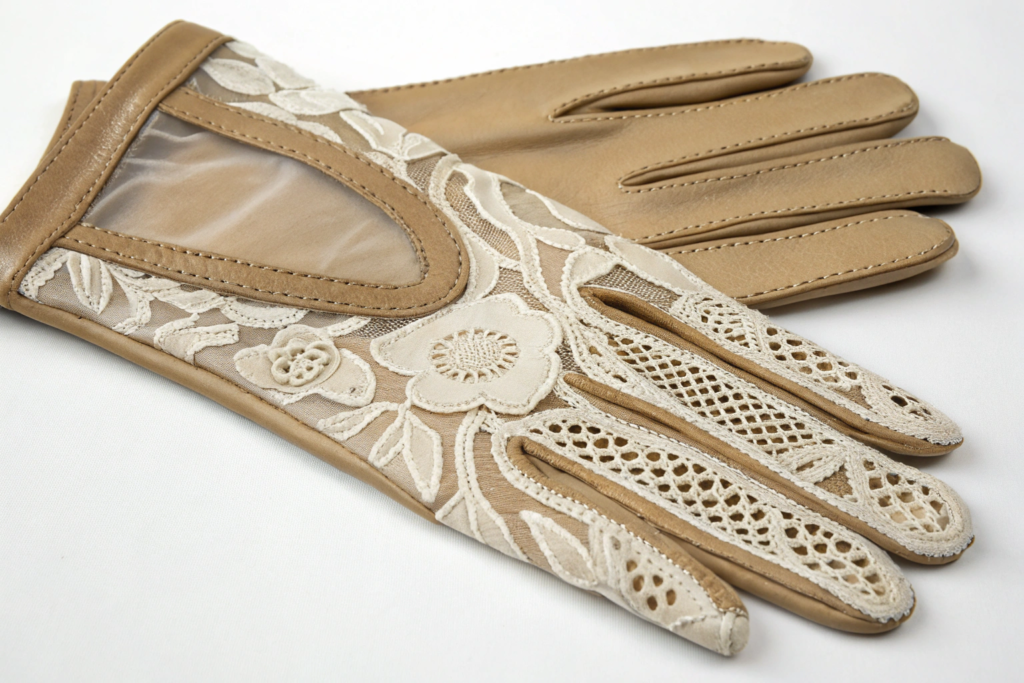
The luxury glove has historically been a solid, opaque object. The hand disappears inside a leather shell. The 2026 aesthetic opens the shell. The back of the hand, traditionally the prime visual real estate for a brand logo or quilting stitch, is now a window. Sheer silk organza or upcycled lace is inset into the leather, creating a cut-out effect that reveals the skin beneath.
The sheer patchworking technique is achieved by precisely inlaying a panel of silk organza or lace into a leather cut-out on the back of the hand. The leather panel is laser-cut to the exact shape of the inlay. The sheer fabric is stitched to the leather using a fine, flatlock seam with a 2mm seam allowance. The seam is then covered on the interior with a soft, micro-suede binding that prevents any scratchy thread contact with the skin.
This is a delicate operation. The organza is a 6mm silk, almost weightless. It frays if handled roughly. Our seamstresses work under magnifying lamps with micro-fine needles. The leather cut-out edge is reinforced with a thin, clear stabilizer tape applied to the back before the organza is attached.
How is the structural integrity of the glove maintained with a sheer panel?
The sheer panel is decorative, not structural. The underlying structural seams of the glove, the fourchettes between the fingers, the thumb insertion, the side seams, are all constructed from the full-strength lambskin. The sheer panel is an overlay on the back-of-hand piece, not a replacement of a structural panel. The glove retains its full tensile strength and wear resistance.
Can the sheer panel be branded with a subtle logo?
Yes, the organza panel can be subtly embroidered with a tonal, single-color logo using a very fine, 60-weight thread. The embroidery is nearly transparent, a watermark effect rather than a solid logo block. This appeals to luxury brands moving away from loud, conspicuous branding toward hidden, "if you know, you know" identifiers.
What Material Pairings Are Defining the "Glove as Jewelry" Trend?
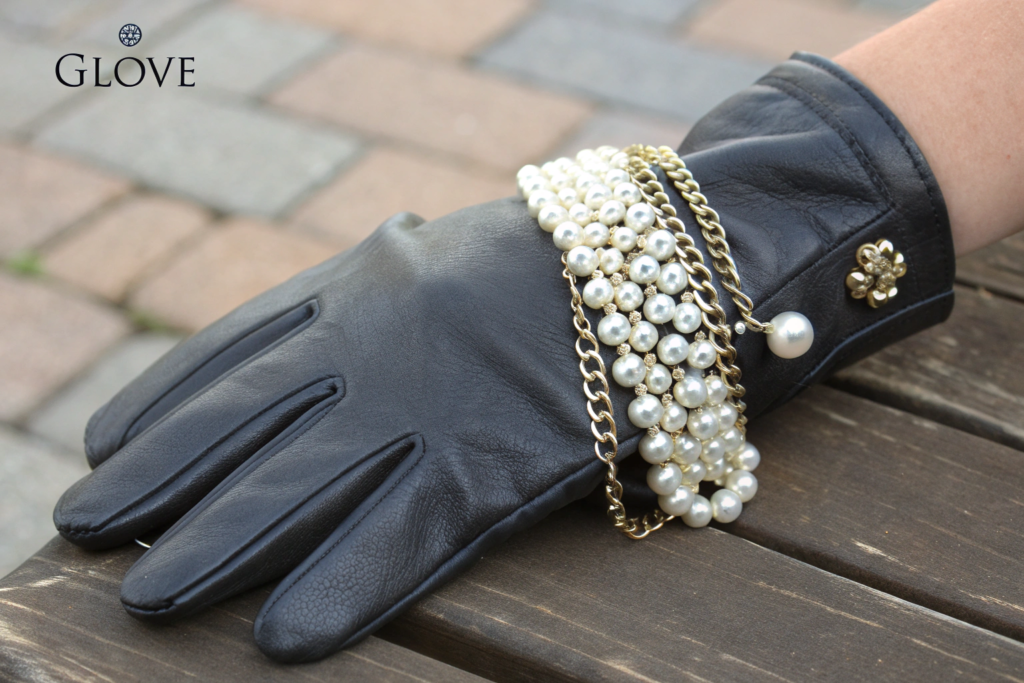
The glove is no longer just a leather good. It is a platform for hardware. Rings, chains, pearls, and metal cuffs are being integrated directly into the glove pattern, not as removable accessories, but as permanent, sewn-in components. This makes the glove a jewelry object that happens to cover the hand.
The "glove as jewelry" trend materializes through three hardware integrations: a solid brass or silver-plated curb chain sewn along the outer wrist seam, draping down the side of the hand; a cluster of freshwater pearls or semi-precious stones individually hand-sewn onto the knuckle bridge; and a hinged, rigid metal "cuff cap" that wraps around the wrist over the leather and snaps closed with a hidden magnetic clasp, often engraved with a brand monogram.
The chain and pearl attachments are sewn using a transparent nylon monofilament thread with a 10-kilogram breaking strength. The thread is invisible against the leather, making the pearls appear to float on the surface. The rigid metal cuff cap is produced by our jewelry hardware supplier, cast in zinc alloy and plated in 18k gold or rhodium.
How is the weight of the hardware managed so it does not distort the glove?
The hardware is placed along the structural seam lines, where the leather has double thickness and seam reinforcement. The weight of a single curb chain or six pearls is distributed along a reinforced seam, not hanging from a single point of delicate lambskin. The glove is weighted in the hand to ensure the hardware does not pull the glove out of shape when worn.
Can the brand supply their own jewelry findings for integration?
Yes, a brand can supply their own custom-designed metal logo tag, charm, or chain. We will engineer a secure attachment method, either a soldered jump ring sewn into the seam, a riveted base plate, or a leather loop strap, based on the finding’s geometry and weight. We test the attachment with a 50-Newton pull test to ensure it meets luxury retail durability standards.
Conclusion
The 2026 luxury glove for the European fashion market is a hybrid object: part hand covering, part jewelry, part sculpture. The wet-look coating reflects light like a polished gemstone. The elongated opera cuff frames the wrist in an architectural drape. The sheer organza patchwork and the integrated chain and pearl hardware transform the glove from a quiet accessory into a statement piece that drives editorial photoshoots and social media engagement.
Our Zhejiang facility produces these luxury gloves for several European fashion houses. We source French lambskin and silk organza, operate laser cutters and custom blocking forms, and maintain the skilled hand-sewing workforce needed for pearl and chain attachment. We ship finished, branded gloves directly to European boutique distribution centers.
If your luxury brand is developing a 2026 glove collection and needs a production partner that can execute these complex finishes and hardware integrations, contact our Business Director, Elaine. She will send you a sample set of our wet-look finishes, our cuff silhouette options, and a hardware integration spec sheet. Write to her at elaine@fumaoclothing.com. Let’s create a glove that stops the scroll and sells the look.