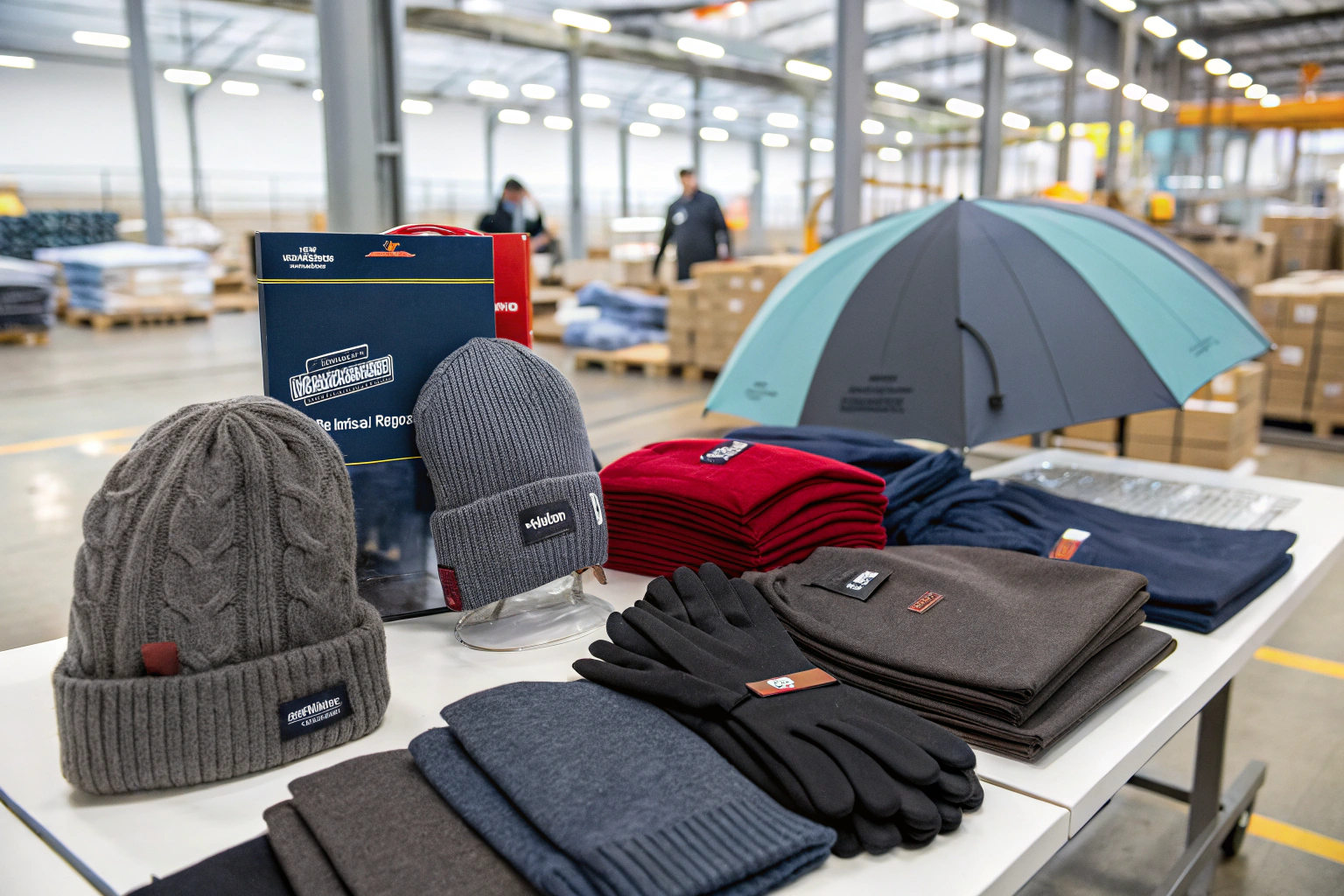
A few years ago, a client named Marcus called me with a logistical puzzle. He was a buyer for a boutique chain in the Pacific Northwest. He needed to restock his knit beanies and wool scarves for the fall chill. But he also needed to replenish his umbrellas for the rainy season, which, in his market, arrived at the exact same time. He had been splitting his orders. Beanies from one factory. Umbrellas from another. Rain boots from a third. He was juggling three different production timelines, three different quality control reports, and three different freight consolidations. He asked me, "Can’t I just get all of this from one place? It would save me weeks of coordination and thousands in freight." I told him, "Yes, that is exactly what we are designed to do." If you are like Ron, you value efficiency. You understand that consolidating your supply chain reduces complexity, lowers landed cost, and simplifies your life. The fear of managing a fragmented vendor base across multiple product categories is a real drain on time and resources.
Yes, we can absolutely produce both cold-weather accessories (knit hats, scarves, gloves) and rain accessories (umbrellas, rain hats) within a single consolidated order. This is achievable because our manufacturing model in Zhejiang leverages a network of specialized partner workshops that operate under our centralized quality control and project management system. While these items are produced on different equipment by different specialized teams, we unify the process through a single point of contact, a consolidated commercial invoice, and a single container loading plan. This approach simplifies logistics, reduces overall freight costs through Full Container Load (FCL) consolidation, and ensures consistent brand quality across disparate product categories.
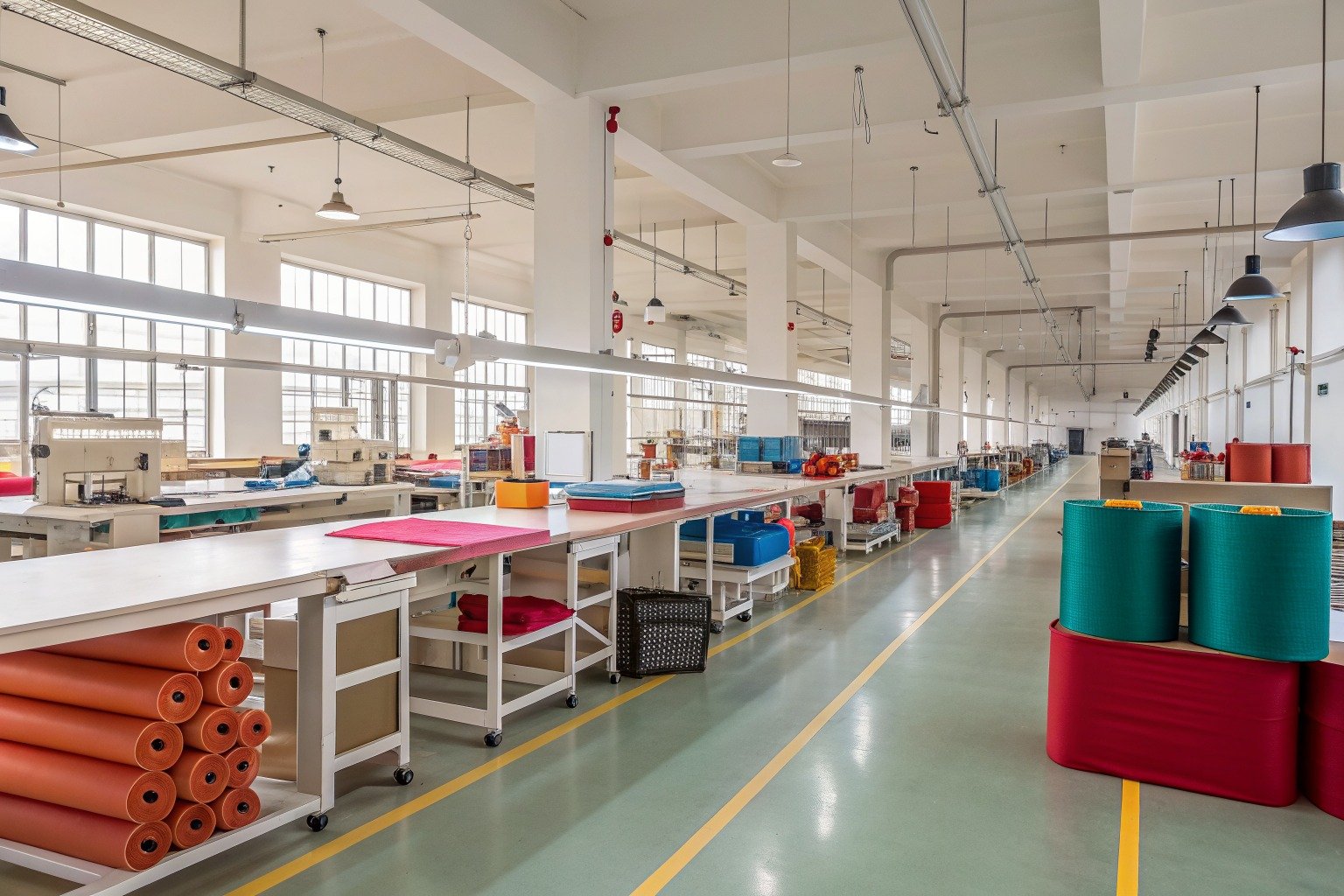
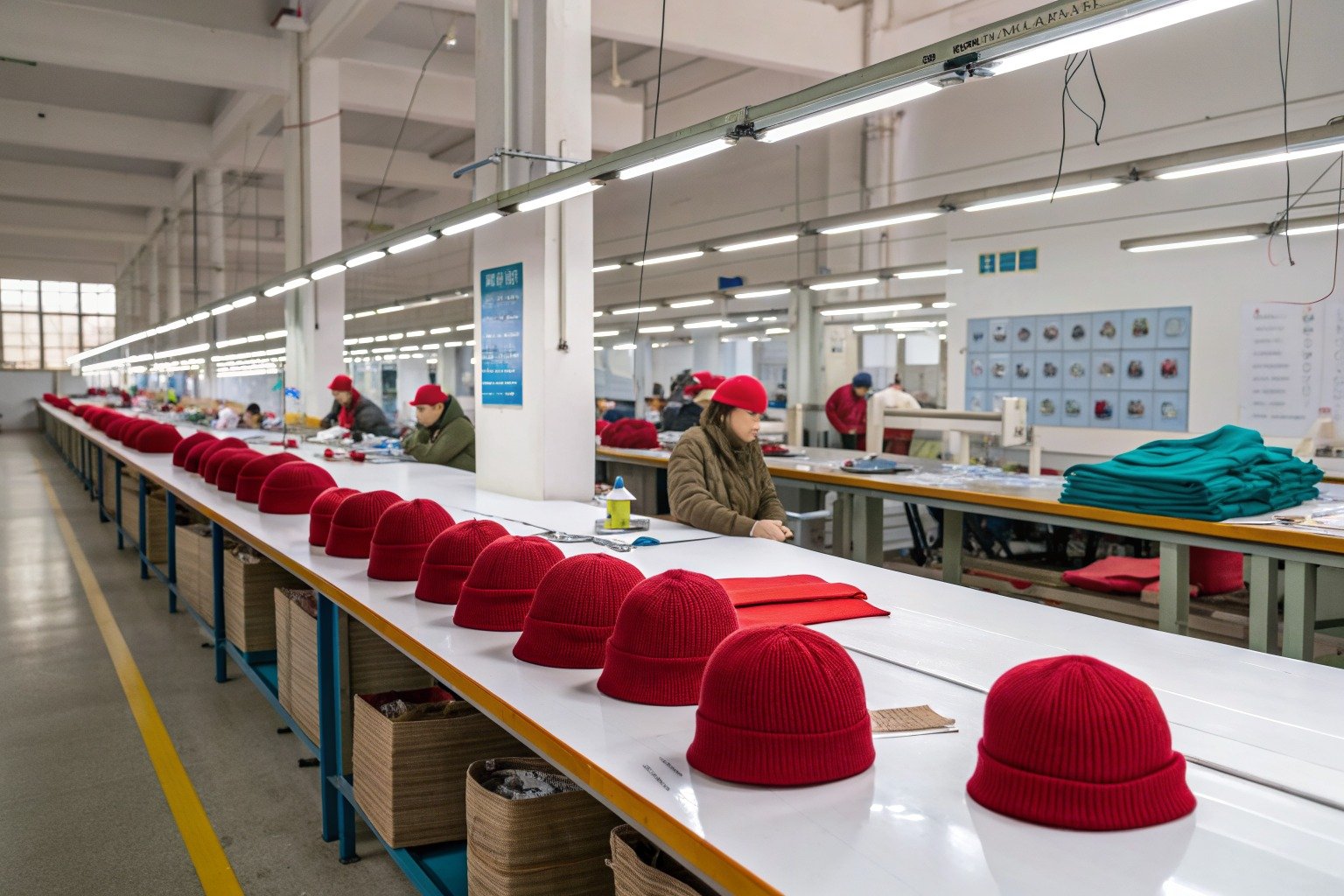
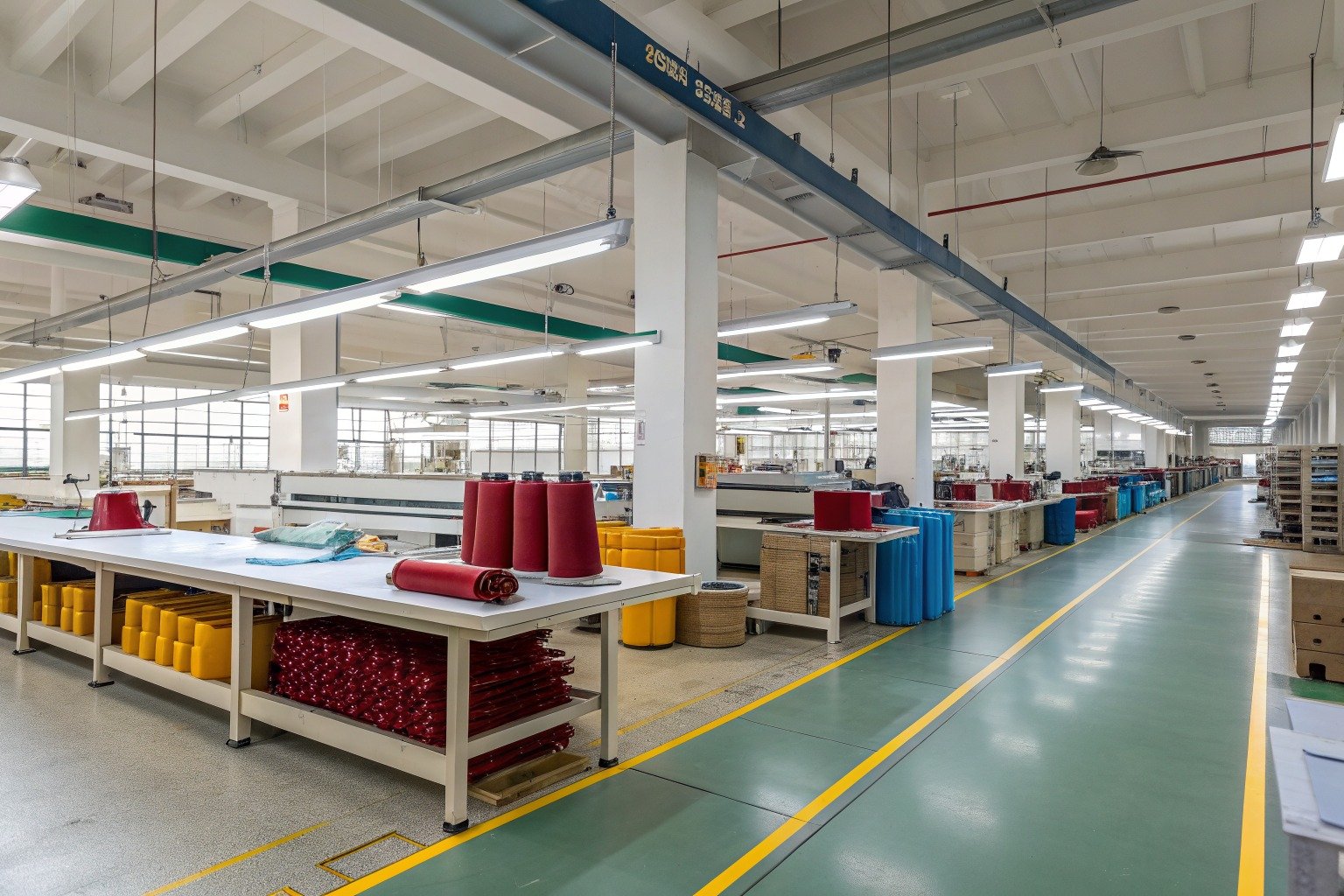
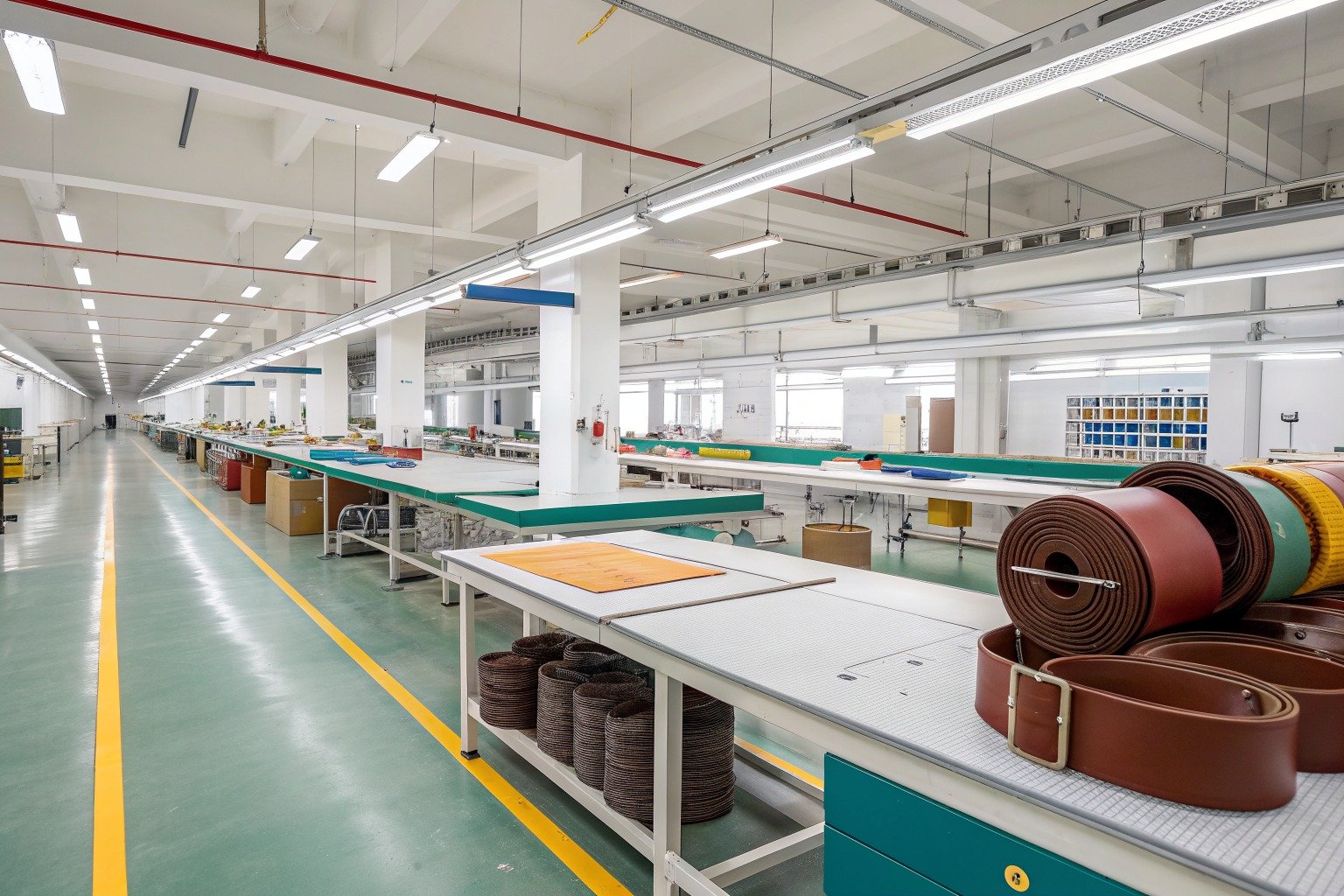
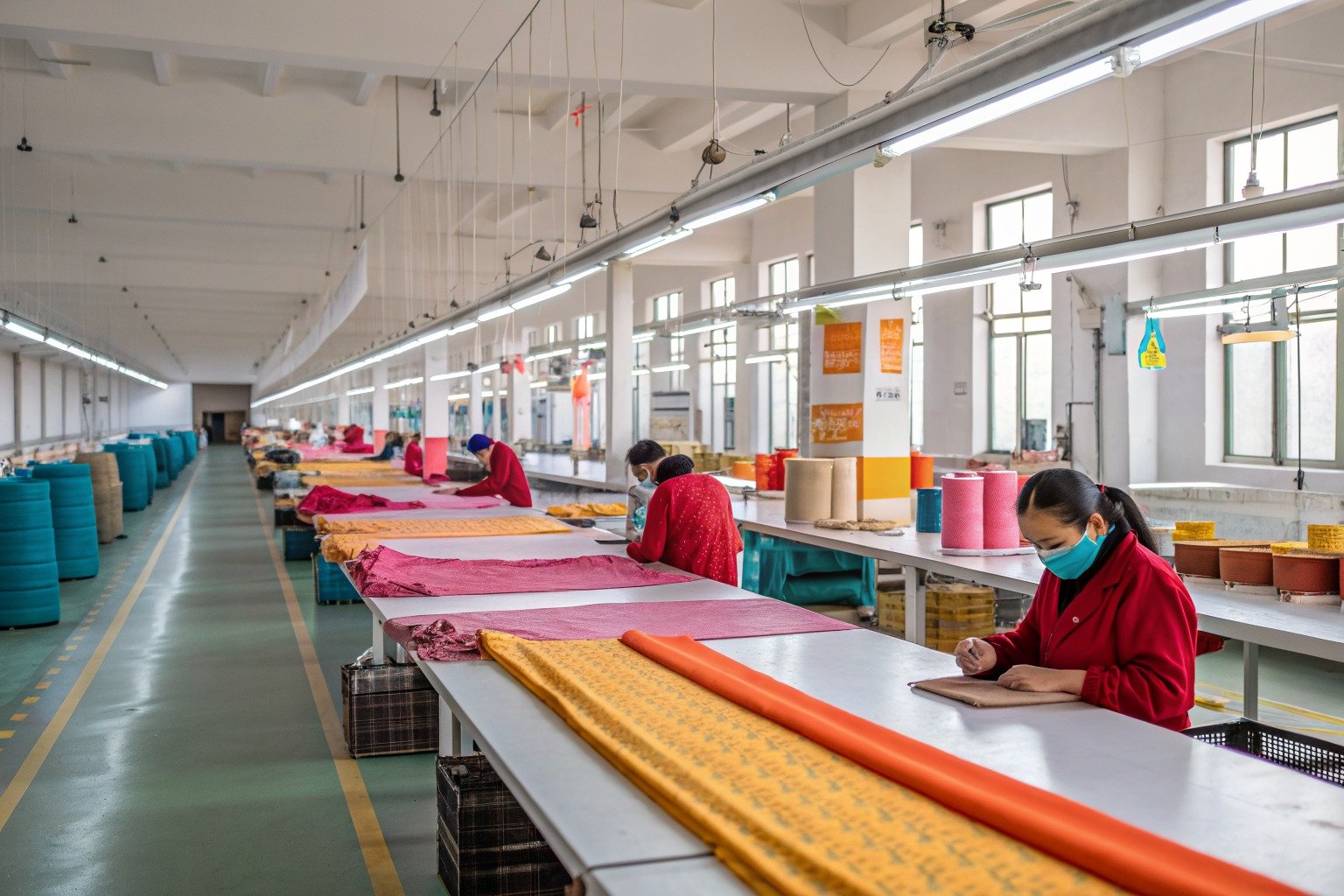
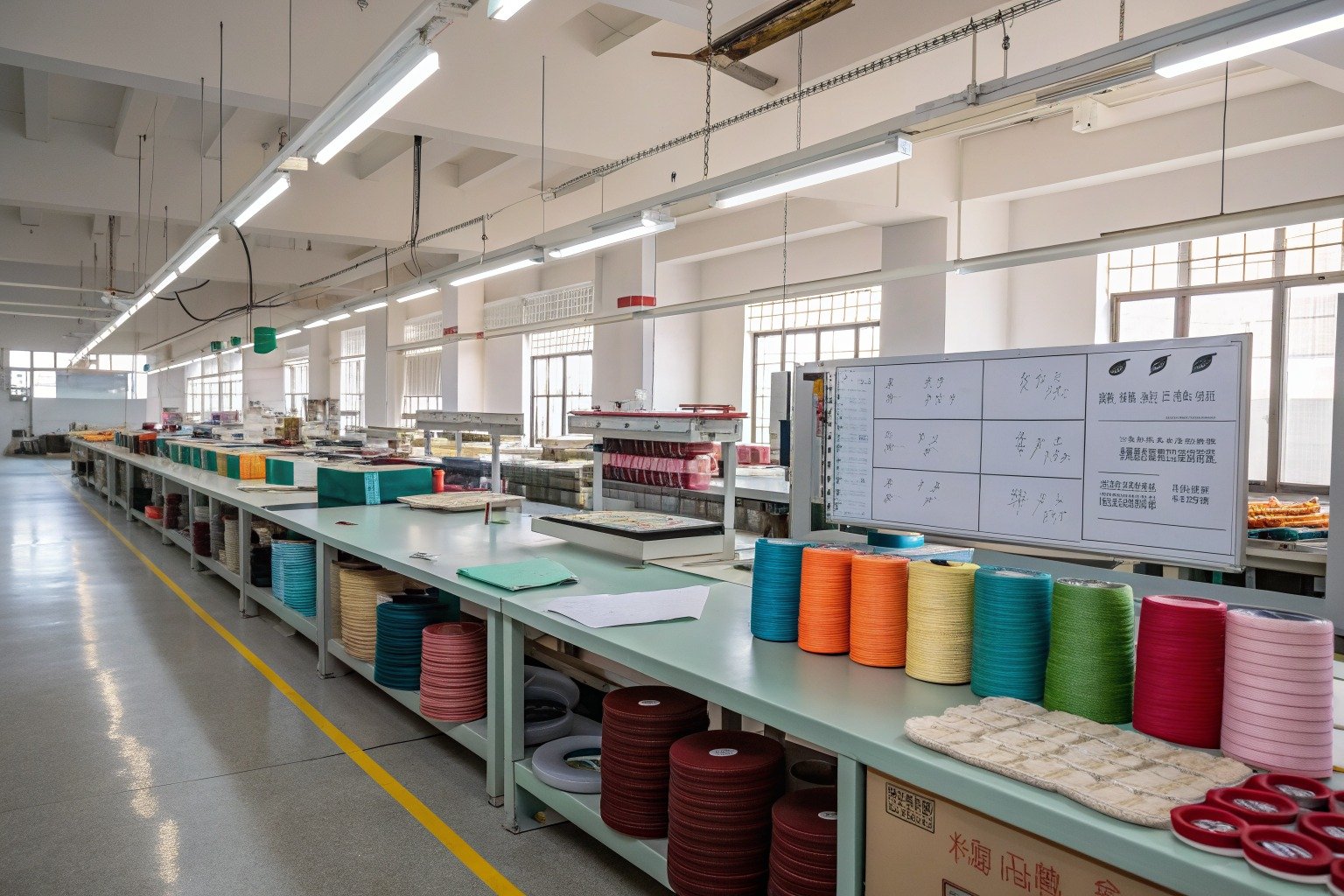
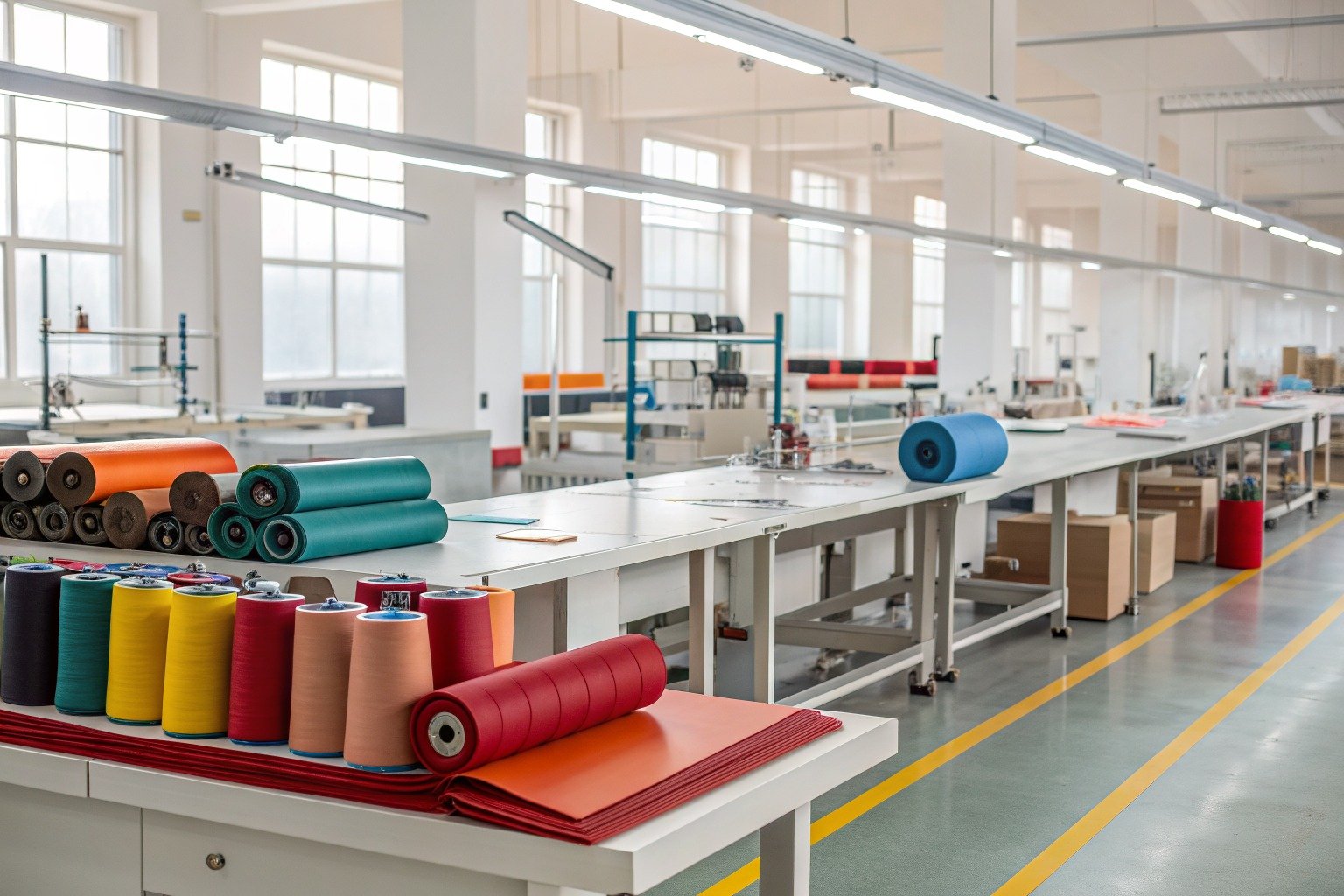
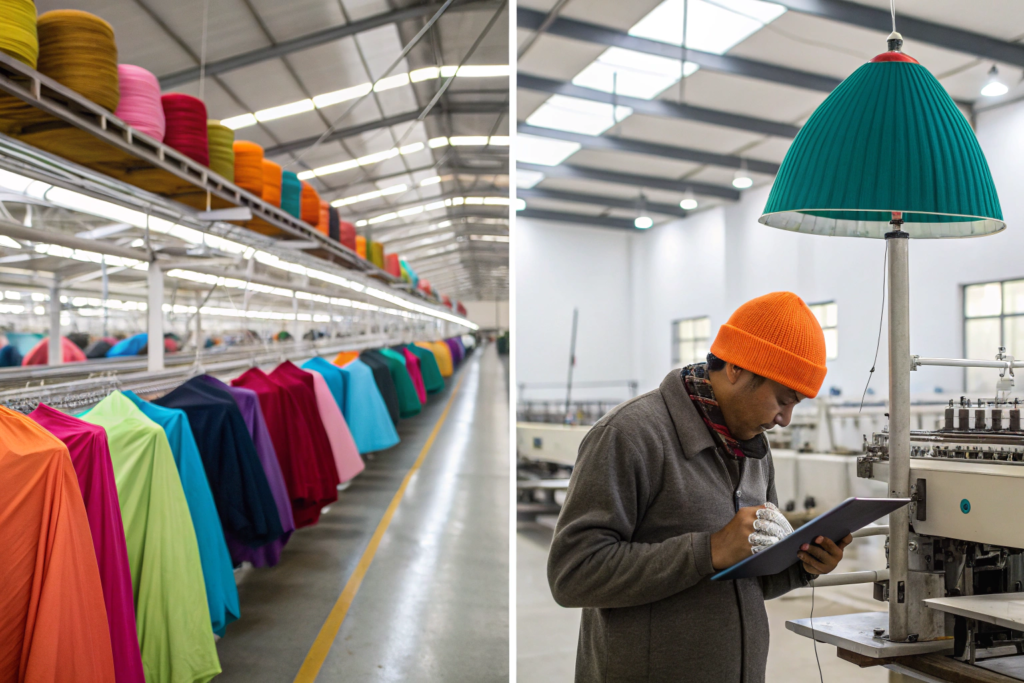
I run AceAccessory in Zhejiang Province. We are not a single, monolithic factory that makes everything under one roof. That model is inefficient. Instead, we are a Centralized Manufacturing Hub. We are experts in fashion accessories , and we have cultivated deep, long-term relationships with specialized workshops in our immediate geographic region. I have a knitwear partner 20 minutes away who makes the best beanies . I have an umbrella partner 30 minutes away who has been making umbrellas for three generations. My project managers oversee the production at both locations as if they were our own floors. The client sees one invoice, one packing list, and one container. Let me walk you through exactly how this cross-category consolidation works and why it is a strategic advantage for buyers like you.
How Does Cross-Category Production Consolidation Work in Zhejiang?
The traditional model of sourcing forces you to be a Supply Chain Manager. You have to find a knitwear factory, vet them, negotiate pricing, manage their production schedule, arrange their inspection, and coordinate their shipping. Then you repeat the entire process for umbrellas. And again for gloves. This is inefficient and fraught with risk.
Our model is different. We act as the Single Point of Accountability. You communicate with one person: your dedicated AceAccessory project manager.
Here is the workflow for a consolidated order of Beanies and Umbrellas:
- Single PO Issued: You send one Purchase Order to AceAccessory. Line Item 1: 2,000 Knit Beanies (Various Colors). Line Item 2: 1,000 Compact Umbrellas (With Logo).
- Parallel Production Management: Your project manager, Elaine, opens two internal work orders. One is sent to our Knitwear Partner . One is sent to our Umbrella Partner . Both partners are within a 30-minute drive of our headquarters.
- Centralized Quality Control: Our AceAccessory QC team visits the knitwear partner on Tuesday to inspect the beanie stitching. They visit the umbrella partner on Thursday to check the frame tension and logo print. The QC reports come to us, and we compile a single, unified report for you.
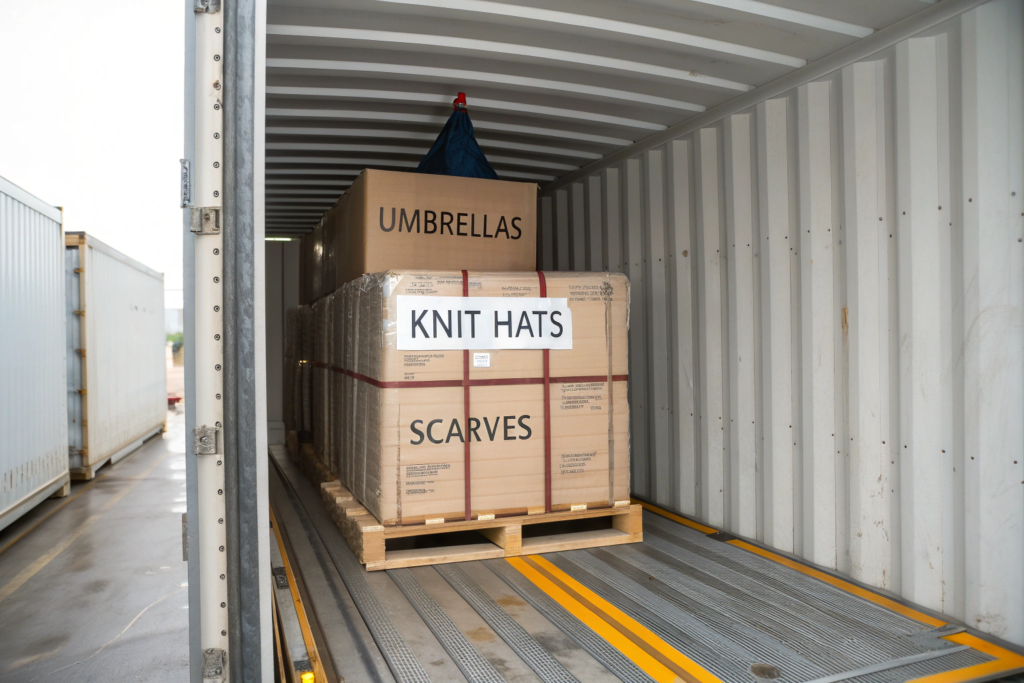
- Consolidated Logistics: When both batches are finished, they are trucked to our Central Warehouse. Here, we combine the cartons of beanies and the cartons of umbrellas onto one set of pallets. We build a single Full Container Load (FCL) .
You receive one set of shipping documents. You pay one freight forwarder. You clear customs with one entry. The efficiency gains are substantial. This is the power of a well-managed supply chain network .
Why Is a Single Point of Contact Critical for Multi-Category Orders?
This is the single biggest value driver of consolidation. It eliminates "Vendor Whiplash."
Imagine managing the communication for three separate orders:
- Knit Factory: "We are out of Navy yarn. Can we substitute Dark Blue?"
- Umbrella Factory: "The logo print on the curved handle is difficult. Can we move it to the shaft?"
- Glove Factory: "The touchscreen thread is delayed. Production will be pushed 4 days."
If you are managing this yourself, you are now a full-time project manager. You are dealing with time zone differences, language barriers, and three different sets of excuses. Your actual job—selling the products—gets pushed aside.
With AceAccessory, all of those communications come to us. We speak the local language. We know the factory managers personally. We know when a delay is legitimate and when it is just poor planning. We resolve 90% of these issues without ever bothering you. You receive a single, concise weekly update: "All items on track for June 10th ship date. Umbrella logo placement confirmed. Beanie yarn substituted with approved match."
This Friction Reduction saves you 5-10 hours of administrative work per order. For a busy buyer like Ron, that time is better spent on sales and product development. We become an extension of your team, not just a vendor. This is the essence of our service model .
How Are Quality Standards Maintained Across Different Specialized Workshops?
This is the most common concern buyers have about the consolidated model. "If the factory isn’t your own, how do I know the quality will be consistent?"
The answer is Standardized Protocols and Shared Accountability. Our partner workshops are not random subcontractors. They are Strategic Partners who have been working with us for 5-15 years. They rely on our volume of business. They know that if they ship substandard goods, they lose all of our future business—not just one small order.
We maintain quality through three mechanisms:
- The AceAccessory QC Checklist: We provide each partner with a detailed, product-specific QC checklist that matches the standards we use in our own facility. For a beanie, it specifies the Stitches Per Inch (SPI) , the Colorfastness Grade, and the Fold and Pack Method.
- Dedicated AceAccessory QC Inspectors: We do not rely on the partner’s internal QC. Our own full-time QC inspectors travel to the partner workshops to perform In-Line Inspections (DPI) and Final Random Inspections (FRI) using AQL sampling standards.
- Final Centralized Check: Before the goods are consolidated in our warehouse, our warehouse team performs a Carton Quantity and Label Check. They verify the carton markings match the packing list. This catches any last-mile labeling errors.
This system ensures that the beanie from Partner A and the umbrella from Partner B both meet the AceAccessory Standard. You get the benefit of specialized manufacturing with the assurance of centralized quality oversight. This is how we ensure consistent quality control across categories.
What Are the Logistical Advantages of a Single Consolidated Shipment?
The financial and operational benefits of consolidation extend far beyond just easier communication. The most tangible benefit is in Logistics Cost Reduction.
Let’s do the math. Imagine you order 3 cubic meters (CBM) of beanies and 4 CBM of umbrellas. Total volume is 7 CBM.
-
Scenario A: Separate Shipments.
- Beanie Shipment (3 CBM): Shipped via LCL (Less than Container Load) .
- Umbrella Shipment (4 CBM): Shipped via LCL .
- Result: You pay two separate LCL fees. LCL is charged per CBM, with a minimum of 1 CBM. The per-unit freight cost is high.
-
Scenario B: Consolidated Shipment (Our Model).
- Combined Shipment (7 CBM): This volume is approaching the threshold where FCL (Full Container Load) becomes economical, or you get a much better LCL rate due to the higher volume.
- Result: You pay one set of documentation fees, one customs clearance fee, and a lower per-unit ocean freight rate.
The savings on a 7 CBM consolidated shipment versus two separate LCL shipments can easily be $300 – $600 . Over the course of a year, this adds up to significant profit preservation.
Furthermore, you receive one delivery appointment at your warehouse. Your receiving team unloads one truck, not three. They check in one PO, not three. This reduces warehouse labor costs and simplifies inventory reconciliation. This is a major operational win for brands managing their own logistics .
How Does Full Container Load (FCL) Consolidation Reduce Per-Unit Freight Cost?
Let’s visualize the cost curve. Ocean freight is priced by the container, not strictly by weight or volume inside.
- A 20ft Container holds approximately 28 CBM of goods. The cost to ship that container from Ningbo to Los Angeles is a fixed price (e.g., $2,500).
- LCL Rate: $95 per CBM.
If you ship 7 CBM LCL, you pay 7 x $95 = $665.
If you can combine your Winter Accessories order with your Spring Umbrella order and maybe a few hair accessories to reach 28 CBM, you pay the flat $2,500 for the container.
Cost per CBM:
- LCL (7 CBM): $95 / CBM
- FCL (28 CBM): $2,500 / 28 = $89 / CBM
The per-unit freight savings is about 6%. But more importantly, you have exclusive use of the container. Your goods are not handled and re-packed at a Container Freight Station (CFS) , which reduces the risk of damage, loss, or misrouting that can occur with LCL cargo.
At AceAccessory, we actively work with our clients to Plan Consolidated Loads. We look at their upcoming orders and say, "If you add 500 more shawls to this order, we can hit the 28 CBM threshold and save you $500 on freight." This strategic logistics planning is a value-added service we provide.
What Are the Customs Clearance Benefits of a Single Invoice for Mixed Goods?
Clearing US Customs involves paperwork and fees. Each Customs Entry incurs a cost from your customs broker.
- Separate Shipments: You pay two Customs Entry Fees ($75 – $150 each).
- Consolidated Shipment: You pay one Customs Entry Fee.
More importantly, a single, well-organized commercial invoice reduces the risk of a Customs Examination. US Customs and Border Protection (CBP) uses an automated targeting system. A shipment with three different suppliers’ invoices, three different packing lists, and inconsistent product descriptions is a Red Flag. It looks like a shipment that has been "pierced" (cargo from multiple shippers consolidated by a freight forwarder), which statistically has a higher rate of compliance issues.
A single invoice from AceAccessory , with clear line items for "Knit Beanies," "Umbrellas," and "Scarves," all under one shipper name and one address, is a Green Flag. It looks like a professional, integrated shipment. This reduces the probability of an intensive Customs exam, which saves you time, storage fees, and the headache of dealing with CBP.
At AceAccessory, we format our commercial invoices specifically for US Customs Compliance. We use precise HTS code suggestions and clear material descriptions. This is part of our commitment to making your importing experience as smooth as possible.
What Are the Practical Limitations of Cross-Category Production?
While the consolidated model offers huge advantages, I want to be transparent about its practical limitations. It is not a magic wand. There are certain product categories that simply do not mix well, either from a manufacturing or a logistical standpoint.
Limitation 1: Minimum Order Quantity (MOQ) Still Applies Per Category.
You cannot order 50 beanies, 50 umbrellas, and 50 scarves and expect a single consolidated shipment at a low price. Each product category goes to a different partner, and each partner has their own MOQ to cover setup costs.
- Knitwear MOQ: ~300 pcs per color.
- Umbrella MOQ: ~100 pcs for screen print.
The consolidation works best when you have commercially viable quantities for each category. It is designed for brands that are ordering replenishment stock across their entire assortment, not for sampling one of everything.
Limitation 2: Fragile vs. Heavy Goods Stacking.
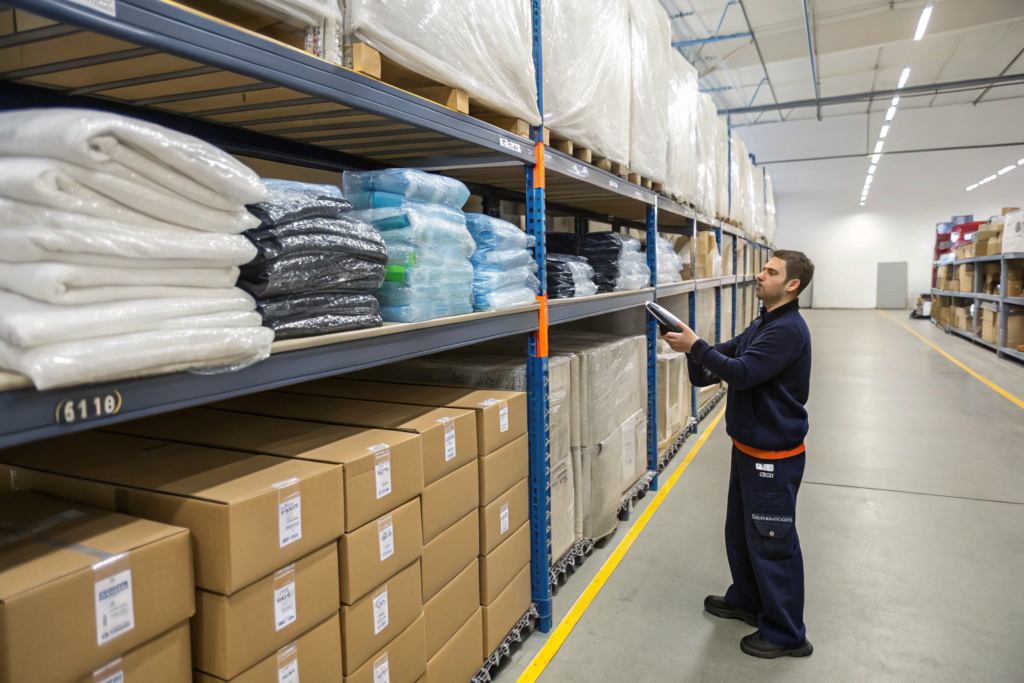
We must be careful about Pallet Stacking. A carton of heavy belts should never be stacked on top of a carton of crushable straw hats . Our warehouse team is trained in Load Planning. We place heavy, dense items on the bottom of the pallet and lighter, fragile items on the top. We use Slip Sheets (flat cardboard layers) between different product categories to distribute weight and prevent cartons from shifting into each other.
Limitation 3: Lead Time Discrepancies.
Knitwear might take 25 days to produce. Umbrellas might take 30 days. We manage this by aligning the Production Start Dates. We don’t start both orders on the same day. We back-schedule from the Target Ship Date. The item with the longer lead time (Umbrellas) starts first. The item with the shorter lead time (Knitwear) starts later. This ensures both are finished and delivered to our consolidation warehouse at roughly the same time. This requires careful project management, which is what we do best.
Why Can’t You Ship Fragile Ceramics and Soft Scarves in the Same Carton?
This seems obvious, but it is a question we get. The answer is Abrasion and Weight.
A soft scarf is made of delicate fibers. A ceramic cup is hard and heavy. During ocean transit, the container vibrates constantly. If you pack a ceramic cup and a scarf in the same carton, the vibration will cause the cup to rub against the scarf thousands of times. The result: a scarf with a worn, fuzzy, abraded patch where it touched the cup.
Therefore, Cross-Category Consolidation happens at the Pallet and Container level, not the Carton level.
- Carton Level: A carton contains only Beanies. Another carton contains only Umbrellas. Another carton contains only Scarves. This protects the items from each other.
- Pallet Level: Cartons of Beanies, Umbrellas, and Scarves are stacked together on one pallet, with proper weight distribution and slip sheets.
- Container Level: Pallets of mixed goods are loaded into one container.
This approach gives you the logistical efficiency of consolidation without the product damage risk of mixing items inside a single box. At AceAccessory, our packing standards are strictly enforced to prevent Cross-Contamination of Damage. We treat your products with the care they deserve.
How Do You Manage Different Lead Times for Knitwear vs Umbrellas?
This is a project management discipline called Critical Path Scheduling.
- Step 1: Identify the Longest Lead Time Item. (e.g., Umbrellas require 30 days due to frame assembly and logo printing).
- Step 2: Set the Target Consolidated Ship Date. (e.g., July 15th).
- Step 3: Back-Schedule.
- Umbrella production must start on June 15th (30 days prior).
- Knitwear production must start on June 22nd (23 days prior).
- Step 4: Monitor Progress. The project manager tracks both work orders. If the knitwear is running ahead of schedule, we can slow it down slightly to avoid long storage. If the umbrellas hit a snag, we can expedite the knitwear slightly to ensure everything is ready for the same truck.
This requires active management and clear communication with the partner workshops. At AceAccessory, we use a shared digital production calendar that tracks the status of every component across all partner locations. This allows us to see bottlenecks developing and proactively adjust schedules. This is the kind of operational sophistication that makes cross-category consolidation possible and reliable.
How Does This Model Benefit Boutique Owners and Corporate Gift Buyers?
The consolidated model is not just for large retailers. It is particularly powerful for two specific types of buyers: Boutique Owners and Corporate Gift Buyers.
The Boutique Owner:
You run a small, curated shop. You don’t need 1,000 umbrellas. You need 100 umbrellas, 200 beanies, and 150 scarves to create a beautiful, cohesive "Rainy Day" window display and collection. Sourcing these from three different vendors is a nightmare of high MOQs and LCL freight costs. Our model allows you to place one order that meets the minimums for each category through our screen print/stock options, and we consolidate the freight. You get a diverse, high-quality assortment without the inventory and logistical burden.
The Corporate Gift Buyer:
You are planning a company retreat in the mountains. You need 500 branded umbrellas (just in case) and 500 cozy branded beanies (for the evening bonfire). You need them to arrive together, ideally in gift-ready packaging.
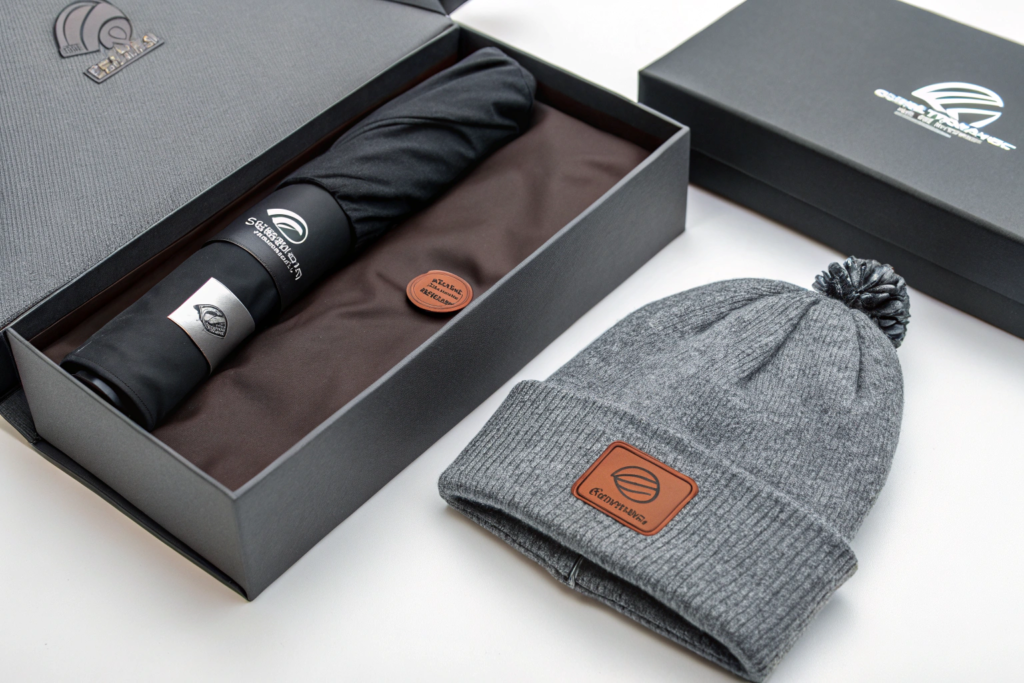
We can manage this entire project. We can source the umbrella and the beanie. We can ensure the logo placement is consistent across both items. We can even have both items packed into a single gift box with a branded sleeve. We then palletize the gift boxes and ship them to a single destination.
This is a turnkey solution. The corporate buyer provides the logo and the quantity. We handle the rest. They look like a hero to their events team.
At AceAccessory, we excel at these Multi-SKU, Moderate-Volume projects. They play to our strengths of flexible production management and consolidated logistics. We help small and medium-sized businesses punch above their weight class in terms of product assortment and brand presentation.
Can You Create Gift Sets with Both Umbrellas and Cold-Weather Items in One Box?
Yes, this is a specialized service we offer called "Kitting and Assembly."
Here is the process:
- Component Production: The umbrellas and beanies are produced at their respective partner workshops.
- Consolidation: The finished goods are brought to our AceAccessory Central Warehouse.
- Kitting Line: We set up a dedicated assembly line. Workers take one beanie, fold it neatly, and place it in the bottom of the custom gift box. They then place the umbrella on top, add a branded tissue paper, and close the lid.
- Final Packing: The finished gift boxes are placed into a master shipping carton.
This service adds value and saves you the enormous cost and hassle of shipping loose items to a US-based fulfillment center just to have them kitted. The labor cost for kitting in China is a fraction of what it is in the US.
MOQ for Kitting: Typically 500 sets. This covers the cost of the custom gift box and the setup of the assembly line.
This is a powerful offering for holiday gift guides, corporate gifting, or wedding welcome bags. It allows you to offer a premium, ready-to-gift product that stands out in the market. At AceAccessory, we can manage the entire process, from sourcing the accessories to delivering the finished gift sets.
How Does a Unified Brand Aesthetic Across Categories Strengthen Retail Presence?
This is the strategic, long-term benefit of working with a single manufacturing partner across categories. It ensures Brand Cohesion.
When you source beanies from Factory A and umbrellas from Factory B, you often end up with subtle inconsistencies:
- The "Navy" beanie is slightly different from the "Navy" umbrella panel.
- The "Gold" logo on the beanie label is shiny, but the "Gold" print on the umbrella is matte.
- The packaging aesthetic is completely different.
These micro-inconsistencies erode the perception of a premium, curated brand. They make your store look like a collection of random items rather than a thoughtfully designed assortment.
With AceAccessory, we manage the Color Matching and Brand Standards across all categories. We use the same Pantone reference for the umbrella fabric and the beanie yarn. We use the same logo file for the umbrella screen print and the beanie woven label. The result is a Unified Brand Experience.
When a customer walks into your store and sees the matching umbrella and beanie set, it tells a powerful visual story. It increases the Perceived Value of both items. It encourages Multiple Purchases. It builds Brand Loyalty.
This is the ultimate value of a consolidated sourcing strategy. It is not just about saving money on freight. It is about building a stronger, more coherent, and more profitable brand. This is the vision we share with our brand partners .
Conclusion
The ability to produce both cold-weather and rain accessories within a single, consolidated order is a transformative advantage in the complex world of global sourcing. It shifts the burden of fragmented vendor management, inconsistent quality control, and costly, inefficient logistics from the buyer to a centralized, accountable manufacturing partner.
By leveraging a network of specialized workshops managed under a unified project management and quality assurance system, we can deliver a diverse product assortment with the simplicity of a single purchase order and a single shipment. This model not only reduces direct costs like freight and customs fees but also eliminates the hidden costs of administrative overhead and brand inconsistency.
For boutique owners seeking a curated, low-MOQ assortment and for corporate buyers needing turnkey gift solutions, this consolidated approach provides a level of service and strategic value that traditional, single-category factories cannot match. It allows you to build a cohesive brand narrative across product categories, strengthening your retail presence and deepening customer loyalty. If you are planning a multi-category order and want to simplify your supply chain while elevating your brand presentation, we can develop a consolidated production and logistics plan tailored to your needs. Contact our Business Director, Elaine. She can provide a consolidated quote and timeline for your specific assortment. Email Elaine at: elaine@fumaoclothing.com