Three years ago, I sat in a meeting with a buyer from a major US department store. She showed me a mood board filled with neon colors and chunky plastic chains. She was convinced this was the next big thing. I showed her our internal trend data, which pointed toward softer, more organic textures and muted, mineral tones. She went with the neon. Six months later, those neon chains hit the clearance rack at 70% off. Meanwhile, the brands that embraced the quiet luxury of natural materials sold out at full price. She called me after the season and asked, "How did you know?" I told her it wasn’t a crystal ball. It was a disciplined process of gathering intelligence from the very beginning of the supply chain. If you are like Ron, you cannot afford to guess. You need to place your production orders six to nine months before the season hits. The fear of investing in a trend that has already peaked, or missing the trend that defines the year, is the central anxiety of fashion buying.
Our design team predicts accessory trends for 2026 through a multi-layered intelligence framework that combines top-down macro forecasting with bottom-up supply chain signals. We synthesize data from four key sources: global color and fabric forecasting services (WGSN, Pantone), early-stage fabric mill innovations and sell-through data, cross-category trend transference from adjacent industries (home décor, automotive), and real-time feedback loops from our clients’ best-selling SKU data. The goal is to identify trends that have both directional momentum and commercial viability.
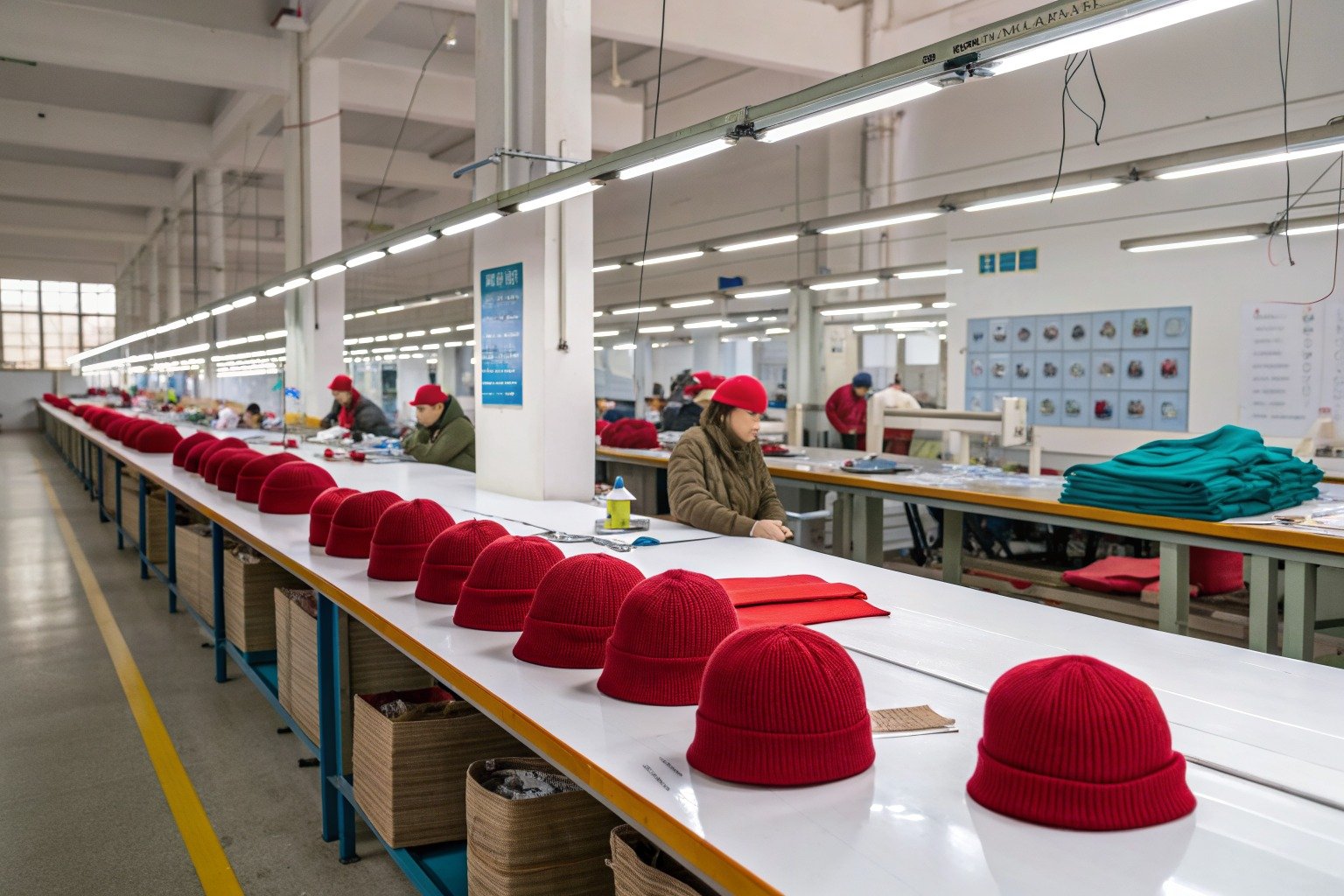
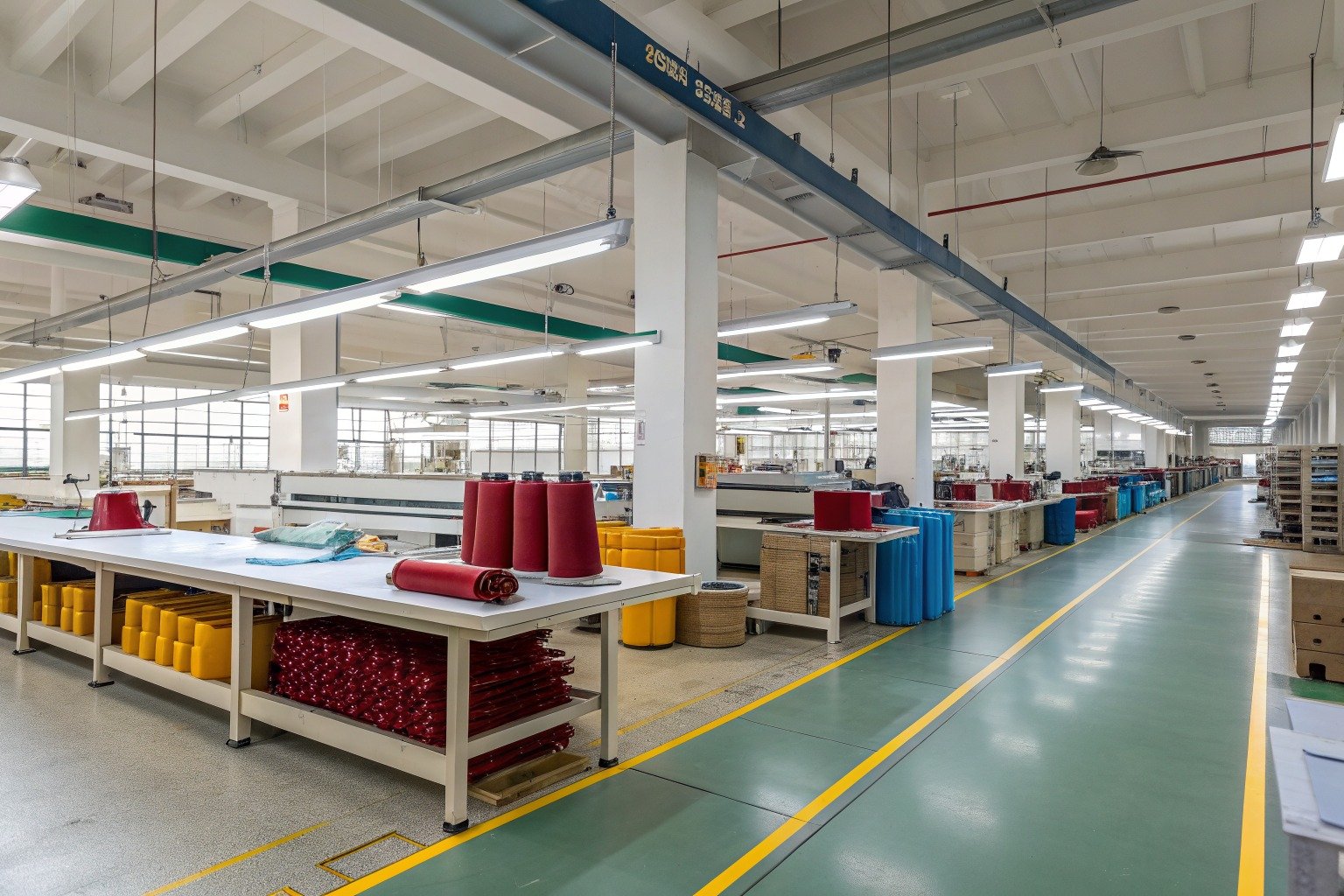
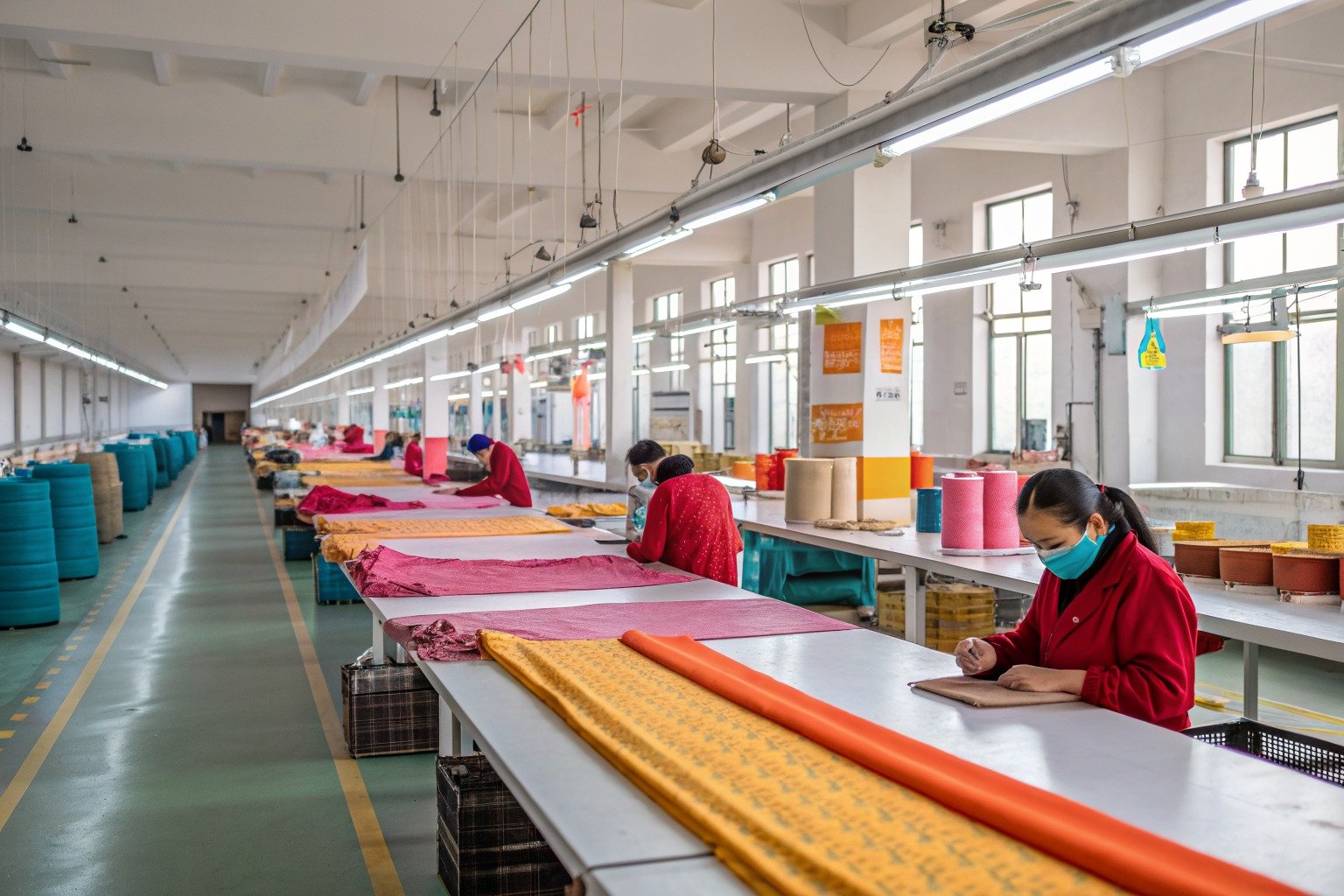
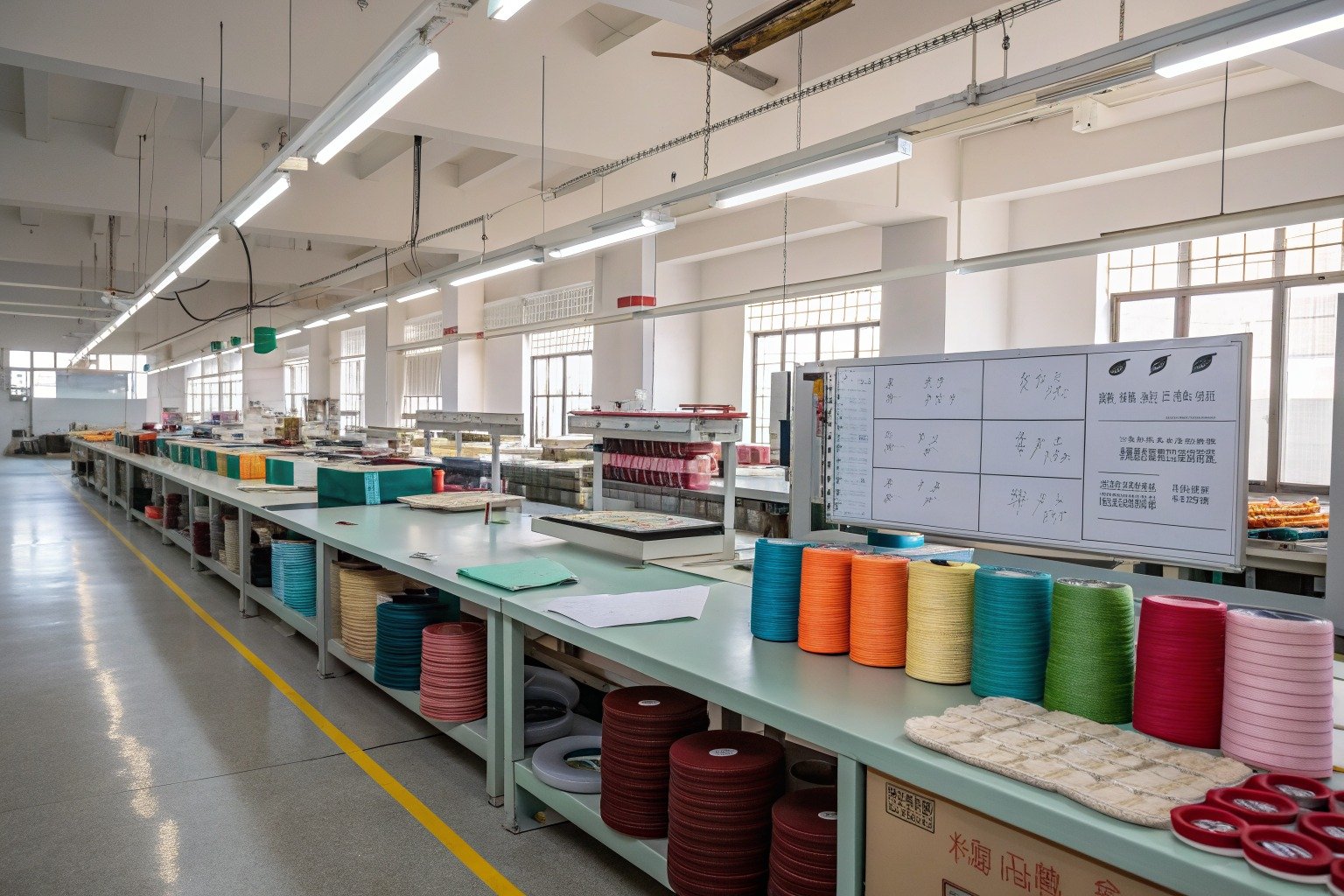
I run AceAccessory in Zhejiang Province. Our design team is not just a room of creatives sketching pretty shapes. They are part analyst, part anthropologist, and part supply chain detective. We are positioned at a unique vantage point in the global fashion ecosystem. We see the raw materials being ordered by the world’s biggest brands six months before those products hit the shelves. We talk to the yarn mills, the button factories, and the dye houses. They tell us what colors and textures are being requested in volume. This is the "whisper network" of the supply chain. Let me pull back the curtain and show you exactly how we separate a fleeting TikTok fad from a genuine, commercially viable trend for the 2026 season.
Why Does Trend Forecasting Start at the Material and Color Level?
Most people think trend forecasting starts with runway shows or street style photos. Those are lagging indicators. By the time a trend is on the runway or on Instagram, the supply chain has already been committed for months. The true leading indicators are at the material and color level.
Think about it logically. Before you can make a bucket hat in "Sage Green," a yarn mill has to decide to produce that color of yarn. Before a yarn mill produces that yarn, a chemical company has to formulate that specific dye. The pipeline is 12 to 18 months long.
At AceAccessory, we have cultivated relationships with the major fabric mills and dye houses in Zhejiang and Jiangsu provinces. We meet with them quarterly. We ask them a simple but powerful question: "What are the big brands ordering for delivery in 9 months?"
If three different mills tell us, "We are seeing a massive uptick in orders for Recycled Nylon Ripstop in Faded Terracotta and Sea Glass Green ," we don’t need to see a runway show. We know those colors and materials will be everywhere in 2026. The brands have already placed their bulk fabric orders. The trend is locked in.
This Bottom-Up Supply Chain Intelligence is more reliable than any fashion magazine because it represents committed capital. Brands don’t order millions of yards of fabric on a whim. They do it based on their own internal forecasting and consumer testing. We are essentially listening to the aggregate wisdom of the market’s largest players. This is how we confidently guide our clients toward the materials and colors that will define the 2026 fashion accessories landscape.

How Do Color Services Like Pantone and WGSN Influence Early Stage Design?
While supply chain data tells us what is happening, color forecasting services like Pantone and WGSN tell us what might happen and why. They provide the narrative and the macro context.
These services employ teams of sociologists, economists, and cultural anthropologists. They analyze global events, political moods, and technological shifts to predict the "Color of the Year" and broader seasonal palettes.
For 2026, for example, the macro narrative is shifting away from the chaotic "Dopamine Brights" of the post-pandemic era toward a more grounded, stable, and nature-connected palette. This is being driven by:
- Climate Anxiety: A desire for colors found in nature (clay, moss, sea glass).
- Economic Uncertainty: A preference for timeless, versatile neutrals over risky, fleeting brights.
- Digital Detox: A move toward tactile, imperfect, "human" textures.
We use these macro narratives to validate our supply chain observations. If the mills tell us "Faded Terracotta" is up, and WGSN tells us "Earthy, grounding tones" are a macro trend, we have a high-confidence signal. We then translate these broad color stories into specific, actionable Pantone codes for our clients’ hair bands , shawls , and hats .
We also use the Pantone Fashion, Home + Interiors system because it provides a common language. We can say "Pantone 17-1230 Mocha Mousse" and the dye house in Shaoxing knows exactly what we mean. This precision eliminates the guesswork and color matching delays.
What Role Do Fabric Mill Sell-Through Reports Play in Trend Validation?
This is the "secret weapon" of our forecasting. We don’t just ask mills what is being ordered. We ask them: "What is selling out?"
A fabric mill produces sample yardage of hundreds of new textures and colors every season. They send these samples to thousands of brands. They track exactly which swatches receive the most requests for bulk pricing.
If a particular "Slub Cotton Hemp Blend" or a "Matte Velvet" has an unusually high "Swatch-to-Bulk Conversion Rate," that is a powerful signal. It means that dozens of independent brands have all independently decided that this material is the right choice for their upcoming collections.
We aggregate this anonymized sell-through data from our network of partner mills. It acts as a real-time vote from the market. It allows us to spot emerging material trends 3-6 months before they appear in finished goods. For 2026, this data is pointing strongly toward textured naturals (hemp, slub cotton) and performance nylons (recycled ripstop). We use this data to curate our Material Library for the upcoming season, ensuring our clients have first access to the fabrics that are proving themselves in the market. This is a level of product development intelligence that most small factories cannot offer.
How Do You Translate Macro Trends into Commercial Accessory Designs?
Identifying a macro trend like "Coastal Ease" or "Quiet Utility" is one thing. Translating that into a commercially viable hair clip that a customer will actually buy is another. This is the "Last Mile" of trend forecasting, and it is where our in-house design team’s expertise is most valuable.
A common mistake is to be too literal. A trend report says "Nautical." A bad factory makes a hair clip shaped like an anchor. That is costume jewelry. It sells for two weeks in July and then dies.
Our approach is Abstraction and Application. We take the essence of the trend and apply it to the functional requirements of the accessory.
- Trend Input: "Natural Textures, Handcrafted Feel, Imperfect Beauty."
- Bad Translation: Gluing actual seashells onto a barrette . (Fragile, heavy, snags hair).
- Good Translation (Our Approach): Using a Tortoiseshell Acetate in a new, unexpected colorway like "Sea Glass Fade." Or using a Matte, Stone-Texture Finish on a plastic hair claw . The design is a classic, wearable shape, but the material and finish tell the trend story.
We also apply the principle of Cross-Category Transference. We look at what is happening in Home Décor (e.g., the rise of boucle sofas) and Automotive Interiors (e.g., matte wood finishes). We ask, "How can we miniaturize that texture for a scrunchie ?" The answer for 2026 is Boucle Yarn Scrunchies and Matte Finish Hair Claws. This approach ensures our designs feel current and sophisticated, not gimmicky.

Why Is "Cross-Category Transference" from Home Décor and Apparel Critical?
Fashion accessories do not exist in a vacuum. They are part of a broader lifestyle aesthetic. Consumers who are renovating their homes with warm, minimalist, organic modern interiors are the same consumers who are buying clothes and accessories. They want a cohesive visual identity.
We actively monitor trends in adjacent industries:
- Home Décor: The dominance of Boucle Fabric on sofas and accent chairs. This texture is now appearing in our winter hats and shawls .
- Apparel: The rise of Barrel-Leg Pants and Oversized Blazers. This silhouette shift requires a different scale of accessory. A tiny, delicate hair clip looks lost against an oversized coat. This validates our trend toward Larger, Sculptural Hair Claws for 2026.
- Footwear: The popularity of Woven Leather Flats. This validates our move toward Woven and Braided Textures in belts and headbands.
By looking at these larger, slower-moving industries, we can anticipate the accessory needs that will arise 12-18 months later. A consumer who buys a boucle coat in Fall 2025 will be looking for a boucle bucket hat to match in Spring 2026. We aim to have that product ready and waiting. This is strategic fashion forecasting .
How Do You Balance Trend-Driven Novelty with Core Replenishment Styles?
This is the business reality. We cannot fill a container with only experimental, trend-driven items. A successful accessory brand needs a foundation of Core Basics that sell reliably year-round. The trend items are the "Sizzle." The core items are the "Steak."
Our design team uses an 80/20 Rule as a guideline for most clients, though this is adjusted based on the brand’s specific positioning.
- 80% Core Assortment: Black, Navy, Tortoiseshell, Neutral Beige. Classic shapes. Reliable materials. These are the items that pay the rent. They have a low risk of obsolescence.
- 20% Trend Assortment: The new colors (Faded Terracotta, Sea Glass). The new textures (Boucle, Hemp). The new silhouettes (Wider Brim, Deeper Crown).
The Strategic Link:
The 20% Trend assortment drives traffic and new customer acquisition. It gets featured in newsletters, on social media, and in new arrival sections. It makes the brand feel fresh and relevant.
The 80% Core assortment converts that traffic and builds customer loyalty. Once a new customer is on the site because of the cool "Terracotta Hair Claw," they also add a 3-pack of basic Black Elastics to their cart.
At AceAccessory, we help our clients structure their orders to maintain this balance. We can produce the high-volume core items efficiently while still offering the flexibility to test small batches of trend-driven styles. This balanced portfolio approach is the key to sustainable growth in the accessories business .
What Are the Specific Silhouette and Detail Trends for 2026 Accessories?
Let’s get specific. Abstract trend narratives are useful, but buyers like Ron need concrete details to build a line plan. Based on our multi-layered forecasting process, here are the specific silhouette and detail trends we are guiding our clients toward for the 2026 fashion accessory season.
1. The Sculptural Statement Claw.
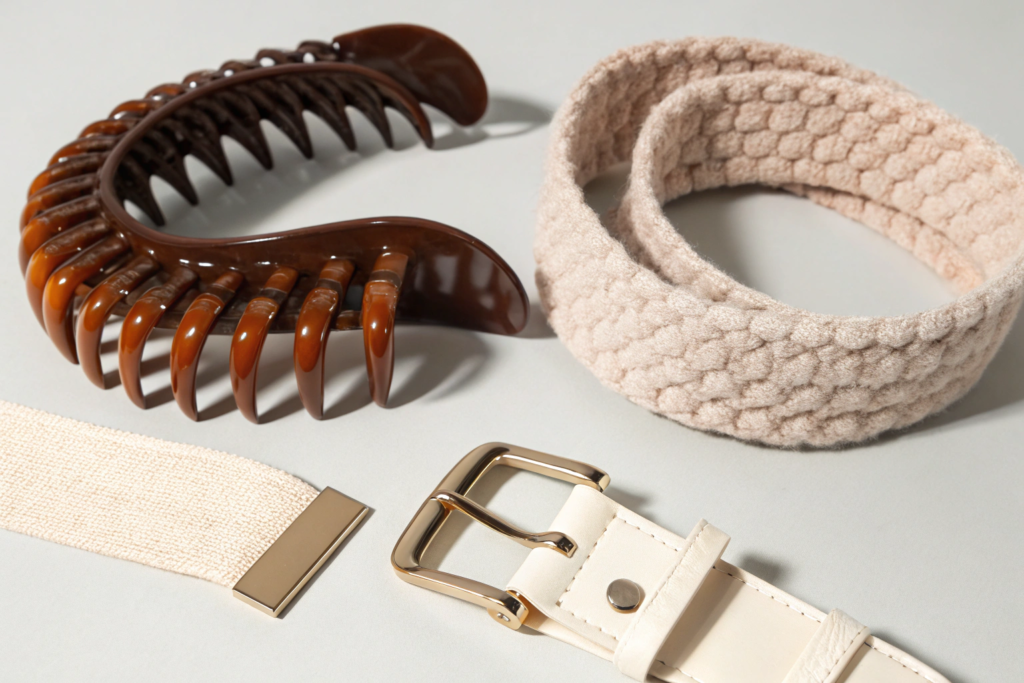
The tiny, minimalist clip is fading. The 2026 hair claw is an object of art. Think organic, flowing shapes inspired by natural forms (pebbles, seed pods, water ripples). The scale is larger, designed to hold a full head of thick hair or make a visible statement on a half-updo. The materials are Matte Acetate or Recycled Polycarbonate with a soft, stone-like finish.
2. The Boucle and Textured Headband.
The smooth satin or velvet headband is being replaced by Tactile Textures. Boucle Yarn (the loopy, nubby fabric used on high-end sofas) is the breakout material for headbands and winter accessories. It adds visual interest and a cozy, handcrafted feel. We are also seeing a rise in Braided and Woven fabric headbands.
3. The "Quiet Utility" Belt.
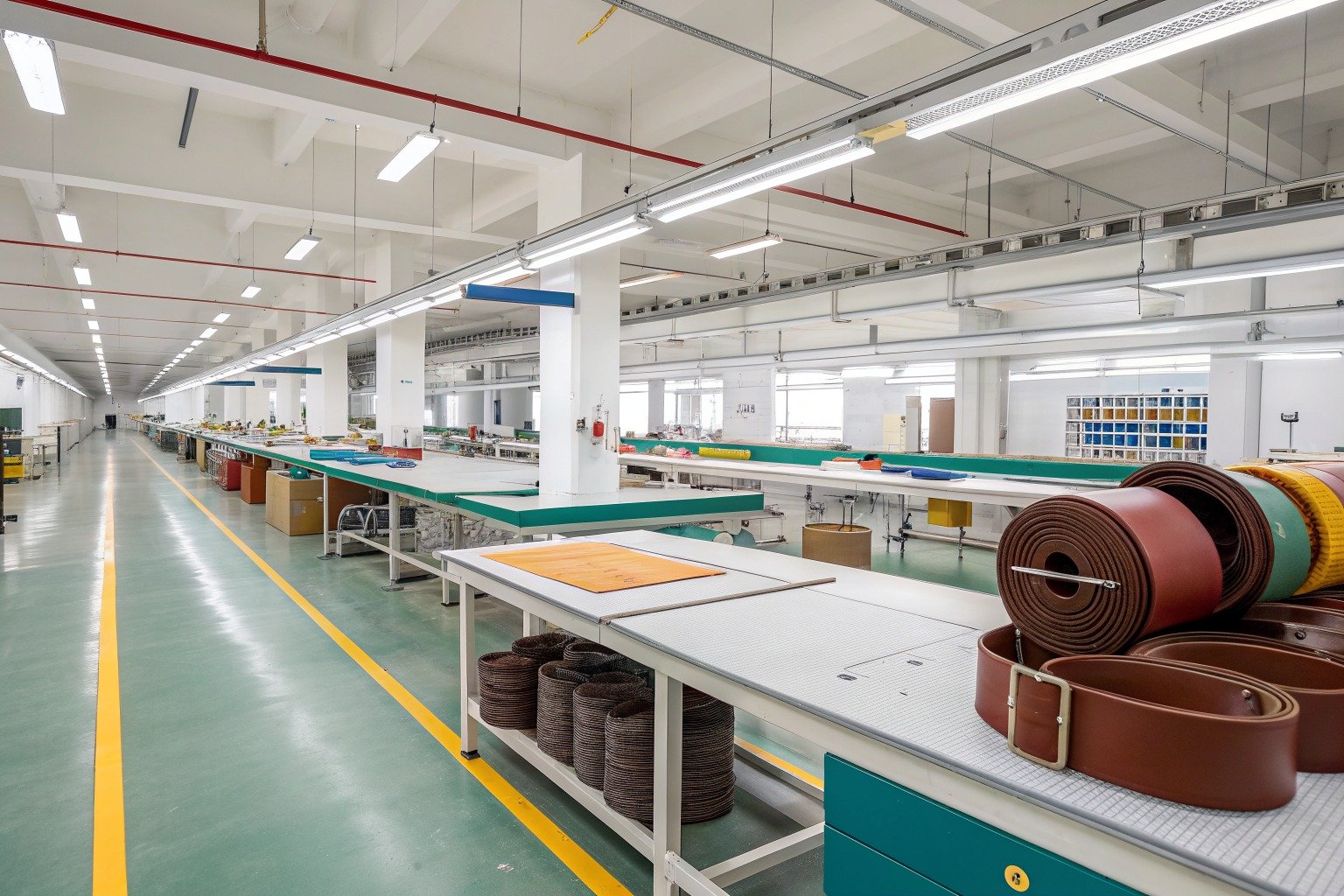
For belts , the giant, logo-heavy buckle is out. The trend is toward Minimalist, Functional Hardware. Think matte black or brushed silver Rectangular Frames and Rounded D-Rings. The strap material is Textured Leather or Heavy Recycled Webbing. The belt is designed to cinch a relaxed blazer or add shape to a dress, not to scream for attention.
4. The Deeper, Wider Bucket Hat.
As covered in a previous article, the 2026 bucket hat has a Deeper Crown (for better fit and ear coverage) and a Wider Brim (for genuine sun protection). The materials are Recycled Nylon Ripstop or Hemp Blends.
These specific silhouettes represent our highest-conviction bets for commercial success in 2026.
How Is the "Sculptural Claw" Shape Being Translated into Wearable Designs?
The challenge with a "sculptural" shape is ensuring it is still functional and comfortable. A beautiful piece of art that doesn’t hold hair is a failed product.
Our design process for a new claw shape involves several stages:
- Sketching & 3D Modeling: We start with the organic shape. We model it in 3D software.
- Ergonomic Check: We overlay the 3D model onto a digital "Head Form." We check the Curve of the Claw against the curve of the skull. We check the Teeth Alignment. We ensure the claw will sit flush against the head without poking or lifting.
- Spring Mechanism Integration: We ensure the sculptural body has enough Internal Wall Thickness to accommodate the stainless steel spring mechanism without cracking. This is a critical engineering step that separates a beautiful prototype from a durable product.
- Weight Reduction: A large sculptural claw can become too heavy and slide out of fine hair. Our designers use Internal Honeycombing (hidden cavities inside the plastic) to reduce weight by 20-30% while maintaining structural strength.
The final product is a piece of functional sculpture. It looks like an art object but performs like a reliable hair accessory . This is the value of having designers who understand manufacturing constraints.
What Hardware Finishes Are Replacing Shiny Gold for Belts and Bags?
The era of bright, shiny, yellow-gold plating is waning. For 2026, the hardware finish story is about Subtlety and Tactility.
The Winners for 2026:
- Matte Silver / Brushed Nickel: A cool, understated, modern finish. Works beautifully with the "Coastal Ease" and minimalist trends.
- Aged Brass / Antique Gold: Not shiny. A soft, mellow, slightly darkened gold that looks like a vintage find. This works well with the earthy, warm color palette.
- Gunmetal: A dark, smoky grey finish. Adds an edge to both feminine and masculine designs.
- Matte Black Powder Coat: A durable, velvety black finish. The ultimate "Quiet Utility" statement.
These finishes are applied through Physical Vapor Deposition (PVD) or high-quality Powder Coating. They are more durable and scratch-resistant than traditional electroplating. They also have a more premium, contemporary feel.
At AceAccessory, we have updated our Hardware Library to prioritize these finishes for our belts and bag straps. We guide our clients toward these choices because we know they will resonate with the 2026 consumer’s desire for quality and understated style.
How Do Client Sales Data and Feedback Loops Refine the Forecast?
All the macro forecasting and supply chain intelligence in the world is just an educated guess until it is validated by real consumer behavior. The final, and perhaps most important, layer of our trend prediction is the Closed-Loop Feedback System we have with our clients.
We don’t just ship a container and forget about it. We actively track the performance of the products we manufacture. We have partnerships with several of our larger e-commerce clients where we receive anonymized and aggregated sell-through data. They share with us:
- Sell-Through Rate by Color: Which of the 10 colors in the mixed container sold out fastest?
- Return Rate by SKU: Are there specific styles generating higher-than-average returns due to fit or quality issues?
- Re-Order Velocity: Which styles are generating re-orders within 30 days versus 90 days?
This real-world data is pure gold. It allows us to see, in near real-time, what the American consumer is actually buying. For example, we might have predicted that "Faded Terracotta" would be a winner. But the client’s data shows that "Sea Glass Green" is outselling it 2-to-1.
We immediately feed this intelligence back into our internal forecasting model. We update our "Color Adoption Curve." We adjust our material inventory. We proactively suggest to other clients, "Consider adding Sea Glass Green to your next assortment. It’s outperforming in the market."
This creates a powerful network effect. All of our clients benefit from the aggregated learnings of the group. It makes our trend predictions sharper and more commercially accurate over time.

Why Is "Sell-Through Velocity" a More Important Metric Than Total Units Sold?
This is a nuanced but critical distinction. A client might say, "We sold 5,000 units of the Black Hair Band." That is great for replenishment, but it doesn’t tell us about trending items.
Sell-Through Velocity measures how fast an item sells. It is calculated as: (Units Sold in a Period) / (Units Available at Start of Period).
- Scenario A: 5,000 units of Black sold in 100 days. Velocity = 50 units/day.
- Scenario B: 1,000 units of Terracotta sold in 5 days. Velocity = 200 units/day.
Scenario B (Terracotta) is the stronger trend signal. It indicates that the market is hungry for that item. If the client had purchased 5,000 units of Terracotta, they likely would have sold them all.
We use sell-through velocity to identify the "Breakout Winners" early in the season. This allows us to advise clients on Expedited Reorders before the trend peaks. A client who acts on this velocity data can capture a disproportionate share of the market demand.
This focus on velocity is a key part of our agile manufacturing philosophy. We are set up to respond quickly when a style proves itself in the market.
How Do You Differentiate a Fad from a Sustainable Trend Using Data?
This is the million-dollar question. A fad burns bright and fast, then disappears. A sustainable trend has staying power and can be built into a multi-season business.
Our data-driven approach helps us make this distinction.
Characteristics of a Fad (from our data):
- Extreme Velocity Spike: Sell-through rate goes from 0 to 500 units/day almost overnight (often driven by a single viral TikTok).
- High Return Rate: Customers buy impulsively due to hype, then realize the item doesn’t fit their lifestyle or quality expectations.
- Zero Reorder Interest: The spike is followed by a complete cliff. No one asks for a restock.
Characteristics of a Sustainable Trend:
- Steady Velocity Growth: Sell-through rate builds steadily over 4-6 weeks, driven by organic search and word-of-mouth.
- Low Return Rate: Customers are satisfied with the product and keep it.
- Consistent Reorder Demand: The item sells out, and customers actively ask for restocks. The demand curve has a "long tail."
When we see a fad, we advise clients to "Ride the wave, but don’t build a factory on it." Take the quick profit on the initial order, but do not commit to a massive, long-term inventory position.
When we see a sustainable trend, we advise clients to "Build a program." This means developing a range of products in that color or material, planning for multiple seasons, and securing supply chain commitments.
This data-driven discipline protects our clients from the inventory risks of fads while enabling them to capitalize fully on genuine market shifts. It is the final, crucial step in our comprehensive trend prediction process.
Conclusion
Predicting accessory trends for 2026 is not an exercise in clairvoyance. It is a rigorous, multi-disciplinary process that begins at the very source of the supply chain and ends with the analysis of real-time consumer behavior. By listening to the "whisper network" of fabric mills and dye houses, we capture the leading indicators of material and color shifts months before they hit the runway. By synthesizing macro-cultural forecasts from services like WGSN, we provide context and narrative to those raw signals.
The true skill lies in the translation—taking abstract concepts like "Quiet Utility" and "Coastal Ease" and expressing them in the ergonomic curve of a hair claw , the tactile texture of a headband , or the matte finish of a belt buckle. And finally, by closing the loop with real-time sell-through data from our clients, we continuously refine our forecasts, separating the fleeting fads from the sustainable, commercially viable trends that can be built into long-term, profitable assortments.
This comprehensive framework allows us to guide our clients with confidence, helping them place bets on the colors, materials, and silhouettes that will resonate with consumers in the coming season.
If you are planning your 2026 accessory line and want to leverage our trend intelligence to make more informed buying decisions, we can share our latest material and color direction. Contact our Business Director, Elaine. She can provide a trend overview document with our key color and material calls for the upcoming seasons. Email Elaine at: elaine@fumaoclothing.com