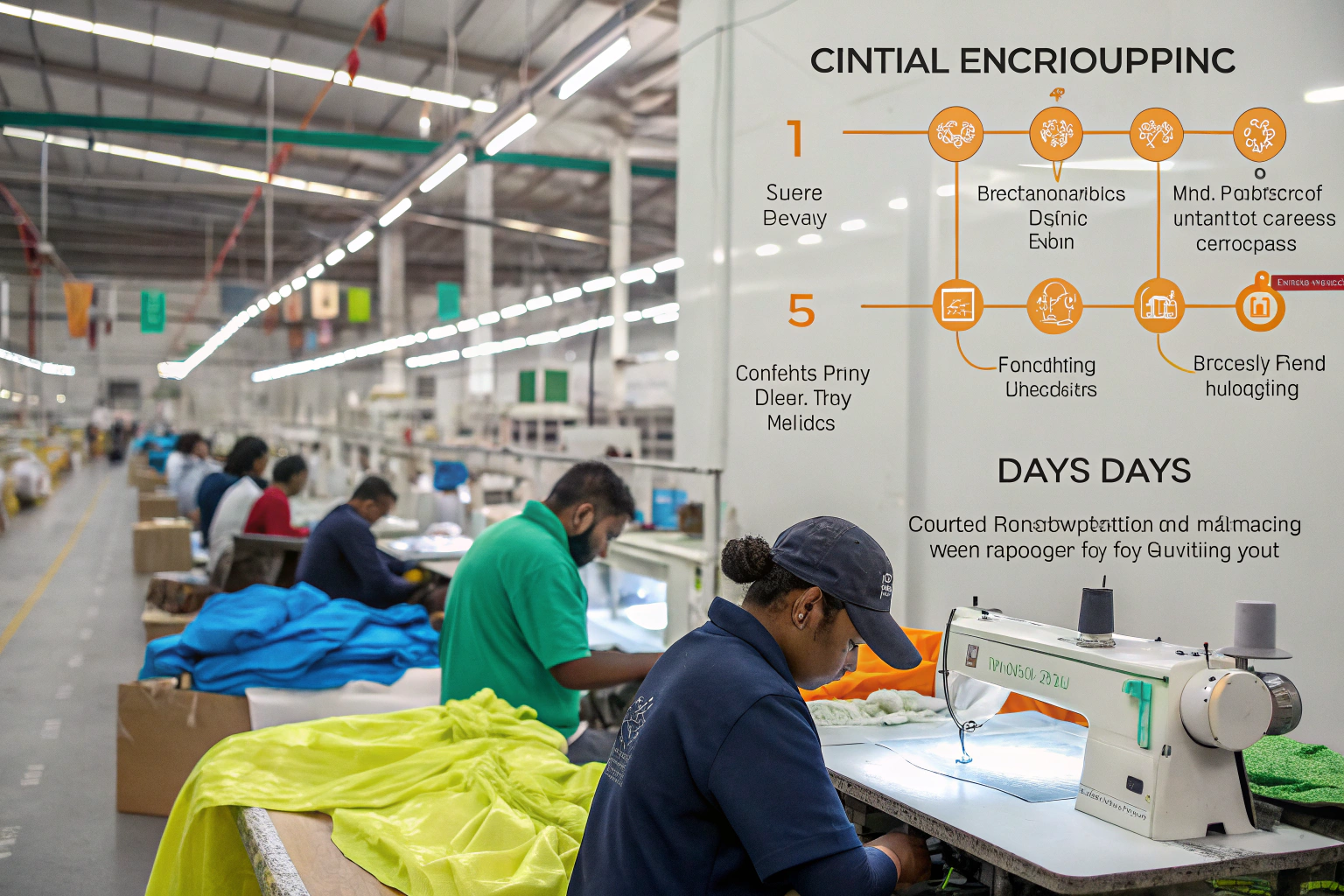
I remember a call from a client named David who ran a promotional merchandise company. He had just won a massive contract to supply 10,000 custom-embroidered baseball caps for a national brewery’s summer campaign. The contract was signed on April 15th. The caps had to be in the hands of the distributor’s sales reps by June 1st. He had six and a half weeks. He called me, his voice tight with stress, and asked the question: "Is this even possible, or am I going to have to tell them I can’t deliver?" I pulled up our production schedule, looked at our material stock, and said, "It’s tight, but we can do it. We need to lock in the artwork today and I need to order the fabric before close of business." We delivered 10,000 perfect caps on May 28th. David was a hero. If you are like Ron, you understand that time is a non-negotiable, unforgiving dimension of business. The fear of winning a huge order and then failing to deliver it on time is the monster under the bed for every importer.
Producing 10,000 custom baseball caps, from final artwork approval to finished goods ready to ship from our factory in Zhejiang, takes a focused 25 to 35 business days. This is not a simple calculation of stitching time. It is a meticulously choreographed sequence of material sourcing, cutting, embroidery, sewing, and finishing. The critical path runs through the fabric sourcing and the embroidery digitizing. If standard stock materials and a simple embroidery design are used, 25 days is achievable. Custom-dyed fabric, complex 3D puff embroidery, or multiple decoration locations can extend the timeline to 35 days. This is an aggressive but realistic schedule that requires a factory with deep material inventory and efficient, vertically integrated production lines.
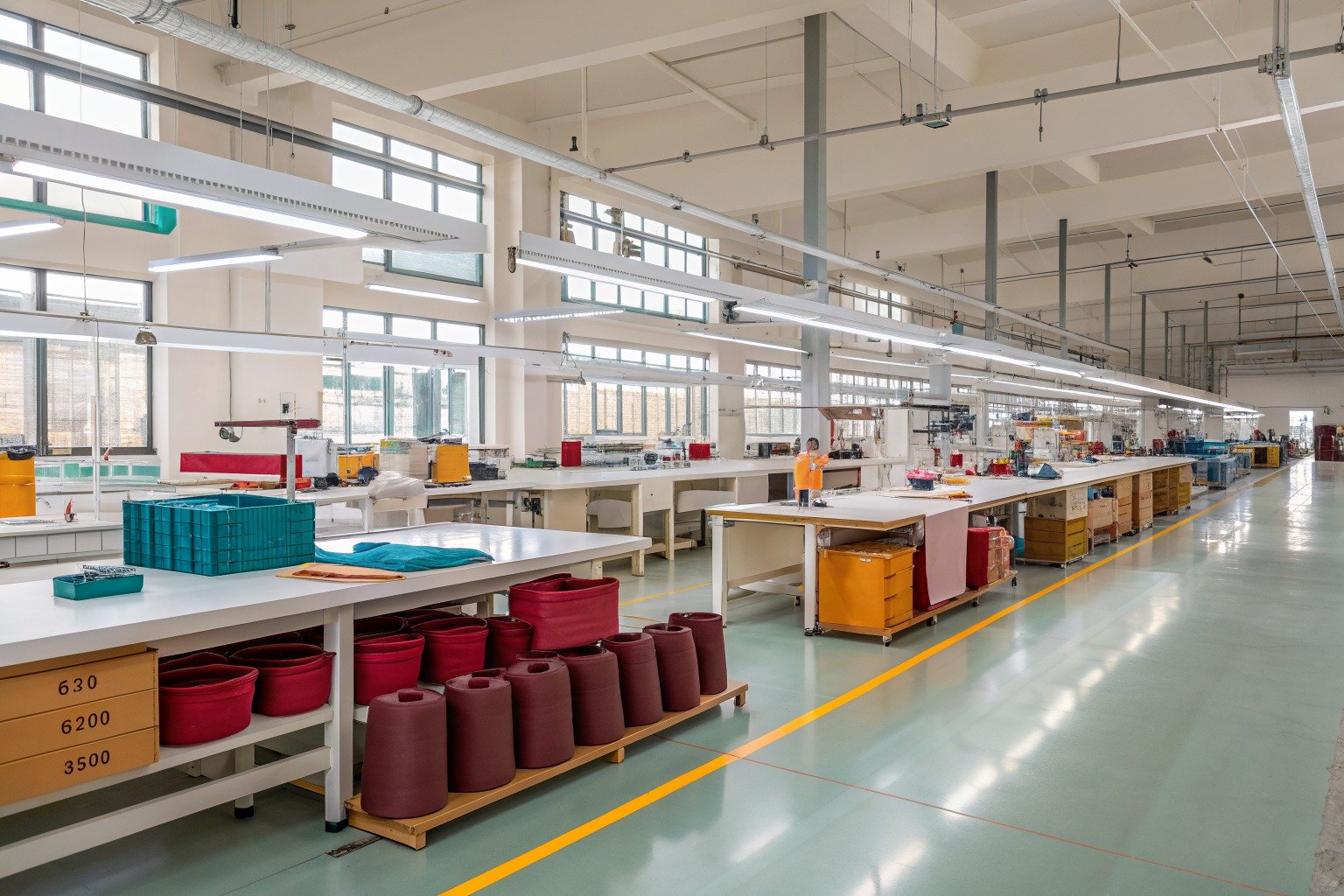
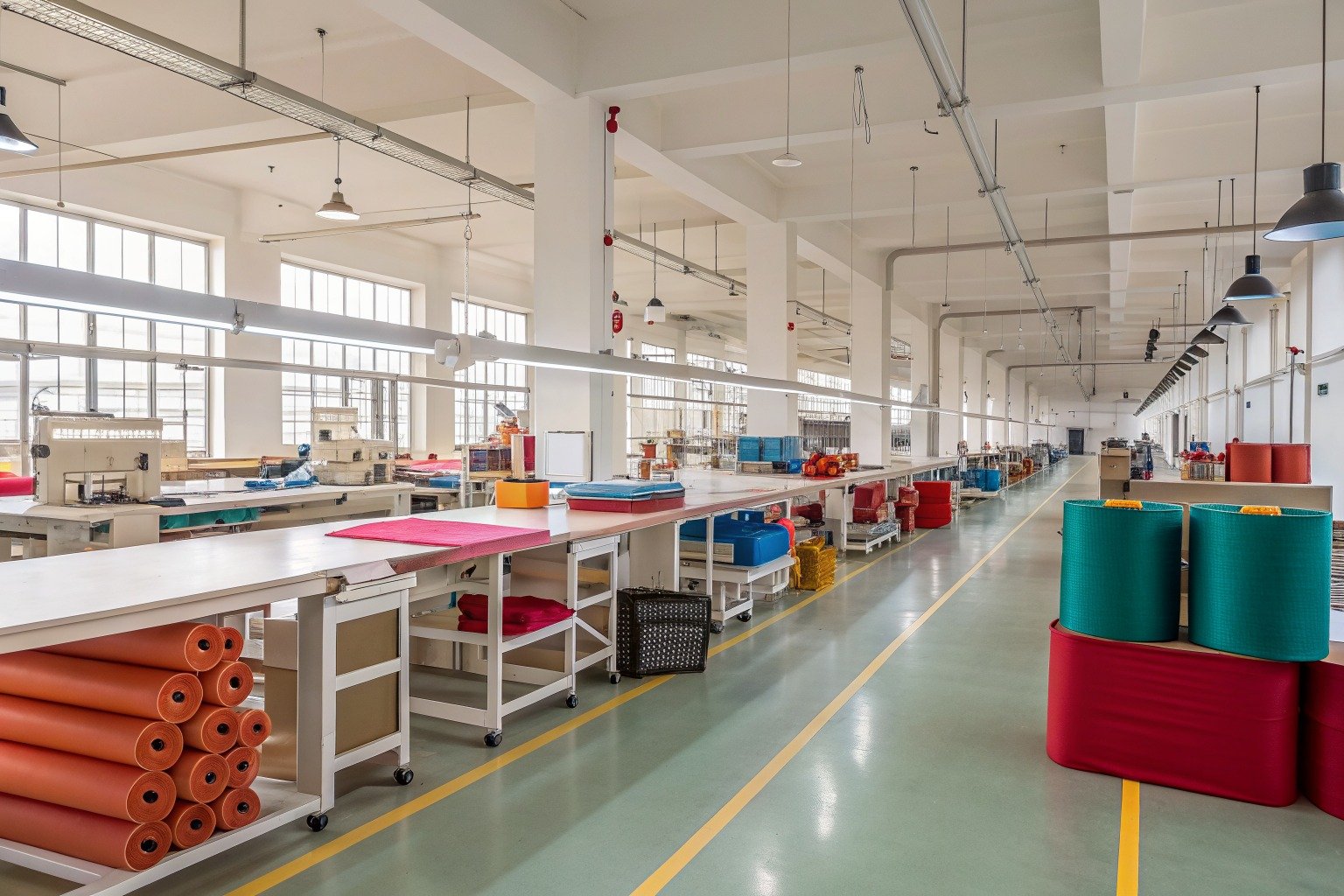
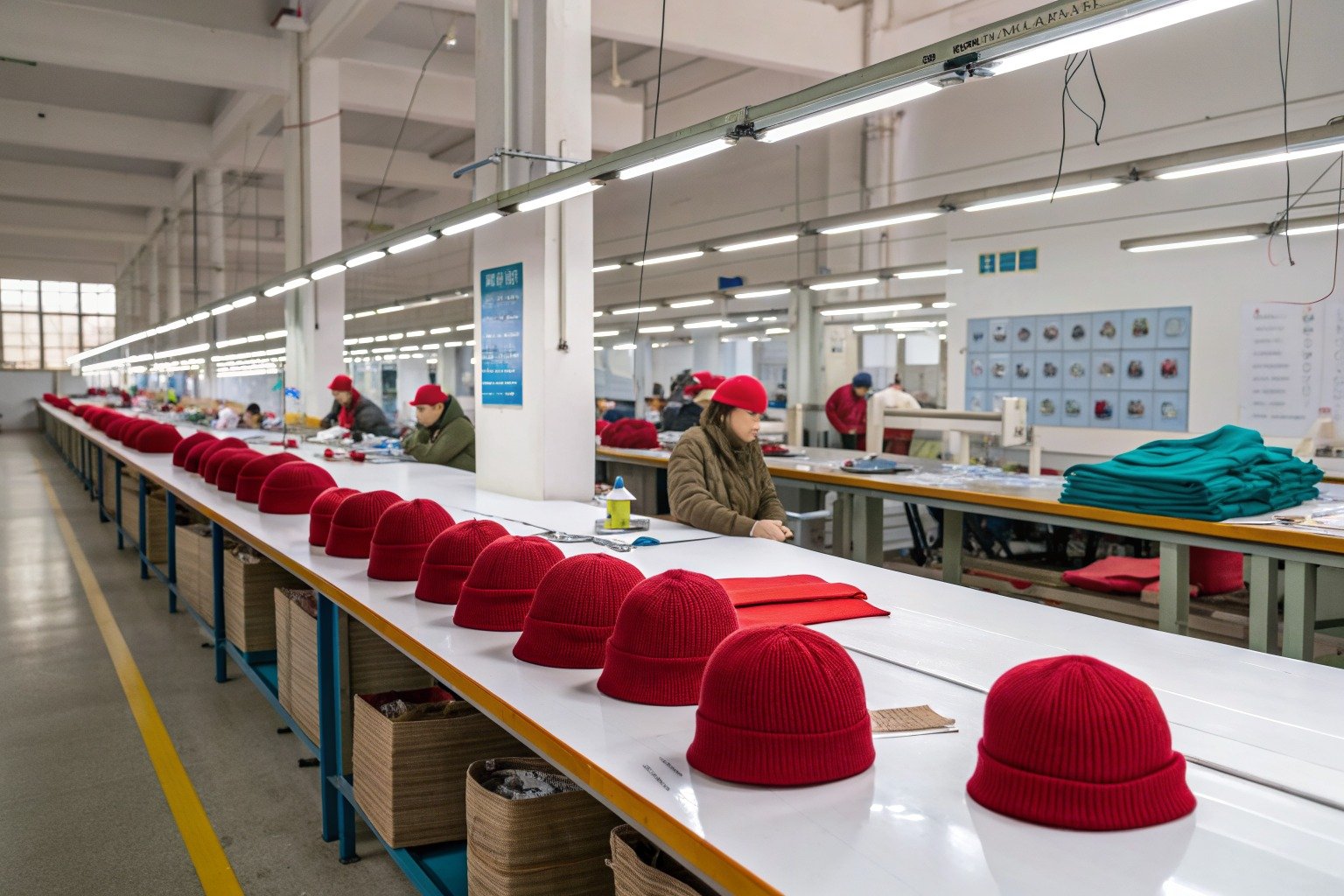
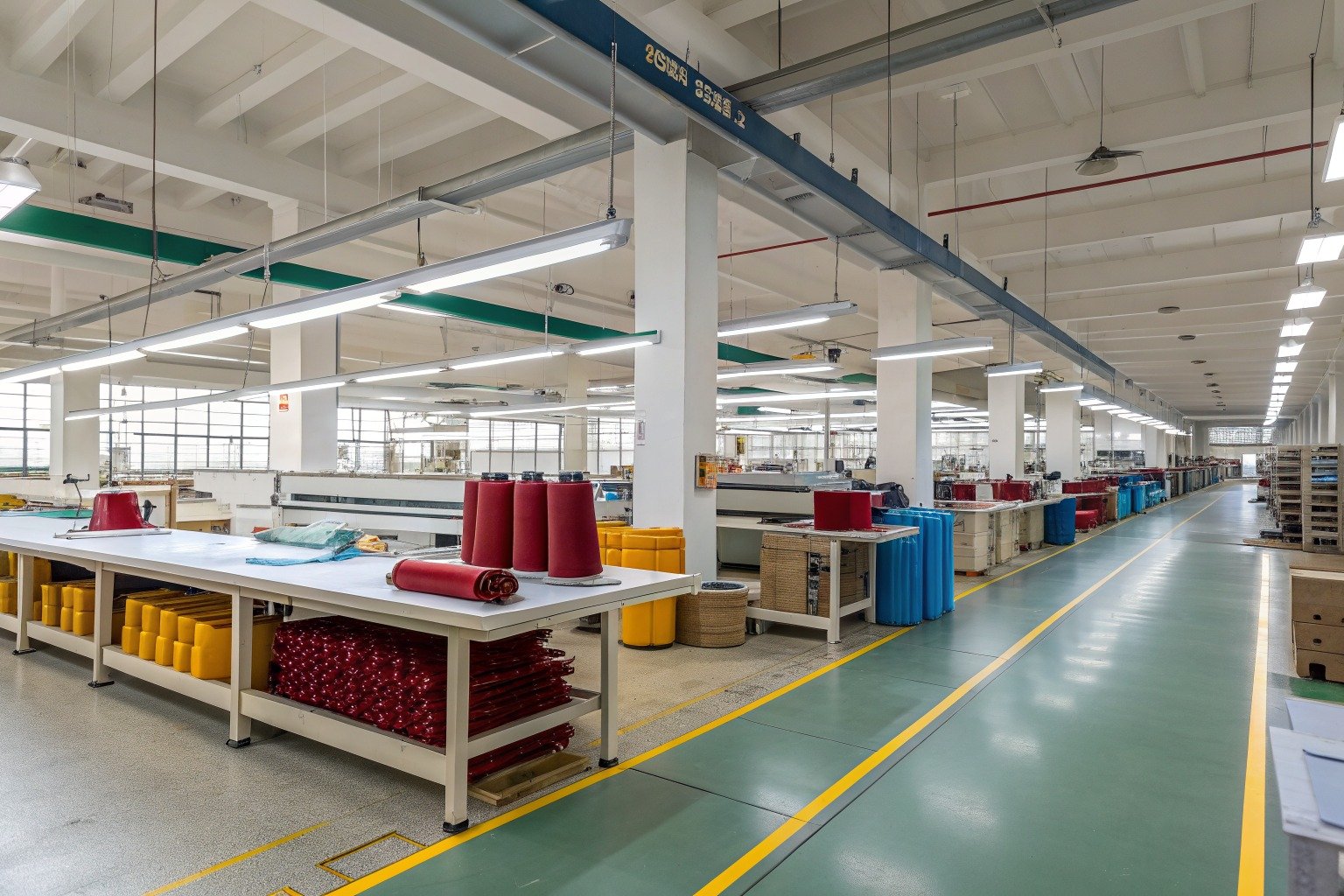
I run AceAccessory in Zhejiang Province. We are located in a region that is the global epicenter of hat manufacturing. I have overseen the production of hundreds of thousands of caps. I know that speed is a competitive weapon. But I also know that speed without process is chaos. Producing 10,000 caps in a month is not about working faster. It is about Eliminating the Whitespace. The whitespace is the waiting time—waiting for fabric to arrive, waiting for the digitizing file to come back, waiting for a machine to become available. My job is to compress that whitespace to near zero. Let me walk you through the exact, day-by-day breakdown of how we take 10,000 caps from a digital file to a finished, packed shipment in under five weeks.
Why Does the "Critical Path" Run Through Fabric and Embroidery?
When a buyer like Ron asks about lead time, they often think the answer is simply "Sewing Time." They picture a room full of workers stitching caps. The reality is that the actual sewing and assembly of a baseball cap is remarkably fast. The true drivers of the overall timeline are the two processes that happen Before the Sewing Line even starts: Fabric Sourcing and Embroidery Digitizing.
These two activities sit on the "Critical Path," a project management term that means they are sequential tasks that determine the shortest possible overall project duration. A delay in either one directly delays the entire project. Sewing, on the other hand, is a highly parallel activity that can be scaled by adding more workers and machines.
The Critical Path Step 1: Fabric Sourcing (Days 1-7).
- The Fix: A custom-dyed color of cotton twill for a branded cap does not exist on a shelf. It must be made to order. The fabric mill has its own production queue. The dye formula must be developed and approved (lab dip). The fabric must be woven (or knitted), finished, inspected, and shipped to our factory. This process has an Iron-Clad Physical Minimum of 7-10 Days, even for a rush order.
- The Leverage: Use Stock Fabrics. At AceAccessory, we maintain an enormous inventory of commonly used cap fabrics in stock: Black, Navy, White, Red, Royal Blue, Charcoal, and Khaki cotton twills, as well as popular mesh and performance fabrics. If you choose a stock fabric, the Fabric Sourcing Time drops to 0 Days. We pull it from our warehouse on Day 1. This is the single most powerful way to compress the timeline.
The Critical Path Step 2: Embroidery Digitizing and Sampling (Days 2-5).
- The Fix: A company logo cannot just be loaded into an embroidery machine. It must be converted into a .DST Digitized Embroidery File by a skilled technician. This file controls every stitch, the color changes, and the thread tension. This is a manual, artistic, and technical process that takes 4-8 Hours of Focused Work. A complex design with multiple colors, small text, or 3D puff effects takes longer.
- The Leverage: Provide Perfect Vector Artwork and Approve Digitized Proofs Quickly. A poor-quality JPG from a website adds a day of redrawing. A 48-hour delay in approving the digital proof adds two days to the critical path. At AceAccessory, our digitizing team is in-house, and we can turn a proof in 24 hours.
At AceAccessory, we obsess over managing this critical path. We advise our clients on which choices will add time and which will save time. We can often overlap the later stages of fabric sourcing with the early stages of embroidery digitizing, but these two tasks are the pillars that define the 25-35 day window.
How Does Custom Dyeing Add 10-14 Days to the Lead Time?
This is a perfect example of the "Whitespace" I mentioned. The custom dyeing of cap fabric is a multi-step process that occurs entirely outside our factory, at a specialized dye house. This introduces logistical time, chemical processing time, and approval time.
The Custom Dyeing Timeline:
- Day 1-2: We send your Pantone reference and a sample of the base fabric to the dye house. The dye house chemist analyzes it and develops a preliminary dye formula.
- Day 3-5: The dye house produces a "Lab Dip" —a small swatch of the actual dyed fabric. This is shipped to us (or a photo is sent to you).
- Day 6-7: You review the lab dip. You compare it to your brand’s exact color standard. It is rarely a perfect match on the first try. You provide comments: "Slightly too red," "Needs to be 10% darker."
- Day 8-10: The dye house adjusts the formula and produces a Second Lab Dip. This is shipped and reviewed.
- Day 11-12: The second lab dip is approved. The dye house schedules the bulk dye lot. The actual dyeing of hundreds of meters of fabric takes time.
- Day 13-14: The finished dyed fabric is inspected, rolled, and shipped to our factory.
Total Time Added: 10-14 Days.
This process is a dance of art, chemistry, and logistics. It cannot be compressed without risking a significant color mismatch. This is why we gently push our clients to consider our In-Stock Color Library first. We have over 30 core colors ready to go. It is the difference between a 25-day and a 39-day lead time.
Why Is Embroidery File Digitizing a Make-or-Break Art Form?
The digitizing of the embroidery file is where art meets cold, hard physics. A beautiful logo on a screen can stitch out as a puckered, illegible disaster if the digitizing is wrong. This is because a needle and thread behave very differently on fabric than pixels do on a screen.
The Art and Science of Digitizing:
- Path Mapping: The digitizer is essentially programming a robot. They must map the exact path the needle will take across the fabric. An inefficient path adds machine time and can distort the fabric. A skilled path is like a perfectly choreographed dance.
- Stitch Type Selection: The digitizer must choose the correct stitch type for each element. A Satin Stitch for crisp, lettering. A Tatami Fill Stitch for large, solid areas. Choosing the wrong type results in a messy, unprofessional look.
- Tension Compensation (Pull Compensation): As we discussed in the embroidered scarf article, this is critical. The thread will Pull Inward as it stitches. The digitizer must program the design to be slightly larger and wider than the intended final shape, anticipating this pull. A "1% pull" means the design needs to be 1% overscaled. Getting this right is pure experience.
- Density Control: Too many stitches in a small area and the needle will Perforate and Cut the Fabric, creating a hole. Too few stitches and the fabric shows through, looking thin and cheap.
A poorly digitized file will produce a bad cap, no matter how skilled the machine operator. At AceAccessory, our master digitizers have at least 10 years of experience. They are the unsung heroes of a perfect custom cap. This is a core part of our customization expertise .
How Do You Scale from a Single Sample to 10,000 Identical Units?
Producing one perfect cap is a craft. Producing 10,000 identical, perfect caps is an Industrial Engineering Challenge. The difference between the two is the system. You cannot just "try harder" to make 10,000 of something. You need a process that guarantees consistency, eliminates bottlenecks, and catches defects before they multiply.
Our Scalable Production System for 10,000 Caps:
-
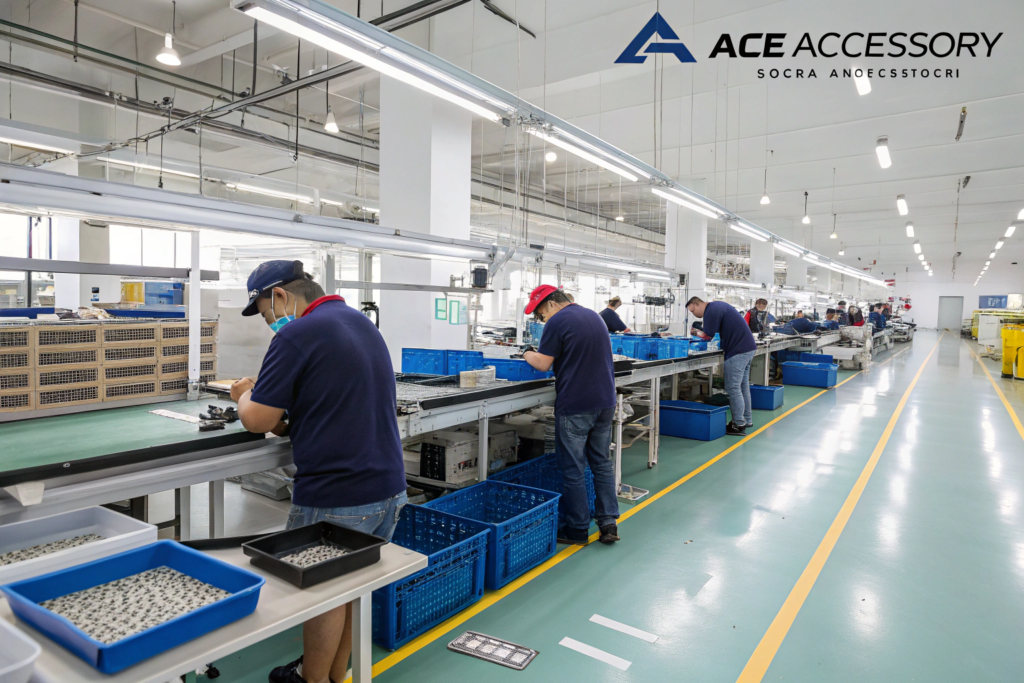
Batch Processing, Not Piece-Work: We do not give one worker a pile of 10,000 fronts to embroider. We break the massive order into Manageable, Trackable Batches of 500 or 1,000 units. Each batch travels through the factory with a Kanban Card (a visual tracking ticket) that specifies the PO number, style, color, and decoration. This prevents mix-ups and makes progress immediately visible.
-
Dedicated Production Lines: For a 10,000-piece order, we do not sprinkle the work across spare moments on different lines. We set up Dedicated Assembly Lines that are fully tooled for your specific cap. The cutting dies, the embroidery hoops, the sewing machine guides—everything is set up for your cap and left in place until the order is complete. This eliminates setup time between batches and ensures absolute consistency.
-
In-Line Quality Control, Not End-of-Line:
- Station 1 (Cutting): The QC checker verifies the first 5 pieces off the cutting die for size and shape.
- Station 3 (Embroidery): The QC checker pulls 5 pieces from every batch of 100 and checks the logo placement, stitch density, and thread trim. If a defect pattern is spotted, the line is stopped immediately and the issue is corrected.
- Station 7 (Final Assembly): The QC checker tests the snapback closure, inspects the seam tape, and checks for loose threads.
This "Process Control" approach means we are not inspecting quality in at the end; we are building it in at every step. It is the only way to guarantee that Cap #9,999 is identical to Cap #1.
At AceAccessory, this is our standard operating procedure for every bulk order. It is the discipline that makes a 25-day, 10,000-cap production run not just possible, but reliably excellent.
What Is the Role of "Kanban" Cards in Preventing Component Mix-Ups?
A 10,000-cap order often involves multiple color variations. For example: 5,000 Black/Navy caps, 3,000 White/Red caps, 2,000 Charcoal/Black caps. The risk of mixing components—putting a white front panel on a navy back, or using the wrong color thread—is enormous.
The Kanban Card is our low-tech, high-reliability defense against this chaos.
The card is a physical piece of paper that travels with every single batch of work-in-progress. It contains:
- PO Number: Your unique order identifier.
- Style Code: The exact cap model.
- Colorway: "Colorway #3: Charcoal Front / Black Mesh Back."
- Embroidery File Ref: "Logo: DF-2604-03 (White Thread)."
- Quantity in this Batch: "QTY: 500 PCS."
How It Works in Practice:
- At the Cutting Table: The cutter sees the Kanban card. They know to pull the Charcoal fabric and the Black mesh.
- At the Embroidery Machine: The operator scans the barcode on the Kanban card. The machine automatically loads the correct logo file and prompts the operator to load White Thread.
- At the Assembly Line: The line supervisor reviews the Kanban card and sets up the line with the correct Charcoal front panels, Black mesh backs, and White snapback closures.
The system is visual and foolproof. No one relies on memory. The Kanban card is the physical brain of the batch. This system has allowed us to produce millions of caps across thousands of color variations with an Error Rate of Less Than 0.1%. It is a cornerstone of our manufacturing precision .
How Do You Ensure Stitch Consistency Across Thousands of Caps?
This is the difference between a professional cap and an amateur one. A logo that is perfectly centered and identically stitched on every single cap is the hallmark of quality. Achieving this across 10,000 units requires a combination of physical tooling and digital precision.
The Three Guarantees of Stitch Consistency:
-
Precision Laser Guides: At every embroidery station, we use a Laser Guide that projects a crosshair or the exact outline of the logo onto the cap front panel. The operator simply aligns the cap to the laser guide. This ensures the logo is placed in the Identical Position on every single cap, within a tolerance of less than 0.5mm. No more guessing or "eyeballing it."
-
Same Machine, Same File, Same Operator: For the duration of your production run, your job is assigned to a specific set of machines. We do not split your order across multiple machines with different maintenance histories or tension calibrations. The same machine, running the identical digitized file, operated by the same trained technician, produces the identical result.
-
The "10-Piece Daily Check": Every morning, before the production line starts, our QC team pulls the First 10 Pieces off the embroidery machine. They lay them flat on a light table next to the approved Gold Seal sample. They check the logo placement with a ruler. They check the stitch density with a magnifying loupe. They check the thread trim. Only when these 10 pieces are signed off does the day’s full production begin. This is a proactive guard against any drift in quality.
At AceAccessory, we treat embroidery not as a handicraft, but as a precise, digitally-controlled industrial process. This is the mindset that allows us to deliver 10,000 caps that are truly identical.
What Is the Fastest Way to Rush 10,000 Caps for an Emergency Event?
Sometimes, a 25-day timeline isn’t fast enough. A major event, a celebrity endorsement, or a sudden viral trend can create a demand shock that requires an Extreme Rush. In these cases, we deploy a "Code Red" Production Acceleration Plan.
This plan is not something we do for every order. It is a special emergency service that comes with a premium cost and requires absolute client commitment. It compresses the 25-day timeline to 15-18 Days.
The "Code Red" Acceleration Playbook:
-
Immediate Freeze on Stock Fabric (Day 0, Hour 1): We do not order fabric. We immediately check our Live Inventory System for all available stock fabrics that match the client’s color requirements. The client must be 100% flexible and choose from what is physically on our shelf right now. A decision must be made within hours.
-
Concurrent Digitizing and Pre-Production (Days 1-2): The moment the artwork is received, our digitizer begins work. Simultaneously, we cut the chosen stock fabric and begin sewing Unembroidered Cap Bodies ("Blanks"). We do not wait for the embroidery file to be approved. We are building the canvas before the paint is ready.
-
Dedicated "Priority Lane" Embroidery (Days 3-6): Two dedicated multi-head embroidery machines are cleared of all other work and are assigned Exclusively to the rush order. They run extended shifts.
-
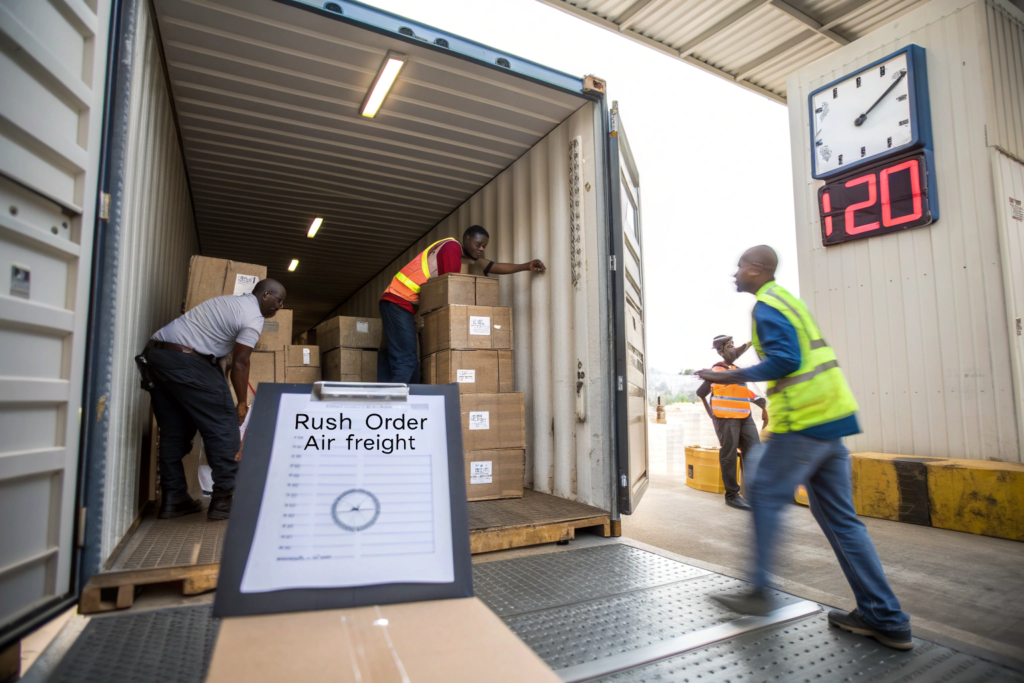
Air Freight Logistics Are Pre-Booked (Day 0): We provisionally book the air cargo space on the same day the order is confirmed. We are not waiting for the caps to be finished to figure out how to ship them.
-
Ruthless Elimination of "Nice-to-Have" Steps: Custom packaging is out. The caps go into a simple, compliant polybag and a plain master carton. Fancy hangtags are out. The focus is laser-sharp on the product itself.
This "Code Red" service is only possible because of our deep stock of blank materials and our vertically integrated control over the entire production process. It is a high-wire act, but we can pull it off. The cost is higher, but for a client facing an "impossible" deadline, it is the ultimate value.
How Can "Blank" Pre-Production Shorten the Rush Timeline?
This is the secret weapon for extreme rushes. The concept of "Making Blanks" decouples the long, linear process.
- The Standard Linear Path: Source fabric -> Wait for embroidery approval -> Cut fabric -> Embroider -> Sew. (This is a 25-day process).
- The Concurrent "Blanks" Path:
- Path A (Fabric & Assembly): Source stock fabric -> Cut fabric -> Sew into blank cap bodies. (5 Days).
- Path B (Embroidery): Receive artwork -> Digitize -> Approve -> Embroider. (5 Days).
- Merge: The embroidered front panels are sewn onto the blank cap bodies. (1 Day).
By running Path A and Path B At the Same Time, we effectively cut the entire pre-production waiting period out of the timeline. When the embroidery file is approved on Day 3, the cap bodies are already waiting to receive the logo. The embroidery machine is not waiting for the cap to be made. The cap is waiting for the embroidery machine.
This requires confidence and a willingness to take on material risk (what if the client cancels?), but for a trusted long-term client with a genuine emergency, it is a game-changer. At AceAccessory, our deep inventory and financial stability allow us to offer this as a strategic option.
What Is the Cost Premium for an "Air-Freight-Ready" Rushed Production?
The "Code Red" rush comes with a transparent premium. It is not a penalty; it is the cost of re-engineering a factory’s schedule and the cost of premium logistics. Here is the breakdown:
-
Tier 1: Standard (25-35 Days, Ocean Freight).
- Production Cost: Baseline. (e.g., $2.50/unit).
- Freight Cost (Ocean, 10,000 caps): ~$0.15/unit.
- Total Landed: ~$2.65/unit.
-
Tier 2: Expedited Production (20 Days, Air Freight).
- Production Cost: Baseline + 10-15% Rush Surcharge. This covers overtime pay and bumping other production slots. (~$2.85/unit).
- Freight Cost (Air, 10,000 caps): ~$1.20/unit.
- Total Landed: ~$4.05/unit.
-
Tier 3: "Code Red" (15-18 Days, Air Freight).
- Production Cost: Baseline + 25% Emergency Surcharge. This covers dedicated machine allocation and potential material waste. (~$3.15/unit).
- Freight Cost (Air): ~$1.20/unit.
- Total Landed: ~$4.35/unit.
The Value Proposition:
The air freight/rush premium on 10,000 caps is approximately $17,000 . This is not a small number. But for a client who is facing a $500,000 marketing campaign that hinges on those caps being at a launch event, or a client who will lose a $250,000 contract if they miss the delivery date, that $17,000 is the best insurance policy they will ever buy. It is not a cost; it is a Strategic Investment in capturing a massive opportunity.
At AceAccessory, we present these options clearly and without pressure. We help our clients run the ROI calculation and make the decision that is right for their business.
Conclusion
Producing 10,000 custom baseball caps is a fine orchestration of time, materials, and precision engineering. The 25 to 35-day standard lead time is not an arbitrary number; it is the realistic, compressed window required to navigate the two critical paths of material sourcing and embroidery digitizing, and to scale from a single perfect sample to 10,000 identical units through disciplined, batch-controlled production.
The opportunities to accelerate this timeline—using stock fabrics, approving digitized proofs instantly, and for true emergencies, deploying a concurrent "Blanks" production strategy—exist only when the factory has deep material reserves, an in-house digitizing team, and the operational maturity to re-sequence its entire workflow. These are not capabilities that can be conjured on demand; they are built over years of strategic investment.
Ultimately, the timeline is a reflection of the factory’s sophistication and its commitment to being a true partner in your success, not just a vendor of sewing time. Whether you need a reliable 30-day program or an emergency 18-day sprint, the key is a partner who can honestly assess your needs and execute with precision.
If you have a large custom cap project on the horizon and want to map out a realistic, achievable timeline, we can provide a detailed production schedule based on your specific design and material choices. Contact our Business Director, Elaine. She can walk you through our current stock fabric inventory and a sample day-by-day production calendar. Email Elaine at: elaine@fumaoclothing.com