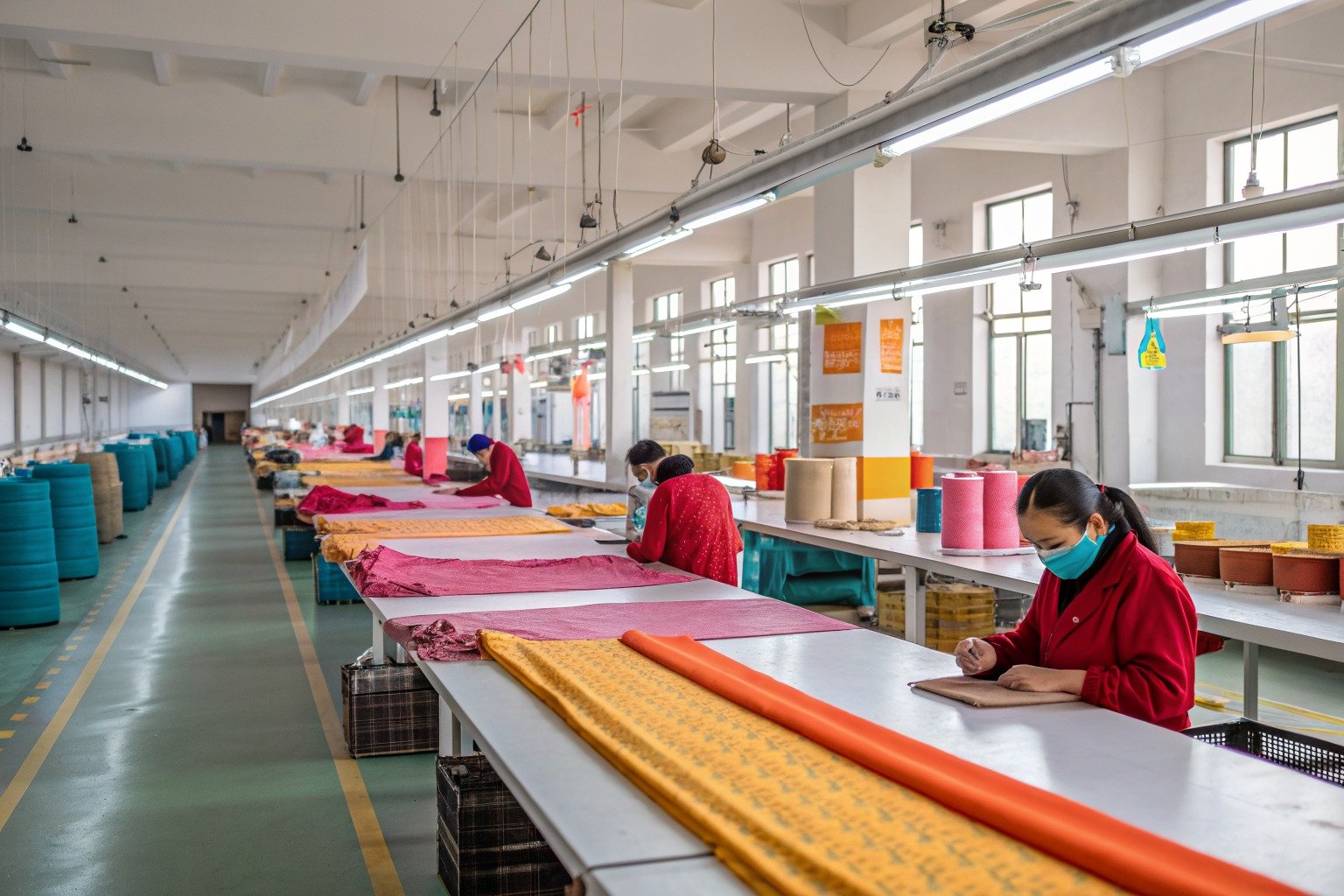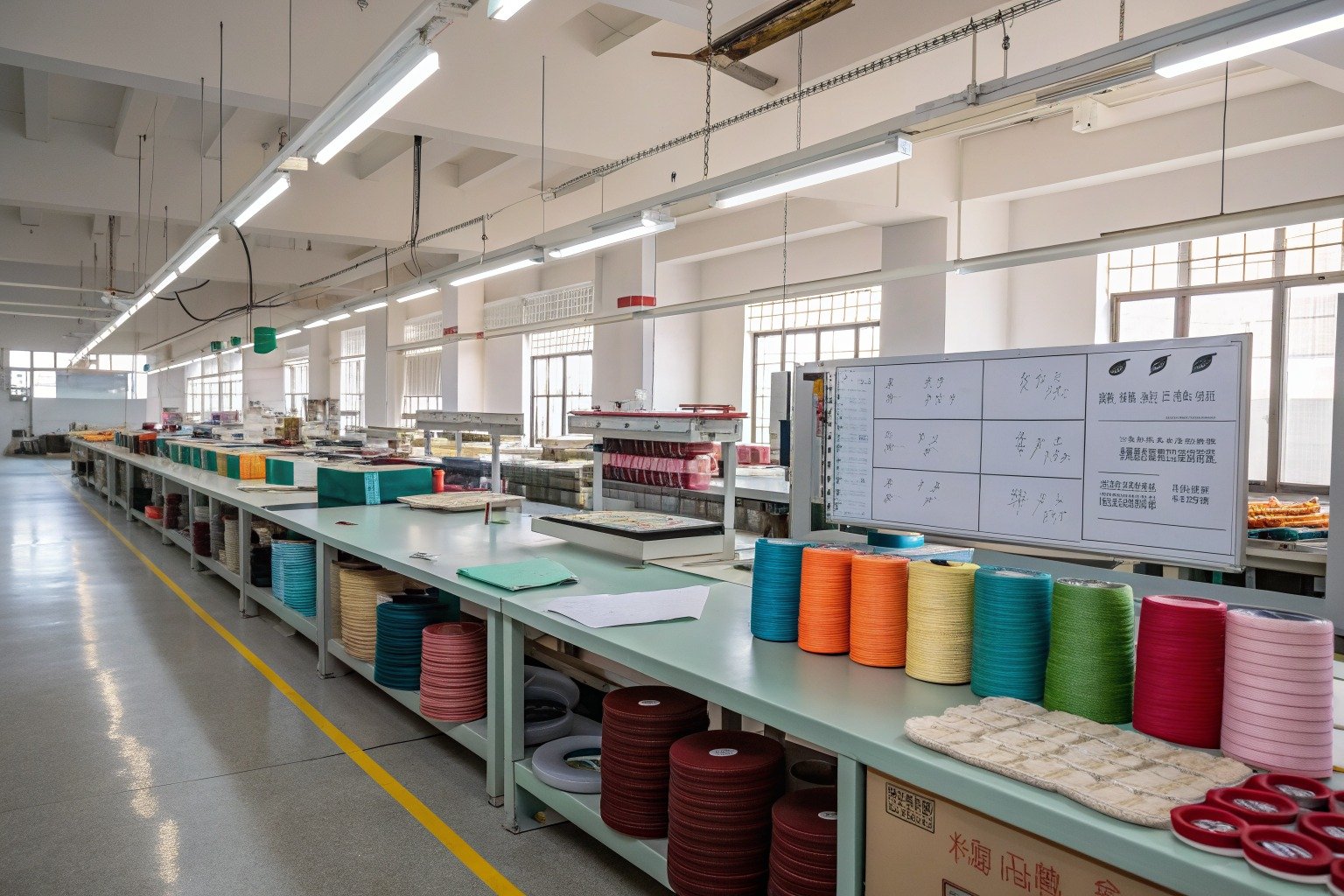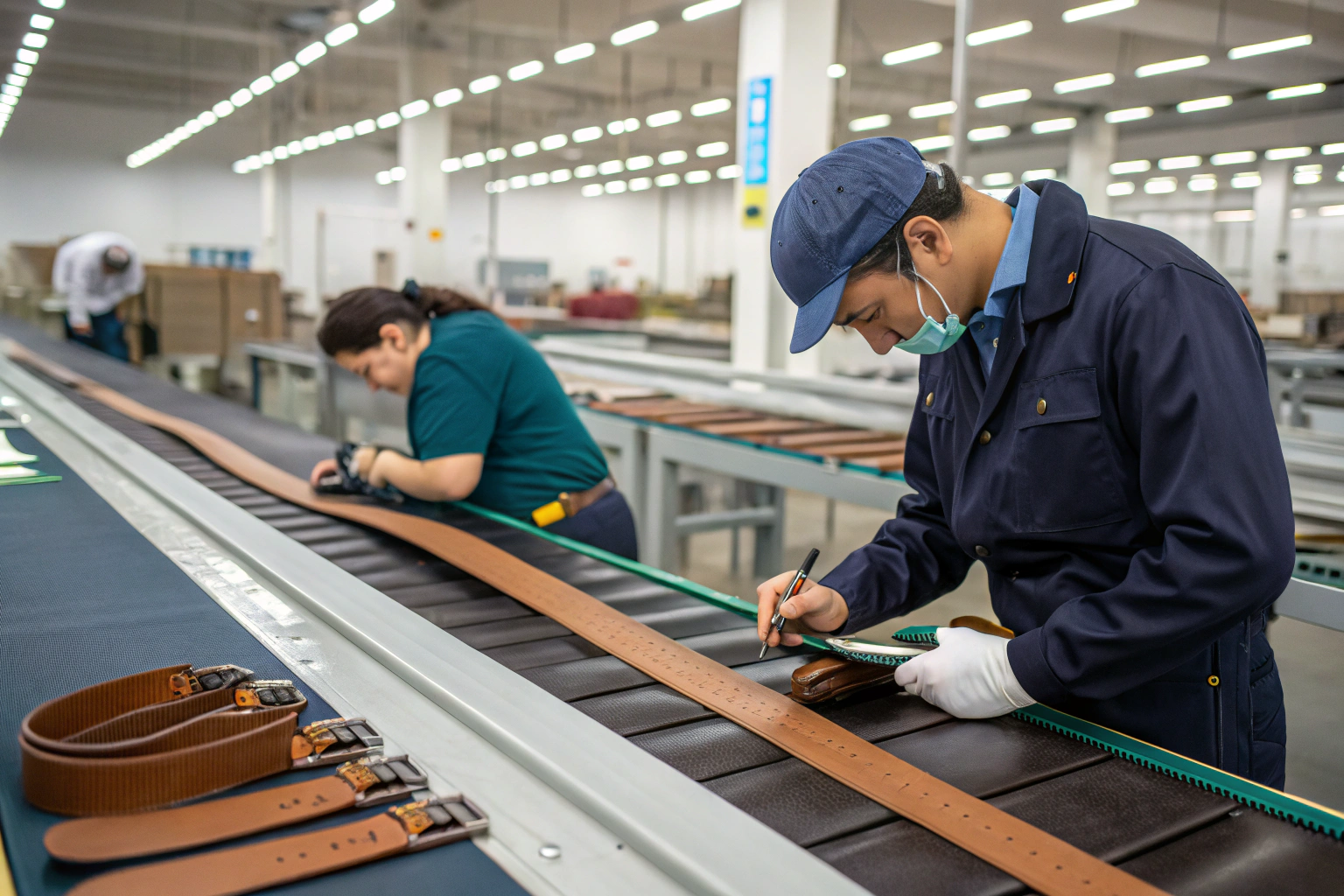
A few years ago, I received a frantic call from a client named David. He was a buyer for a major US department store. He had just received a container of 15,000 belts from a previous supplier. The store’s receiving team had opened 50 cartons and found loose stitching on 20% of them. The entire shipment was rejected. It was sent back to the consolidation warehouse for 100% Rework. David lost six weeks of sales, paid a fortune in return freight and warehousing fees, and nearly lost his contract with the department store. He asked me, "How do I make sure this never happens again?" I told him, "You don’t inspect your way to quality at the end. You build quality into every step of the process." If you are like Ron, you understand that a 20,000-piece order is a significant investment. The fear of a hidden defect rate sinking your relationship with a major retail partner is a very real and expensive anxiety.
Inspecting 20,000 belts before shipping is not a single event. It is a multi-layered, statistically driven process that begins the moment raw materials arrive and continues through every stage of production. Our quality team employs a "Process Control" methodology, not a "Final Sort" methodology. This includes: (1) Incoming Material Inspection (IQC) of leather, buckles, and thread; (2) In-Line Process Control (IPQC) at critical production stations (cutting, stitching, edging); and (3) Final Random Inspection (FRI) using statistically valid AQL sampling of the finished, packed goods. Inspecting 100% of the units is neither economically feasible nor statistically necessary when the upstream processes are controlled.
I run AceAccessory in Zhejiang Province. We manufacture hundreds of thousands of belts and fashion accessories annually. I have learned that quality is not a department. It is a Culture. My QC team does not just stand at the end of the line with a clipboard. They are embedded in the production flow. They are the guardians of the Standard. Let me walk you through the exact, step-by-step process we use to ensure that when you open Carton #1 of your 20,000-belt order, it matches the quality of the approved sample perfectly.
Why Is AQL Sampling the Industry Standard for Large Quantity Inspection?
The first question a client like Ron asks is, "Do you check every single belt?" The answer is No. And that is a Good Thing. Inspecting 100% of 20,000 belts is not only incredibly expensive, it is Less Effective than a well-executed statistical sampling plan.
Why 100% Inspection Fails:
- Inspector Fatigue: After looking at 500 identical black belts, an inspector’s ability to spot a subtle defect plummets. Defects are missed. False Acceptances increase.
- False Rejections: A tired inspector becomes overzealous and rejects perfectly good belts for minor, acceptable variations. This drives up cost and waste.
- It’s a Band-Aid: 100% final inspection implies you do not trust your production process. It is trying to "inspect quality in" rather than "build quality in."
The AQL (Acceptable Quality Limit) Solution:
AQL is a globally recognized statistical standard (ISO 2859-1). It provides a Scientifically Valid Method for determining:
- Sample Size: How many belts to pull from the batch of 20,000.
- Accept/Reject Criteria: The maximum number of defective belts allowed in that sample.
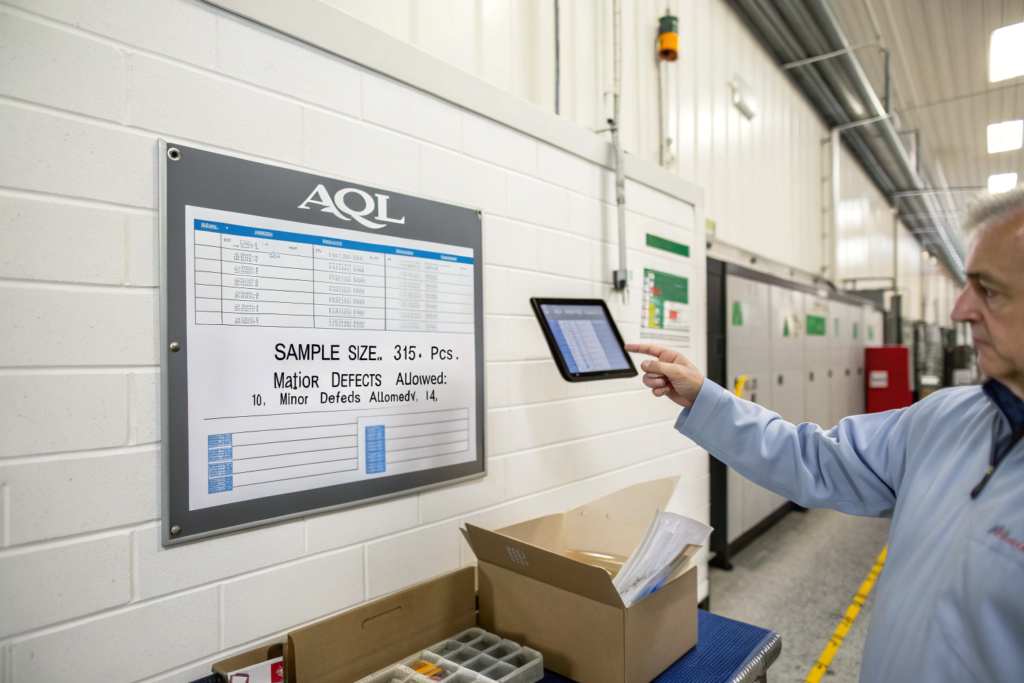
The Process for 20,000 Belts (Using AQL Level II, Normal Inspection):
- Batch Size: 20,001 to 35,000 (the code letter is N).
- Sample Size: The inspector randomly pulls 315 Belts from across the entire shipment (different cartons, different pallets, different production times).
- Inspection: The inspector examines each of the 315 belts against the Approved Sample and the Defect Criteria List.
- Defect Classification:
- Critical Defect: A defect that could harm the user or violate a law (e.g., sharp burr on buckle, lead in paint). AQL Limit: 0.
- Major Defect: A defect that makes the belt unsellable or would likely cause a customer return (e.g., broken buckle, unraveling stitch, wrong logo). AQL Limit: 2.5%. (For 315 pcs, max allowed is 14 defective).
- Minor Defect: A defect that is a slight imperfection but does not affect usability (e.g., slight glue spot on the back, minor color variation). AQL Limit: 4.0%. (For 315 pcs, max allowed is 21 defective).
- Decision:
- If the sample has 14 or fewer Major Defects AND 21 or fewer Minor Defects, the Entire Batch of 20,000 is Accepted.
- If the sample has 15 or more Major Defects, the Entire Batch is Rejected (held for 100% rework).
This system provides a 95% Confidence Level that the entire batch meets the quality standard. It is efficient, cost-effective, and, most importantly, Statistically Reliable. This is the standard we adhere to at AceAccessory for our quality control .
How Does "Process Control" During Cutting and Stitching Reduce Final Defects?
AQL final inspection is the Last Line of Defense. It is the goalkeeper. But a great team doesn’t rely on the goalkeeper to win the game. They rely on a strong midfield and defense. In manufacturing, that strong defense is Process Control.
If we only did final inspection, we would be finding 50 defective belts in our 315-piece sample. The batch would fail. We would have to rework 20,000 belts. That is a Financial and Logistical Disaster.
Process Control prevents the defects from ever being created in the first place. Here is how we control the two most critical processes for a belt: Cutting and Stitching.
1. Cutting Process Control:
- First Article Inspection (FAI): When the cutting die is set up for a new batch of leather, the First Piece Cut is brought to the QC desk. It is measured against a Golden Template. We check the Width, Length, and Strap End Shape. Only when the FAI is approved does bulk cutting begin.
- Periodic Checks: Every hour, the QC inspector walks to the cutting table and pulls 3 Pieces from the output bin. They check the dimensions again. If the die has shifted or the leather has stretched, we catch it within the hour, not after 5,000 pieces are cut.
2. Stitching Process Control:
- Thread Tension Monitoring: The sewing machine operator uses a Tension Meter to check the thread tension at the start of each shift. Incorrect tension is the primary cause of loose seams and puckering.
- In-Line Inspection: The QC inspector checks the first 5 belts off the sewing line every morning. They check the SPI (Stitches Per Inch) and the Back-Tack (the reverse stitch that locks the seam). They check for Skipped Stitches.
- Immediate Feedback: If a defect is found, the line is stopped. The operator is shown the defect. The machine is adjusted. 5 Bad Belts are fixed. 5,000 Bad Belts are prevented.
This Proactive approach is what allows our final AQL inspection to have a high pass rate. The quality is already in the product. The final inspection is just a Verification, not a desperate search for problems. This is the core of our manufacturing philosophy .
What Specific Defects Are "Major" vs "Minor" for a Fashion Belt?
This is a critical distinction that must be aligned between the factory and the buyer Before Production Begins. A clear, agreed-upon Defect Criteria List prevents disputes at the final inspection.
Here is a practical guide based on our standard for a fashion belt :
| Defect Category | MAJOR (Shipment Rejection Risk) | MINOR (Acceptable within AQL Limit) |
|---|---|---|
| Stitching | Broken or skipped stitches. Unraveling thread. Loose seam > 1 inch. Stitch color wrong. | Slight, temporary puckering. Loose thread end < 0.5 cm (if not in a visible area). Stitch line slightly wavy (< 1mm deviation). |
| Buckle / Hardware | Broken or cracked buckle. Plating peeling or flaking off. Sharp edges or burrs. Wrong buckle style. | Minor surface scratch on back of buckle. Slight color variation in plating (within tolerance). |
| Leather / PU Strap | Cut or tear in the material. Visible glue residue on the face. Delamination (layers separating). Color completely wrong. | Slight natural grain variation (leather). Minor surface blemish on the back. Slight color shade difference between batches (within Delta E < 1.5). |
| Edge Painting | Paint peeling or flaking off. Paint color wrong. Gaps or bubbles in the paint. | Slight unevenness in paint thickness (< 0.5mm variation). Minor color rub-off on the back (not visible when worn). |
| Logo / Branding | Logo missing. Logo illegible. Wrong logo. Wrong foil color. | Slight off-centering of logo (< 2mm). Minor foil fill-in on small text (still legible). |
| Sizing | Belt length > 1 inch off spec. | Belt length within +/- 0.5 inch of spec. |
This list is shared with the client during the Pre-Production Sample phase. We add any client-specific concerns to the list. The final AQL inspector uses This Exact List as their reference. There is no subjective "I don’t like the look of this." There is only Objective Measurement against the agreed standard.
At AceAccessory, we provide this defect criteria list proactively. We want our clients to know exactly what standard we are inspecting to. This transparency builds trust and ensures a smooth final inspection process.
How Do You Inspect 20,000 Belts Without Missing Hidden Flaws?
Visual inspection under good light catches surface defects. But what about the Hidden Flaws—the weaknesses that will cause the belt to fail after a few weeks of wear? A belt that looks perfect in the box but falls apart on the customer is a Warranty Nightmare and a Brand Reputation Killer.
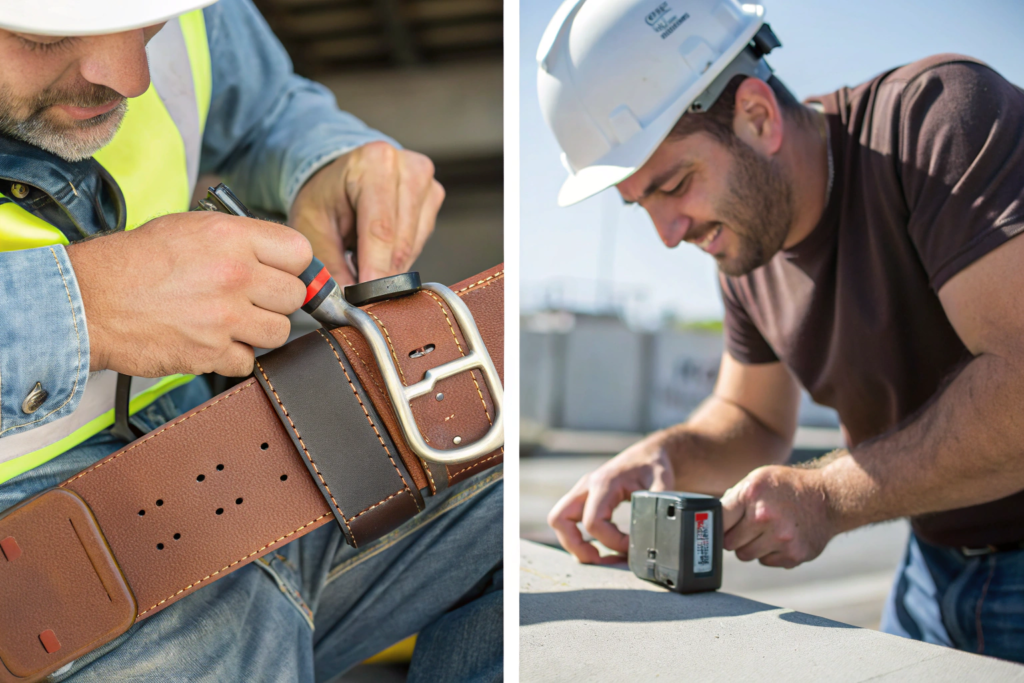
To catch these hidden flaws, our QC team performs a series of Functional and Destructive Tests on a smaller, targeted sample of the 20,000 units. These tests go beyond the standard AQL visual inspection.
1. The Magnet Test (for "Metal" Buckles):
- The Risk: A supplier substitutes a cheap Iron buckle with a thin, shiny plating for the specified Zinc Alloy buckle.
- The Test: The QC inspector keeps a Rare Earth Magnet in their pocket. They test the buckle of every belt in the AQL sample. Zinc Alloy is Non-Magnetic. Iron is strongly magnetic.
- The Consequence: If a magnetic buckle is found, it is a Critical Defect. The material substitution is a breach of contract. The inspection stops. The batch is quarantined.
2. The Bend and Flex Test (for Leather/PU Straps):
- The Risk: The strap material is brittle or the top coating is poorly bonded. It will crack and peel at the stress points (the buckle hole and the bend near the buckle).
- The Test: The inspector takes a sample strap and Flexes It Vigorously back and forth 20-30 times, focusing on the area near the buckle holes. They then inspect the surface under magnification for Micro-Cracks or Peeling.
- The Consequence: Any cracking or peeling is a Major Defect. The material is not fit for purpose.
3. The Edge Paint Adhesion Test:
- The Risk: The edge paint will chip off the first time the belt is buckled tightly.
- The Test: The inspector uses a Fingernail to apply firm pressure to the edge paint in an inconspicuous area (near the buckle fold). They try to lift the edge of the paint.
- The Consequence: If the paint lifts or flakes off easily, it is a Major Defect.
4. The Buckle Prong Flex Test:
- The Risk: The buckle prong is made of cheap, brittle metal and will snap off during normal use.
- The Test: The inspector uses Pliers to gently flex the prong sideways. It should exhibit Ductility (it bends slightly and springs back). It should not be Brittle (snap off immediately).
- The Consequence: A brittle prong is a Critical Defect due to the sharp edge hazard.
These functional tests are performed on a smaller sample (e.g., 10-20 belts) but they provide invaluable data about the Structural Integrity of the product. They catch the defects that visual inspection misses. This is part of our advanced quality assurance .
How Do You Test Buckle Attachment Strength to Prevent Returns?
This is the number one functional failure point for a belt. The customer buckles the belt, gives a little tug, and Ping! The buckle separates from the strap. This is an Instant Return.
The strength of the buckle attachment is determined by two things: The Stitching and The Screw/Rivet (if applicable).
Testing Stitched Buckle Attachment (The "Pull-Force" Test):
- Equipment: We use a Digital Force Gauge mounted to a test stand.
- Procedure: The strap is clamped in the lower jaw. The buckle is attached to the upper hook. The machine Pulls at a Constant Speed until the buckle separates from the strap.
- Our Standard: The attachment must withstand a minimum of 30 kgf (66 lbs) of force. A well-constructed belt will often withstand 50-80 kgf before the stitching breaks.
- Frequency: We test 3-5 Belts from the first production batch to validate the sewing setup. We then test 1 Belt per 1,000 produced as an ongoing monitor.
Testing Screwed/Riveted Buckle Attachment:
- Procedure: We use a calibrated Torque Screwdriver to check the tightness of the screw.
- Our Standard: The screw must be torqued to 2.5 – 3.0 Newton-meters (Nm) . This is tight enough to be secure but not so tight that it strips the threads or cracks the buckle.
- Visual Check: We use a Magnifying Loupe to inspect the screw head. We check for Thread-Locking Compound (a tiny drop of blue glue on the screw threads), which is essential to prevent the screw from vibrating loose over time.
At AceAccessory, these are not "special request" tests. They are Standard Operating Procedure for every belt order. We know that a belt that fails at the buckle is worse than useless—it is a brand embarrassment. This is our commitment to functional durability .
What Is the "Crease and Rebound" Test for Vegan Leather Belts?
Vegan leather (PU, Microfiber) has different material properties than genuine leather. It is more prone to Crease Marks and Surface Cracking at the point where the strap folds around the buckle bar.
The Crease and Rebound Test is a specialized test for these materials.
The Procedure:
- The Crease: The inspector folds the strap tightly around a Mandrel (a metal rod) that has the same diameter as a standard buckle bar (approx. 5-6mm). They apply firm pressure for 10 Seconds.
- The Rebound: They release the strap and lay it flat.
- The Inspection (Immediate): They inspect the crease area. There should be a visible crease line (this is normal). There should be No Cracking, No Peeling of the Top Coat, No Delamination (separation of the PU layer from the backing fabric).
- The Inspection (After 1 Hour): They inspect the crease area again. The crease should have Partially Relaxed. It should not be a deep, permanent, sharp fold that looks unsightly. A good quality vegan leather will "rebound" and soften the crease.
Why This Matters:
A belt that looks beautiful on the hanger but develops an ugly, cracked, permanent crease after being worn Once is a defective product. This test simulates that first wear. It allows us to identify and reject batches of vegan leather that have poor Flex Resistance or weak Coating Adhesion.
At AceAccessory, we perform this test on Every Incoming Batch of Vegan Leather. We keep a Library of Approved Material Swatches. The new batch must match the Crease and Rebound Performance of the approved master swatch. This is a specialized area of our material expertise .
How Do You Ensure Consistency Across All 20,000 Units?
AQL sampling gives us confidence that the Batch is good. But how do we prevent Drift—the slow, subtle change in quality from the first belt made to the 20,000th belt made? How do we ensure that the belt in Carton #1 is identical to the belt in Carton #500?
Consistency across 20,000 units is achieved through Standardized Work Instructions, Visual Management, and Batch Traceability.
1. Standardized Work Instructions (SWI):
Every critical operation—cutting, skiving, gluing, stitching, edge painting, assembly—has a Photographic Work Instruction posted at the workstation. This instruction shows:
- The Correct Way: A photo of the operation being done correctly.
- The Wrong Way: A photo of a common defect.
- The Critical Measurement: "Edge paint width: 1.5mm +/- 0.2mm."
This eliminates reliance on memory or verbal instruction. Every worker, on every shift, follows the exact same procedure.
2. Visual Management (Kanban and Color Coding):
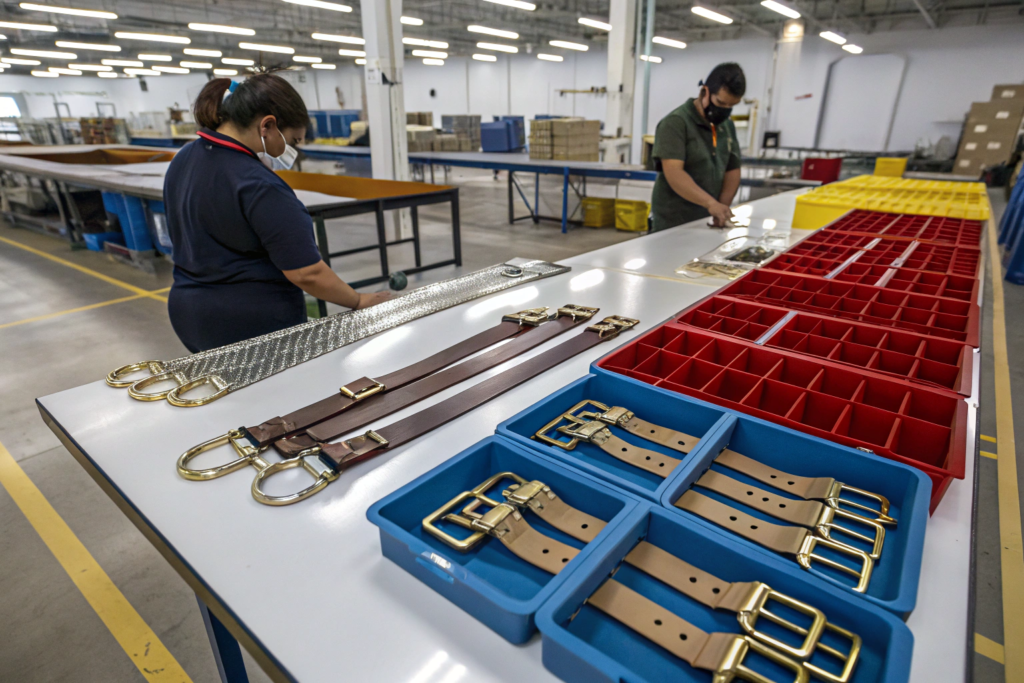
For an order with Multiple Variations (e.g., Black belts with Silver buckles AND Brown belts with Gold buckles), the risk of Mixing Components is high.
- Segregated Workstations: We physically separate the assembly of different variations. Silver buckle assembly happens on Table A. Gold buckle assembly happens on Table B.
- Color-Coded Bins: Black straps are in Black Bins. Brown straps are in Brown Bins. Silver buckles are in Grey Bins. Gold buckles are in Yellow Bins.
- Visual Kanban Cards: A card travels with each batch of work-in-progress. The card states the PO Number, Style Number, Color, and Quantity. The worker checks the card against the components in the bin.
3. Batch Traceability (The "Paper Trail"):
Every component that goes into your 20,000 belts is traceable.
- Leather Batch #: LEA-2026-04-15
- Buckle Batch #: BUK-2026-04-10
- Thread Batch #: THR-2026-03-22
If a problem is discovered in the final QC—for example, the edge paint is peeling on 5 belts in the sample—we don’t just reject the batch. We use the Traceability Record to identify Exactly Which Batch of Edge Paint was used. We can then isolate all belts made with that specific paint batch and prevent a wider issue. This is the power of a disciplined manufacturing system .
How Do You Prevent Color Drift Between Different Production Batches?
Color consistency is one of the most challenging aspects of fashion manufacturing. A "Black" belt made in April must match a "Black" belt made in September, especially if they will be sold side-by-side in the same store.
We control color drift through a Master Swatch System and Spectrophotometer Verification.
1. The Master Swatch Card:
During the pre-production phase, the client approves a Physical Master Swatch Card. This card contains a swatch of the approved leather, a sample of the approved buckle plating, and a sample of the approved edge paint. This card is signed and dated. It is the Legal and Visual Standard.
2. Incoming Material Inspection (IQC):
When a new batch of leather arrives from the tannery, our QC team pulls the Master Swatch Card from the archive. They place the new leather sample next to the master swatch inside a Standardized Light Booth (D65 Daylight) .
- Visual Check: A trained color technician performs a visual assessment. Does the new batch match the master?
- Instrumental Check: We use a Portable Spectrophotometer. This device measures the exact spectral reflectance of the color and compares it to the stored reading of the Master Swatch. It provides a Delta E (dE) Value. A dE of < 1.0 is an excellent commercial match (imperceptible to the eye). A dE of 1.0 – 1.5 is acceptable. A dE of > 1.5 is Rejected.
3. Batch Segregation:
Even with strict control, there will be minor, acceptable variation between batches (e.g., April batch dE = 0.6, September batch dE = 0.9). We Never Mix Batches in the same production run. The April batch is used to complete a specific quantity of belts. Those belts are labeled with a Batch Code. The September batch is used for a separate run and labeled with its own code. This ensures that if there is a slight visual difference, it is isolated to specific shipments, preventing a mismatched display on the retail shelf.
At AceAccessory, we invest in this equipment and training because we know that Color is the First Thing the Customer Sees. Inconsistent color screams "Cheap" and "Poor Quality." Consistent color builds a premium brand perception.
What Happens If a Random Carton Fails the Pre-Shipment Inspection?
This is the scenario that tests a factory’s true commitment to quality. The AQL sample has been pulled. The inspector has found 16 Major Defects (the limit was 14). The shipment has Failed.
A Disreputable Factory’s Response:
- "Oh, it’s just two over. It’s fine. The client won’t notice."
- "We’ll just hide those bad ones at the bottom of the pallet."
- "We’ll bribe the inspector." (This is why we only use Accredited Third-Party Inspectors like SGS or BV, or our own internal auditors who report directly to me).
The AceAccessory Protocol for a Failed Inspection:
- Immediate Halt: The container loading is Stopped Immediately. The "Pass" sticker is not applied.
- Root Cause Analysis: The QC Manager and Production Manager meet within the hour. They examine the 16 defective belts. Is there a pattern?
- Finding: 14 of the 16 defects are loose thread ends on the Left Side Seam.
- Root Cause: The Left-Side Sewing Machine has a faulty thread trimmer.
- Corrective Action (100% Rework of Affected Units): We use the Traceability Records to identify every carton that contains belts sewn on Machine #4 during the last 48 hours. This might be 40 cartons out of the 500.
- We open those 40 Cartons. We do Not open the other 460 cartons. This is the power of traceability.
- A team of workers inspects every belt in those 40 cartons, trimming the loose threads.
- Verification: Our internal QC team re-inspects a Tighter AQL Sample (Level III) of the reworked 40 cartons. The defect rate is now zero.
- Re-Inspection: We contact the Third-Party Inspector (or the client). We explain the root cause and the corrective action. We schedule a Focused Re-Inspection of the affected cartons.
- Pass: The re-inspection passes. The container is loaded.
Cost: The cost of this rework—labor, delay, re-inspection fee—is borne by AceAccessory. It is the cost of our mistake.
Value: The client receives a shipment with Zero Hidden Defects. Their trust in our process is Strengthened, not weakened, because we handled the failure with transparency and professionalism.
This is the difference between a factory that hopes for the best and a factory that has a Robust Quality System. It is the reason our clients trust us with their most important orders. This is our promise of quality .
Conclusion
Inspecting 20,000 belts before shipping is a complex orchestration of statistical science, process discipline, and human expertise. It is not a single checkpoint at the end of the line. It is a Quality Culture that permeates every stage of production, from the moment the leather is cut to the moment the carton is sealed.
The AQL sampling methodology provides a statistically valid, efficient, and reliable framework for final acceptance. But the true foundation of quality is built upstream, through rigorous incoming material inspection, in-line process control, and a system of traceability that allows us to pinpoint and correct the source of any variance. Functional tests for hidden flaws—pull-force, bend-and-flex, and crease rebound—ensure that the belt not only looks good in the box but performs reliably for the customer.
Finally, a transparent and disciplined protocol for handling inspection failures transforms a potential crisis into an opportunity to demonstrate accountability and strengthen the client partnership. This comprehensive, multi-layered approach is how we ensure that when you open a carton of AceAccessory belts, you find exactly what you ordered, every single time.
If you have a large belt order on the horizon and want to understand how our quality system can protect your brand and your investment, we are happy to provide a more detailed walkthrough of our process. Contact our Business Director, Elaine. She can share our standard QC checklist and AQL sampling plan. Email Elaine at: elaine@fumaoclothing.com