You have finalized the design, the fabric, and the price for your beautiful new scarf collection. You are ready to send the purchase order to your factory in China. The European buyer sends one final email. "Please confirm REACH compliance and provide documentation." You have heard of REACH. You know it has something to do with chemicals. But you are not entirely sure what specific documentation they need or why it is such a non-negotiable requirement. You are not just selling a scarf. You are selling a product that must meet strict legal standards to even enter the European market.
European buyers request REACH certification for scarves because REACH is a mandatory European Union regulation, not a voluntary standard. It places the legal responsibility on the importer and the brand to ensure that the scarf and all its components, including fabric, dyes, and trims, do not contain restricted chemical substances above specified limits. Failure to comply can result in the shipment being stopped at customs, fines, and a complete ban from the EU market.
I manage Shanghai Fumao in Zhejiang, and we navigate REACH compliance daily for our clients selling into the European market. REACH is not a "nice to have." It is the law. Let me explain exactly what REACH covers for scarves, why it is so strictly enforced, and how we ensure our products meet the standard.
What Is the REACH Regulation and What Does It Cover for Textiles?
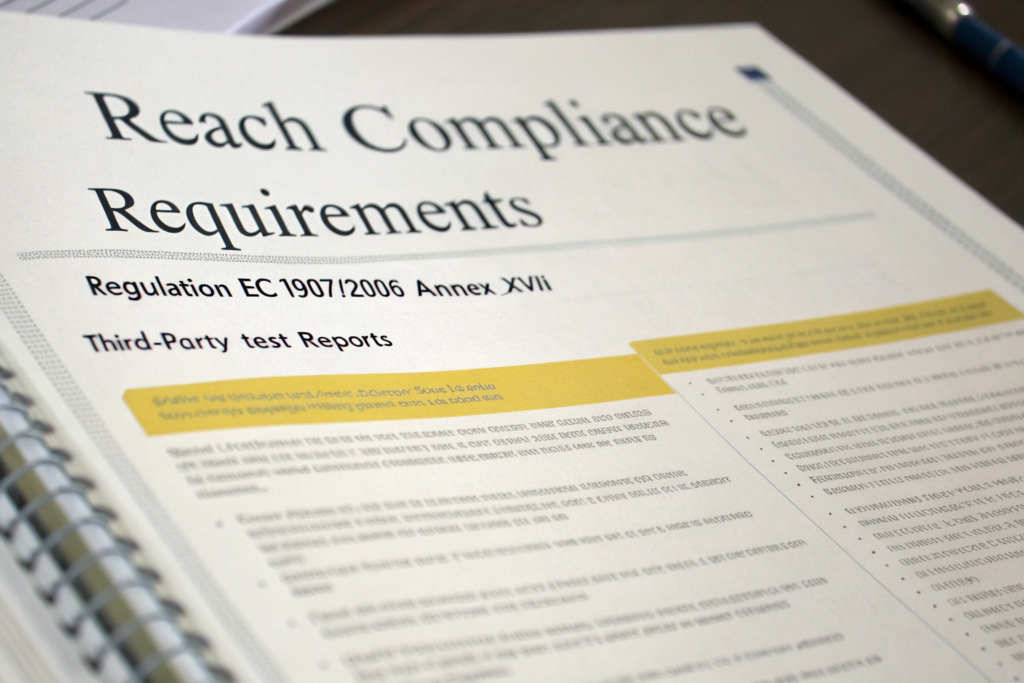
REACH stands for Registration, Evaluation, Authorisation, and Restriction of Chemicals. It is a comprehensive regulation adopted by the European Union to protect human health and the environment from the risks posed by chemicals. It is not a single certificate. It is a complex legal framework. For a textile product like a scarf, the most relevant part of REACH is Annex XVII, which contains the list of restricted substances. This list specifies chemicals that are either completely banned or severely limited in the amount that can be present in consumer products sold in the EU. The regulation applies to the entire product, the fabric, the dyes, the prints, any buttons or metal trims, and even the sewing thread. The legal responsibility for compliance rests with the company placing the product on the EU market, which is the European buyer or the brand they represent. They, in turn, require compliance documentation from their suppliers. This REACH regulation Annex XVII restricted substances list for textiles and apparel is the legal basis for the request.

What Specific Substances Are Restricted in Scarves Under REACH?
The list of restricted substances is long and technical, but certain categories are particularly relevant for scarves. Azo dyes, which are a family of synthetic dyes that can break down to release carcinogenic aromatic amines, are strictly restricted. They cannot be present above a very low limit. Certain heavy metals, such as lead in metal trims or zipper pulls, cadmium in plastics, and chromium VI in leather patches, are restricted. Phthalates, which are plasticizers used to make plastics flexible and are sometimes found in prints or synthetic materials, are restricted. Formaldehyde, which is used in some fabric finishes to prevent wrinkling, is limited. A scarf that is worn close to the skin and face must be free from these harmful substances. This key restricted substances for textile accessories under REACH azo dyes heavy metals phthalates is the core of the compliance check.
How Is REACH Different from OEKO-TEX Standard 100?
This is a common point of confusion. OEKO-TEX Standard 100 is a voluntary, independent certification that tests for a broad range of harmful substances. It is highly respected and often requested by buyers. However, it is not a legal requirement. A product can be sold in the EU without an OEKO-TEX certificate. REACH, on the other hand, is the law. A product cannot be legally sold in the EU if it violates REACH. While there is significant overlap in the substances tested, compliance with REACH is mandatory. An OEKO-TEX certificate is excellent supporting evidence of compliance, but it does not replace the legal requirement to meet REACH standards. This difference between mandatory REACH compliance and voluntary OEKO TEX certification is crucial for understanding the buyer's request.
What Are the Legal and Financial Consequences of Non-Compliance?
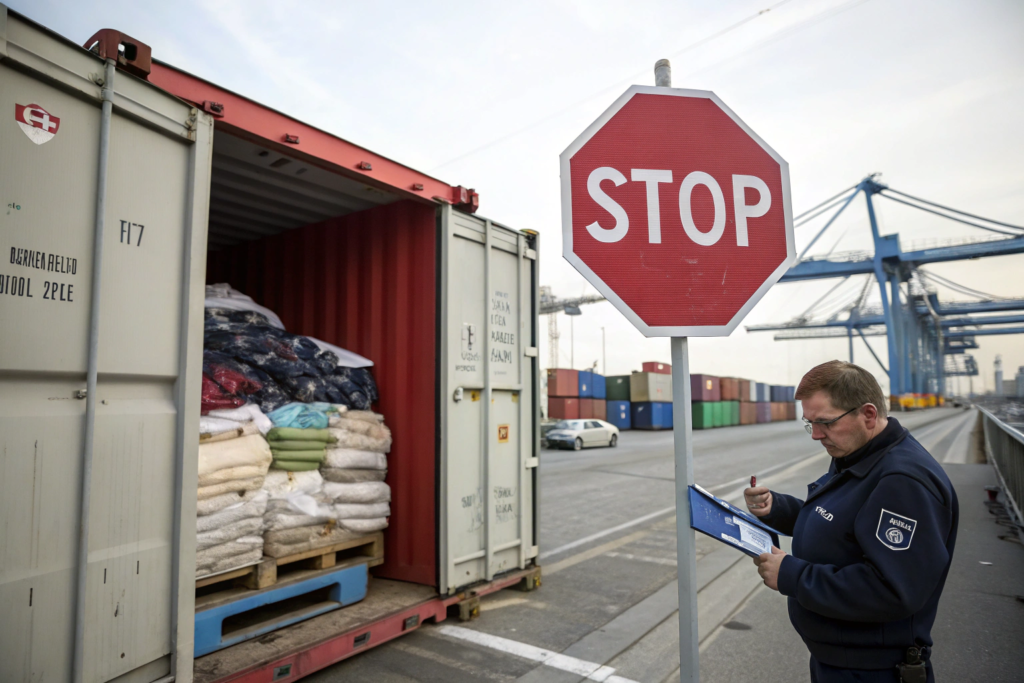
The consequences of placing a non-compliant scarf on the European market are severe and multi-layered. This is why European buyers are so diligent about requesting documentation. They are protecting their business from significant legal and financial risk. The first point of enforcement is customs. National customs authorities in EU member states have the power to detain and test imported goods. If a shipment of scarves is found to contain restricted substances above the legal limit, it can be stopped at the border. It may be ordered to be destroyed or re-exported at the importer's expense. This results in a total loss of the goods and the shipping costs. Beyond the border, market surveillance authorities can test products already on store shelves. If a non-compliant scarf is found, it can trigger a mandatory product recall, a process that is expensive and damaging to the brand's reputation. Fines can be levied against the company responsible. And in the age of social media, a recall for chemical safety can cause lasting damage to consumer trust. This legal and financial penalties for non compliance with EU REACH regulation is the risk that European buyers are mitigating.
How Does a REACH Violation Trigger a RAPEX Alert?
RAPEX is the EU's rapid alert system for dangerous non-food products. When a national authority discovers a product that poses a serious risk to health and safety, such as a scarf containing banned azo dyes, they issue a RAPEX notification. This alert is shared instantly with all other EU member states. The product is flagged across the entire European market. The notification is public and includes the product name, the brand, and the specific violation. This is a public relations disaster for any brand. It signals to consumers and retailers that the brand's products are unsafe. A RAPEX alert can effectively end a product's life in the EU market. This RAPEX rapid alert system for dangerous products and its impact on brands is the ultimate consequence of a serious REACH violation.
Can a Factory's Guarantee Replace Third-Party Testing?
A verbal or written guarantee from a factory is not sufficient legal protection for a European importer. While a trustworthy factory relationship is essential, the importer bears the ultimate legal responsibility. They need objective, verifiable evidence. This evidence comes in the form of test reports from an accredited, independent third-party laboratory. These labs, such as SGS, Intertek, or Bureau Veritas, analyze the scarf material for the specific restricted substances listed in REACH Annex XVII. They issue a formal test report stating the results. This report is the documentation the buyer needs to demonstrate due diligence and to defend themselves in case of a regulatory inquiry. At Shanghai Fumao, we facilitate this process. We can provide material samples to the client's chosen lab or provide our own recent test reports from accredited labs for similar materials. This importance of third party lab testing over factory guarantees for REACH compliance is a key part of risk management.
How Does AceAccessory Ensure REACH Compliance in Scarf Production?
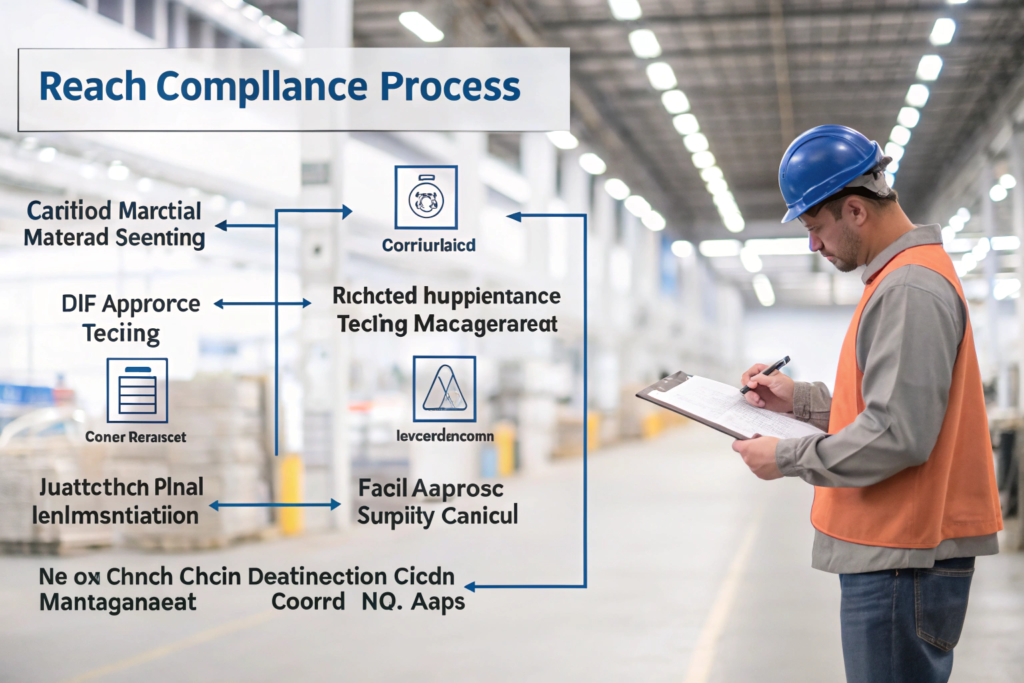
Ensuring REACH compliance is not a single test at the end of production. It is a proactive, integrated process that starts with material sourcing and continues through to the finished product. At AceAccessory, we have built a compliance system that gives our European clients confidence. The process begins with our supply chain. We source our yarns, fabrics, and dyes from mills and suppliers who provide us with their own compliance documentation and who understand REACH requirements. We maintain a list of approved, compliant suppliers. During the development phase, when we create lab dips for custom colors, those lab dips can be submitted for chemical testing to ensure the dye formulation is compliant. We can provide our clients with material samples for their own independent testing. We maintain a library of test reports for our standard materials. This proactive supply chain management for REACH compliance in textile manufacturing is the foundation of our system.
What Documentation Can We Provide to Support a Buyer's REACH Declaration?
European buyers often need to provide their own REACH declaration or statement of compliance. We support them by providing the necessary upstream documentation. The most valuable document we can provide is a third-party lab test report for the specific material or finished scarf. We can also provide a Supplier's Declaration of Conformity, a formal document signed by our company, stating that the goods supplied meet REACH requirements, to the best of our knowledge, based on our supply chain controls and testing. We can provide technical data sheets and Safety Data Sheets for any chemical products used in the process. This documentation package gives the buyer the evidence they need to confidently sign their own compliance statement. This supporting documentation package for EU REACH compliance declaration for scarves is a key service we provide.
How Do You Manage Compliance for Trims Like Tassels and Labels?
The REACH regulation applies to every component of the scarf. A beautiful viscose scarf with compliant fabric could still fail if the decorative metal tassel contains high levels of lead or if the dye on the woven label contains restricted azo dyes. We apply the same rigorous compliance standards to all trims and components. We source tassels, labels, and hang tags from suppliers who are part of our approved vendor program. We can provide test reports for these components as needed. This REACH compliance for trims components and packaging of textile accessories is a holistic approach that leaves no component unchecked.
How Should a Buyer Specify REACH Compliance in a Purchase Order?
A vague request for "REACH compliance" is not a sufficient legal safeguard. The requirement must be clearly and explicitly stated in the purchase order or supply agreement. This creates a contractual obligation and a clear paper trail. The specification should include the exact legal reference. For example, "All materials and components supplied must comply with the requirements of Regulation (EC) No 1907/2006 (REACH), specifically the restrictions for substances listed in Annex XVII, as applicable to textile articles." The purchase order should also specify the required documentation. For example, "Supplier to provide a valid third-party laboratory test report demonstrating compliance for the specific materials used in this order." This clear, contractual language leaves no room for ambiguity. At AceAccessory, we welcome this level of specificity. It aligns with our own internal standards. This contractual language for specifying REACH compliance in purchase orders for textiles is a best practice for professional sourcing.
What Is a Reasonable Testing Frequency for Ongoing Production?
Testing every single scarf is impractical. A risk-based sampling plan is the industry standard. For a new material or a new supplier, full testing is essential. For ongoing production of the same scarf style using the same compliant materials from the same approved suppliers, periodic testing is often sufficient. This might be once per year, or once per production season, or whenever there is a significant change in the supply chain. The exact frequency should be determined in consultation with the buyer and based on their own compliance policies. We work with our clients to establish a mutually agreeable testing protocol. This risk based testing frequency for ongoing REACH compliance in textile production provides assurance without excessive cost.
How Do You Handle a Failed REACH Test?
A failed test is a serious matter that requires immediate and transparent action. The first step is to confirm the result and identify the source of the contamination. Was it a specific dye batch? A non-compliant trim component? The contaminated material must be isolated and quarantined. The batch of scarves produced with that material cannot be shipped to the EU. We work with the client to determine the appropriate disposition of the goods. They may be reworked with compliant materials, sold in a non-EU market with less stringent regulations, or destroyed. The root cause of the failure must be addressed to prevent recurrence. This may involve changing suppliers or enhancing incoming material testing. Transparency and swift corrective action are essential to maintaining trust. This corrective action process for a failed REACH compliance test in manufacturing is a critical part of a mature quality system.
Conclusion
European buyers request REACH certification for scarves because it is the law. It is the primary legal instrument in the European Union for ensuring that consumer products are free from harmful levels of restricted chemicals. The request is not a bureaucratic formality. It is a critical risk management tool that protects the buyer's business from customs seizures, fines, product recalls, and severe reputational damage. Compliance is not optional. It is a condition of market access.
For a manufacturer like Shanghai Fumao, supporting our clients' REACH compliance is a fundamental part of our service. We do this through proactive supply chain management, by facilitating third-party testing, and by providing transparent documentation. We understand the stakes. We know that a single non-compliant scarf can jeopardize a valuable customer relationship and a brand's standing in the European market.
If you are sourcing scarves for the European market and need a partner who understands and manages REACH compliance rigorously, I encourage you to contact our Business Director, Elaine. She can discuss our compliance protocols and the documentation we can provide. You can email Elaine at: elaine@fumaoclothing.com. Let us help you navigate European chemical compliance with confidence.