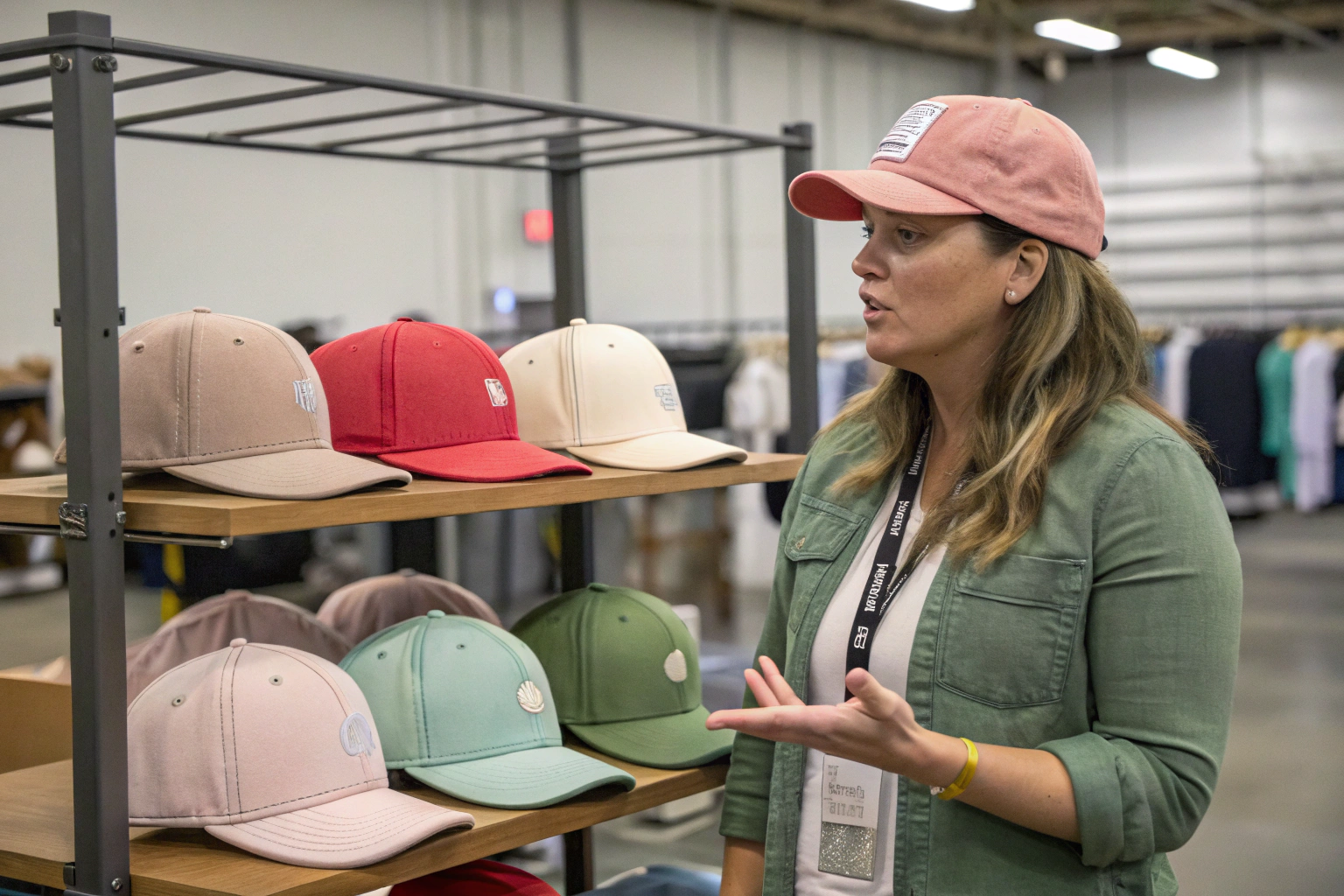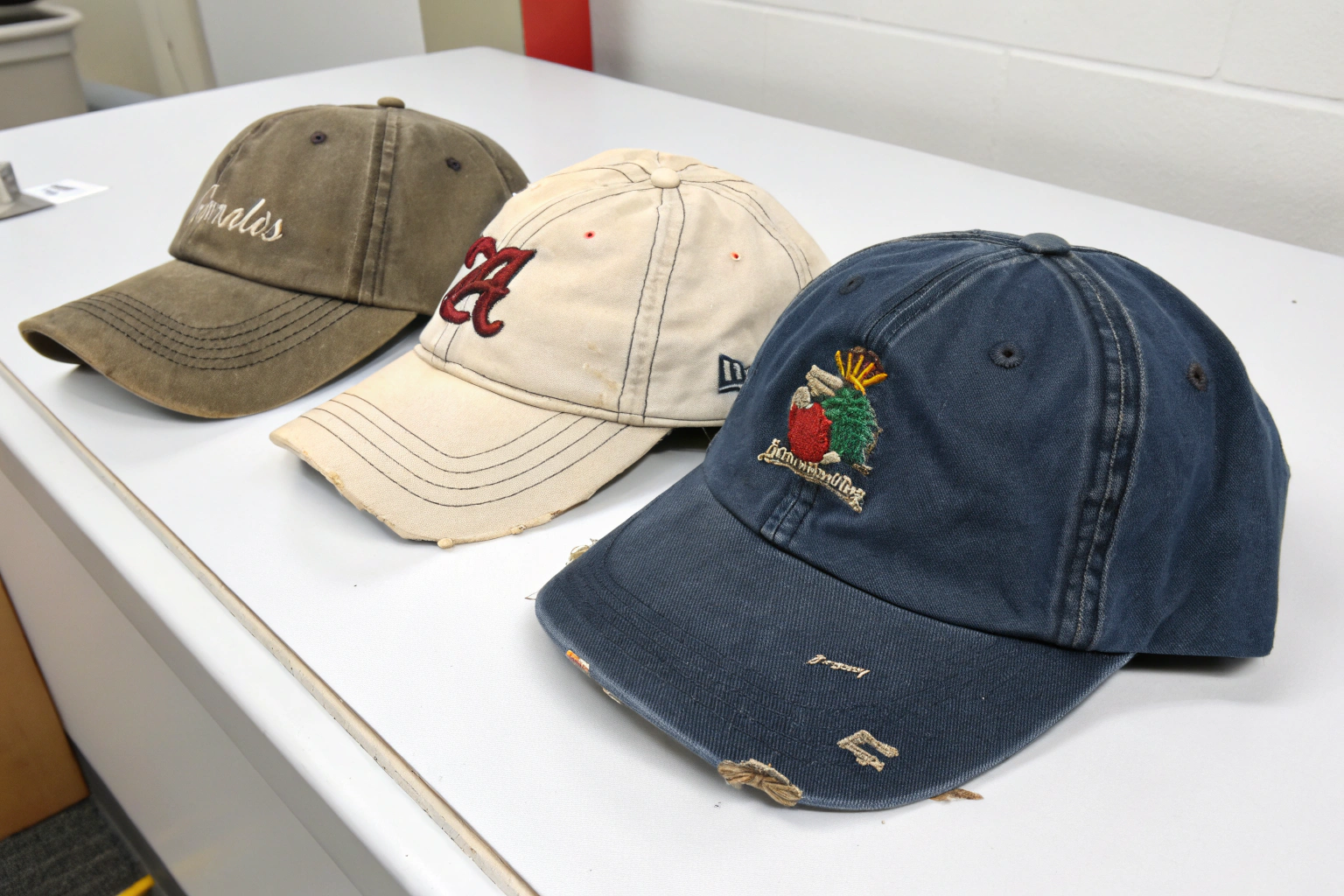
You just received your shipment of 5,000 custom baseball caps. You open the first carton. The cap looks okay from a distance. You pick it up. The embroidered logo on the front is slightly tilted. You turn the cap inside out. The seam at the top of the crown is a thick, twisted mess of fabric. You try the cap on. The brim is lopsided and the curve is uneven. You grab another cap. The logo placement is different. The brim curve is different. You realize with a sinking feeling that you have 5,000 inconsistent, poorly made caps. You did not just buy hats. You bought a quality control nightmare.
The top three quality issues with mass-produced baseball caps are inconsistent embroidery placement and digitizing errors, poorly constructed and uncomfortable crown seams, and irregular or non-durable brim shape and curvature. These issues stem from a combination of low-skill labor, rushed production, inadequate quality control, and the use of substandard internal materials.
I manage Shanghai Fumao in Zhejiang, and we manufacture high-quality caps for brands that cannot afford these failures. I have seen the full range of defects that plague cheap, mass-produced headwear. Understanding these specific issues will help you specify your requirements, evaluate samples more critically, and choose a factory that delivers consistent quality. Let me show you exactly what to look for and how we prevent these problems.
Why Is Embroidery Placement and Quality So Inconsistent?
The embroidered logo is the focal point of a custom baseball cap. It is the first thing the customer sees. If the logo is crooked, off-center, or poorly stitched, the entire cap looks cheap and unprofessional. This is one of the most common and most visible defects in mass-produced caps. The causes are multiple and interconnected. The embroidery machine operator may be unskilled or rushing, failing to properly hoop the cap panel. The backing material used behind the embroidery may be inadequate, leading to puckering and distortion of the fabric. The digitized logo file itself may be poorly created, with incorrect stitch densities and pull compensation, causing the design to warp or the fabric to bunch up. Finally, there may be no standardized placement guide, so each operator places the logo slightly differently, resulting in inconsistency across the order.
At Shanghai Fumao, we have eliminated these variables. We use experienced embroidery technicians who understand fabric behavior. We use a laser alignment system on our embroidery machines to ensure perfect, consistent placement on every single cap. Our in-house digitizers create precise, tested embroidery files. We use the correct weight and type of backing material for the specific cap fabric. And we perform inline QC checks on the embroidery as it comes off the machine. This causes of inconsistent embroidery placement and quality in baseball caps are all controllable with proper systems.
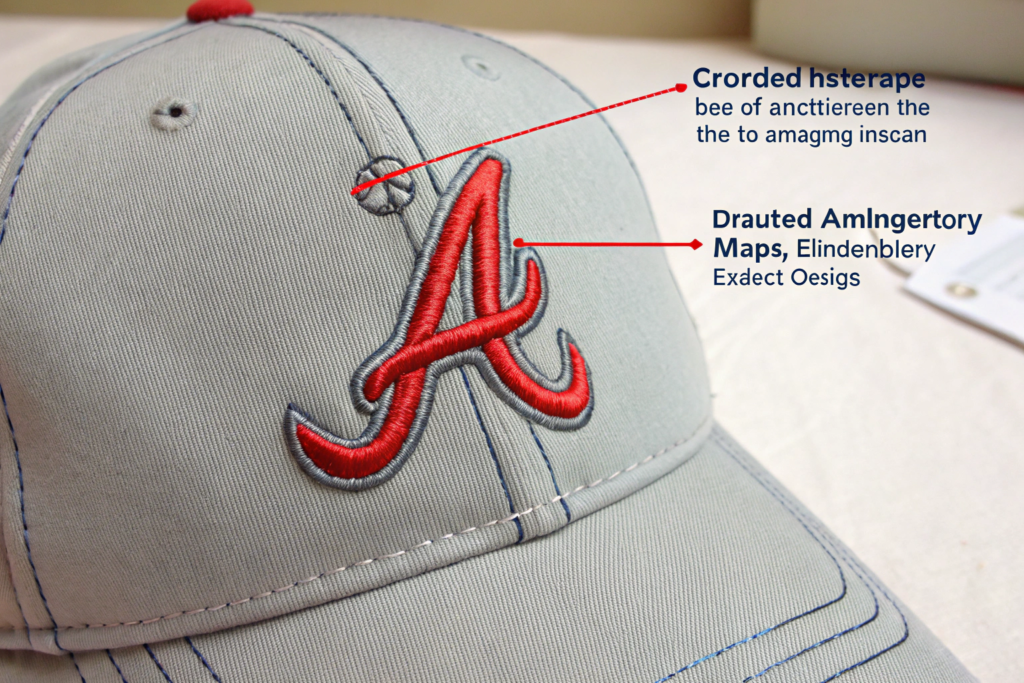
How Does Poor Digitizing Ruin an Embroidery Design?
Digitizing is the process of converting your logo artwork into a set of instructions for the embroidery machine. It is a skilled craft, not an automated process. A poorly digitized file will result in a poor-quality embroidery, regardless of the machine or operator. Common digitizing errors include incorrect stitch density, causing the design to feel either too stiff or too sparse. Incorrect pull compensation, which fails to account for how the fabric will move under the needle, resulting in gaps or distorted shapes. And improper underlay stitching, the foundation stitches that stabilize the fabric, leading to puckering and an uneven surface. A cheap factory will use a generic, auto-digitized file. A quality factory like AceAccessory has an in-house digitizer who manually creates and tests each file for the specific fabric. This impact of professional digitizing on embroidery quality for baseball caps is often the difference between a crisp logo and a messy one.
What Is the Correct Way to Measure Logo Placement?
You cannot simply tell a factory to "center the logo." You must provide a precise, measurable specification. The industry standard is to measure the distance from the bottom of the embroidered design to the top of the brim, or to the seam where the brim is attached, and to center the design horizontally between the left and right seams. A typical placement for a front logo is 2.5 inches up from the brim stitching. This measurement must be checked on a sample of caps from the production run. A tolerance of plus or minus 2 to 3 millimeters is acceptable. Anything more is a noticeable defect. We provide our clients with a measurement diagram for approval before production. This precise logo placement measurement specification for baseball caps ensures consistency across the entire order.
Why Is the Crown Seam Often Bulky and Uncomfortable?
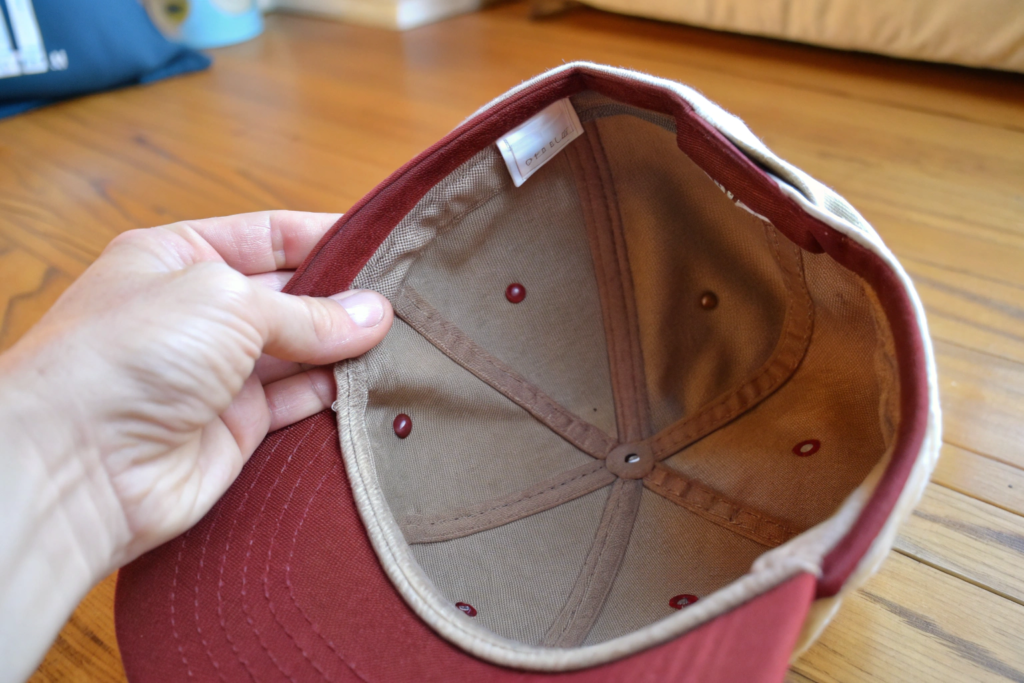
Turn a cheap baseball cap inside out and look at the very top, the crown. You will almost always find a thick, twisted, and hard knot of fabric where the panels are joined. This is the crown seam, and it is a hallmark of low-quality, mass-produced caps. When you wear the cap, this hard lump presses directly against the top of your head. It is uncomfortable and can leave a mark. The cause is a cost-cutting finishing technique. Instead of taking the time to properly join the panels, the factory simply gathers the top of the cap with a thread and pulls it tight, or uses a crude overlapping seam. This creates the bulky knot. A quality cap uses a different method. The panels are joined with a flat-felled seam, or the seam is covered with a soft, fabric tape. This creates a smooth, flat, and comfortable interior surface. At AceAccessory, we use taped seams as a standard feature on our premium caps. It is a small detail that makes a huge difference in comfort. This crown seam construction methods and their impact on cap comfort is a key differentiator.
What Is Seam Taping and Why Does It Matter?
Seam taping is the process of covering the interior seams of the cap with a soft, fabric tape. This is typically done on the crown seam and the side seams. The tape is applied with heat or stitching. It serves two important functions. First, it covers the raw edges of the fabric and the stitching, creating a smooth, comfortable surface against the head. Second, it reinforces the seams, making the cap more durable and helping it hold its shape over time. It is a sign of a well-made, premium cap. This benefits of seam taping for comfort and durability in baseball caps is a feature worth specifying.
How Does the Number of Panels Affect Crown Construction?
Baseball caps are typically made of five or six fabric panels. A classic structured cap is a six-panel cap. The more panels, the more seams. And the more seams, the more important the seam finishing becomes. A cheap five-panel or six-panel cap with bulky seams will have multiple uncomfortable points pressing on the head. A quality cap with taped seams will be comfortable regardless of the number of panels. The panel construction also affects the shape. A well-constructed six-panel cap should have a smooth, rounded crown. A poorly constructed cap may have a lumpy or asymmetrical crown. This impact of panel count and construction on baseball cap shape and comfort is a fundamental aspect of cap design.
What Causes Irregular Brim Shape and Poor Curve Retention?
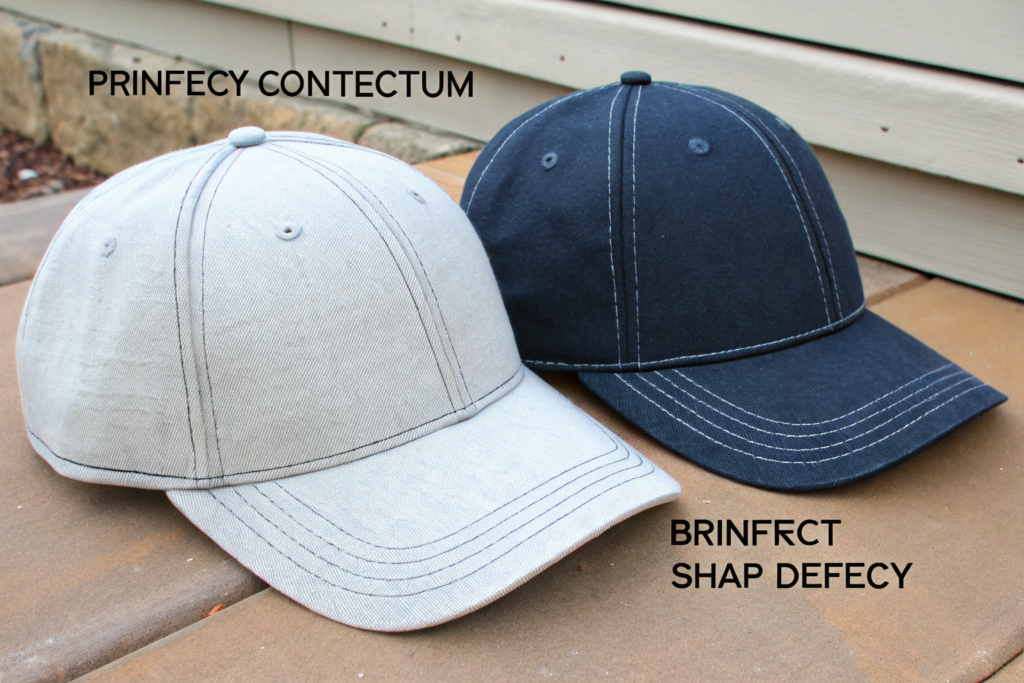
The brim, or visor, defines the silhouette of the cap. A brim that is asymmetrical, crooked, or has an inconsistent curve ruins the look of the entire hat. This is another extremely common defect in mass-produced caps. The causes lie in the internal construction of the brim. A quality brim contains a precisely cut insert, or buckram, that provides the structure and shape. This insert is sewn between the layers of fabric. In a cheap cap, the insert may be cut inaccurately, leading to an asymmetrical brim. The sewing that attaches the brim to the crown may be uneven, causing the brim to sit crookedly. And the brim curve, if it is pre-curved, may be inconsistent. Some caps will be flatter, some more curved. The curve may also not hold its shape well, flattening out after minimal wear. This indicates a low-quality insert material.
At Shanghai Fumao, we use precision-cut buckram inserts and specialized brim sewing machines to ensure symmetry. We use a consistent heat and pressure process to set the brim curve, ensuring it is uniform across the entire order and that it will retain its shape. This causes of irregular brim shape and poor curve retention in baseball caps are all related to the quality of the internal components and the precision of the assembly.
What Is the Difference Between a Structured and Unstructured Brim?
This is a key design distinction. A structured cap has a stiff, reinforced front panel, including the brim. The buckram insert in the brim is firm and holds its shape. This is the classic baseball cap silhouette. An unstructured cap, sometimes called a "dad cap," has no stiff reinforcement in the front panel, and the brim insert is more flexible. The brim on an unstructured cap is often worn with a slight, natural curve. The quality issues apply to both. A cheap structured brim will be stiff but may crack or warp. A cheap unstructured brim will be floppy and lose its shape quickly. We manufacture both structured and unstructured caps, and we use the appropriate grade of buckram for each style. This structured versus unstructured baseball cap construction and brim differences is a matter of design preference.
How Should a Pre-Curved Brim Be Packed to Maintain Its Shape?
The journey from our factory to your warehouse can ruin a perfect brim curve if the caps are not packed correctly. If pre-curved caps are crushed flat into a carton, the curve will be distorted and may not recover. We use specific packing methods for pre-curved caps. They are either packed in smaller quantities with internal cardboard supports to maintain the curve, or they are packed in a specific nested configuration that prevents crushing. We also advise our clients on proper storage. Caps should not be stored with heavy items stacked on top of them. This proper packing and storage methods for maintaining baseball cap brim curve is an important part of delivering a quality product.
How Can You Specify and Verify Quality to Avoid These Issues?
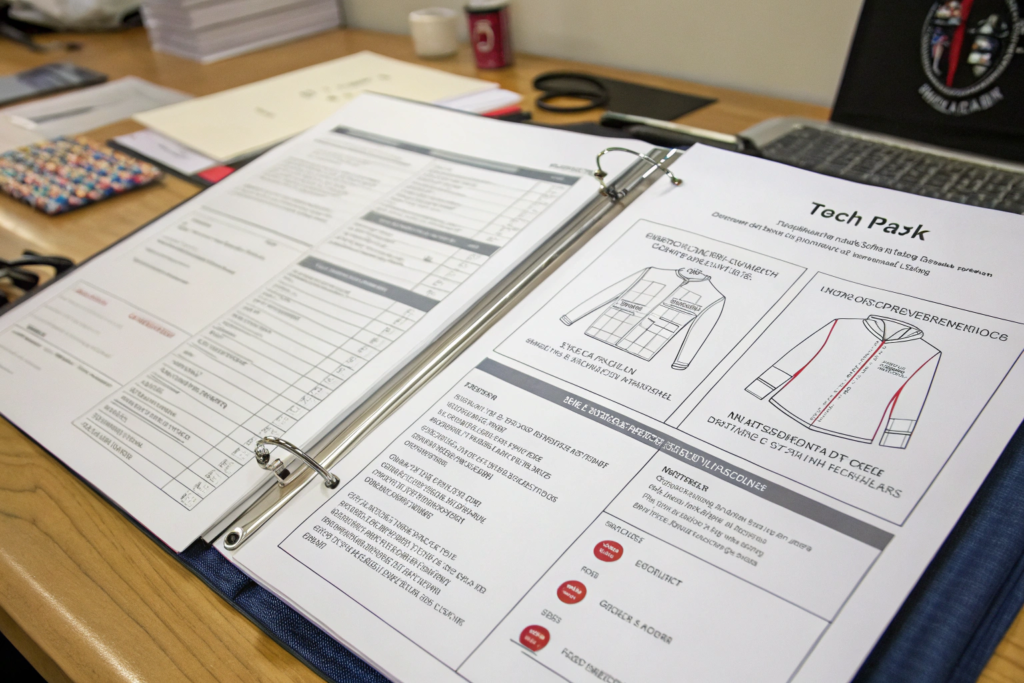
You cannot simply hope the factory makes a good cap. You must specify the quality requirements in your purchase order and tech pack, and you must verify them through sampling and inspection. Vague instructions yield vague, inconsistent results. A precise, detailed tech pack is your contract for quality. It should include a measurement diagram showing the exact logo placement. It should specify "Taped interior seams" or "Flat-felled seams." It should specify "Pre-curved brim with consistent shape retention." It should include a reference to an approved pre-production sample. This sample becomes the physical standard for the entire order. Before shipment, a third-party inspection should be conducted using the AQL sampling method. The inspector will check the sample caps against your specifications and the approved sample. This creating a detailed tech pack to prevent common baseball cap quality issues is the proactive approach to quality assurance.
What Should You Look for in a Pre-Production Cap Sample?
When you receive the pre-production sample, you must evaluate it with a critical eye. Do not just look at the front. Turn it inside out. Inspect the crown seam. Is it taped? Is it flat and smooth? Feel the brim. Is it symmetrical? Is the curve consistent? Put the cap on. Is the crown seam comfortable? Look at the embroidery. Is the placement exactly as specified? Is the stitching clean and dense? Use a measuring tape. Do not rely on your eye. This is your opportunity to catch and correct any issues before 5,000 defective caps are produced. This critical inspection points for evaluating a baseball cap pre production sample is your last line of defense before bulk production.
How Does AQL Inspection Catch These Specific Defects?
A final AQL inspection is a statistical sampling of the finished goods. A trained inspector will randomly select a sample of caps from the shipment, perhaps 200 caps from a 5,000-unit order. They will inspect each cap for the specific defects we have discussed. They will check embroidery placement against a measurement guide. They will check the interior seam finish. They will check the brim for symmetry and consistent curve. They will categorize any defects found as major or minor. The lot will only pass if the number of defects found is below the agreed AQL limit. This provides an objective, data-driven assessment of the shipment's quality before it leaves our factory. This using AQL sampling inspection to verify baseball cap quality before shipment is a standard industry practice that we fully support.
Conclusion
The top three quality issues with mass-produced baseball caps, inconsistent embroidery, uncomfortable crown seams, and irregular brims, are not unavoidable accidents. They are the predictable outcomes of a manufacturing process that prioritizes speed and low cost over precision and quality materials. They stem from a lack of skilled labor, inadequate equipment, and the absence of rigorous quality control. A cheap cap is cheap for a reason. The defects are baked into the production model.
A quality cap from a factory like Shanghai Fumao is the result of a different model. It is a model that invests in skilled technicians and professional digitizers. It uses premium internal materials like buckram and seam tape. It employs laser alignment for embroidery and precision brim-setting equipment. And it enforces quality at every stage, from the pre-production sample to the final AQL inspection. The difference is visible in the crisp logo, the comfortable interior, and the perfect brim curve.
If you are sourcing baseball caps and want a partner who understands and controls these critical quality factors, I encourage you to contact our Business Director, Elaine. She can provide samples that demonstrate our quality standards and discuss our production processes. You can email Elaine at: elaine@fumaoclothing.com. Let us help you build a cap program that your customers will love to wear.