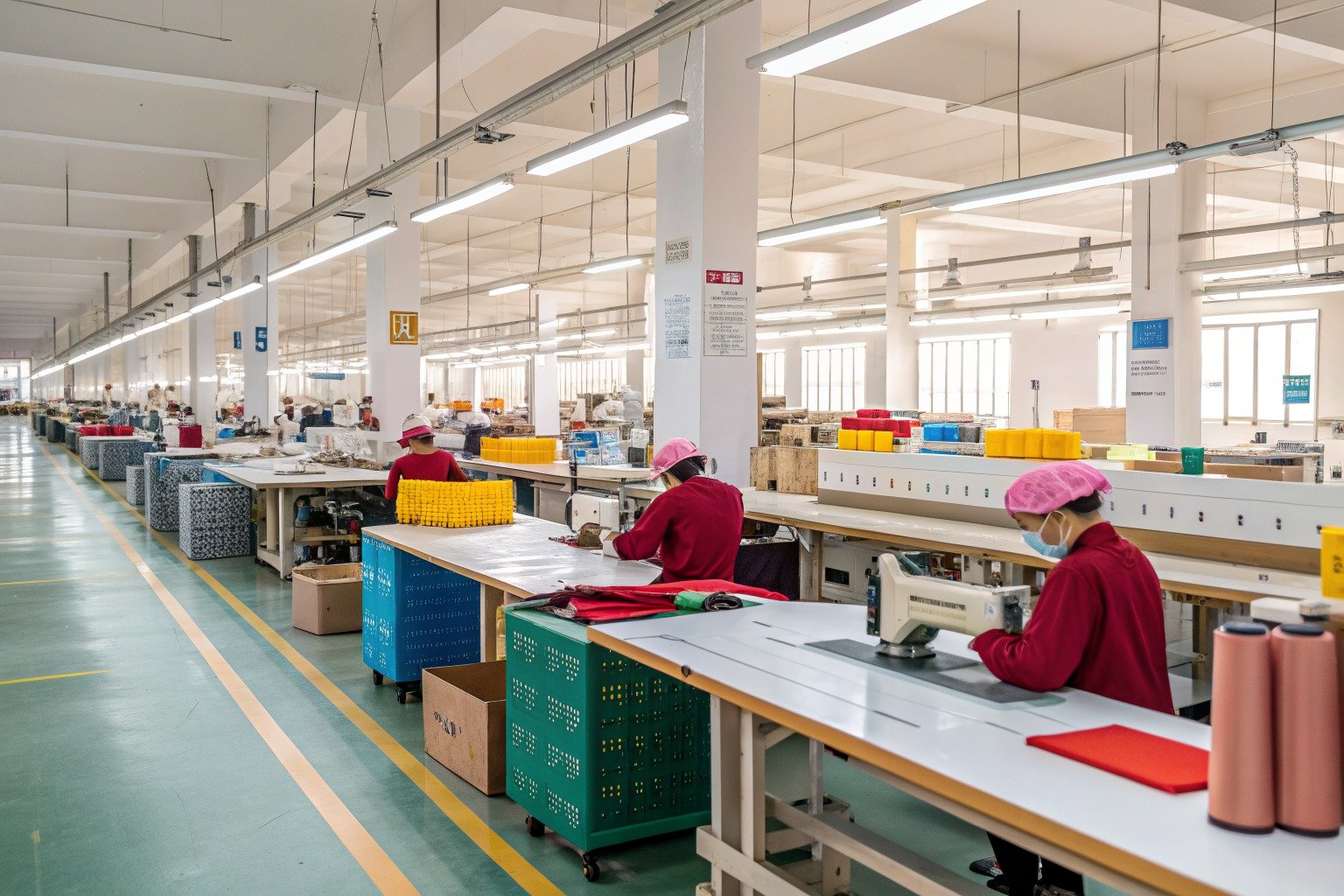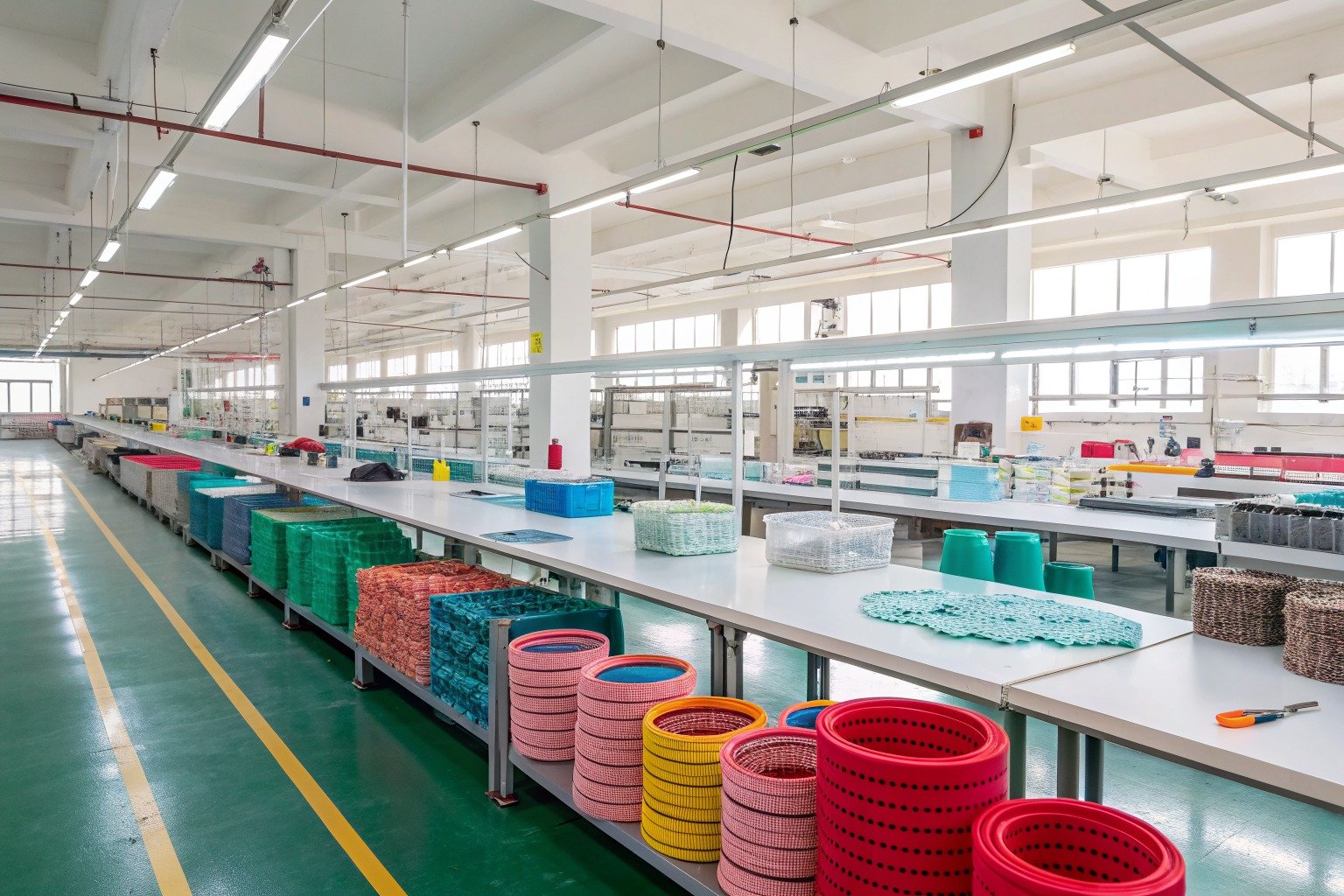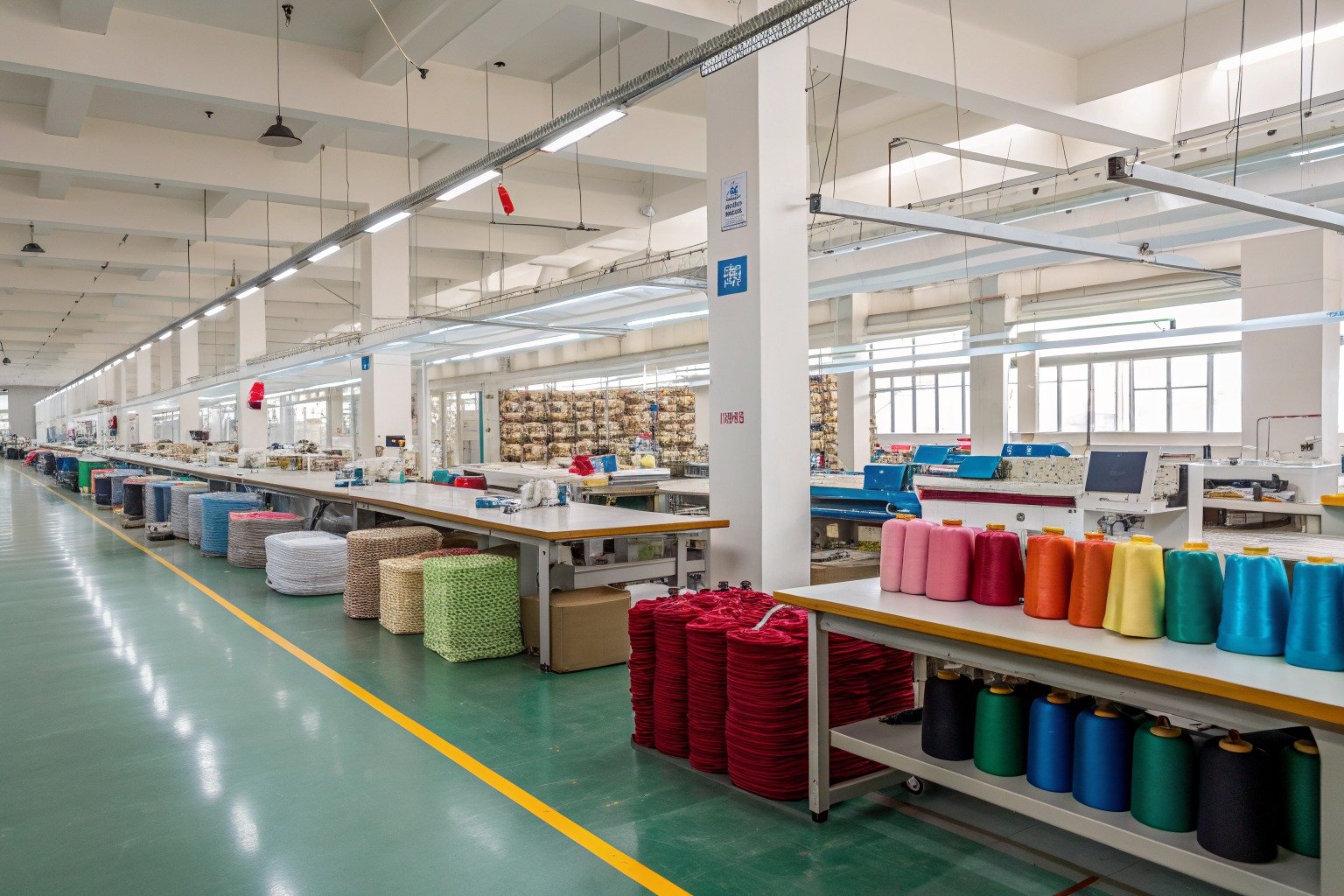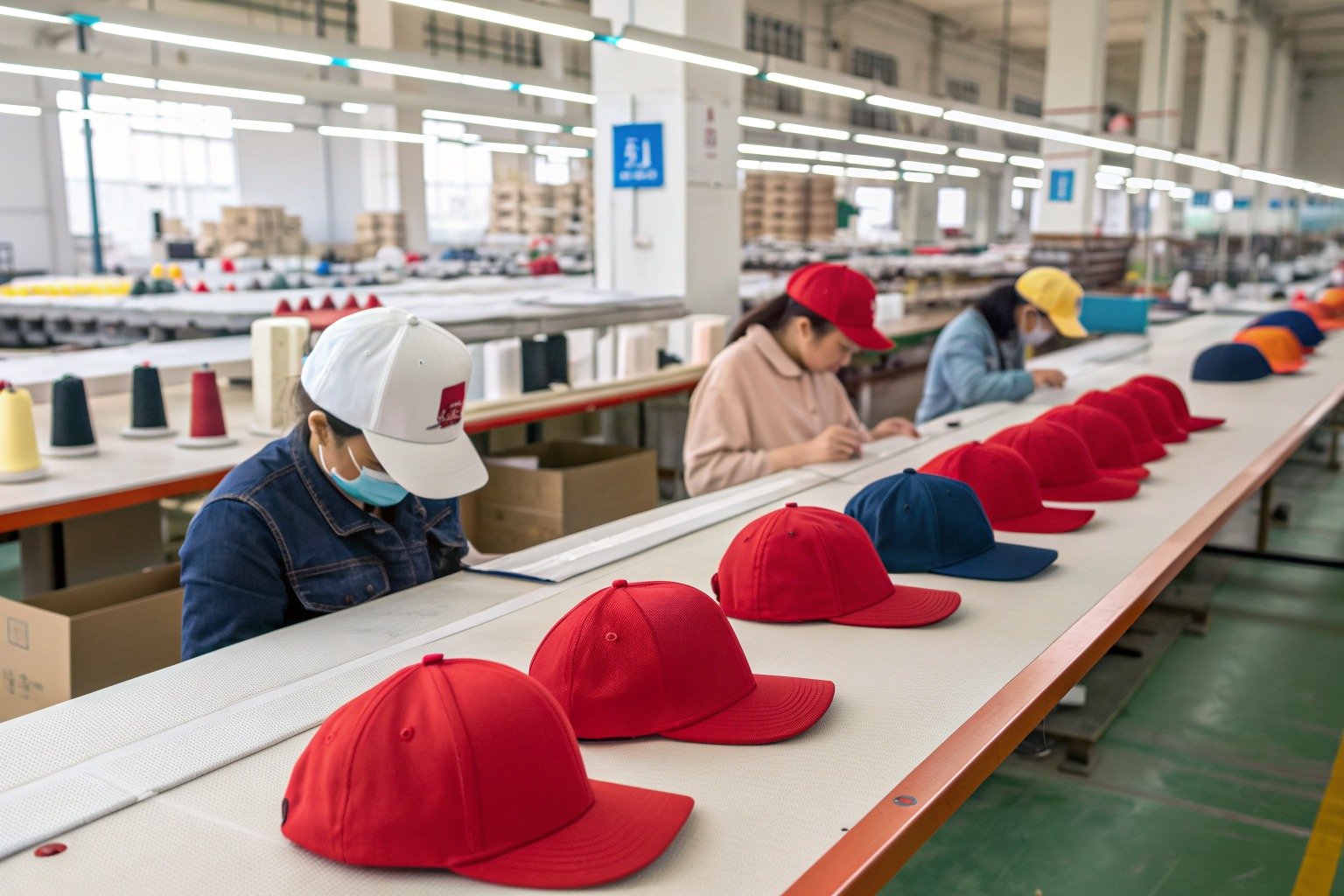
You are a manufacturer in China with the capacity to produce 200,000 high-quality seasonal scarves per month. You have the OEKO-TEX certification. You have the design team. You have the competitive pricing. But your sales team is spending hours on LinkedIn and Google trying to identify which European supermarket buyers actually have the budget and the volume to place orders of that scale. You send emails to generic info@ addresses and hear nothing back. You attend a trade show in Paris and collect business cards, but the follow-up goes cold. The frustration is not about your product. It is about access. You need to know who the real players are.
The European supermarkets that import the largest volumes of seasonal scarves from China are Aldi Nord and Aldi Süd in Germany, Carrefour in France, Tesco and Sainsbury’s in the United Kingdom, and Ahold Delhaize in the Netherlands and Belgium. These retailers operate on structured seasonal buying calendars and require suppliers to meet strict compliance and sustainability standards.
I have been exporting fashion accessories from Zhejiang to Europe for over a decade. Our factory, Shanghai Fumao, has supplied seasonal scarf programs to several of the major European retail groups. I understand the landscape. I know which buyers are looking for high-volume basic scarves for their discount promotions and which buyers are seeking premium blends for their mid-tier private label collections. Let me give you a clear picture of the European supermarket scarf market so you can target your sales efforts effectively.
Why Do German Discounters Dominate Seasonal Scarf Imports from China?
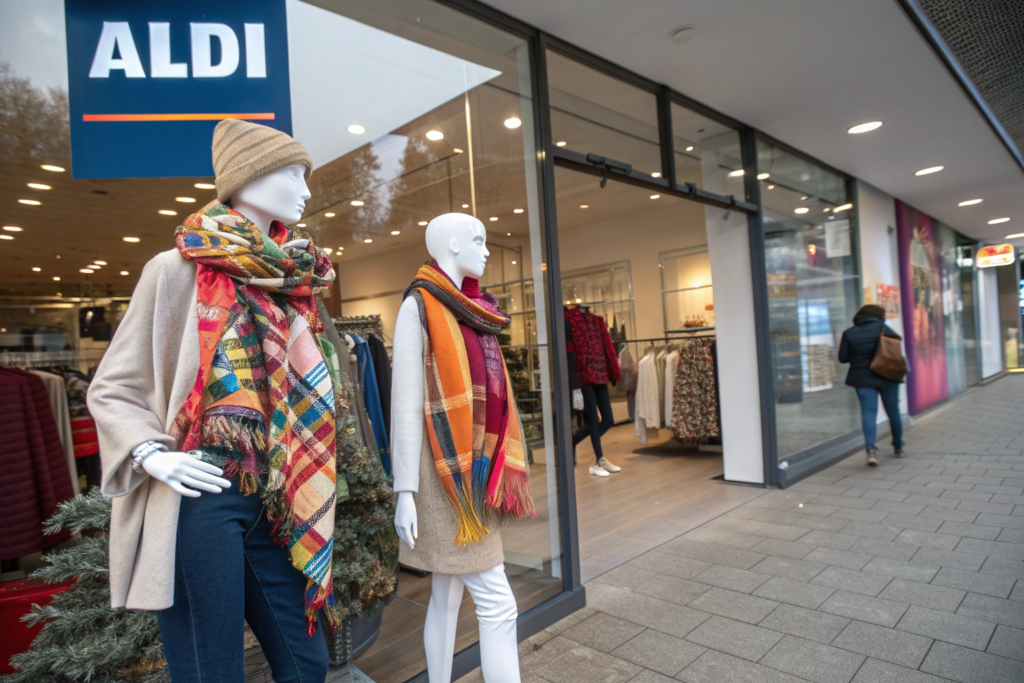
When you think of fashion, you might not immediately think of Aldi or Lidl. But in the European retail landscape, the German discounters are absolute powerhouses in the seasonal accessories category. They move staggering volumes of scarves, gloves, and hats during the autumn and winter seasons. Their business model is built on limited-time, high-volume promotions known as "themed weeks" or "Aktionsware."
Aldi Nord and Aldi Süd, the two halves of the Aldi empire, together operate over 4,000 stores in Germany alone and thousands more across Europe. When they feature a seasonal scarf in their weekly promotion, they are not ordering 5,000 units. They are ordering 150,000 to 300,000 units for a single promotion across their European network. This volume is what makes them so significant for Chinese manufacturers. A single successful program with Aldi can fill a factory’s production capacity for two months.
Lidl, part of the Schwarz Group, operates a similar model. Their non-food promotions feature scarves at extremely competitive price points. They source heavily from China because Chinese factories like AceAccessory can deliver the combination of volume, price, and basic quality that the discounter model requires. The German discounter seasonal scarf procurement volume is unmatched by any other European retail segment.
How Do Aldi and Lidl Structure Their Scarf Buying Calendar?
The buying calendar for German discounters is rigid and non-negotiable. They plan their seasonal promotions twelve to eighteen months in advance. If you want to supply scarves for the Autumn/Winter season, you need to be presenting samples and negotiating prices in the spring of the previous year.
The process typically begins with a request for quotation or RFQ sent to a select group of approved vendors. The discounter provides a target retail price, usually a very sharp price point like €4.99 or €6.99. The factory must reverse-engineer the product to meet that target while maintaining an acceptable margin. This requires expertise in material sourcing and production efficiency.
At Shanghai Fumao, we have learned to work within this calendar. We maintain a library of cost-effective scarf constructions and yarn blends specifically developed for the discounter channel. We know what weight of acrylic or polyester yarn delivers the right hand feel at the right price. We present these options proactively to the buying offices. This Aldi Lidl seasonal buying calendar and lead times dictates the entire development cycle.
What Are the Compliance Requirements for Supplying German Supermarkets?
Supplying Aldi, Lidl, or any major German retailer is not just about price. It is about compliance. The German market has the strictest chemical safety and social compliance standards in Europe.
You must have a valid OEKO-TEX Standard 100 certificate for your scarves. This is non-negotiable. The certificate must be current and issued by an accredited testing institute. You must also comply with the German Product Safety Act and the REACH regulation. Aldi and Lidl conduct their own random product testing. If a scarf fails a chemical test, the consequences are severe. The entire shipment can be rejected, and the supplier can be delisted.
Social compliance is equally important. The discounter will require a valid amfori BSCI audit report or a SMETA audit report. They want to see that the factory in China treats its workers fairly and provides a safe working environment. At AceAccessory, we maintain current certifications and audit reports specifically because we know the German market demands them. This German discounter compliance and certification requirements is a barrier to entry that protects the serious suppliers from the low-quality, non-compliant workshops.
How Do French and UK Supermarkets Approach Scarf Sourcing Differently?
The French and British supermarket sectors approach seasonal scarves with different strategies than the German discounters. They are less focused on the single, massive promotional buy and more focused on a curated range of private label and branded products that sit on the shelf for the entire season.
Carrefour, the French hypermarket giant, operates large format stores with significant floor space dedicated to textiles and accessories. Their Tex private label brand includes a substantial scarf collection each autumn and winter. They source from China, but they also source from Italy and Turkey for their higher-tier products. Their volumes per style are lower than Aldi, typically 20,000 to 50,000 units per colorway, but their quality expectations are higher. They want a scarf that looks and feels like a specialty store product.
Tesco and Sainsbury’s in the UK operate similarly. Their F&F and Tu clothing brands are major players in the UK apparel market. They offer a full range of scarves, from basic acrylic knits to more premium wool-blend offerings. They value design capability. They want a factory that can interpret their trend direction and propose newness, not just copy a sample. This French and UK supermarket private label scarf sourcing strategy values design partnership over pure price competition.
What Is the Role of Buying Offices and Agents in This Process?
Navigating the Carrefour or Tesco buying structure is complex. These retailers often use buying offices or sourcing agents based in Hong Kong or Shanghai to manage their supplier relationships. The buying office acts as a gatekeeper and a quality assurance layer.
For a Chinese factory, getting in front of the actual buyer in Paris or London is difficult. The more practical path is to register as a vendor with their nominated buying office. These offices, such as Li & Fung or William E. Connor, have established vendor onboarding processes. They audit the factory. They verify the certifications. They negotiate the pricing.
Once approved by the buying office, the factory can be introduced to the retail buyer for specific product development opportunities. At AceAccessory, we have relationships with several of these buying offices. We understand their specific quality manuals and their reporting requirements. This buying office intermediary role in European retail sourcing is a necessary step for accessing the large supermarket programs.
How Important Is Sustainability for French and UK Supermarket Buyers?
Sustainability is no longer a nice-to-have. It is a requirement. French and UK consumers are highly attuned to environmental issues. The supermarkets reflect this in their sourcing mandates.
A buyer from Carrefour or Tesco will ask specific questions about the yarn composition. Is the polyester recycled? Is the wool sourced from non-mulesed sheep? Is the viscose from sustainably managed forests? They expect documentation to back up these claims. The Global Recycled Standard or GRS certificate is increasingly important for synthetic scarves.
They also scrutinize packaging. Single-use plastic polybags are being phased out. Buyers are requesting paper bands, FSC-certified hang tags, and recyclable cardboard packaging. At AceAccessory, we have invested in sustainable packaging options and we can provide the chain of custody documentation for recycled materials. This sustainability requirements for UK and French supermarket suppliers is a key differentiator in the selection process.
How Does the Ahold Delhaize Group Source Seasonal Scarves?
Ahold Delhaize is a retail powerhouse in the Benelux region and the Eastern United States. In Europe, their banners include Albert Heijn in the Netherlands, Delhaize in Belgium, and Albert in the Czech Republic. Their approach to seasonal scarves is sophisticated and centralized.
The group operates a centralized sourcing organization called Retail Business Services. For their European operations, they leverage their scale to negotiate directly with manufacturers in China. They are particularly focused on the Albert Heijn brand, which has a strong reputation for quality and innovation. Their scarf programs are often part of broader seasonal campaigns that include matching gloves and hats.
The volumes for Ahold Delhaize are significant but more fragmented than the German discounters. An order might be 30,000 units for the Netherlands market, 15,000 units for Belgium, and 10,000 units for the Czech Republic. The factory must be able to manage this multi-country distribution with different labeling and packaging requirements for each market. This Ahold Delhaize centralized sourcing for European banners requires a supplier with strong logistics and documentation capabilities.
What Are the Labeling and Language Requirements for Multi-Country Orders?
When you ship to an Ahold Delhaize distribution center that serves multiple countries, the labeling complexity increases. Each country has its own language requirements for care labels and packaging.
The care label must include washing instructions in Dutch for the Netherlands, French and Dutch for Belgium, and Czech for the Czech Republic. The hang tag may need to show the retail price in Euros for the Eurozone countries and in Czech Koruna for the Czech Republic. The country of origin marking must be present and correct.
Managing these variations without mixing up the cartons is a discipline. At Shanghai Fumao, our packing department uses a barcode scanning system that verifies the correct label is applied to the correct product for the correct destination. A single mislabeled carton sent to the wrong country can result in a fine and a chargeback. This multi country labeling and packaging compliance for European retail is a service we provide to ensure smooth delivery.
How Do You Access the Ahold Delhaize Vendor Portal?
Like Walmart in the US, Ahold Delhaize uses a vendor portal for purchase order management and compliance documentation. Access to this portal is granted only after a rigorous vendor onboarding process.
The first step is to be invited by a buyer. This invitation usually comes after a successful sample presentation and a preliminary factory audit. The buyer submits a vendor request form to the central sourcing office. The central office then sends a link to the vendor portal registration page. The factory must complete a detailed profile, upload all certifications, and accept the legal terms and conditions.
Once registered, the factory can view and acknowledge purchase orders, submit shipment notifications, and upload invoices. The system tracks on-time delivery and quality performance. A poor performance scorecard can lead to reduced order volume or delisting. At AceAccessory, we have a dedicated team member who manages our vendor portal activity. She ensures that every PO is acknowledged within twenty-four hours and that every required document is uploaded on time. This Ahold Delhaize vendor portal registration and compliance is critical to maintaining a good standing.
What Are the Seasonal Order Volumes and Timelines for Each Retailer?
Understanding the rhythm of the European retail calendar is essential for planning your production capacity and your sales outreach. Each retailer has a distinct timeline for their seasonal scarf programs.
The German discounters place their initial orders for the Autumn/Winter season between January and March of the same year. The goods ship from China in June and July. They arrive in European distribution centers in August. They hit the store shelves in September and October as part of the themed promotions. The buying window for the following year opens in the autumn. If you are not presenting samples to Aldi or Lidl in September and October, you have missed the window for the next year’s season.
The French and UK supermarkets operate on a slightly later timeline. They review samples from November to January. They place orders from January to March. They ship from China in July and August. They arrive in stores from September onwards. They also have smaller in-season replenishment programs for best-selling styles. This European supermarket seasonal buying calendar for scarves dictates when your sales efforts should be most intense.
What Is the Typical Order Size for a Supermarket Scarf Program?
The order size varies dramatically by retailer and by product tier. A promotional scarf for Aldi might be a single order of 200,000 units in one color. A private label scarf for Carrefour might be 30,000 units split across three colorways. A premium wool-blend scarf for Sainsbury’s might be 5,000 units in two colorways.
Here is a general guide to order quantities for seasonal scarves by European supermarket type:
| Retailer Type | Typical Scarf Order Quantity | Colorways per Style | Shipment Frequency |
|---|---|---|---|
| German Discounter (Aldi/Lidl) | 100,000 – 300,000 units | 1 – 2 | Single shipment |
| French Hypermarket (Carrefour) | 20,000 – 60,000 units | 3 – 4 | Single with replenishment |
| UK Supermarket (Tesco/Sainsbury’s) | 15,000 – 50,000 units | 3 – 5 | Single with replenishment |
| Benelux Retailer (Albert Heijn) | 10,000 – 30,000 units | 2 – 3 | Single per market |
At AceAccessory, we are comfortable with this entire range. Our production lines are flexible enough to handle a massive single-style order for a discounter and a multi-style, multi-color order for a department store group running concurrently. This order quantity guide for European supermarket scarf programs helps set realistic expectations for new suppliers.
How Do You Prepare for a Buyer Meeting with a European Supermarket?
A buyer meeting with a major European supermarket is a high-stakes event. You have thirty to sixty minutes to make an impression. Preparation is everything.
You must bring a focused collection. Do not bring fifty random scarves. Bring fifteen to twenty scarves that are specifically designed for that retailer’s target price point and aesthetic. If you are meeting Aldi, bring clean, commercial basics in high-value yarns. If you are meeting Carrefour, bring on-trend fashion items with interesting textures. If you are meeting Albert Heijn, bring scarves with sustainable material stories.
You must know your costs precisely. The buyer will ask for FOB prices immediately. You must be able to quote confidently and explain any cost drivers, such as a higher yarn quality or a more complex stitch. You must also be prepared to discuss minimum order quantities, lead times, and compliance certifications.
At Shanghai Fumao, we invest significant time in pre-meeting preparation. We research the retailer’s current assortment online. We understand their price architecture. We tailor our sample presentation accordingly. This buyer meeting preparation for European supermarket scarf suppliers is what separates a successful meeting from a wasted trip.
Conclusion
The European supermarket sector is a major destination for seasonal scarves manufactured in China. The German discounters, Aldi and Lidl, lead the market in sheer volume, driven by their high-frequency promotional model. The French and UK supermarkets, Carrefour, Tesco, and Sainsbury’s, offer opportunities for suppliers with strong design capabilities and a focus on private label quality. The Ahold Delhaize group provides a gateway to the Benelux region with a centralized and compliance-focused sourcing operation.
Success in this market requires more than just a low price. It requires an understanding of the distinct buying calendar for each retailer. It requires meticulous attention to chemical and social compliance standards. It requires the ability to manage complex labeling and multi-country distribution. And it requires a professional, prepared approach to buyer meetings and product presentations.
At Shanghai Fumao, we have built our factory operations and our sales processes specifically to meet the demands of these European supermarket giants. We speak their language. We understand their calendars. We maintain their required certifications. We manage their complex logistics. We are the type of supplier that European buyers can rely on to deliver a flawless seasonal program, year after year.
If you are a brand, an importer, or a buying office looking for a reliable Chinese manufacturing partner for seasonal scarf programs destined for European supermarkets, I encourage you to contact our Business Director, Elaine. She can discuss our current capacity, our compliance credentials, and our experience with the specific retailers mentioned in this article.
You can email Elaine at: elaine@fumaoclothing.com. Let us help you navigate the European supermarket landscape and secure those high-volume seasonal orders.