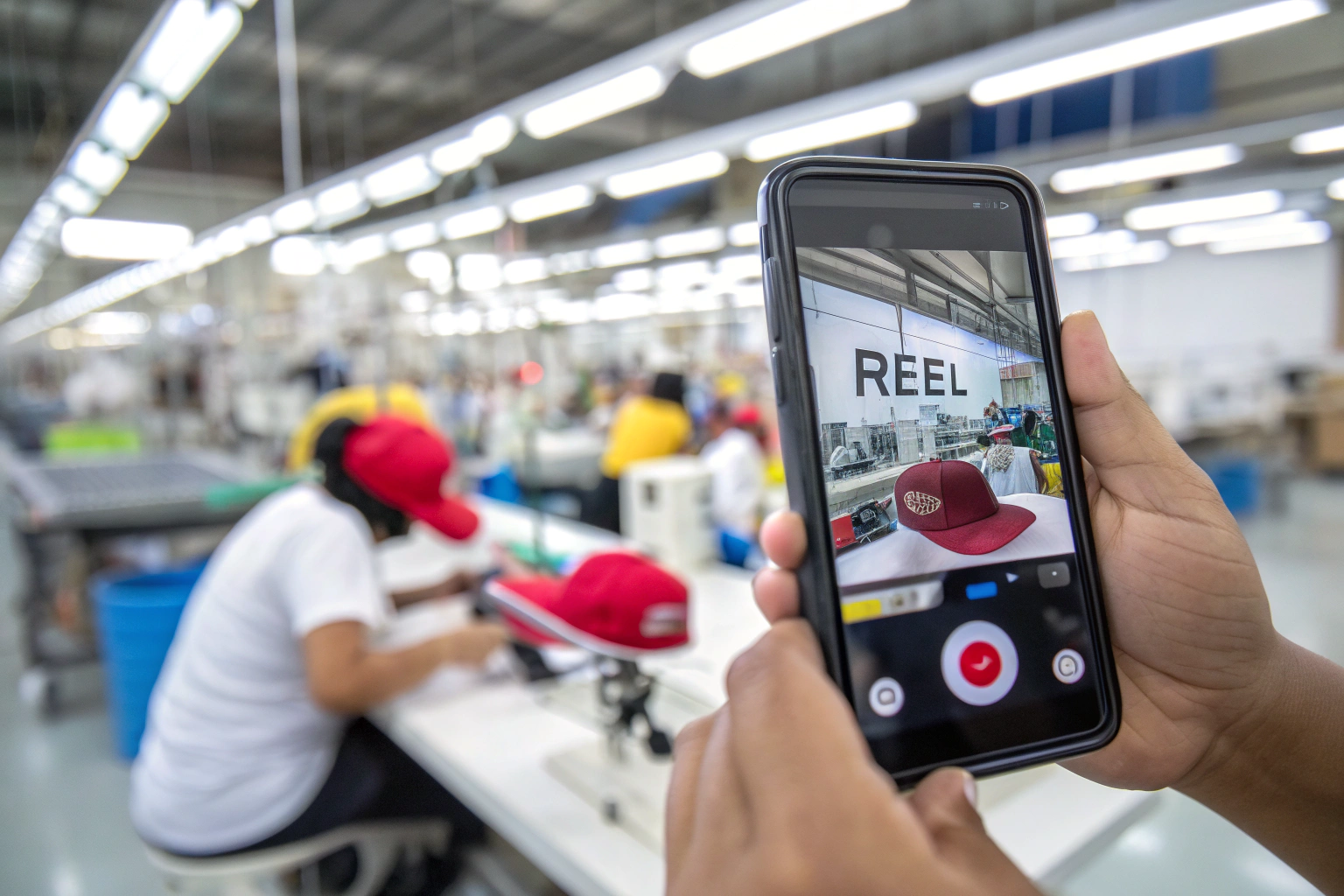
I was skeptical about Instagram Reels at first. I run a factory in Zhejiang. We make hair bands, belts, scarves, and caps. Our clients are serious buyers from major US retailers and brands. They are not teenagers scrolling for entertainment. Or so I thought. Then my marketing manager showed me a Reel we posted of a close-up shot showing the precise moment a metal hair clip snaps together under a worker’s skilled fingers. It had 12,000 views in two days. More importantly, we received four direct inquiries from boutique owners and one from a mid-sized accessory brand buyer. They all said the same thing: "I had no idea this much care went into making a simple hair clip. I want to work with a factory that pays this much attention." That is when I understood. Reels are not just for influencers. They are the most powerful tool a B2B manufacturer has to demonstrate transparency, skill, and trust to a global audience.
Using Instagram Reels to showcase accessory manufacturing is about leveraging short-form vertical video to provide visual proof of your factory’s capabilities, cleanliness, and craftsmanship. For a B2B audience of brand owners and importers like Ron, Reels serve as a virtual factory tour that builds trust before a single email is exchanged. The most effective manufacturing Reels focus on close-up macro shots of machines in action, satisfying "oddly satisfying" repetitive processes, and the human hands behind the product. This content demystifies the production process and positions your factory as a modern, transparent, and reliable partner.
At Shanghai Fumao, we have integrated Reels into our sales and marketing workflow. It is not just a side project. It is a core part of how we communicate our value proposition to buyers in North America and Europe. I want to share the exact strategy we use. This is not about dancing or trending audio. This is about using the platform to generate qualified B2B leads by showing exactly what we do best.
Why Should A B2B Factory Invest Time In Instagram Reels?
You might think that LinkedIn or Alibaba is the only place for B2B sourcing. Those platforms are important. But they are crowded and often static. A buyer like Ron spends his day looking at spreadsheets, price lists, and static JPEG images of products. He is visually exhausted. When he takes a break and scrolls Instagram, his guard is down. He is in discovery mode. If your content appears there, you have a unique opportunity to capture his attention in a way that a formal quote email never could.
Investing time in Instagram Reels provides a B2B factory with an asymmetrical marketing advantage. While competitors rely on outdated catalogs and generic trade show booth photos, Reels offer an immersive, real-time window into the production floor. This content signals operational health and transparency. A clean, organized factory shown in motion is infinitely more convincing than a written claim of "high quality." For US buyers concerned about vetting suppliers remotely, Reels serve as a daily proof-of-life for the factory’s capabilities and working conditions.
How Does Process Content Build Trust With Overseas Buyers?
Trust is the currency of international sourcing. You are asking a buyer to wire thousands of dollars to a factory they have never visited. The biggest fear in the back of their mind is that the factory is a fake, a dirty workshop, or a trading company posing as a manufacturer.
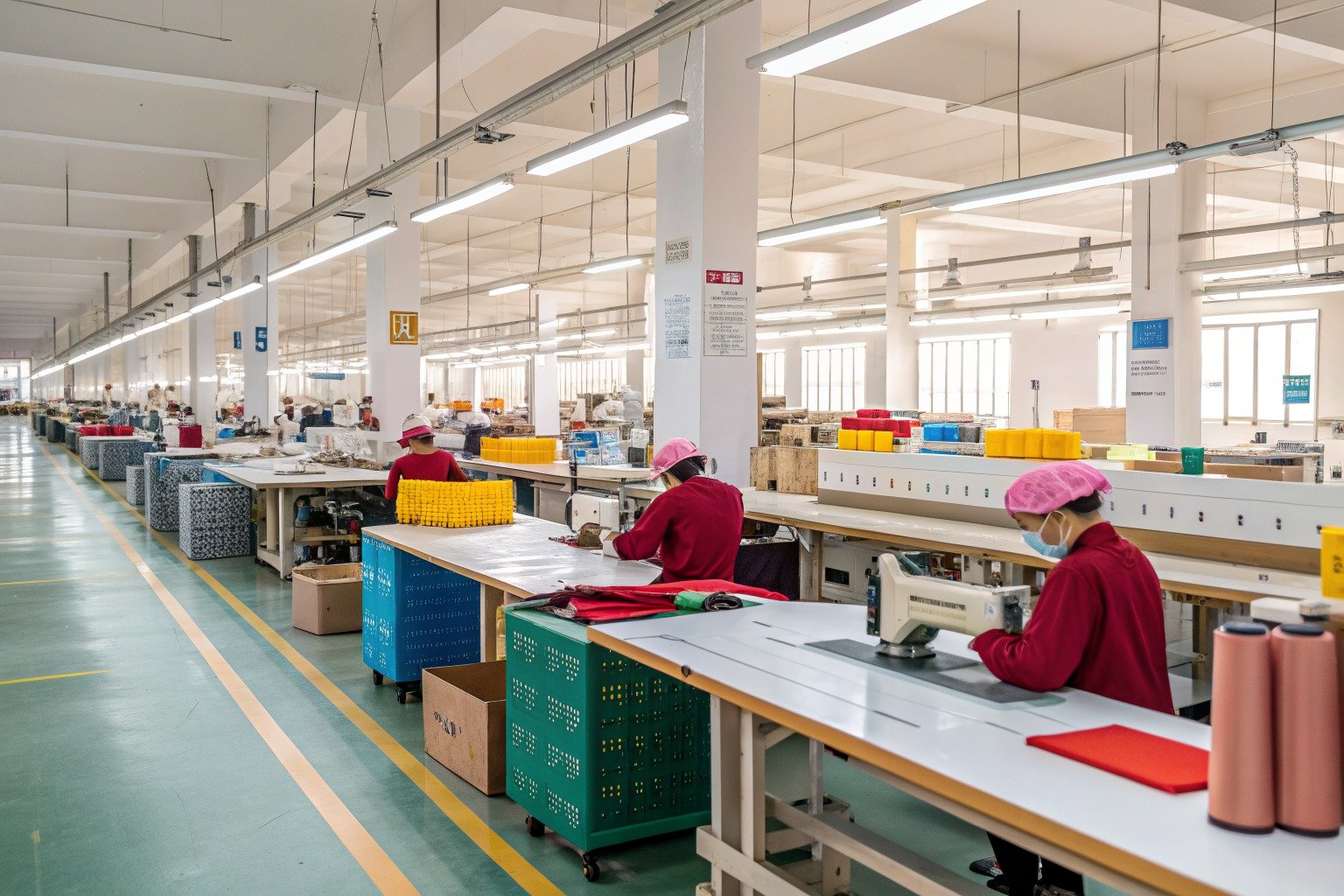
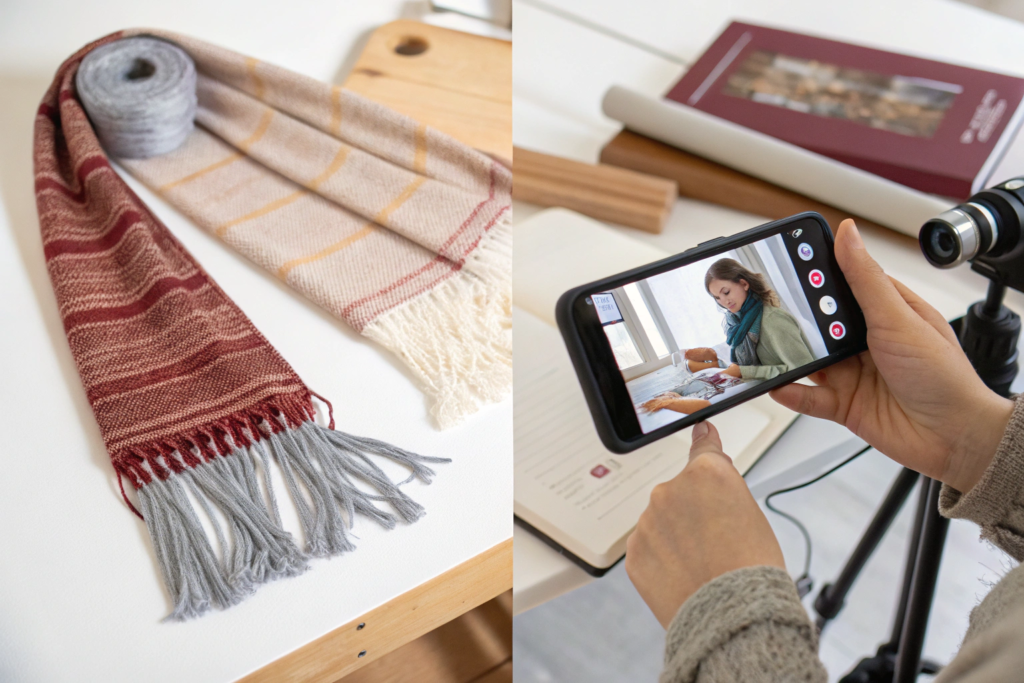
Static photos can be stolen. A competitor can download a photo of a clean factory floor from Google Images. But a 30-second Reel showing a continuous pan of our specific sewing floor, with our specific workers in our specific uniforms, with the sound of our specific machines in the background? That is nearly impossible to fake convincingly.
We use Reels to answer the unspoken questions that keep buyers up at night:
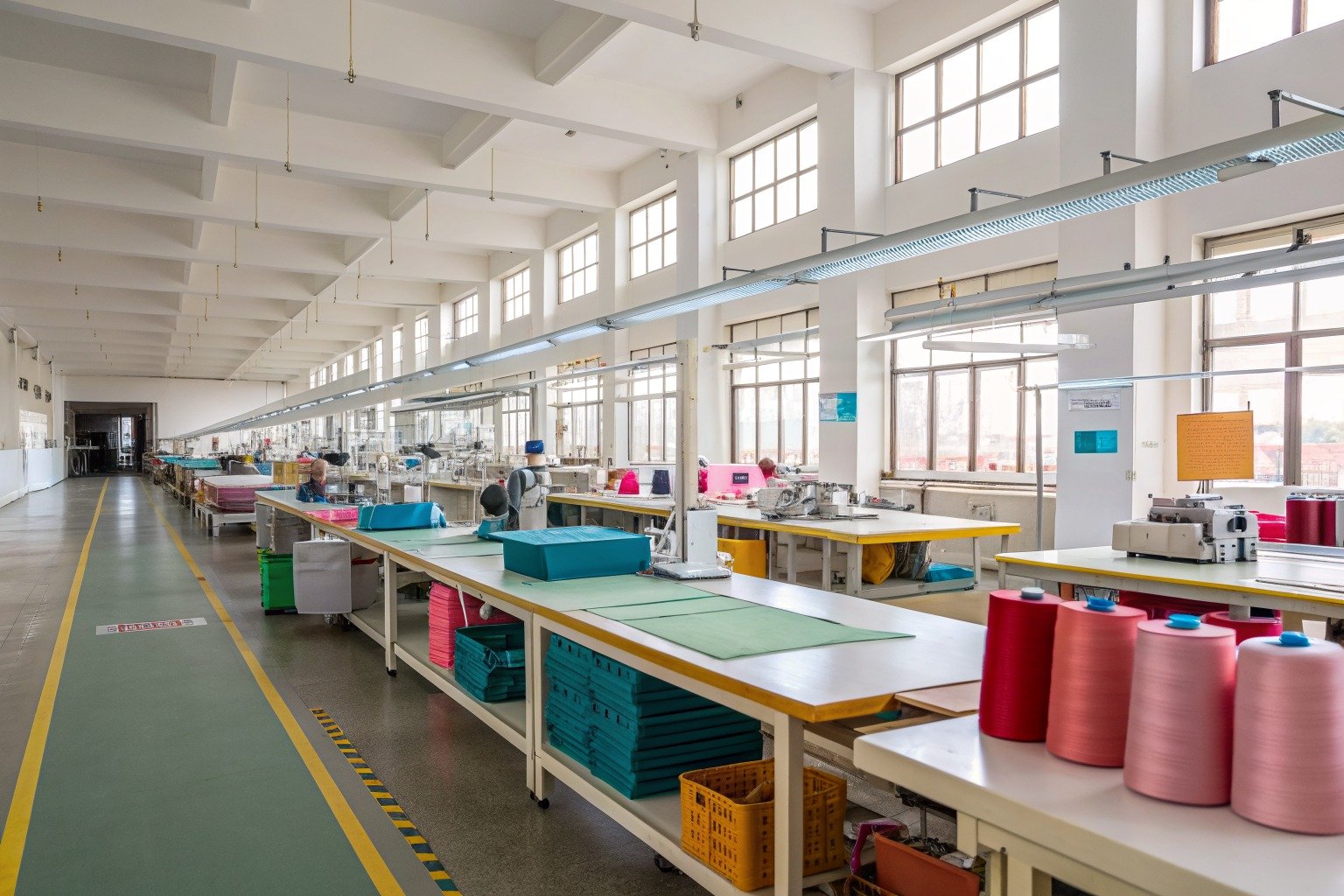
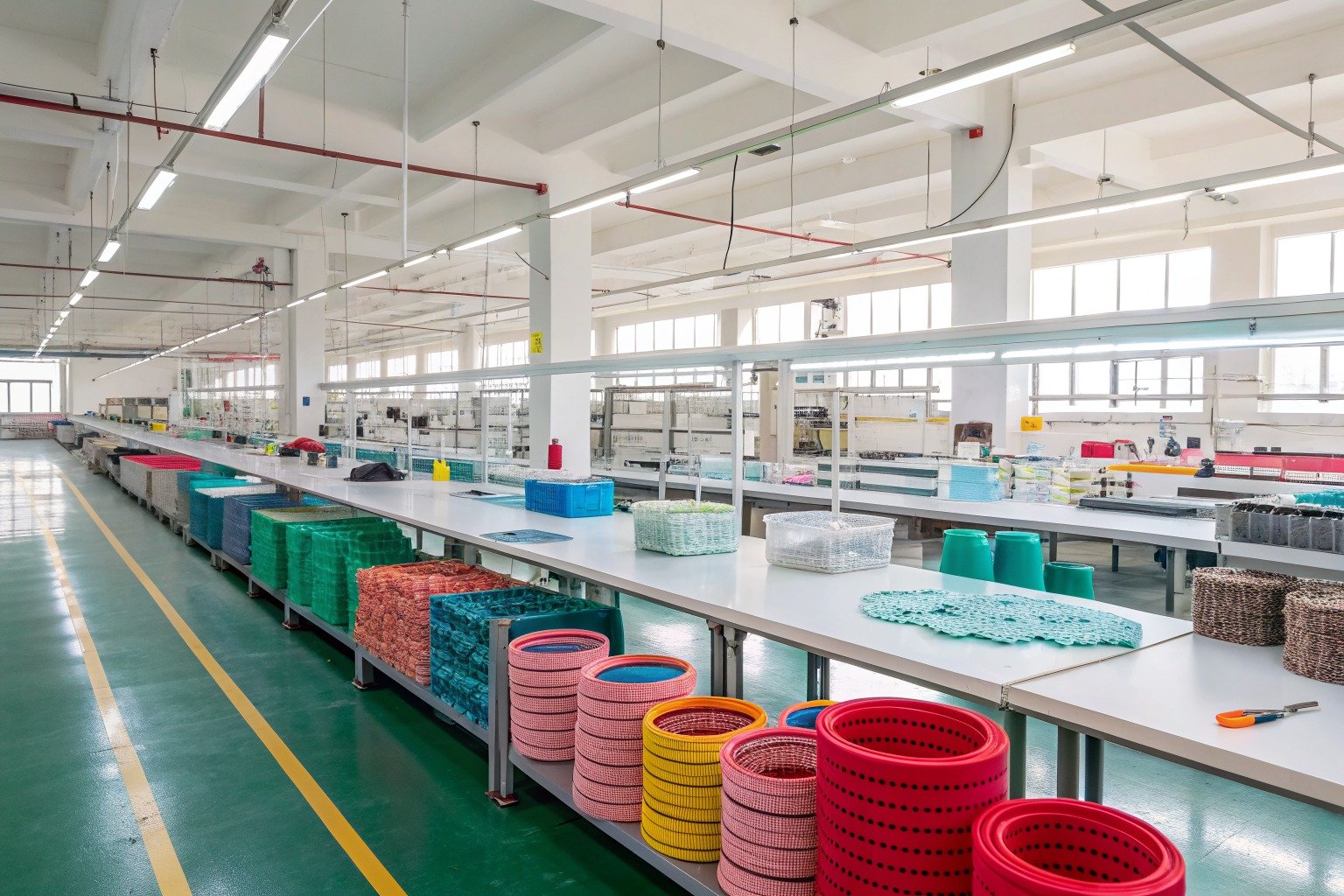
- "Is the factory clean?" A Reel panning across the floor shows the polished concrete and organized bins.
- "Are they really making this?" A macro shot of a needle piercing through our signature hair band fabric proves we control production.
- "Who is behind the email?" A Reel featuring our project manager Elaine smiling and waving from the sample room humanizes the relationship.
This content is particularly effective for addressing the pain point of supplier verification. A buyer can watch 90 seconds of Reels on our profile and get a better feel for our operation than they would from a 30-minute Zoom call with a pushy salesperson. It is passive vetting. It builds confidence before the negotiation even begins.
What Types Of Manufacturing Content Perform Best On Reels?
Not all factory content is created equal. A wide shot of a quiet factory floor is boring. A shaky video of a box being taped shut is useless. The Instagram algorithm rewards content that keeps people watching. In the manufacturing niche, specific visual triggers drive high retention rates.
Based on our analytics, here are the top-performing categories for accessory manufacturing Reels:
| Content Category | Visual Focus | Why It Works |
|---|---|---|
| Macro Sewing Shots | Extreme close-up of needle and thread joining fabric | "Oddly Satisfying" factor. Triggers ASMR response. |
| Machine Rhythm | Repetitive motion of a knitting machine or embroidery arm | Hypnotic and calming. High loop rate. |
| Material Transformation | Flat fabric becoming a 3D hat | Demonstrates manufacturing capability clearly. |
| Speed Ramping | Slow motion of a delicate detail, then fast motion of bulk packing | Shows care AND efficiency. |
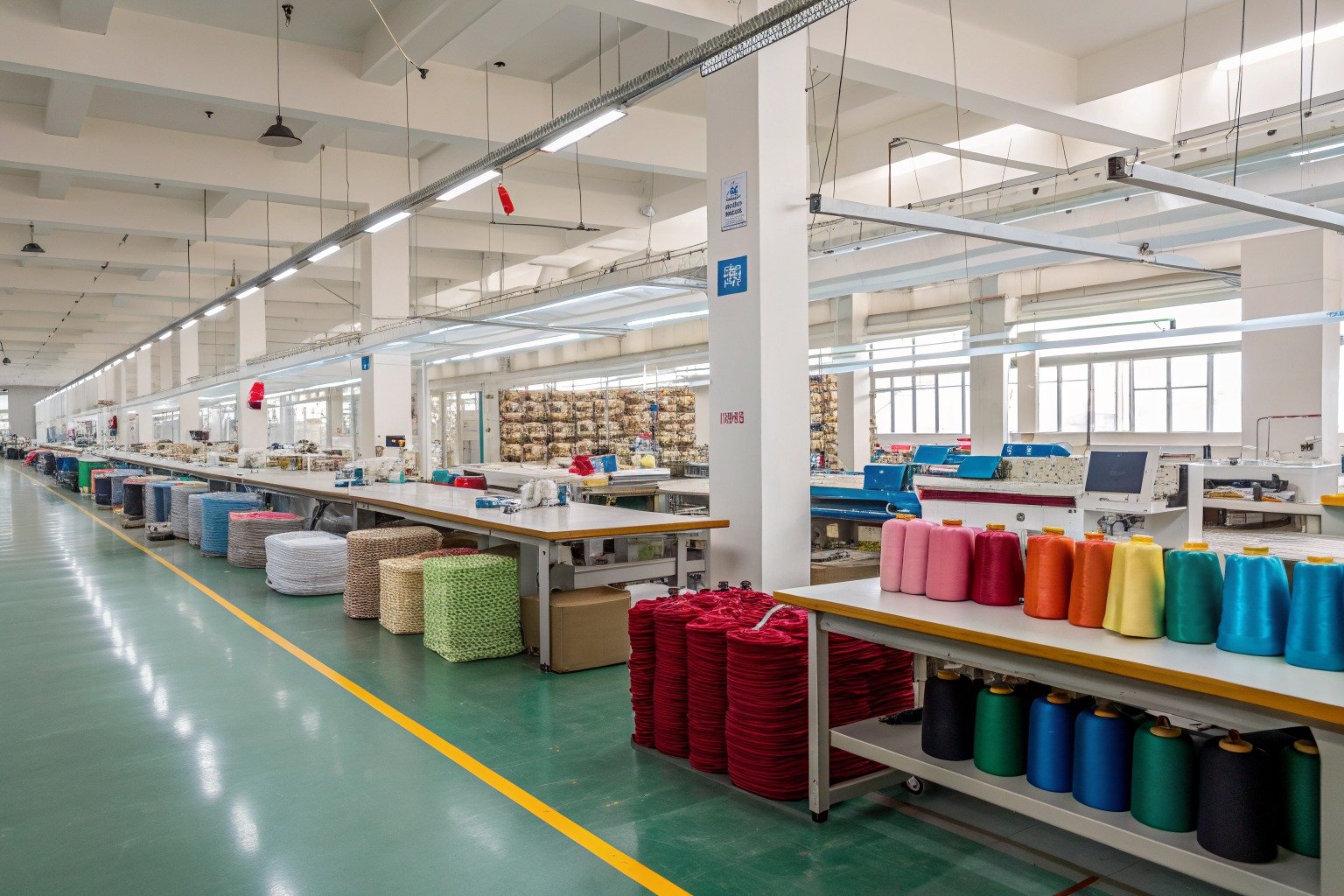
| Color Coordination | Rows of yarn cones organized by Pantone color | Appeals to designers and creative directors. |
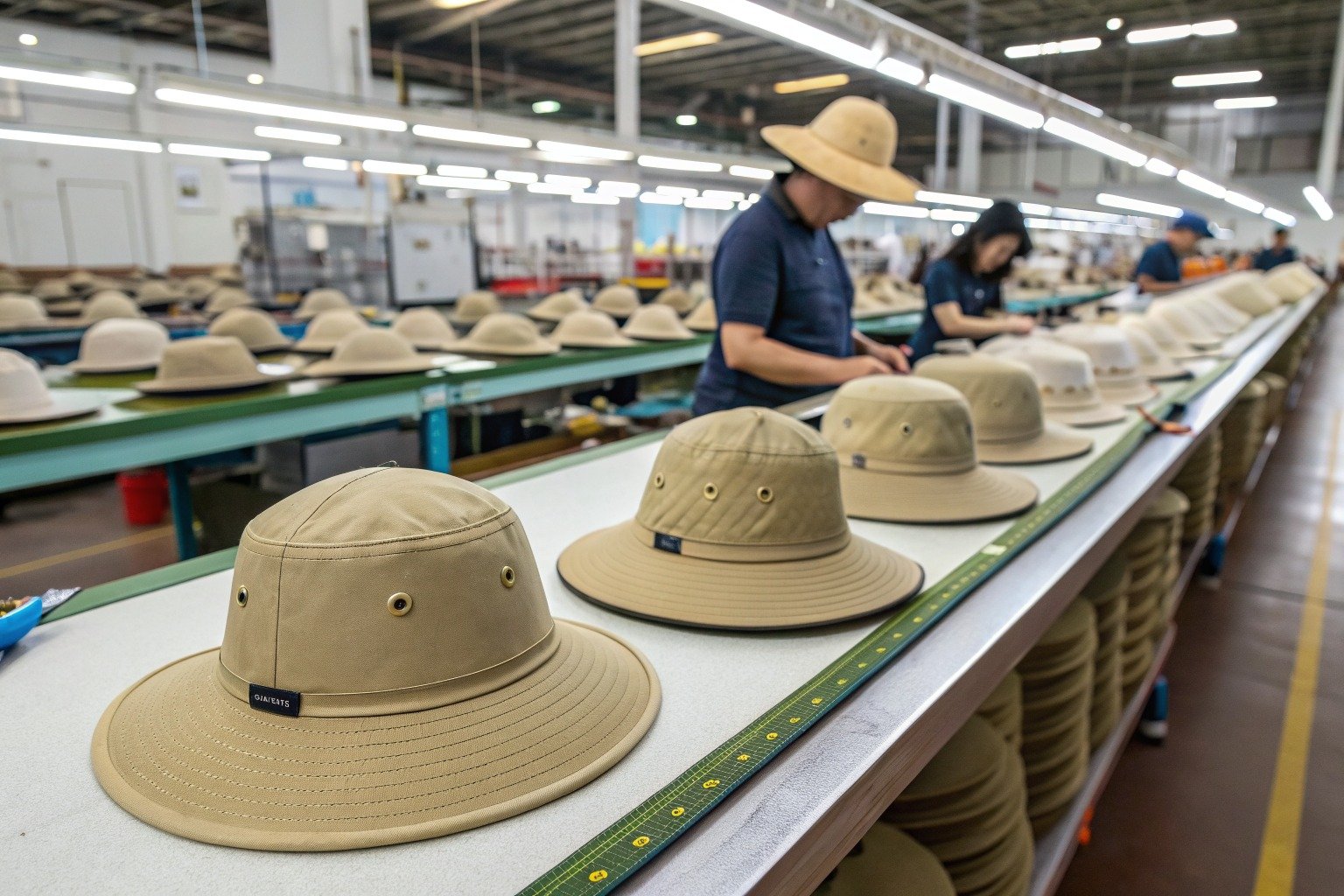
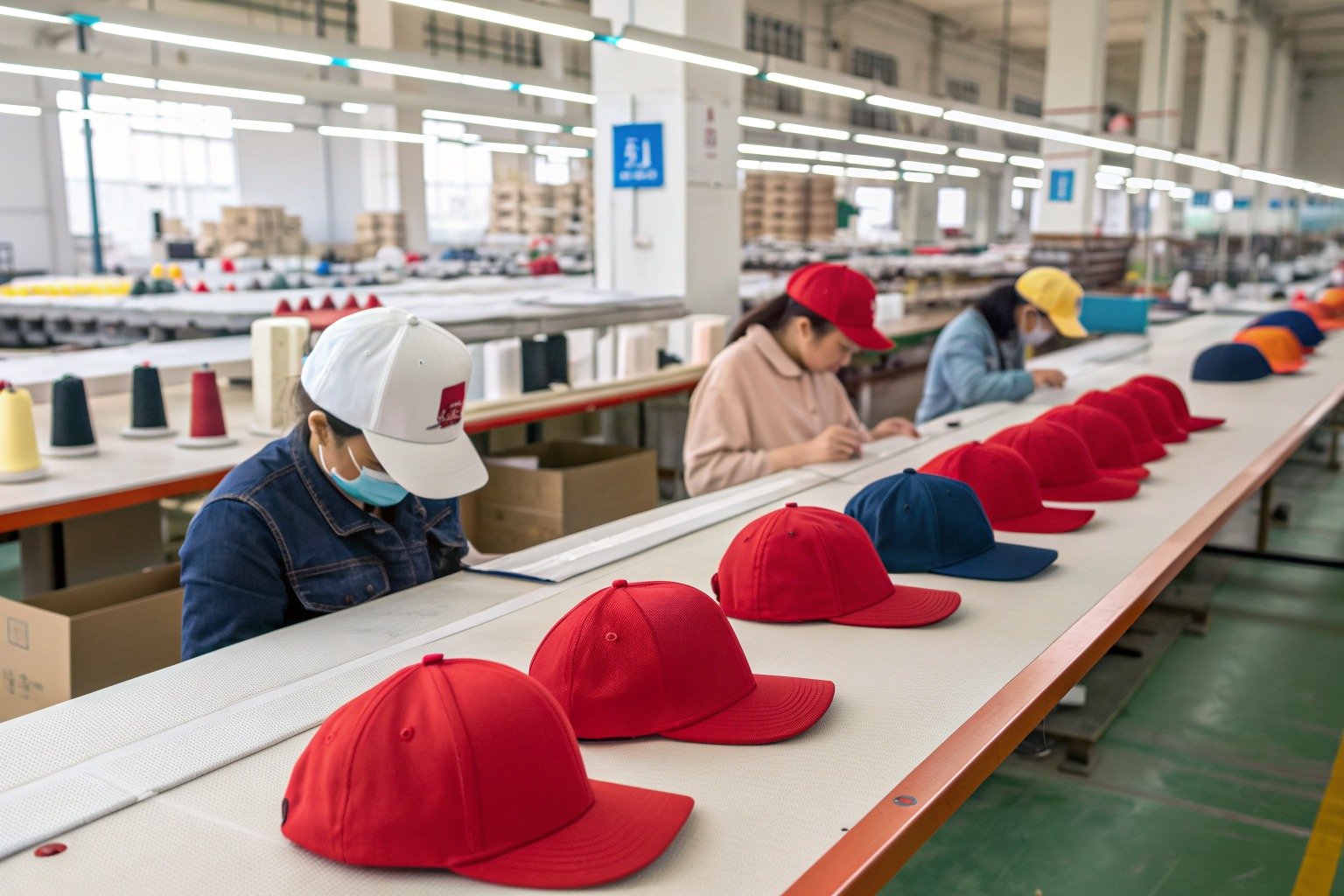
The key is to show action. A still hat is just a hat. A hat being sewn, turned inside out, and inspected is a story. It demonstrates the labor and complexity involved. This justifies the value of the product. It helps a buyer understand why a well-made cap costs more than a cheap one. It educates the client on the value of quality manufacturing.
How To Film Professional Reels Inside A Busy Factory Environment?
You cannot just pull out your phone and wave it around. The factory floor is a challenging environment for video. There is loud machinery noise, harsh overhead lighting, and constant movement. If the video is shaky, dark, or has terrible audio, it reflects poorly on your brand. It makes the factory look chaotic and unprofessional.
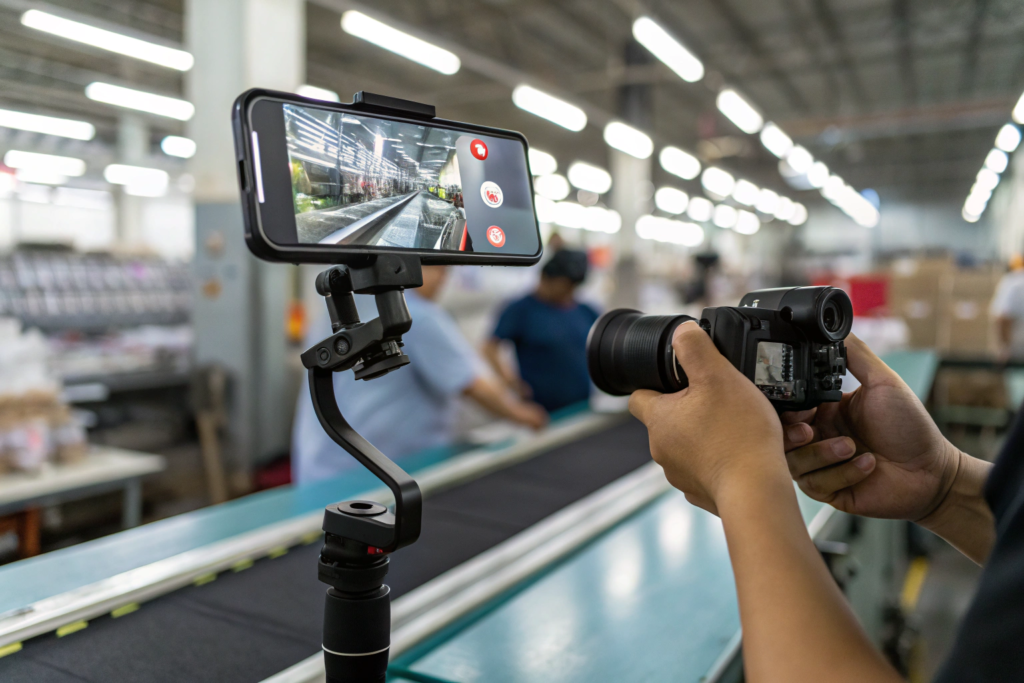
Filming professional Reels in a factory requires a focus on stability, lighting, and intentional framing. Use a simple smartphone gimbal to eliminate hand-shake and create smooth panning shots. Leverage the factory’s existing bright LED lighting rather than relying on phone flash. Focus on tight, macro shots of the product and machinery rather than wide, cluttered background shots. This approach creates a polished, high-end aesthetic that elevates the perceived value of the manufacturing process.
What Equipment Do I Need To Get Started With Factory Reels?
You do not need a cinema camera. You do not need a professional film crew. The camera on an iPhone 14 or 15 Pro, or a recent Samsung Galaxy, is more than capable of producing Reels that look incredible. The secret is not the camera sensor. The secret is stabilization and lens choice.
Here is the simple kit we use at AceAccessory:
- Smartphone Gimbal: This is the non-negotiable item. A DJI Osmo Mobile or similar stabilizer removes the micro-jitters that happen when you walk through a factory. It makes a simple walk-through look like a smooth, cinematic dolly shot. This one piece of gear instantly separates amateur content from professional-looking B-roll.
- Clip-On Macro Lens: This is the secret weapon for accessories. A $20 clip-on macro lens allows you to get incredibly close to the stitching on a belt or the texture of a yarn. You can show the individual fibers. This level of detail screams "quality."
- Lavalier Microphone (Optional): If you are speaking to the camera, the factory background noise will drown you out. A cheap wireless lav mic plugged into the phone makes your voice crystal clear. For Reels where you just use trending music over the video, you do not need this.
Lighting is usually handled by the factory itself. We have bright, 5000K LED panels overhead to ensure accurate color matching for QC. This is the perfect color temperature for video. It is clean and white. If your factory has old, yellow fluorescent tubes, the video will look dingy. In that case, a small, battery-powered LED video light can help fill in shadows on the product.
What Are The Best Camera Angles For Accessories Manufacturing?
Angles matter. A straight-on, eye-level shot of a sewing machine can be flat and uninteresting. You need to create depth and show the relationship between the machine, the material, and the worker.
Here are the three angles we use most frequently:
-
The Over-the-Shoulder (OTS) Shot: Position the phone just behind and to the side of the worker’s head. Focus on the worker’s hands and the product. This puts the viewer in the position of the apprentice, watching the master at work. It is intimate and shows the human skill involved. Use this for hand-sewing details on shawls or attaching buckles to belts.
-
The Top-Down Macro: Use a small tripod or clamp to mount the phone directly above the sewing machine needle plate. Focus on the exact point where the needle pierces the fabric. This is the "oddly satisfying" shot. The viewer can watch the stitch formation in extreme detail. Use this for embroidery logos on caps or hemming scarves.
-
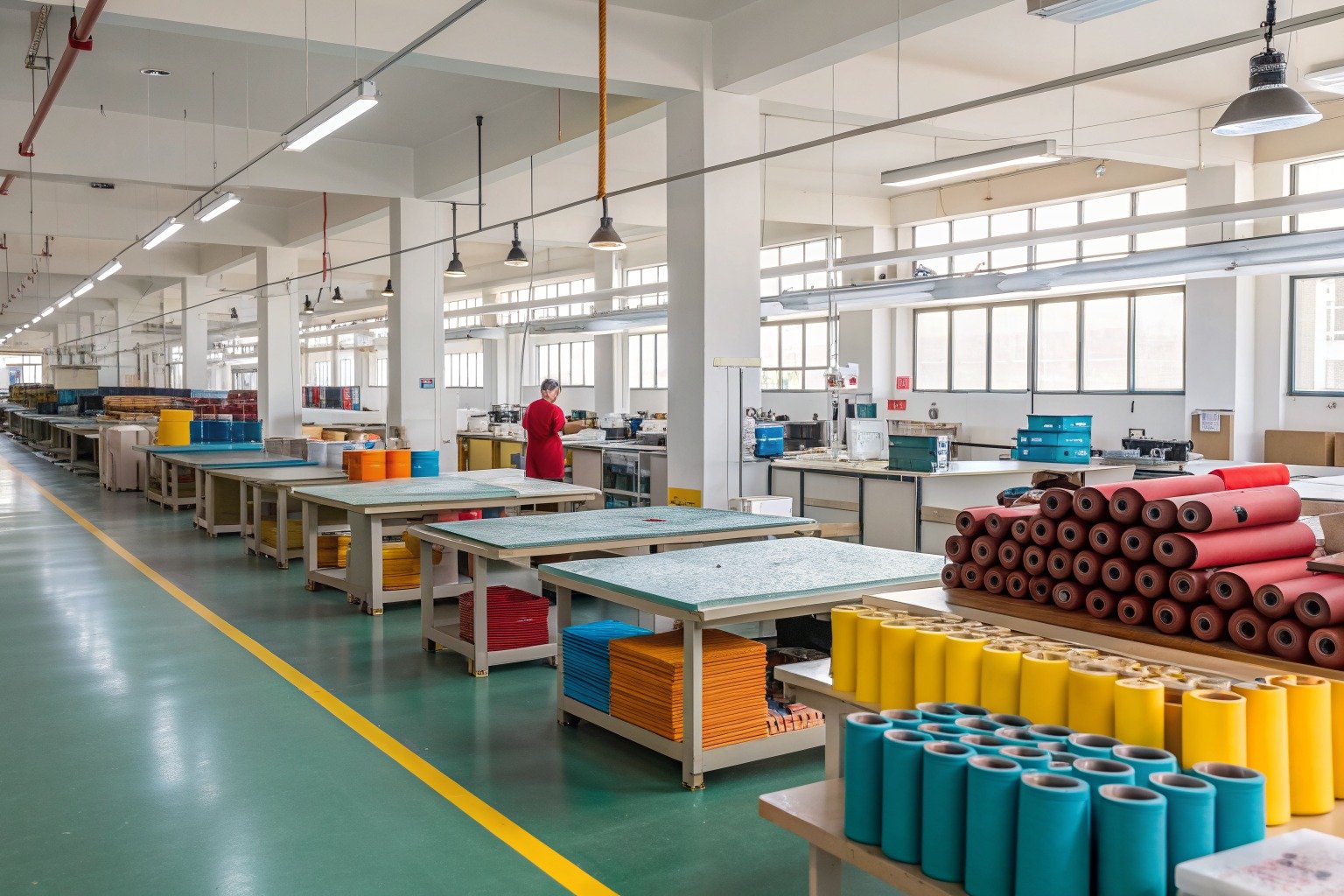
The Low Angle Tracking Shot: Hold the gimbal low to the ground, almost at the level of the cutting table. Walk slowly alongside the table, keeping the edge of the fabric in the center of the frame. This emphasizes the scale of production. It shows yards and yards of fabric moving through the process.
Avoid fast pans and quick zooms. These are disorienting on a small phone screen. Move the gimbal slowly and deliberately. Let the action happen within the frame. You can always speed up the footage later in the editing app to create a dynamic hyperlapse effect of the factory floor.
How To Optimize Reels For B2B Discovery And Inquiries?
Posting a great video is only half the battle. If the right people do not see it, it does not matter. You need to help the Instagram algorithm understand what your video is about and who should see it. This is where most factories fail. They post a video with no caption, no text overlay, and a random song. The algorithm shows it to people who like cat videos, and the post flops.
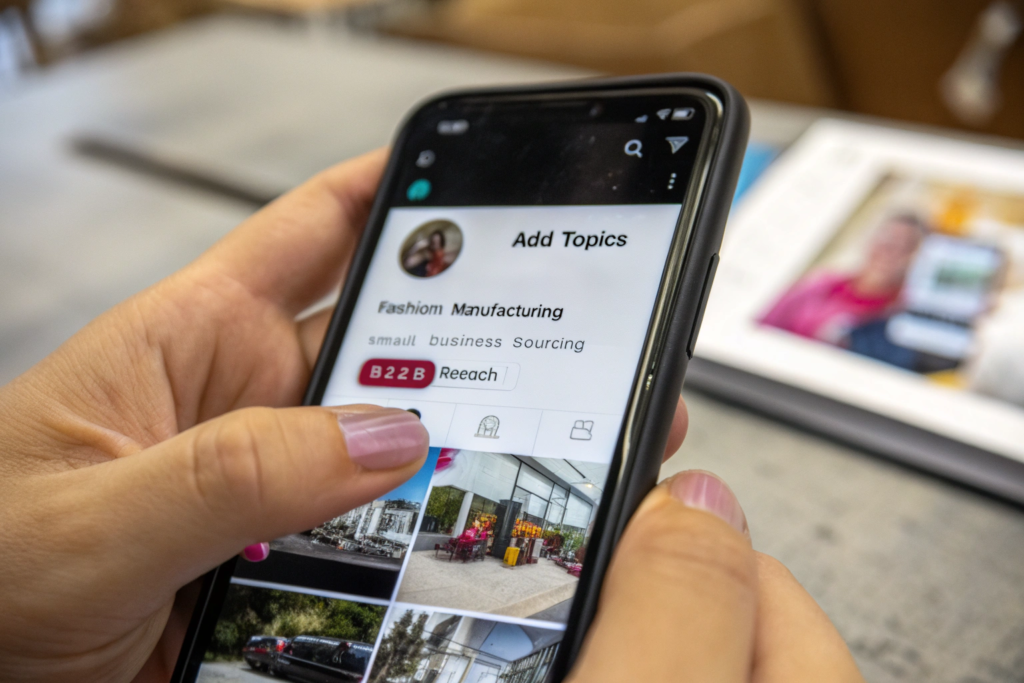
Optimizing Reels for B2B discovery requires a specific strategy distinct from B2C content. The text overlay on the video should use industry keywords like "OEM Manufacturing," "Custom Headwear," or "Private Label Accessories." The caption should include relevant hashtags that buyers and importers actually follow, such as #SourcingAgent, #FashionManufacturing, and #PrivateLabel. The cover photo should be a clear, high-contrast still image of the product, not a blurred frame of action. These signals train the algorithm to serve your content to business decision-makers.
What Text Overlay And Captions Attract Wholesale Buyers?
On Reels, the text that appears on the video itself is often more important than the caption below it. Many users watch with the sound off. The text overlay is your headline. It must stop the scroll.
Do not write "Check out our new hat." That is weak. Write a headline that speaks to a buyer’s business problem.
- Bad Text Overlay: "Cap sewing process."
- Good Text Overlay: "How we ensure consistent stitch quality on 5,000 custom caps for a US brand."
- Bad Text Overlay: "Making hair clips."
- Good Text Overlay: "Lead-free metal hair clips for CPSC compliance. DM for factory pricing."
Notice the difference. The good text overlay specifies volume (5,000 caps), target market (US brand), and pain point solution (consistent quality, compliance). This immediately signals to a buyer that you speak their language.
In the caption, use a mix of broad and niche hashtags. Do not use #fashion (too broad, 1 billion posts). Use targeted tags that a buyer like Ron would actually search or follow.
- Niche Industry Tags: #SourcingFromChina, #AccessoriesManufacturer, #PrivateLabelHats, #OEMClothing, #WholesaleScarves, #USABrandSupplier.
- Event/Trade Tags: #MAGICLasVegas, #CoterieNYC (Even if you aren’t there, it associates you with the industry).
Also, always include a clear Call to Action (CTA) in the caption. Tell them what to do. "DM ‘CAPS’ for a wholesale catalog" or "Visit the link in bio to see our factory tour." Make it easy for them to take the next step.
How To Use Audio And Trends In A B2B Manufacturing Context?
You do not need to do the latest dance trend. Please, do not do that. It damages your professional credibility. However, you should pay attention to trending audio. Using a trending sound increases the chance that Instagram will push your Reel to a wider audience.
The key is to use the audio as a background track, not as the focus. If a specific instrumental track or a viral voiceover clip is trending, you can use it under your factory footage. Turn the volume of the original audio down to about 15-20% so it is just a subtle bed of sound. Keep the natural factory sounds (the whir of the machine, the snip of scissors) slightly louder. This creates a unique audio mix that is both trendy and authentic.
Avoid audio with lyrics that might be offensive or distracting in a professional context. Stick to instrumental beats, lo-fi study music, or trending "cinematic" sounds. The goal is to borrow the algorithm’s favor without compromising the factory’s professional image.
We also save and reuse our own original audio. If we post a Reel with a specific sound mix that performs well, we save that audio. Then we can use it for future Reels. This creates a consistent sonic brand for our content. Followers recognize the sound of our factory before they even see the video.
What Content Series Work Best For Accessory Factory Marketing?
Posting random videos here and there is better than nothing. But a structured content series is what converts followers into clients. A series creates anticipation. It educates the buyer over time. It shows that you are organized and strategic, which are traits buyers look for in a factory partner.
Effective content series for accessory manufacturing Reels fall into three categories: Educational Process Breakdowns, Behind-the-Scenes Timelapses, and Team Spotlights. These formats provide a consistent framework for content creation while covering the key concerns of B2B buyers: quality control, production capacity, and reliable communication. A series format also encourages followers to return to your profile to watch the next installment.
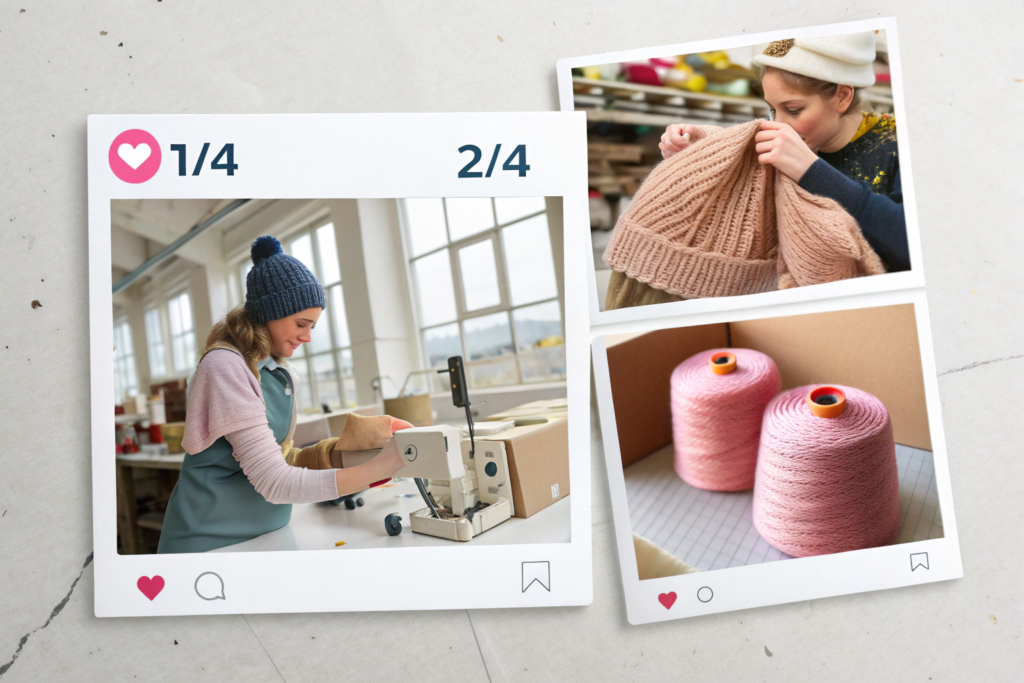
How Does A "From Sketch To Ship" Series Educate Buyers?
This is our most successful series format. We take a single product order and document its journey over several weeks. This is incredibly valuable for new buyers who have never imported from China before. They do not understand the steps involved. They think it is magic. Showing them the process manages their expectations and demonstrates our project management skill.
A typical "From Sketch to Ship" series for a custom baseball cap might include these Reels:
- Part 1: The Digital Proof. Show the CAD rendering of the cap and the logo placement. Explain how we check the Pantone colors.
- Part 2: Cutting the Fabric. Show the automated cutting machine slicing through layers of twill.
- Part 3: Embroidery in Action. Macro shot of the logo being stitched onto the front panel.
- Part 4: QC Checkpoint. Show our inspector measuring the brim curve against the spec sheet.
- Part 5: Packing and Loading. Show the finished cartons being labeled and loaded onto the truck.
This series does not just show a hat. It shows how we manage an order. It answers the question: "What happens after I pay the deposit?" This is the kind of content that builds deep trust. A buyer watching this series feels like they have already completed an order with us. They know the process. They know the faces. They are ready to send that first email.
Can Team Spotlight Reels Humanize The Sourcing Experience?
Sourcing from overseas can feel impersonal. You are dealing with a name on an email signature. You do not know if it is a real person or a shared inbox managed by five different people. Team Spotlight Reels fix this problem.
We do short, 15-second Reels introducing key team members. The format is simple: The person smiles and waves at the camera. Text overlay states their name and role. The background is their actual workspace.
Examples:
- Elaine, Business Director: Standing in the sample room surrounded by colorful scarves. Text: "Elaine. Your dedicated project manager. 12 years experience."
- Mr. Wang, QC Supervisor: Holding a metal detector over a carton of belts. Text: "Mr. Wang. He stops defects before they stop you."
- Xiao Li, Sample Maker: Sitting at her sewing machine holding up a prototype hair band. Text: "Xiao Li. She brings your sketches to life."
These Reels get high engagement from existing clients. They comment with "Hi Elaine! Hi Mr. Wang!" It creates a sense of connection. For a potential client like Ron, seeing the face of the QC supervisor and the project manager reduces anxiety. He knows who is handling his order. He knows they are real professionals. This human connection is a powerful differentiator in the commodity-driven world of contract manufacturing.
Conclusion
Instagram Reels have changed the way we communicate as a B2B factory. We are no longer just a name on Alibaba or a booth at a trade show. We are a living, breathing operation that potential clients can observe daily. This transparency is our strongest marketing asset. It filters out buyers who only care about the absolute lowest price and attracts buyers who value quality, reliability, and a true partnership.
By focusing on macro shots of craftsmanship, smooth gimbal footage of our clean factory floor, and educational series that demystify the production process, we have turned a social media platform into a lead generation engine. It is a long-term investment. It requires consistency. But the trust and the qualified inquiries it generates are worth far more than any paid ad campaign.
If you are a brand owner or importer who has been watching our content and you are ready to see what we can do for your next accessory collection, we are here. We welcome the opportunity to discuss your specific needs and show you how our team in Zhejiang can bring your designs to life with precision and care.
For a direct conversation about custom manufacturing, bulk orders, or private label development, please reach out to our Business Director directly. You can contact Elaine by email at elaine@fumaoclothing.com. Let us turn your vision into a product that your customers will love.