I remember a call I got from a buyer named Mike about two years ago. He was panicked. He had just received a container of 10,000 hair bands from another supplier. He opened the first carton and found loose threads hanging from half the units. He opened the second carton. Same problem. He opened the third. Worse. The elastic was inconsistent. Some bands were too tight. Some were too loose. He had already sold these to a major department store chain. The delivery window was closing. He asked me, "How did they let this leave the factory?" The answer was simple. That factory did not have a real QC team. They had a few workers glancing at products while they packed boxes. They had no system. They had no accountability. And Mike paid the price.
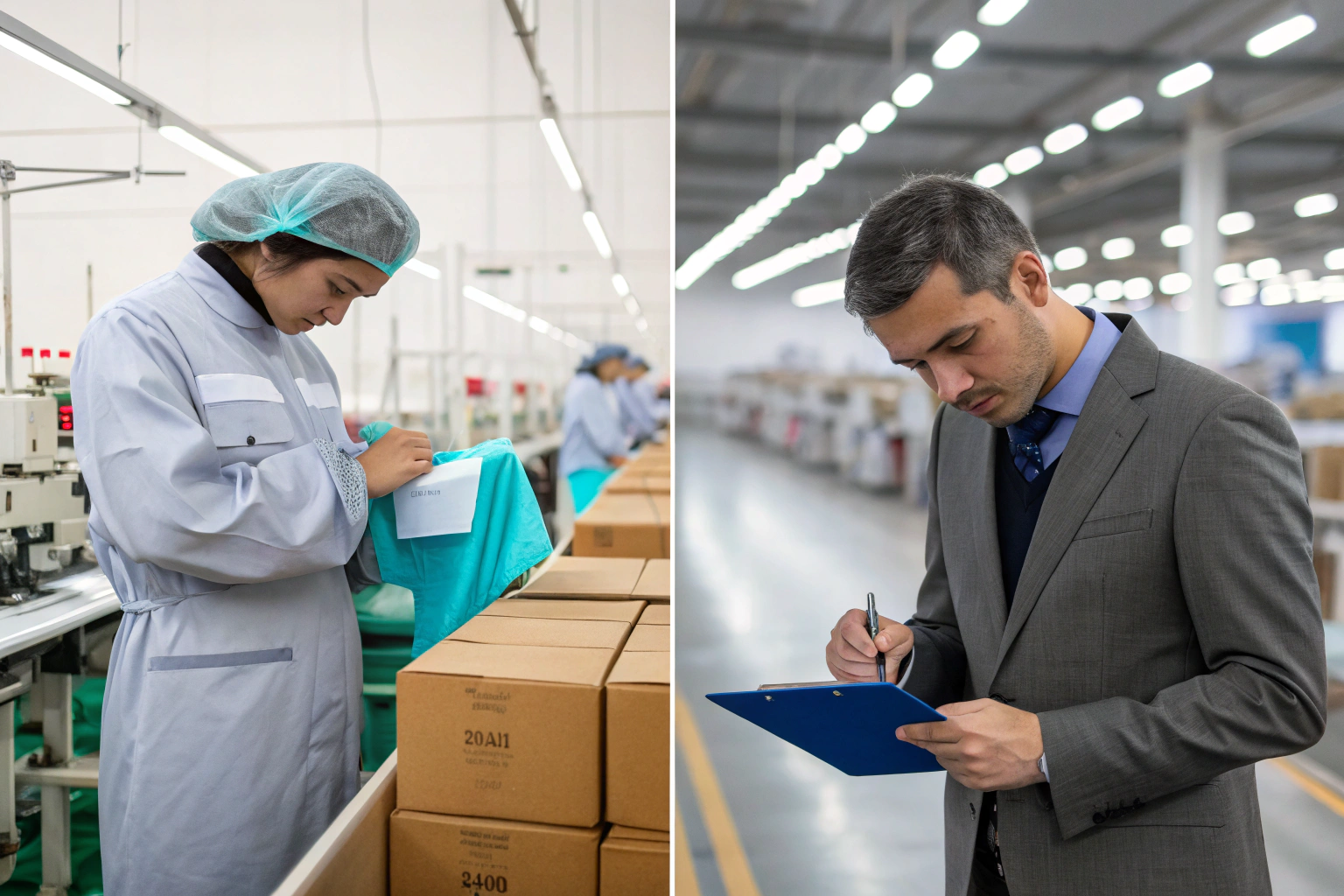
A factory’s own in-house Quality Control team provides reliable service by functioning as the buyer’s eyes and hands on the production floor before, during, and after manufacturing. Unlike third-party inspection services that visit only at the end of production, an internal QC team monitors raw materials upon arrival, inspects work-in-progress at critical sewing and assembly stages, and conducts a final AQL-based audit before packing. This continuous oversight catches defects when they are cheapest to fix and prevents bad products from ever reaching the shipping carton.
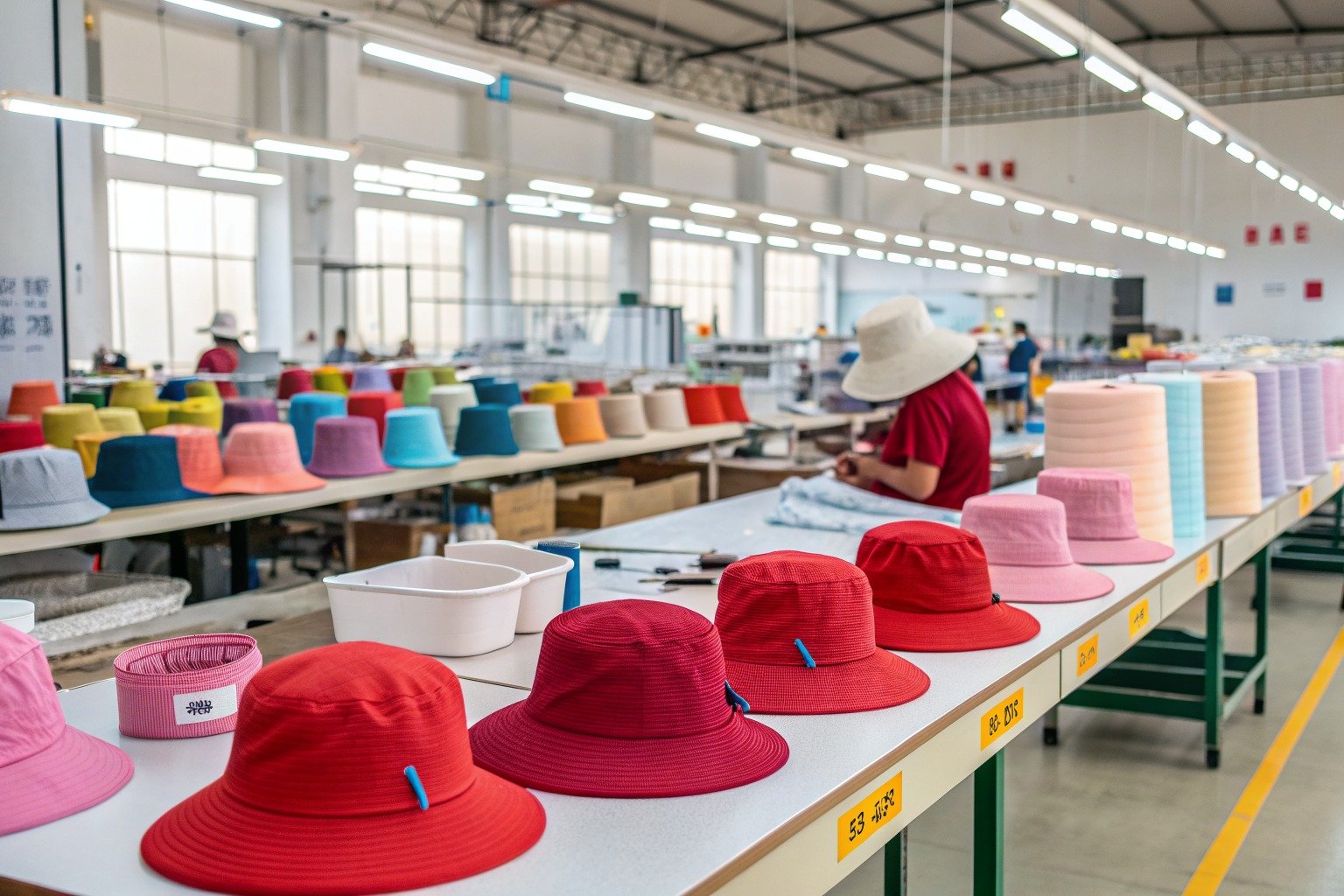
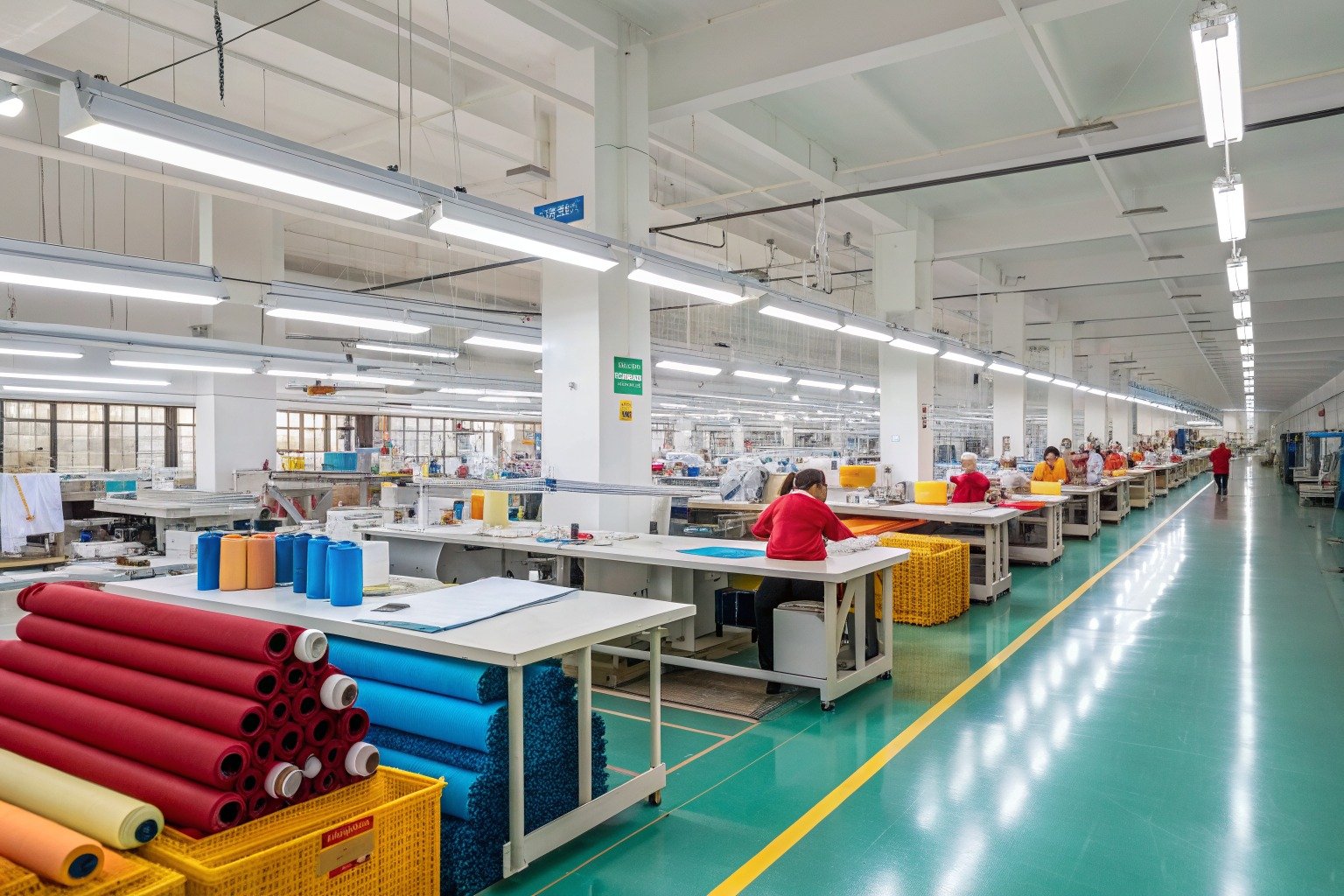
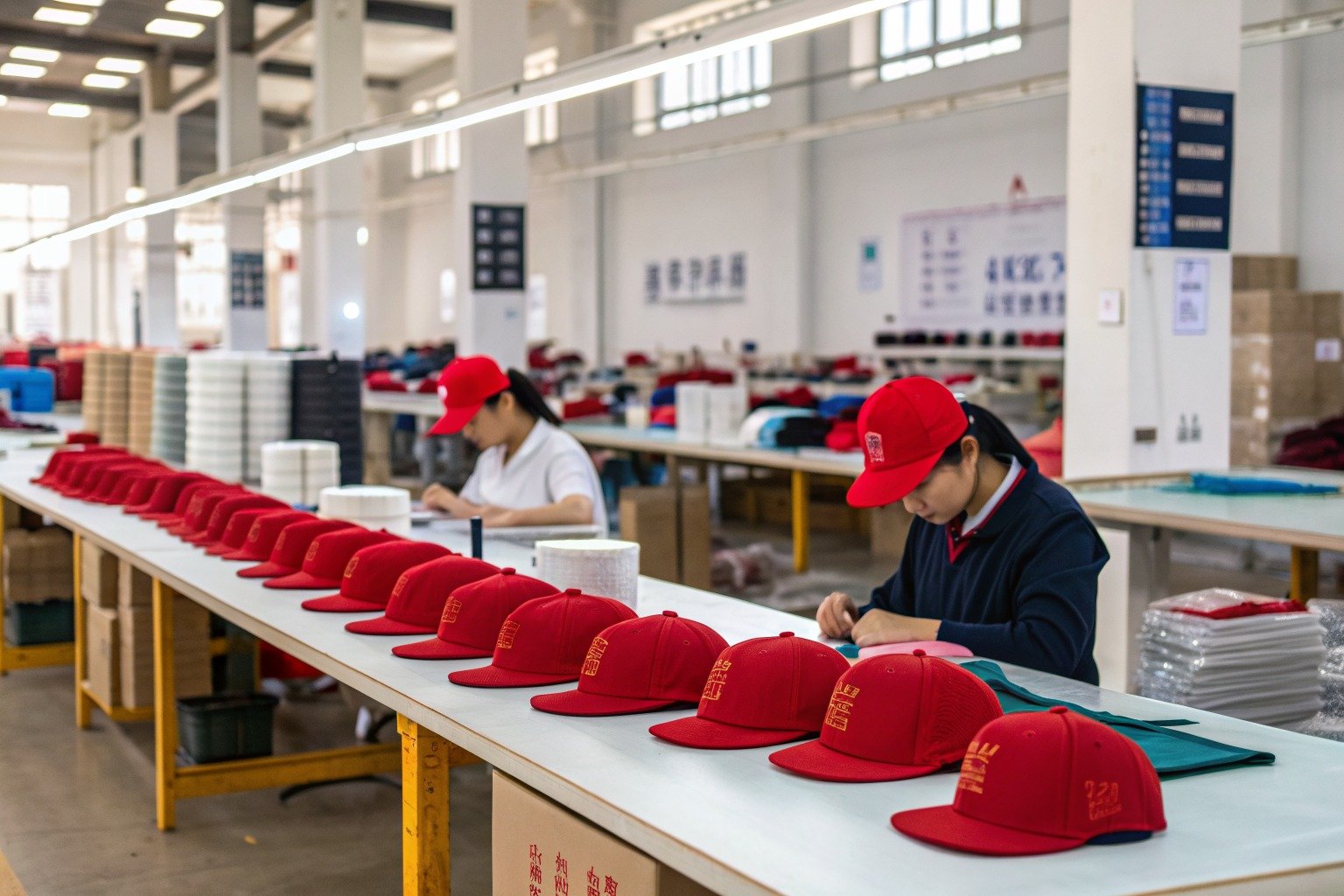
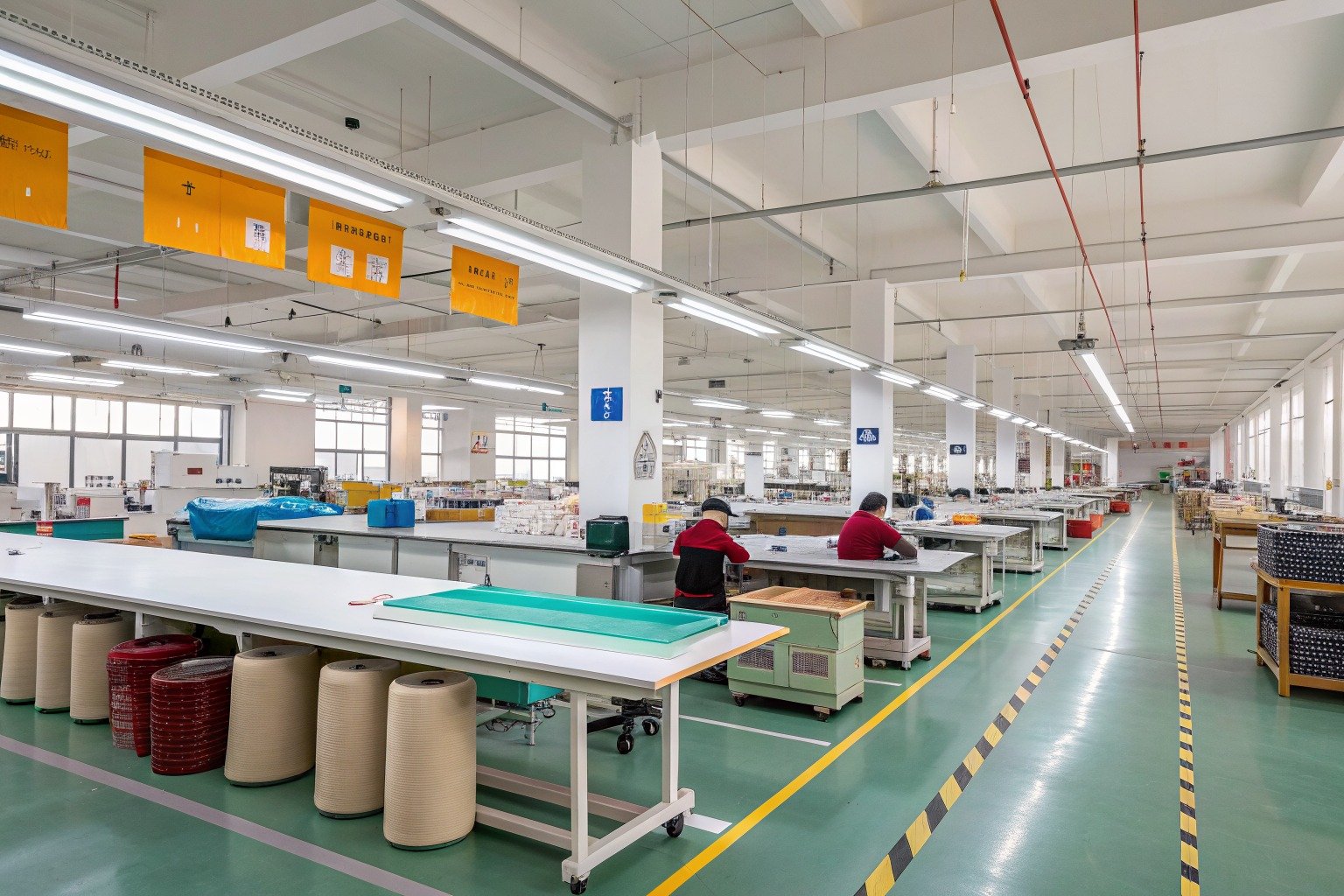
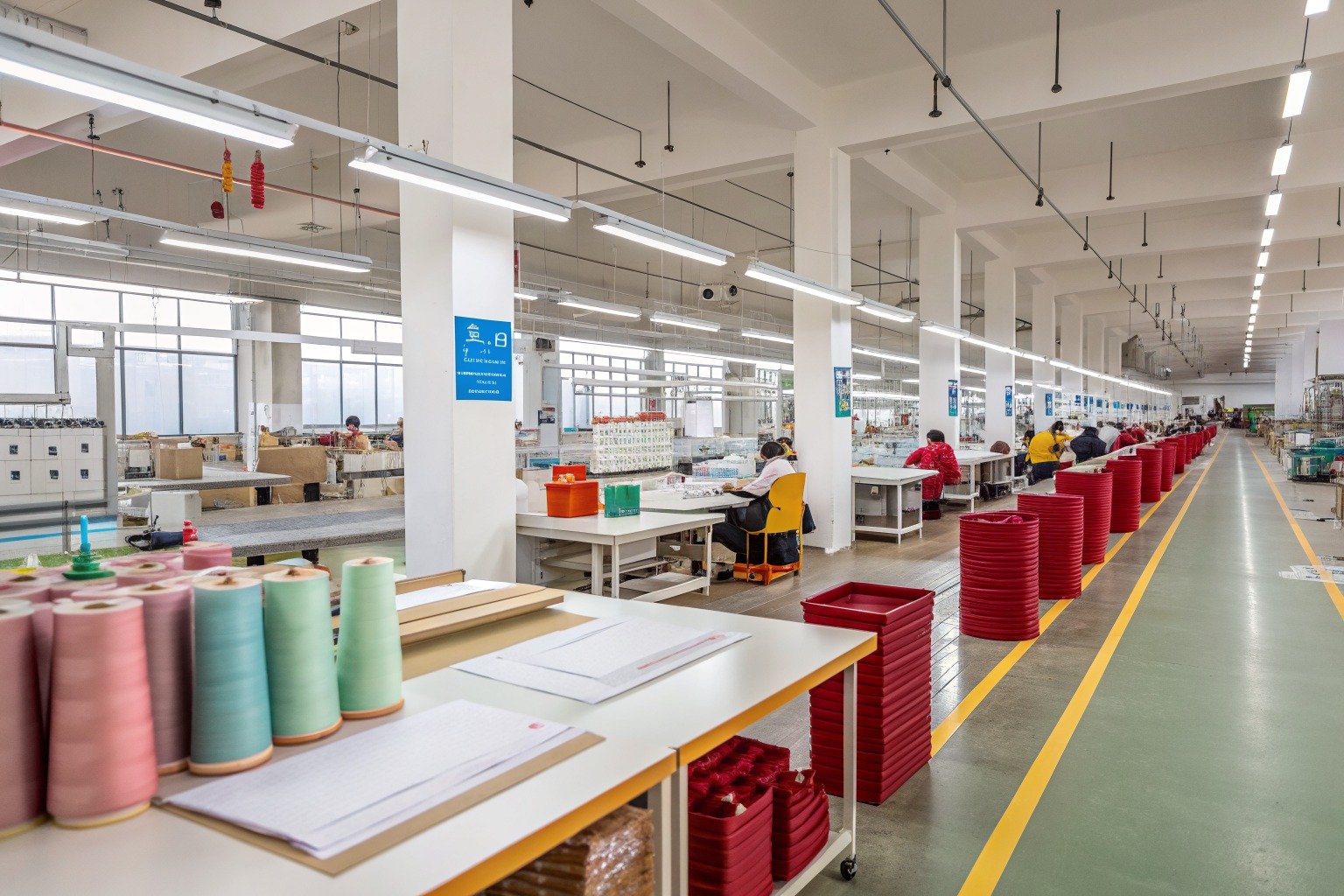
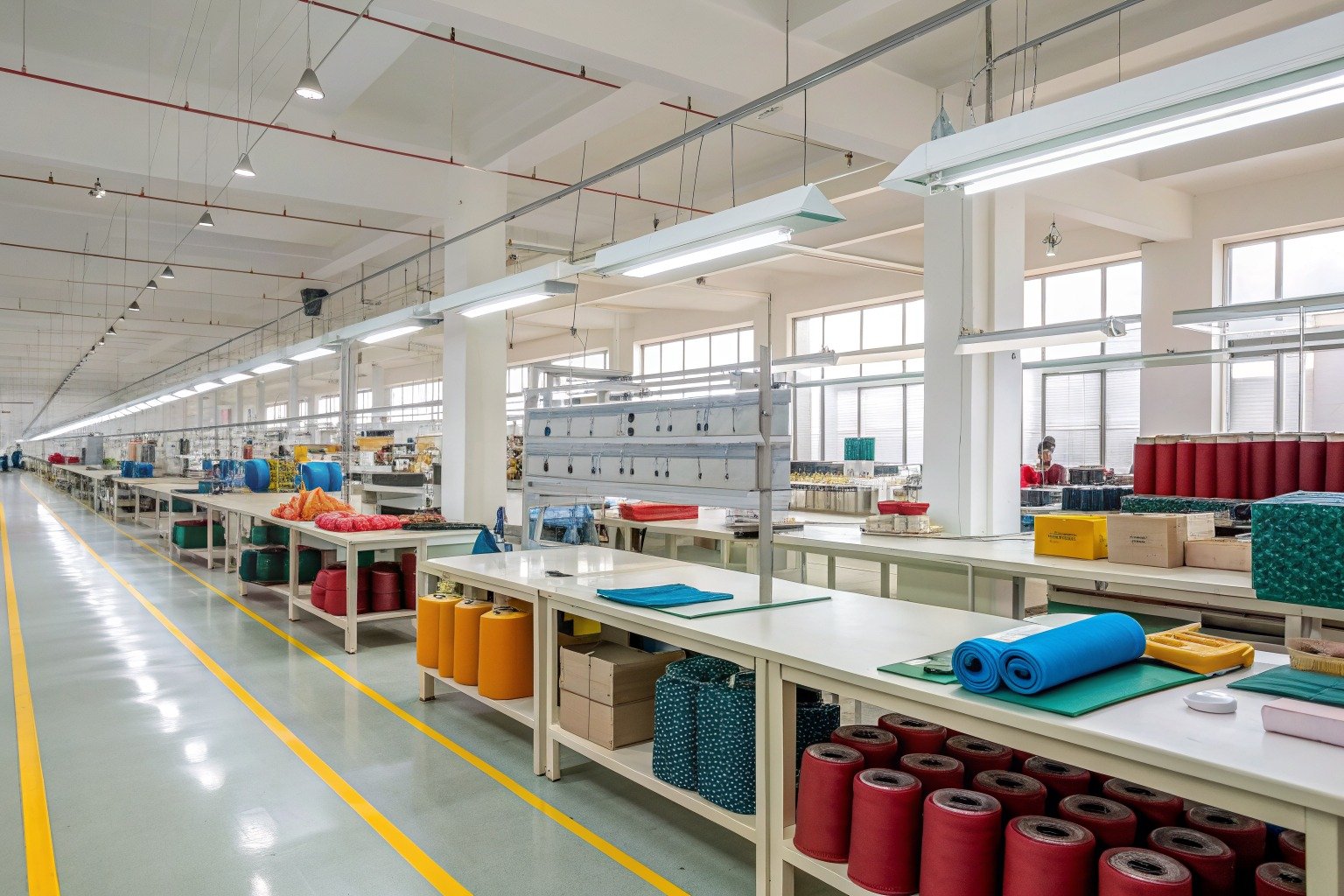
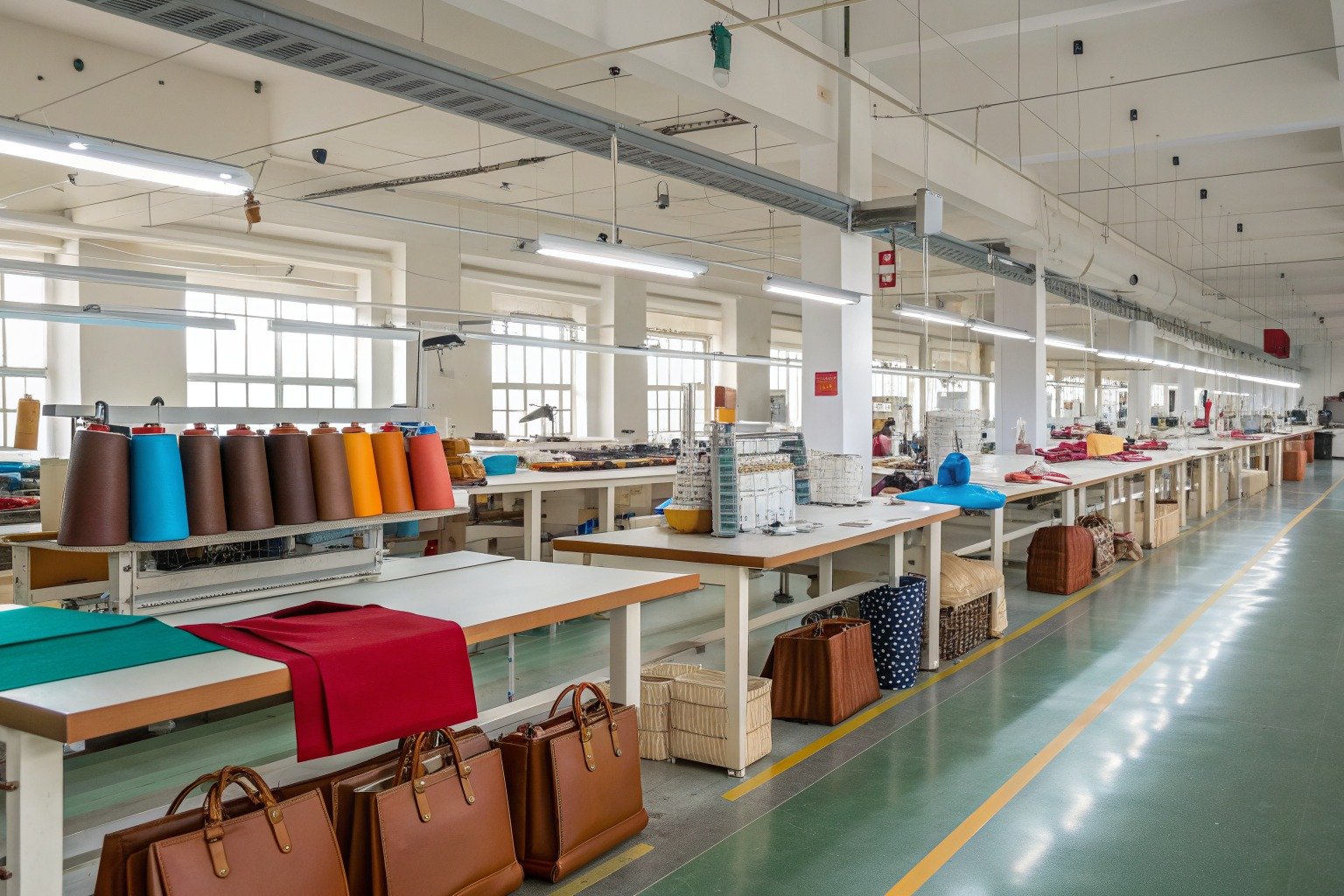
At Shanghai Fumao, our QC team is not an afterthought. It is the backbone of our relationship with clients like you. We are located in Zhejiang, and our clean, modern facility is designed around quality checkpoints. I want to explain exactly how this team operates day to day. You need to understand this because when you are sitting in America and you wire a deposit to China, your entire business reputation rests on the integrity of that QC process. You need to know that someone is watching the details.
What Are The Core Responsibilities Of An In-House QC Team?
Many buyers assume that QC just means looking at the finished product and saying "good" or "bad." That is not QC. That is a final glance. Real quality control is a proactive system that prevents errors from happening in the first place. When you work with a factory that has its own dedicated QC department, you are getting a team that manages the entire lifecycle of the order.
The core responsibilities of an in-house QC team extend far beyond final inspection. They include incoming material verification, in-line production audits, measurement and fit checks, color consistency validation under standard light boxes, and final random sampling based on internationally recognized AQL standards. This multi-layered approach ensures that issues are identified and corrected at the source, dramatically reducing the risk of a failed shipment and protecting the buyer’s brand reputation in the US market.
How Does Incoming Material Inspection Prevent Future Defects?
The quality of a finished accessory is determined before the first stitch is sewn. If the raw material is bad, the final product will be bad. It does not matter how skilled the sewing operator is. You cannot make a premium baseball cap from low-quality, uneven cotton twill. You cannot make a durable belt from cheap, cracking polyurethane.
This is why the first checkpoint for our QC team is the Incoming Goods Area. When a shipment of fabric rolls arrives from the mill or yarn cones arrive from the spinner, our QC team does not just sign the delivery receipt. They inspect it.
For woven fabric used in caps and belts, we use a fabric inspection machine. This machine unrolls the fabric under a bright light. The QC inspector looks for weaving defects like broken threads, holes, or stains. They also check the fabric weight using a precision scale. If we ordered 10-ounce cotton twill and the mill sent 8-ounce twill, we reject it immediately. If the fabric passes visual inspection, we cut a swatch and send it to the lab for colorfastness testing. We need to know if the color will bleed when the customer washes the cap.
For yarn used in beanies and scarves, we check the yarn count and evenness. Inconsistent yarn thickness creates ugly stripes in the finished knit. We also do a pull test to check tensile strength. Weak yarn snaps during the knitting process, causing machine downtime and holes in the product.
This step is invisible to you, the buyer. But it is the most important step. If a factory skips incoming inspection, they are gambling with your order. An in-house QC team that controls the raw material inputs is the first line of defense against a failed shipment.
What Is In-Line Production Inspection And Why Does It Matter?
This is where the real magic happens. A third-party inspector from a company like SGS or Intertek typically visits the factory once. They come when the order is 100 percent finished and packed. They open a few boxes based on the AQL table. If they find too many defects, the whole order fails. At that point, the factory has two bad choices: rework the entire order at great expense and delay, or argue with the buyer and hope they accept the substandard goods.
An in-house QC team does not wait until the end. They are on the production floor every single hour.
Here is how it works on our baseball cap line:
- Station 1 Check (Cutting): QC checks the cut panels against the approved pattern card. If the seam allowance is too narrow, the cap will be too small. We catch this before sewing.
- Station 2 Check (Sewing Crown): QC checks the seam alignment. Are the six panels meeting at the top button cleanly? If not, we stop the operator and adjust the machine guide.
- Station 3 Check (Brim Attachment): QC checks the curvature of the brim. Is it symmetrical? Is the buckram inside positioned correctly? A crooked brim is a major defect.
By inspecting work-in-progress, we catch problems when only 50 pieces are affected, not 5,000 pieces. This is the difference between a minor adjustment and a major disaster. It also keeps the production line moving efficiently. Operators know they are being monitored for quality, not just speed. This creates a culture of accountability.
How Does An Internal QC Team Handle International Compliance Standards?
You are not just selling hair clips. You are importing consumer goods into the United States. That means you are subject to the regulations of the Consumer Product Safety Commission (CPSC) . You are subject to Proposition 65 in California. You are subject to the requirements of major retailers like Walmart and Target who have their own restricted substances lists.
If your factory does not understand these requirements, you are exposed to legal liability. A child swallows a small decorative bead from a hair band that was not properly tested for lead. Your brand gets sued. Your Amazon account gets suspended. This is not fear-mongering. This is the reality of the US market.
An experienced in-house QC team provides reliable service by acting as the factory’s compliance gatekeeper. They maintain a library of up-to-date international safety standards and retailer-specific protocols. They coordinate directly with accredited third-party testing labs like SGS and Bureau Veritas to ensure that products meet the required physical and chemical safety thresholds before they are shipped to the US.
How Do QC Teams Manage CPSC And Lead Testing Requirements?
Children’s products are the highest risk category. If your hair clips or belts are marketed to kids under 12, the rules are strict. The CPSIA (Consumer Product Safety Improvement Act) requires mandatory third-party testing for lead in surface coatings and lead in substrate materials.
Our QC team manages this process for you. It starts with design. We know which paints and electroplating finishes are likely to contain lead. We avoid them from the start. We source lead-safe metal alloys for our buckles and snaps.
Before production even begins, our QC team sends component samples to a CPSC-accepted laboratory. We test the metal studs. We test the paint on the wooden beads. We test the glue. We do this before we order 50,000 units of that component. This is called upstream testing. It prevents us from building a product with a poisoned ingredient.
Once production is finished, we perform production testing. We pull random samples from the finished goods and send them to the lab again. This confirms that the production run matches the approved sample. We maintain a Certificate of Compliance (CPC) for you. This is the legal document you need to clear US Customs. If you get stopped by Customs, you email that CPC to your broker and the goods are released. Without it, your container sits at the port accruing demurrage fees of hundreds of dollars per day.
What Role Does The QC Team Play In Retailer Compliance Audits?
Let us say you land a big purchase order from a major supermarket chain. Congratulations. Now the real work begins. That retailer will require a Factory Audit. They want to know if the factory is safe, clean, and ethical.
Our in-house QC team is also the team that prepares for and manages these audits. They ensure that our facility is always "audit ready."
- Fire Safety: They check that fire extinguishers are inspected monthly and that emergency exits are clearly marked and unblocked.
- Chemical Management: They ensure that all chemicals used in production (like cleaning solvents or spot removers) are properly labeled and stored in a secure, ventilated area. This is a key part of a Higg Index verification.
- Wage and Hour Records: They work with HR to ensure time cards and payroll records are accurate and compliant with local labor law. Auditors check this.
A factory without a strong internal QC and compliance team will fail these audits. They might pass a quick visual check, but they fail the deep dive into documentation. We pass these audits consistently because we live these standards every day. We do not just clean up for the auditor’s visit. This reliability protects your relationship with the retailer. They know that orders placed with AceAccessory will come from an approved vendor facility, which streamlines their own supply chain management.
How Does QC Communication Improve The Buyer Experience?
Reliable service is not just about the product. It is about the information flow. One of the biggest pain points for buyers like Ron is the silence. You send an email asking about the status of your belt order. You get a reply three days later saying "Everything is fine." That is not communication. That is a brush-off.
An in-house QC team enhances the buyer experience by providing transparent, data-driven communication. They generate detailed inspection reports with photos and measurements that can be shared instantly via email or messaging apps. They are available for live video inspections where the buyer can see their specific products being checked in real-time. This level of visibility eliminates anxiety and builds trust between the US buyer and the Chinese factory.
What Should A Professional QC Inspection Report Include?
When we finish a production run of your scarves or hair bands, you do not just get an invoice. You get an Inspection Report. This report is your proof that the goods you paid for match the goods we are shipping.
A professional report from our QC team includes the following sections:
- Summary Page: A quick overview stating "PASS" or "FAIL" based on the AQL sample size.
- Defect Classification: A breakdown of how many Critical, Major, and Minor defects were found.
- Photo Evidence: Clear, high-resolution photos of the defects found. We also include photos of the good product to show the overall standard.
- Measurement Data: A table showing the dimensions of 10 random pieces compared to the spec sheet.
- Packaging Check: Photos of the carton labels, barcodes, and inner packaging to ensure they match your routing guide.
This report is sent to you before the container is sealed. This is the moment of truth. You have the right to review the findings and decide if the shipment is acceptable. If there is a major issue, we stop the shipment and fix it here in China. This is infinitely cheaper than returning goods from the US.
Compare this to a factory without a QC team. You get a blurry cell phone photo of a carton and the message "Ship today ok?" You are flying blind. The inspection report is the instrument panel for your order. It gives you the data you need to make a confident decision.
Can I Perform A Live Video Inspection With The QC Team?
Yes. And we encourage it. Technology has made distance irrelevant. You do not have to fly to Zhejiang to walk the line. You can do it from your phone in your office in Ohio.
We use WhatsApp and Zoom for live video calls. When your order is ready for final inspection, we schedule a time that works for you. Our QC manager puts on a headset and walks the floor with a phone camera.
You can say, "Show me the stitching on the inside of that cap." Our QC person walks over, picks up a cap from the carton, and zooms in. You can say, "Count the number of stitches per inch on that belt." They put a ruler on the screen and count with you. You can say, "That color looks a little off. Take it to the light booth." They walk to the color booth and put the product next to the approved standard.
This live interaction is a game-changer for trust. It proves that we are not hiding anything. It proves that the factory is clean and organized (you can see the background). It proves that the QC team is real and knowledgeable. Many buyers do this for their first two or three orders. Once they see the consistency, they trust the process and the written reports. But the option for a live video call is always on the table. It is part of the professional service we provide.
What Is The Difference Between Internal QC And Third-Party Inspection?
This is a question I get from new importers all the time. They have read online that they should "always use a third-party inspection company." They think that the factory’s own QC team is biased and cannot be trusted. This is a misunderstanding of how modern, professional factories operate.
The difference between internal QC and third-party inspection is one of scope and timing. Internal QC is a continuous, integrated function that prevents defects during production. Third-party inspection is a periodic, independent audit that verifies the final result before shipment. The most reliable service model combines both: a strong in-house QC team that does the daily work of quality assurance, supplemented by occasional third-party audits for high-value or high-risk orders.
Why Is Internal QC More Cost-Effective For Ongoing Quality?
Let us look at the economics. If you hire a third-party inspector to check every single order you place, you pay a fee of roughly $300 to $500 per man-day. For a small order of 500 scarves, that fee adds $0.60 to $1.00 per unit. That is a huge margin hit.
But if the factory has a robust internal QC team, that cost is already built into the factory’s overhead. It is part of the price per unit we quote you. You are getting continuous inspection for "free" in terms of an additional line item on your invoice.
More importantly, a third-party inspector can only catch defects that already exist. They cannot prevent them. They arrive when the goods are packed. If they find a problem, the solution is always painful and expensive.
An internal QC team catches the problem on Tuesday morning when the sewing machine needle breaks and starts skipping stitches. They stop the line. They fix the machine. They rework the 15 bad pieces. By Tuesday afternoon, production is back to normal. The third-party inspector who arrives next Friday sees perfect goods and gives you a "PASS" report.
You never even knew there was a problem. That is the ideal scenario. No drama. No delays. Just a smooth, reliable flow of quality goods. This is the service that only an internal team can provide.
When Should A Buyer Request A Third-Party Audit?
Even with a great internal QC team, there are times when a third-party audit makes sense. I am not against them. I welcome them. They validate the work we do.
You should consider a third-party inspection in these scenarios:
- First Order with a New Factory: You need to verify that the factory is real and that their internal QC claims are true. A Factory Audit or Initial Production Check by a third party gives you peace of mind.
- High-Value Orders: If you are spending $50,000 on a single PO for custom leather belts, the $500 inspection fee is cheap insurance.
- Complex Compliance Requirements: If you need a specific Cargo Security seal or a detailed Loading Supervision report for a retailer, a third-party is often required by the retailer’s vendor manual.
When a third-party inspector comes to AceAccessory, they are usually impressed. They see a clean floor. They see organized documentation. They see our own QC team already doing the same checks they are doing. They rarely find surprises because we have already found and fixed the issues.
This is the key takeaway: Internal QC and third-party inspection are not enemies. They are partners. But the heavy lifting of daily quality assurance must be done by the factory’s own team. If the factory relies on the buyer’s third-party inspector to find defects, the factory has already failed at their job.
Conclusion
A factory’s own QC team is the invisible engine that drives reliable service. It is the difference between a supplier who ships problems and a partner who ships solutions. When you are building a brand in the competitive US market, you cannot afford to be the person opening a carton of defective hair bands and feeling your stomach drop.
The in-house QC process at Shanghai Fumao is designed to give you confidence. From the moment the raw fabric enters our door in Zhejiang to the moment the finished carton is loaded into the container, our team is watching. We are measuring. We are documenting. We are communicating. We do this not because a buyer is watching over our shoulder, but because it is the right way to run a business. It is how we protect our own reputation as much as we protect yours.
You deserve a factory where quality is a habit, not an afterthought. You deserve clear reports and honest communication. And you deserve a partner who understands the stakes of selling accessories in America.
If you are ready to experience the peace of mind that comes with a factory that has a real, professional QC team, I invite you to reach out to us. Let us show you our process. Let us show you our reports. And let us help you build a product line that your customers will love and that you can stand behind with pride. For more information on our quality control procedures or to start a conversation about your next project, please contact our Business Director Elaine directly at elaine@fumaoclothing.com. We look forward to providing you with the reliable service you need to grow your brand.