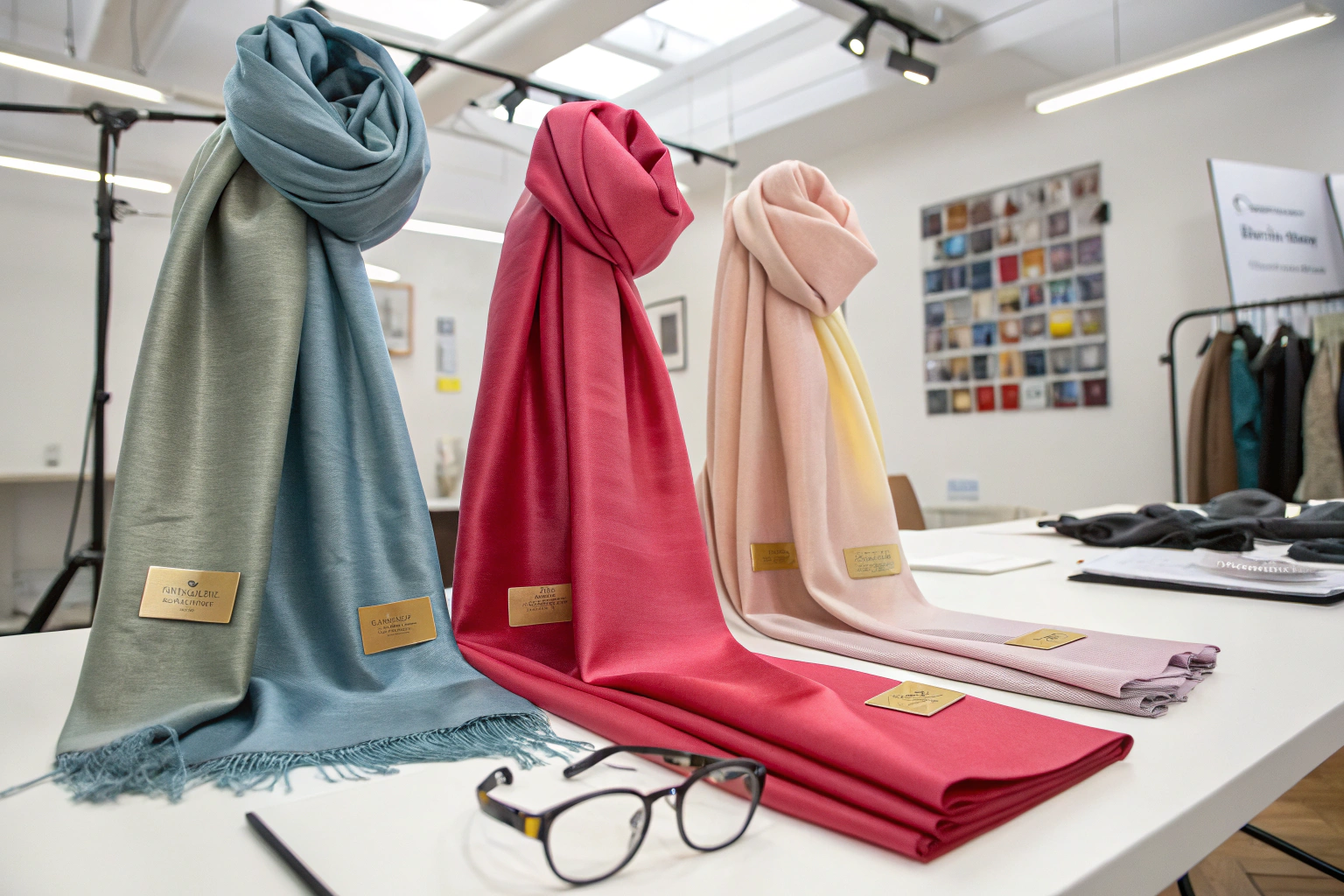
I have been manufacturing scarves for over 15 years. In that time, I have used silk, wool, and polyester. Each has its place. Each has its strengths. I remember a client who wanted a scarf that was cheap, warm, and luxurious. She wanted it all. I had to explain the trade-offs. Silk is luxurious but expensive. Wool is warm but can be itchy. Polyester is affordable but not breathable. She had to choose. That experience taught me that choosing the right material is about balancing priorities. Today, I want to help you choose between silk, wool, and polyester for scarf manufacturing.
Choosing between silk, wool, and polyester for scarf manufacturing requires evaluating your priorities: luxury, warmth, cost, care, and sustainability. Silk is the most luxurious. It has a natural sheen and soft drape. It is warm but breathable. It is expensive and requires delicate care. Wool is warm and durable. It has a natural texture. It can be itchy. It is moderate in cost. Polyester is affordable and durable. It is easy to care for. It can be less breathable. It is not biodegradable. The right choice depends on your target customer, your price point, and your brand values.
You might be thinking, "I have seen beautiful scarves made from all three. Which one is best?" There is no single best. There is only best for you. At Shanghai Fumao, we have manufactured scarves from all three materials. We know their properties. We know their trade-offs. Let me walk you through the decision.
How Does Silk Compare to Wool and Polyester?
Silk is the queen of fibers. It is natural. It is luxurious. It has a unique feel. I have used silk for high-end scarves. Customers love it.
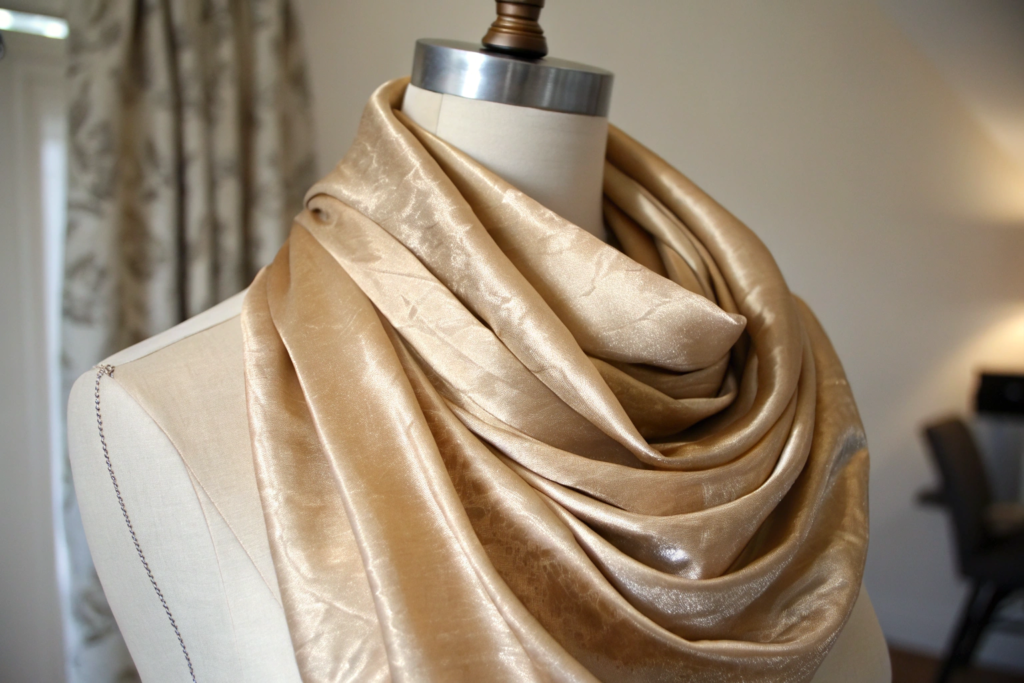
Silk is a natural protein fiber. It is produced by silkworms. It has a natural sheen. It drapes beautifully. It is soft against the skin. It is warm but breathable. It regulates temperature. It is hypoallergenic. The downsides are cost and care. Silk is expensive. It requires dry cleaning or gentle hand washing. It can be damaged by sunlight. It is not as durable as polyester. Silk is best for luxury scarves, evening wear, and special occasions.
I want to share a story about silk. A client wanted a scarf for a bridal line. We used silk. The scarf was beautiful. It draped perfectly. The bride loved it. The cost was high. But the customer was willing to pay. Silk was the right choice.
What Are the Different Types of Silk?
Mulberry silk is the highest quality. It is from silkworms fed mulberry leaves. It has the longest fibers. It is the most consistent. Charmeuse is a weave. It has a shiny front and a matte back. It is used for scarves. Habotai is a lightweight, plain weave. It is used for printing. Chiffon is a sheer, lightweight weave. It is used for ethereal scarves. We use mulberry silk for our luxury scarves.
How Do You Care for Silk Scarves?
Silk is delicate. Dry clean is best. If you hand wash, use cold water. Use a gentle detergent. Do not wring. Roll in a towel to remove water. Iron on low. Do not use steam. Store away from sunlight. We provide silk care instructions with our scarves.
How Does Wool Compare to Silk and Polyester?
Wool is the classic winter fiber. It is warm. It is durable. It has a natural texture. I have used wool for fall and winter scarves. Customers love the warmth.
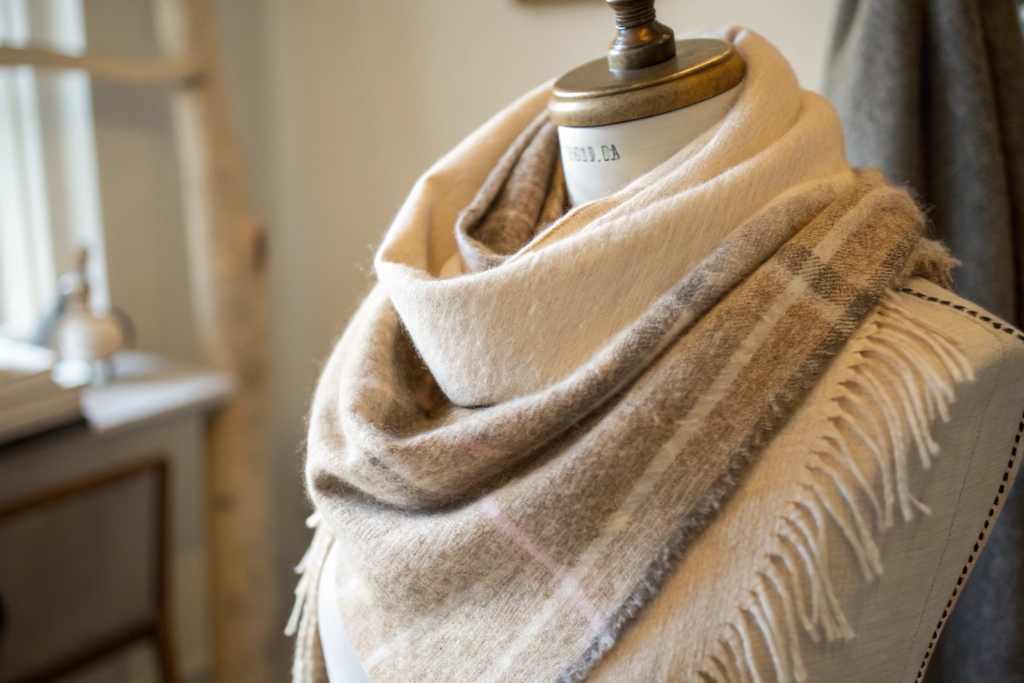
Wool is a natural protein fiber. It comes from sheep. It is warm. It is durable. It is naturally moisture-wicking. It resists wrinkles. It is also flame-resistant. The downsides are texture and care. Some wool can be itchy. It requires careful washing. It can shrink. It can be expensive, though less than silk. Wool is best for winter scarves, fall scarves, and outdoor wear.
I want to share a story about wool. A client wanted a scarf for a ski resort. We used merino wool. The scarf was warm. It was soft. It was not itchy. The customers loved it. Wool was the right choice.
What Are the Different Types of Wool?
Merino wool is the softest. It is from Merino sheep. It is fine. It is not itchy. It is ideal for scarves. Lambswool is from young sheep. It is soft. It is also good. Cashmere is from goats. It is very soft. It is expensive. It is a luxury fiber. Alpaca is from alpacas. It is soft and warm. It is also hypoallergenic. We use merino wool for most of our wool scarves.
How Do You Care for Wool Scarves?
Wool is delicate. Hand wash in cold water. Use wool-specific detergent. Do not wring. Roll in a towel. Lay flat to dry. Do not put in the dryer. Heat will shrink wool. Store away from moths. Use cedar blocks. We provide wool care instructions with our scarves.
How Does Polyester Compare to Silk and Wool?
Polyester is the workhorse of the scarf industry. It is affordable. It is durable. It is easy to care for. I have used polyester for thousands of scarves. It is the best choice for many applications.
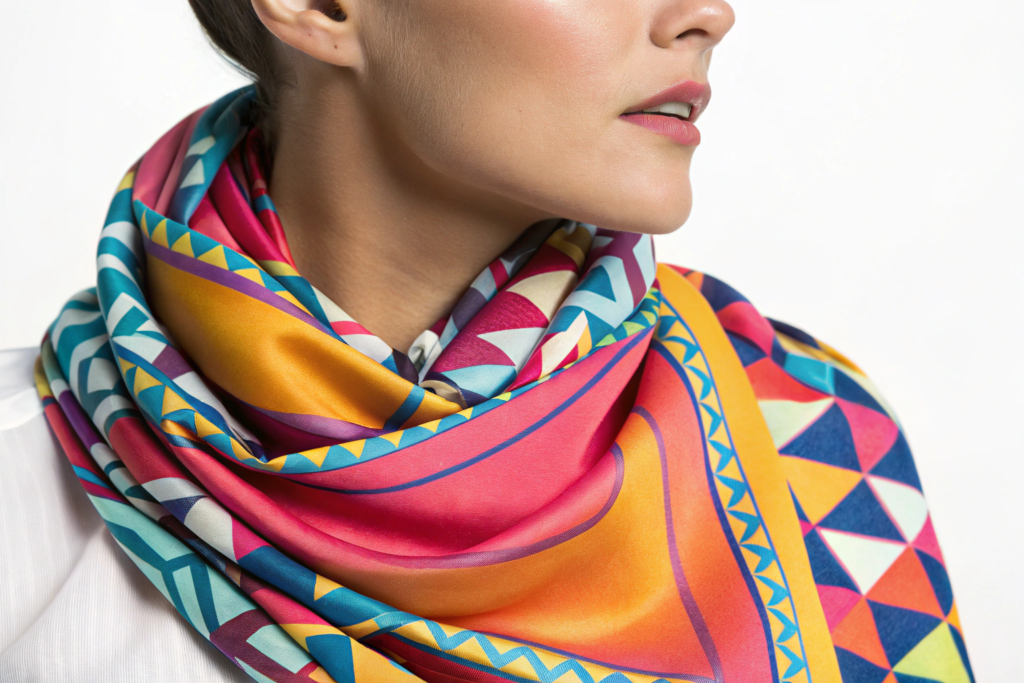
Polyester is a synthetic fiber. It is made from petroleum. It is affordable. It is durable. It is resistant to wrinkles and shrinking. It holds color well. It is easy to care for. It can be machine washed. The downsides are breathability and feel. Polyester is less breathable than silk or wool. It can feel clammy. It is not biodegradable. It can pill over time. Polyester is best for everyday scarves, printed scarves, and budget-friendly lines.
I want to share a story about polyester. A client wanted a printed scarf for a music festival. We used polyester. The print was sharp. The colors were bright. The scarf was affordable. It sold well. Polyester was the right choice.
What Are the Different Types of Polyester?
Recycled polyester is made from plastic bottles. It is more sustainable. It has the same properties. Microfiber polyester is very fine. It is soft. It is used for scarves. Polyester satin has a sheen. It mimics silk. It is less expensive. We use recycled polyester for our sustainable lines.
How Do You Care for Polyester Scarves?
Polyester is easy to care for. Machine wash in cold water. Tumble dry low. Do not use high heat. It can melt. Do not use fabric softener. It can reduce wicking. Iron on low if needed. Polyester is very forgiving. We provide polyester care instructions with our scarves.
How Do You Choose Based on Luxury and Feel?
Luxury is subjective. But some materials feel more luxurious. Silk is the most luxurious. It is smooth. It is cool. It drapes. Wool is cozy. It is warm. It has texture. Polyester is functional. It is not luxurious. I have learned to match the material to the brand.
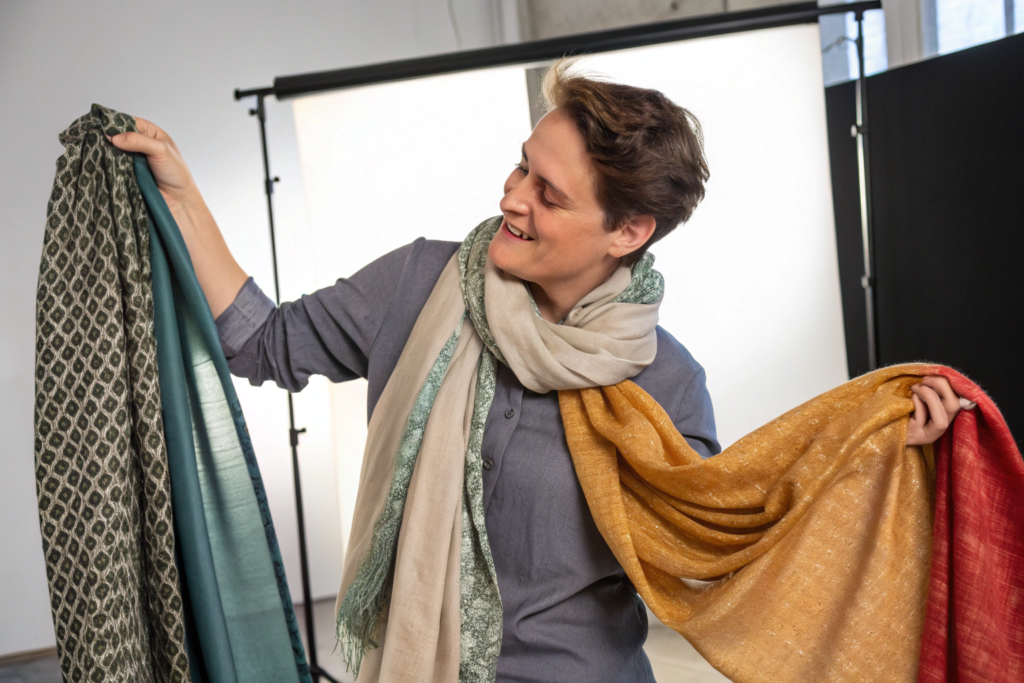
If luxury and feel are your top priorities, choose silk. Silk has a natural sheen. It is smooth against the skin. It drapes beautifully. It feels cool in summer and warm in winter. It is the most luxurious. If you want a cozy, warm feel, choose wool. Wool has a natural texture. It is soft (especially merino). It feels substantial. It is warm. If you prioritize budget and durability over feel, choose polyester. Polyester can be soft, but it does not have the same luxurious hand-feel as silk or the cozy warmth of wool.
I want to share a story about feel. A client wanted a scarf for a luxury brand. We recommended silk. The brand's customers expected the best. Silk delivered. Another client wanted a scarf for an outdoor brand. We recommended wool. The customers wanted warmth. Wool delivered.
What Is the Most Luxurious Scarf Material?
Silk is the most luxurious. It has been prized for centuries. It is associated with royalty and wealth. No synthetic can fully replicate it. For the highest end, choose silk. We offer premium silk scarves.
What Is the Coziest Scarf Material?
Wool is the coziest. It traps heat. It feels warm. Merino wool is soft. Cashmere is even softer. For winter warmth, choose wool. We offer merino wool scarves.
How Do You Choose Based on Warmth and Breathability?
Warmth is important for winter scarves. Breathability is important for comfort. I have tested all three. The differences are significant.
If warmth is your top priority, choose wool. Wool is the warmest. Its fibers trap air. It provides excellent insulation. It is also breathable. It wicks moisture. It does not feel clammy. Silk is moderately warm. It is less warm than wool. But it is more breathable. It is good for year-round use. Polyester is the least warm. It is also less breathable. It can trap sweat. For cold climates, choose wool. For variable climates, choose silk. For warm climates, choose polyester.
I want to share a story about warmth. A client in Canada needed a winter scarf. We recommended wool. It was warm. It was breathable. The customers were happy. A client in Florida needed a scarf for air-conditioned offices. We recommended silk. It was warm enough. It was breathable. It was comfortable.
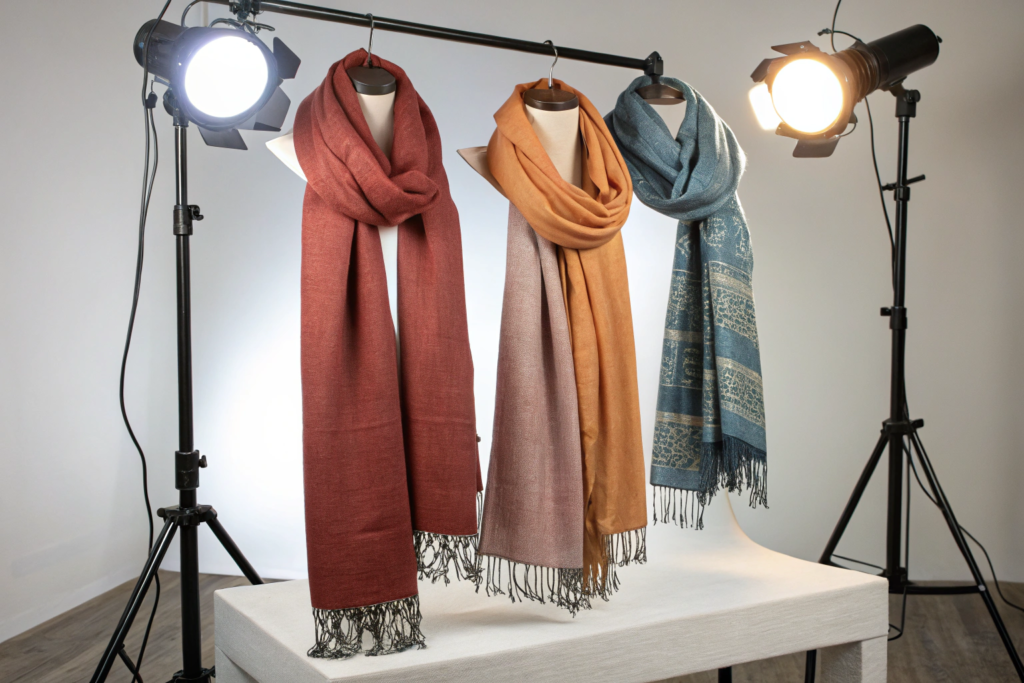
What Is the Warmest Scarf Material?
Wool, with its dense, crinkled fibers, wraps around you like a cozy embrace, offering the warmest defense against the chill. Cashmere, by contrast, is a softer, silkier cousin, so luxuriously warm it feels like wrapping yourself in a cloud spun from sunlight, even warmer than the finest wool. For the harshest, bone-chilling extremes of winter, when frost nips at your cheeks and wind howls through the streets, reach for a thick wool scarf—its heavy, textured bulk a fortress against the cold, each strand working overtime to trap heat close to your skin. For milder, crisp days where the air carries a gentle bite but not the full fury of winter, merino wool suffices, its ultra-fine fibers as soft as a lamb's breath, providing just the right amount of warmth without the weight, keeping you comfortably toasty as you step out into the morning light. We offer warm wool scarves.
What Is the Most Breathable Scarf Material?
Silk is the most breathable fabric, its delicate fibers weaving a tapestry of air that flows effortlessly through each thread. It allows air to circulate like a gentle breeze through an open window, keeping the skin cool and refreshed even on the warmest days. It does not trap sweat, instead wicking it away with a soft, almost imperceptible touch, leaving the skin feeling dry and smooth.
Its comfort spans a range of temperatures, from the crisp chill of early morning to the mellow warmth of a lazy afternoon, adapting seamlessly to the body's needs. Wool, too, boasts breathability, its natural crimps creating tiny pockets of air that regulate temperature, offering a cozy warmth in cold and a surprising coolness when layered. Polyester, by contrast, is the least breathable, its synthetic fibers forming a dense barrier that traps heat and moisture, leaving the skin feeling clammy and uncomfortable.
Conclusion
Choosing between silk, wool, and polyester for scarf manufacturing is a balance. Silk is luxurious, breathable, and expensive. Wool is warm, durable, and cozy. Polyester is affordable, easy care, and durable.
The right choice depends on your priorities. If you want luxury, choose silk. If you want warmth, choose wool. If you want affordability, choose polyester. If you want sustainability, choose silk, wool, or recycled polyester.
At Shanghai Fumao, we have the expertise to help you choose. We have the samples. We have the blends. We are ready to help you create the perfect scarf. Please contact our Business Director, Elaine, at elaine@fumaoclothing.com to discuss your scarf project. We can help you choose between silk, wool, and polyester based on your priorities.