I have been manufacturing hats for over 15 years. For most of that time, hats were simple. They kept you warm in winter. They shaded you in summer. But they did not adapt. Then a client changed my thinking. He was a buyer for an outdoor brand. He said, "My customers hike in the morning when it is cold. They hike in the afternoon when it is hot. Their hat needs to work in both." That conversation led me to temperature-regulating fabrics. I visited textile labs. I learned about phase-change materials. I tested cooling fabrics. I discovered merino wool blends. Today, I want to share the latest innovations in temperature-regulating fabrics for hats.
The latest innovations in temperature-regulating fabrics for hats include phase-change materials (PCM), cooling fabrics, merino wool blends, and bio-based smart textiles. Phase-change materials absorb, store, and release heat. They keep the head at a stable temperature. Cooling fabrics use moisture-wicking and evaporative cooling. They keep the head dry and cool. Merino wool blends naturally regulate temperature. They are warm when it is cold and cool when it is warm. Bio-based smart textiles are made from renewable resources. They offer temperature regulation with a lower environmental impact. These innovations are transforming hats for outdoor, athletic, and everyday use.
You might be thinking, "I just need a hat. Why do I need temperature regulation?" The answer is comfort. A hat that is too hot is uncomfortable. A hat that is too cold is useless. A temperature-regulating hat adapts to you. It keeps you comfortable in changing conditions. At Shanghai Fumao, we have been developing hats with these fabrics. We have seen the demand grow. Let me walk you through the innovations.
How Do Phase-Change Materials (PCM) Work in Hats?
Phase-change materials are the most advanced temperature-regulating technology. They were developed for NASA. They are now used in hats. I was skeptical at first. But the science is solid.
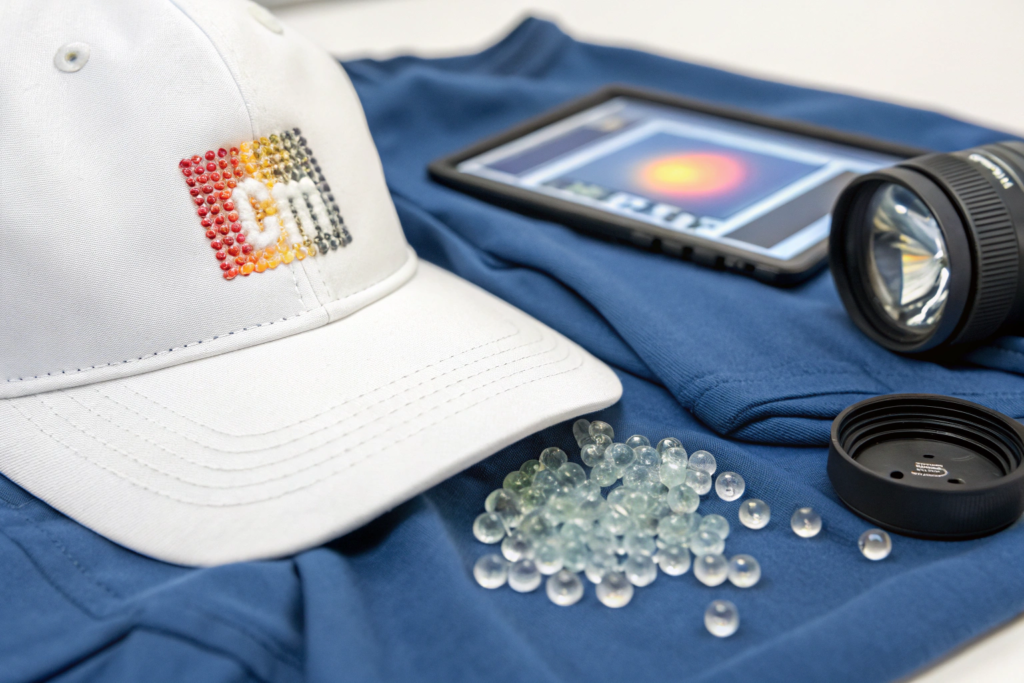
Phase-change materials (PCM) are microscopic capsules embedded in fabric. They contain a substance that changes phase at a specific temperature. When your head gets hot, the PCM absorbs heat. It melts from solid to liquid. This cools your head. When your head gets cold, the PCM releases heat. It solidifies from liquid to solid. This warms your head. The result is a stable, comfortable temperature. PCM hats are ideal for activities with changing conditions. Hiking. Skiing. Running. They are also great for everyday wear in variable climates.
I want to share a story about a PCM hat. A client was a runner. He ran in the morning when it was cool. He warmed up during the run. His hat was too hot. He tried a PCM hat. It kept him comfortable throughout the run. He said it was a game-changer.
What Are the Best Applications for PCM Hats?
PCM hats are best for activities with changing temperatures. Morning runs that warm up. Ski days that start cold and get warm. Hikes that go from shade to sun. They are also good for people who run hot or cold. The PCM smooths out the temperature swings. We offer PCM hats for outdoor and athletic use.
How Long Does PCM Last?
PCM is durable. It is embedded in the fabric. It does not wash out. It does not degrade. The phase-change cycle can be repeated thousands of times. A PCM hat will last for years. We test our PCM materials for durability.
What Are Cooling Fabrics and How Do They Work?
Cooling fabrics are for hot weather. They keep your head cool. I have tested many. The best use evaporative cooling. They wick sweat. They dry quickly. They feel cool against the skin.
Cooling fabrics work through two mechanisms: moisture-wicking and evaporative cooling. Moisture-wicking pulls sweat away from the skin. It spreads it across the fabric surface. This increases evaporation. Evaporation removes heat. The result is a cooling effect. Some cooling fabrics are treated with cooling agents. These agents create a cool sensation on contact. The best cooling fabrics are lightweight, breathable, and quick-drying. They are ideal for summer hats, running caps, and workwear in hot environments.
I want to share a story about a cooling hat. A client worked construction outdoors. He wore a standard cap. His head was hot and sweaty. He tried a cooling hat. The difference was dramatic. His head stayed cooler. He was more comfortable. He bought more.
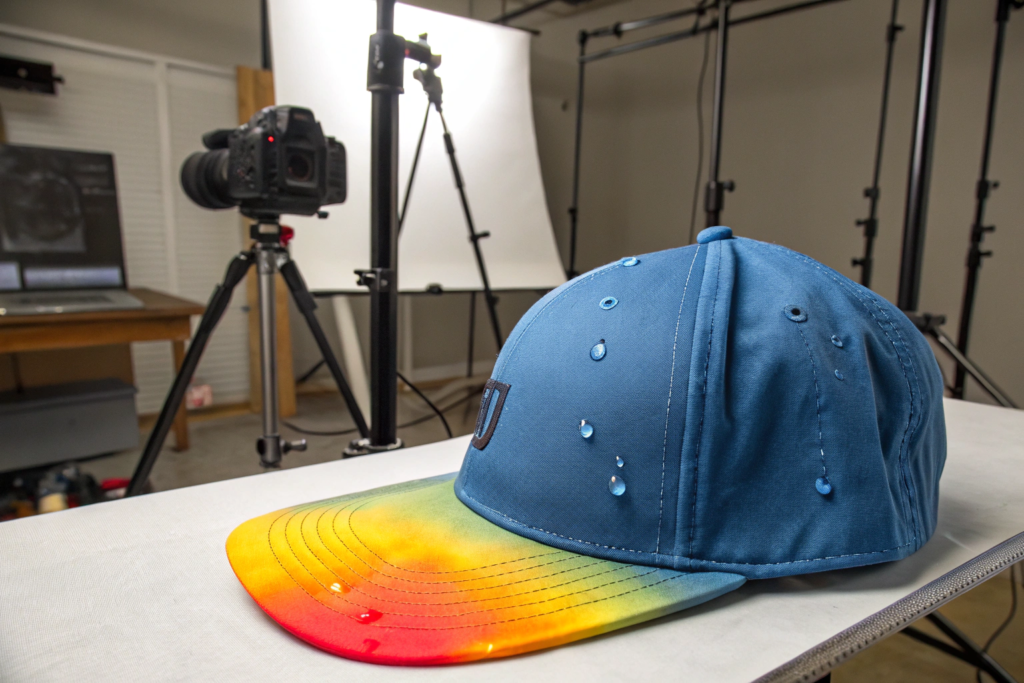
What Are the Best Cooling Fabrics for Hats?
Polyester blends are common. They wick well. Nylon blends are also good. They are durable. Some fabrics have added cooling agents. These provide an initial cool sensation. The most effective cooling fabrics are those that wick and dry quickly. We use cooling polyester for our summer hats.
How Do You Care for Cooling Hats?
Most cooling hats are machine washable. Use cold water. Do not use fabric softener. It can clog the wicking fibers. Air dry or tumble dry low. High heat can damage some cooling treatments. Follow the care label. We provide care instructions with our hats.
Why Are Merino Wool Blends a Natural Choice for Temperature Regulation?
Merino wool is not new. But its use in hats has grown. It is natural. It is breathable. It regulates temperature. I have used merino wool for years. It performs.
Merino wool blends naturally regulate temperature because of the structure of the wool fiber. The fiber has crimps. These crimps trap air. Trapped air provides insulation. When you are cold, the air stays still. You stay warm. When you are warm, the fiber wicks moisture. The moisture evaporates. You cool down. Merino wool also resists odors. It is naturally antimicrobial. It is soft. It is not itchy like traditional wool. Merino wool blends are ideal for year-round hats. They work in winter and summer.
I want to share a story about a merino wool hat. A client traveled frequently. He needed a hat for different climates. He bought a merino wool hat. He wore it in cold mountains and warm cities. It worked in both. He loved the versatility.
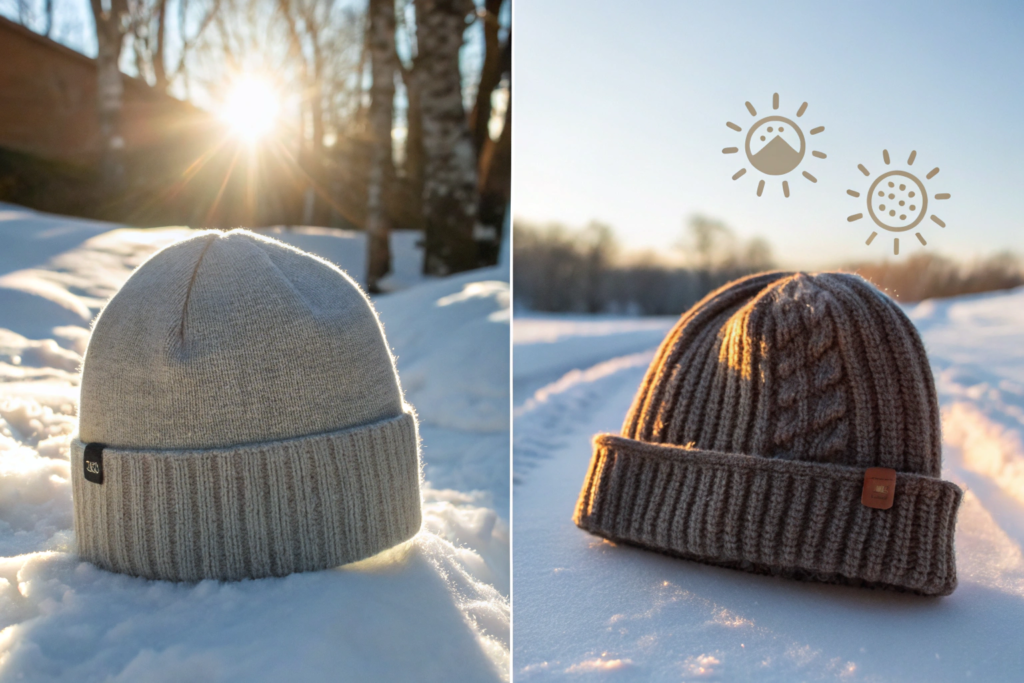
What Is the Best Merino Wool Blend for Hats?
A blend of merino wool and synthetic fibers is best. The synthetic fibers add durability. They help the hat hold its shape. A common blend is 70% merino wool and 30% nylon or polyester. This balances performance and durability. We offer merino wool blend hats in this ratio.
How Do You Care for Merino Wool Hats?
Merino wool is delicate. Hand wash in cold water. Use wool-specific detergent. Do not wring. Roll in a towel to remove excess water. Lay flat to dry. Do not put in the dryer. Heat can shrink wool. With proper care, a merino wool hat will last for years. We provide care instructions.
What Are Bio-Based Smart Textiles?
Bio-based smart textiles are the newest innovation. They are made from renewable resources. They offer temperature regulation. They are sustainable. I have been exploring these for eco-conscious brands.
Bio-based smart textiles are made from renewable resources like corn, sugarcane, or algae. They are engineered to have temperature-regulating properties. Some use phase-change materials derived from plants. Others use natural fibers with inherent thermal properties. These textiles are biodegradable or recyclable. They have a lower carbon footprint than synthetic alternatives. Bio-based smart textiles are ideal for brands that prioritize sustainability. They offer performance without the environmental cost.
I want to share a story about a bio-based hat. A client wanted a sustainable outdoor hat. We sourced a bio-based PCM fabric. The hat regulated temperature. It was also compostable. The client loved the sustainability story. The hat sold well.
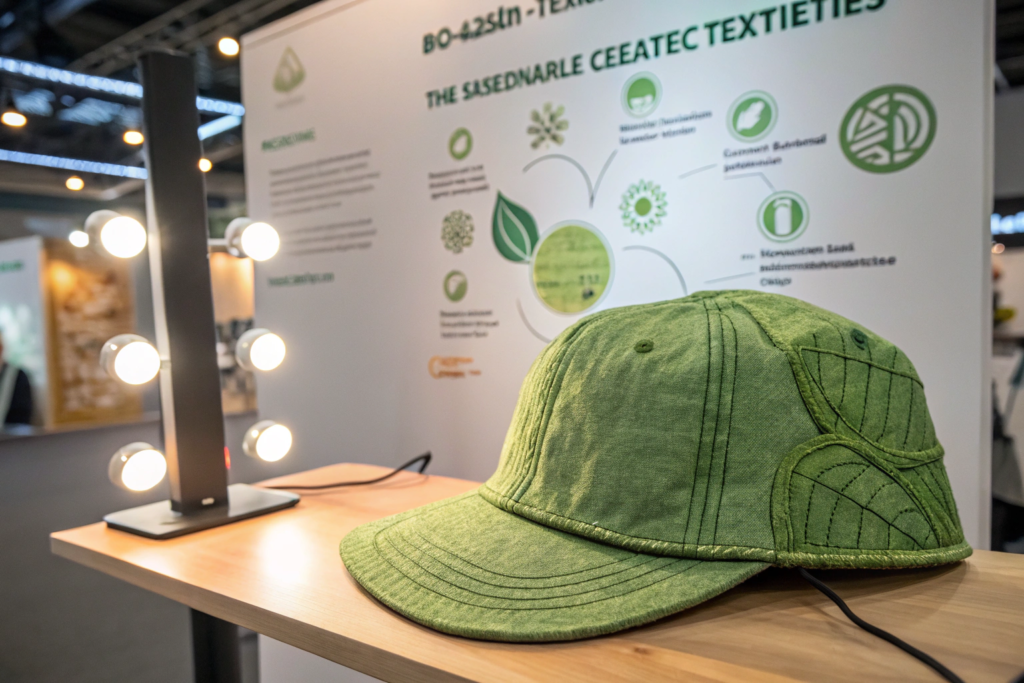
What Are the Best Bio-Based Materials for Hats?
PLA (polylactic acid) is made from corn. It can be used for fabrics. It is biodegradable. Tencel is made from wood pulp. It is breathable and soft. It is also biodegradable. Some companies are developing algae-based foams for hat liners. These are new. They are promising. We have a bio-based materials guide for clients.
How Do Bio-Based Fabrics Compare to Synthetics?
Bio-based fabrics weave a tapestry of environmental harmony, boasting a significantly lower ecological footprint than their counterparts. They emerge from the earth’s natural bounty—renewable resources like cotton, hemp, or bamboo that thrive in cycles of growth and regeneration, offering a sustainable alternative to finite reserves. When their lifecycle ends, these fabrics gracefully return to the soil, biodegrading into nutrient-rich humus without leaving behind toxic residues, a gentle embrace of nature’s circular wisdom.
Conclusion
The latest innovations in temperature-regulating fabrics for hats are transformative. Phase-change materials (PCM) absorb and release heat. They keep the head stable. Cooling fabrics wick sweat and evaporate. They keep the head cool. Merino wool blends naturally regulate temperature. They work in cold and warm. Bio-based smart textiles are sustainable and performant.
These innovations are available now. They are in hats for outdoor, athletic, and everyday use. They offer comfort. They offer performance. They offer sustainability.
At Shanghai Fumao, we are at the forefront. We source these fabrics. We make these hats. We are ready to help you. Please contact our Business Director, Elaine, at elaine@fumaoclothing.com to discuss your temperature-regulating hat collection. We can help you select the right fabric for your needs.*