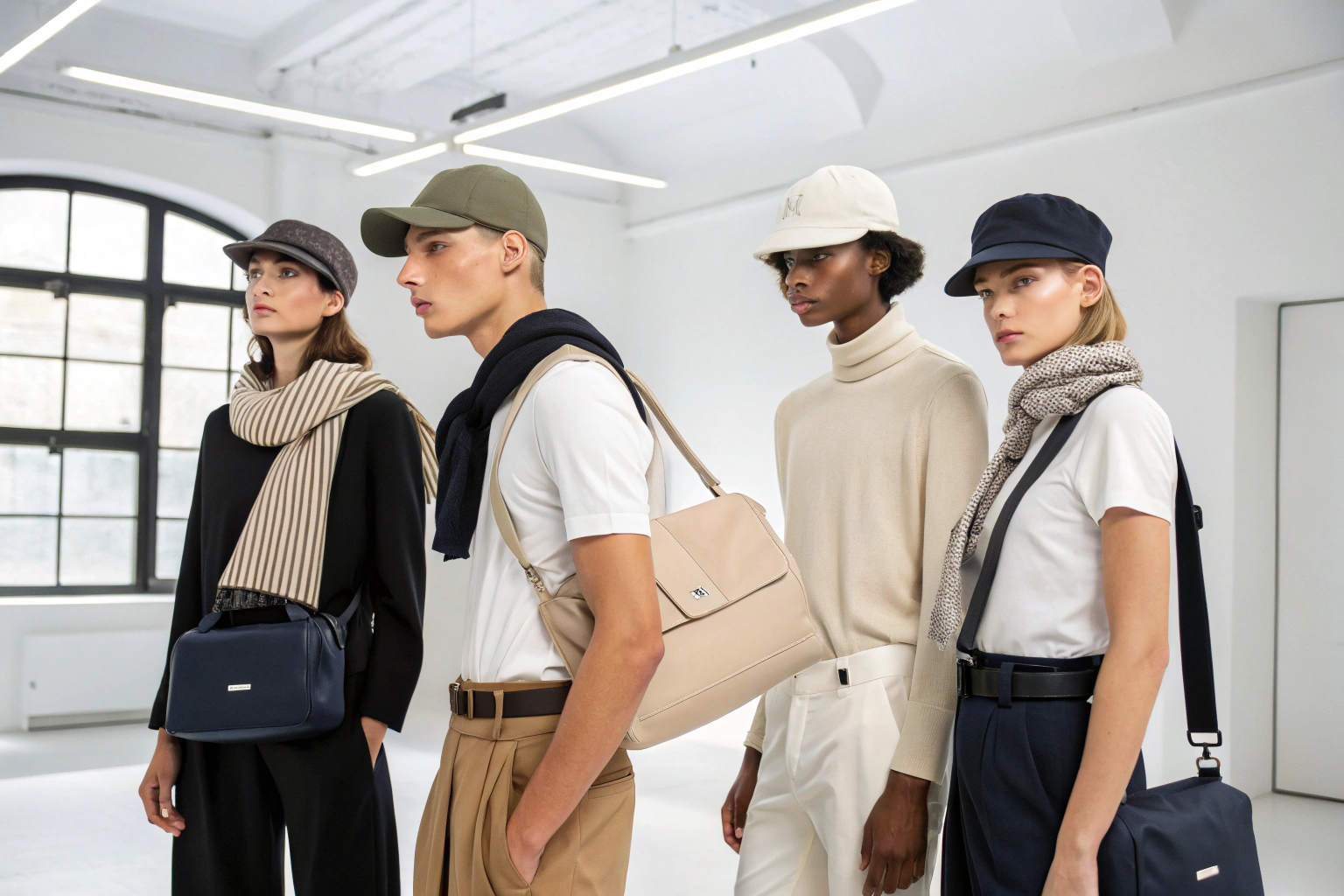
I have been manufacturing accessories for over 15 years. For most of that time, products were divided. Men’s belts. Women’s hair clips. Men’s hats. Women’s scarves. But the world has changed. Consumers are rejecting rigid categories. They want products that are for everyone. I remember a client who came to me with a simple request. She wanted a belt that her husband could also wear. She wanted a hair clip that her son could use. She said, "Why do we need to separate everything?" That conversation started my journey into gender-neutral design. Today, I want to share the trends in gender-neutral accessory design.
The trends in gender-neutral accessory design include minimalist aesthetics, neutral color palettes, adjustable sizing, functional details, and sustainable materials. Minimalist aesthetics avoid gendered embellishments like bows or rugged hardware. Neutral color palettes use blacks, whites, beiges, olives, and navies. Adjustable sizing allows one product to fit different body types. Functional details prioritize utility over decoration. Sustainable materials appeal to values that transcend gender. These trends reflect a broader cultural shift toward inclusivity. At AceAccessory, we have developed gender-neutral lines. We have learned what works. Let me walk you through the trends.
You might be thinking, "I sell to women. Why should I care about gender-neutral design?" The answer is that the market is changing. Younger consumers especially reject gendered products. They want accessories that anyone can wear. A gender-neutral line can expand your customer base. It can differentiate your brand. At AceAccessory, we have seen success with gender-neutral designs. Let me walk you through the key trends.
Why Is Minimalist Aesthetics the Core of Gender-Neutral Design?
Minimalism is the foundation of gender-neutral design. No bows. No flowers. No rugged hardware. Just clean lines. I have learned that removing gendered cues creates a product for everyone.
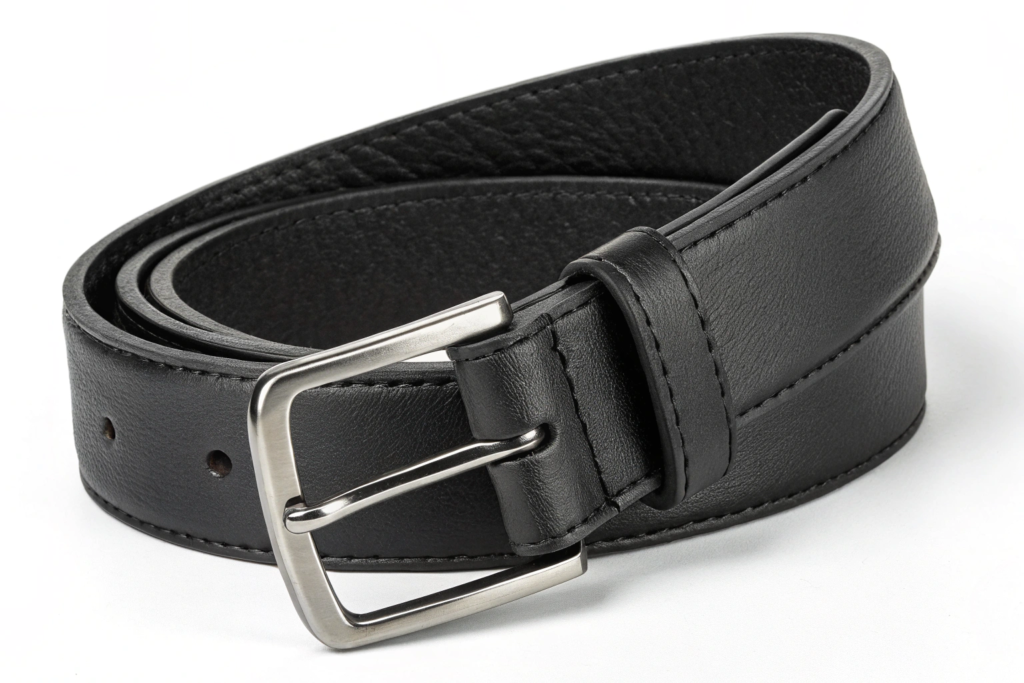
Minimalist aesthetics are the core of gender-neutral design because they avoid gendered cues. A minimalist belt has a simple, rectangular buckle. No ornate details. A minimalist hair clip has a clean shape. No flowers or bows. A minimalist bag has a simple silhouette. No fringe or studs. The focus is on form and function. Clean lines. Simple shapes. Quality materials. This aesthetic appeals to all genders. It is timeless. It is versatile. It is the foundation of gender-neutral design.
I want to share a story about a minimalist belt. A client wanted a belt that men and women could both wear. We designed a simple leather belt with a matte black buckle. No branding. No embellishments. The belt sold to men and women. The minimalist design was the key.
What Are the Key Elements of Minimalist Design?
Clean lines. Simple shapes. No embellishments. Quality materials. Neutral colors. Functional details. The product should not signal gender. It should just be a well-made accessory. We have a minimalist design guide for clients.
How Do You Avoid Gendered Cues?
Steer clear of soft, flowing bows that whisper of delicate femininity, of ruffled edges that flutter like butterfly wings, of vibrant flowers that burst with romantic bloom, and any other trappings that cling to the traditional tapestry of what is deemed ‘feminine.’ Likewise, eschew the clunky, rugged hardware that clangs with masculine bravado, the menacing skulls that exude a raw, untamed edge, and all other symbols that anchor themselves in the conventional realm of ‘masculine’ design. Instead, embrace the purity of simple shapes—clean lines that cut through the air with quiet confidence, unadorned forms that speak volumes without fuss.
Why Are Neutral Color Palettes Essential?
Color is a powerful signal. Pink signals femininity. Blue signals masculinity. For gender-neutral design, you need colors that signal neither. I have learned to use neutrals.
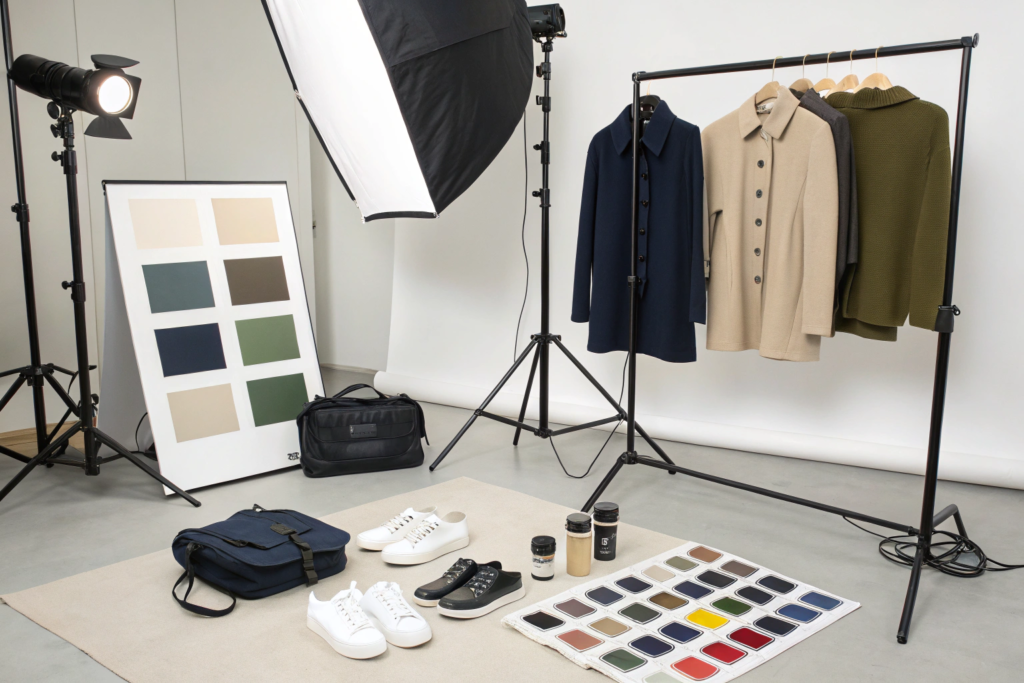
Neutral color palettes are essential for gender-neutral design because they avoid gendered color associations. Black is universal. White is clean. Beige is warm and natural. Olive is earthy. Navy is classic. Charcoal is sophisticated. These colors are not associated with a specific gender. They work for everyone. They are versatile. They pair with any outfit. They are also timeless. A black belt will never go out of style. A beige scarf is always appropriate. Neutral colors are the foundation of gender-neutral accessories.
I want to share a story about a neutral scarf. A client wanted a scarf that anyone could wear. We chose a beige cashmere blend. The color was neutral. The material was luxurious. The scarf sold to men and women. The color made it accessible.
What Are the Best Neutral Colors for Accessories?
Black is the most versatile. Beige is warm and natural. Navy is classic. Olive is earthy. Charcoal is sophisticated. White is clean. These six colors cover most needs. We offer a neutral color palette for gender-neutral lines.
Can You Use Color in Gender-Neutral Design?
Yes, but choose colors that are not strongly gendered. Avoid the soft, powdery pink that clings to dolls and tea sets, the pastel purple of frilly dresses, and other hues long associated with traditional notions of femininity. Steer clear too of the bright, electric blue of toy trucks and sports jerseys, and other shades steeped in outdated ideas of masculinity. Instead, embrace earth tones—the warm, sun-kissed amber of aged wood, the cool, misty gray of distant mountains, the rich, loamy brown of fertile soil, and the gentle, sage green of a quiet forest floor.
Why Is Adjustable Sizing Important?
Men and women have different body shapes. A belt that fits a woman may not fit a man. A hat that fits a man may not fit a woman. Adjustable sizing solves this problem. I have learned to design for a range.
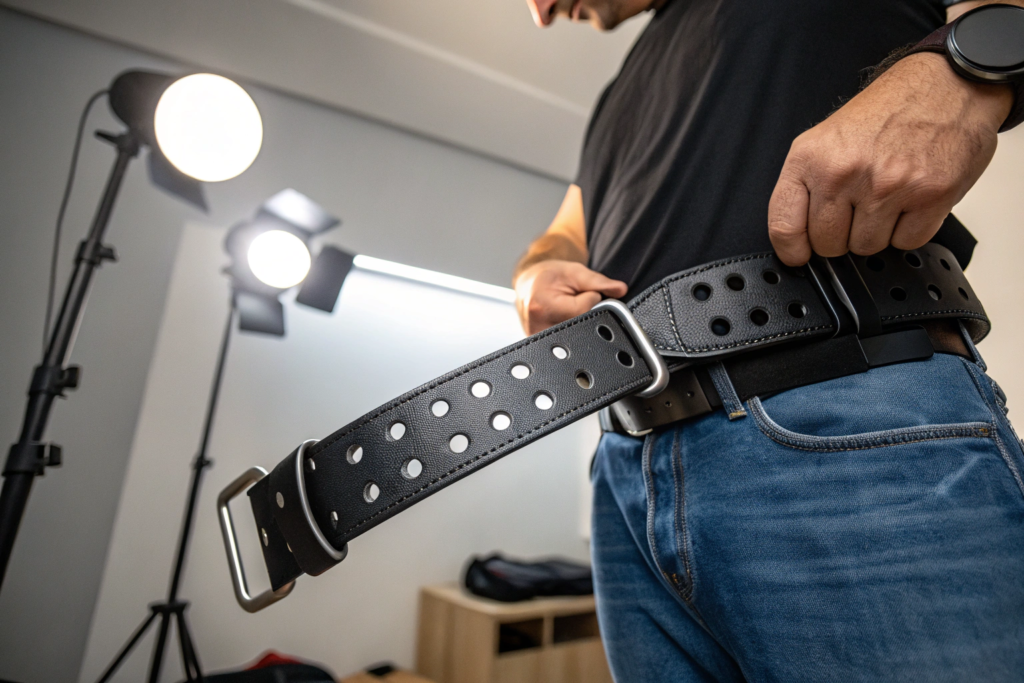
Adjustable sizing is important for gender-neutral design because it allows one product to fit different body types. For belts, use multiple holes. A belt with 5 holes fits a range of waist sizes. For hats, use an adjustable strap or elastic band. A hat that fits 55-60 cm works for most adults. For hair clips, use a spring that is strong but not too tight. The clip should hold fine and thick hair. Adjustable sizing makes the product inclusive. It reduces the need for separate men’s and women’s versions.
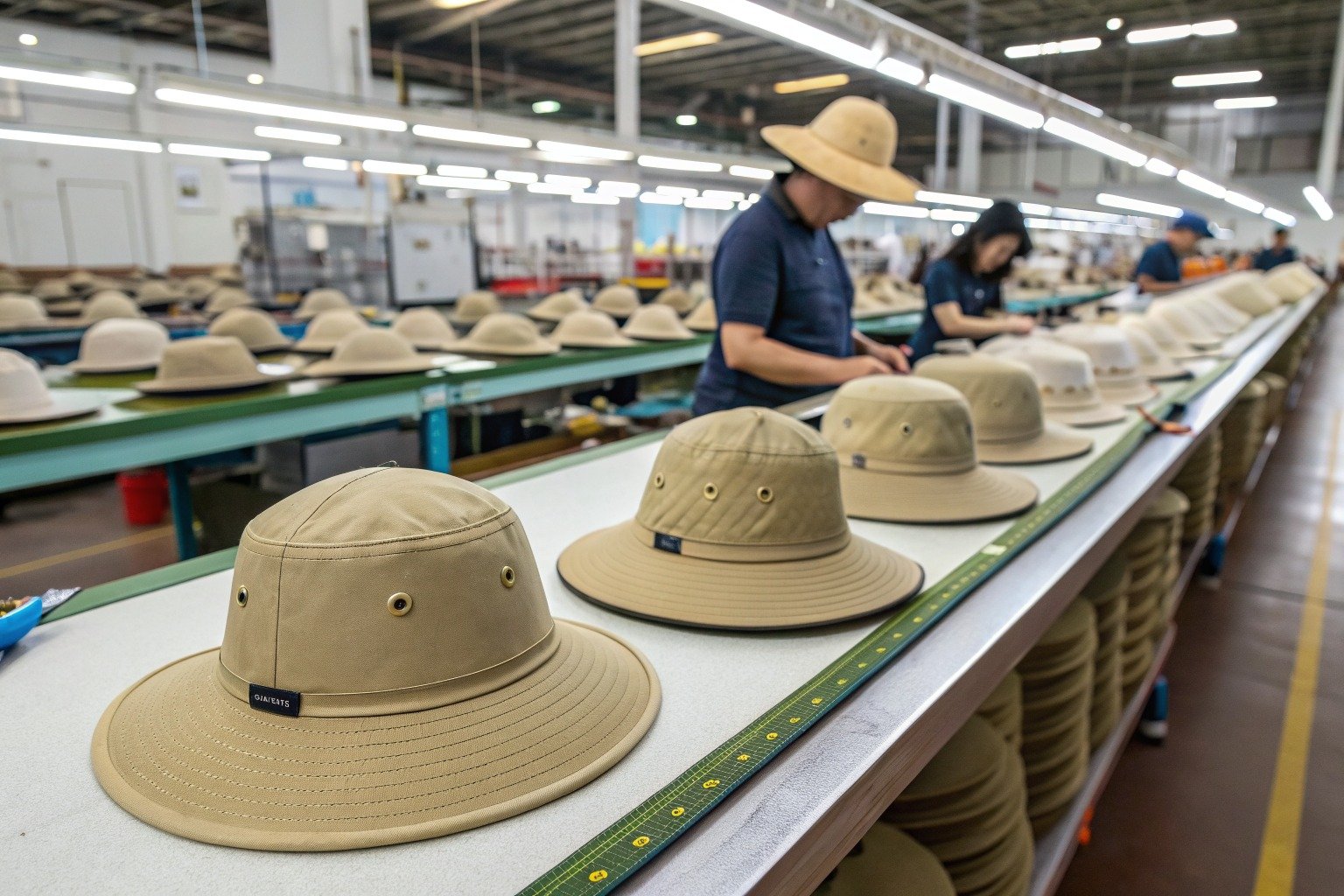
I want to share a story about an adjustable hat. A client wanted a baseball cap for everyone. We used an adjustable strap. The cap fit heads from 55 to 60 cm. Men and women bought it. The adjustable feature was essential.
What Are the Best Adjustable Features for Accessories?
For belts, multiple holes—each a silent promise of customization, allowing the wearer to cinch or loosen with a satisfying click, ensuring the perfect fit whether paired with a tailored blazer or a casual t-shirt. For hats, adjustable straps that glide smoothly through buckles, elastic bands that hug the head with gentle resilience, and snapback closures that offer a secure, one-handed snap, transforming a simple cap into a statement piece that moves with the wearer. For bags, adjustable straps that drape comfortably over shoulders or cross the body, their length shifting effortlessly to accommodate different styles and needs, turning a functional accessory into a companion for every adventure.
How Do You Size Gender-Neutral Products?
Design for the middle. For belts, design for a 32-inch waist. The belt will fit 28 to 36 inches. For hats, design for 57 cm. The hat will fit 55 to 60 cm. Test with different body types. We have sizing guidelines for gender-neutral products.
Why Are Functional Details Prioritized Over Decoration?
Decoration can be gendered. Flowers are feminine. Skulls are masculine. Function is neutral. I have learned to prioritize function over decoration. A bag with pockets is for everyone. A belt that holds is for everyone.
Functional details are prioritized over decoration in gender-neutral design because function is universal. A bag with multiple pockets is useful for anyone. A belt with a strong buckle is practical for anyone. A hat with a sweatband is comfortable for anyone. These features do not signal gender. They signal quality and thoughtfulness. Decoration, on the other hand, can alienate. A floral print may appeal to women but not men. A camo print may appeal to men but not women. By focusing on function, you create products for everyone.
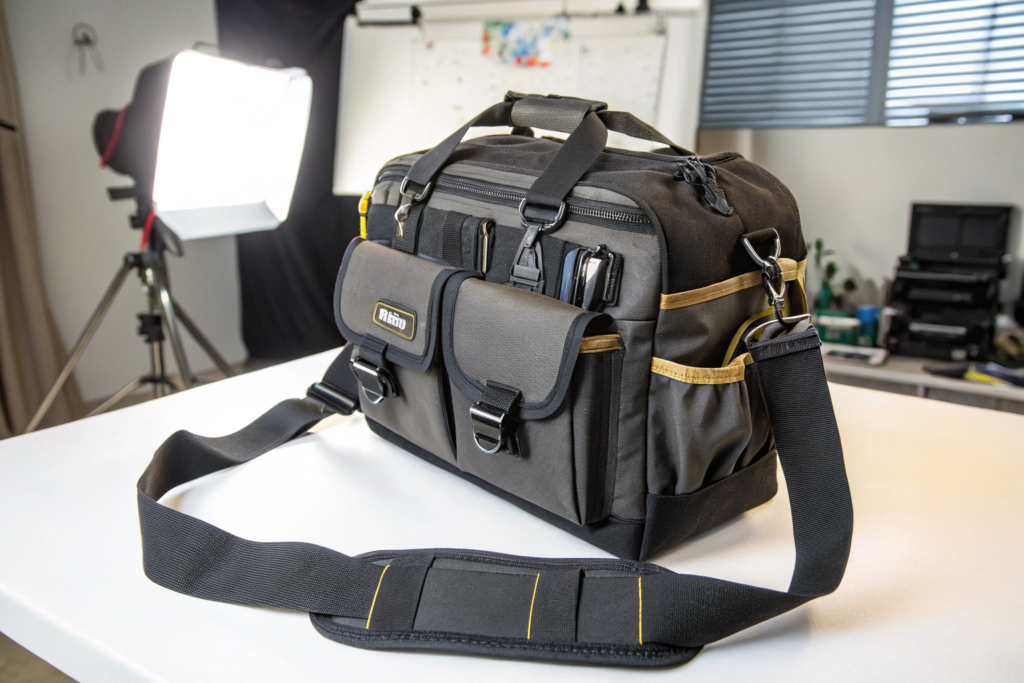
I want to share a story about a functional bag. A client wanted a crossbody bag for everyone. We added multiple pockets. We used a sturdy, adjustable strap. No decoration. The bag sold to men and women. They loved the utility.
What Functional Details Are Most Valued?
Pockets are cherished. A bag adorned with thoughtfully placed pockets becomes an indispensable companion, its utility amplified by the ability to tuck away essentials—keys that jingle softly, a phone buzzing with notifications, a crumpled receipt or a sweet treat—each pocket a cozy nook that keeps life’s small treasures within easy reach. A bag with pockets is more useful, transforming chaos into order with every thoughtful placement. Adjustable straps are highly valued. They dance and shift to fit the unique contours of different bodies, ensuring a snug, personalized fit whether worn by a towering teenager or a compact commuter, eliminating the discomfort of slipping or straining.
Can You Use Decoration in Gender-Neutral Design?
Yes, but choose decorations that are not gendered. Opt for geometric patterns—sharp angles, clean lines, and balanced shapes that feel timeless and universal, evoking a sense of calm precision that transcends fleeting trends. Simple textures take center stage: smooth, unadorned surfaces like polished wood or cool ceramic, or subtle, tactile weaves that invite the touch of the hand, their softness whispering of comfort without shouting for attention. Quality hardware is essential, where a brushed metal buckle shimmers softly, its matte finish reflecting light in understated, elegant ways, free from any connotation of masculinity or femininity, a quiet statement of refined utility.
Conclusion
The trends in gender-neutral accessory design are clear. Minimalist aesthetics remove gendered cues. Neutral color palettes avoid pink and blue. Adjustable sizing fits different bodies. Functional details prioritize utility. Sustainable materials appeal to universal values. These trends reflect a broader cultural shift. Consumers want products that are for everyone. They reject rigid categories. They embrace inclusivity.
At Shanghai Fumao, we are committed to gender-neutral design. We offer minimalist styles. We use neutral colors. We prioritize function. We source sustainable materials. We are ready to help you create accessories for everyone. Please contact our Business Director, Elaine, at elaine@fumaoclothing.com to discuss your gender-neutral accessory line. We can help you design products that are for everyone.