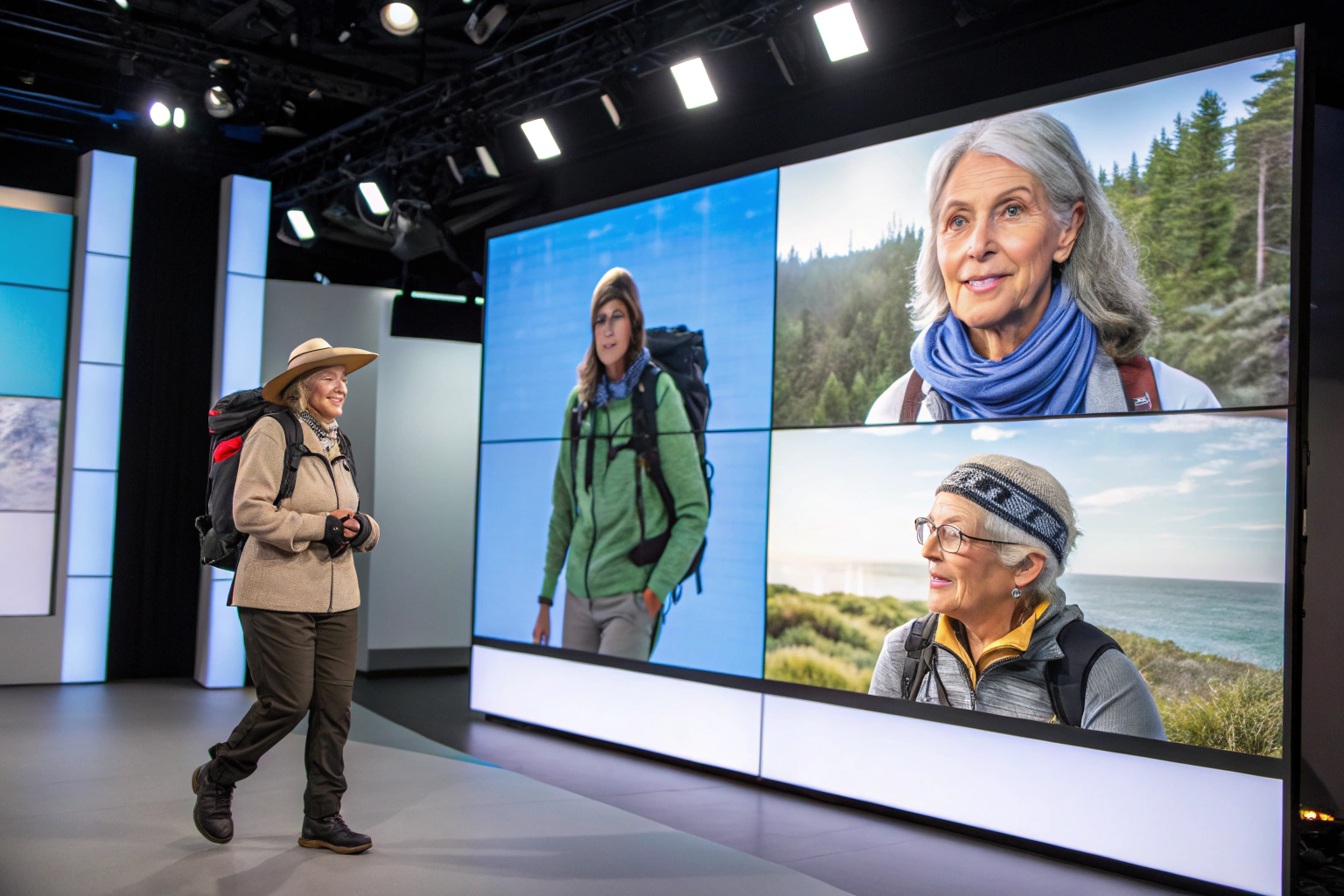
I have been manufacturing accessories for over 15 years. For most of that time, the market was broad. Hair clips for everyone. Belts for everyone. Scarves for everyone. But the market has changed. It has fragmented. Consumers want products that are made for them. Not for everyone. I remember a client who came to me with a niche idea. She wanted hair clips for women undergoing chemotherapy. The clips needed to be soft. They needed to be gentle on sensitive scalps. I thought it was too small a market. She proved me wrong. She built a successful business. That experience taught me that niche markets are the future. Today, I want to share the emerging niche markets for fashion accessories.
The emerging niche markets for fashion accessories include performance accessories for outdoor enthusiasts, adaptive accessories for people with disabilities, smart accessories with integrated technology, sustainable accessories from upcycled materials, gender-neutral accessories, pet accessories, and accessories for specific age groups like seniors and tweens. These markets are growing because consumers are seeking products that solve specific problems or express specific identities. They are willing to pay a premium for accessories designed just for them. At Shanghai Fumao, we have helped clients enter these niches. We have learned what works. Let me walk you through the opportunities.
You might be thinking, "I sell hair clips to everyone. Why should I focus on a niche?" The answer is that the mass market is crowded. Competition is fierce. Margins are thin. Niche markets are underserved. Customers are loyal. They are willing to pay more. A niche can be a path to growth. At AceAccessory, we have seen clients succeed by focusing on a specific customer. Let me walk you through the emerging niches.
Why Are Performance Accessories for Outdoor Enthusiasts Growing?
People are spending more time outdoors. Hiking. Running. Skiing. They need accessories that perform. A regular hat is not enough. They need UV protection. A regular belt is not enough. They need to hold a phone or a GPS. I have seen this market grow significantly.
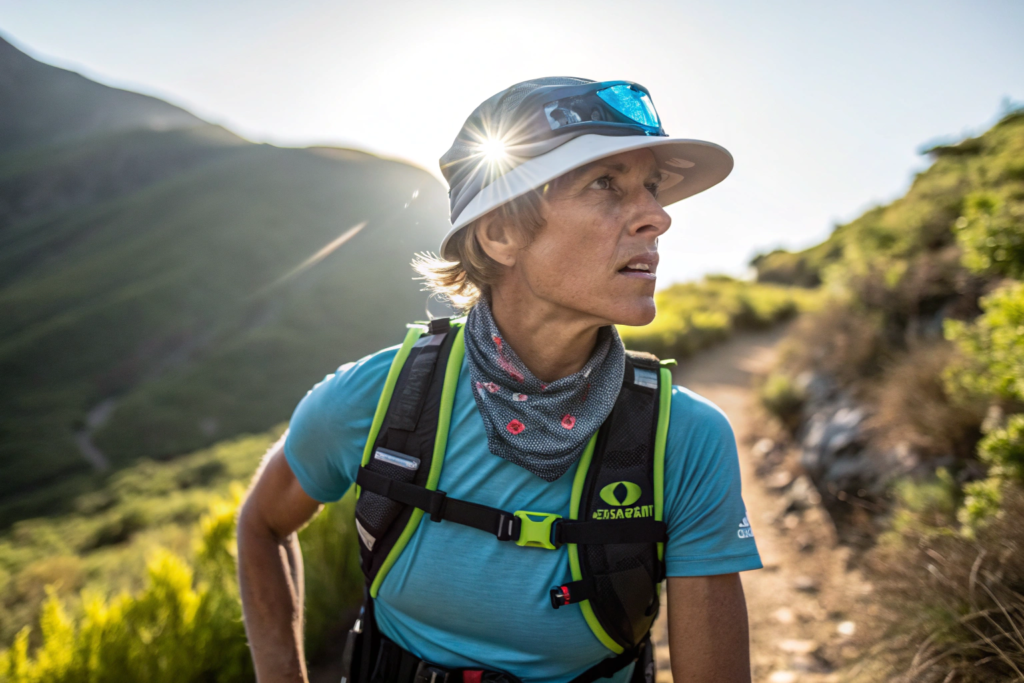
Performance accessories for outdoor enthusiasts are a growing niche. These include UV-protective hats, sweat-wicking headbands, and belts with hidden pockets. Outdoor enthusiasts want accessories that are functional, durable, and lightweight. They want UPF 50+ sun protection. They want moisture-wicking fabrics. They want secure pockets for phones and keys. They are willing to pay a premium for performance. This market includes hikers, runners, skiers, and cyclists. It also includes travelers who want practical accessories.
I want to share a story. A client created a belt with a hidden zipper pocket. It could hold a key and a credit card. She marketed it to runners. They loved it. They did not have to carry a bag. The belt was a success. The niche was small but loyal.
What Performance Features Are in Demand?
UV protection is the most requested. UPF 50+ is the standard. Moisture-wicking is next. Sweat should not stay on the skin. Quick-dry is important. The accessory should not stay wet. Hidden pockets are popular for phones and keys. Reflective elements are important for night safety. Adjustable fit is also valued. We offer a range of performance accessories.
Who Is the Target Customer for Performance Accessories?
The target customer is active. They hike, run, cycle, or ski. They are often aged 25 to 50. They have disposable income. They value quality over price. They research products before buying. They read reviews. They are loyal to brands that perform. This customer is ideal for niche brands.
What Are Adaptive Accessories for People with Disabilities?
Adaptive accessories are designed for people with disabilities. This market is often overlooked. But it is significant. I remember a client who designed a hair clip for people with arthritis. The clip had a large, easy-to-grip handle. It sold well. The customers were grateful. They had been struggling with small clips.
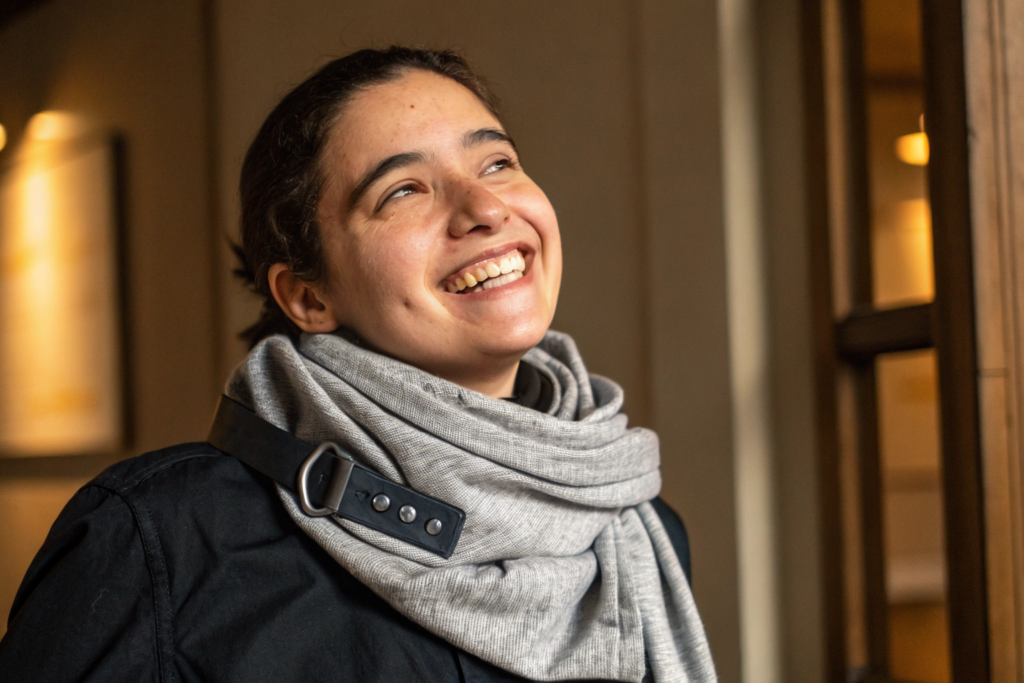
Adaptive accessories for people with disabilities are an emerging niche. These include magnetic-clasp scarves for people with limited hand mobility, easy-grip hair clips for arthritis, and sensory-friendly headbands for people with autism. The design focuses on ease of use, comfort, and safety. Magnetic closures replace buttons and clasps. Soft, tagless fabrics reduce irritation. Large handles make gripping easier. This market is underserved. Customers are loyal. They will pay a premium for products that make their lives easier.
I want to share a story about a sensory-friendly headband. A client designed a headband with no tags, no seams, and soft fabric. She marketed it to people with autism and sensory processing disorder. The response was overwhelming. Customers wrote thank-you notes. They had never found a comfortable headband. The niche was small, but the impact was large.
What Design Features Are Important for Adaptive Accessories?
Ease of use is the most important. Magnetic closures instead of buttons. Large zipper pulls. Easy-grip handles. Comfort is next. Soft fabrics. No tags. No sharp edges. Flat seams. Safety is also critical. No small parts that can come loose. Non-toxic materials. The design should be tested by people with disabilities. We have adaptive design guidelines for clients.
Who Is the Target Customer for Adaptive Accessories?
The target customer includes people with arthritis, limited hand mobility, autism, sensory processing disorder, and other conditions. It also includes caregivers and occupational therapists who recommend products. This customer is grateful for products that work. They are loyal. They share their finds with others. The market is growing as awareness increases.
How Are Smart Accessories with Integrated Technology Emerging?
Technology is everywhere. It is in our phones. It is in our watches. Now it is in our accessories. I have seen smart belts, smart bags, and smart hats. The technology is small. It is lightweight. It is affordable. The market is just beginning.
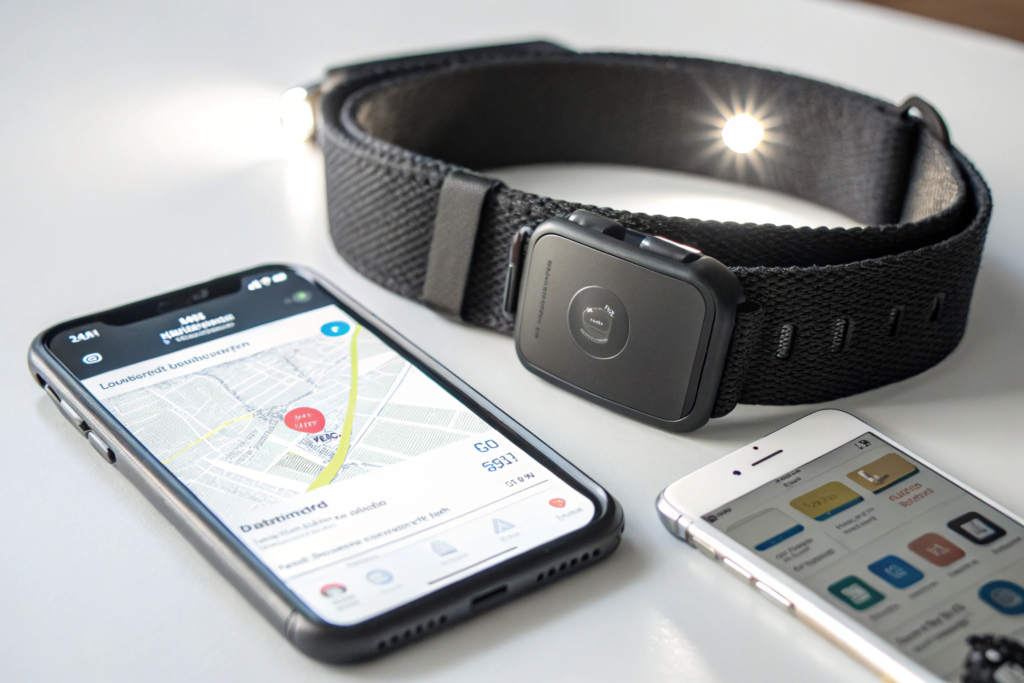
Smart accessories with integrated technology are an emerging niche. These include belts with GPS trackers for hikers, bags with USB charging ports, and hats with built-in LED lights. The technology is discreet. It does not compromise style. The accessories are functional. They solve real problems. The market is driven by tech-savvy consumers. It includes travelers, outdoor enthusiasts, and urban commuters. The challenge is integrating technology without adding bulk. The opportunity is creating accessories that are both stylish and smart.
I want to share a story about a smart bag. A client created a crossbody bag with a hidden USB port. You could charge your phone from a power bank inside the bag. The bag sold well to travelers. They loved not having to hold a phone and a charger. The technology added value.
What Technologies Can Be Integrated into Accessories?
GPS trackers for location tracking. USB ports for charging. LED lights for visibility. Heating elements for warmth. Sensors for health monitoring. The technology should be small, lightweight, and durable. The battery should last. The interface should be simple. We work with technology partners for smart accessories.
Who Is the Target Customer for Smart Accessories?
The target customer is tech-savvy. They own smart watches. They use fitness trackers. They are early adopters. They are often travelers, commuters, and outdoor enthusiasts. They value convenience. They are willing to pay for innovation. This market is growing as technology becomes smaller and cheaper.
Why Are Sustainable Accessories from Upcycled Materials a Growing Niche?
Sustainability is not a trend. It is a movement. Consumers are demanding products that are good for the planet. I have seen a surge in demand for accessories made from recycled and upcycled materials. The market is growing fast.
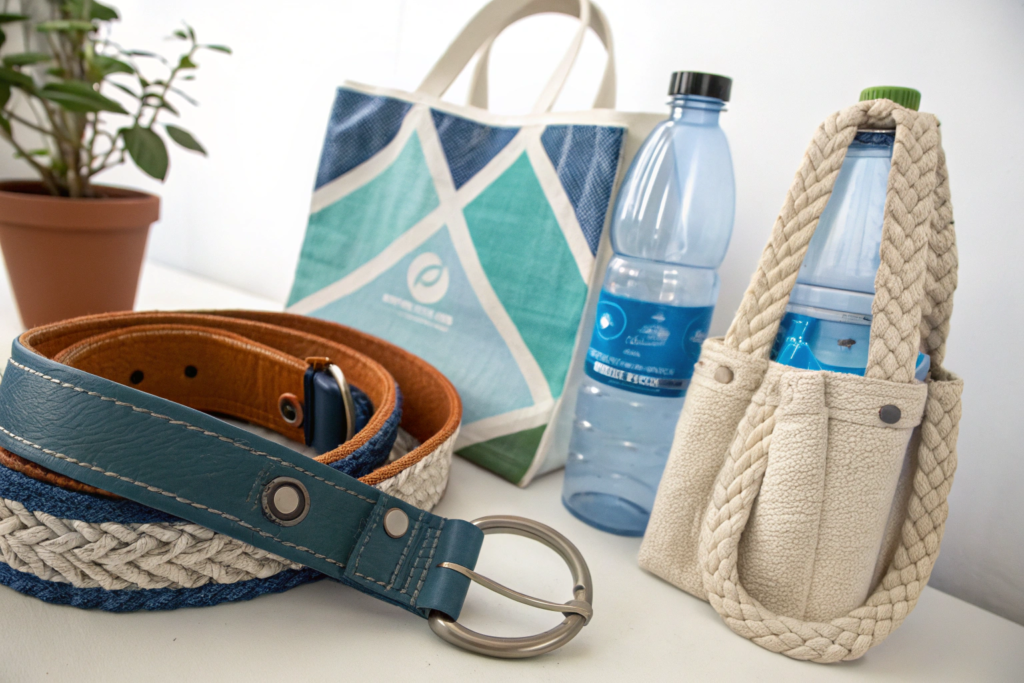
Sustainable accessories from upcycled materials are a growing niche. These include belts made from recycled seatbelts, bags from old sails, and scarves from plastic bottles. The materials are diverted from landfills. They are given new life. The products have a story. Customers are willing to pay a premium for sustainability. The market includes eco-conscious consumers, outdoor brands, and corporate gift buyers. The challenge is sourcing consistent materials. The opportunity is creating unique, story-driven products.
I want to share a story about a client who made bags from upcycled sails. Each bag was unique. The sails had marks from their previous life. The customers loved the history. The bags sold at a premium. The sustainability story was a key selling point.
What Upcycled Materials Are Available?
Recycled seatbelts are popular for belts. They are durable. They have a unique texture. Old sails are used for bags. They are strong. They have character. Plastic bottles are recycled into polyester fabric. This is used for scarves and hats. Leather scraps are used for small accessories. Carpet fibers are used for bags. The materials are available. The supply is growing. We source upcycled materials from specialized suppliers.
Who Is the Target Customer for Sustainable Accessories?
The target customer is eco-conscious. They care about the environment. They are willing to pay more for sustainable products. They often research the brand’s practices. They value transparency. They are loyal to brands that align with their values. This market is growing as awareness of environmental issues increases.
Conclusion
The future of fashion accessories is in niches. The mass market is saturated. Consumers want products designed for them. Performance accessories for outdoor enthusiasts. Adaptive accessories for people with disabilities. Smart accessories with integrated technology. Sustainable accessories from upcycled materials. Gender-neutral accessories. Pet accessories. Accessories for seniors and tweens.
Each niche is an opportunity. The customers are loyal. They are willing to pay a premium. The competition is lower. A niche can be the foundation of a successful business.
At Shanghai Fumao, we are ready to help you enter a niche. We have the flexibility. We have the expertise. We have the materials. Let us work together to find your niche. Please contact our Business Director, Elaine, at elaine@fumaoclothing.com to discuss your niche market idea. We can help you design, source, and produce accessories that serve a specific, underserved customer.