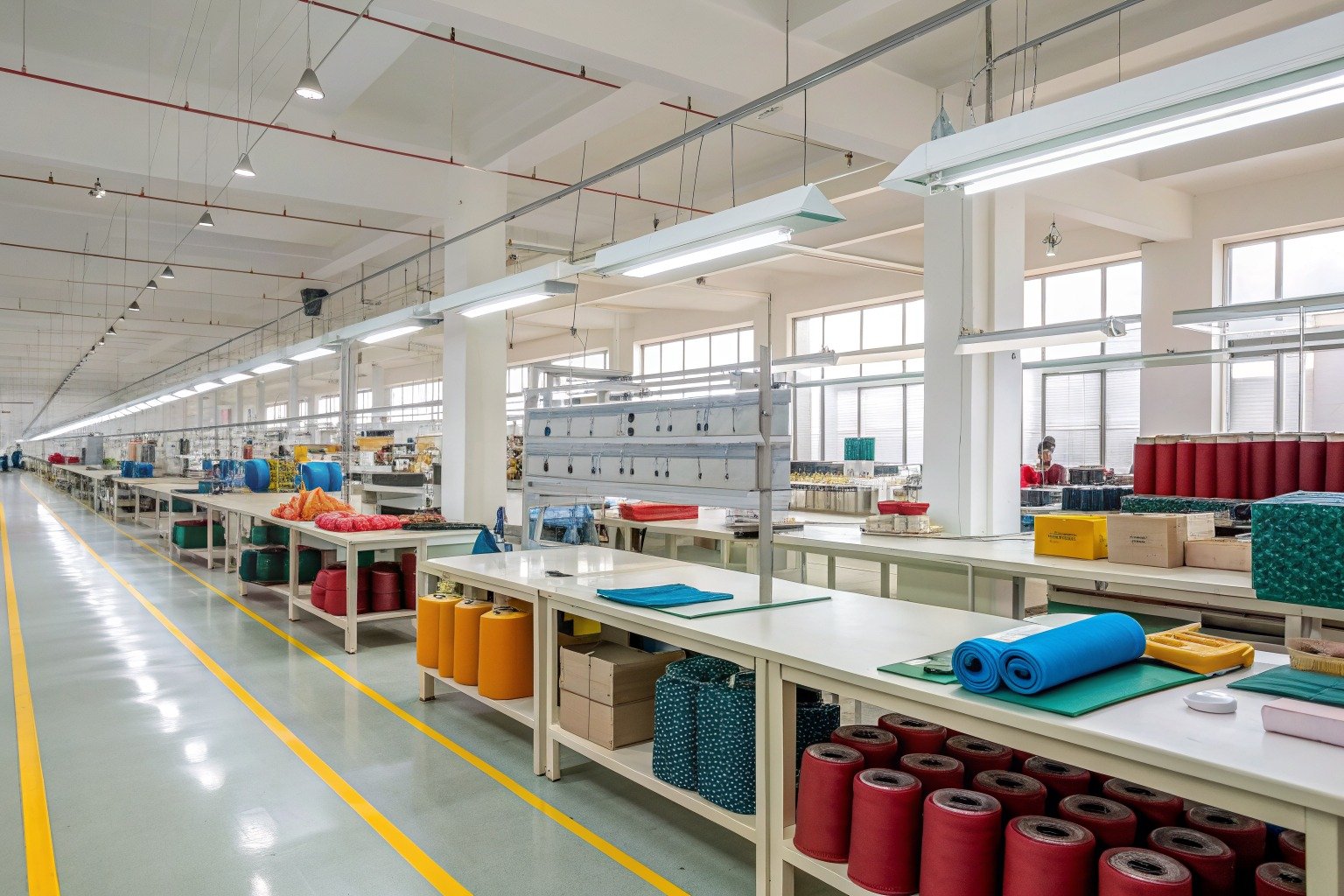
I have been manufacturing accessories for over 15 years. In that time, I have seen quality failures. They are costly. They damage brands. I remember a client who received a shipment of belts. The buckles were loose. The leather was scratched. She was furious. She had trusted her supplier. She had not implemented a quality assurance program. She assumed the supplier would deliver quality. That assumption cost her. She had to discount the belts. She lost money. She lost trust. That experience taught me that quality cannot be assumed. It must be managed. Today, I want to share how to implement a quality assurance program with your supplier.
Implementing a quality assurance program with your supplier involves defining quality standards, establishing inspection points, creating documentation, conducting regular audits, and maintaining open communication. Start by defining your quality standards in writing. Include dimensions, materials, color, and finish. Then establish inspection points. Incoming material inspection. In-process inspection. Final inspection. Create documentation. Inspection reports. Test results. Corrective action reports. Conduct regular audits of your supplier’s facility. Verify their processes. Finally, maintain open communication. Discuss quality issues openly. Work together to solve problems. A quality assurance program is a partnership. It protects your brand and builds trust.
You might be thinking, "I am not a quality expert. I do not know how to set up a program." You do not need to be an expert. You need a system. The system does not have to be complex. It just has to be consistent. At Shanghai Fumao, we have quality assurance programs with all our clients. We have learned what works. Let me walk you through the steps.
How Do You Define Quality Standards?
Quality starts with a definition. You cannot inspect for quality if you do not know what quality looks like. I have seen clients say "I want good quality." That is not a definition. It is an opinion. A definition is measurable. It is specific.
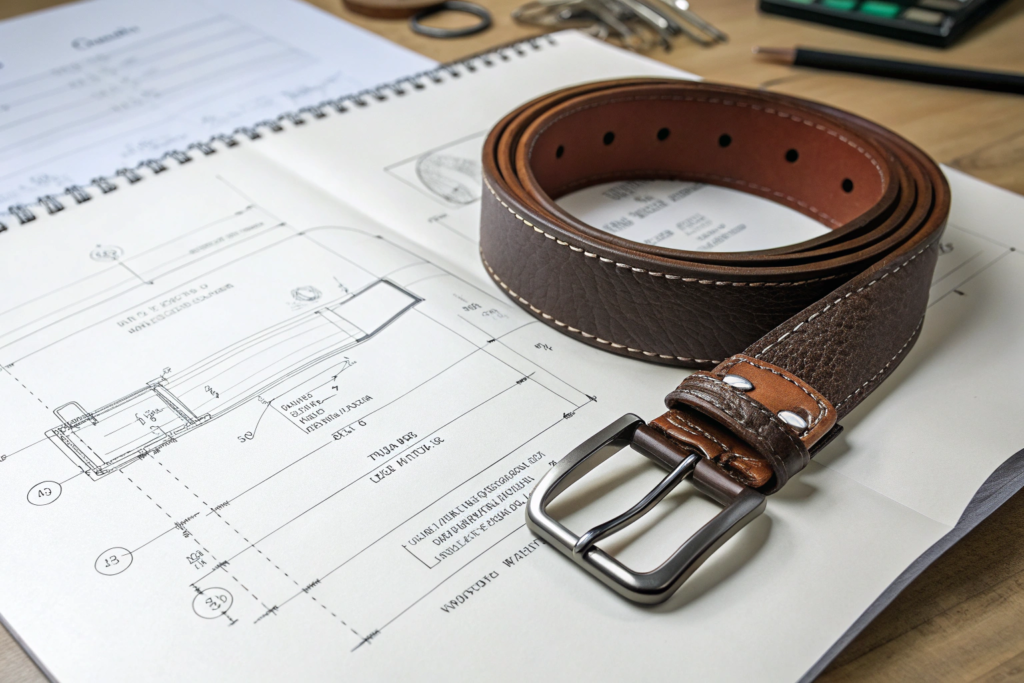
Defining quality standards requires clear, measurable specifications. Include dimensions with tolerances. For a belt, specify the length, width, and thickness. Include materials. Specify the leather type, the buckle metal, and the thread. Include color. Provide a Pantone number or a physical swatch. Include finish. Specify gloss level, texture, and edge treatment. Include construction. Specify stitch type, stitch density, and attachment method. Include packaging. Specify box type, label placement, and quantity per pack. Write these specifications down. Share them with your supplier. This document becomes the basis for quality inspection.
I want to share a story about specifications. A client ordered a "red" hair clip. The supplier delivered a burgundy clip. The client rejected it. The supplier argued that burgundy is a shade of red. The client had not specified the exact color. Now, we always use Pantone numbers. There is no argument. The specification is clear.
What Should Be Included in a Quality Specification?
Include dimensions. Length, width, height, and tolerances. Include materials. Specific fabric type, metal alloy, or plastic grade. Include colors. Pantone numbers or physical swatches. Include finishes. Glossy, matte, textured, or plated. Include construction. Stitch type, stitch density, edge finish. Include function. Spring tension, buckle strength, clip grip. Include packaging. Box type, label, quantity. The more detail, the better. We provide a quality specification template for our clients.
How Do You Communicate Specifications to Your Supplier?
Send the specification document to your supplier. Review it together. Make sure they understand. Ask them to sign off. Keep a signed copy. If there is a dispute, you have documentation. For complex products, create a sample. The sample is the specification. The supplier must match the sample. We use approved samples as the gold standard.
What Are the Key Inspection Points?
Inspection should not happen only at the end. By then, it is too late. Defects have been made. Materials have been wasted. I have learned to inspect at three key points. Incoming materials. In-process. Final.
The key inspection points in a quality assurance program are incoming material inspection, in-process inspection, and final inspection. Incoming material inspection checks raw materials before production. Verify fabric, leather, metal, and packaging against specifications. Reject non-conforming materials. In-process inspection checks products during production. Check at critical steps. For a belt, check after cutting, after stitching, and after buckle attachment. Catch defects early. Final inspection checks finished products before shipping. Use AQL sampling. Check dimensions, color, finish, and function. Only ship products that pass.
I want to share a story about in-process inspection. A client ordered 10,000 hair clips. We inspected the incoming metal. It was good. We inspected after stamping. The clips were good. But we did not inspect after plating. The plating was thin. The clips rusted. We learned. Now, we inspect after every critical step.

What Is Incoming Material Inspection?
Incoming material inspection checks materials before production. For fabric, check color, weight, and weave. For leather, check thickness, grain, and softness. For metal, check composition and finish. For packaging, check print and dimensions. If materials are bad, the product will be bad. Reject non-conforming materials. We have incoming inspection checklists for different materials.
What Is In-Process Inspection?
In-process inspection checks products during production. The frequency depends on the process. For high-volume production, check every 100 pieces. For low-volume, check every 10 pieces. Check critical dimensions. Check function. Check appearance. If you find a defect, stop the line. Correct the problem. This prevents many defects from being made. We use in-process inspection forms.
How Do You Use AQL Sampling for Final Inspection?
You cannot inspect every piece. It takes too long. It costs too much. AQL sampling is the solution. It is a statistical method. You inspect a sample. You infer the quality of the whole batch. I have used AQL for years. It is reliable.
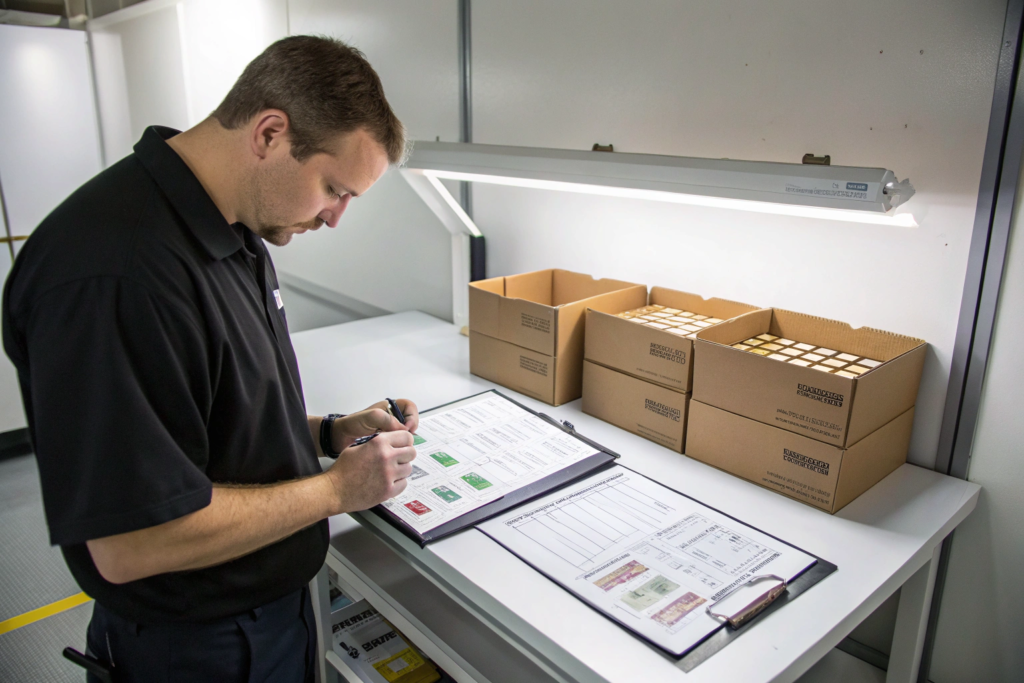
AQL (Acceptable Quality Limit) sampling is a standard method for final inspection. You determine the batch size. You select a sample size from an AQL table. You inspect the sample. You count defects. You classify defects as critical, major, or minor. Critical defects are not acceptable. Major defects have a low AQL (1.0 to 2.5). Minor defects have a higher AQL (4.0). If the defect count is below the limit, the batch passes. If above, the batch fails. The supplier must rework or replace. AQL is efficient and statistically valid.
I want to explain AQL with an example. A batch of 10,000 belts. The AQL table says sample 200 belts. The inspector finds 5 major defects. The AQL limit is 7. The batch passes. If the inspector finds 10 major defects, the batch fails. The supplier must rework. This system is clear and fair.
How Do You Choose the Right AQL Level?
The AQL level depends on the product and the customer. For critical safety items, use AQL 0 (zero defects). For high-quality products, use AQL 1.0 for major defects. For standard products, use AQL 2.5. For low-cost products, use AQL 4.0. Discuss with your supplier. Agree on the level. Write it in your agreement. We use AQL level guidelines for different accessory categories.
What Are Critical, Major, and Minor Defects?
Critical defects are safety issues. A sharp edge that can cut. A small part that can choke a child. These are never acceptable. Major defects affect functionality or appearance. A buckle that does not fasten. A color that is off. A scratch on a visible surface. Minor defects are small imperfections. A loose thread inside a seam. A slight color variation on a hidden area. The classification should be agreed with your supplier. We have a defect classification guide.
How Do You Create Quality Documentation?
Documentation is the backbone of quality assurance. If it is not written down, it did not happen. I have learned to document everything. Inspection reports. Test results. Corrective actions. This documentation protects you.
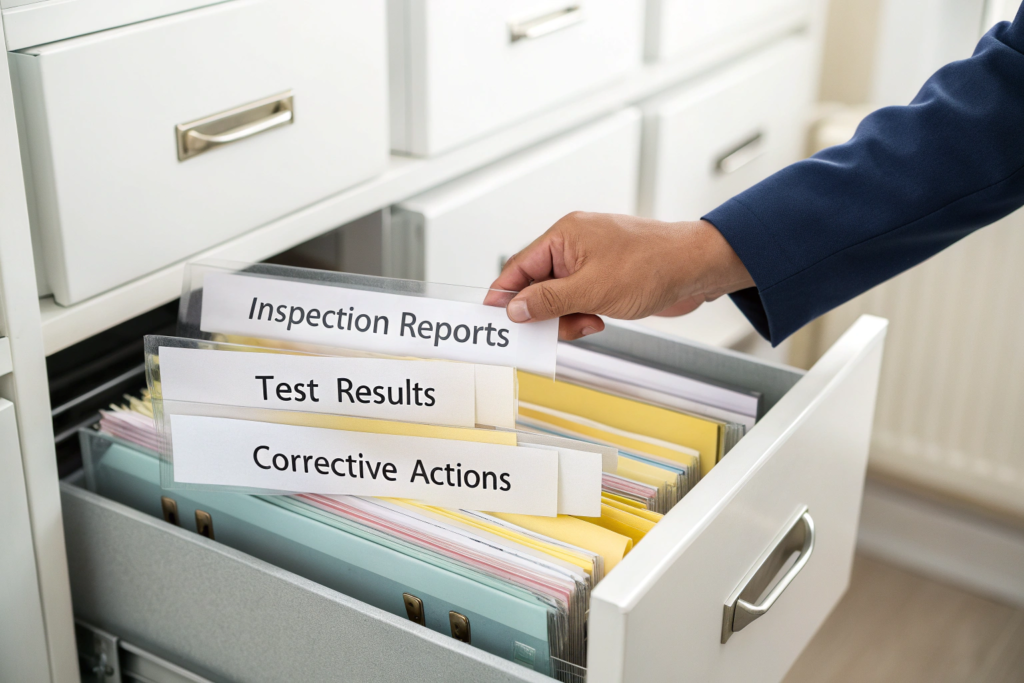
Quality documentation includes inspection reports, test results, corrective action reports, and audit records. Inspection reports document what was inspected, when, and by whom. They include the sample size, defect counts, and pass/fail decision. Test results document material tests, color fastness tests, and durability tests. Corrective action reports document problems and solutions. What was the problem? What caused it? What was done to fix it? How was it verified? Audit records document visits to the supplier’s facility. These records create a history. They show trends. They provide evidence in case of dispute.
I want to share a story about documentation. A client rejected a shipment. She said the color was wrong. We had the inspection report. It showed the color passed. We had the test report. It showed the color matched the standard. We had the signed approval. The client could not dispute. The documentation protected us.
What Should an Inspection Report Include?
An inspection report should include the date, the inspector name, the batch number, the sample size, the defect counts, and the pass/fail decision. It should include photos of defects. It should be signed. We use standard inspection report forms.
What Is a Corrective Action Report?
A corrective action report (CAR) is used when a problem occurs. It describes the problem. It identifies the root cause. It states the corrective action. It states who is responsible. It states the deadline. It has a section for verification. The CAR ensures that problems are fixed, not just noted. We use CAR forms for all quality issues.
Conclusion
Implementing a quality assurance program with your supplier is essential. It protects your brand. It reduces returns. It builds trust. The steps are clear. Define quality standards. Establish inspection points. Create documentation. Conduct audits. Communicate openly.
A quality assurance program is not about blame. It is about partnership. It is about continuous improvement. It is about delivering products that meet expectations.
At Shanghai Fumao, we are ready to be your partner. We have the systems. We have the documentation. We have the commitment. We welcome your quality program. Please contact our Business Director, Elaine, at elaine@fumaoclothing.com to discuss your quality assurance program. We can work together to define standards, establish inspections, and create documentation that protects your brand.