I have been manufacturing accessories for over 15 years. In that time, I have worked with many clothing brands. They come to me with a collection of dresses, tops, and pants. They need accessories to match. I remember a client who launched a beautiful clothing line. She sold the clothes well. But she did not have coordinating accessories. Her customers bought the dress and then went elsewhere for a belt. She lost sales. She came to me and said, "I need accessories that look like they were made for my clothes." We worked together. We matched colors. We matched styles. She launched an accessory line. Her sales increased. Today, I want to share what I have learned about sourcing coordinating accessories for a clothing collection.
Sourcing coordinating accessories for a clothing collection requires a systematic approach: defining your color palette, selecting accessory categories, matching materials and finishes, creating a balanced product mix, and managing sampling and production timelines. Start with your clothing collection’s color palette. Use Pantone numbers for accuracy. Select accessory categories that complement your clothing. Belts for dresses. Scarves for tops. Hair clips for casual wear. Bags for complete looks. Match materials and finishes. A leather belt should match the leather trim on a bag. Create a balanced mix of core items and statement pieces. Plan sampling and production to align with your clothing launch. Coordination creates a cohesive brand experience and increases sales.
You might be thinking, "I have a clothing line. I just need a few accessories. How hard can it be?" The challenge is coordination. The colors must match. The styles must complement. The quality must be consistent. A mismatched accessory looks like an afterthought. A coordinated accessory looks intentional. At Shanghai Fumao, we have helped many clothing brands create coordinated accessory lines. We have learned the process. Let me walk you through it.
How Do You Define Your Color Palette for Accessories?
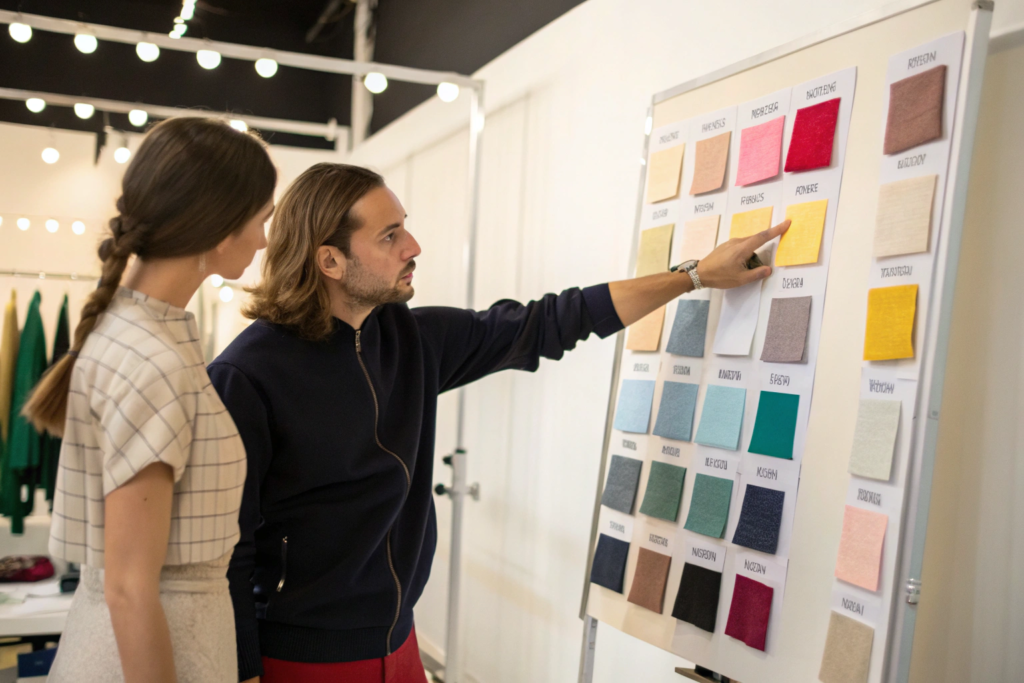
The first step is color. Your accessories must match your clothing. Not close. Not similar. Exact. I have seen clothing brands send a photo of a dress and say "match this." That is not enough. A photo can be deceiving. You need a physical standard.
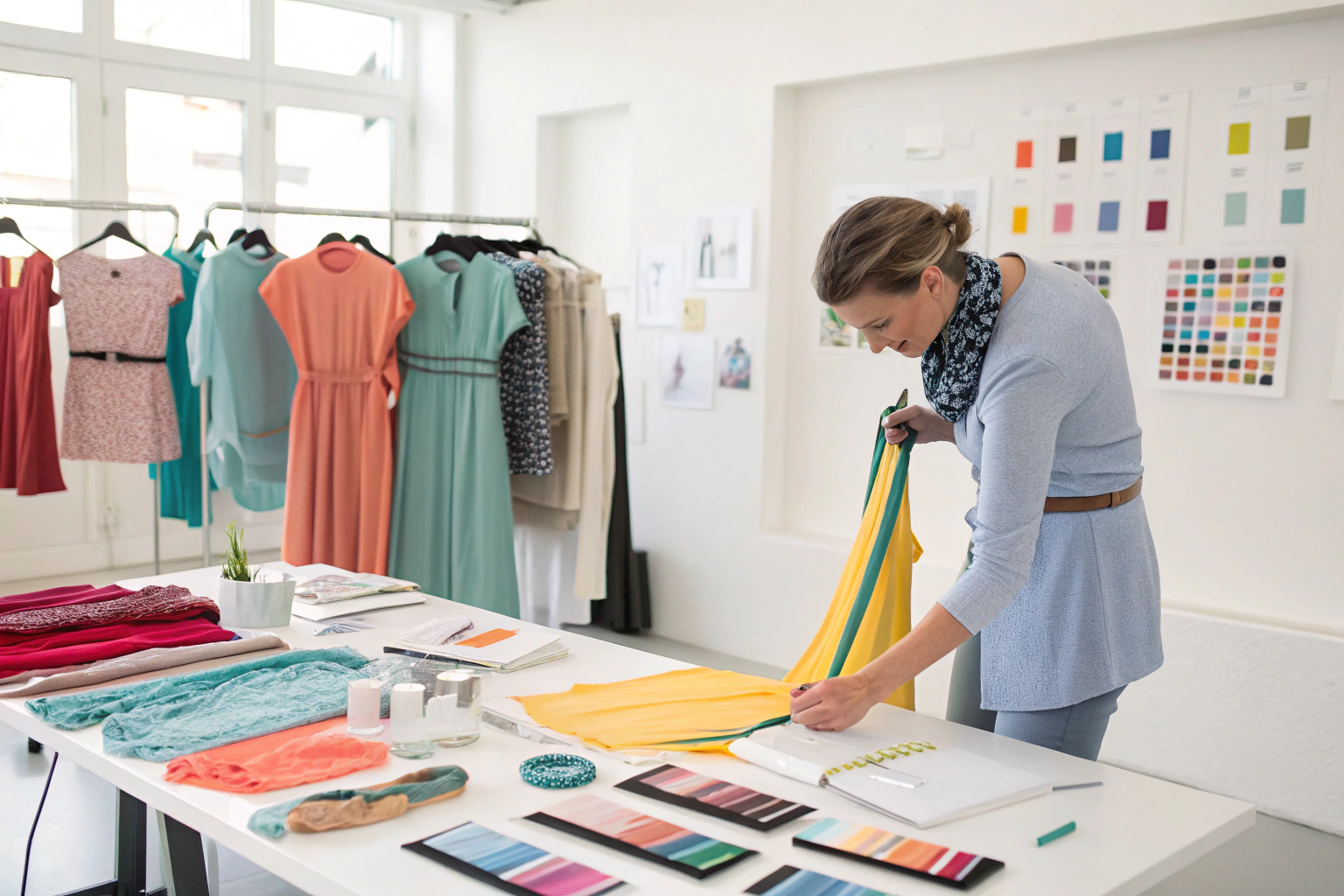
Defining your color palette for accessories starts with your clothing collection. Gather fabric swatches of each color in your collection. Use Pantone numbers to standardize. If you do not have Pantone numbers, send physical swatches to your accessory supplier. They will match to the swatch. Do not rely on photos. Photos vary by screen and lighting. A physical swatch is the only reliable standard. Once you have the color standards, list the colors you need for accessories. For each accessory, specify the Pantone number or provide a swatch. This ensures color consistency across your entire collection.
I want to share a story about color matching. A client sent us a photo of a dress. The color was described as "dusty rose." We made a belt. The belt did not match. The photo was taken under studio lights. The actual dress was different. We learned. Now, we require physical swatches. If a client cannot send a swatch, we send them a color card. They choose the closest match. Then we make a sample. They approve. No surprises.
How Do You Create a Color Palette for Accessories?
Start with your clothing colors. List the primary colors. Then list the secondary colors. Then list the accent colors. For accessories, you may not need all colors. Focus on the colors that are most prominent. For a collection with 10 colors, you might only produce accessories in 4 colors. Choose the colors that sell best. Also consider neutrals. Black, white, and beige accessories are versatile. They work with many outfits. We have a color palette template for clothing brands.
How Do You Communicate Colors to Your Accessory Supplier?
Send physical swatches. Cut a small piece of fabric from your clothing. Label it with the color name. Send it to your supplier. If you cannot cut a swatch, use Pantone numbers. Order a Pantone guide. Choose the number that matches. Provide the number to your supplier. If you are unsure, request a sample. The supplier will make a sample in your color. You approve it. That sample becomes the standard. This color communication guide is helpful.
Which Accessory Categories Should You Source?
Not all accessories are right for every clothing line. A formal dress line needs different accessories than a casual line. A bohemian line needs different accessories than a minimalist line. I have learned to match accessory categories to clothing styles.
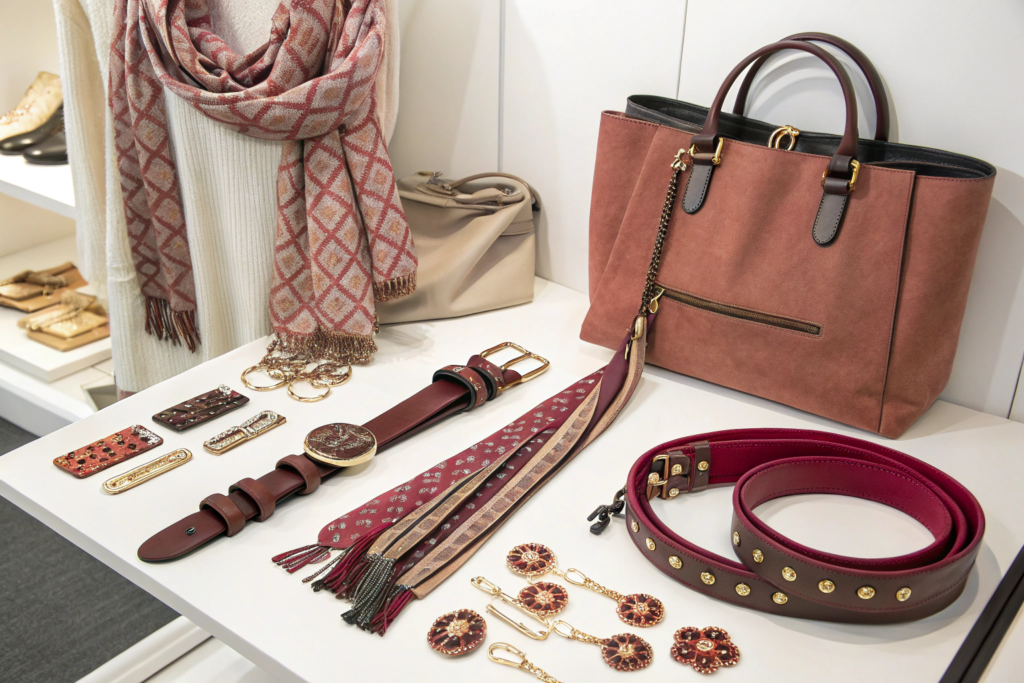
The accessory categories you source should complement your clothing styles. For dresses, consider belts to cinch the waist, scarves to add color, and bags to complete the look. For tops, consider hair clips, brooches, and lightweight scarves. For pants, consider belts and bags. For casual wear, consider hats, hair clips, and tote bags. For evening wear, consider clutch bags, statement belts, and embellished hair clips. The key is to choose accessories that your customers will naturally pair with your clothing. Think about how they will wear the outfit. Then add the accessories that make the outfit complete.
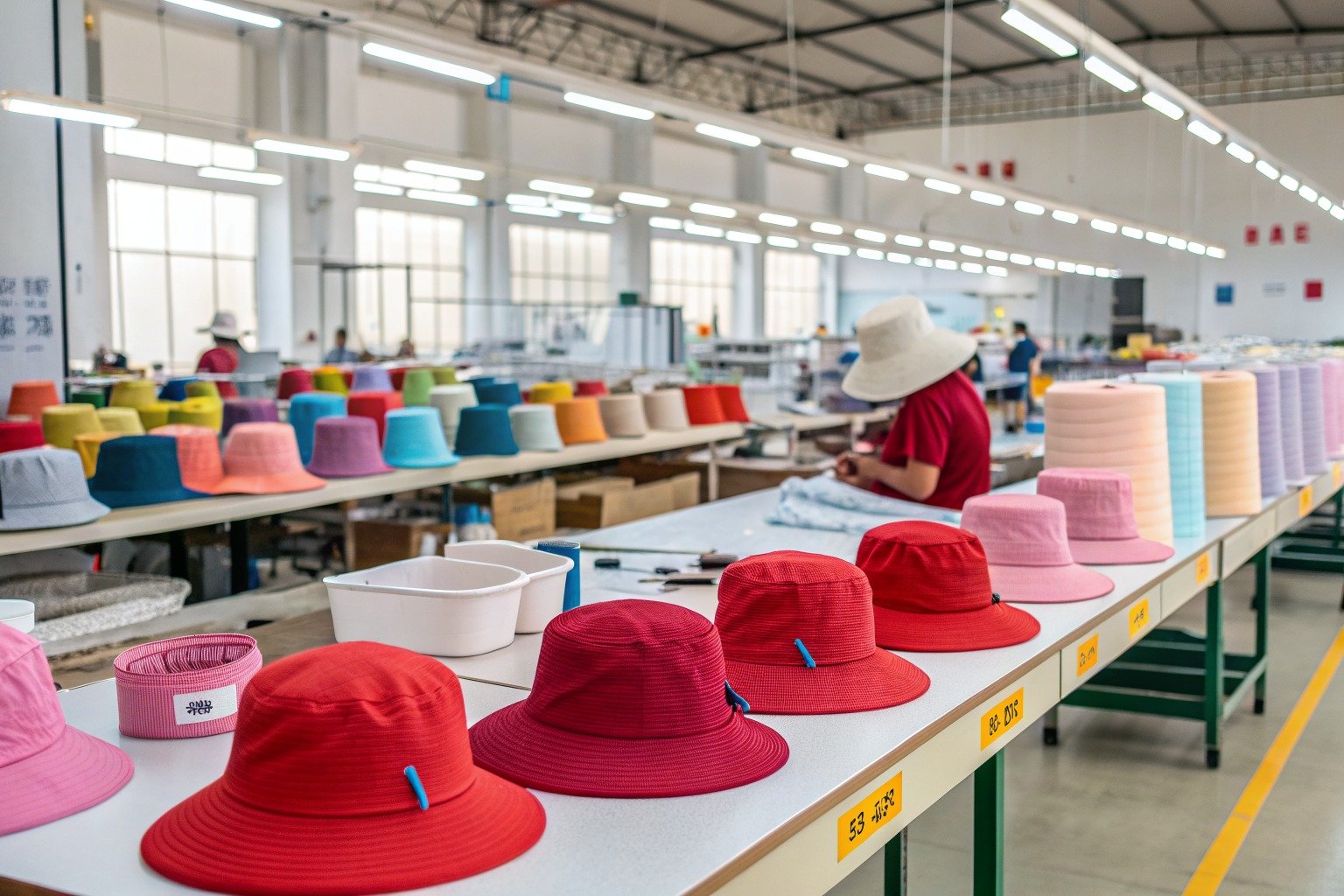
I want to share a story. A client had a line of summer dresses. She wanted accessories. I suggested wide-brim hats and straw bags. She was hesitant. She thought hats were too much. She tried them. The hats sold out. Customers loved the complete look. The hats matched the dresses perfectly. The accessory category was right for the clothing.
What Accessories Work Best with Dresses?
Belts are the most common. A belt can define the waist. It can add structure to a loose dress. Scarves are also popular. A silk scarf can be tied at the neck or worn as a headband. Bags are essential. A clutch for evening. A tote for day. Hair clips are a growing category. A decorative clip adds a finishing touch. For winter dresses, gloves and hats are appropriate.
What Accessories Work Best with Tops and Pants?
Belts are essential for pants. They define the waist. They add a focal point. Scarves work well with simple tops. A scarf adds color and texture. Hair clips are popular for casual tops. A clip pulls hair back. It adds style. Brooches are making a comeback. They can be pinned to a blouse or jacket. Bags are always needed. A crossbody bag for day. A clutch for evening.
How Do You Match Materials and Finishes?
Color is not enough. Materials must also coordinate. A shiny patent leather belt with a matte cotton dress looks off. A rough jute bag with a silk dress looks wrong. I have learned to match materials and finishes.
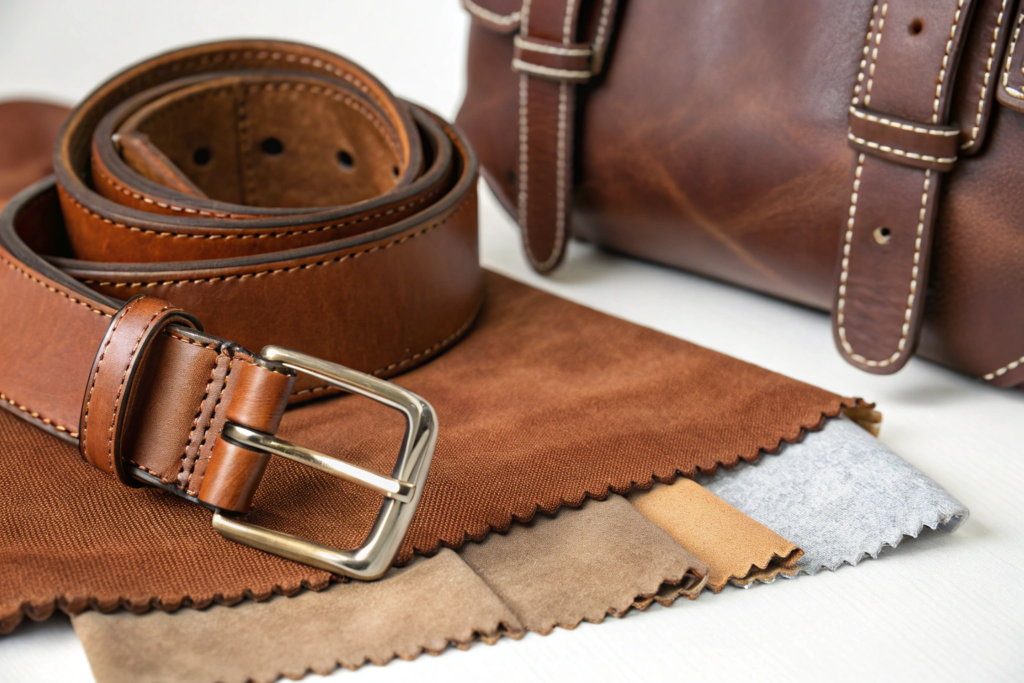
Matching materials and finishes creates a cohesive look. If your clothing uses matte fabrics, choose accessories with matte finishes. If your clothing uses shiny fabrics, choose accessories with shiny finishes. For leather accessories, match the leather type. Smooth leather with smooth leather. Suede with suede. For metal accessories, match the finish. Gold with gold. Silver with silver. For fabric accessories, match the texture. A chunky knit scarf with a chunky sweater. A fine silk scarf with a silk blouse. These small details make the collection feel intentional.
I want to share a story. A client had a line of linen dresses. The linen was matte and textured. She wanted leather belts. I suggested a matte, vegetable-tanned leather. The belt had a similar texture to the linen. It looked natural. If she had chosen a shiny, patent leather, it would have clashed. The material match mattered.
How Do You Match Metal Finishes?
Metal finishes are important for buckles, clasps, and jewelry. If your clothing has gold buttons or zippers, use gold-toned buckles. If your clothing has silver hardware, use silver-toned buckles. If your clothing has no metal, you can choose either. But be consistent across your accessory line. All belts should have the same metal finish. All bags should have the same metal finish. This consistency is professional. We offer a range of metal finishes for accessories.
How Do You Match Leathers?
Leather comes in many types. Smooth leather. Pebbled leather. Suede. Nubuck. Patent. For a coordinated collection, choose one leather type for your accessories. Or choose complementary types. For example, a smooth leather belt with a pebbled leather bag can work. But a patent leather belt with a suede bag is a mismatch. When in doubt, match the leather type. We offer a range of leather types for accessories.
How Do You Create a Balanced Product Mix?
A good accessory line has a mix. Some items are core. They sell year after year. Some items are statement. They create excitement. I have learned to balance the mix. Too many core items, and the line is boring. Too many statement items, and the line is risky.
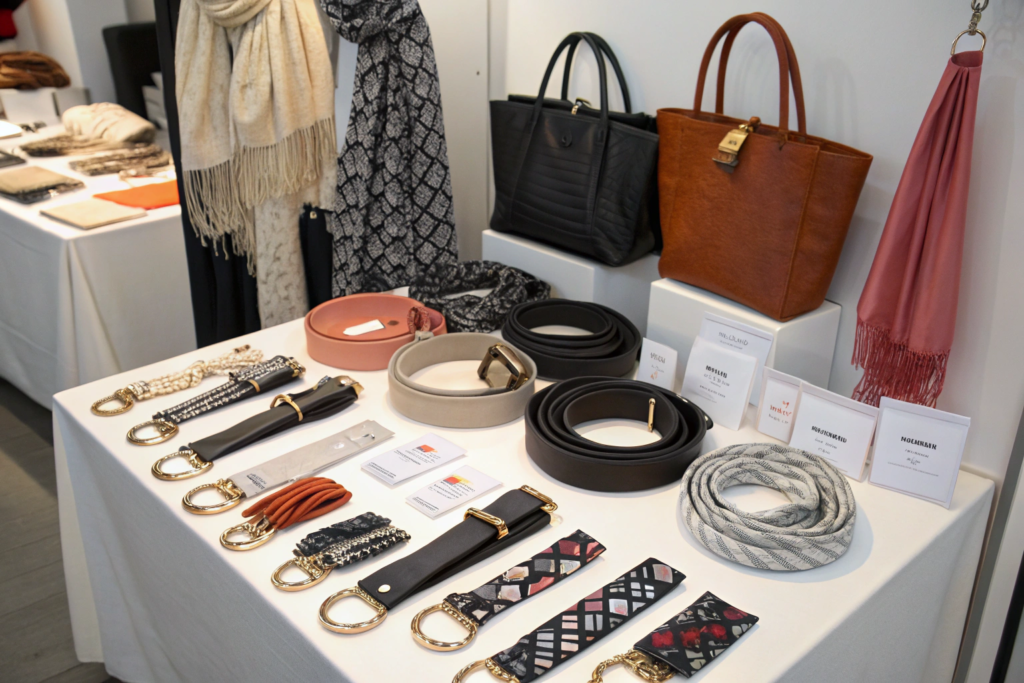
A balanced accessory product mix includes core items and statement items. Core items are neutral colors, classic styles, and affordable prices. Black belts. Neutral scarves. Simple hair clips. These sell consistently. They are the foundation of your accessory line. Statement items are bold colors, unique designs, and higher prices. Printed scarves. Embellished bags. Trendy hair clips. These create excitement. They attract attention. They are for customers who want something special. A good ratio is 70% core and 30% statement. This balance provides stability and excitement.
I want to share a story. A client launched an accessory line with all statement items. Bright colors. Bold designs. The collection was beautiful. But it did not sell well. Customers loved the look but did not buy. They wanted basics too. The client added core items. Black belts. Neutral scarves. Sales increased. The core items supported the statement items.
What Are Core Accessory Items?
Core items are timeless. They do not go out of style. Black leather belts. Beige silk scarves. Silver hair clips. Brown leather bags. These items sell year after year. They are safe bets. They should make up the majority of your line. We have a core accessory guide for clothing brands.
What Are Statement Accessory Items?
Statement items are trendy. They are for the current season. Leopard print belts. Neon hair clips. Embroidered bags. These items create buzz. They attract customers. But they may not sell next season. They should make up a smaller portion of your line. The key is to identify the trends that fit your brand. We have a trend forecasting service for statement items.
Conclusion
Sourcing coordinating accessories for a clothing collection is a process. It starts with color. Define your palette. Use physical swatches or Pantone numbers. Choose accessory categories that complement your clothing. Belts for dresses. Scarves for tops. Bags for complete looks. Match materials and finishes. Leather with leather. Matte with matte. Gold with gold. Create a balanced product mix. 70% core items. 30% statement items. Manage your timelines. Start early. Align production with your clothing launch.
At Shanghai Fumao, we are here to help. We offer color matching, material selection, sampling, and production coordination. We want your accessory line to be a success. Your clothing collection deserves accessories that complete the look. Let us help you create them.
Please contact our Business Director, Elaine, at elaine@fumaoclothing.com to discuss your clothing collection. We can help you source coordinating accessories that will delight your customers and increase your sales.