I have been manufacturing accessories for over 15 years. In that time, I have seen production delays happen. They happen to every manufacturer. They happen for many reasons. Material delays. Machine breakdowns. Labor shortages. Quality issues. I remember a client who had a major delay. Her order was for a large retailer. The shipment was late. She was panicked. She called me, angry. I listened. I explained the situation. We worked together to find a solution. We expedited the order. We split the shipment. The retailer was satisfied. The client continued to work with us. That experience taught me that a delay does not have to end a relationship. How you recover matters. Today, I want to share what I have learned about recovering from a production delay with your accessory supplier.
Recovering from a production delay requires clear communication, a revised timeline, expedited production, and sometimes splitting shipments. The first step is to communicate. The supplier must inform you as soon as the delay is known. Hiding the problem makes it worse. The second step is to create a revised timeline. What is the new estimated completion date? The third step is to expedite production. Can the supplier add overtime? Can they allocate more resources? The fourth step is to consider splitting the shipment. Ship what is ready first. The rest later. This allows you to meet partial deadlines. The goal is to minimize the impact on your business. A good supplier will work with you to find solutions.
You might be thinking, "This is the supplier’s fault. Why should I help?" The answer is that you have a business to run. Blaming does not solve the problem. Solutions do. A good supplier will take responsibility. They will work with you. At Shanghai Fumao, we have had delays. We have learned to handle them. Let me walk you through the steps to recover.
What Should You Do When You First Learn of a Delay?
The moment you learn of a delay, your reaction matters. Panic does not help. Anger does not help. You need information. You need a plan. I have seen clients who reacted with anger. The supplier became defensive. Communication broke down. The delay got worse. I have also seen clients who asked for information calmly. They worked with the supplier. The delay was resolved faster.
When you first learn of a delay, stay calm and gather information. Ask the supplier: What caused the delay? How long will it be delayed? What is the new estimated completion date? What are you doing to fix it? What are my options? The supplier should be transparent. They should take responsibility. They should not make excuses. Document the conversation. Get the new timeline in writing. This information is the basis for your next steps.
I want to share a story about a client who handled a delay well. We had a material shortage. I told her immediately. She did not yell. She asked for the new timeline. She asked what we were doing. She asked if we could expedite. We worked together. The order shipped only one week late. She still met her customer’s deadline. Her calm approach made the difference.

What Information Should You Request?
Request the cause of the delay. Is it material? Production? Quality? Request the new estimated completion date. Request the new shipping date. Request what the supplier is doing to expedite. Request options. Can you split the shipment? Can you air freight a portion? Can you substitute materials? Get this in writing. An email is fine. This documentation protects you.
How Do You Document the Delay?
Documentation is important. Send a follow-up email. "As per our call, the order will be delayed by two weeks. The new estimated completion date is X. You are adding overtime to expedite. Please confirm." This creates a record. If the delay extends, you have evidence. If you need to escalate, you have documentation. We provide delay documentation to our clients.
How Do You Create a Revised Timeline?
Once you know the delay, you need a new plan. The original timeline is gone. You need to know when you will actually receive the goods. This new timeline is critical. It affects your inventory. It affects your sales. It affects your customers.
Creating a revised timeline involves understanding the new production schedule, the new shipping schedule, and the new delivery date. Ask the supplier for a detailed new timeline. When will production start? When will it finish? When will quality control be done? When will it ship? What is the transit time? Calculate the new delivery date. Build in buffer time. Delays can cascade. Share this timeline with your team. Adjust your sales and marketing plans. Communicate with your customers if necessary.
I want to share a story about a revised timeline. A client had a delay. We gave her a new timeline. She adjusted her marketing. She delayed her email campaign. She communicated with her retail partners. The delay was managed. Her customers were not disappointed. The revised timeline allowed her to plan.

How Do You Build Buffer Time into Your Plan?
Buffer time is extra time to account for unforeseen issues. If the supplier says 10 days, plan for 14. If the shipping says 14 days, plan for 21. Build buffer into your inventory. If you need the goods by a certain date, work backward. Give yourself extra time. This buffer protects you from further delays. We recommend a buffer planning guide.
How Do You Communicate the Revised Timeline Internally?
Share the revised timeline with your team. Sales needs to know when products will be available. Marketing needs to adjust campaigns. Customer service needs to be prepared. Operations needs to plan receiving. A shared calendar or project management tool helps. Regular updates keep everyone aligned. We provide timeline templates for our clients.
How Can You Expedite Production?
Once a delay happens, you want to recover as fast as possible. Expediting production is the key. This may cost extra. But it may be worth it to meet your deadlines. I have worked with clients to expedite. We added shifts. We air freighted materials. We prioritized their order.
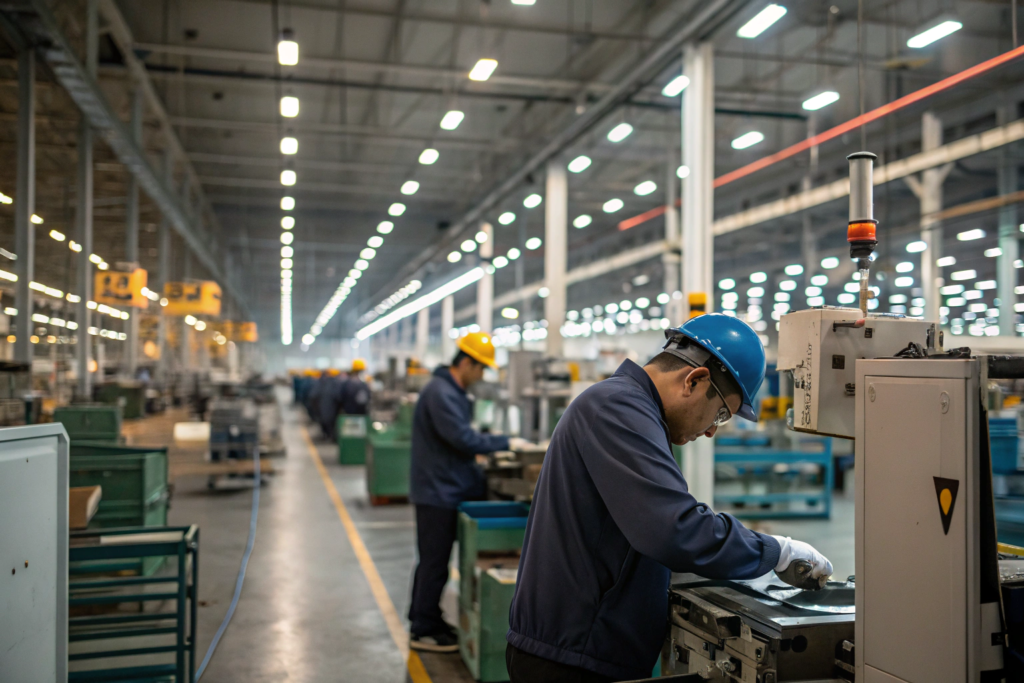
Expediting production involves adding resources. The supplier can add overtime shifts. They can allocate more workers to your order. They can prioritize your order over others. They can air freight materials instead of waiting for ocean freight. They can run the production line faster. Each of these options adds cost. You and the supplier should discuss who pays. Sometimes the supplier absorbs the cost if the delay was their fault. Sometimes you share the cost. Expediting is a trade-off between time and money.
I want to share a story about expediting. A client had a delay because of a material shortage. The material was our fault. We air freighted the material. It cost us $500. But the order was only delayed by three days. The client was satisfied. We absorbed the cost. Expediting was the right decision.
What Expediting Options Are Available?
Overtime shifts are the most common. Workers stay later or come in on weekends. This speeds up production. Adding more workers to your order is another option. Prioritizing your order over others is another. Air freight for materials or finished goods is another. Each option has a cost. The supplier should present options. You decide based on your timeline and budget. We offer expediting services for an additional fee.
Who Pays for Expediting?
This depends on who caused the delay. If the delay was the supplier’s fault, they should pay. If it was a force majeure (like a natural disaster), the cost may be shared. If the delay was caused by the buyer (late approval, design change), the buyer pays. This should be discussed. A good supplier will take responsibility for their mistakes. We have a delay responsibility policy.
Should You Split the Shipment?
Sometimes the entire order cannot be expedited. But part of it can. Splitting the shipment is a common solution. Ship what is ready first. Ship the rest later. This allows you to meet some deadlines. I have used this many times. It works.
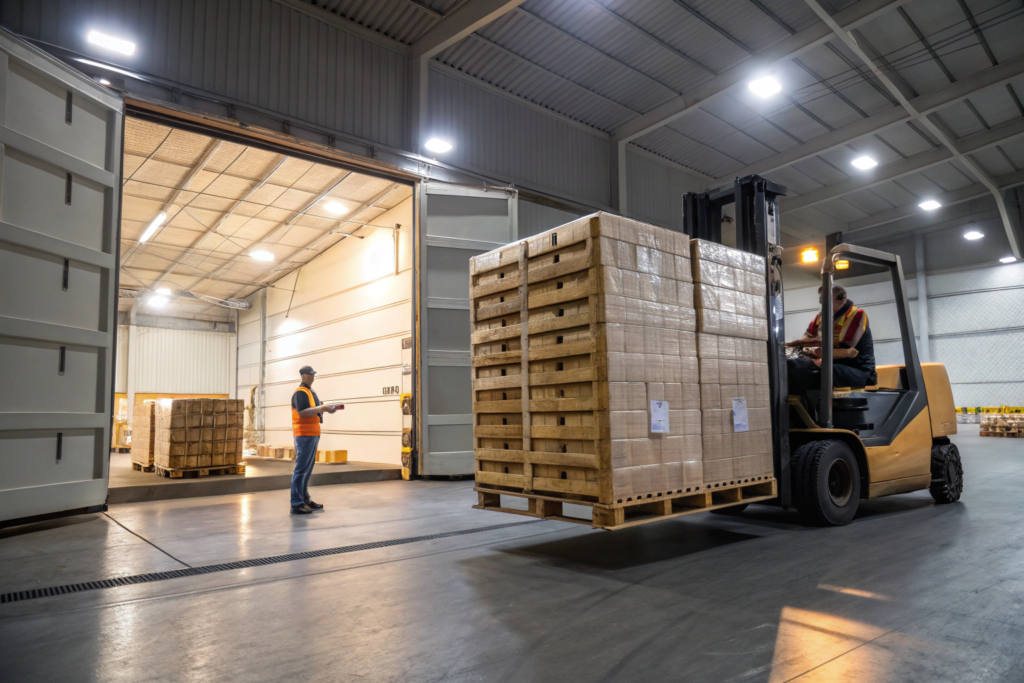
Splitting the shipment means shipping part of the order on time and the rest later. This is useful when you have a hard deadline for a portion of the order. For example, if you need samples for a trade show, ship them first. If you have a retail promotion, ship the promotional quantities first. The balance can come later. Splitting the shipment may increase shipping costs. You pay for two shipments instead of one. But it may be worth it to meet your deadline. The supplier should provide the split quantities and timelines.
I want to share a story about a split shipment. A client needed 10,000 units for a promotion. We had a delay. We could only produce 6,000 on time. We shipped 6,000 by air. The promotion went ahead. The remaining 4,000 shipped by sea two weeks later. The client was happy. The split shipment saved the promotion.
When Should You Split a Shipment?
Split a shipment when you have a hard deadline for a portion of the order. If you have a retail order with a specific in-store date, ship that portion first. If you have a pre-order campaign, ship the pre-order quantities first. If you have a trade show, ship the samples first. The balance can come later. The cost of splitting is worth it to meet the deadline.
How Do You Manage the Logistics of a Split Shipment?
Managing a split shipment requires coordination. The supplier needs to know which items go in the first shipment. They need to pack and label them separately. The shipping documents need to reflect the split. Two invoices. Two packing lists. Two bills of lading. You need to track both shipments. We have a split shipment process that we follow.
Conclusion
Production delays are stressful. But they do not have to be a disaster. Recovery is possible. The steps are clear. Communicate early. Gather information. Create a revised timeline. Expedite production. Split the shipment if needed. Communicate with your customers. Learn from the delay to prevent it in the future.
A good supplier will work with you. They will take responsibility. They will offer solutions. They will communicate honestly. They will help you recover.
At Shanghai Fumao, we are that supplier. We have handled delays. We have learned from them. We have systems to recover. We are committed to our clients. When a delay happens, we work together to fix it.
Your business will face challenges. How you handle them defines you. With the right partner, you can recover and grow. Please contact our Business Director, Elaine, at elaine@fumaoclothing.com to discuss your accessory manufacturing needs. We are committed to transparency and problem-solving. We will work with you to ensure your orders are delivered.