I’ve been in the accessory business for decades, and I can tell you that a cotton twill cap is one of the most ubiquitous and enduring accessories in the world. It’s a classic. But the difference between a cheap, flimsy cap that loses its shape after a few wears and a high-quality cap that looks great for years is immense. And that difference is not always visible in a product photo.
Buyers like Ron, who source for brands, sports teams, and promotional companies, know that their customers can tell the difference. A high-quality cap feels better, fits better, and lasts longer. It reflects well on the brand. Sourcing this level of quality requires a deep understanding of the fabric, the construction, and the finishing details that separate a good cap from a great one.
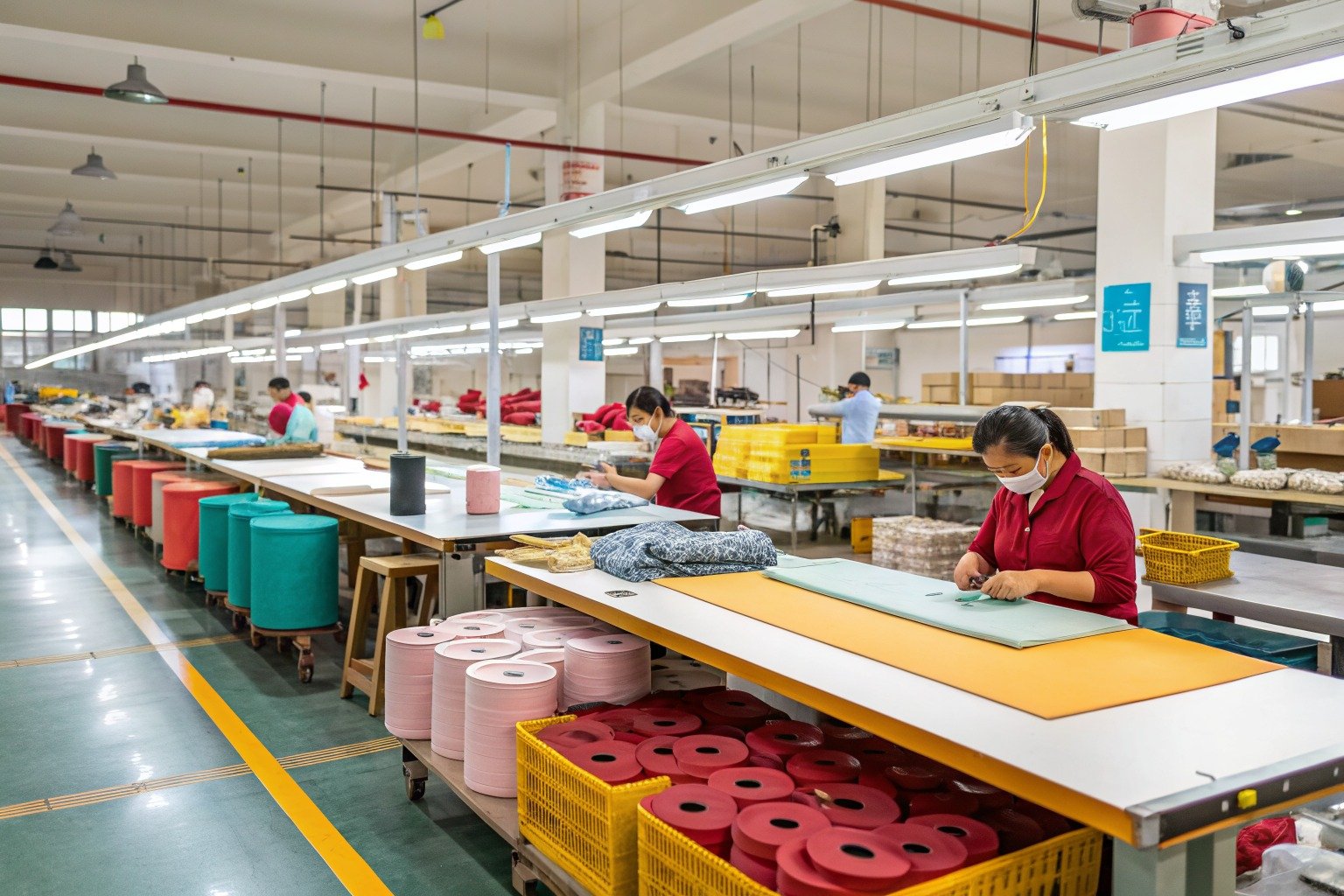
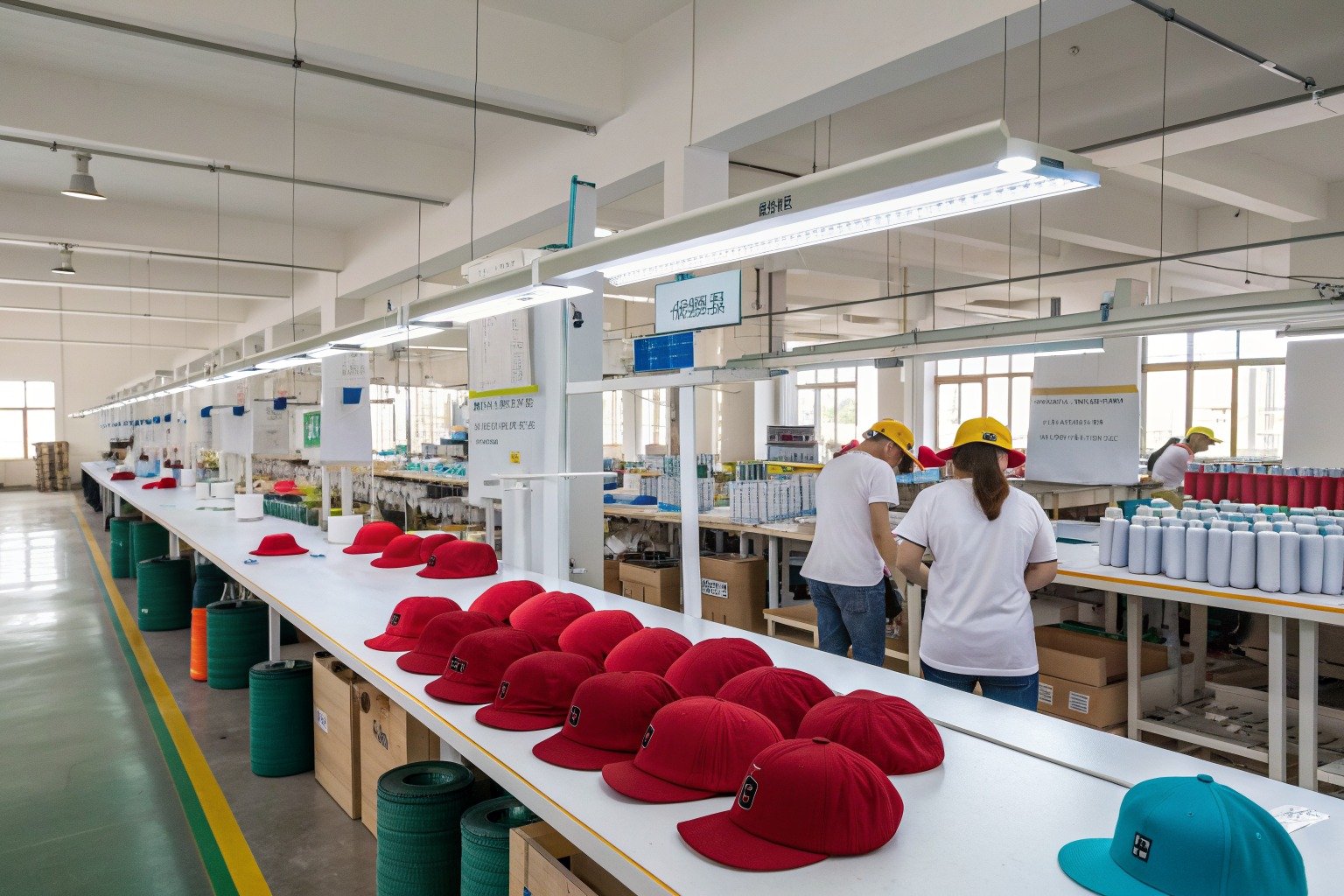
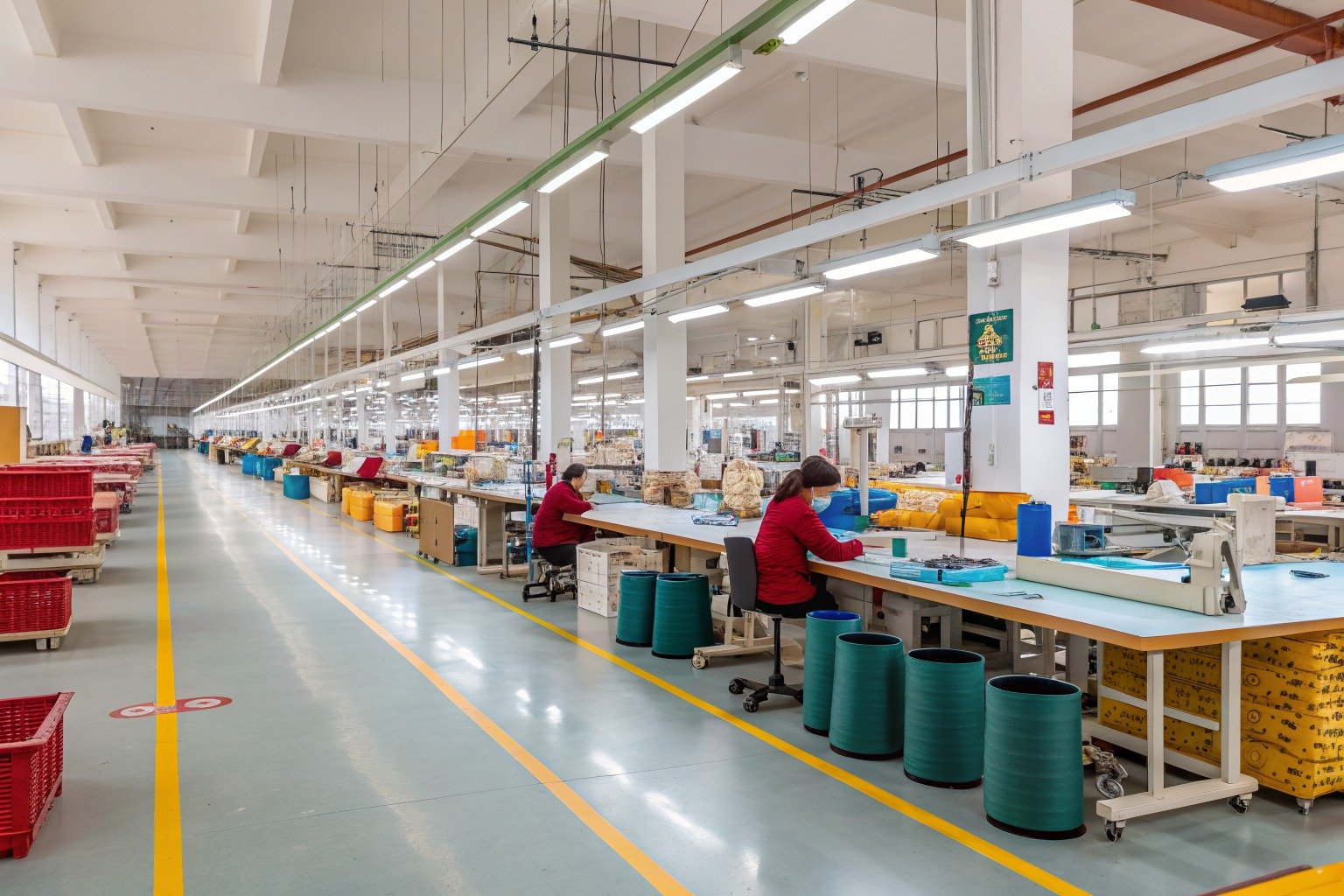
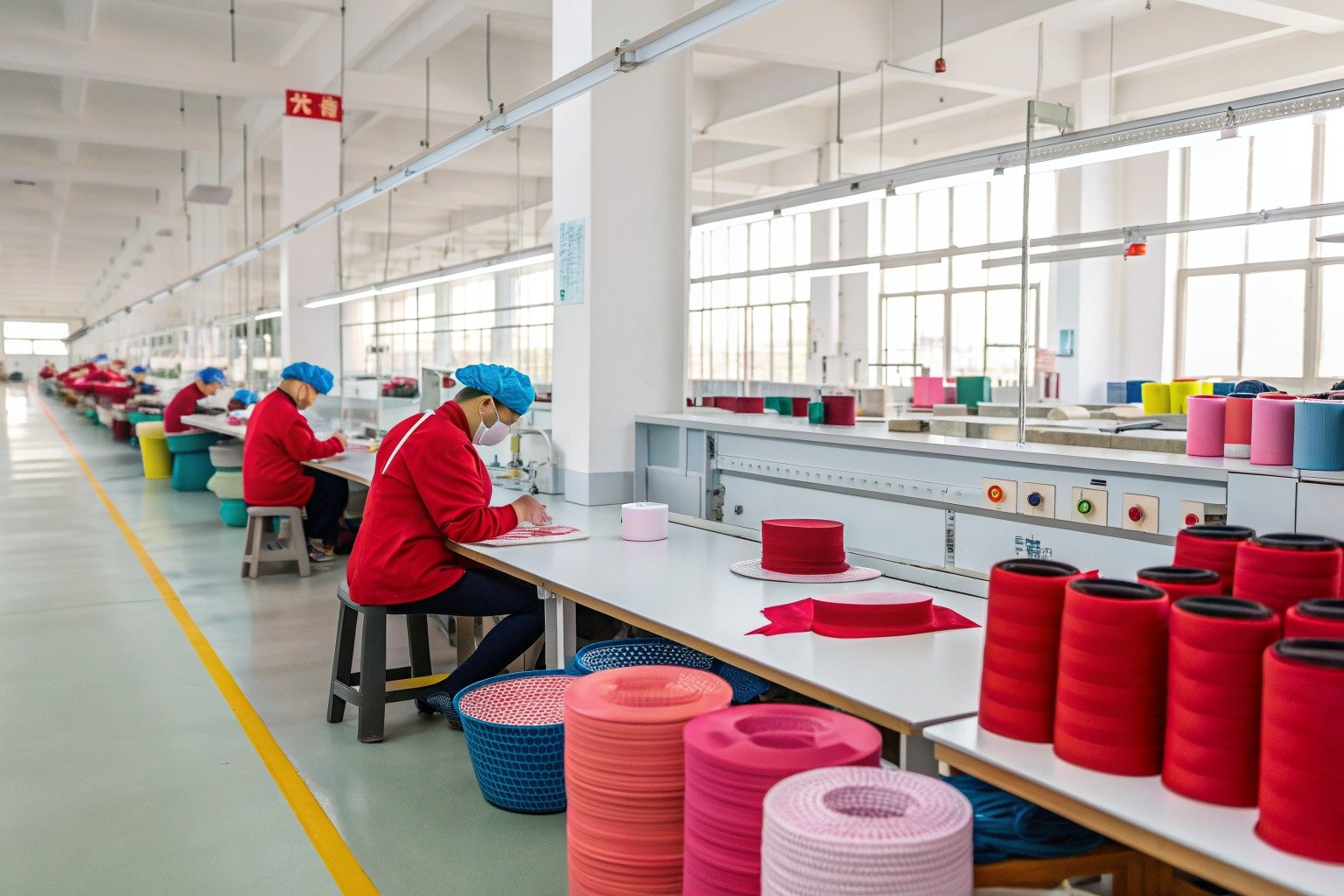
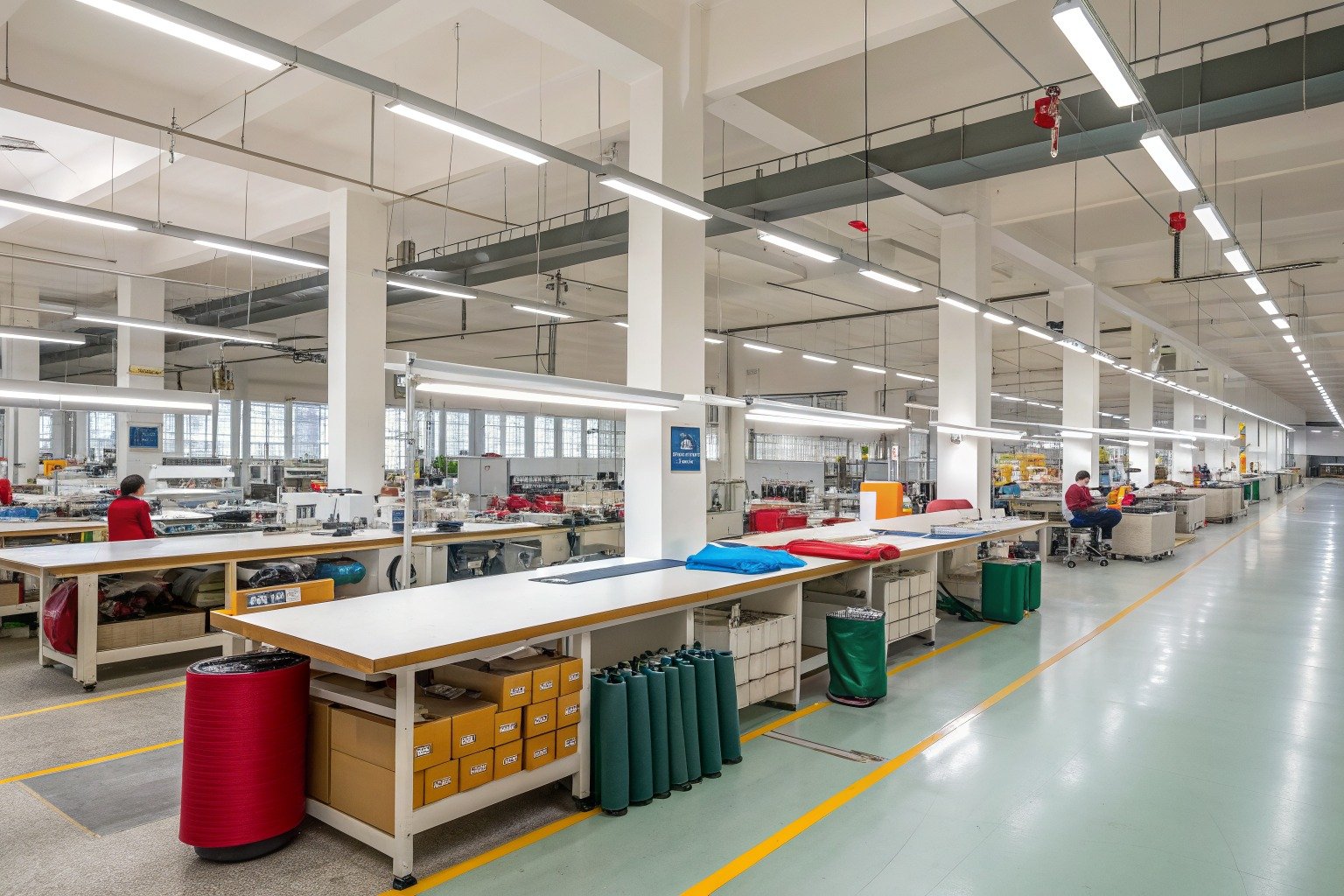
At Shanghai Fumao Clothing, we have been manufacturing caps for decades. We’ve produced millions of them for clients all over the world. We understand the nuances of cotton twill, the importance of a good sweatband, and the details that make a cap truly premium. In this post, I’ll share our expertise on how to source high-quality cotton twill caps.
What Is Cotton Twill And Why Is It The Preferred Fabric?
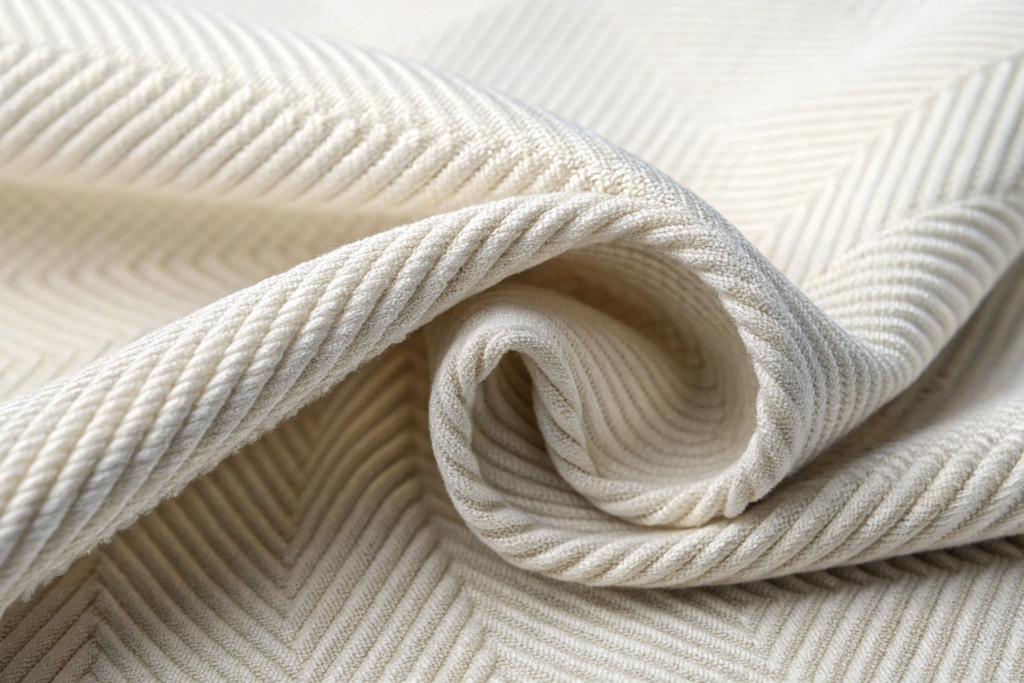
The first step is understanding the material. "Cotton twill" refers to both the fiber (cotton) and the weave (twill). It’s the combination that makes this fabric the gold standard for caps. The twill weave gives the cotton a distinctive diagonal ribbed texture, which is not just for looks—it adds durability and helps the cap hold its shape.
A high-quality cotton twill cap is made from 100% cotton, or sometimes a cotton-polyester blend for added performance. The cotton should be of good quality, with long, strong fibers. For more on cotton and its properties, organizations like the International Cotton Advisory Committee (ICAC) are excellent resources.
What is the difference between twill and other weaves?
The weave determines the fabric’s characteristics. Here’s why twill is the preferred choice for caps:
- Plain Weave: The simplest weave, where weft threads pass over and under each warp thread in a simple, alternating pattern. It creates a balanced, basic fabric, but it can be less durable and doesn’t have the same structured feel as twill.
- Twill Weave: Characterized by a diagonal ribbed texture. This is achieved by passing the weft thread over one warp thread and then under two or more, creating a staggered pattern. This results in a fabric that is:
- More Durable: The tighter, more complex weave makes the fabric stronger and more resistant to wear and tear.
- More Structured: Twill has more body and holds its shape better than plain weave, which is essential for a structured cap.
- More Wrinkle-Resistant: The diagonal weave helps to hide wrinkles.
- Better Drape: It has a nice, soft drape while still maintaining structure.
For a cap that needs to maintain its shape and look good wear after wear, twill is the superior choice. A cotton twill cap is an investment in quality.
What is the ideal fabric weight for a cap?
The weight of the fabric, usually measured in ounces per square yard (oz/yd²) or grams per square meter (gsm), is a key indicator of quality and durability. For a classic, structured cap, you want a fabric that is substantial but not too heavy.
- Lightweight (under 6 oz/yd² or 200 gsm): These caps are softer and more floppy. They are often used for a more relaxed, unstructured look. They may not hold their shape as well over time.
- Medium Weight (6-8 oz/yd² or 200-270 gsm): This is the ideal weight for a classic, high-quality cap. It has enough body to hold a structured shape, but it’s still comfortable and breathable. This is the sweet spot for most premium caps.
- Heavyweight (over 8 oz/yd² or 270 gsm): These are very substantial, durable caps. They can feel stiff and may be less comfortable in hot weather. They are often used for workwear or heavy-duty applications.
For a high-quality, everyday cap, aim for a medium-weight twill, around 7-8 oz/yd² (or 235-270 gsm). This weight provides the perfect balance of structure, comfort, and durability.
What Construction Details Define A High-Quality Cap?
The fabric is the foundation, but the construction is what brings the cap to life. A cap can be made from the most beautiful twill, but if it’s poorly constructed, it will be a disappointment. The details of the stitching, the inner lining, the sweatband, and the closure all matter.
At our factory, we pay close attention to every step of the construction process. We use high-quality thread, precise stitching, and careful finishing to ensure every cap meets our standards. For more on cap construction, resources like Caps & Hats Magazine can be helpful.
What is the importance of structured vs. unstructured caps?
This is a key design decision that affects the cap’s look and feel.
- Structured Caps: These have a stiff lining (often made of buckram) sewn into the front panels to give the cap a firm, defined shape. The front of the cap stands tall and maintains its form. Structured caps are the classic choice for baseball caps, team caps, and any cap where a crisp, bold look is desired.
- Unstructured Caps: These have no stiff lining. They are made from softer fabric and have a more relaxed, floppy, "broken-in" look. They are often used for a more casual, vintage, or lifestyle aesthetic. They are also more packable.
The choice between structured and unstructured depends on the desired look. For a classic, all-American cap, structured is the way to go. For a more laid-back, modern vibe, unstructured is a great option. Both can be high-quality if made well.
What should you look for in the sweatband and inner lining?
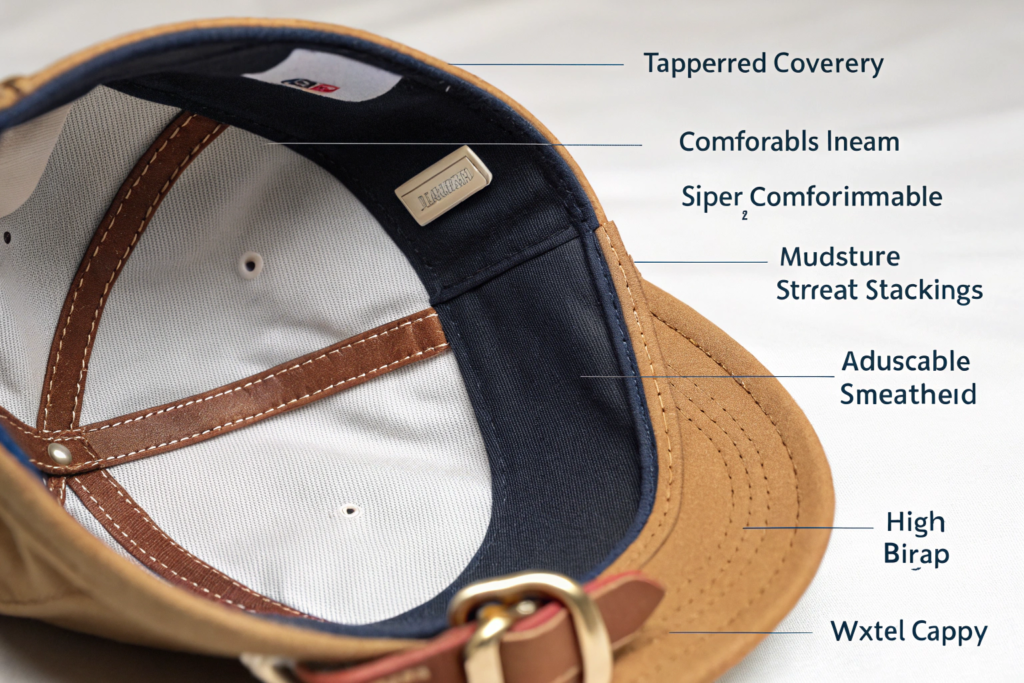
The sweatband is the strip of fabric inside the cap that touches your forehead. It’s a small detail, but it has a huge impact on comfort.
- Material: A high-quality sweatband is often made from a soft, moisture-wicking material like cotton twill, or a performance fabric that draws sweat away from the skin. Some premium caps use leather sweatbands, which are very comfortable and mold to your head over time.
- Construction: The sweatband should be securely attached and should not be scratchy or irritating. It should be wide enough to provide good coverage.
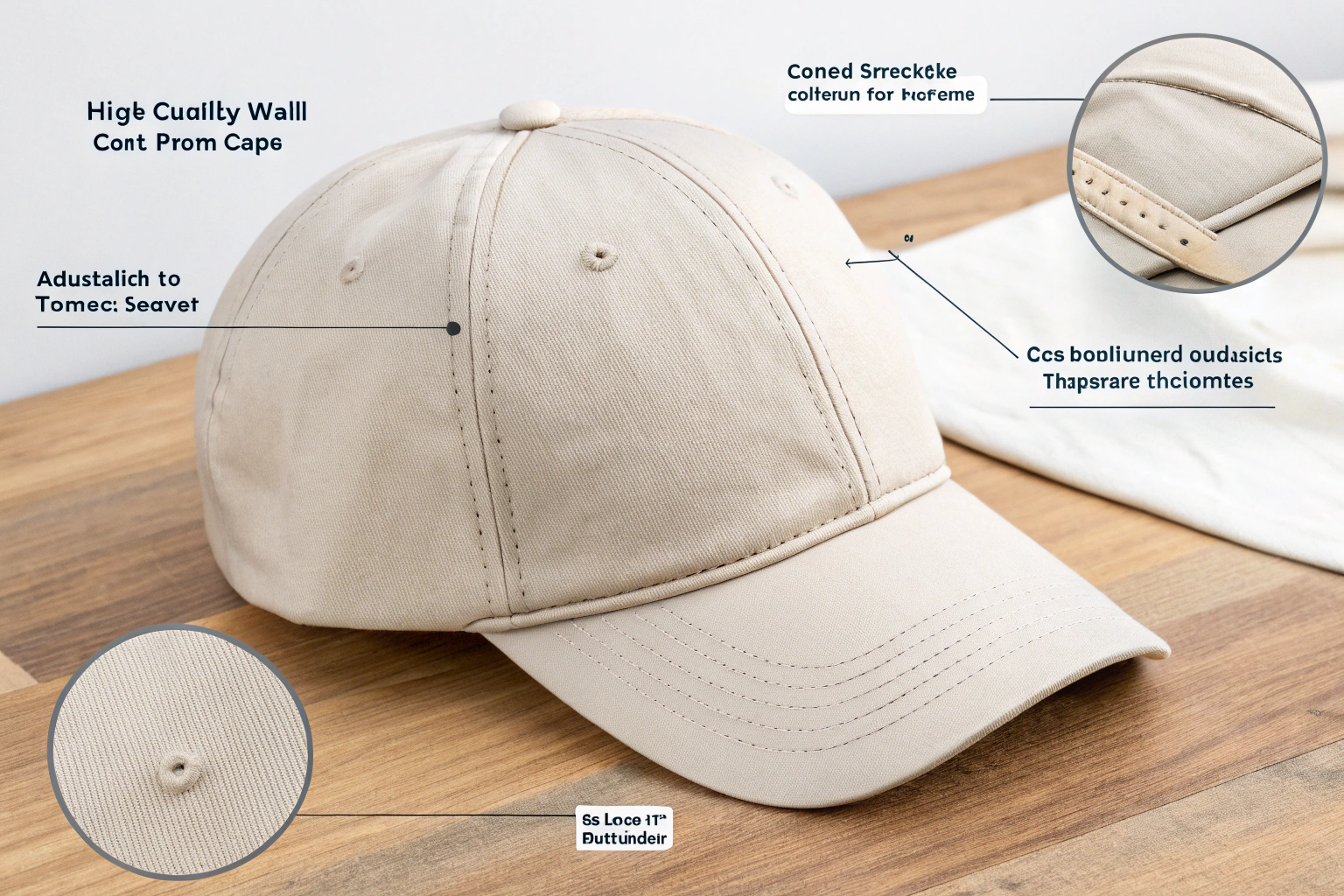
The inner lining (or "taping") covers the seams inside the cap. A taped seam is a mark of quality. It covers the raw edges of the fabric, preventing them from rubbing against your head and making the cap more comfortable. It also reinforces the seams, adding to the cap’s durability. A high-quality cap will have taped seams, especially in the front panel.
A comfortable, well-constructed sweatband and taped inner seams are signs of a cap made to last.
What Types Of Closures Are Available And Which Is Best?
The closure is the mechanism that allows the cap to fit different head sizes. The type of closure affects the cap’s look, adjustability, and durability. The best choice depends on the cap’s style and target audience.
At our factory, we offer all of these closure types and can advise on the best option for your specific cap design.
What is a snapback closure?
A snapback closure consists of a plastic strap on the back of the cap with a series of snaps (or "snap buttons") that allow you to adjust the size. It’s a classic, durable, and easy-to-use closure.
- Pros: Very durable, easy to adjust, classic look, available in a wide range of colors.
- Cons: The size adjustment is incremental (you can only choose from the pre-set snap positions), which may not provide a perfect fit for everyone. The plastic can be felt at the back of the head.
Snapbacks are a classic choice for structured caps and have a strong, timeless appeal.
What is a strapback or adjustable buckle closure?
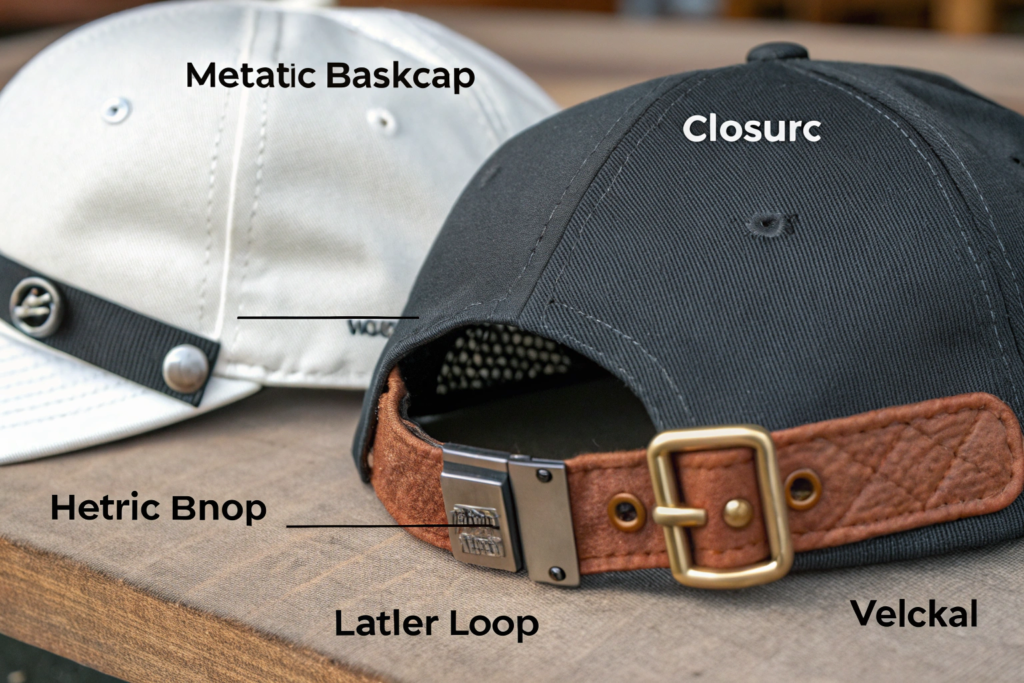
A strapback (or adjustable buckle) closure uses a fabric or leather strap with a metal buckle, similar to a belt. This allows for a more continuous, infinitely adjustable fit.
- Pros: Provides a very precise, customizable fit. The leather strap can be a very premium, stylish detail. Often has a more sophisticated, vintage-inspired look.
- Cons: The strap can dangle and may be less secure than a snapback. The metal buckle can add a little weight.
A leather strapback closure is a hallmark of a premium, high-quality cap. It adds a touch of class and allows for a perfect fit. A cotton twill cap with a leather strapback is a timeless classic.
What about fitted caps and other closures?
- Fitted Caps: These have no adjustable closure. They are made in specific hat sizes (e.g., 7 1/4, 7 1/2). They offer the cleanest, most streamlined look, as there is no strap or buckle on the back. They are popular for sports teams and for a very clean aesthetic. The challenge is that you need to offer a wide range of sizes to fit everyone.
- Hook and Loop (Velcro): This is a simple, easy-to-use closure, often found on kids’ caps or more casual, sporty styles. It’s very adjustable but can wear out over time and can catch on things.
- Elastic: Some caps have an elastic strip in the back, allowing for a "one-size-fits-most" fit. This is common on unstructured, casual caps.
The choice of closure is an important design and functional decision.
What Finishing Details Indicate A High-Quality Cap?
The final test of a high-quality cap is in the finishing details. These are the small touches that show the manufacturer’s commitment to craftsmanship. A poorly finished cap can ruin the entire experience. A beautifully finished one elevates it to a premium product.
These details are what separate a good cap from a great one. A customer may not be able to articulate why a cap feels high-quality, but they will feel it.
What should the stitching look like?
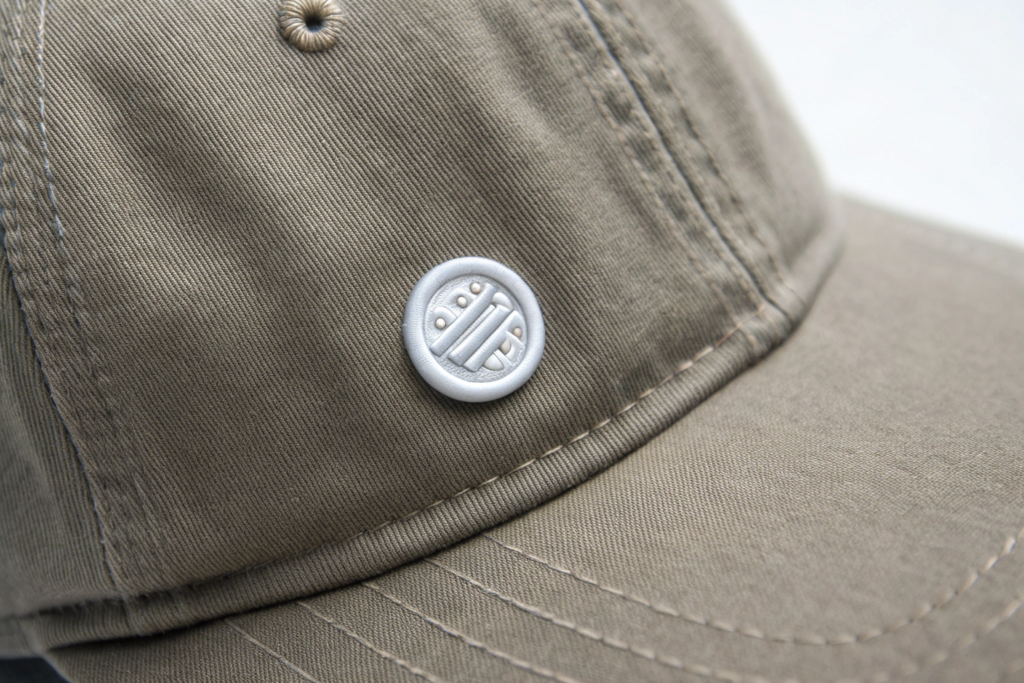
The stitching should be neat, even, and consistent throughout the cap. There should be no loose threads, skipped stitches, or puckering.
- Brim Stitching: The stitching that attaches the brim to the crown should be clean and even all the way around.
- Panel Stitching: The seams where the panels are joined should be straight and tight.
- Closure Stitching: The stitching on the closure (whether snapback, strap, or hook and loop) should be secure and well-finished.
High-quality stitching is a sign of a cap made with care and precision.
How important is the button and eyelets?
These small details are often overlooked, but they are important indicators of quality.
- Button: The button on top of the cap should be securely attached and covered in the same high-quality fabric as the rest of the cap. It should be centered and firm. A loose or crooked button is a sign of poor quality.
- Eyelets: The eyelets are the small holes (usually metal or embroidered) on each panel that allow for ventilation. They should be neatly finished and securely attached. Metal eyelets should be rust-resistant and firmly crimped. Embroidered eyelets should be clean and even.
These small details contribute to the overall impression of quality and durability.
Conclusion
Sourcing a high-quality cotton twill cap is a matter of understanding and evaluating several key factors. It starts with the fabric: a genuine cotton twill of medium weight (around 7-8 oz/yd²). It continues with the construction: a choice between structured and unstructured, and a focus on details like a comfortable, moisture-wicking sweatband and taped inner seams. The closure should be chosen for its durability and style, with leather strapbacks and snapbacks being top choices. Finally, the finishing details—the stitching, the button, the eyelets—should be flawless.
At Shanghai Fumao Clothing, we are experts in every aspect of cap manufacturing. Our factory in Zhejiang produces millions of high-quality cotton twill caps every year. We source the best fabrics, use precision construction techniques, and pay meticulous attention to every finishing detail. We offer a wide range of styles, closures, and customization options. Our experienced project managers can guide you through every step, from design and material selection to production and quality control.
If you’re ready to source truly exceptional cotton twill caps, let’s talk. Please contact our Business Director, Elaine, at elaine@fumaoclothing.com. We’ll help you create caps that your customers will be proud to wear.