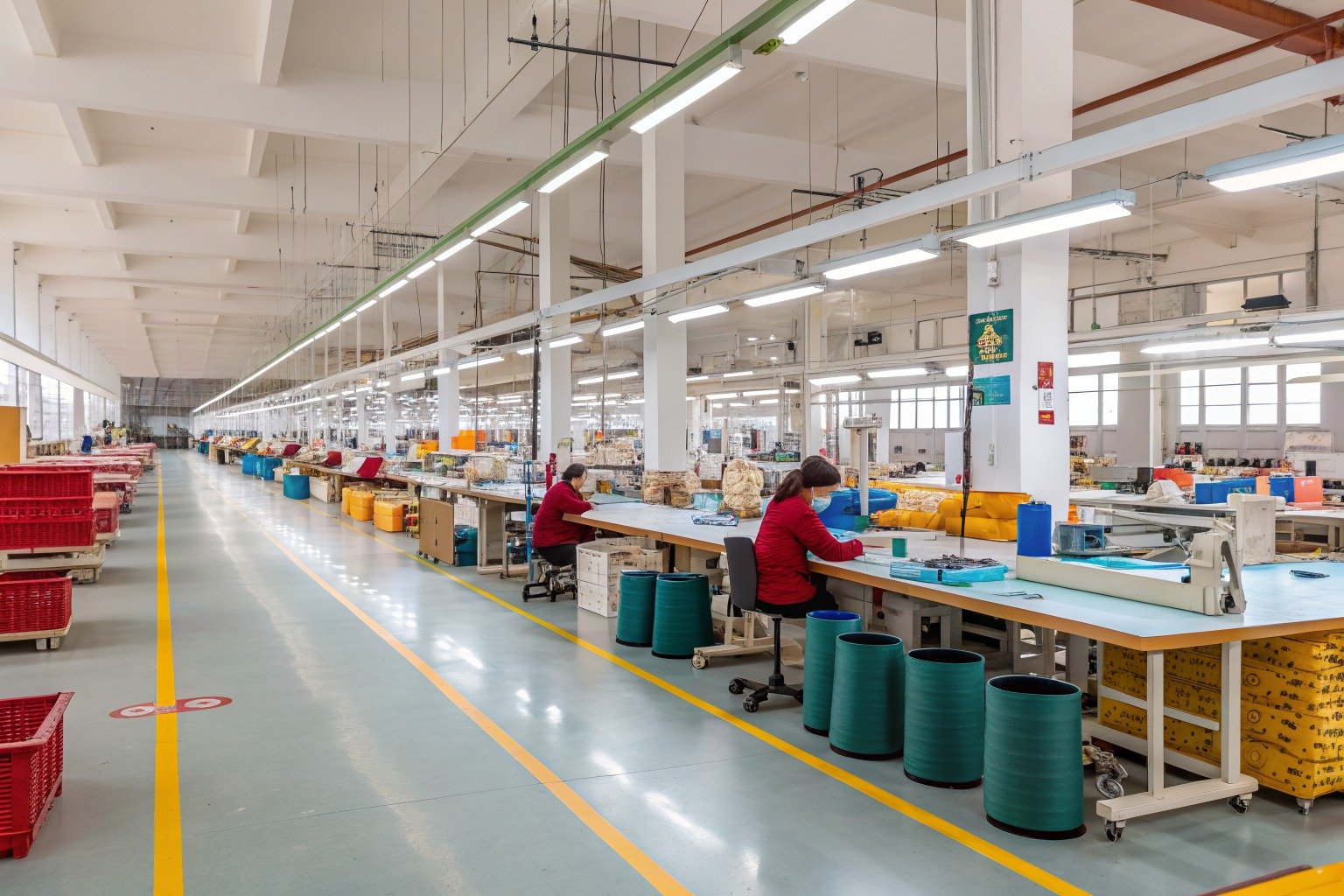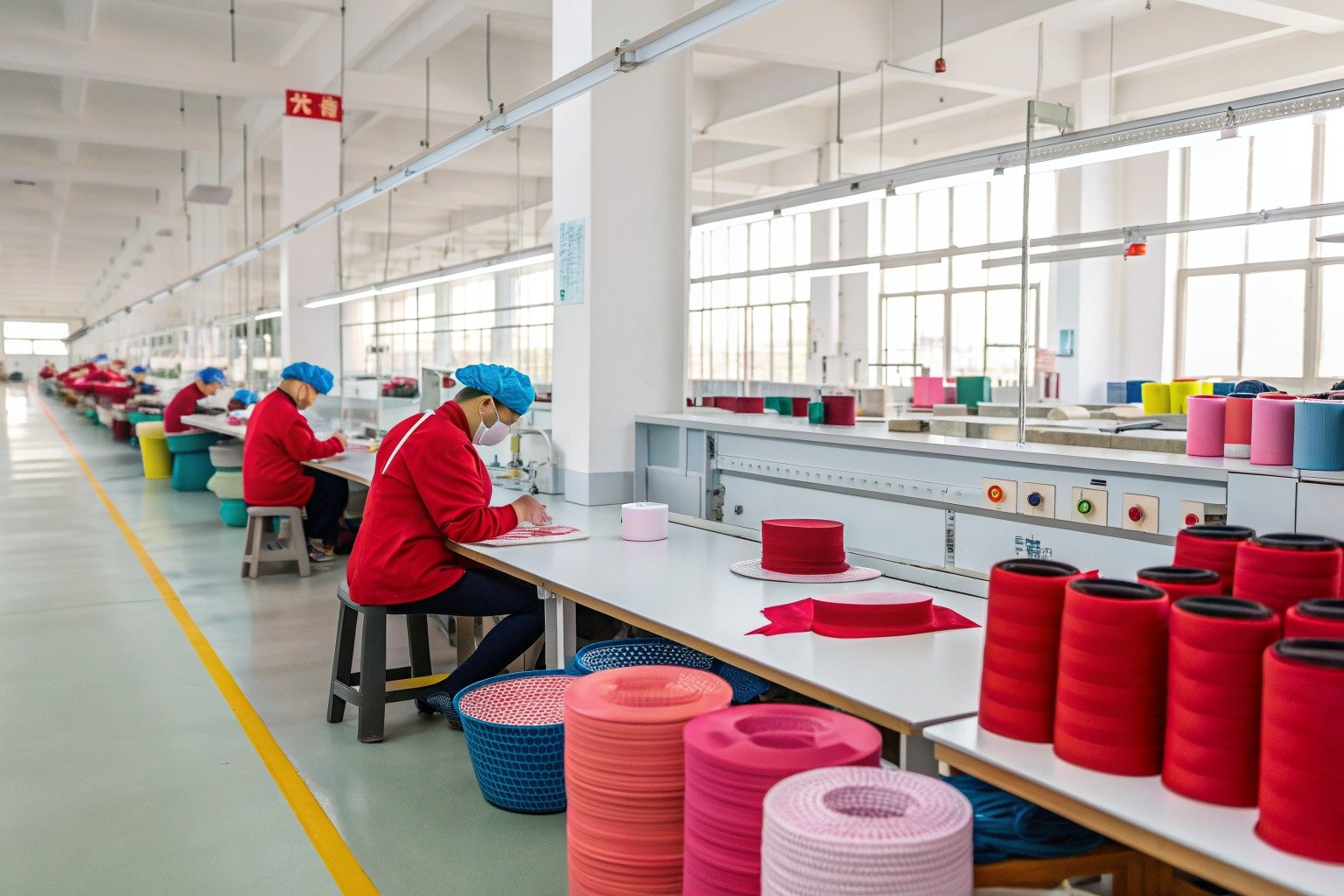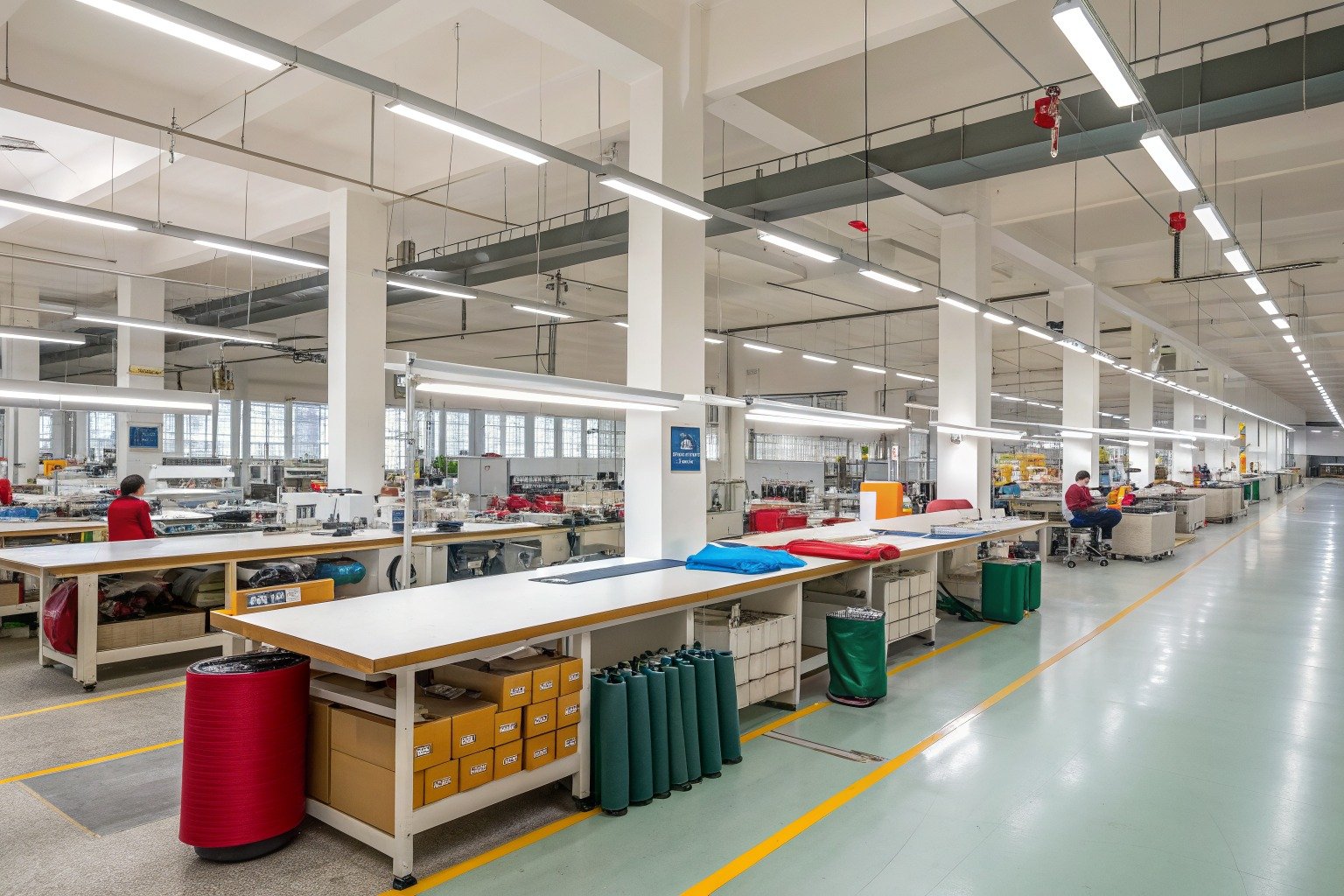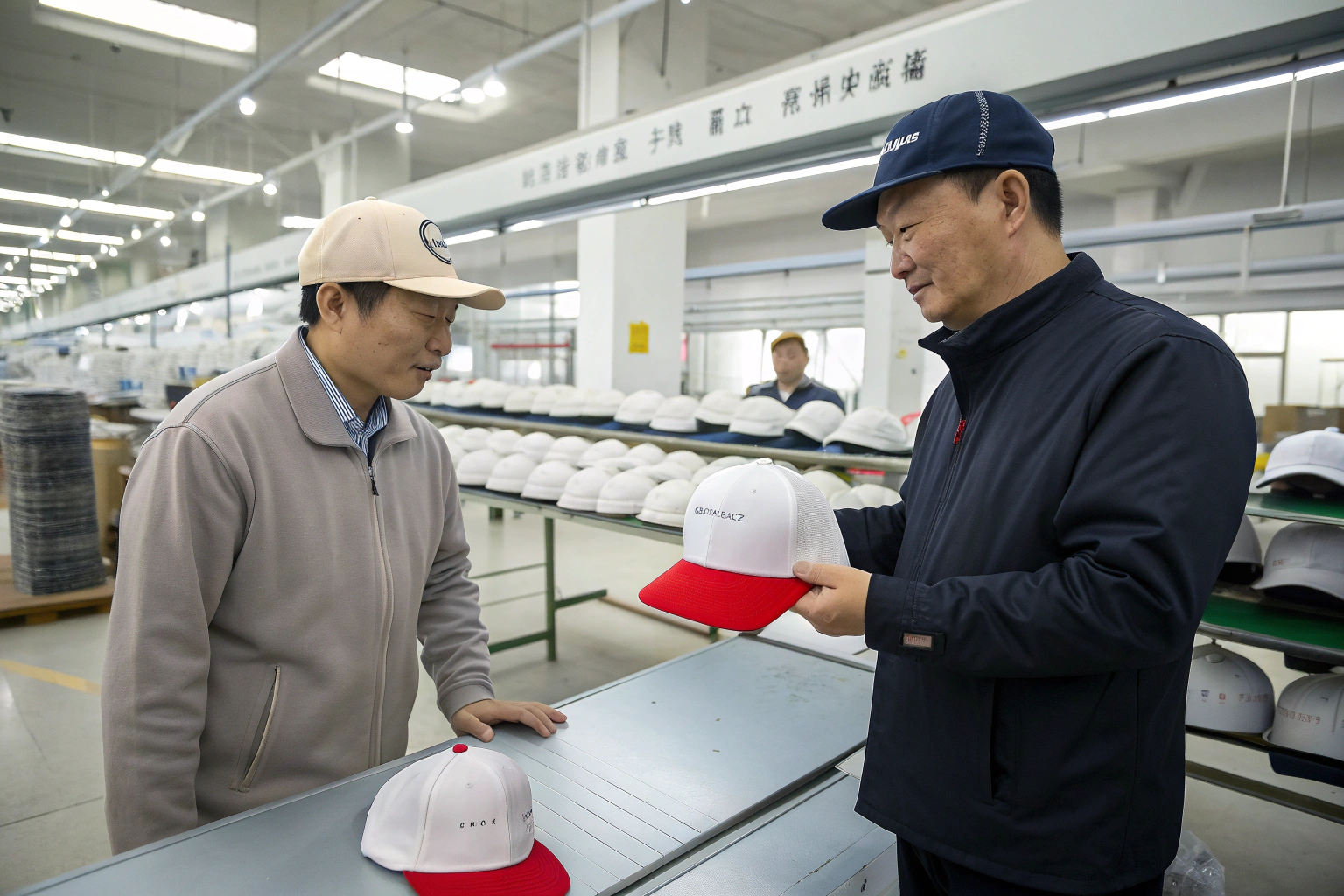
As a manufacturer of headwear for over two decades, I know that the secret to a great structured hat isn’t just the outer fabric; it’s the hidden material inside that does all the work. I often have conversations with buyers like Ron from the US, and a common pain point is receiving samples that look limp and lifeless. They want a baseball cap with a crisp, high-profile front or a headband that holds a perfect bow shape, but the product they get is floppy and cheap-looking. The problem almost always lies in the choice of stiffener.
So, what are the best fabric stiffeners for creating high-quality, structured hats and headbands? The choice depends entirely on the desired level of stiffness, the application, and the price point. The key professional-grade materials are: first, Buckram for the rigid front panels of structured caps; second, Fusible Interfacing for providing body and shape to headbands and softer hats; third, Plastic Mesh as a durable and waterproof alternative; and finally, traditional Millinery Wire for sculptural, three-dimensional shapes.
These are the hidden workhorses of the headwear industry. Understanding their specific uses is the key to sourcing a product that holds its shape and communicates quality. At my factory, we have a deep understanding of these materials and how to apply them correctly. In this article, I’ll break down the pros and cons of each.
What is Buckram and Why is it the Industry Standard?
When you picture a classic, high-profile baseball cap—the kind used by professional sports teams—the reason it stands up so perfectly is buckram. It is the undisputed industry standard for this application.
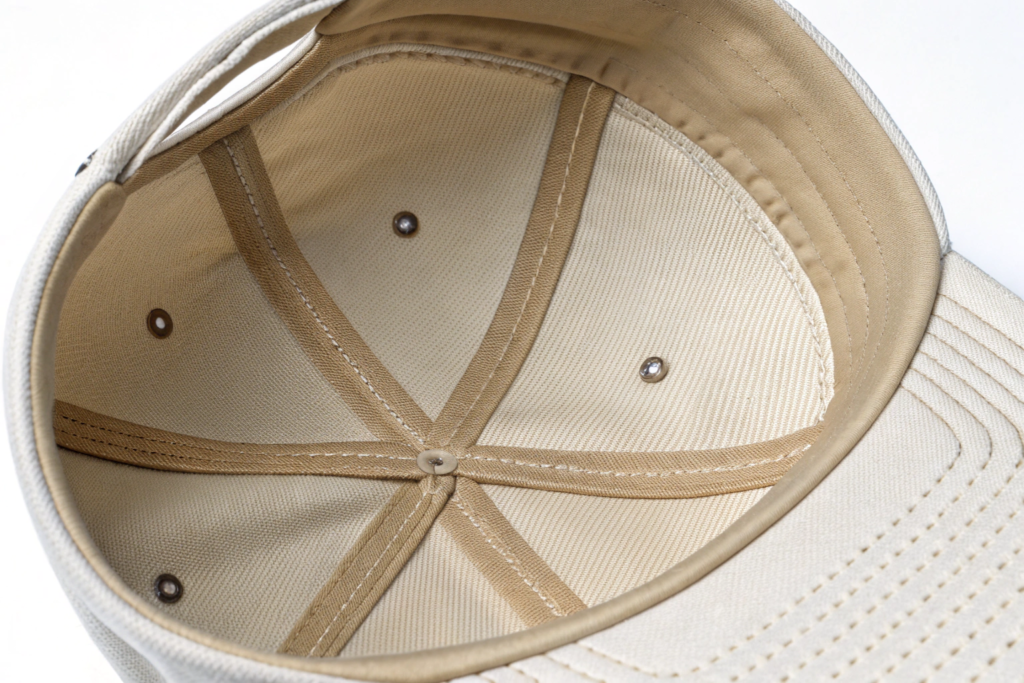
Buckram is a stiff, woven fabric, typically made from cotton and impregnated with a sizing agent. This agent gives it a paper-like stiffness, making it ideal for creating rigid, supportive structures in headwear. Its primary role is to serve as the interlining for the front two panels of a structured cap, providing the crisp, upright shape that is essential for displaying logos clearly. At Shanghai Fumao Clothing, we consider high-quality buckram to be a non-negotiable component for any premium structured cap. It’s the foundation of a professional look.
How is buckram applied?
The piece of buckram is cut to the exact shape of the front two panels of the cap. It is then sewn directly into the seam allowances of these panels, sitting as a hidden layer between the outer fabric and the inner lining. This creates a permanent, rigid structure that will hold its shape through wear and tear. The process requires precision cutting and sewing to ensure the front of the cap is perfectly symmetrical and free of wrinkles.
What are the different types of buckram?
Buckram comes in various weights and stiffness levels. A heavy-duty, double-sided buckram might be used for a very high-profile, flat-brimmed "snapback" cap. A lighter, more flexible buckram might be used for a cap with a more traditional, rounded profile. The choice depends on the desired final look. The history and use of buckram are well-documented in the world of millinery and costume design.
When Should You Use Fusible Interfacing?
While buckram is perfect for rigid structures, it’s often too stiff for applications that need just a little bit of body and shape without being rock-hard. This is where interfacing comes in.
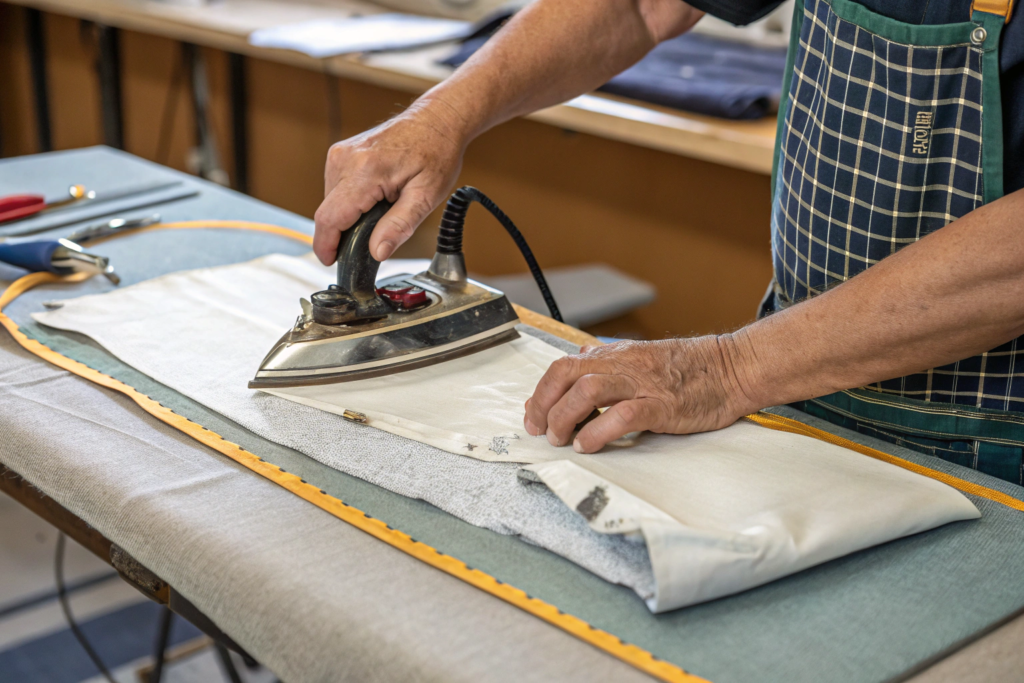
Fusible interfacing is a non-woven or woven material with a heat-activated adhesive on one side. When ironed onto the back of a fabric, it bonds permanently, adding stiffness and stability. It is the ideal choice for adding light to medium structure to fabric headbands, soft bucket hats, or for creating crisp, stand-up bows. Interfacing is incredibly versatile because it comes in a huge range of weights, from ultra-lightweight to very firm. This allows us to dial in the exact amount of stiffness required for a specific design.
How does it differ from sew-in interfacing?
As the name suggests, fusible interfacing is fused to the fabric with heat. Sew-in interfacing, on the other hand, has no adhesive and is simply sewn into the seams along with the main fabric. Fusible interfacing is generally faster to apply in a mass-production setting and creates a very clean, integrated result. Sew-in interfacing is often used for very delicate fabrics that cannot be ironed, like some silks or velvets. The choice between them is a key decision in garment construction.
What are its best applications in accessories?
- Headbands: Applying a medium-weight fusible interfacing to the fabric for a headband prevents it from being floppy and helps it hold a neat, clean shape on the head.
- Fabric Bows: To create a perky bow that doesn’t droop, interfacing is essential. It gives the loops of the bow the structure they need to stand up.
- Bucket Hats: While the crown might be soft, applying a firm interfacing to the brim of a bucket hat will give it a crisp edge and prevent it from flopping into the wearer’s eyes. This is a common technique detailed by sewing resources like The Spruce Crafts.
What is the Role of Plastic Mesh?
While buckram is the traditional choice, it has one weakness: it can lose its stiffness or even disintegrate if it gets thoroughly soaked and not dried properly. For hats intended for heavy outdoor use, athletic activities, or frequent washing, a more durable solution is needed.
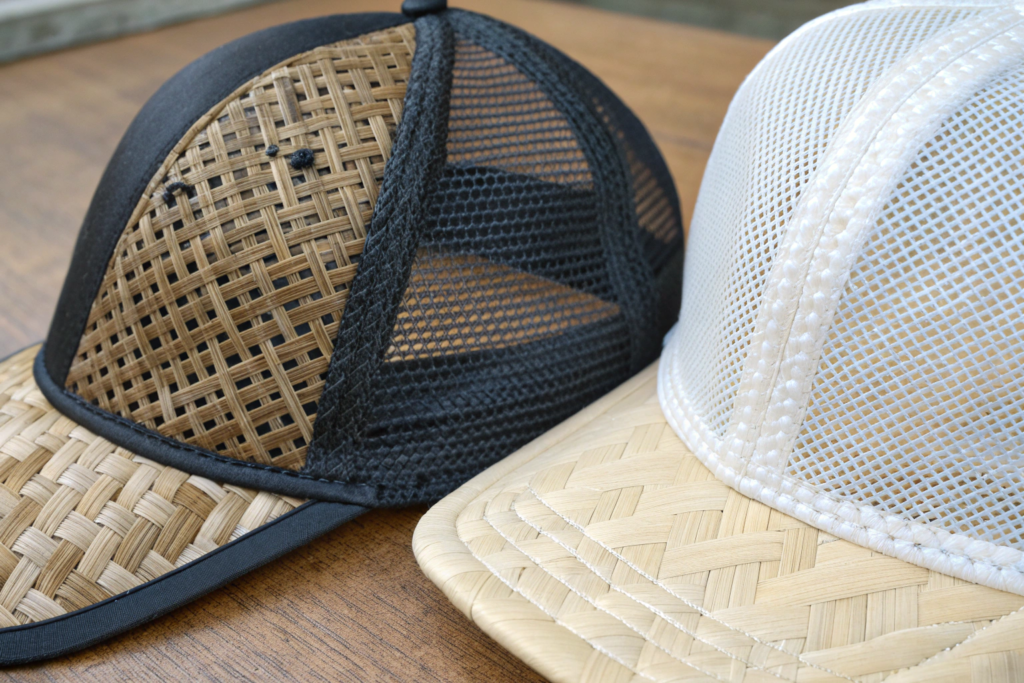
Plastic mesh is a semi-rigid, perforated plastic sheet that serves the same function as buckram but with superior durability and water resistance. It is the best choice for the structured front panels of performance-oriented caps, workwear hats, or any headwear that needs to be washable and hold its shape in all weather conditions. This material is a modern innovation that solves the durability problems of traditional stiffeners. It’s a key component in creating a truly high-performance, long-lasting hat.
What are the main advantages of plastic mesh?
- Waterproof: It is completely unaffected by water. It will not soften, warp, or degrade when wet.
- Washable: A hat made with a plastic mesh stiffener can be washed without fear of the front panel collapsing.
- Durable: It is very resistant to creasing and crushing. It can be bent and will spring back to its original shape.
- Breathable: The perforated or mesh-like structure allows for some airflow, which is a benefit in an athletic cap.
Are there any disadvantages?
Plastic mesh can sometimes be slightly heavier than buckram, and it may not have the same traditional, crisp feel. The "hand-feel" is more modern and technical. For a vintage-style heritage cap, buckram is often preferred for its authenticity. However, for any hat where performance and durability are the top priorities, plastic mesh is the superior technical choice. This trade-off between traditional and modern materials is a constant theme in product design.
When is Millinery Wire the Right Choice?
So far, we’ve discussed stiffeners that give shape to flat panels. But what if you want to create a three-dimensional, sculptural shape, or you want the wearer to be able to shape the product themselves? This is where wire comes in.
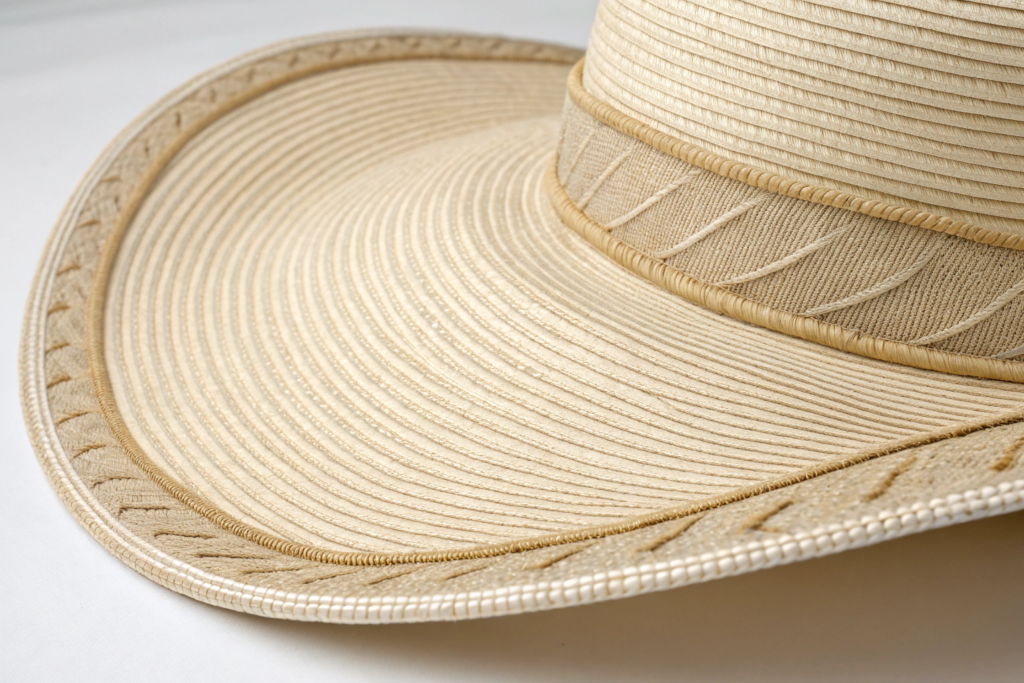
Millinery wire is a strong but pliable wire, often covered in thread, that is used to create and support sculptural shapes in headwear. It is the perfect choice for reinforcing the outer edge of a wide-brimmed sun hat or for creating structured, poseable elements like large, dramatic bows or "cat ears" on a headband. Wire allows for a level of three-dimensional creativity and user-adjustability that flat stiffeners cannot provide. It’s a classic technique that is essential for more elaborate and high-fashion designs.
How is millinery wire used in a hat brim?
The wire is carefully sewn into a channel along the absolute outer edge of the brim of a straw or fabric sun hat. This has two functions. First, it prevents the wide brim from drooping. Second, it allows the wearer to shape the brim to their liking—turning it up on one side, creating a wavy effect, or bending it down for more sun protection. This technique is fundamental to the art of hat making.
What are other creative applications?
Millinery wire is a designer’s best friend for adding playful, structural elements. For a "cat ear" headband, a piece of wire is used to form the outline of the ear shape, which is then covered in fabric. This allows the ears to be sturdy and poseable. For a very large, dramatic bow on a formal headpiece, wire can be sewn into the edges of the bow’s loops to ensure they stand up perfectly and hold a beautiful, sculptural shape. This is a key technique for creating fascinators and other couture headpieces.
Conclusion
The hidden stiffener inside a hat or headband is the secret to its shape, structure, and perceived quality. Choosing the right one is a critical design decision. For the classic, crisp front of a baseball cap, traditional Buckram is the time-tested standard. For adding soft body and shape to headbands and bows, versatile Fusible Interfacing is the answer. When durability and water resistance are paramount, modern Plastic Mesh is the superior technical choice. And for creating sculptural, poseable, three-dimensional shapes, classic Millinery Wire is indispensable. By understanding the specific strengths of each of these materials, you can accurately specify your design needs and source a high-quality, perfectly structured product every time.
If you are looking for a manufacturing partner with a deep, technical understanding of these essential components and the skill to apply them correctly, my team at Shanghai Fumao Clothing is here to help. We know that a great hat is built from the inside out. Please contact our Business Director, Elaine, at her email: elaine@fumaoclothing.com to discuss your next headwear project.