

I have spent over twenty years in this industry, and I have seen the world become both smaller and more complex. My clients are no longer just in one city or one country. They are in New York, London, Paris, Moscow, and beyond. Each of these markets has its own history, its own symbols, and its own sensitivities. I have learned that a design that sells wonderfully in one place can cause real harm in another. This is not just about losing money; it is about respecting the people who buy our products.
You can ensure your accessory designs are culturally appropriate by implementing a rigorous, multi-step research and review process that includes in-market cultural consultants, historical research on symbols and motifs, and open dialogue with your manufacturing partner about potential sensitivities. This is not an afterthought; it must be built into your design and development workflow from the very beginning.
The stakes are high. A misstep can lead to boycotts, bad press, and a damaged brand reputation that takes years to repair. I have guided many clients away from potential disasters, not because I am an expert in every culture, but because I have learned to ask the right questions and to bring in the right people to find the answers. For a buyer like Ron, who sells to a broad American audience, getting this right is essential for building trust with his customers. At Shanghai Fumao Clothing, we see ourselves as partners in this process, not just producers. Let me share the strategies we have developed to navigate this complex landscape.
Why is cultural research the first and most critical step in accessory design?
Many brands make the mistake of assuming that if a design looks beautiful, it is safe to use. This is simply not true. Symbols, colors, and patterns carry deep meanings that are not always visible on the surface. Skipping the research step is like building a house without a foundation. It might stand for a while, but eventually, it will collapse.
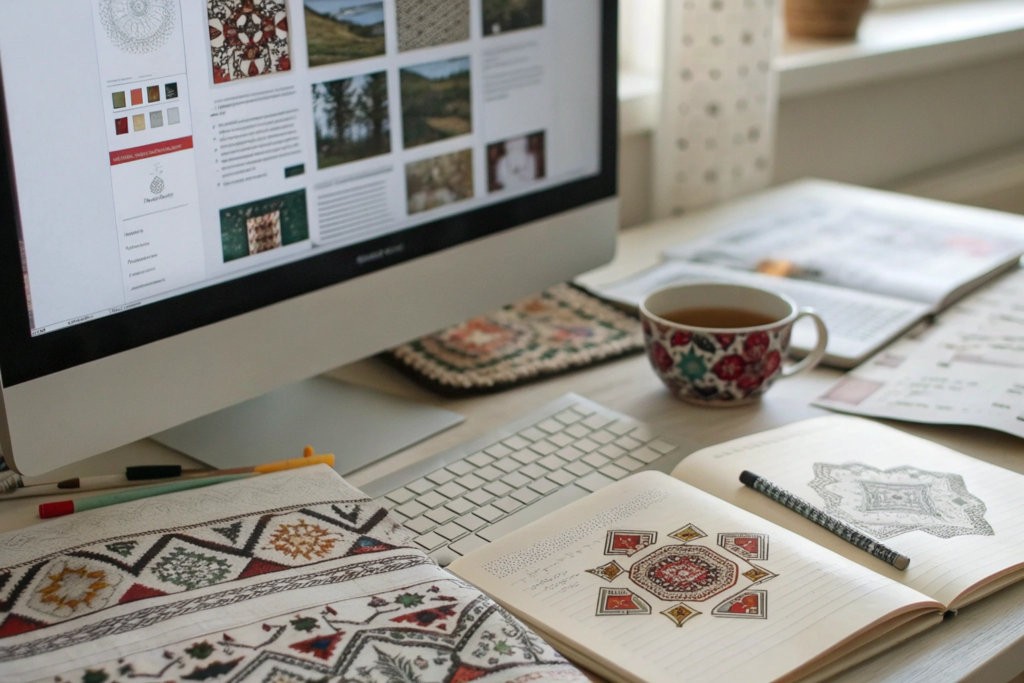
What questions should you ask about a cultural symbol before using it?
Before incorporating any symbol or motif into an accessory, you need to ask a series of hard questions. What is the origin of this symbol? Is it from a living culture or an ancient one? What does it traditionally represent? Is it sacred, secular, or something in between? Who is traditionally allowed to use or wear this symbol? For example, using a Native American war bonnet design on a fashion headband is widely recognized as inappropriate because these headdresses are earned symbols of respect, not fashion accessories . Similarly, certain Maori or Polynesian patterns have specific meanings and are considered taonga (treasures) . Asking these questions is the first step toward respectful design. Resources like the Smithsonian’s National Museum of the American Indian offer excellent educational materials on the proper context of indigenous symbols.
How can you tell the difference between appreciation and appropriation?
This is the central question. Appreciation involves learning about and honoring a culture. Appropriation involves taking a cultural element out of its context and using it for profit, often without understanding or respecting its original meaning . A good rule of thumb is to ask: Are you giving credit to the source? Are you engaging with or benefiting the community the design comes from? Or are you simply taking what looks cool and using it for your own gain? For example, using a traditional African textile pattern in a scarf can be a form of appreciation if you acknowledge the origin, work with artisans from that community, and ensure they benefit from the collaboration. Using a sacred Hindu symbol on a pair of cheap earrings without any context or respect is appropriation. The difference often lies in intent, research, and collaboration.
How can working with in-market consultants protect your brand?
No matter how much I learn about the world, I cannot be an expert on every culture. The same is true for you. This is why building a network of trusted, in-market consultants is one of the most valuable investments a brand can make. These are people who live and breathe the culture every day. They can spot problems that an outsider would never see.

Why is local knowledge essential for cultural sensitivity?
Local knowledge is irreplaceable. A consultant in India can tell you that a design using a specific shade of orange might be associated with a particular political party or religious order, something a Google search might never reveal. A consultant in Japan can explain that certain chrysanthemum motifs are reserved for the imperial family . These are nuanced, lived-in understandings that cannot be gained from a book or a website. When we work on collections for specific markets, we often advise our clients to hire local consultants. It is a small investment compared to the cost of a public relations disaster. These experts act as your eyes and ears on the ground, ensuring your designs are received as you intend them to be.
How do you find and vet reliable cultural consultants?
Finding the right people takes effort. You want individuals with academic or professional backgrounds in cultural studies, anthropology, or fashion, but also with deep, personal ties to the culture in question. Look for people who have experience working with brands and understand the commercial context. Ask for references. Have they helped other companies navigate these issues? What was the outcome? You can also connect with cultural institutions, universities, and community organizations. They can often recommend experts. It is also crucial to pay these consultants fairly for their expertise. Their knowledge is valuable, and treating them as respected partners, not just as a checkbox, leads to better, more honest feedback. Professional organizations like the American Anthropological Association can be a starting point for finding experts.
What role does your manufacturer play in ensuring cultural appropriateness?
Your manufacturer is more than just a producer. A good manufacturer, with decades of experience shipping to dozens of countries, has seen a lot. They have likely produced designs that worked and designs that failed. They have a perspective that can be incredibly valuable. We have flagged potential issues for clients many times, based purely on our experience with what other markets have accepted or rejected.

What red flags should manufacturers watch for in client designs?
We have a responsibility to speak up. If a client sends us a design with a symbol we know is sensitive, we ask questions. We might say, "We have produced similar designs for other clients, and we noticed that this pattern is sometimes associated with specific culture or religion. Have you done research on this?" We are not the experts, but we can be the first line of defense. We also watch for designs that mimic sacred texts or religious iconography in a way that seems disrespectful. If something feels off, we flag it. It is better to have an uncomfortable conversation upfront than to produce thousands of units of a product that will never sell or, worse, will cause outrage. This proactive approach is a key part of the service we provide at Shanghai Fumao Clothing.
How can a factory’s global experience benefit your brand?
Our experience shipping to Europe, America, Russia, and beyond gives us a unique data set. We have seen which colors sell in which markets. We have seen which patterns are popular and which have been rejected. We know, for example, that certain color combinations that are popular in one country might have negative connotations in another. This "institutional memory" is a resource for our clients. When you work with us, you are not just getting a factory; you are getting access to decades of market feedback. We can tell you, "We have produced similar styles for buyers in Germany, and here is what they learned about sizing and color preferences." This global perspective helps you avoid making mistakes that others have already made.
How should you respond if you unintentionally cause cultural offense?
Despite our best efforts, mistakes can happen. The world is complex, and sensitivities evolve. How you respond when a mistake is made is just as important as the research you did upfront. A bad response can make the situation much worse. A good response can, over time, rebuild trust.

What is the right way to apologize for a culturally insensitive product?
The first rule is to apologize sincerely and without defensiveness. Do not say, "We are sorry if anyone was offended." That phrasing places the blame on the person who was hurt. Instead, say, "We are sorry. We made a mistake. We did not understand the significance of this symbol, and we take full responsibility for the harm we caused." Then, take action. Pull the product from your shelves and your website immediately. Do not wait to see if the outrage will blow over. Explain what steps you are taking to ensure it never happens again. This might include the new research and consultation processes you are putting in place. Finally, listen. Do not try to control the narrative. Listen to the voices of the people you offended and learn from them. This is the path to genuine accountability.
How can you turn a mistake into a learning opportunity for your brand?
A crisis, handled well, can actually strengthen a brand. It shows that you have values and that you are willing to be held accountable. After taking corrective action, you can share what you have learned with your audience. You can explain the new steps you are taking to ensure cultural sensitivity in your design process. You can highlight the consultants you are now working with. This transparency builds trust. It shows that you are not just a faceless corporation but a group of people trying to do better. It also sets a positive example for other brands. The key is to ensure the learning is genuine and lasting, not just a temporary public relations exercise. Your customers will see the difference.
Conclusion
Ensuring cultural appropriateness in accessory design is not about being afraid to create. It is about creating with awareness, respect, and a genuine desire to connect with people, not just sell to them. We have explored the critical first step of deep cultural research, the invaluable role of in-market consultants, the supportive partnership a good manufacturer can provide, and the path to sincere accountability when mistakes happen. These are not obstacles to creativity; they are the framework within which truly respectful and successful global design happens.
For a professional buyer like Ron, who serves a diverse American market, this framework is not optional. It is essential for building a brand that people trust and respect. It protects your business from risk and opens the door to more meaningful and creative collaborations. At our factory in Zhejiang, we are committed to being your partner in this journey. We bring our global experience, our willingness to ask hard questions, and our dedication to quality to every project. We are here to help you create accessories that are not only beautiful and well-made but also respectful and welcomed in every market you serve.
To discuss your next global collection and how we can navigate cultural considerations together, please contact our Business Director, Elaine, at elaine@fumaoclothing.com. Let’s create with care and confidence.




