I have been in this industry for over two decades, and I can tell you that sourcing woven straw is one of the most delicate and complex parts of our business. It looks simple. It is just straw, right? But the reality is far different. My clients across America and Europe, from high-end fashion brands to large supermarket chains, often express frustration about the inconsistency and unpredictability of straw products. They want beautiful, durable hats and bags, but the path from the field to the finished product is full of potential problems.
The most common challenges in sourcing woven straw for hats and bags are material inconsistency and quality control, supply chain fragility and seasonality, high labor costs for skilled weaving, and the increasing complexity of sustainability and ethical sourcing requirements. These issues can turn a simple sourcing project into a logistical nightmare if you do not have the right partner.
I have personally overseen thousands of straw product orders. I have seen shipments delayed because a specific type of grass did not grow well that year. I have seen beautiful bags arrive with color variations because the natural dye lot changed. These are not just minor issues; they affect your bottom line and your brand’s reputation. For a buyer like Ron, who values reliability and quality, understanding these challenges is the first step to avoiding them. At Shanghai Fumao Clothing, we have built our processes around mitigating these exact problems. Let me walk you through the real-world challenges we face and how we solve them.
Why is material inconsistency such a big problem with natural straw?
Natural straw is, by its very nature, not uniform. It is an agricultural product. It grows in a field, subject to sun, rain, soil quality, and pests. This inherent variability is the source of many of our challenges. Unlike synthetic materials, you cannot simply dial in the exact specifications on a machine.
How do weather and growing conditions affect straw quality?
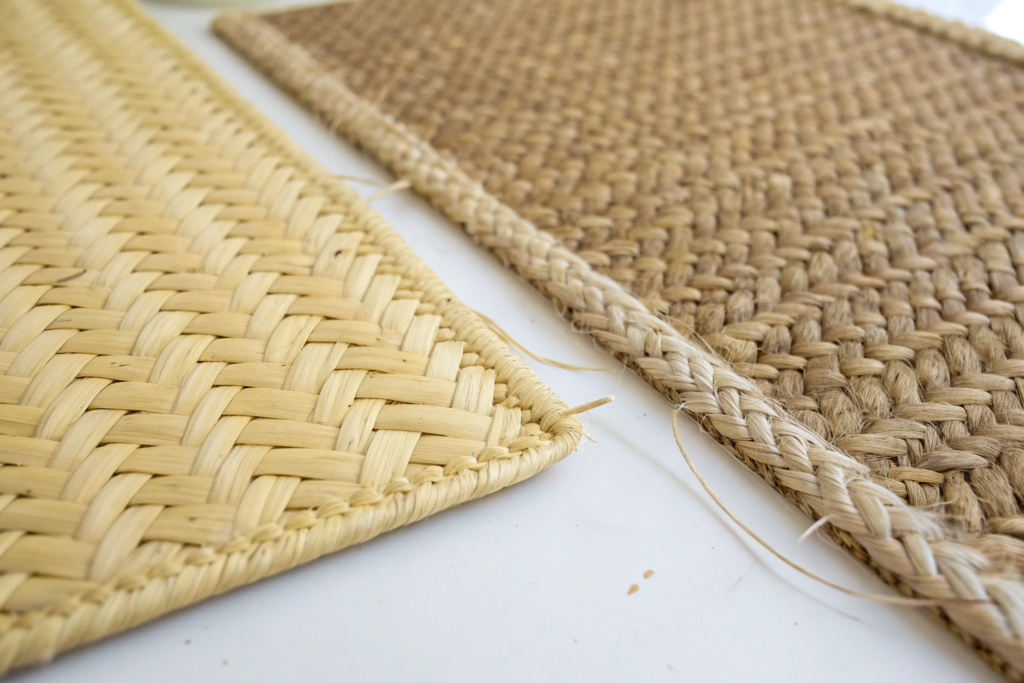
The quality of straw begins in the field, long before we ever see it. A season with too much rain can make straw stalks weak and prone to breaking. A drought can make them brittle and short. Pests can damage the fibers. This means that the raw material available one year can be significantly different from the year before. For example, the Raffia palm, a common source, produces leaves that must be harvested, dried, and split. The quality of that year’s harvest directly impacts the strength and flexibility of the final product . This "supply chain fragility" is a constant concern. We have to build relationships with multiple suppliers in different regions to ensure we have options if one crop fails. It is a lesson learned from years of experience. For a deeper look at how climate impacts natural fibers, resources like the Food and Agriculture Organization provide excellent background.
Why do color and texture vary between batches of straw?
Even when the raw straw is good, processing introduces more variables. Natural straw is often dyed to achieve the desired colors. Because straw is a natural, absorbent material, it does not take dye uniformly like polyester would. One batch of straw might absorb dye slightly differently than the next, leading to "shade variation" . This is a huge challenge for brands that need color consistency across thousands of units. The texture can also vary depending on how the straw is processed. Some straw is bleached, some is left natural, some is treated with oils to make it more pliable. Each step changes the final look and feel. In our factory, we address this by maintaining strict quality control on every batch of raw material before production begins. We test for colorfastness and strength. We also keep detailed records of dye formulas so we can match colors as closely as possible across different production runs.
How does seasonality and supply chain fragility impact straw sourcing?
Straw is not available all year round. It is harvested in specific seasons. This creates a rhythm to our business that is very different from synthetic materials. If you miss the window to secure your material, you might have to wait an entire year, or settle for lower-quality stock. This is a challenge that many new buyers do not anticipate.
What happens when raw straw materials are out of season?
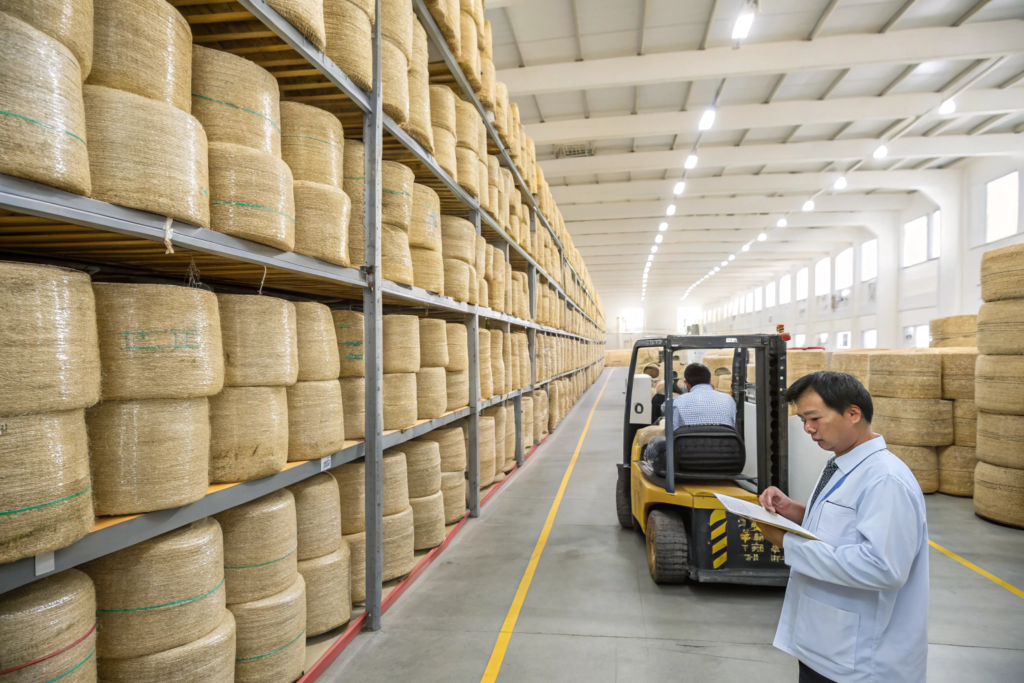
When a particular type of straw is out of season, the only available material is what has been stored from the previous harvest. This stored material may have degraded. It can become dry and brittle, making it difficult to weave without breaking. It might have absorbed moisture and developed mold or mildew if not stored properly. The price also tends to spike as supply tightens. This is why forecasting and advance planning are so critical. We work closely with our clients to understand their needs months, sometimes a year, in advance. We secure the raw materials early and store them in our climate-controlled warehouse to preserve their quality. For a buyer like Ron, this means committing to orders earlier than he might for other products, but it guarantees that the material will be available and in good condition when production starts.
Why are certain types of straw harder to source than others?
Some straws are simply rare. For example, the "Toquilla straw" used for the famous Panama hats is only grown in a specific region of Ecuador . It is a finite resource. High demand can quickly outstrip supply, leading to price increases and shortages. Other straws, like "Seagrass" or "Raffia," are more widely available but still subject to the seasonal and weather-related issues I mentioned. The rarest straws often come with a higher price tag and require even more careful sourcing. They may also be tied to specific cultural traditions and craftsmanship, which adds another layer of complexity. We always advise our clients on the trade-offs between different materials. Sometimes a beautiful, more readily available alternative can achieve a similar look at a lower cost and with more reliable supply.
What makes skilled labor for straw weaving so difficult to find and retain?
Behind every beautiful straw hat or bag is a pair of skilled hands. Despite all our modern machinery, much of straw weaving is still done by hand, especially for high-quality products. This reliance on human skill creates its own set of challenges. The workforce is aging, and young people are often not interested in learning these traditional crafts.
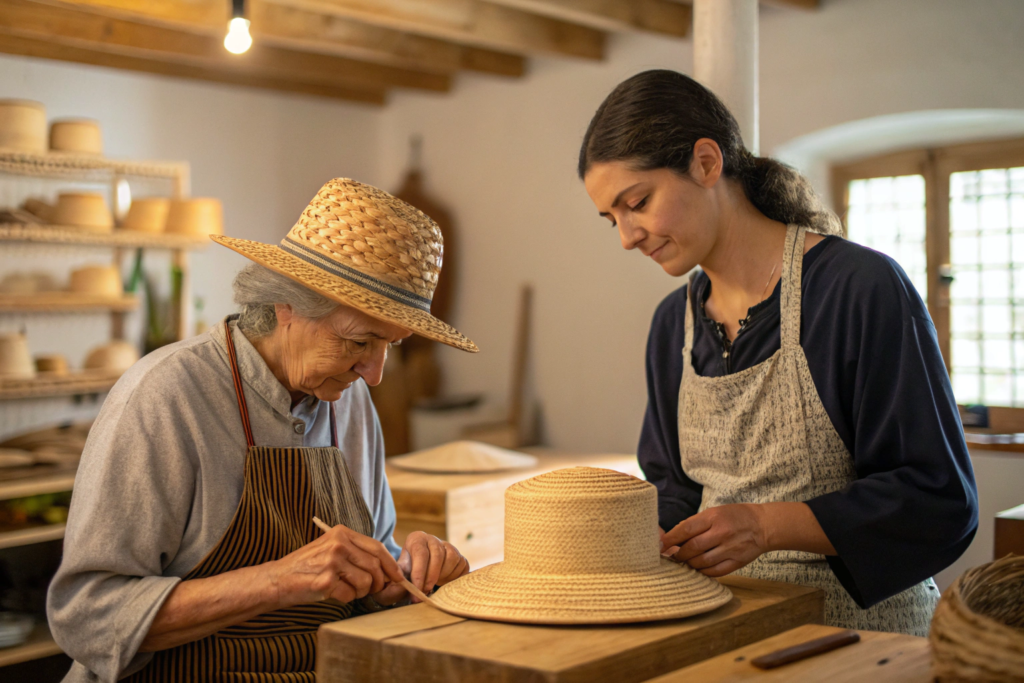
Why is hand-weaving still necessary for quality straw products?
Machines are good at many things, but they struggle with the delicate, irregular nature of natural straw. A machine cannot feel the tension of the straw the way a human can. It cannot adjust to a slightly thicker or thinner strand in real-time. For high-end, "premium" products, the tightness and evenness of a hand-weave is simply unmatched. It creates a stronger, more durable, and more beautiful product. The "artisanal" quality is also a major selling point for many brands . Customers pay a premium for the knowledge that a skilled person made their hat. This human touch is part of the product’s story and value.
How is the industry addressing the shortage of skilled weavers?
This is a real crisis in our industry. The average age of skilled weavers is rising, and fewer young people are entering the trade. To address this, some manufacturers, including us, are investing in training programs. We work with experienced artisans to teach apprentices, passing on the knowledge before it is lost. We also focus on creating a better working environment with fair wages and clean, modern facilities to make the job more attractive. Another approach is to blend techniques. We might use machine-weaving for the main body of a bag to keep costs down, but then add hand-woven handles or decorative details to maintain that artisanal touch. This balances quality, cost, and the availability of skilled labor. For more on the global effort to preserve these crafts, organizations like the Craft Revival offer valuable perspectives.
How do sustainability and ethical sourcing complicate straw procurement?
This is the newest and fastest-growing challenge. Consumers and retailers are demanding to know that the straw in their products was sourced responsibly. This is not just about being "green." It is about regulatory compliance and brand safety. For a buyer like Ron, a scandal about unsustainable or unethical sourcing could destroy years of brand building.
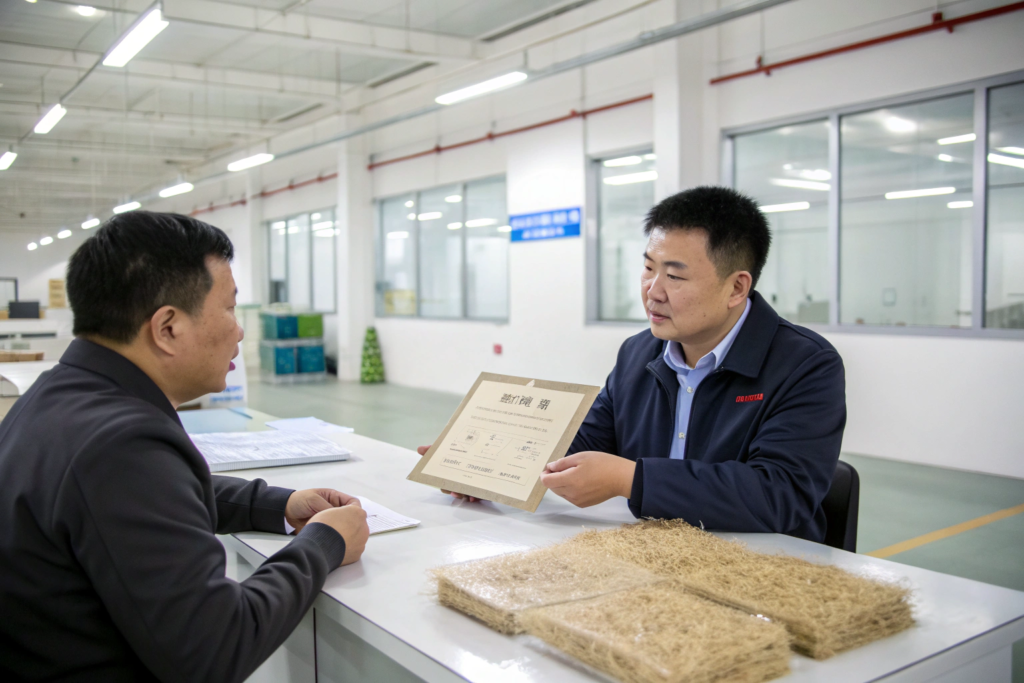
What certifications matter for sustainable straw sourcing?
Several certifications are becoming important in the straw market. For plant-based materials, the Forest Stewardship Council (FSC) certification is a key indicator that the material comes from responsibly managed forests. For social responsibility, Fair Trade certification ensures that the farmers and weavers are paid fairly and work in safe conditions. There are also certifications for organic production, which guarantees that no harmful pesticides were used in growing the straw. Navigating these certifications is complex. They require documentation and audits throughout the supply chain. We help our clients by sourcing from suppliers who hold these certifications and by maintaining the chain of custody documentation that proves the material’s journey from field to factory.
How can buyers verify their straw is ethically sourced?
Verification goes beyond just looking at a certificate. It requires transparency. We believe in building relationships with our suppliers, not just buying from them. We visit the farms and the weaving cooperatives. We see the conditions for ourselves. This is the only way to be truly sure. We also require our suppliers to sign codes of conduct and we conduct regular audits. For a buyer, asking the right questions is crucial. Ask your supplier: "Where exactly does this straw come from? Can you show me photos or reports from the source? Do you have third-party certifications?" If they cannot answer these questions clearly, it is a red flag. We provide all this information to our clients because we know it is essential for their peace of mind and their brand’s reputation.
Conclusion
Sourcing woven straw for hats and bags is a journey filled with potential pitfalls. We have explored the challenges of material inconsistency, where weather and processing create variability. We have discussed the fragility of the supply chain, where seasonality can disrupt your plans. We have looked at the critical issue of skilled labor, a craft that is at risk of being lost. And we have examined the growing demands of sustainability and ethical sourcing, which add new layers of complexity to every decision.
For a professional buyer, these challenges can seem overwhelming. But they are not insurmountable. They simply require a partner who understands the terrain. At our factory in Zhejiang, we have spent decades building the relationships, the processes, and the expertise to navigate these issues. Our clean, modern facilities and experienced project managers are here to ensure that your straw product orders are delivered on time, with consistent quality, and with a clear conscience. If you are ready to source beautiful, high-quality straw products without the headaches, we are ready to help.
To discuss your next straw hat or bag collection, please contact our Business Director, Elaine, at elaine@fumaoclothing.com. Let’s navigate these challenges together.