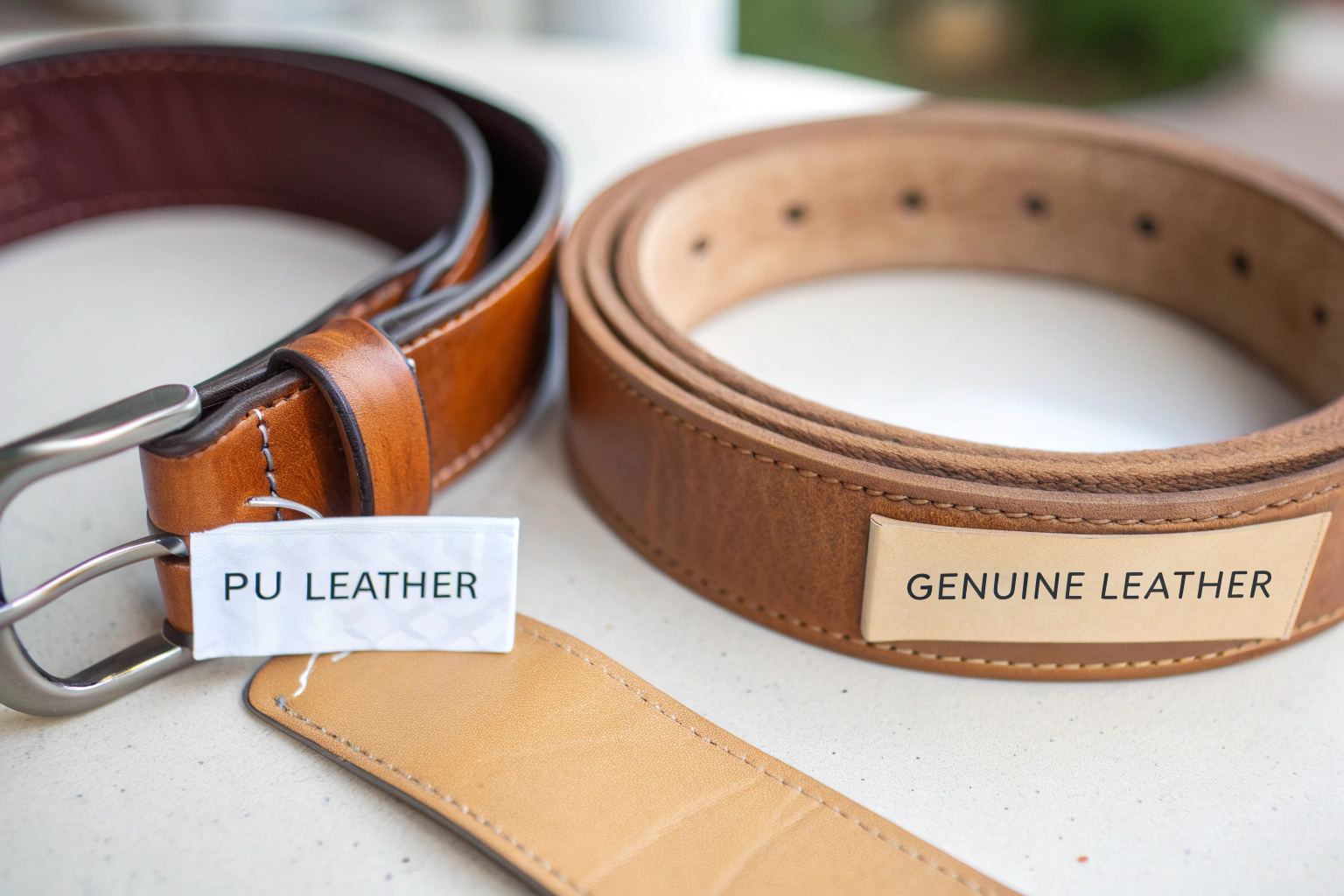
I remember a conversation with a young designer who was launching her first belt collection. She was torn. She loved the look and feel of real leather, but her budget was tight. She had found a supplier offering "leather" belts at a fraction of the price. She sent me a sample. It looked good in the photos. But when I held it, I could feel the difference immediately. It was stiff, had a slightly plastic smell, and the surface was unnaturally uniform. I had to explain to her that what she had bought was not leather at all. It was PU leather. And for her brand’s promise of quality, it was the wrong choice.
The fundamental differences between PU leather and real leather in belt manufacturing lie in their material composition, durability, appearance, breathability, and environmental impact. Real leather is a natural material made from animal hide. It is durable, develops a beautiful patina with age, is breathable, and is a by-product of the food industry. PU leather (polyurethane leather) is a synthetic material made by coating a fabric base (like polyester or cotton) with a polyurethane layer. It can mimic the look of leather, is often more affordable and uniform in appearance, but it is less durable, does not breathe, and will not develop a patina. At Shanghai Fumao Clothing, we work with both materials, and we help our clients understand the trade-offs so they can make the right choice for their brand and their customers.
That young designer learned a hard lesson. She had been misled by a supplier using the word "leather" loosely. In the world of belts, the difference between PU and real leather is not just a matter of terminology; it is a matter of performance, perception, and longevity. Your choice will define your product and your brand. Let me walk you through the four key differences you need to understand to make an informed decision.
What Are the Material Composition and Manufacturing Processes?
To understand the differences, you must first understand what each material actually is. They are fundamentally different products, made through completely different processes. One is a natural material with a history stretching back millennia. The other is a modern invention, a product of polymer chemistry. This difference in origin dictates everything else about their performance.
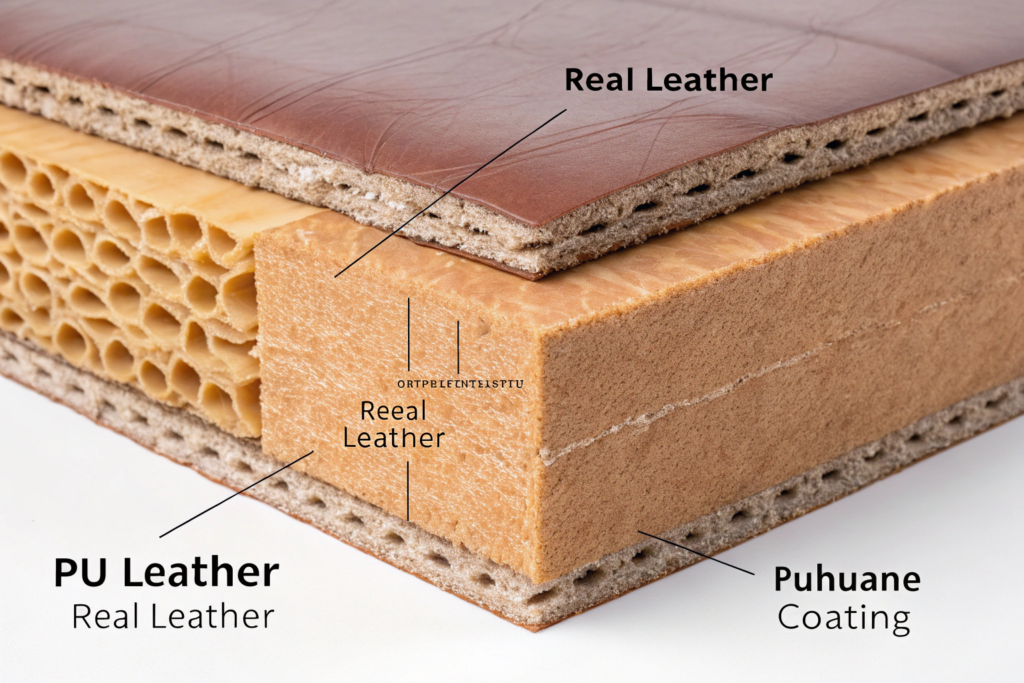
Real leather is made from the hide of an animal, most commonly cow. The hide is preserved, tanned (a process using vegetable or chrome-based agents to prevent decomposition), and then finished. It retains the natural, complex fibrous structure of the original hide. This structure gives it strength, flexibility, and breathability. No two pieces are exactly alike, as they bear the natural markings of the animal. PU leather, on the other hand, is a manufactured composite. It starts with a fabric base, often polyester or cotton. This base is then coated with a layer of liquid polyurethane, which is dried and textured to resemble leather. It is a uniform, consistent, man-made product.
The manufacturing process for real leather is lengthy and skilled. It begins with the raw hide, which is a by-product of the meat industry. The hide is cured, soaked in lime to remove hair, and then tanned. Tanning is the critical step that transforms a perishable hide into stable, durable leather. There are different tanning methods, with vegetable tanning (using natural tannins from tree bark) being the oldest and most environmentally friendly, and chrome tanning (using chromium salts) being faster and producing a softer, more pliable leather. After tanning, the leather is dyed, finished, and often embossed with a texture. The entire process can take weeks. For PU leather, the process is much faster and more industrial. A roll of fabric is fed through a machine that applies a liquid polyurethane coating. The coated fabric then passes through ovens to cure the plastic. It can be textured by pressing it against a patterned roller. The entire process is continuous and rapid. This fundamental difference in manufacturing is reflected in the final product’s cost and character. This is a core topic in material science and textile technology. At Shanghai Fumao Clothing, we source our real leather from tanneries with proven track records for quality and ethical practices, and our PU leather from suppliers who meet our strict standards for durability and finish.
Is one material more environmentally friendly than the other?
This is a complex question. Real leather is a natural, renewable by-product, but the tanning process, especially chrome tanning, can have significant environmental impacts if not managed properly. PU leather is a synthetic, petroleum-based product, but its manufacturing process can be less water-intensive. The "greenest" choice depends on many factors, including the source of the leather, the tanning method, and the durability of the final product. A long-lasting real leather belt that is worn for decades may have a lower environmental footprint than several PU leather belts that are replaced every few years. We advise our clients to consider the full lifecycle of the product.
Can PU leather be recycled?
PU leather is difficult to recycle because it is a composite of fabric and plastic. It is not easily broken down into its component parts. Real leather, being a natural material, can eventually biodegrade, though the tanning process slows this significantly. Neither material is simple from a disposal perspective, which is why durability and longevity are such important environmental factors.
How Do Durability and Longevity Compare?
A belt is a functional item. It is subjected to constant stress, friction, and flexing. It is worn against the body, exposed to sweat and oils, and often caught between waistband and belt loops. Its ability to withstand this daily abuse is the ultimate test of its quality. This is where the difference between real leather and PU leather becomes most apparent, and where the initial cost savings of PU can be quickly erased by a shorter lifespan.
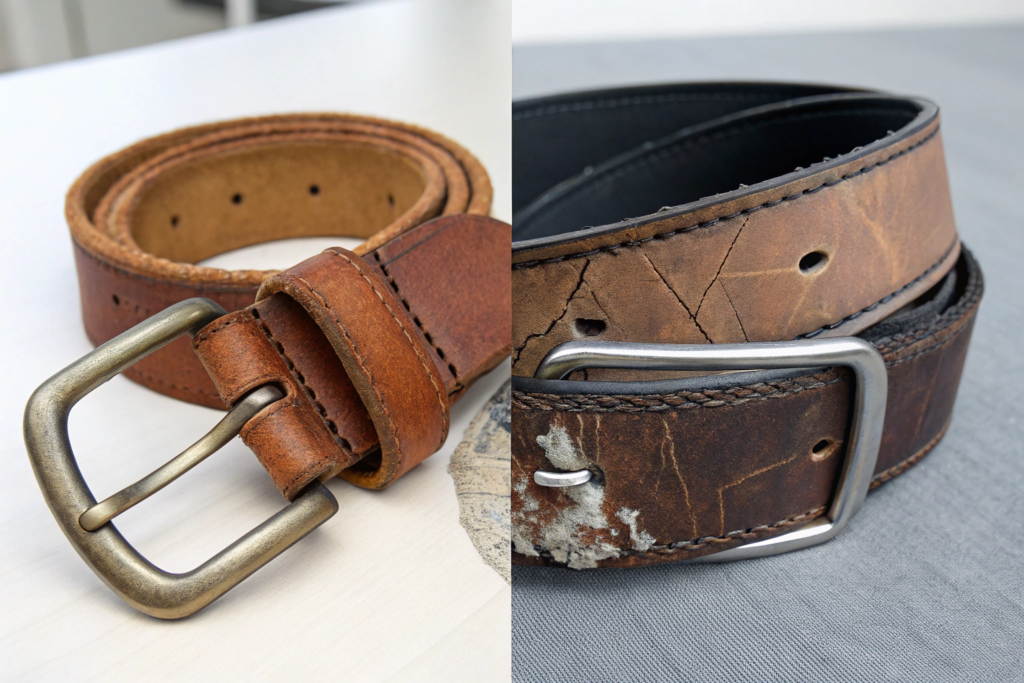
Real leather is significantly more durable than PU leather. Its natural, fibrous structure gives it immense tensile strength and flexibility. It can be stressed, flexed, and pulled thousands of times without failing. It also ages gracefully. Over years of wear, real leather softens and develops a rich, unique patina that adds to its beauty. PU leather is less durable. Its surface is a plastic coating. Over time, with repeated flexing and exposure to body oils and heat, this coating can crack, peel, or flake off, revealing the fabric base underneath. It does not age gracefully; it simply degrades. A well-made real leather belt can last a lifetime. A PU leather belt is typically a product of a few seasons.
Let’s look at the specific failure modes. Cracking is the most common issue with PU leather. As the belt is flexed repeatedly, the polyurethane coating, which is less flexible than the fabric base, develops micro-fractures. These grow over time, leading to visible cracks. Peeling or delamination occurs when the bond between the polyurethane coating and the fabric base fails. This can be accelerated by heat, moisture, and oils. Once peeling starts, it is irreversible and spreads quickly. Real leather, in contrast, does not have a surface coating to peel. Its color and finish are integrated into the material. With wear, it may show scuffs or scratches, but these can often be buffed out or even add to its character. The structural integrity of the leather itself remains intact. This is a key concept in material durability testing. At Shanghai Fumao Clothing, we test both materials, but for a client seeking a product that will last, we always advocate for high-quality real leather.
Is all real leather equally durable?
No. The durability of real leather depends on the quality of the hide and the tanning process. Full-grain leather, which retains the entire natural grain, is the strongest and most durable. Top-grain leather, which has been sanded to remove imperfections, is slightly less durable. Bonded leather, made from leather scraps and fibers held together with polyurethane, is the least durable and can peel and crack much like PU leather. The grade of leather matters immensely.
How can I make a PU leather belt last longer?
To extend the life of a PU leather belt, avoid exposing it to excessive heat, moisture, or direct sunlight for long periods. Do not over-tighten it, as this puts extra stress on the material. Clean it gently with a damp cloth and mild soap. However, even with the best care, a PU leather belt will have a significantly shorter lifespan than a real leather one. It is a product with a built-in expiry date.
What About Appearance, Feel, and Breathability?
Beyond durability, there is the sensory experience of the belt itself. How does it look? How does it feel against your skin and in your hands? Does it breathe? These are the qualities that a customer perceives every time they wear the belt. They are the difference between a product that feels like a luxury accessory and one that feels like a functional item. Real leather and PU leather offer profoundly different experiences.
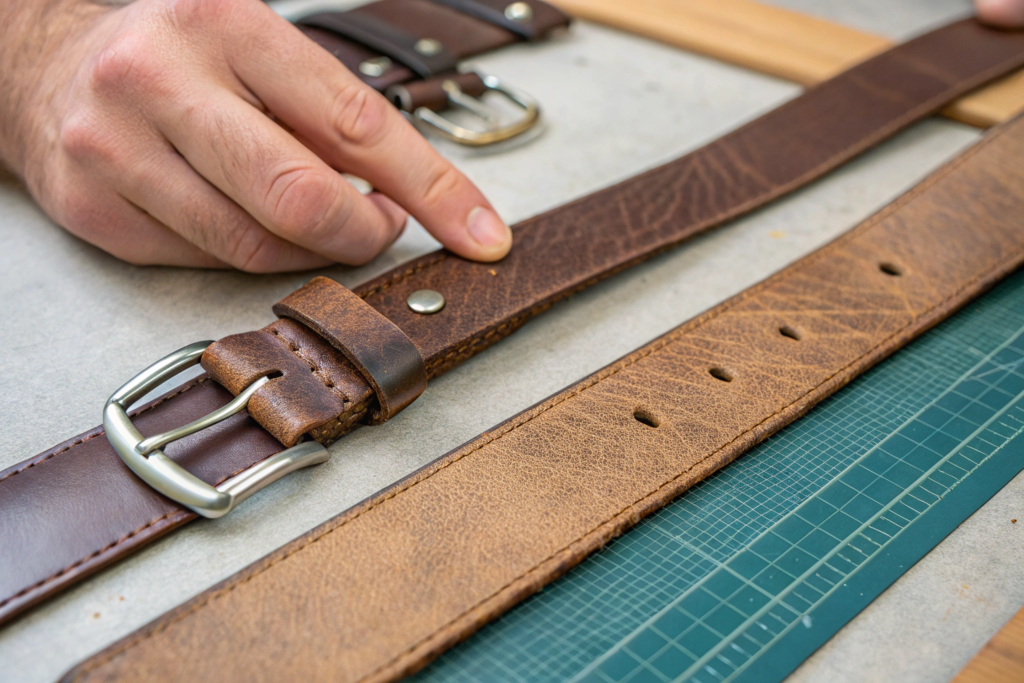
Real leather has a warm, natural, and organic appearance. Its surface is marked by a unique grain, and may have small, natural imperfections like scars or stretch marks. These are not flaws; they are proof of its authenticity. It feels soft, supple, and warm to the touch. It is also breathable, meaning it can absorb and release moisture vapor. This makes it more comfortable to wear against the skin, as it does not trap heat and sweat. PU leather has a more uniform, often "perfect" appearance. Its grain is man-made and repeats. It can feel smooth and pleasant, but it often has a slightly plastic or synthetic feel. It is non-breathable, as the plastic coating acts as a barrier. This can make it feel hot and sticky against the skin, especially in warm weather.
The difference in breathability is a major comfort factor. Leather is a natural, porous material. It can absorb up to a third of its weight in moisture and then release it to the air. This "breathing" action helps regulate temperature and keeps the wearer comfortable. PU leather, with its continuous plastic surface, cannot do this. It acts as a barrier, trapping heat and moisture against the skin. Over a long day, a PU leather belt can become uncomfortable, leaving the skin feeling sweaty and irritated. The visual differences are also significant. A real leather belt develops a beautiful patina over time. This is a subtle change in color and luster caused by exposure to light, oils, and wear. It is a sign of age and quality, and it makes each belt unique. PU leather does not develop a patina. Its color may fade or become dull, but it will not gain the rich, warm depth of aged leather. This is the essence of leather craftsmanship. At Shanghai Fumao Clothing, we celebrate the unique character of real leather, and we help our clients select hides that will develop a beautiful patina over time.
Can PU leather be made to look very realistic?
Yes, the quality of PU leather has advanced significantly. High-quality PU leather can be a very convincing imitation, with realistic grain patterns and a soft hand-feel. However, an experienced eye or hand can often still tell the difference, especially when examining the material closely or comparing it side-by-side with real leather. The lack of natural imperfections and the slightly different thermal feel are telltale signs.
Is there a "vegan" advantage to PU leather?
For customers who choose to avoid animal products for ethical reasons, PU leather is a viable alternative. It is important to note, however, that it is a petroleum-based synthetic. Some brands are now developing innovative vegan leathers from plant-based sources like pineapple leaves (Piñatex), apple peels, or mushrooms. These are emerging alternatives that offer different properties. We are actively exploring these new materials for our clients who seek vegan options with a lower environmental footprint.
How Does the Choice Impact Your Brand and Pricing?
Ultimately, the choice between PU leather and real leather is a strategic business decision. It will define your product’s position in the market, its price point, and the message it sends about your brand. There is no single "right" answer. There are only trade-offs. Understanding these trade-offs is essential to making a choice that aligns with your brand’s identity and your customers’ expectations.
Choosing real leather positions your brand in the premium, durable, and authentic segment. Your cost of goods will be higher, and your wholesale and retail prices will reflect that. Your marketing should emphasize the quality, the natural material, and the lifetime value of the product. You are selling an heirloom-quality item. Choosing PU leather allows you to offer a more affordable, fashion-forward product. It is ideal for trendy styles that may change quickly, or for customers who prioritize budget and animal-free materials over long-term durability. Your marketing should focus on style, affordability, and its vegan credentials. Both choices can be successful, as long as they are made intentionally and honestly.
Let’s look at the practical implications for your business. With real leather, you are investing in a material that will last. Your customers will be more likely to become repeat buyers and brand advocates. The higher price point allows for better margins, but it also means you are targeting a more discerning, quality-focused customer. With PU leather, you can produce and sell at a lower price point, which can lead to higher volume. However, you must be prepared for a higher rate of product turnover and potential issues with long-term durability. Your customer might replace a PU leather belt every year or two, while a real leather customer might buy one belt and wear it for a decade. The key is to be honest. Do not call a PU leather belt "leather" or imply it has the same qualities. This will only lead to disappointed customers and damage your brand’s reputation. Transparency builds trust. This is a core principle of brand authenticity and product positioning. At Shanghai Fumao Clothing, we help our clients navigate this decision, providing clear information on the properties and costs of each material so they can make the choice that is right for their brand.

Can I mix both materials in my collection?
Absolutely. Many successful brands offer both. They might have a core line of classic, real leather belts that are their "forever" products, and a seasonal, trendy line of PU leather belts in fun colors and patterns. This allows them to cater to different customer needs and price points under one brand umbrella. The key is to be clear in your marketing about what each product is.
How should I describe a PU leather belt to my customers?
Honesty is the best policy. Use terms like "vegan leather," "PU leather," or "polyurethane-coated fabric." Do not simply call it "leather." You can highlight its benefits: it is affordable, comes in a wide range of colors, is animal-free, and is easy to care for. Be upfront about what it is, and your customers will trust you.
Conclusion
The choice between PU leather and real leather for belt manufacturing is a fundamental one. It is a choice between a natural, durable, character-rich material that ages beautifully, and a synthetic, affordable, and versatile material that offers consistency and a vegan profile. Neither is inherently "better." The right choice depends on your brand’s values, your target customer, and the promise you want to make.
At Shanghai Fumao Clothing, we have deep expertise in both materials. We work with tanneries that produce high-quality real leather, and we source PU leather from suppliers who meet our strict standards. We can help you understand the nuances of each, select the perfect material for your design, and produce belts that meet your quality expectations and your customers’ needs. We are your partners in making informed, honest, and successful products.
Are you ready to create a belt collection that perfectly reflects your brand? Let’s talk about which material is right for you. Contact our Business Director, Elaine, at elaine@fumaoclothing.com to start the conversation.