I was having coffee with a long-time client, a successful online accessory brand owner, a few months ago. She was brilliant at digital marketing. Her Instagram was perfect. Her website converted like crazy. But she was frustrated. She had a new line of hair clips she was sure would be a hit, but she was terrified of placing a large production order. "I can show them beautiful photos," she said. "But I can’t let them touch the quality, see the true color, or feel the weight of the clip. I’m missing that human connection. I’m guessing." Her frustration was the frustration of every digital-first brand. You can show, but you can’t let them experience.
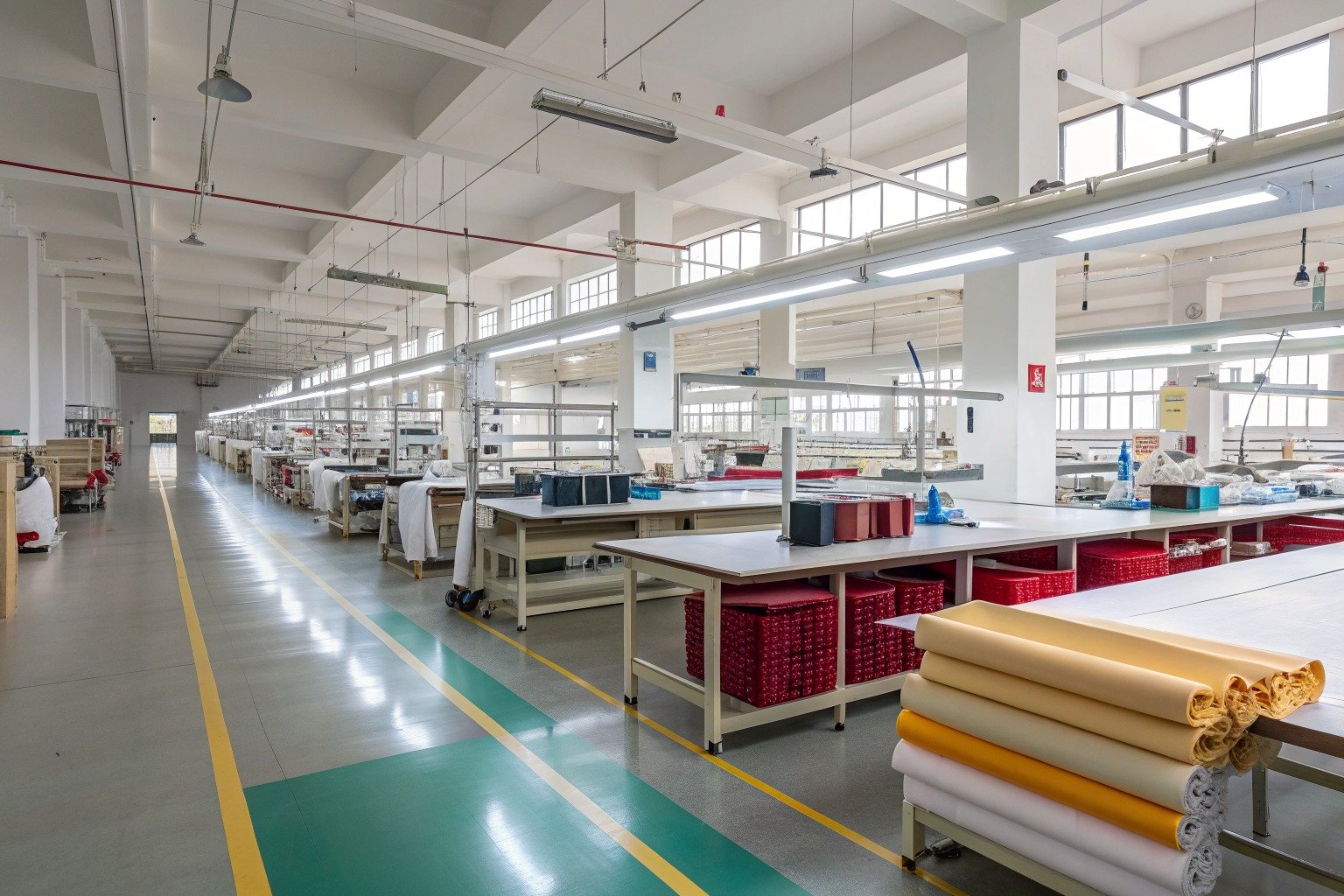
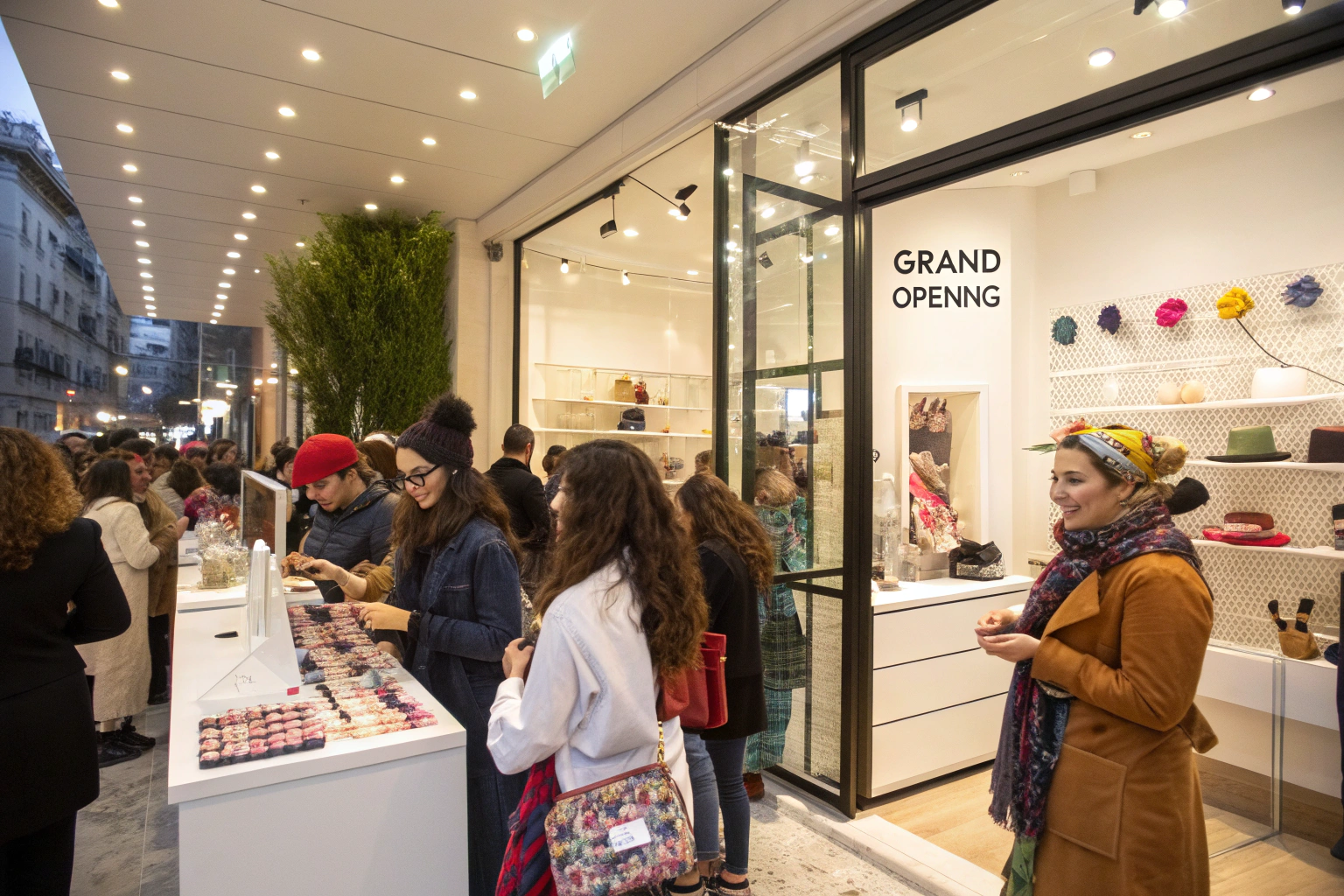
Pop-up shops are a powerful, low-risk strategy for testing new accessory markets. They allow you to move beyond the screen and create a real-world, tangible experience for potential customers. You can gauge genuine interest, collect immediate feedback, and see how people interact with your products. A successful pop-up provides invaluable data—what sells, what people ask for, what they pick up and put down—that no online algorithm can match. At Shanghai Fumao Clothing, we work with brands to create small-batch, flexible production runs specifically for these kinds of real-world tests, allowing them to launch with confidence.
That brand owner was stuck in the digital echo chamber. She had analytics, but she didn’t have insight. A pop-up shop is a bridge between the digital world and the physical one. It is a temporary space where you can have real conversations, observe real behavior, and learn real lessons. It is the ultimate market research tool, disguised as a retail experience. Let me walk you through the four key strategies for using pop-up shops to test new accessory markets successfully.
Why Is Physical Interaction So Crucial for Accessories?
You can spend a fortune on the most beautiful product photography and the most compelling video content. But a screen is a screen. It cannot convey the weight of a well-made metal barrette, the impossibly soft hand-feel of a cashmere scarf, or the satisfying snap of a high-quality hair clip spring. For accessories, these tactile qualities are not just details; they are the primary drivers of the purchase decision. A customer needs to touch it to want it.
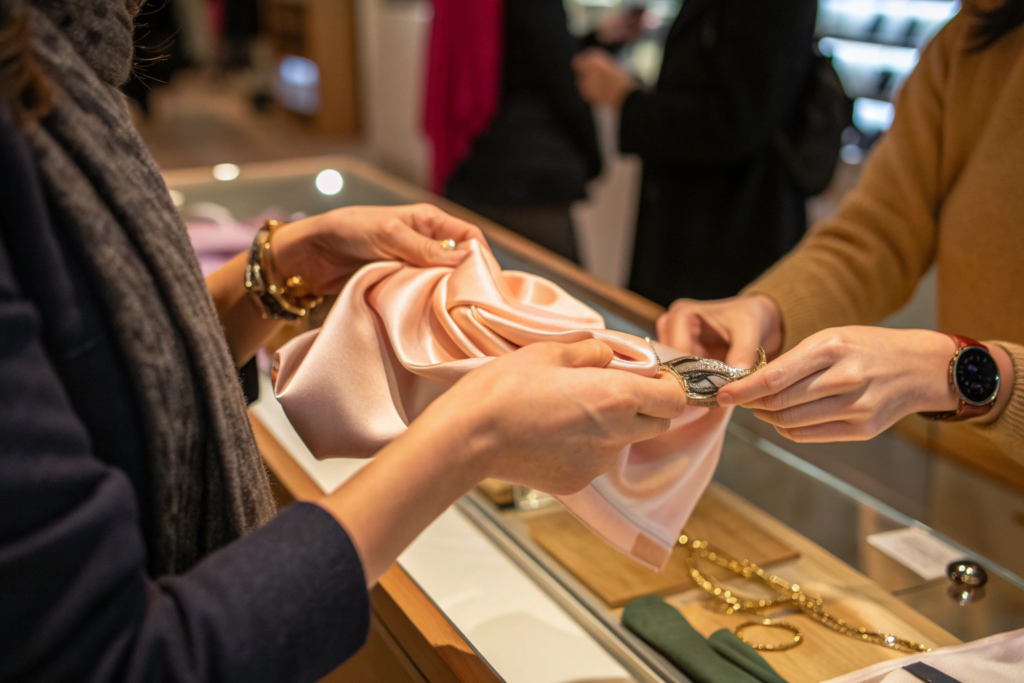
Physical interaction in a pop-up shop allows the customer to experience the quality and craftsmanship you have worked so hard to achieve. They can feel the smoothness of a polished acetate clip. They can drape a scarf and see how the color works with their skin tone. They can test the secure hold of a belt buckle. This sensory experience builds trust and desire in a way that a photograph simply cannot. It transforms a casual browser into a confident buyer. It also provides you, the brand owner, with invaluable feedback. You can see which textures people gravitate towards, which colors they pick up first, and which designs they examine most closely.
The psychology of touch is powerful. When we touch an object, we begin to form an emotional connection with it. It becomes real to us. This is especially true for accessories, which are intimate, personal items. They sit against our skin, adorn our bodies. A pop-up shop provides the space for this crucial "try before you buy" moment. Furthermore, the feedback you get is immediate and honest. You will hear questions like, "Is this too heavy?" or "Does this come in a softer fabric?" or "How does this clip hold up in thick hair?" These are the exact insights you need to refine your next collection. This is the essence of experiential retail. At Shanghai Fumao Clothing, we encourage our clients to think of pop-ups as live product testing laboratories.
What if my accessories are primarily visual, like a bold print?
Even for a highly visual product, touch matters. The quality of the silk, the weight of the fabric, the feel of the print against the skin—all of these contribute to the overall perception of value. A customer might be drawn to a print online, but they will only be convinced of its quality when they feel it in their hands. Touch confirms and elevates the visual promise.
How do I capture the feedback I hear in the shop?
This is critical. Have a simple system in place. A notebook behind the counter, a quick survey on a tablet, or even just voice notes on your phone at the end of each day. Train your staff to ask open-ended questions: "What do you think of this piece?" "Is there anything you’d change?" "What would make this perfect for you?" This qualitative data is pure gold.
How Do You Choose the Right Location and Timing for Your Test?
You have beautiful products and a desire to test them. But if you open your pop-up shop in the wrong neighborhood or at the wrong time of year, your results will be meaningless. Location and timing are not just details; they are the variables that will define your entire experiment. You need to put your products in front of the right people, at the moment they are most likely to be interested. This requires research and a clear understanding of your target customer.
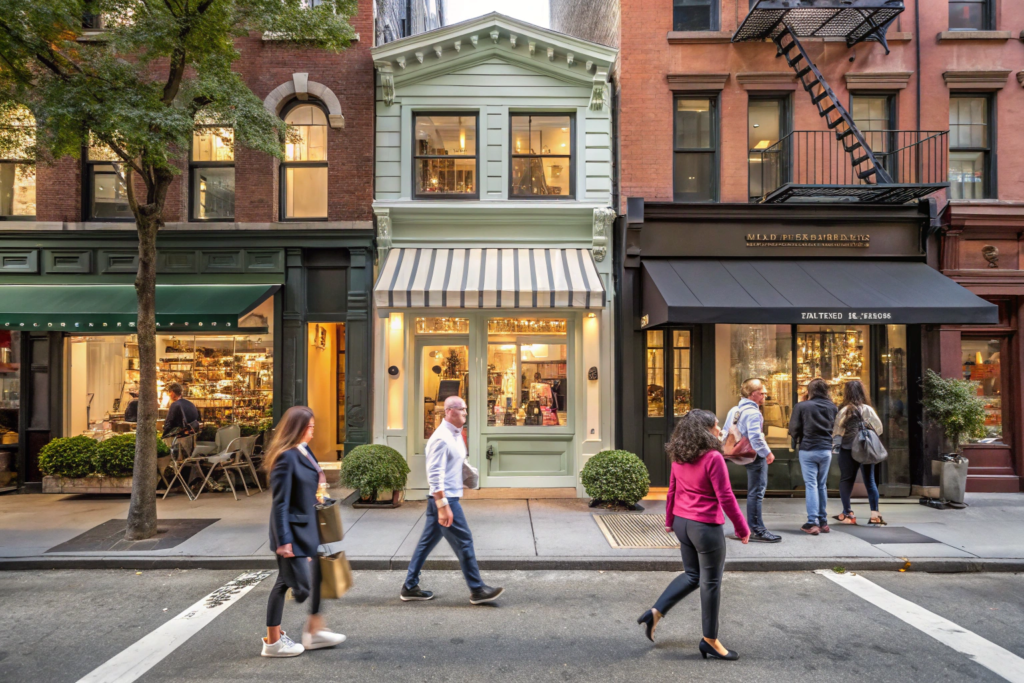
Choosing the right location means understanding your target demographic. Where do your ideal customers live, work, and shop? If you are testing a line of luxury, high-end hair clips, you need a location in an affluent neighborhood with high foot traffic and a clientele that appreciates quality. If you are testing a trendy, affordable line for a younger crowd, a spot near a university or in a hip, up-and-coming area is better. The location’s "vibe" should match your brand’s aesthetic. Timing is equally crucial. Align your pop-up with relevant shopping seasons, local events, or fashion weeks to maximize traffic and relevance.
Let’s get into the specifics. Foot traffic is not just about numbers; it’s about the right numbers. You can count the people walking by, but you also need to observe them. Are they your target customer? You can also consider a collaborative pop-up. Partnering with a complementary brand (e.g., a jewelry brand and a boutique clothing store) can allow you to share costs and tap into each other’s customer bases. Another option is a shop-in-shop. Renting a small space within an existing, well-chosen boutique can be a lower-risk way to test a market than taking on a full lease. For timing, consider the "shoulder seasons." Testing a winter hat line in October is smart; testing it in January, when everyone is done with winter shopping, is not. The data you get is only as good as the context in which you collect it. This is a classic application of retail site selection principles. At Shanghai Fumao Clothing, we often discuss these location strategies with our clients to help them plan effective tests.
How long should a test pop-up shop last?
There is no single answer, but a typical run is between one week and three months. A shorter run (1-4 weeks) creates urgency and can be a great way to test a very specific collection or a holiday market. A longer run (1-3 months) allows you to gather more data, build some local awareness, and test different days of the week and times. The key is to define your goals first. If you just want to gauge reaction to a new product, a shorter run might be enough. If you want to test the viability of a permanent location, you need a longer commitment.
What if I can’t afford a prime retail location?
Pop-ups don’t have to be in the most expensive real estate. Consider alternative spaces like a booth at a local weekend market, a spot in a shared retail space, or even a collaboration with a café or restaurant. The goal is to get your products in front of people, not necessarily to have a standalone store. Be creative and work within your budget. The learning is what matters most.
How Do You Design the Pop-Up Experience to Maximize Learning?
You have the location and the timing. Now you need to design the space itself. A pop-up shop for testing is different from a traditional retail store. Your primary goal is not just to make sales (though that’s great!), but to learn. Every element of the space should be designed to encourage interaction, observation, and feedback. You are not just a seller; you are a researcher.
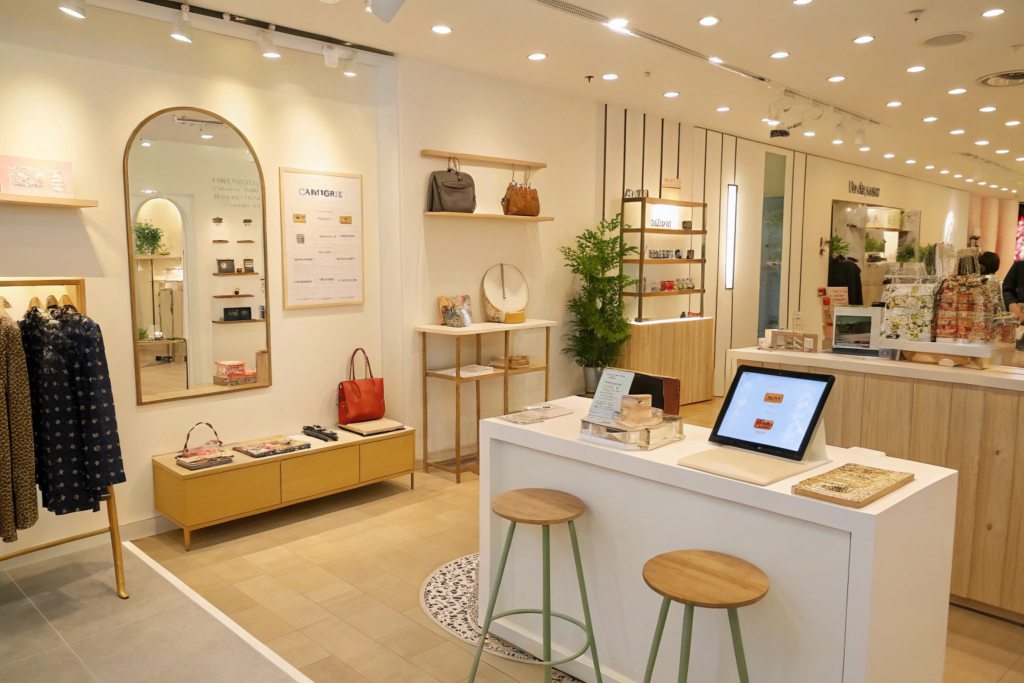
Design your pop-up to be highly interactive. Create low, open displays that invite customers to touch and pick up items. Place mirrors at multiple points so people can easily try on hats, scarves, and hair clips. Have a dedicated "feedback station" with a simple survey on a tablet, or a bowl where customers can drop a card with a quick answer. Train your staff to be conversationalists, not just salespeople. Their job is to engage customers in dialogue, ask questions, and listen. The physical environment should make this easy and natural.
Think about the customer journey from the moment they walk in. The first few seconds are for visual attraction. Then, they need to be invited to touch. Open trays, bowls of clips, and scarves draped over rails all say, "Please handle me." The trying-on moment is critical. This is where the customer’s emotional connection is made or broken. Have good lighting near the mirrors. Have staff nearby to offer an opinion or a second option. The "exit" is also a learning opportunity. This is where you can ask a quick, non-pressuring question: "Did you find everything you were looking for today?" or "What was your favorite piece in the collection?" This five-second interaction can yield incredible insights. This is the heart of customer experience design. At Shanghai Fumao Clothing, we often help our clients create "display samples" specifically for these interactive environments, pieces that are durable enough for constant handling.
How do I balance making sales with collecting feedback?
They are not mutually exclusive. In fact, a good sales conversation is a goldmine of feedback. Train your staff to see every interaction as a dual-purpose opportunity. While they are helping a customer find the perfect hair clip, they can also be learning why that customer loves a particular style, what other colors they wish it came in, and what problems they have with their current accessories. The sale is the reward for a successful learning conversation.
What should I include in a simple feedback survey?
Keep it incredibly short. People in a pop-up shop are there to have fun, not to do homework. Three to five questions max. Ask about their favorite product, how they heard about you, and one open-ended question like "Any suggestions for us?" You can also offer a small incentive, like 10% off their next online purchase, for completing the survey. The goal is to get a high response rate, not a long, detailed essay.
How Do You Translate Pop-Up Learnings into Production Decisions?
You have run your pop-up. You have stacks of sales data, notebooks full of customer comments, and a much clearer sense of your market. Now comes the most important part: making sense of it all. The purpose of the test was to inform your next move. If you don’t translate the learnings into concrete production decisions, the whole exercise was a fun but expensive distraction. You must analyze the data with a critical eye and let it guide your next steps.
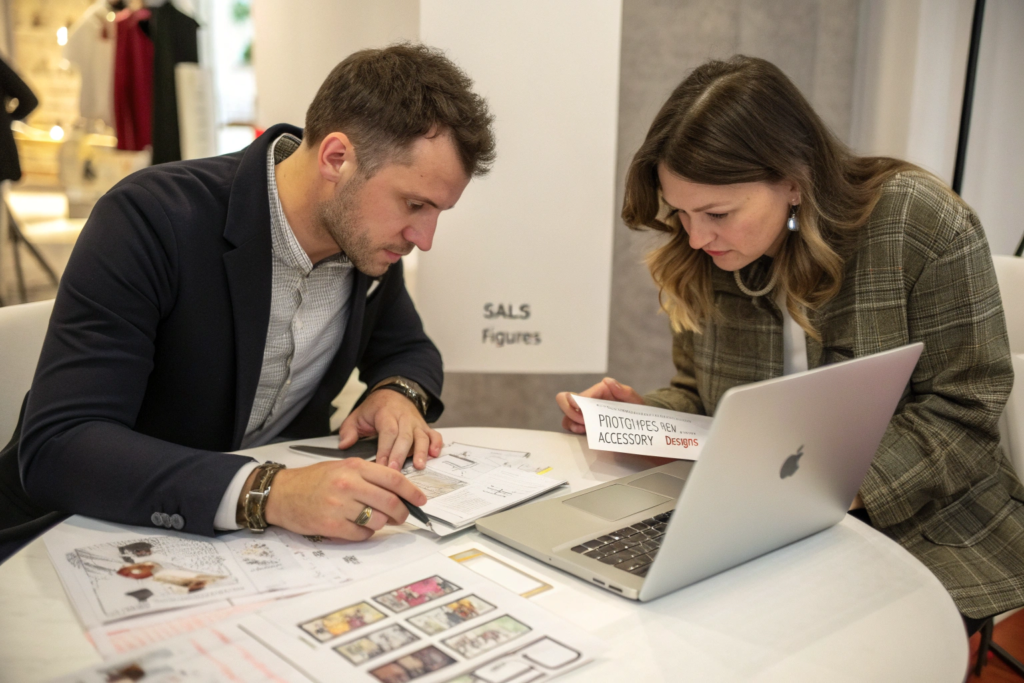
Translating pop-up learnings into production decisions requires a systematic review. First, look at the sales data. What were your top three best-selling items? What were the slowest movers? This is your most direct measure of demand. Second, review your qualitative feedback. What did customers consistently praise? What problems did they mention? Were there common requests for different colors, sizes, or materials? Third, observe the behavioral data. What items did people pick up most often but not buy? What displays attracted the most attention? This data tells you what piques interest, even if it didn’t lead to a sale. Combine all these insights to make informed decisions about your next production run.
Let’s imagine some scenarios. If a particular style of hair clip was your top seller and received constant praise, you have a clear winner. You can confidently place a larger production order for that style, perhaps in a few additional colors. If a scarf style was frequently picked up but rarely purchased, and customers commented that it was "too itchy," you have a clear problem to solve. You might need to source a softer yarn for the next iteration. If customers constantly asked if a belt came in a narrower width, you have identified a gap in your line. You can develop a new, narrower version for your next test. The pop-up has given you a roadmap. This is the power of agile product development. At Shanghai Fumao Clothing, we are experts at helping clients take these insights and translate them into actionable production plans, from small-batch reorders of winning styles to developing new prototypes based on customer feedback.
What if the sales data from my pop-up is inconclusive?
This can happen, especially with a very short run or low traffic. In that case, your qualitative and behavioral data become even more important. The comments and observations might still give you valuable directional insights. It might also tell you that your location or timing was wrong, and you need to run another test in a different setting. Inconclusive data is still data—it tells you that you need more information.
How quickly should I act on the feedback?
Speed is an advantage. If you have a clear winner, you want to get back to market while the momentum from your pop-up (and any social media buzz it generated) is still alive. This is where having a flexible, responsive manufacturing partner is crucial. We can often produce small-batch reorders of winning styles in a matter of weeks, allowing you to capitalize on the demand you have just validated.
Conclusion
Pop-up shops are far more than a trendy retail format. They are a powerful, low-risk tool for market research and product validation. They allow you to escape the digital echo chamber and connect with real customers in a tangible, meaningful way. You can see how they interact with your accessories, hear their honest opinions, and gather the kind of rich, qualitative data that no online algorithm can provide. This knowledge is the foundation for confident, intelligent production decisions.
At Shanghai Fumao Clothing, we are the perfect partner for brands ready to embrace this kind of agile, test-driven approach. Our ability to produce high-quality, small-batch runs quickly and cost-effectively means you can launch a pop-up with a limited collection, see what works, and then scale up the winners without missing a beat. We help you turn the insights from your pop-up into beautiful, sellable products that your customers truly want.
Are you ready to stop guessing and start knowing what your customers really want? Let’s use a pop-up to find out. Contact our Business Director, Elaine, at elaine@fumaoclothing.com to start the conversation.