
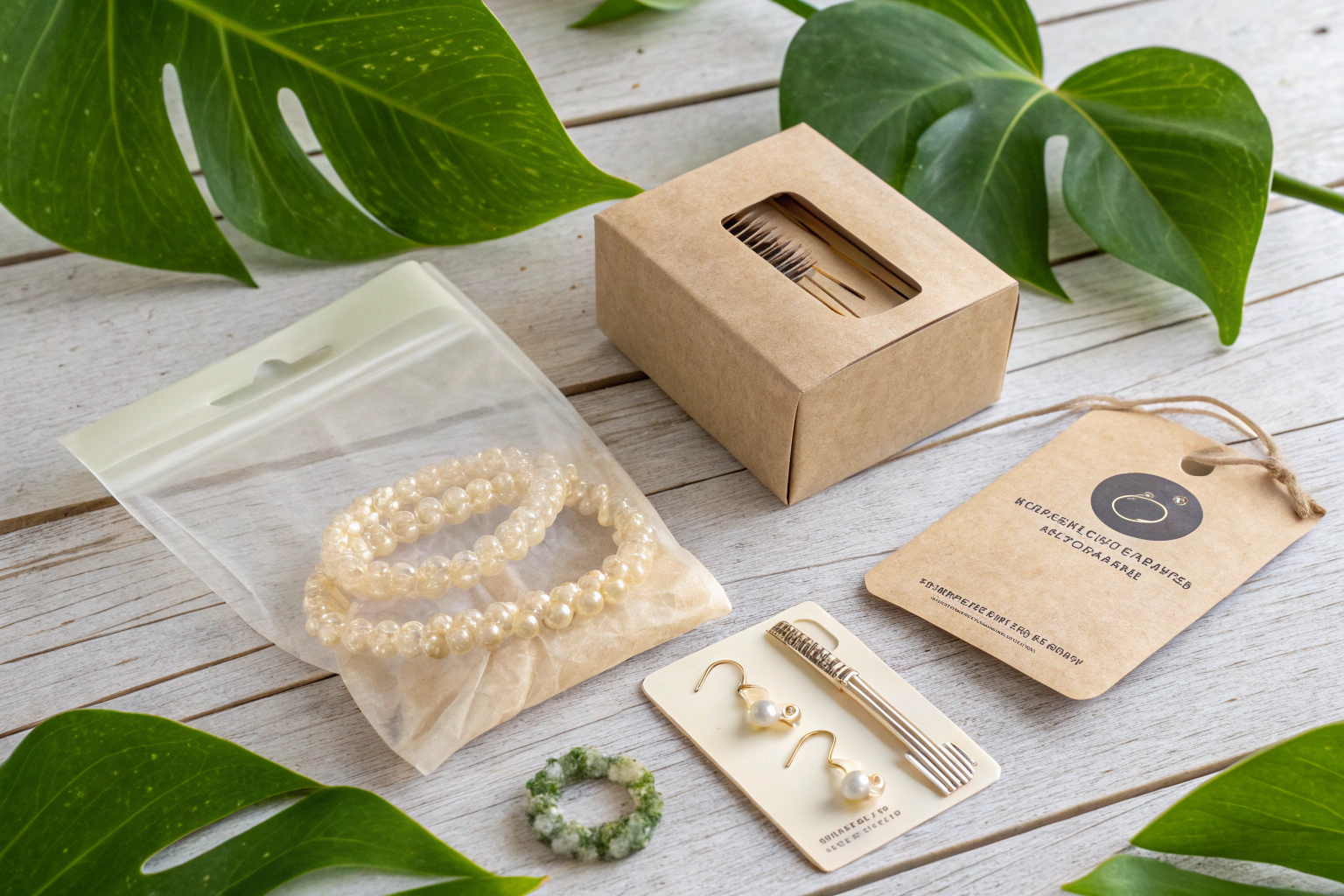
I was on a video call last year with the sustainability director of a major European accessory brand. She was proud of her company’s progress. They had eliminated all virgin plastic from their outer shipping boxes. They were using recycled paper for their hang tags. But then she sighed and showed me a pile of trash on her desk. It was the individual polybags that each of their beautiful hair clips had arrived in. "This is my nightmare," she said. "We spend months designing a sustainable product, and then we wrap it in plastic that will exist for 500 years. Our customers are starting to notice, and they are not happy."
The latest developments in compostable packaging for accessories are focused on creating viable, high-performance alternatives to traditional plastic that can truly break down in a natural environment. This includes home-compostable films made from materials like PBAT and PLA for polybags and wrapping, molded pulp and bagasse for rigid boxes and inserts, and compostable adhesive labels and bio-based inks for printing. At Shanghai Fumao Clothing, we are actively working with our clients to integrate these innovative materials into their packaging, helping them achieve their sustainability goals without compromising on product protection or presentation.
That sustainability director’s frustration is shared by brands all over the world. They have tackled the big, obvious packaging, but the small, essential pieces—the individual bags, the protective wraps—remain a stubborn problem. The good news is that material science is advancing rapidly. The solutions are here, and they are better than ever. Let me walk you through the four most exciting developments in compostable packaging for accessories and explain how they can work for your products.
What Are Home-Compostable Films and How Do They Work for Polybags?
For years, the holy grail of sustainable packaging has been a bag that acts like plastic—clear, strong, waterproof—but disappears like an orange peel when you’re done with it. This is the promise of home-compostable films. Unlike industrial compostable materials, which require specific high-heat facilities that most consumers do not have access to, home-compostable films are designed to break down in a backyard compost bin or even just in the soil, given the right conditions of moisture, heat, and microbes.
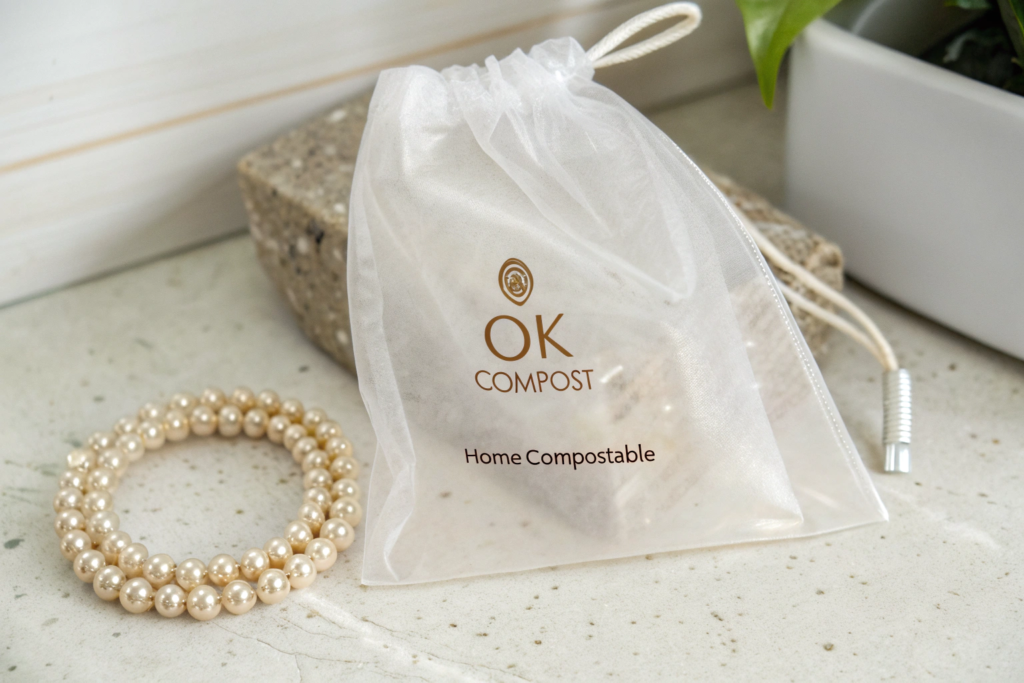
Home-compostable films are typically made from a blend of bio-based polymers like PLA (polylactic acid) , often derived from corn starch, and PBAT (polybutylene adipate terephthalate) , a biodegradable polymer that adds flexibility and strength. These materials are engineered to have the clarity and feel of traditional plastic polybags. They protect accessories from dust, moisture, and scratches during shipping and storage. But when placed in a compost environment, microorganisms consume them, breaking them down into water, CO2, and biomass, typically within 6 to 12 months. This is a game-changer for eliminating the "last mile" of plastic waste.
The technology behind these films has advanced significantly in the last few years. Early versions were often brittle, noisy, and had a short shelf life. The latest generation is remarkably similar to traditional plastic in feel and performance. They are strong, flexible, and can be sealed with heat just like regular polybags. However, it is crucial to understand their limitations. They are not as impermeable to oxygen and moisture as some high-barrier plastics, which is a consideration for long-term storage of certain materials (like silver-plated items that can tarnish). They also have a limited shelf life (typically about a year) before they begin to degrade, so they cannot be stockpiled indefinitely. We work with our clients to choose the right film for their specific product and supply chain. You can learn more about compostable polymer standards from certification bodies. At Shanghai Fumao Clothing, we have tested and vetted several suppliers of these advanced films to ensure they meet our quality and performance standards.
How do I know if a compostable bag is truly "home compostable"?
Look for third-party certifications. In Europe, the TÜV Austria "OK compost HOME" certification is the gold standard. In the US, the BPI (Biodegradable Products Institute) certification is for industrial composting, but there is a growing push for home compostable standards. The packaging should clearly state "Home Compostable" and display a certification logo. Be wary of vague terms like "biodegradable" or "eco-friendly" without certification.
Can I print on compostable films?
Yes, but it requires special inks. Traditional petroleum-based inks can contaminate the composting process. You need to use compostable, bio-based inks. These are available and work well with standard printing processes. The printing must also be done with care, as some inks can affect the compostability of the entire package. We always ensure that any printing on our compostable films uses approved, compostable inks.
How Are Molded Pulp and Bagasse Replacing Plastic Inserts and Boxes?
For years, the standard way to keep an accessory safe inside a box has been a foam insert, a plastic tray, or a bed of plastic shreds. These materials work well, but they are an environmental nightmare. They are difficult to recycle and often end up in landfills. A beautiful, natural, and highly effective alternative has emerged: molded pulp. This is the same material as an egg carton, but engineered to a much higher standard of precision and finish.
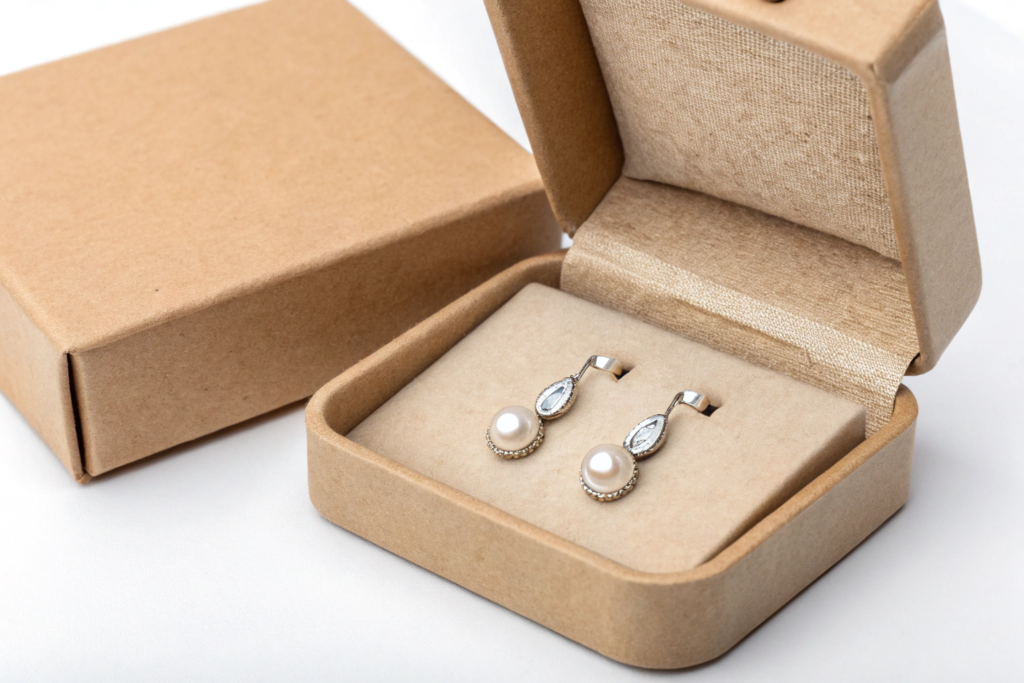
Molded pulp and bagasse (sugarcane fiber) are being transformed into high-quality, custom-fit packaging inserts and boxes for accessories. Using precision molds, we can create inserts with perfectly shaped cavities to hold a specific hair clip, a pair of earrings, or a brooch securely in place. These inserts are rigid, protective, and have a beautiful, natural texture that communicates sustainability instantly. They can be made from 100% recycled paper and are themselves fully recyclable and compostable. They are a perfect replacement for foam and plastic trays.
The technology for creating molded pulp has advanced dramatically. It is no longer just for eggs and coffee cups. We can now create custom molds with very fine details and smooth surfaces. The process starts with a 3D model of the accessory. From that, we create a mold. The pulp, a slurry of recycled paper fibers and water, is then pressed into the mold and dried. The result is a perfect, custom-fit cradle for the product. The finish can be adjusted from a very smooth, almost papery surface to a more textured, natural look. We can even add color by dyeing the pulp or adding a top layer of colored fiber. This is a fantastic example of sustainable material innovation. For clients who want a truly premium feel, we can also line the pulp insert with a thin layer of compostable film or tissue. At Shanghai Fumao Clothing, we work with specialized pulp molding partners to create these custom inserts, offering a beautiful, protective, and truly sustainable solution.
Is molded pulp strong enough to protect delicate accessories during shipping?
Yes, absolutely. Molded pulp is surprisingly strong and excellent at absorbing shock. The key is the design of the mold. A well-designed pulp insert will cradle the product snugly, preventing it from moving, and the walls of the insert will provide cushioning. For very heavy items or rough shipping conditions, the insert can be made thicker, or the box can be designed with a double-wall construction. It is a proven, reliable material for product protection.
Can molded pulp be used for the outer box as well, or just the insert?
It can be used for both! We can create a complete, one-piece hinged box made entirely from molded pulp. This is a beautiful, seamless, and 100% plastic-free packaging solution. The box has a natural, tactile feel and can be closed with a recycled paper sticker or a compostable fabric ribbon. It is a stunning presentation for any accessory.
What About Compostable Adhesives, Labels, and Inks?
You can have a compostable bag, a compostable box, and a compostable insert. But if you close that box with a piece of plastic tape, or attach a label with a non-compostable adhesive, or print your logo with toxic, petroleum-based ink, you have compromised the entire package. For a package to be truly compostable, every single component must be able to break down. The small details matter immensely.
The latest developments in compostable packaging include a full suite of complementary materials. Compostable adhesives are now available for sealing boxes and attaching labels. These adhesives break down along with the paper or pulp they are attached to. Compostable labels, made from the same materials as the packaging, ensure that branding does not compromise sustainability. And bio-based inks, derived from sources like soy or algae, provide vibrant, safe colors for printing that will not contaminate the compost. Together, these components allow us to create a package that is 100% home-compostable.
The devil is in the details, as they say. We have spent considerable time researching and testing these ancillary components. For example, a standard plastic-based adhesive tape will not break down. We now use paper tape with a water-activated adhesive, or a compostable film tape made from the same materials as the bags. For labels, we ensure the label stock itself is compostable (e.g., made from recycled paper) and that the adhesive backing is certified compostable. For printing, we work with printers who specialize in bio-based inks. These inks are made from renewable resources and are formulated to be non-toxic and biodegradable. They are available in a wide range of colors and provide excellent print quality. This holistic approach to sustainable packaging design ensures that no part of the package becomes a pollutant. Our team at Shanghai Fumao Clothing manages all these details for our clients, sourcing and specifying every component to ensure full compostability.
How can I be sure that all these small components are truly compostable?
This is where working with a knowledgeable partner is invaluable. We source our adhesives, labels, and inks from suppliers who provide third-party certifications. We ask for documentation. We test the materials ourselves in controlled conditions. For a client, we can provide a full "compostability compliance" package, listing every component and its certification. This gives you and your customers complete confidence.
Are bio-based inks as vibrant and durable as traditional inks?
Yes, modern bio-based inks have advanced significantly. They offer excellent color vibrancy, opacity, and adhesion to a variety of substrates. They are suitable for most standard printing processes, including digital, offset, and flexographic printing. The technology has matured to the point where the difference in quality is negligible, while the environmental benefit is significant.
How Do You Balance Compostability with Product Protection and Shelf Life?
The most beautiful, eco-friendly package in the world is useless if it fails to protect the product inside. A rusted metal earring, a tarnished silver necklace, or a crushed hair clip is a far greater environmental sin than the plastic bag that might have saved it. The ultimate goal of packaging is to deliver the product safely to the customer. As we embrace compostable materials, we must be rigorous in ensuring they meet the functional demands of our products.
Balancing compostability with product protection requires a deep understanding of both the materials and the product. We must consider the barrier properties of the packaging. Is the product sensitive to moisture, oxygen, or light? A silver-plated hair clip, for example, needs protection from tarnishing. We may need to use a compostable film with a higher barrier, or include a small, compostable anti-tarnish insert. We must also consider the shelf life of the product. How long will it sit in a warehouse or on a store shelf? Compostable materials have a finite lifespan, so we must match the packaging to the expected timeline. This is about making informed, intelligent choices.
Let me give you a concrete example. A client wanted to use a home-compostable bag for a set of brass hair pins. Brass does not tarnish quickly, so the standard barrier properties of a compostable film were perfectly adequate. The bag would protect the pins from dust and scratches, and the shelf life of the bag (about a year) matched the client’s inventory turnover. For another client with silver-plated earrings, we recommended a different approach. We used a compostable bag, but we also included a small, acid-free piece of paper treated with a compostable anti-tarnish agent. This provided the necessary protection without compromising the package’s compostability. For a third client with a very slow-moving, high-end product, we used a rigid, molded pulp box, which provides excellent physical protection and is inherently stable over long periods, without the moisture sensitivity of some films. The key is to match the material to the need. This is the essence of sustainable and functional packaging engineering. At Shanghai Fumao Clothing, we work with our clients to analyze their specific products and supply chains, recommending the compostable solution that provides the perfect balance of protection, presentation, and sustainability.

Are there any accessories that cannot be safely packaged in compostable materials?
For some highly sensitive items, like those with very reactive metals or complex electronic components, the current generation of compostable films may not offer sufficient long-term barrier protection. However, the technology is advancing rapidly. For these items, the best solution might be a combination of a durable, reusable outer package (like a metal tin) with a compostable inner wrap. The goal is always to minimize waste, even if 100% compostability is not yet achievable.
How do I communicate the compostability of my packaging to customers?
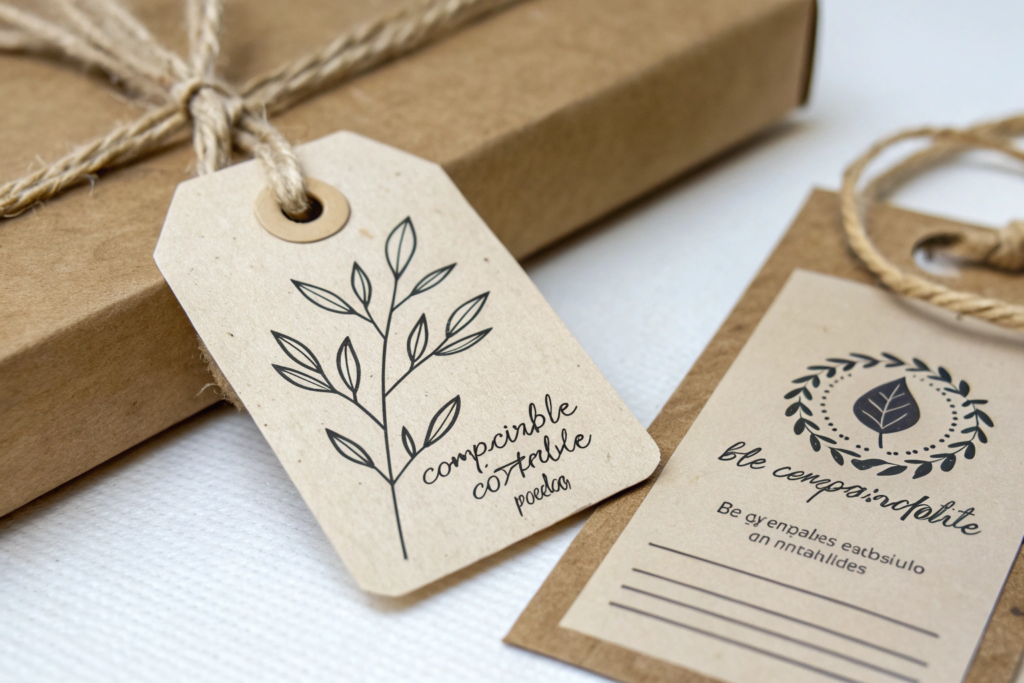
Clear, honest communication is key. Use clear language and recognized certification logos on the package itself. "This bag is home compostable. Certified by TÜV Austria." You can also include a simple explanation on a hang tag or a card inside the package: "Please dispose of this packaging in your home compost bin. If you don’t have one, it can also be disposed of with general waste, where it will biodegrade much faster than plastic." Education is a powerful tool.
Conclusion
The world of compostable packaging for accessories is evolving at an incredible pace. From home-compostable films that finally offer a true alternative to the plastic polybag, to custom-molded pulp that replaces foam and plastic trays, to the vital details of compostable adhesives and bio-based inks, the solutions are here. They allow us to protect our beautiful products without leaving a legacy of plastic pollution.
At Shanghai Fumao Clothing, we are deeply committed to helping our clients navigate this complex and exciting landscape. We have researched the materials, vetted the suppliers, and tested the solutions. We understand the trade-offs and can guide you to the perfect packaging for your specific accessory, balancing protection, presentation, and planet. We believe that the unboxing experience should be as sustainable as the product inside.
Are you ready to eliminate the "plastic nightmare" from your accessory packaging? Let’s find the perfect compostable solution for you. Contact our Business Director, Elaine, at elaine@fumaoclothing.com to start the conversation.




