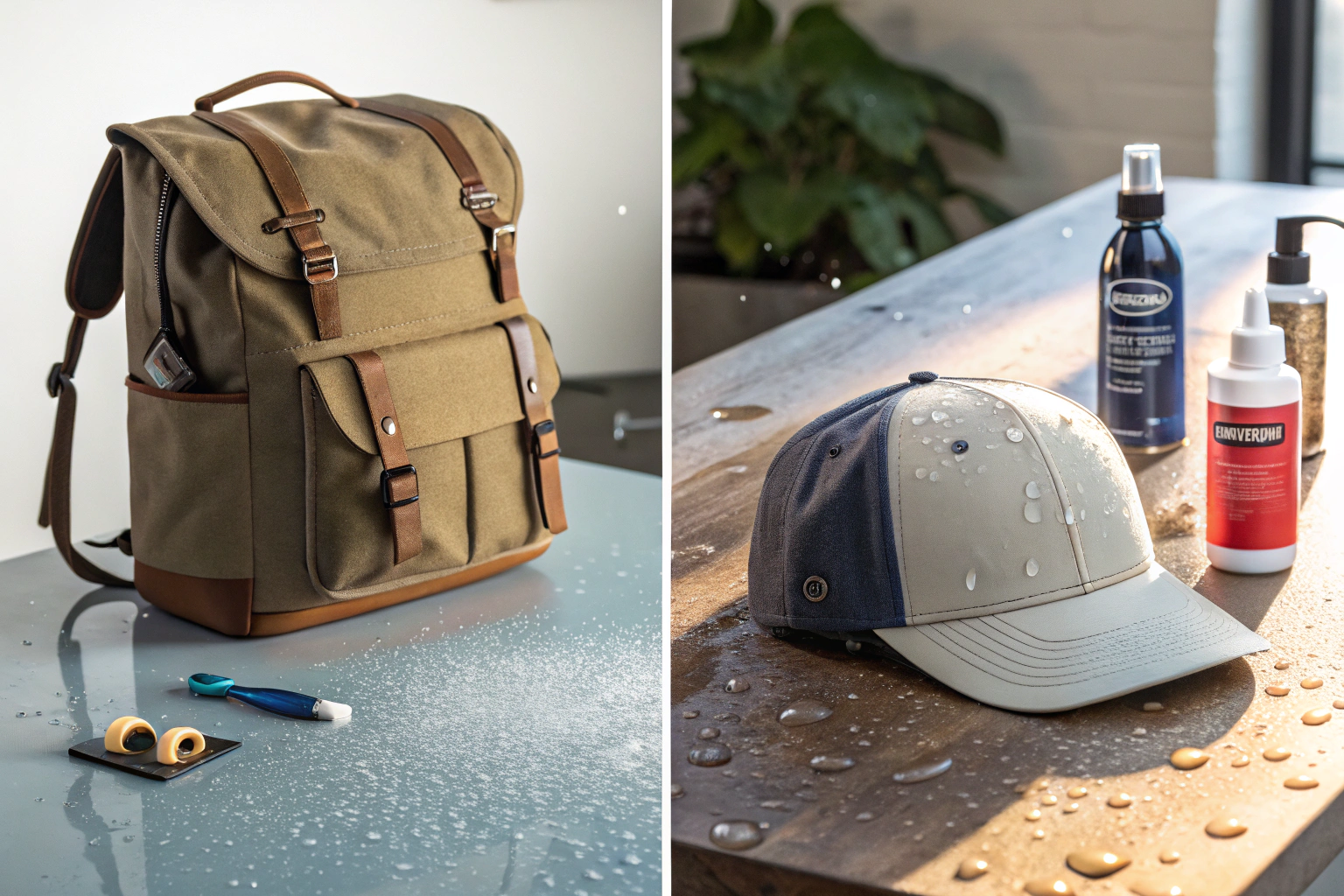
I learned the hard way that waterproofing isn’t optional for canvas products. A client once ordered a beautiful line of canvas bags for a outdoor retailer. They looked perfect. They felt sturdy. But the first rainstorm brought complaints. The bags soaked through. Colors bled. The fabric sagged. We hadn’t specified waterproofing, and the client hadn’t asked. That mistake cost us both. Now, waterproofing is one of the first conversations we have with any client making canvas products.
The best waterproofing treatments for canvas hats and bags include wax-based treatments for natural water resistance and vintage look, silicone-based sprays for easy application and flexibility, and fluoropolymer treatments for maximum durability. Each has different trade-offs in terms of appearance, breathability, and longevity.
I’m the owner of Shanghai Fumao Clothing, and we run AceAccessory. We’ve treated thousands of canvas products. Let me share what we’ve learned about keeping canvas dry.
Why is waterproofing important for canvas accessories?
Canvas is a natural material. It’s made from cotton, which absorbs water like a sponge. Without treatment, a canvas hat or bag will soak through in the first rain. The fabric becomes heavy. It loses shape. Colors may bleed. The item is ruined.
Waterproofing solves this. It creates a barrier that repels water. Drops bead up and roll off. The fabric stays dry. The shape holds. The colors stay true. For outdoor use, waterproofing isn’t a luxury. It’s essential. This is why Shanghai Fumao Clothing always discusses waterproofing options with clients.

What happens to untreated canvas in rain?
Untreated canvas absorbs water rapidly. The fabric becomes saturated and heavy. It can sag and lose shape. If the canvas is dyed, colors may bleed onto clothing. The wet fabric is also more susceptible to mold and mildew if not dried properly. The item becomes uncomfortable to wear or carry. This water damage is why treatment is essential.
Does waterproofing affect breathability?
Some treatments reduce breathability. Wax treatments, for example, create a barrier that blocks both water and air. Silicone sprays allow more breathability. Fluoropolymer treatments can be engineered to repel water while allowing vapor to pass through. The right choice depends on the intended use. A hiking hat needs more breathability than a fashion bag. We help clients balance protection and breathability.
What are wax-based treatments and when should you use them?
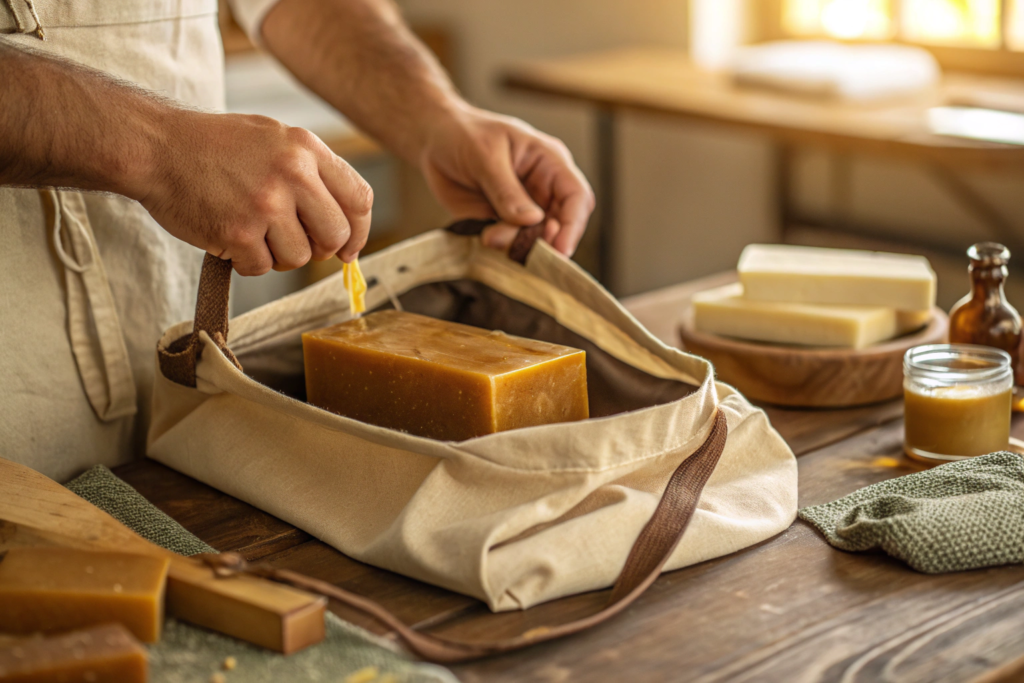
Wax-based treatments are the traditional approach. They’ve been used for centuries on canvas items like tents, jackets, and bags. The wax penetrates the fibers and creates a physical barrier against water.
The advantage of wax is its natural appearance and feel. It gives canvas a rich, slightly darkened look that many people love. It’s also durable. A good wax treatment can last for years with proper care. The disadvantage is that it reduces breathability and can feel stiff, especially in cold weather.
What types of wax are used for canvas?
Beeswax is traditional. It’s natural, smells good, and provides good protection. Paraffin wax is often blended with beeswax to adjust hardness. Some modern treatments use synthetic waxes for better performance. The blend affects how the wax penetrates, how stiff the fabric becomes, and how long the treatment lasts. We use proprietary wax blends developed specifically for accessories.
How long does wax treatment last?
With normal use, a good wax treatment lasts 1-2 years. The wax gradually wears off, especially in areas of friction. The good news is that wax treatments can be reapplied. Many customers enjoy the process of rewaxing their favorite items. It becomes a ritual. We provide re-waxing instructions for customers who want to maintain their items.
What are silicone-based sprays and their advantages?
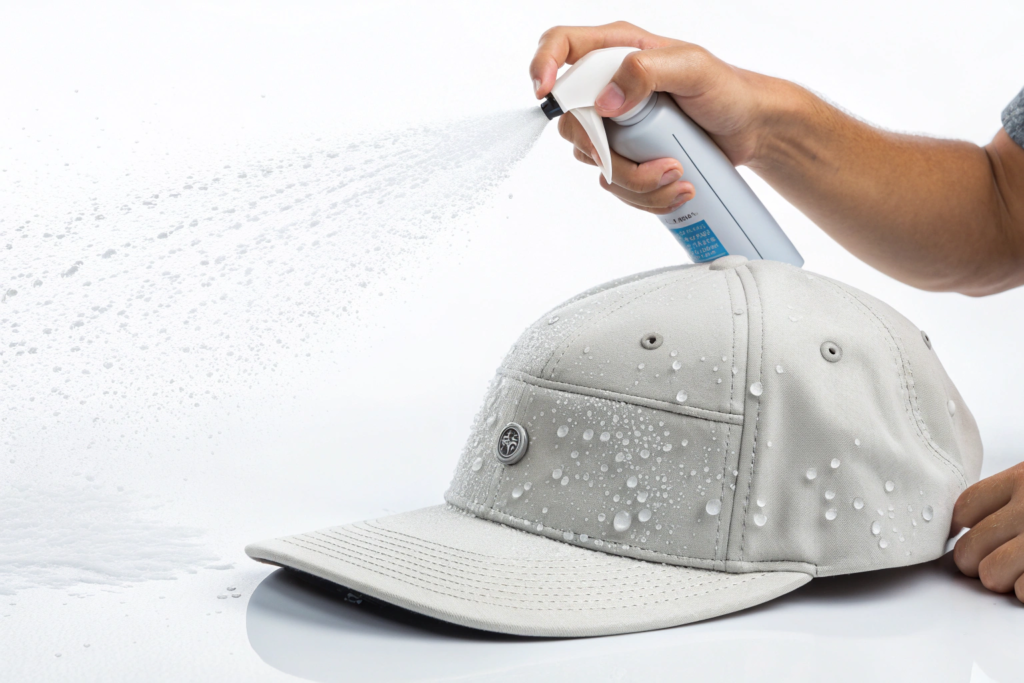
Silicone-based sprays are the modern convenience option. They’re easy to apply. Just spray on and let dry. They create a flexible, water-repellent coating on the surface of the fabric.
The biggest advantage is convenience. Anyone can apply a spray treatment at home. They’re also more breathable than wax. The silicone coating repels water but allows air to pass through. The disadvantage is that they don’t last as long as wax. They need to be reapplied more frequently.
How do you apply silicone spray correctly?
The key is even coverage. Hold the can 6-8 inches from the fabric. Spray in a steady, sweeping motion. Apply enough to wet the surface but not so much that it runs. Let it dry completely, usually 24 hours. Two thin coats are better than one thick coat. We provide detailed application guides with our treated products.
How often should silicone treatment be reapplied?
With regular use, silicone treatments should be reapplied every 3-6 months. The coating wears off with use, especially in areas of friction. Rain and washing also reduce effectiveness. The good news is that reapplication is quick and easy. Many customers keep a can of spray at home for quick touch-ups.
How do you test waterproofing effectiveness?
Testing is essential. You need to know that your treatment actually works. We use standardized tests to measure water resistance. Spray tests simulate rain. Hydrostatic head tests measure resistance to water pressure. Contact angle measurements show how well water beads.
We test every production batch. We don’t rely on the treatment supplier’s word. We verify. This protects our clients and their customers.

What is the spray test for water resistance?
The spray test (AATCC 22) sprays water on fabric at a controlled angle and rate. The fabric is then compared to standard photos showing different levels of wetting. Results are rated from 0 to 100, with 100 being perfect beading. We aim for ratings of 90 or higher for treated products. This standardized test gives reliable, comparable results.
What is the hydrostatic head test?
This test measures how much water pressure fabric can withstand before leaking. A column of water is placed above the fabric. The height of the column is increased until water penetrates. The result is measured in millimeters. Higher numbers mean better resistance. For serious outdoor gear, you want 1000mm or more. For casual use, lower numbers may be acceptable. We conduct these tests on all weather-resistant products.
How do you care for waterproofed canvas?
Waterproofing isn’t permanent. It needs care and maintenance. How you clean and store the item affects how long the treatment lasts.
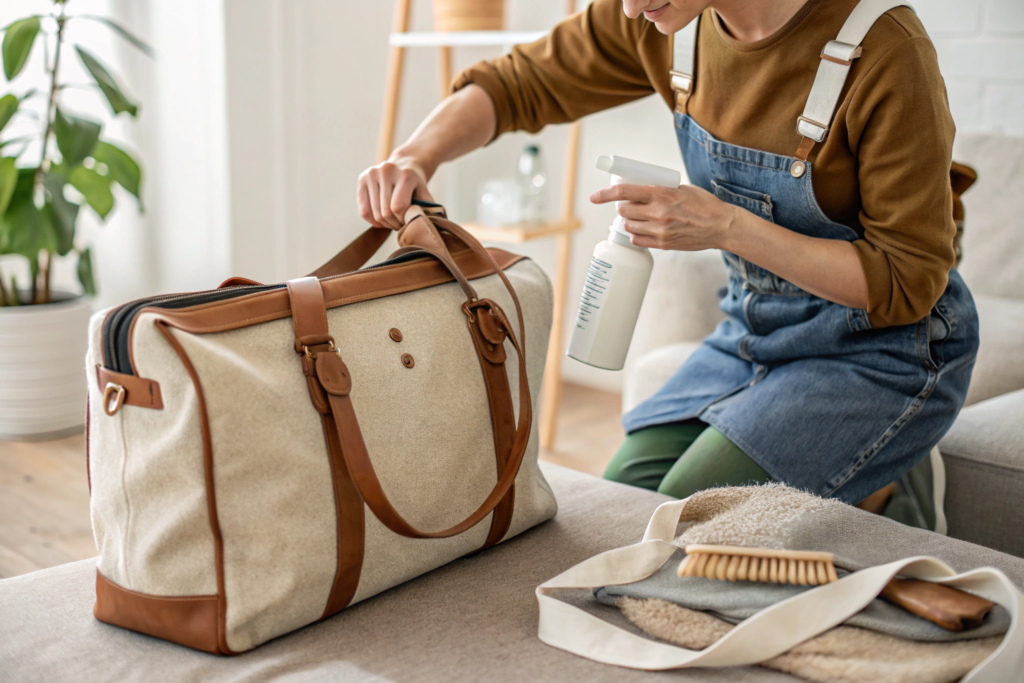
We provide care instructions with every treated product. Clean gently with a soft brush and mild soap. Avoid harsh detergents that can strip the treatment. Air dry away from direct heat. Reapply treatment as needed. With proper care, a good waterproofed canvas item can last for years.
Can you wash waterproofed canvas?
Yes, but carefully. Hand washing with mild soap is best. Machine washing can strip the treatment. If you must machine wash, use gentle cycle and cold water. Then reapply treatment afterward. Never use fabric softener, which can interfere with water repellency. We provide detailed washing instructions for each treatment type.
How do you restore waterproofing after washing?
After washing, the item should be retreated. For wax-treated items, this means reapplying wax and heat-setting it. For silicone-treated items, a fresh coat of spray. For fluoropolymer items, specialized retreatment products may be needed. The key is doing it before the item is needed for rain. We offer retreatment products for all our treatments.
Conclusion
The best waterproofing treatment depends on your product and your customer. Wax offers traditional look and long-lasting protection. Silicone offers convenience and breathability. Fluoropolymer offers maximum performance. Each has its place. The key is choosing the right one for your needs and applying it correctly.
At Shanghai Fumao, we offer all three treatment options. We know how to apply them correctly. We test every batch to ensure performance. We provide care instructions to help customers maintain their items. If you’re planning canvas hats or bags, let’s talk about waterproofing. Reach out to our Business Director, Elaine, at elaine@fumaoclothing.com. She’ll connect you with a project manager who can help you choose the right treatment for your products.