
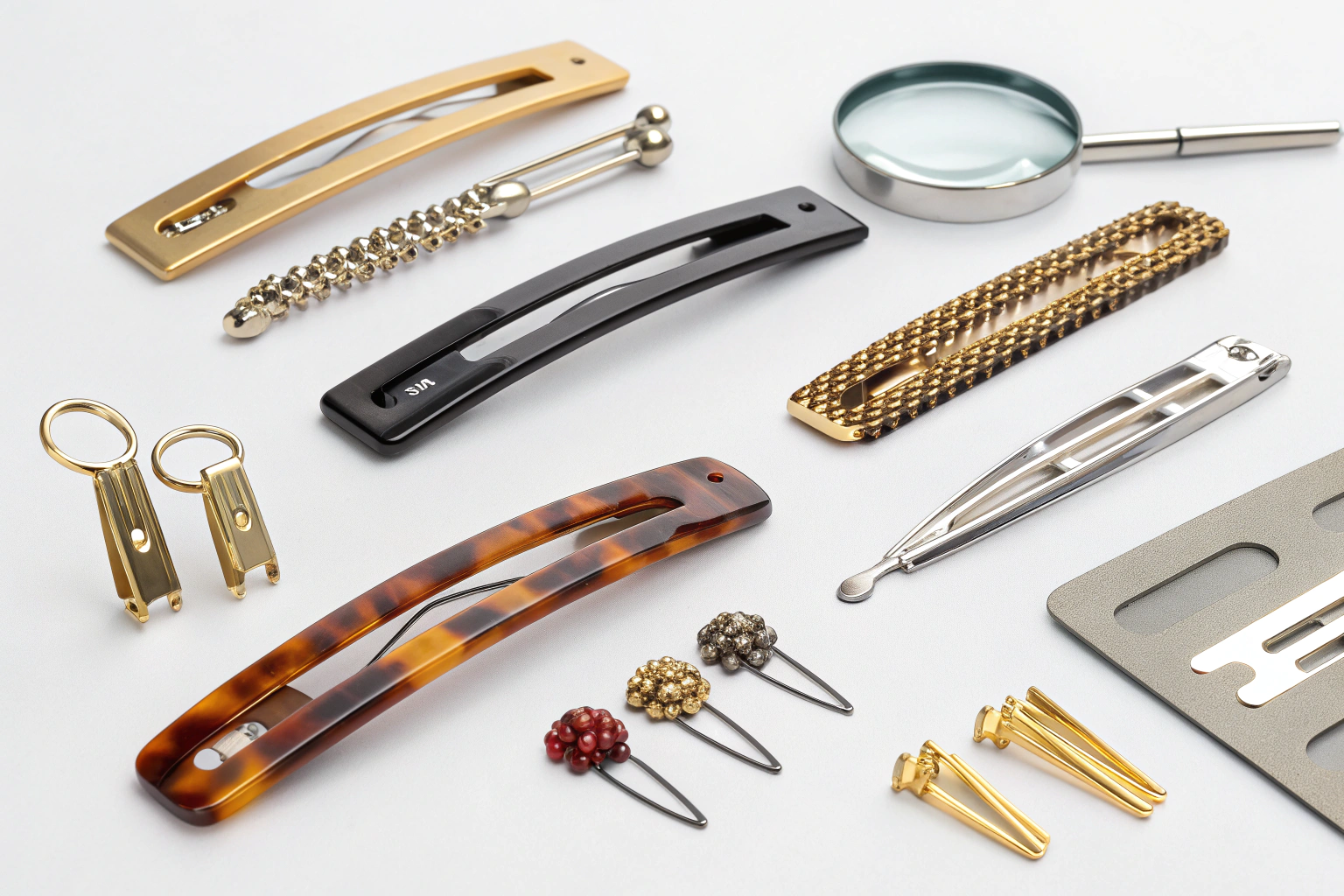
I remember a customer who ordered 10,000 beautiful enamel hair clips. They looked perfect when they arrived. But within weeks, the complaints started. The enamel chipped. The springs lost tension. The clips wouldn’t stay closed. We had to refund the entire order. That painful experience taught me that durability in hair clips isn’t just about appearance. It’s about engineering. It’s about choosing the right materials for every component.
The best materials for durable hair clips include spring steel for tension, acetate for flexibility and strength, brass or stainless steel for metal bases, and high-quality enamel or plating for finishes. The spring mechanism is often the most critical component for long-term durability.
I’m the owner of Shanghai Fumao Clothing, and we run AceAccessory. We’ve manufactured millions of hair clips and learned what makes them last. Let me share what we’ve discovered.
What metals are best for hair clip bases and springs?
The metal components determine the clip’s strength and longevity. The spring needs to maintain tension for thousands of openings and closings. The base needs to be strong enough to hold shape but flexible enough for comfortable wear.
Spring steel is the gold standard for springs. It’s designed to flex repeatedly without losing tension. Stainless steel is excellent for bases. It’s strong, corrosion-resistant, and hypoallergenic. Brass is another good option for bases, especially for vintage-style clips. It’s strong and takes plating well. This material expertise is why Shanghai Fumao Clothing is trusted for quality hair accessories.
What type of spring lasts longest in hair clips?
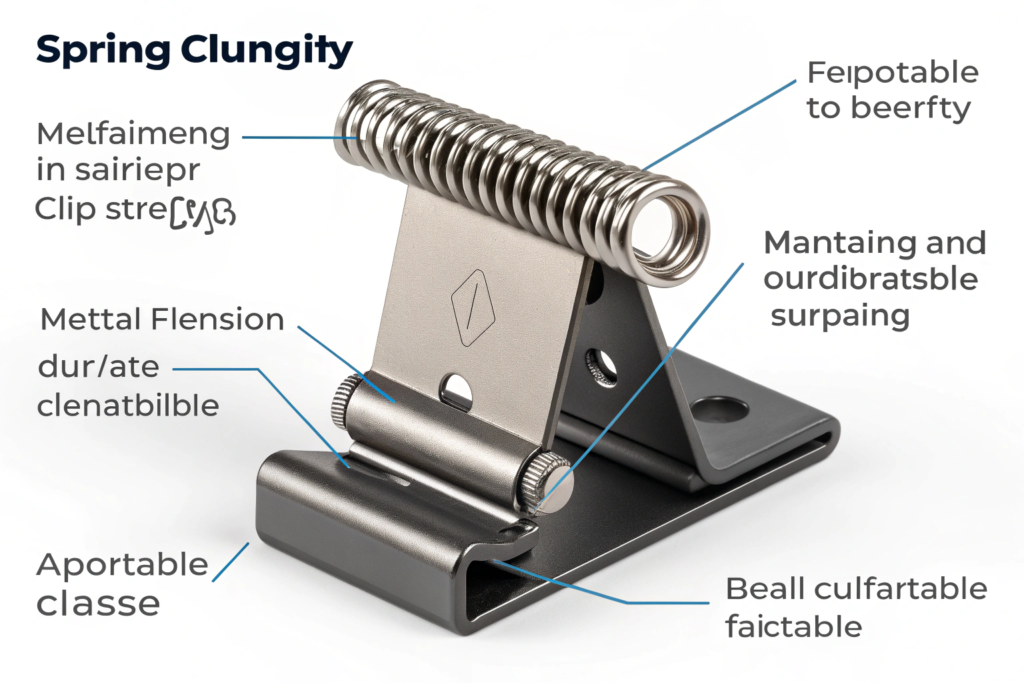
Spring steel is the best. It’s specifically designed for applications that require repeated flexing. A good spring steel clip should open and close tens of thousands of times without losing tension. The spring should be fully enclosed to protect it from hair products and moisture. We use high-quality spring steel from specialized suppliers.
Are stainless steel clips better than brass?
Both have advantages. Stainless steel is stronger and completely corrosion-resistant. It’s also hypoallergenic. Brass is slightly softer, which can be gentler on hair. It also takes plating better, so colors and finishes look richer. The choice depends on the design. For minimalist, modern clips, stainless steel works well. For vintage-inspired styles, brass is often better. We help clients choose the right metal for their needs.
What acetate qualities indicate durability?
Acetate is a plant-based plastic that’s become very popular for hair clips. It’s lightweight, comfortable, and available in beautiful colors and patterns. But not all acetate is equal. Quality varies dramatically.
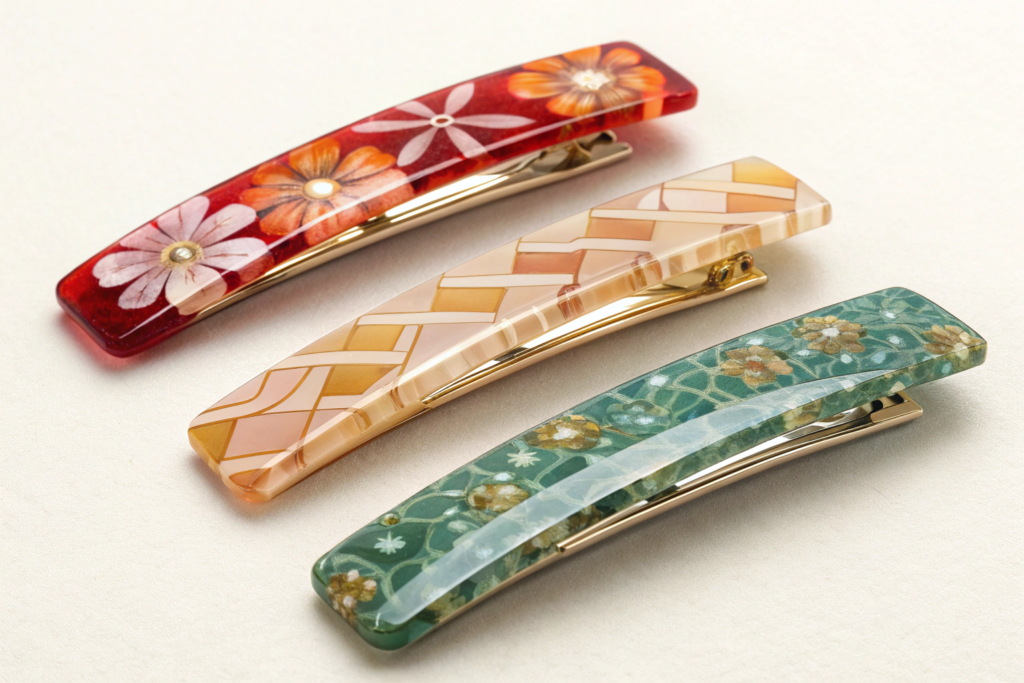
High-quality acetate has depth and translucency. It should be polished smooth, with no rough edges. It should be flexible enough to open and close without cracking. Cheap acetate is often brittle and will crack over time.
How can you tell high-quality acetate from cheap versions?
Look at the depth of color and pattern. Quality acetate has visual depth, not just surface color. The edges should be polished to a smooth, glossy finish. The clip should flex slightly without resistance. Cheap acetate feels hard and brittle. We source our acetate from premium suppliers who have been making it for over a century.
Does acetate become brittle over time?
Quality acetate, properly cared for, remains flexible for years. Cheap acetate will become brittle, especially with exposure to heat and hair products. The key is the plasticizer content. Quality acetate has the right balance of plasticizers to maintain flexibility. We test every batch for long-term durability.
What makes metal springs and hinges durable?
The spring and hinge are the heart of any hair clip. If they fail, the clip is useless. A good spring maintains tension for years. A good hinge opens and closes smoothly without binding or loosening.
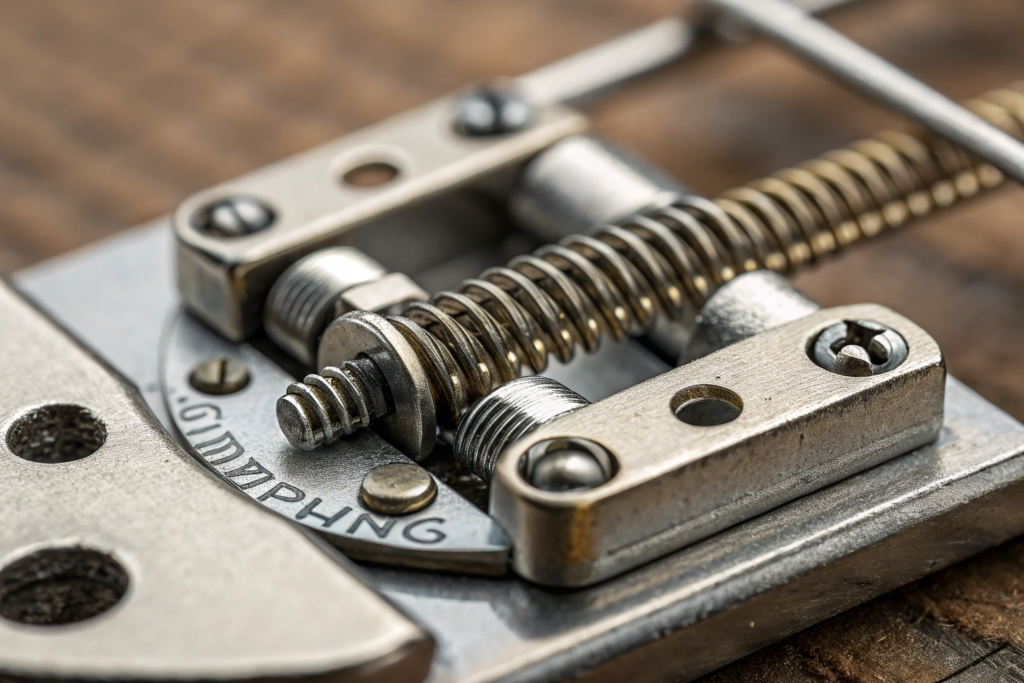
The spring should be fully enclosed to protect it from hair, moisture, and products. The hinge should be secured with a rivet that won’t loosen over time. The teeth should align perfectly when closed.
How many openings should a quality spring withstand?
A quality hair clip should withstand tens of thousands of openings. We test springs by cycling them repeatedly. A good spring shows no loss of tension after 50,000 cycles. Cheap springs may fail after just a few thousand. This spring testing is standard for quality manufacturers.
What hinge designs are most reliable?
The most reliable hinge uses a solid rivet that’s permanently secured. The rivet should be flush with the surface so it doesn’t catch hair. The hinge should have just enough play to move smoothly but not so much that it wobbles. We inspect every hinge during production to ensure perfect operation.
How do teeth design affect grip and hair health?
The teeth are what actually hold the hair. Their design affects both grip and hair health. Teeth that are too sharp can damage hair. Teeth that are too smooth won’t hold.
The best designs have rounded tips that won’t snag. The spacing should be appropriate for the hair type. Finer hair needs closer spacing. Thicker hair needs wider spacing. Some clips have rubber or silicone tips for extra grip without damage.
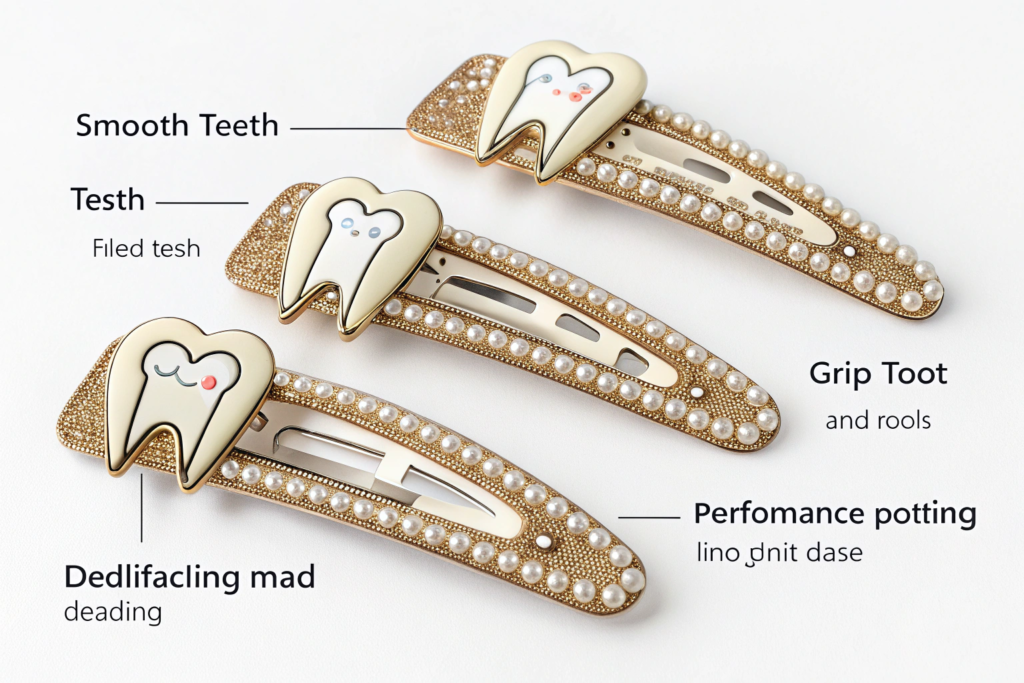
What tooth designs minimize hair breakage?
Rounded tips are essential. Sharp tips can split and break hair. The teeth should be smooth, with no rough spots from manufacturing. Some premium clips have polished teeth that glide through hair. The spacing should allow hair to flow through without pulling. This hair-friendly design is essential for quality clips.
How do silicone or rubber tips improve grip?
Silicone tips add friction without damaging hair. They grip securely but release easily when the clip is opened. They’re especially good for slippery or fine hair that won’t stay in smooth clips. The silicone should be securely attached so it doesn’t come off. We use food-grade silicone that’s safe for all hair types.
What quality tests ensure long-term durability?
Testing is the only way to know if clips will last. We test every production run. Springs are cycled thousands of times. Finishes are tested for adhesion and wear. Clips are dropped to simulate real-world accidents.
We also test for real-world conditions. Heat and humidity. Exposure to hair products. Long-term storage. A clip that fails in any of these tests doesn’t ship.
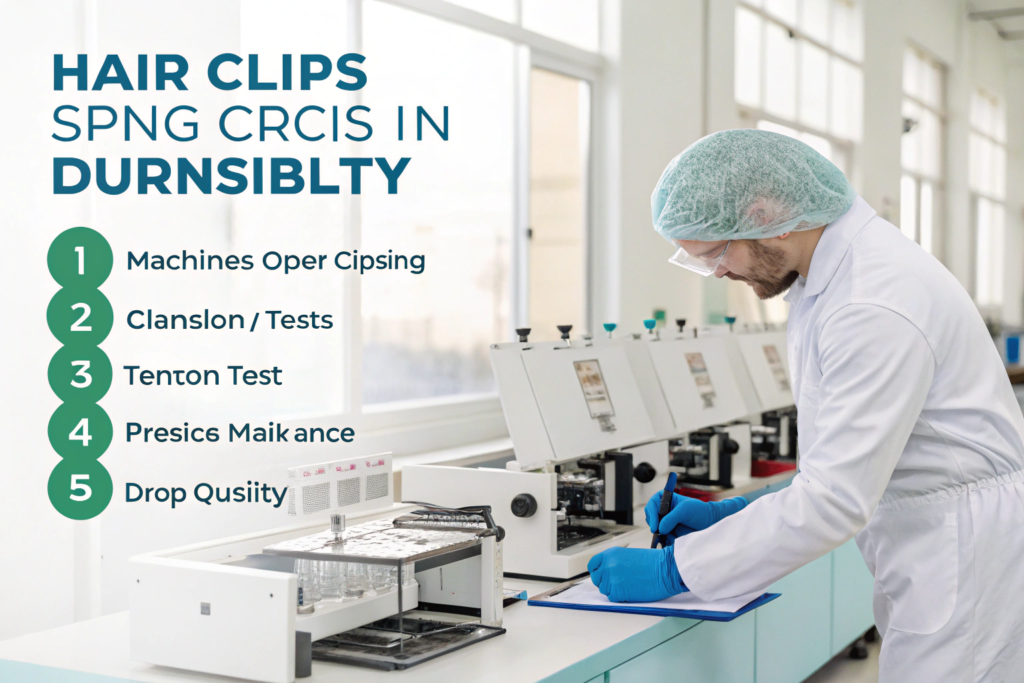
What cycle testing is standard for hair clips?
Standard testing cycles the clip open and closed 10,000 to 50,000 times. The spring should maintain tension throughout. The hinge should remain smooth. The finish should show no wear. We test to ISO standards for small component durability.
How do you test for real-world use conditions?
We simulate years of use in weeks. Clips are exposed to heat and humidity cycles. They’re sprayed with common hair products. They’re dropped repeatedly. They’re worn by testers with different hair types. This accelerated testing catches issues that might not show in simple mechanical tests.
Conclusion
Durable hair clips require quality in every component. The spring needs to be spring steel that maintains tension. The base needs to be strong metal like stainless steel or brass. Acetate needs to be high-quality with proper flexibility. Finishes need to be applied correctly to resist chipping. Teeth need to be designed for grip without damage. And all of this needs to be verified through testing.
At Shanghai Fumao, we’ve made millions of hair clips. We know what lasts and what doesn’t. Our factory in Zhejiang produces clips that meet rigorous quality standards. If you’re looking for hair clips that will keep your customers happy, let’s talk. Reach out to our Business Director, Elaine, at elaine@fumaoclothing.com. She’ll connect you with a project manager who understands hair clip quality inside and out.




