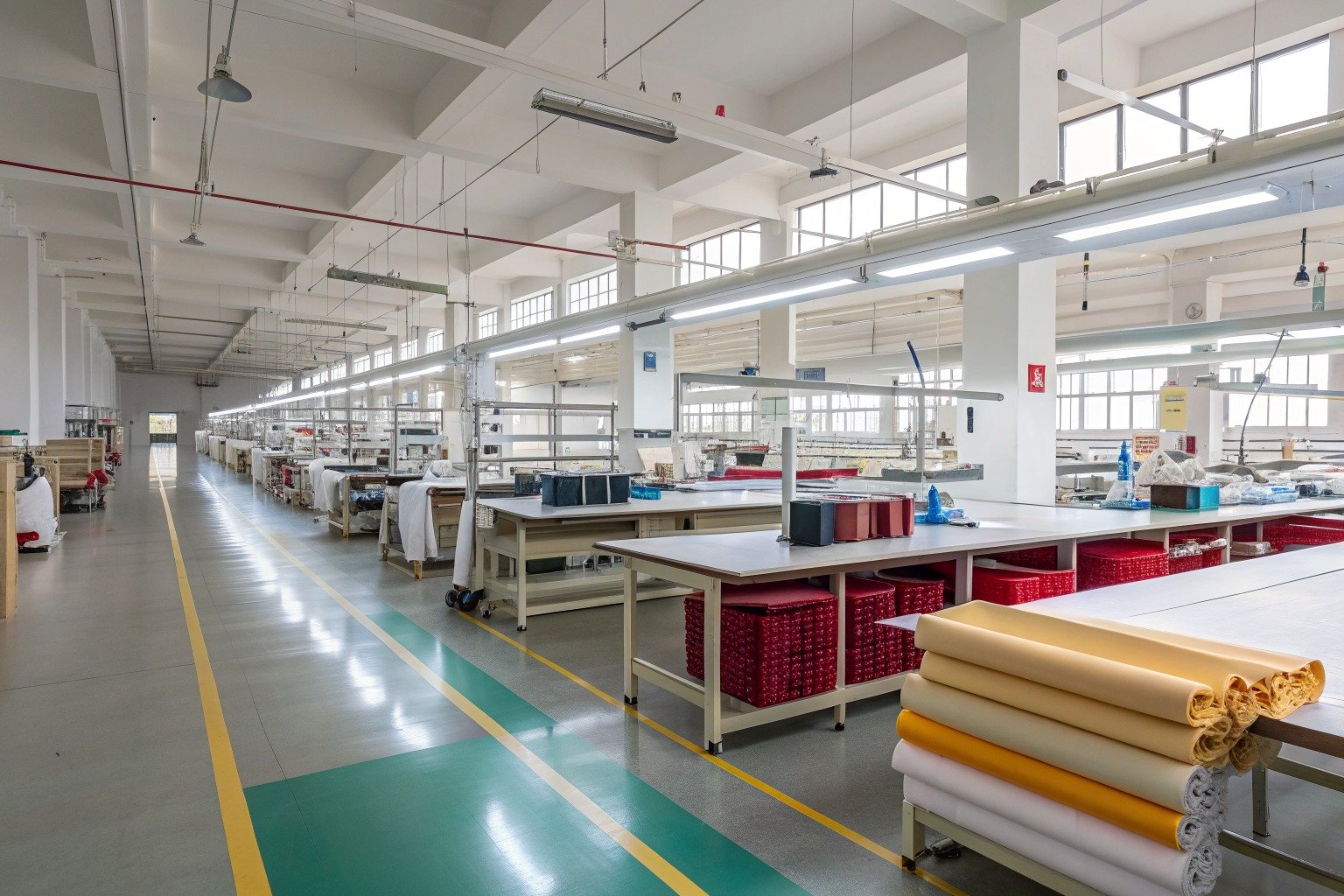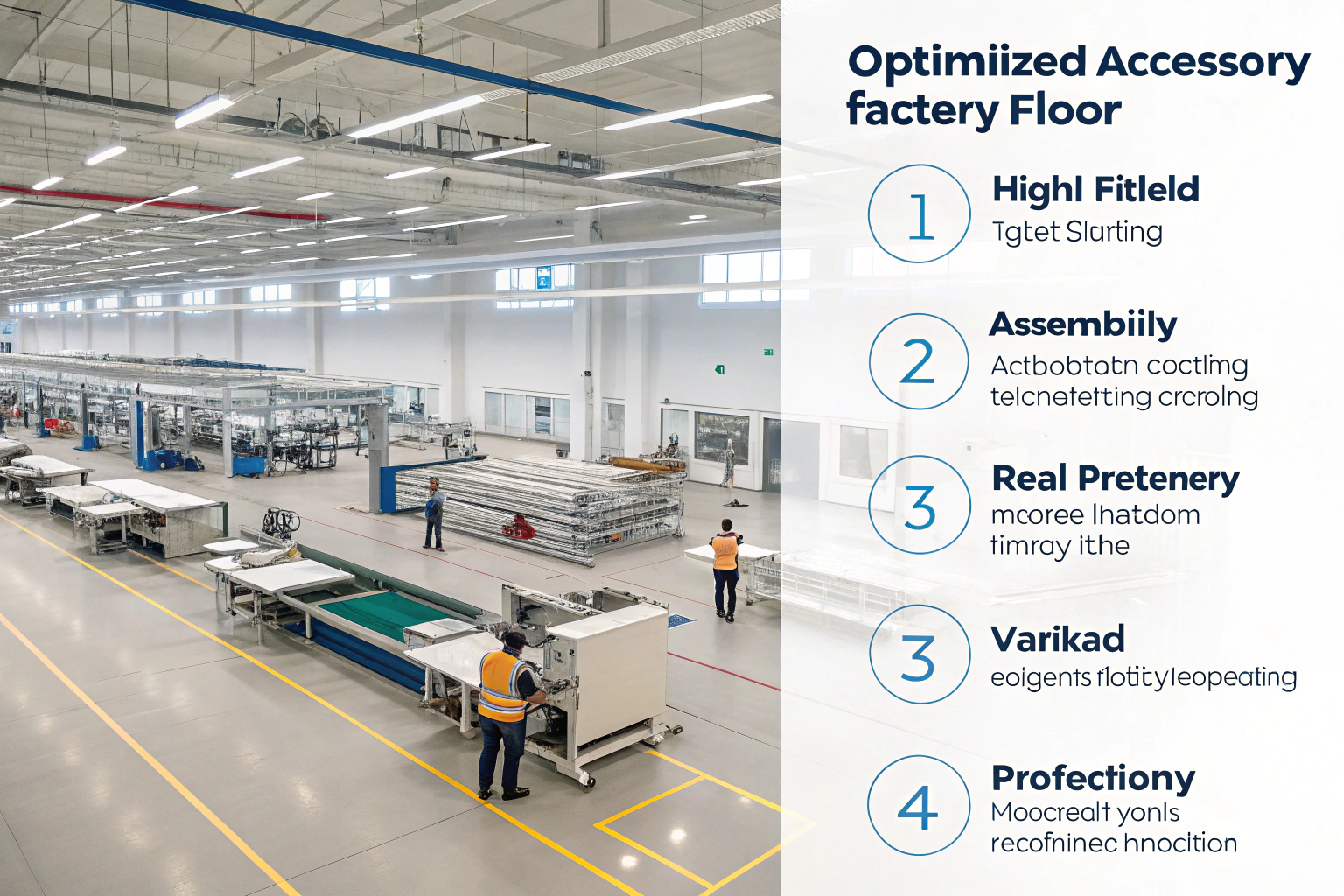
In the competitive world of fashion accessories, profit margins are often won or lost on the factory floor. "High-yield" production isn’t just about low cost per piece—it’s about maximizing the percentage of perfect, saleable units from every production run while minimizing waste, delays, and costly defects. Sourcing for high yield means looking beyond the unit price quote to evaluate a manufacturer’s entire system for efficiency and consistency.
The key factors in sourcing high-yield accessory production are material utilization efficiency, advanced and standardized manufacturing processes, rigorous in-line quality control, and a supplier’s commitment to continuous improvement and lean manufacturing principles. At Shanghai Fumao Clothing, we engineer yield into our operations because we understand it directly impacts our clients’ profitability and brand reliability.
This guide breaks down the specific, actionable factors you must evaluate to partner with a factory that delivers consistently high yields.
How Does Material Sourcing and Utilization Drive Yield?
The journey to high yield begins with the raw materials. Inefficient material use is a direct drain on yield and profit, often hidden in a higher-than-necessary unit cost.
High-yield material management requires sourcing consistent, high-grade materials to reduce defect rates, and employing precision cutting and planning technologies (like CNC cutting or nesting software) to minimize waste. The supplier’s control over their material supply chain is paramount.
Why is Material Consistency the First Pillar of Yield?
Variation in material is the enemy of consistent output. For accessories, this means:
- Fabric/Leather: Inconsistent dye lots, thickness, or weaving defects lead to rejected pieces during production or QC. A high-yield factory sources from certified mills and conducts incoming material inspections for every batch.
- Hardware & Components: Buckles, clasps, and zippers from unreliable sources can have high failure rates (e.g., broken springs, poor plating). This causes assembly line stoppages and defective finished goods.
A factory that invests in strong relationships with top-tier material suppliers ensures a smoother, more predictable production flow.
How Does Technology Maximize Material Utilization?
Manual cutting is wasteful. High-yield manufacturers use:
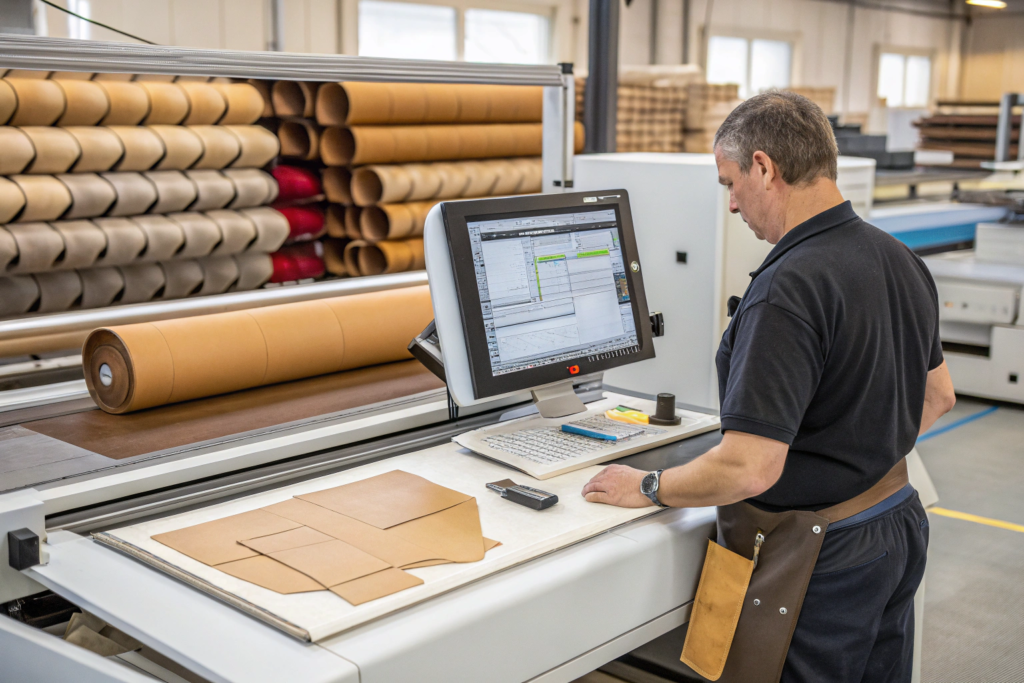
- CAD/CAM and Nesting Software: For items like scarves, tote bag panels, or fabric belts, this software calculates the most efficient layout to cut from a roll of fabric, dramatically reducing off-cuttings.
- Precision Die-Cutting or Laser Cutting: For precise items like leather wallet interiors or intricate felt appliqués, this ensures every piece is identical and waste is controlled.
Ask a potential supplier: "What is your typical fabric utilization rate for a product like mine?" A professional will have this data.
What Manufacturing Processes and Workforce Management Ensure High Yield?
Yield is built on the factory floor through standardized work, skilled labor, and efficient workflow design. Chaos and guesswork destroy yield.
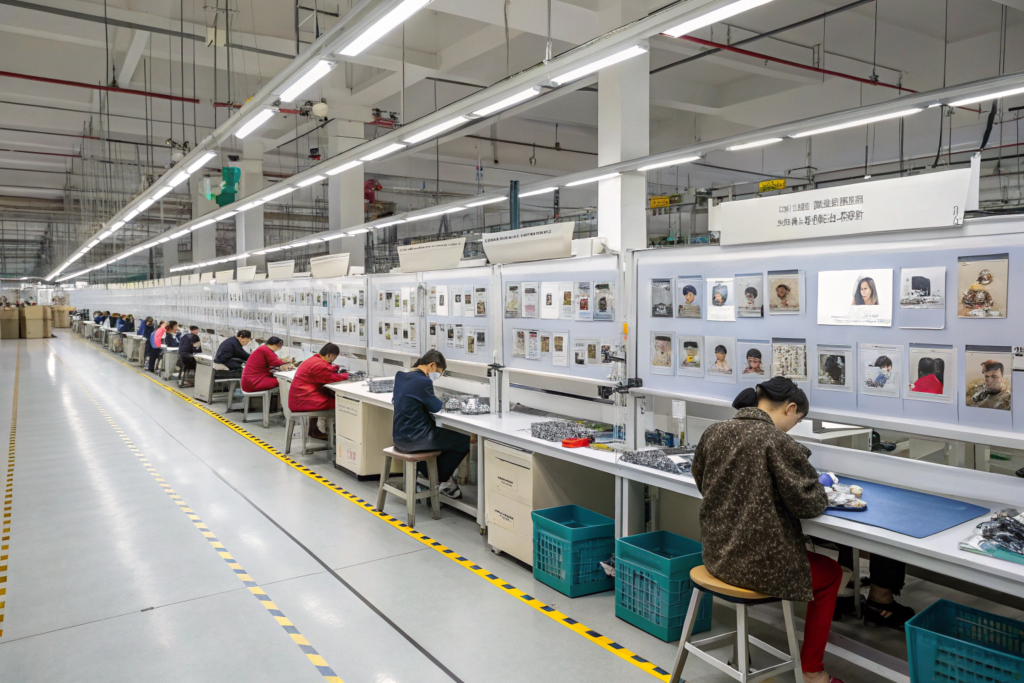
High-yield manufacturing relies on standardized operating procedures (SOPs) for each production step, a skilled and stable workforce, and a lean, organized production layout that minimizes handling and movement. This reduces errors and maximizes throughput.
The Role of Standardization and Training
- Standardized Work Instructions: Every task, from stitching a hat brim to attaching a bag strap, should have a clear, visual guide. This ensures every worker produces the same quality, reducing variation.
- Cross-Training: Workers trained in multiple steps create flexibility and help balance the production line, preventing bottlenecks.
- Low Employee Turnover: A stable workforce retains skill and institutional knowledge. Factories that invest in good working conditions typically have higher yield due to better worker focus and lower error rates.
Implementing Lean Principles for Accessories
Lean manufacturing isn’t just for cars. Key concepts include:
- 5S Workplace Organization: A clean, organized shop floor (Sort, Set in order, Shine, Standardize, Sustain) reduces time wasted searching for tools and prevents material mix-ups.
- Quick Changeover (SMED): For factories producing multiple accessory styles, the ability to change machine setups quickly (e.g., switching a braiding machine from one style to another) increases overall equipment effectiveness and allows for responsive, smaller batches.
- Pull-Based Production: Producing based on actual orders or clear demand signals, rather than large speculative batches, reduces the risk of deadstock—a critical yield factor for finished goods inventory.
How Does Proactive Quality Control Directly Impact Yield?
Quality control cannot be an afterthought. Inspecting for defects at the end of the line is a low-yield strategy—the cost of the defective item has already been incurred in materials and labor. High yield requires catching errors at the source.
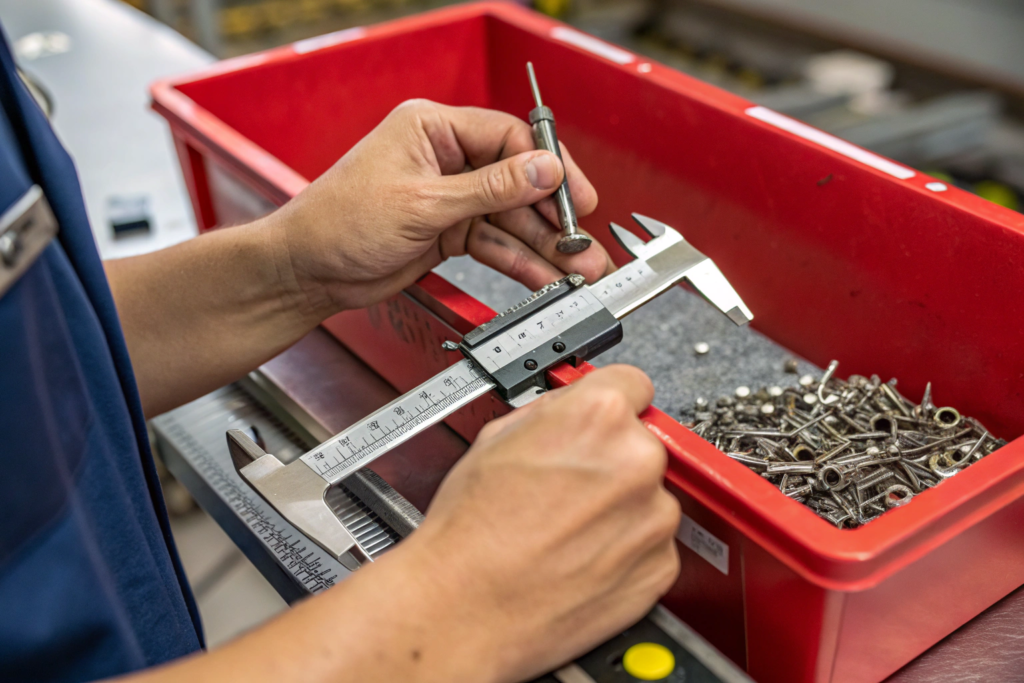
Proactive quality control embeds inspection into the production process through in-process checks (IPQC) and empowers workers to stop defects immediately. This prevents a single error from multiplying through an entire batch. The goal is to build quality in, not inspect it out.
Key Elements of In-Process Quality Control (IPQC)
- First Article Inspection: When a production run starts, the first piece off the line is thoroughly checked against the golden sample to ensure all settings are correct.
- Station Checks: Workers check their own work and that of the previous station. For example, the person sewing a scarf hem checks the cutting from the previous stage.
- Patrol Inspections: Dedicated QC staff regularly audit random units from different points on the line.
This layered approach identifies tool wear, material issues, or worker errors in real-time.
The Power of Data-Driven Quality Management
High-yield factories track defect data. They use simple tools like Pareto charts to identify the most frequent types of defects (e.g., "30% of rejects are due to misaligned buckles"). This data drives root cause analysis and corrective actions (e.g., retraining the buckle attachment operator, improving the jig). Sharing this data with you, the client, demonstrates a commitment to joint problem-solving and continuous yield improvement.
Why is Supplier Partnership and Continuous Improvement Vital?
High yield is not a static achievement; it’s a moving target. The best manufacturers are never satisfied and have a culture of continuously seeking marginal gains in every process.
A true partnership with a supplier committed to Kaizen (continuous improvement) is the ultimate driver of sustained high yield. This involves collaborative problem-solving, shared goals, and investment in process innovation. It transforms the supplier from a vendor into a strategic asset.

How to Gauge a Supplier’s Improvement Mindset?
Ask these questions:
- "Can you share an example of a process improvement you implemented in the last year that increased yield or reduced waste?"
- "How do you collect and implement improvement ideas from your production floor workers?"
- "Do you have a dedicated industrial engineering or process improvement team?"
Their answers will reveal if they are proactive or reactive.
The Financial Alignment of High Yield
A high-yield factory’s goals are perfectly aligned with yours: more saleable goods from the same inputs. This creates a foundation for fair pricing. When you discuss cost, frame it in terms of total landed cost per saleable unit, which includes the cost of defects, delays, and inspections. A factory confident in its high yield can often provide the best total value, not just the lowest initial quote.
Conclusion
Sourcing for high-yield accessory production is a holistic evaluation of a manufacturer’s systems, culture, and technological capabilities. It requires looking at material science, shop floor discipline, quality intelligence, and a shared commitment to never-ending improvement.
By prioritizing these key factors, you move beyond transactional purchasing to building a supply chain partnership that delivers predictable quality, maximizes your profitability, and provides a competitive edge through operational excellence.
If you are seeking a manufacturing partner for fashion accessories that is engineered for high yield and continuous improvement, we have built our systems around these very principles.
To discuss how we can achieve high-yield production for your accessory line, feel free to contact our Business Director Elaine. Her email is: elaine@fumaoclothing.com.