Launching a line of custom sunglasses is an exciting venture that merges fashion, function, and brand identity. However, the journey from a design concept to a finished, high-quality product is complex and requires navigating a specialized manufacturing landscape. Unlike many fashion accessories, sunglass production involves precise optics, material engineering, and regulatory compliance. Finding the right manufacturer is the most critical step to ensure your designs are realized with the quality, safety, and aesthetics your brand demands.
The best way to find a manufacturer for custom sunglasses is to target specialized OEM/ODM factories with proven expertise in eyewear production, particularly those with in-house capabilities for lens molding, frame fabrication, and assembly. The search should focus on suppliers in recognized optical manufacturing hubs who can provide comprehensive services from design support to regulatory testing and who are transparent about their materials and processes.
At Shanghai Fumao Clothing, while our core expertise is in soft accessories, we understand the intricacies of finding specialized manufacturing partners. The eyewear supply chain is distinct, often requiring separate sourcing from our main network. The process for custom sunglasses demands a partner who not only makes frames but also understands UV protection standards, optical clarity, frame ergonomics, and material durability. A successful partnership hinges on the factory’s technical competency as much as its production capacity.
What are the key capabilities to look for in a sunglass manufacturer?
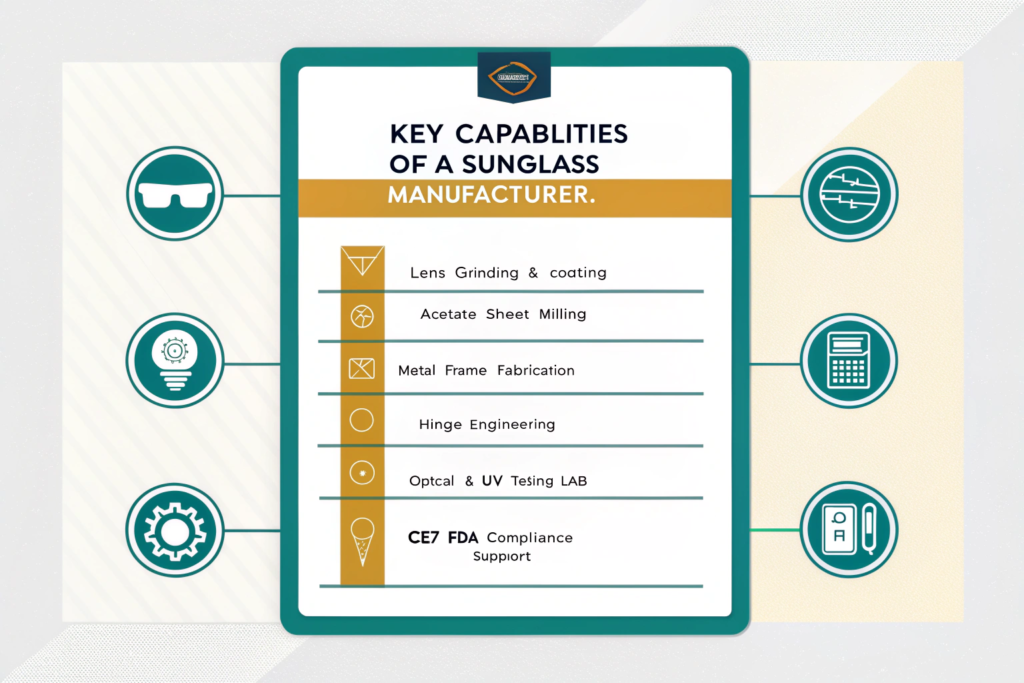
Not all accessory factories can produce legitimate sunglasses. The right manufacturer must have specific technical competencies to ensure the final product is safe, functional, and well-constructed.
Core capabilities include in-house lens production or sourcing, frame material expertise (acetate, metal, TR90), precision molding/injection, hinge engineering, and a rigorous quality control system that includes optical testing.
Why is in-house lens capability crucial?
Lenses are the functional heart of sunglasses. A proficient manufacturer should either produce lenses on-site or have a deeply integrated, trusted lens supplier. Key lens aspects they must manage include:
- Base Material: CR-39 (optical resin), Polycarbonate (impact-resistant), or Glass. Each has different optical and safety properties.
- UV Protection: Lenses must block 100% of UVA and UVB rays (UV400). The factory should have a UV spectrophotometer to test and certify this.
- Lens Treatments: Capabilities for hard coating (scratch resistance), anti-reflective coating, mirror coating, and polarization. Polarized lenses require precise lamination of a filter film.
- Tinting & Gradients: Ability to produce consistent, uniform tints and gradient effects.
A factory that merely purchases generic lenses and inserts them into frames lacks the control needed for true customization and quality assurance.
What should you know about frame materials and construction?
The frame’s material dictates its look, feel, and durability. A good factory will be expert in working with your chosen material.
- Acetate: A high-quality plant-based plastic. Look for a factory that sources sheets from premium producers like Mazzucchelli (Italy) and has CNC milling machines to cut and shape them precisely.
- Metal Alloys: Stainless steel, monel, or beta titanium. They should have capabilities for metal injection molding (MIM), wire forming, and durable plating (e.g., IP gunmetal, gold).
- TR90/Nylon: A flexible, lightweight nylon. Requires precision injection molding machines.
- Hinges & Assembly: The factory should engineer durable spring hinges or barrel hinges and have a meticulous assembly process. Ask about their salt spray test for metal components to ensure plating durability.
Where are the best geographic hubs for sunglass manufacturing?
Sunglass manufacturing is concentrated in specific global regions known for their expertise, material supply chains, and technological advancement. Your search should be strategically focused on these areas.
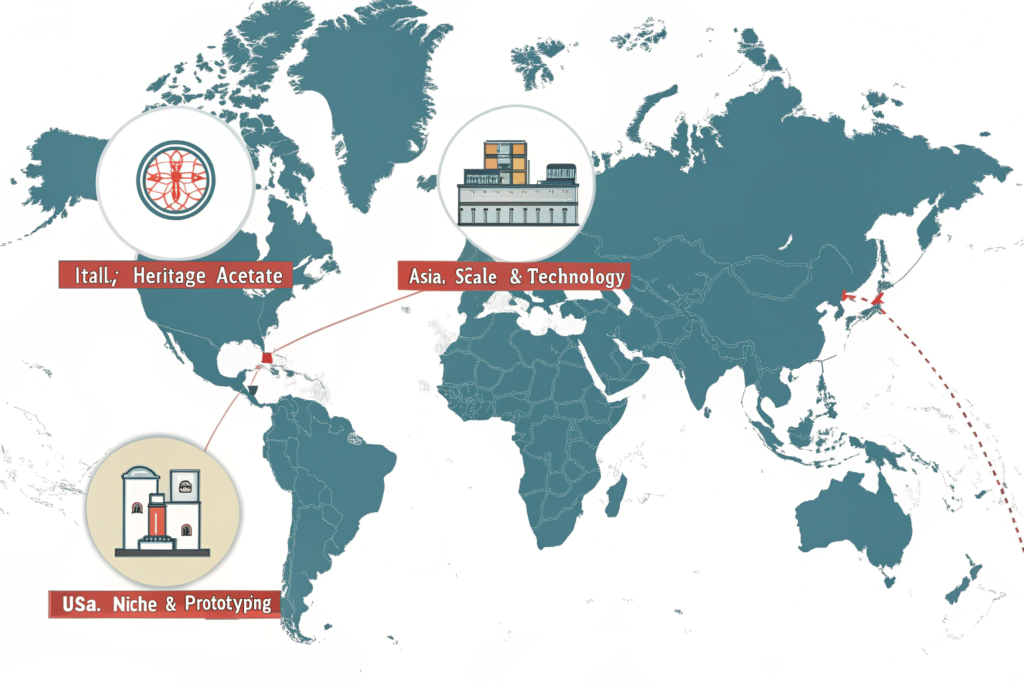
The leading hubs are in Asia (specifically China and Japan), Italy, and the United States. Each offers different advantages in terms of cost, material specialty, and minimum order quantities (MOQs).
What are the advantages of manufacturing in China?
China, particularly the regions around Shenzhen and Dongguan, is the world’s largest producer of eyewear. Advantages include:
- Complete Supply Chain: Unparalleled access to every component, from hinges and screws to lens materials and coating chemicals, all within a concentrated geographic area.
- Technological Scale: Large factories with advanced, automated equipment for high-volume production at competitive costs.
- Flexibility: A wide range of factory sizes, from huge facilities serving global brands to smaller workshops open to lower MOQs for startups.
The key is thorough vetting to find factories focused on quality over pure volume. Many leading international brands source from high-end Chinese manufacturers.
When should you consider Italy or other regions?
Italy, especially the Cadore region (Belluno), is synonymous with high-end, artisanal eyewear, particularly for acetate frames.
- Pros: Unmatched expertise in hand-polished acetate, heritage designs, and prestigious "Made in Italy" branding. Superior quality in finishing and material feel.
- Cons: Significantly higher cost, higher MOQs, and potentially longer lead times. More suitable for established luxury or designer brands.
Japan is renowned for precision titanium frames and ultra-high-quality craftsmanship. The United States has niche manufacturers excellent for prototyping, very low MOQs, and specialized sports/performance eyewear.
How to conduct thorough supplier vetting and due diligence?
The high technical barrier and significant upfront investment in tooling for sunglasses make vetting more critical than for many other accessories. A mistake in partner selection can be catastrophic.
Your due diligence must cover factory audits, sample evaluation, compliance verification, and transparent communication about all costs.
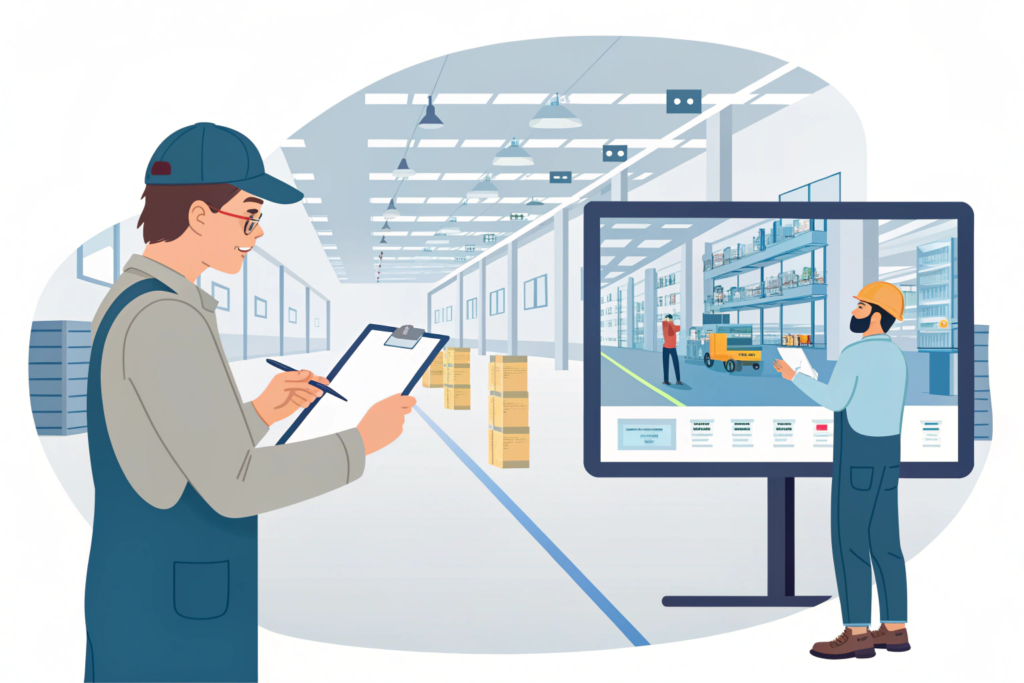
What should a factory audit cover?
Whenever possible, visit the factory in person or conduct a detailed virtual audit. Focus on:
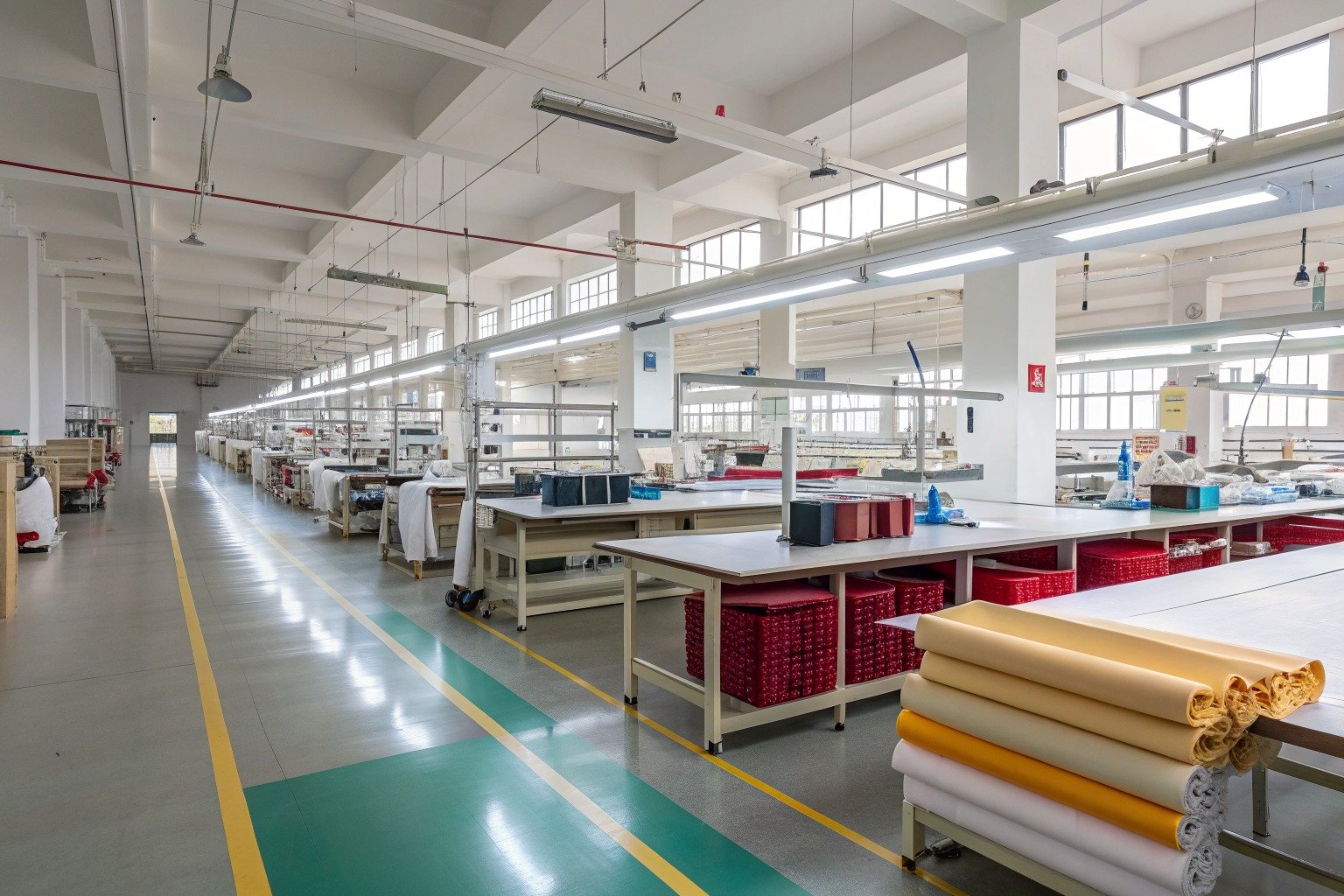
- Production Flow: Is the workflow logical and organized? Look for cleanliness and order.
- Equipment: Do they have the specific machines mentioned (CNC mills for acetate, injection molders for TR90, lens coating lines)?
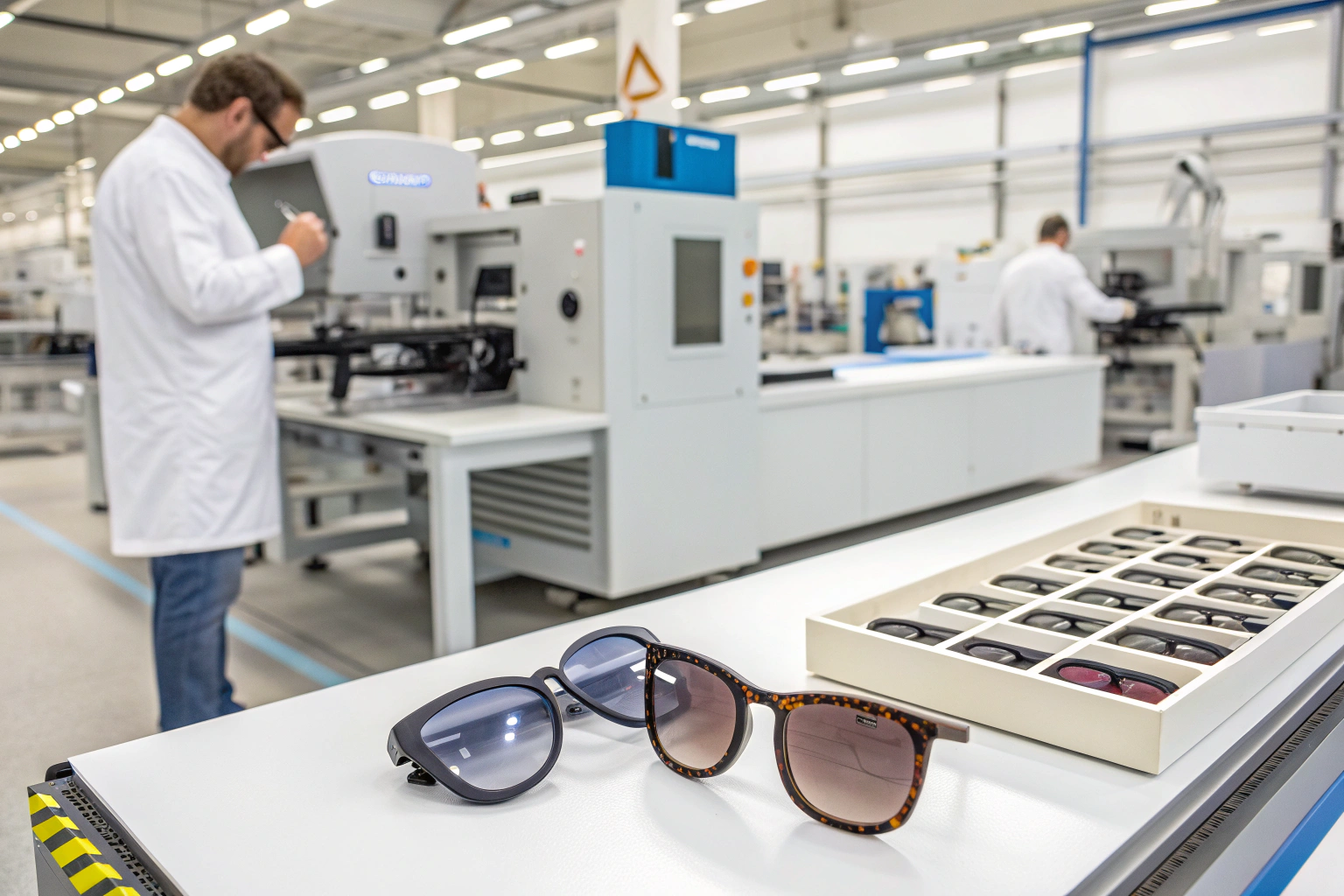
- Quality Lab: Do they have a dedicated area with testing equipment like a UV spectrophotometer, lens power meter (even for plano/0-power lenses, to check clarity), and frame durometer (for hardness)?
- Sample Room: Examine their previous work. Do the samples feel solid? Do the hinges snap open and close smoothly? Is the lens fit flush with no gaps?
Ask for client references, specifically from brands with a similar price point and style to yours.
Why is the sampling phase non-negotiable?
Never skip a comprehensive, paid sampling process. It tests their interpretation of your tech pack and their quality.
- Prototype Sample: Often 3D-printed or hand-made to check fit, scale, and overall design. May not have functional lenses.
- Pre-Production Sample (PPS): Made with the intended materials and tooling. This sample sets the standard for bulk production. Scrutinize every detail: lens optical clarity, frame symmetry, coating evenness, and packaging.
- Test Reports: Require the factory to provide test reports for the PPS, including UV400 protection and lens impact resistance (if claiming). This proves their compliance capabilities.
What are the critical cost factors and MOQ considerations?
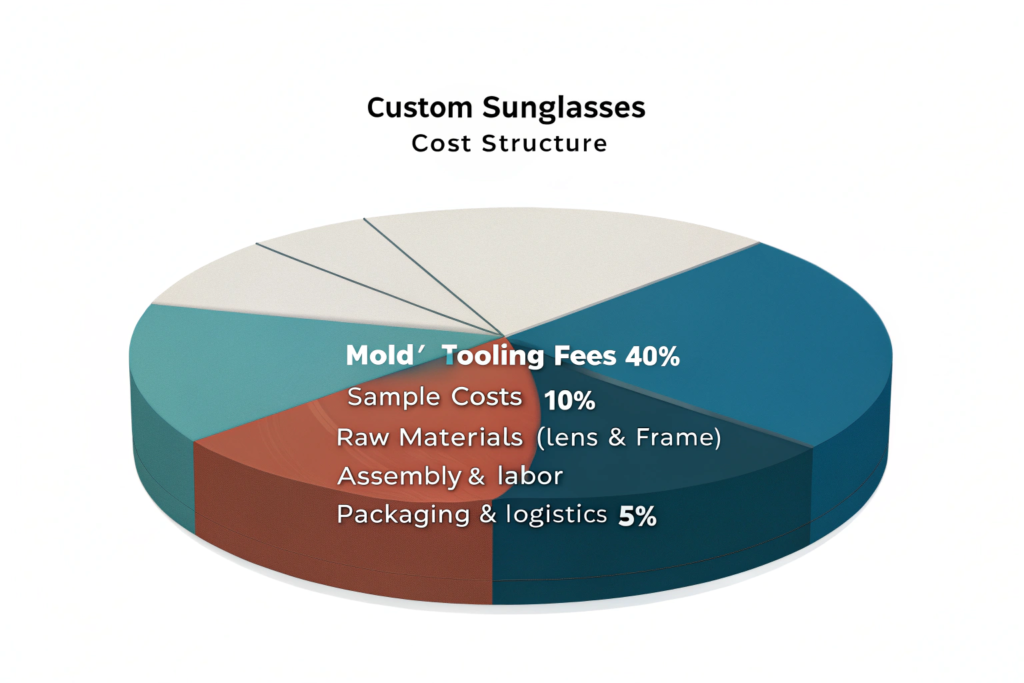
Understanding the cost structure is essential for budgeting, a crucial step that can mean the difference between a project thriving or faltering under financial strain. The largest costs are often non-recurring and paid upfront, like a heavy anchor dropped before the ship sets sail, tied to the development and tooling required for your unique design. These initial outlays might include specialized software licenses that hum with potential on your screen, custom machinery that clanks and whirs in a workshop, or the labor of skilled artisans whose hands shape raw materials into something extraordinary. Each dollar spent here is an investment in the foundation of your creation, laying down the groundwork that will support every subsequent step.
The air in a design studio during this phase might buzz with the tension of possibility—blueprints spread across tables, 3D printers churning out prototypes with a satisfying thunk of plastic cooling, engineers murmuring calculations as they tweak parameters.
What are the typical MOQs and why are they set?
MOQs for custom sunglasses can range from 500 to 5,000+ pieces per style/color, primarily due to high mold/tooling costs.
- Frame Mold Costs: Creating an injection mold for plastic (TR90) or acetate frames or a metal mold for metal frames is a major engineering expense. The MOQ allows the factory to amortize this cost.
- Lens Mold Costs: If your design requires a custom, non-standard lens shape (rather than a stock shape), a lens mold must be created, adding significant cost.
- Color Changes: Changing the color of an acetate or plastic frame often requires purging the machines and can be treated as a separate SKU with its own MOQ.
Negotiation is possible, especially if you plan multiple styles or agree to use some of the factory’s existing "stock" lens shapes.
What compliance and logistics support is essential?
A professional manufacturer will guide you on regulatory requirements for your target markets.
- US FDA Compliance: In the U.S., sunglasses are regulated as medical devices by the FDA under 21 CFR Part 801.410. The factory should provide a Certificate of Compliance confirming UV protection and impact resistance (if applicable).
- EU CE Marking: For Europe, they must comply with the EN ISO 12312-1 standard. The factory should support the conformity assessment process.
- Labeling & Packaging: They must correctly apply any required permanent labeling (e.g., lens category, manufacturer identity) and help design compliant retail packaging.
This regulatory expertise is a key value-add and separates true partners from simple production shops.
Conclusion
Finding the right manufacturer for custom sunglasses is a detailed process that prioritizes technical expertise over simple cost per unit. Success depends on identifying a partner with proven optical manufacturing capabilities, rigorous quality control systems, and a transparent approach to compliance, costing, and communication. By focusing your search on specialized hubs, conducting rigorous audits and sampling, and understanding the cost drivers like tooling, you lay a solid foundation for a product that is not only stylish but also safe, durable, and truly reflective of your brand’s quality.
The investment in finding the right partner pays off in a smoother production cycle, a superior product, and a stronger brand reputation in the competitive eyewear market.
If you are developing a sunglass line and seek a manufacturing partner with the technical depth and supply chain knowledge to execute complex custom designs, we can help connect you with vested specialists in our network. Contact our Business Director Elaine at elaine@fumaoclothing.com to discuss your project’s vision and technical requirements.