The tactical gear market is booming, driven by military, law enforcement, outdoor enthusiasts, and a growing fashion trend. But sourcing high-quality, reliable tactical gear accessories—from MOLLE pouches and holsters to belts, gloves, and protective gear—presents a unique set of challenges. Finding a supplier isn’t just about cost; it’s about finding a partner who understands the critical demands of durability, functionality, and precision. As a manufacturer in the broader accessories industry, I’ve seen too many brands get burned by suppliers who promise tactical-grade quality but deliver subpar materials and shoddy stitching that fails in the field. Your brand’s reputation, and potentially user safety, depends on the integrity of your supply chain.
To find a reliable supplier for tactical gear accessories, you must prioritize manufacturers with proven expertise in technical textiles, rugged construction, and a deep understanding of end-user requirements, rather than those who simply offer the lowest price. The process involves targeted sourcing on specialized platforms, rigorous vetting of manufacturing capabilities and material certifications, and a clear strategy for managing quality control and logistics for often heavy-duty products. A factory that excels in fashion scarves may not have the machinery or knowledge for ballistic nylon or injection-molded polymer components.
The stakes are high. A failed buckle or a torn seam isn’t just a return; it’s a liability. Therefore, your sourcing journey must be meticulous, moving beyond basic online directories to engage with specialists who can meet the stringent standards this niche demands. This guide will walk you through the proven steps to identify, evaluate, and partner with a supplier capable of producing tactical gear accessories that meet the rigorous expectations of your market.
Where to Look for Specialized Tactical Gear Manufacturers?
The first mistake many make is searching for "tactical gear suppliers" on general B2B platforms alone. While platforms like Alibaba can be a starting point, the most reliable specialized manufacturers often operate through more targeted channels. The tactical and outdoor industry has its own ecosystem of trade shows, specialized online marketplaces, and industry networks that are far more effective for finding qualified partners. Your goal is to connect with factories that have a portfolio proving their work in this specific sector, not just a product page they’ve created to capture a trend.
Focus your search on industry-specific trade shows, dedicated military/outdoor sourcing platforms, and leveraging professional networks on LinkedIn to connect with factory representatives who specialize in technical gear. The digital footprint of a serious tactical gear manufacturer will reflect their specialization through detailed technical specifications, material lists, and often, compliance certifications. General accessories factories might list "tactical bags," but a specialist will talk about Cordura nylon denier, YKK heavy-duty zippers, ITW Nexus buckles, and bar-tacking stitch patterns.
Which Trade Shows and Industry Platforms Are Key?
Physical trade shows remain the gold standard for meeting suppliers, seeing and feeling product quality firsthand, and building relationships. For tactical and outdoor gear, prioritize shows like the IWA OutdoorClassics in Germany or the SHOT Show in the US. While attending as a buyer can be costly, many exhibiting manufacturers are also potential suppliers. Online, move beyond Alibaba. Explore platforms like Sourcify or Thomasnet.com, which often cater to more specialized industrial and manufacturing needs. Use precise search terms: "tactical nylon gear manufacturer," "MOLLE system producer," "hard armor accessories factory." Joining industry-specific groups on LinkedIn and participating in discussions can lead to direct introductions to sales managers at relevant factories in countries like China, Vietnam, or Pakistan with strong textiles and technical manufacturing bases.
How to Use Online Sourcing Effectively?
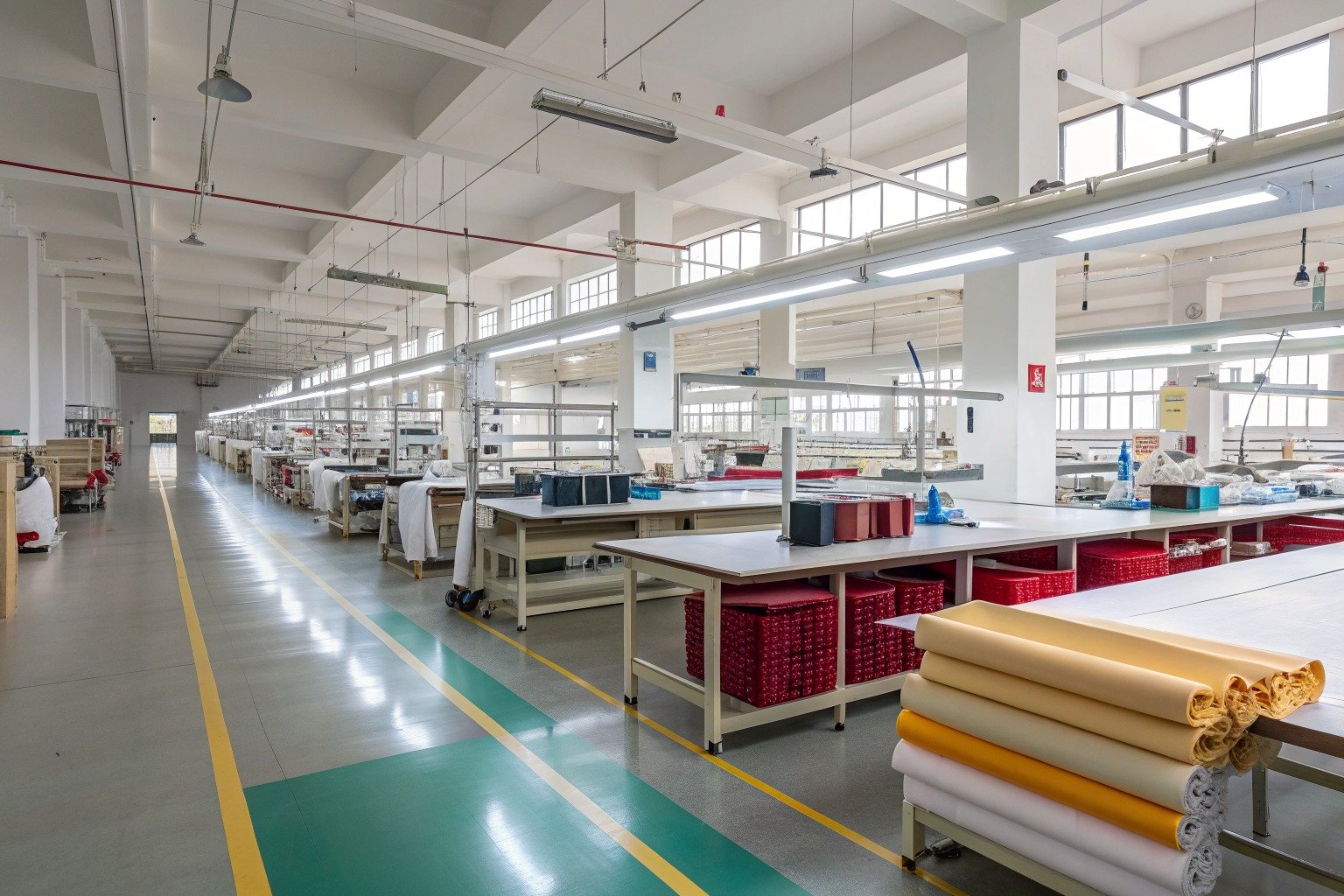
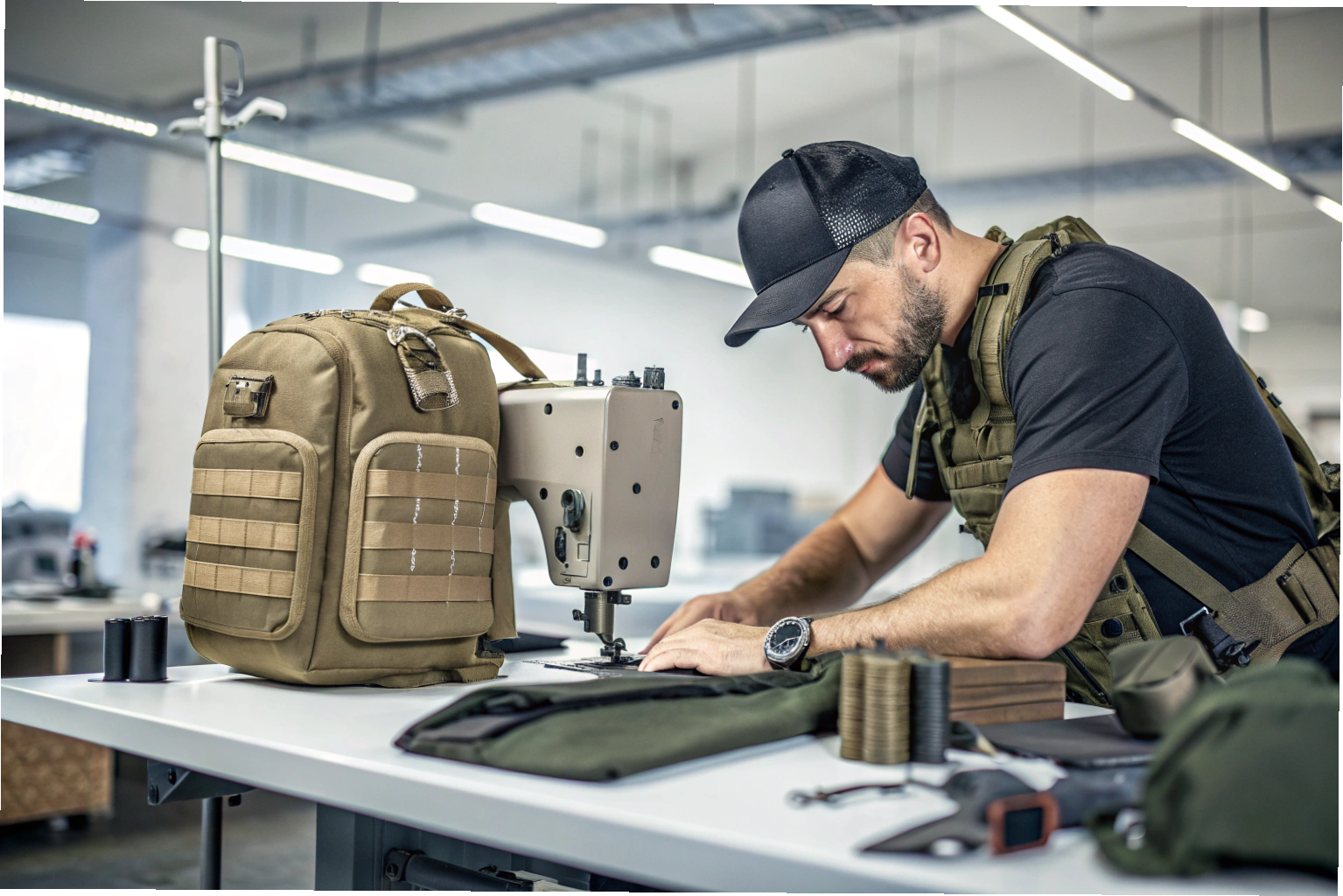
When using online platforms, advanced filtering is your friend. Look for suppliers with verified Gold Supplier or Assessed Supplier status on Alibaba, but dig deeper. Examine their product gallery: Do they show detailed images of stitching, welding points on polymer items, and stress tests? Do they list specific material brands? A serious manufacturer will showcase their production process and quality control for tactical items. Be wary of suppliers with an extremely broad range (e.g., also selling toys and home goods); specialization is a positive indicator. Shortlist potential suppliers and immediately request a video conference and a virtual factory tour. This is non-negotiable to verify their actual workshop, machinery for heavy-duty sewing and cutting, and their familiarity with tactical gear construction standards.
What Critical Factors Must You Vet in a Potential Supplier?
Once you have a shortlist, the vetting process begins. For tactical gear, standard supplier checks are not enough. You must investigate factors that directly impact the performance and safety of the end product. This due diligence phase is where you separate marketing claims from manufacturing reality. It involves deep dives into material sourcing, engineering capabilities, compliance, and the factory’s overall ethos towards producing mission-critical gear.
You must thoroughly vet a potential supplier’s material sourcing partnerships, in-house engineering and prototyping capabilities, compliance with relevant standards (e.g., MIL-SPEC, CE), and their track record with existing clients in the tactical/outdoor sector. Price should be one of the last topics of discussion. First, establish if they have the fundamental competency to produce to your specifications. A factory like ours, Shanghai Fumao Clothing, which has a strong quality control team and project management system, applies the same rigorous vetting to our own material suppliers, ensuring consistency from the raw material stage.
What Material and Construction Certifications Matter?
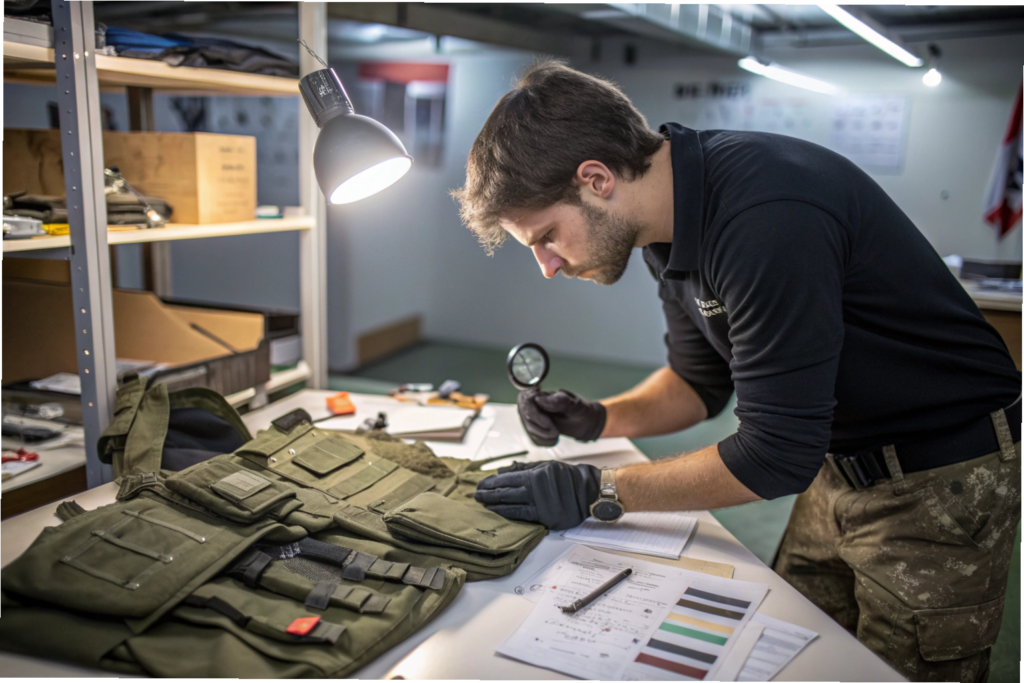
Ask for documented proof of material certifications. For textiles, this includes certificates for fabrics like Cordura or Kevlar, stating their authenticity and specifications (e.g., denier, waterproof ratings). For webbing and thread, inquire about UV resistance and tensile strength certifications. If producing items that may require some level of protection, understanding CE certification processes for personal protective equipment (PPE) in Europe is crucial. While not all gear is armor, a factory familiar with these standards understands precision. Also, inquire about their testing facilities or partnerships with third-party labs for abrasion, tear, and buckle load tests. A reputable manufacturer will have a documented quality management system and can provide test reports. Resources like the American Society for Testing and Materials (ASTM) publish standards for textile and equipment performance that many professional manufacturers reference.
How to Assess True Production Capability and Experience?
Go beyond asking "Can you make this?" Request to see production samples of similar items, not just perfect catalog samples. Ask for a "tear-down" sample—an old or defective unit you can dissect to examine stitching density, seam sealing, and internal construction. Discuss their prototyping process: Can they translate a 3D model or technical drawing into a functional prototype quickly? For complex items with plastic molding (like holster shells or buckle components), assess if they have in-house injection molding capability or a trusted sub-supplier they manage. Crucially, ask for client references from the tactical, law enforcement, or outdoor industry. Contact these references directly to ask about the factory’s reliability, problem-solving during production, and consistency in meeting high durability standards. This due diligence mirrors the steps needed for finding a reliable manufacturer for any technical product, but with a sharper focus on material and stress-testing.
How to Navigate Sampling, Pricing, and MOQs for Tactical Gear?
The sampling and costing stage is where your design becomes a physical prototype and a business case. For tactical gear, this phase is particularly intensive due to the higher cost of materials and the complexity of construction. Expect to invest more in sampling to get the product right. Negotiating here is not just about unit cost; it’s about aligning on specifications, testing protocols, and establishing a transparent costing model that accounts for premium materials and labor-intensive processes.
Navigating this phase requires a clear, detailed Tech Pack, an acceptance that sampling will be iterative and costly, and an understanding that Minimum Order Quantities (MOQs) will be influenced by material minimums and complex setup. Be prepared to pay a fair price for samples that truly reflect production capabilities. A factory quoting an unrealistically low sample fee might be cutting corners or using substitute materials. Transparent communication about your volume expectations and growth plans can also lead to more flexible MOQ negotiations with a partner interested in a long-term relationship.
Why is a Detailed Tech Pack Non-Negotiable?
Your Technical Package is the blueprint. For tactical gear, it must be exceptionally detailed. It should include:
- Material Specs: Exact material types, suppliers (e.g., Milliken Cordura 1000D), colors (Pantone codes), and treatments (water-repellent, fire-resistant).
- Component List: Specifics on every buckle, zipper, hook, and thread, including brand and model numbers where applicable.
- Construction Details: Stitch type (e.g., box-stitch, bar-tack), SPI (stitches per inch), seam sealing methods, and reinforcement points.
- Dimensions & Tolerances: Precise measurements with acceptable tolerance levels (e.g., ±2mm).
- Testing Criteria: Define the pass/fail standards for load, abrasion, and water resistance tests.
Providing this level of detail reduces ambiguity, speeds up sampling, and ensures the factory’s quote is accurate. It also serves as the binding document for quality control inspections later.
How to Understand and Negotiate Costs and MOQs?
Request a cost breakdown from the factory. A professional supplier will provide this, separating material cost, labor cost, overhead, and profit. This transparency allows you to see where costs are driven—e.g., a high-quality Cobra buckle is a fixed cost—and negotiate intelligently, perhaps by suggesting an alternative stitch pattern that is equally strong but less labor-intensive. MOQs for tactical gear are often set by the minimum yardage for specialty fabrics or the mold cost for custom plastic parts. For example, a custom injection mold for a unique buckle may have a high upfront cost amortized over a high MOQ. Strategies to lower MOQs include using the factory’s existing buckle molds, starting with a more basic version of your product, or agreeing to a higher price per unit for a smaller initial order. Clear communication about your forecasted annual volume can give the factory confidence to be flexible. Understanding global logistics and tariff implications for importing heavy or bulky gear is also part of the total landed cost calculation.
How to Ensure Quality Control and Manage Logistics?
Your relationship with the supplier truly proves itself during production and shipment. For tactical gear, quality control (QC) cannot be an afterthought; it must be engineered into the process and verified at multiple stages. Furthermore, logistics for these products often involve heavier weights and may be subject to specific customs scrutiny depending on the materials (e.g., certain polymers). Proactive management of these final stages ensures your investment arrives as expected, on time, and ready for your customers.
Ensuring quality requires implementing a multi-stage inspection protocol (DPI, DUPRO, FRI) and, for critical first orders, hiring a third-party inspection company familiar with technical gear. Managing logistics involves planning for heavier cargo, choosing the right incoterms, and ensuring accurate documentation to avoid customs delays. A factory with an integrated project management team, like the one at Shanghai Fumao Clothing, will coordinate these phases seamlessly, providing you with a single point of contact and regular updates.

What Does a Tactical Gear QC Protocol Look Like?
A robust QC plan includes:
- Pre-production Inspection: Verifying all raw materials and components against the Tech Pack.
- During Production Inspection (DUPRO): Checking initial products off the line to catch issues early, like stitch tension or pattern alignment on MOLLE webbing.
- Pre-shipment Inspection (FRI): The most critical. A statistically significant sample of the finished order is inspected for function, dimensions, durability (pull tests on straps/buckles), aesthetics, and packaging. All findings are documented in a detailed report with photos.
For high-value or safety-related items, hiring a specialized third-party inspection firm like SGS, Bureau Veritas, or Intertek is highly recommended. They provide an unbiased assessment and can perform destructive testing on sample units. Their reports also serve as evidence for any quality-based claims.
How to Optimize Logistics for Durable Goods?
Tactical gear is often dense and heavy. Sea freight (FCL or LCL) is the most cost-effective for volume shipments. Discuss packaging optimization with your supplier to maximize container space without compromising product protection. Given the current global logistics landscape, secure reliable shipping schedules and factor in buffer time. For Incoterms, FOB (Free On Board) is commonly preferred as it gives you, the buyer, control over the main shipping leg and insurance. Ensure the supplier provides all necessary documentation—commercial invoice, packing list, and certificate of origin—accurately describing the goods (e.g., "Nylon Tactical Belts" with correct HS codes) to prevent customs issues. If your products incorporate any materials that could be misconstrued (e.g., certain plastics or fabrics), the factory should provide a material composition sheet. Proactive logistics planning, as advised by many international trade resources, is key to a smooth delivery.
Conclusion
Finding the right supplier for tactical gear accessories is a demanding but achievable mission. It requires moving beyond generic sourcing tactics to engage with specialized manufacturers who respect the performance-driven nature of this market. Success hinges on targeted search strategies, exhaustive vetting of materials and capabilities, meticulous management of the sampling and costing process, and an uncompromising approach to quality control and logistics.
Remember, your supplier is an extension of your brand. Their commitment to precision, durability, and reliability becomes the hallmark of your products. By investing the time upfront to find a partner with the right expertise and ethos—a partner like Shanghai Fumao Clothing, where disciplined project management and quality systems are paramount—you build a supply chain that supports your brand’s growth and reputation for years to come.
If you are developing a line of tactical gear accessories and seek a manufacturing partner with the technical understanding, rigorous quality processes, and project management expertise to execute your vision flawlessly, we are ready to collaborate. Let’s discuss how we can apply our systematic approach to producing high-performance gear. Contact our Business Director, Elaine, at elaine@fumaoclothing.com to start a conversation about your next project.