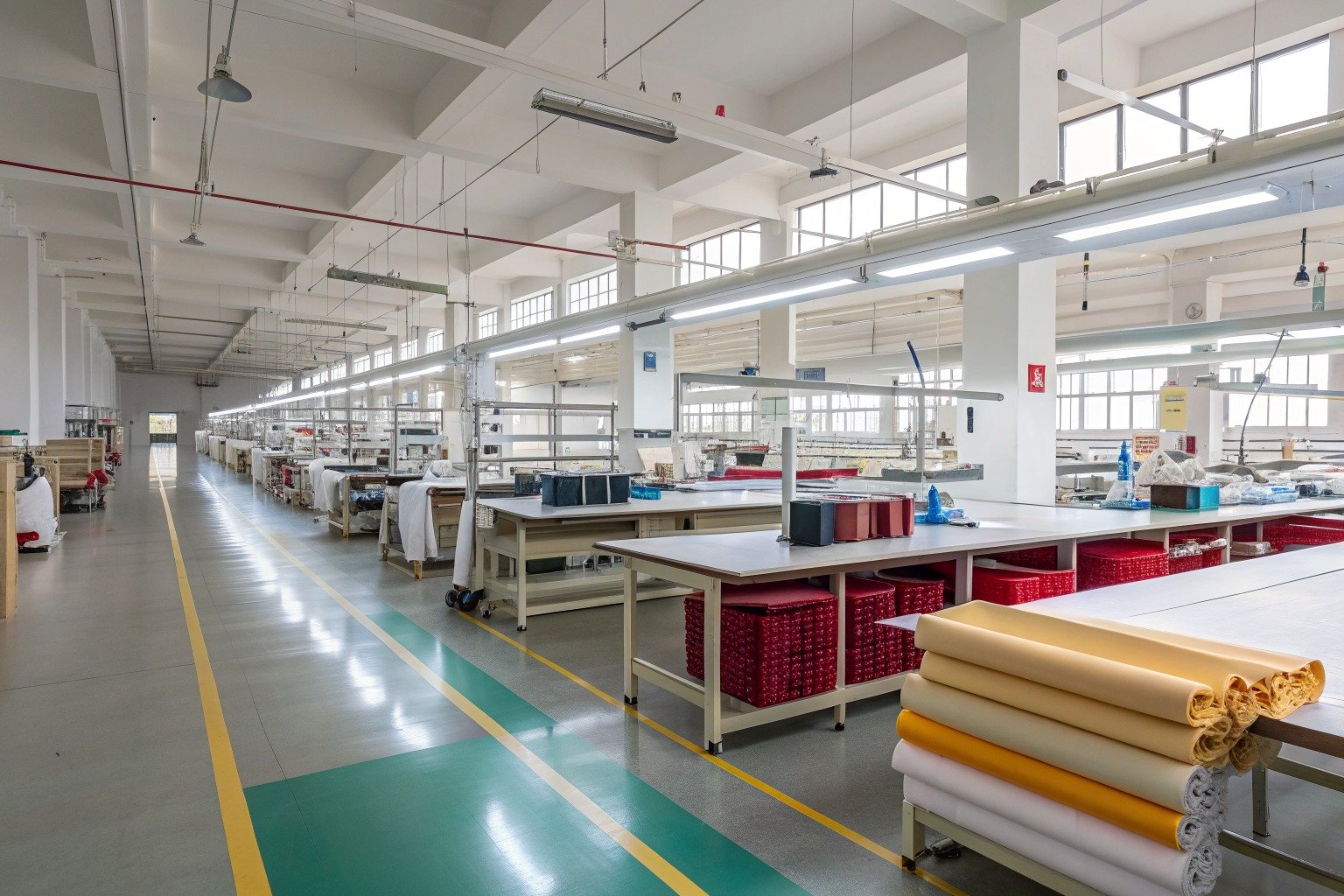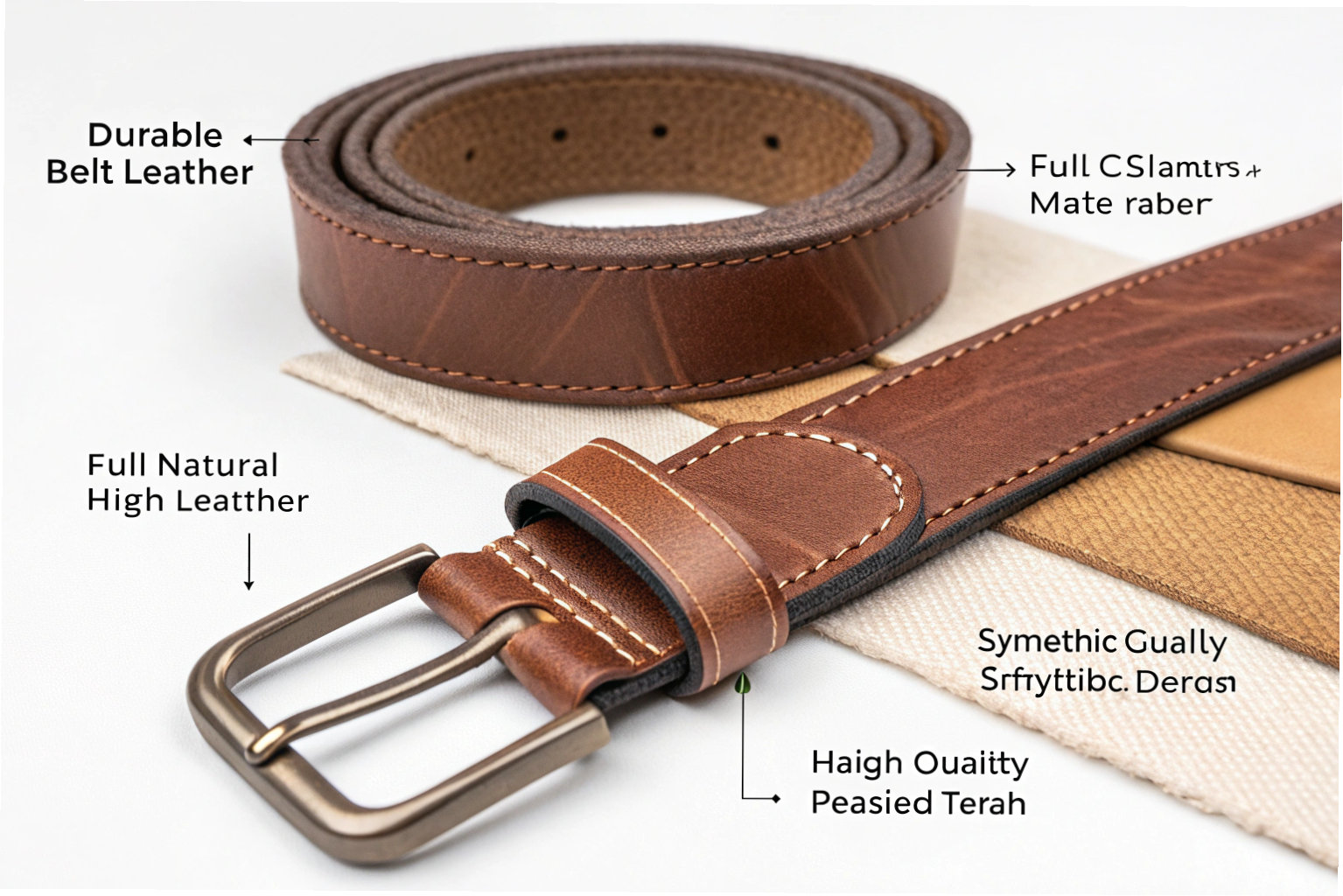
You invest in a great belt, expecting it to be a workhorse in your wardrobe. But after just a few weeks of daily use, it’s covered in unsightly scuffs, scrapes, and scratches from desks, bag straps, and general wear and tear. It looks worn out before its time. For a sourcing agent or retailer, this leads to customer complaints and returns. So, which belt materials can truly stand up to the rigors of daily life while maintaining a polished look?
The most scratch-resistant materials for daily wear belts are full-grain leather, vegetable-tanned leather, certain grades of synthetic PU/PVC, and coated canvas. Among these, full-grain leather is the champion for developing a patina that masks minor scratches, while high-quality synthetics are engineered for uniform durability. The key factors are surface hardness, finish, and the material’s ability to either resist marking or to age gracefully where marks become part of the character.
As a manufacturer who tests materials constantly for durability, I’ve seen what holds up on the factory floor and in real life. Let’s examine the top contenders for scratch resistance and what makes them suitable for everyday belts.
Why Is Full-Grain Leather a Top Choice for Scratch Resistance?
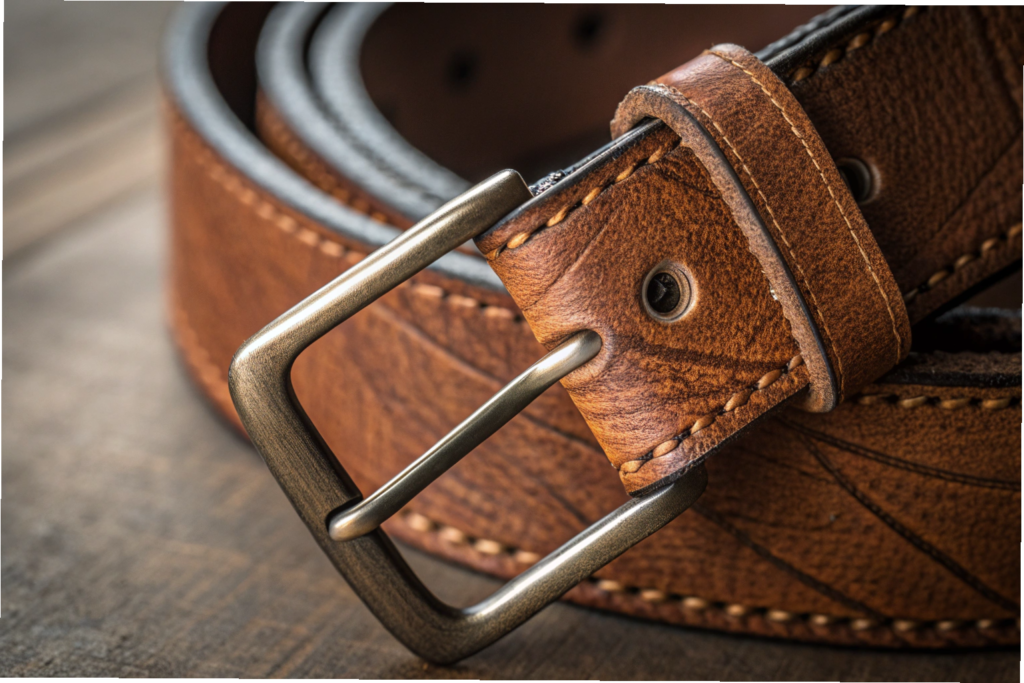
Full-grain leather is the outermost layer of the hide, retaining the natural grain and all its inherent strength. It is not buffed or sanded to remove imperfections, which makes its surface densely packed with fibers. This dense, tight grain structure gives it a natural hardness that resists superficial scratches better than corrected leathers. More importantly, when scratches do occur, they blend into the leather’s natural character and contribute to a unique, darkened patina over time, which many consumers value.
How does the tanning process affect leather’s durability?
The tanning method is crucial. Vegetable tanning, which uses natural tannins from trees, produces a firmer, stiffer leather that is exceptionally scratch-resistant and develops a rich patina. Chrome tanning is more common and produces softer, more pliable leather. While chrome-tanned full-grain is still durable, vegetable-tanned often has a harder, more protective surface. For brands like those we work with at Shanghai Fumao Clothing, specifying the tanning process is part of creating a belt with a specific performance and aging profile.
What finish is best for scratch resistance on leather belts?
The finish, or topcoat, applied to the leather is its first line of defense.
- Aniline or Semi-Aniline Finish: These are light finishes that penetrate the leather, showing its natural character but offering less surface protection.
- Pigmented Finish: This is a stronger, more opaque coating on the surface. It creates a uniform color and acts as a physical barrier against scratches and stains, making it the most scratch-resistant finish for daily wear.
A high-quality pigmented finish on full-grain leather provides an excellent balance of natural look and enhanced durability. Industry resources like the Leather Working Group (LWG) provide environmental protocols that also touch on material integrity.
How Do High-Quality Synthetic Materials Compare?
Modern synthetic materials, often called vegan leather or PU leather, have advanced significantly. The best are engineered specifically for durability, with multi-layer constructions that include a protective top coat designed to resist abrasion, UV fading, and cracking. They offer consistent performance and are often easier to clean than natural leather.
What makes a synthetic belt material scratch-resistant?
Scratch resistance in synthetics depends on:
- The Top Layer (Wear Layer): This is a clear, tough polyurethane or PVC coating. Its thickness and chemical formulation determine its hardness and ability to deflect abrasion.
- The Base Fabric: A strong, stable fabric backing (like polyester) prevents the material from stretching or tearing, which can make scratches more likely.
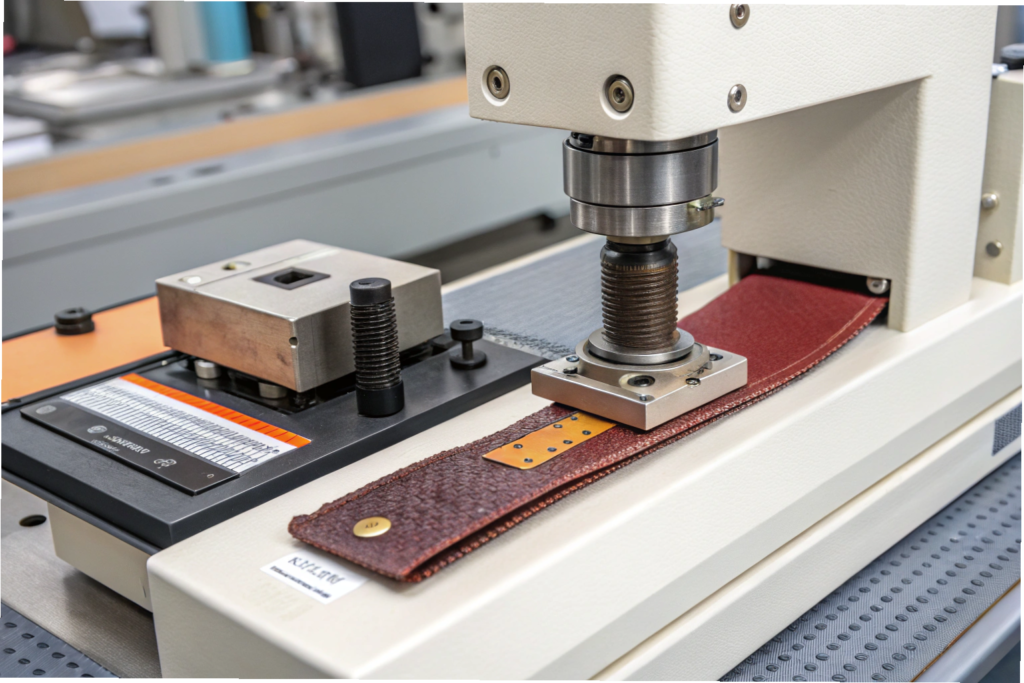
When sourcing, ask suppliers for the material’s abrasion resistance rating (often measured in cycles on a Martindale or Taber test). A good PU for belts should exceed 20,000 cycles. This data-driven approach is part of professional material sourcing.
Are there eco-friendly synthetic options with good durability?
Yes. Innovations in bio-based PU (derived from corn or castor oil) and recycled PU are entering the market. Their performance can rival traditional synthetics. The key, as with any material, is to request samples and test them. Rub the surface with a key or coin, and try to clean any marks with a damp cloth. A quality piece will show minimal scuffing or clean easily. For brands focused on sustainability, these materials, certified by standards like Global Recycled Standard (GRS), offer a durable and responsible choice.
What About Alternative Durable Materials: Coated Canvas and Webbing?
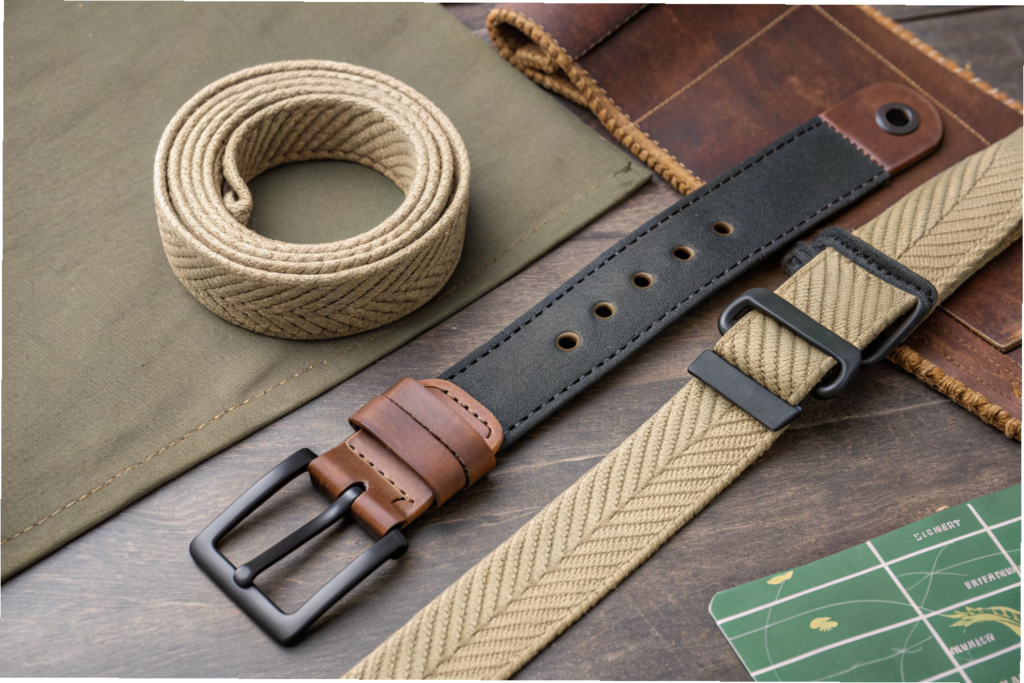
Beyond leather and synthetics, other materials excel in specific contexts where scratch resistance is paramount, often in more casual or technical daily wear. Take, for instance, the rugged allure of canvas—its textured surface, woven from durable cotton threads, stands up valiantly to the rough-and-tumble of everyday life.
Whether it’s a well-worn backpack slung over a hiker’s shoulder, its straps creaking with the weight of essentials yet bearing only faint, almost imperceptible marks from tree branches and rocky terrain, or a pair of casual sneakers with canvas uppers that have absorbed the scuffs of city streets and the grit of playgrounds, canvas exudes a lived-in charm that only grows more appealing with time. Then there’s the understated resilience of microfiber, a material so fine and tightly woven that it resists scratches from keys, coins, and even the occasional clumsy elbow bump.
Is coated canvas a scratch-resistant option?
Coated canvas—where a fabric (usually cotton or polyester) is coated with PVC or polyurethane—is highly scratch and scuff-resistant. The coating completely covers the underlying fibers, creating a smooth, wipe-clean surface. This is the material famously used in many luxury luggage and handbag lines for its durability. For belts, it offers a unique look (often with printed logos or patterns) and extreme resilience to surface marks, though it can be prone to creasing.
How does nylon or polyester webbing perform?
Nylon or polyester webbing belts are champions of functional durability. The scratches simply don’t apply in the same way; these materials are more concerned with abrasion resistance and tensile strength. They are virtually immune to surface scratching because their texture and construction diffuse wear. However, their plastic buckles can scratch. These are ideal for workwear, outdoor activities, or uniform belts where function dominates.
What Construction Details Enhance Overall Scratch Resistance?
The material is only part of the equation. How the belt is constructed can either protect it or make it more vulnerable to damage. Attention to these details separates a good belt from a great one. A well-constructed belt, for instance, might feature a sturdy, waxed canvas or supple leather that resists fraying at the edges, where the fabric meets the hardware—a place prone to wear from daily use, like the gentle tug of fastening a jacket or the occasional brush against rough surfaces. The stitching, too, plays a crucial role: tight, even rows of thread, perhaps reinforced with a double stitch along stress points, create a barrier against unraveling, ensuring that even after years of being cinched and loosened, the belt maintains its integrity. The buckle, often overlooked, is a silent guardian; a heavy, solid metal buckle with smooth, polished edges not only adds weight and durability but also distributes pressure evenly, preventing the leather from stretching unevenly or tearing at the attachment point.
Conversely, a poorly constructed belt might have thin, flimsy stitching that comes undone with minimal effort, or a lightweight buckle that bends under strain, leading to the belt slipping or breaking when it matters most. The difference between a good belt and a great one lies in these subtle, yet vital, touches—the way the materials are chosen, the precision of the craftsmanship, and the foresight to anticipate wear and tear. A great belt feels like an extension of the wearer, its construction speaking to care and quality, while a lesser one fades quickly, leaving behind frayed edges and a sense of disappointment. It’s in these details that the true character of a belt is revealed, transforming it from a mere accessory into a trusted companion, one that stands the test of time and use.
How does edge finishing protect a belt?
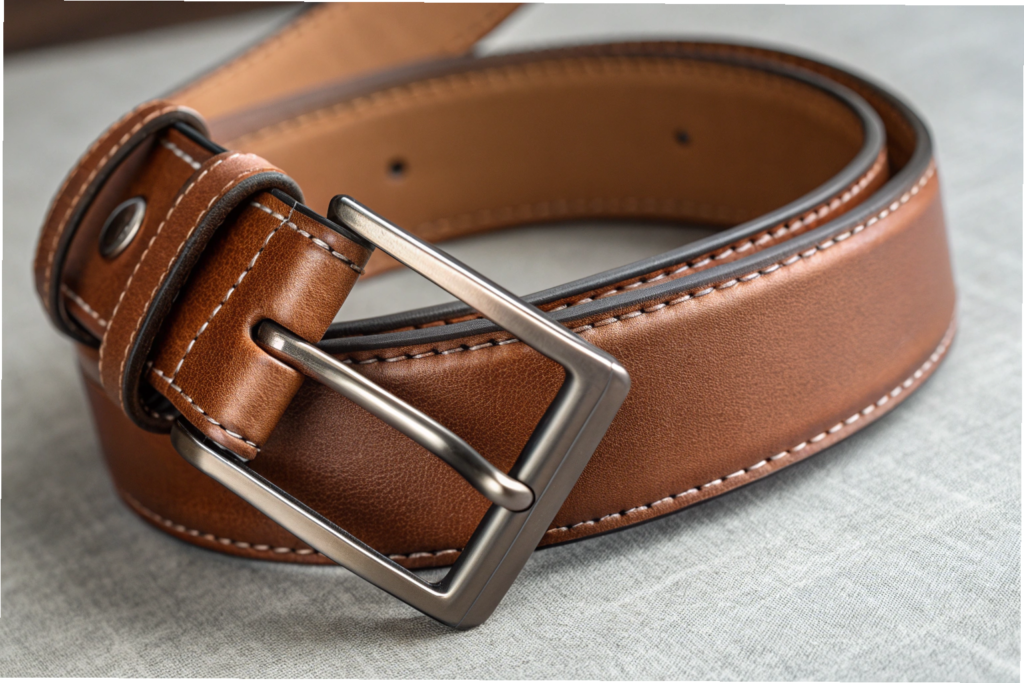
A belt’s edge is a high-contact area prone to scraping. Well-burnished edges (where the edge is sanded smooth, dyed, and sealed with wax or edge paint) are more resistant to fraying and absorb minor scrapes without showing raw material. A rough, unfinished edge will show wear instantly. For synthetic belts, a heat-sealed or stitched edge performs the same protective function.
Why is buckle design and attachment important?
The buckle is often the hardest part and can cause scratches on the belt itself if it shifts. A secure, fixed attachment (like Chicago screws or a sturdy prong set in a keeper) minimizes movement. Additionally, choosing a buckle with a brushed or matte finish (as opposed to a high-polish) will itself show fewer visible scratches from daily contact. This holistic design thinking is essential for accessories manufacturers aiming for durability.
How Should Buyers Test and Source Scratch-Resistant Belts?
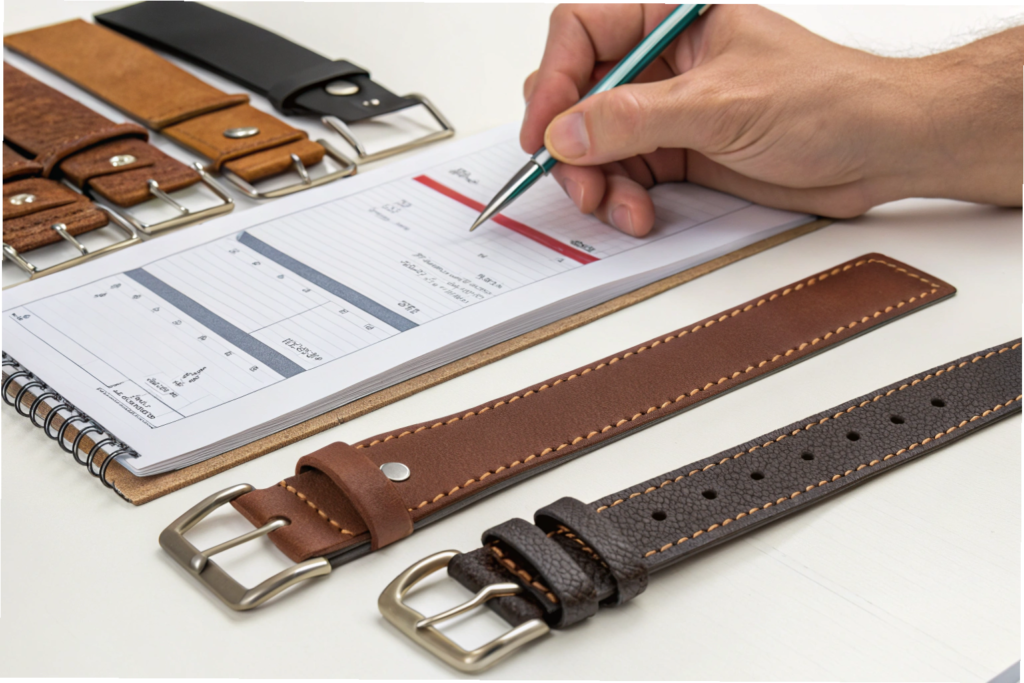
For retailers, brands, or sourcing agents, verifying scratch resistance before placing a bulk order is critical to ensure product performance and reduce returns. Imagine the disappointment of unboxing a sleek smartphone case only to find it marred by tiny, unsightly scratches from a single drop on a kitchen counter—such flaws not only tarnish the product’s visual appeal but also erode consumer trust. For brands, this translates to costly returns, damaged reputations, and lost sales; for retailers, it means managing a flood of customer complaints and the logistical nightmare of processing refunds. Sourcing agents, too, face the risk of investing in materials that fail to meet quality benchmarks, leading to production delays and strained supplier relationships.
The process of verification, therefore, becomes a crucial step: holding a sample up to the light to inspect for micro-scratches, running a fingernail gently across its surface to gauge durability, or subjecting it to controlled abrasion tests that mimic real-world wear and tear. These actions are not mere formalities but vital safeguards that ensure the final product can withstand the rigors of daily use—from the clink of keys in a pocket to the friction of a handbag lining. By prioritizing scratch resistance checks, businesses protect their bottom lines, uphold their commitment to quality, and ultimately deliver products that customers will cherish and recommend, turning potential returns into satisfied repeat buyers.
What simple tests can you perform on samples?
- The Fingernail Test: Press your fingernail into the material with moderate pressure. Does it leave a permanent mark that doesn’t spring back? A resistant material will show little to no imprint.
- The Key Scuff Test: Gently drag a key across a discreet area of the sample. Does it leave a white, chalky mark or a cut? A good material will either resist marking or the mark will wipe off easily.
- Flex Test: Repeatedly bend the sample. Do micro-cracks appear in the surface finish? This indicates a poor-quality coating that will fail quickly.
These simple tests are surprisingly effective and should be part of any supplier qualification process.
What questions should you ask your manufacturer?
When discussing with a manufacturer like Shanghai Fumao Clothing, ask:
- "What is the abrasion resistance test data for this material?"
- "What type of protective finish is applied?"
- "Can you provide a worn/life-cycle test sample?"
- "What is your process for edge sealing and buckle attachment to minimize wear?"
A professional manufacturer will have answers and be proud to demonstrate the durability of their products. They understand that for daily wear accessories, durability is a primary component of quality.
Conclusion
For a belt destined for daily wear, prioritizing scratch resistance means choosing materials with inherent hardness and protective finishes. Full-grain leather, especially with a pigmented finish, offers timeless durability and a patina that embraces wear. High-quality synthetic PU provides consistent, wipe-clean performance. For casual or utilitarian use, coated canvas and webbing are exceptionally tough.
Combining these materials with robust construction details like sealed edges and secure buckle attachment creates a belt built to last. For buyers and brands, understanding and testing these properties is key to sourcing products that satisfy customers and withstand the test of daily life.
If you are looking to develop or source a line of durable, scratch-resistant belts that maintain their appearance over time, our expertise in material selection and manufacturing can help. Contact our Business Director, Elaine, at elaine@fumaoclothing.com to create belts that are as tough as they are stylish.