As a conscious consumer or a forward-thinking brand, you want your accessories to look good without costing the earth. You see terms like "eco-friendly," "sustainable," and "circular" everywhere, but what do they truly mean for hair clips, scarves, belts, and bags? Which trends are fleeting marketing buzzwords, and which represent a genuine shift in how accessories are designed, produced, and consumed? Understanding this landscape is key to making responsible choices or developing a competitive, future-proof product line.
The core trends in sustainable fashion accessories revolve around three pillars: innovative materials, circular design principles, and ethical transparency. This means moving beyond organic cotton to include materials like recycled ocean plastics, plant-based leathers, and regenerated fibers. It involves designing for longevity, repair, and end-of-life recyclability. Crucially, it demands full supply chain transparency, where brands prove their social and environmental impact claims. Sustainability is no longer a niche feature but an integrated standard for quality.
At Shanghai Fumao Clothing, we work with brands pioneering these trends. The shift is real and accelerating. Let’s explore the key movements shaping the future of sustainable accessories.
What Innovative Materials Are Defining Sustainable Accessories?
The most visible trend is the explosion of alternative materials that reduce dependency on virgin plastics, conventional leather, and resource-intensive crops. These materials are moving from prototypes to mainstream commercial availability, offering comparable performance with a dramatically lower environmental footprint. For brands, sourcing these materials is becoming easier, though it requires closer partnership with specialized suppliers.
How are recycled materials being used beyond basic polyester?
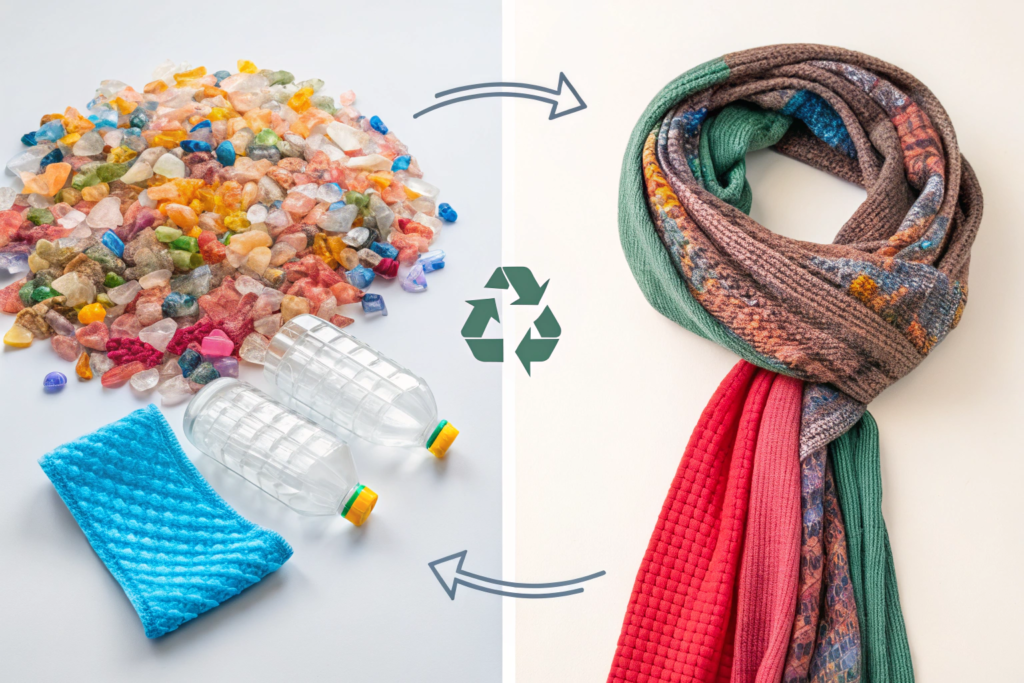
While Recycled Polyester (rPET) from bottles is now common for scarves and bag linings, innovation is deepening. We now see:
- Recycled Metals: For jewelry and hardware on bags and belts, using post-industrial brass or aluminum scrap.
- Regenerated Nylons: Such as Econyl, made from recycled fishing nets and other nylon waste, used for sturdy straps and outer shells of bags.
- Food Waste Streams: Materials like AppleSkin (from apple pulp waste) or Desserto (cactus leather) are emerging as viable leather alternatives for belts and small leather goods.
The key for brands is to demand certification, such as the Global Recycled Standard (GRS), to verify the recycled content chain of custody. This provides the credibility needed for marketing claims.
What is the role of natural and biodegradable materials?
Alongside recycled synthetics, there is a strong trend towards natural materials that are renewable and can safely biodegrade at end-of-life. This includes:
- Organic and Regeneratively Grown Fibers: Organic cotton for scarves, wool from farms practicing regenerative agriculture, and linen (flax), which requires less water and pesticides.
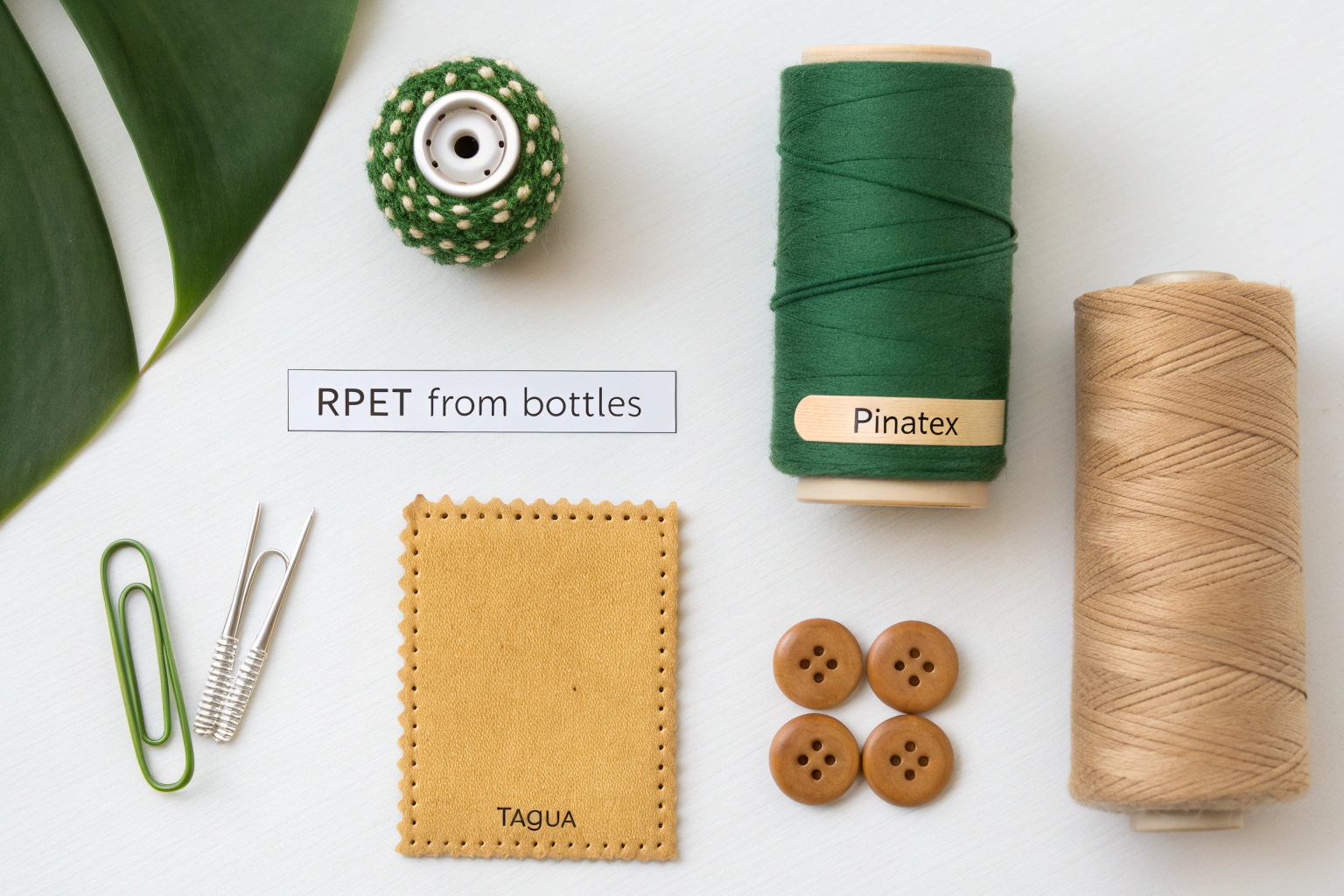
- Plant-based Accessories: Corozo nut (tagua) for buttons, wood from sustainably managed forests (FSC-certified) for sunglasses or hair accessories, and cork for handbag trims.
These materials connect the product to a natural origin story that resonates with consumers. Resources like the Textile Exchange provide extensive data and reports on the adoption and impact of these preferred materials.
How Is Circular Design Changing Accessory Development?
Sustainability is not just about the materials—the tactile feel of organic cotton against skin, the earthy scent of recycled plastic fibers, the shimmer of upcycled metals—but the entire lifecycle of the product, from the first spark of inspiration to the moment it finds its final resting place. Circular design thinks from the end backwards, like a painter envisioning the canvas before the first brushstroke, aiming to eliminate waste as thoroughly as a sculptor chisels away excess stone to reveal the masterpiece within.
For accessories, this means designing products that are durable, their stitching reinforced to withstand years of wear, their clasps crafted from materials that resist tarnish and breakage; repairable, with parts that can be swapped out like puzzle pieces, so a broken chain link becomes a story of mending rather than discarding; and ultimately recyclable or compostable, so when their time comes, they return to the earth or transform into new creations without leaving a toxic footprint. This trend challenges the traditional \"take-make-dispose\" model of fast fashion, which thrives on the relentless churn of cheap, disposable items—garments that fade after a few washes, accessories that snap or rust within months, ending up in landfills where they leach chemicals and smother the planet.
What does "designing for durability and repair" look like in practice?
For an accessory brand or manufacturer like Shanghai Fumao Clothing, this means:
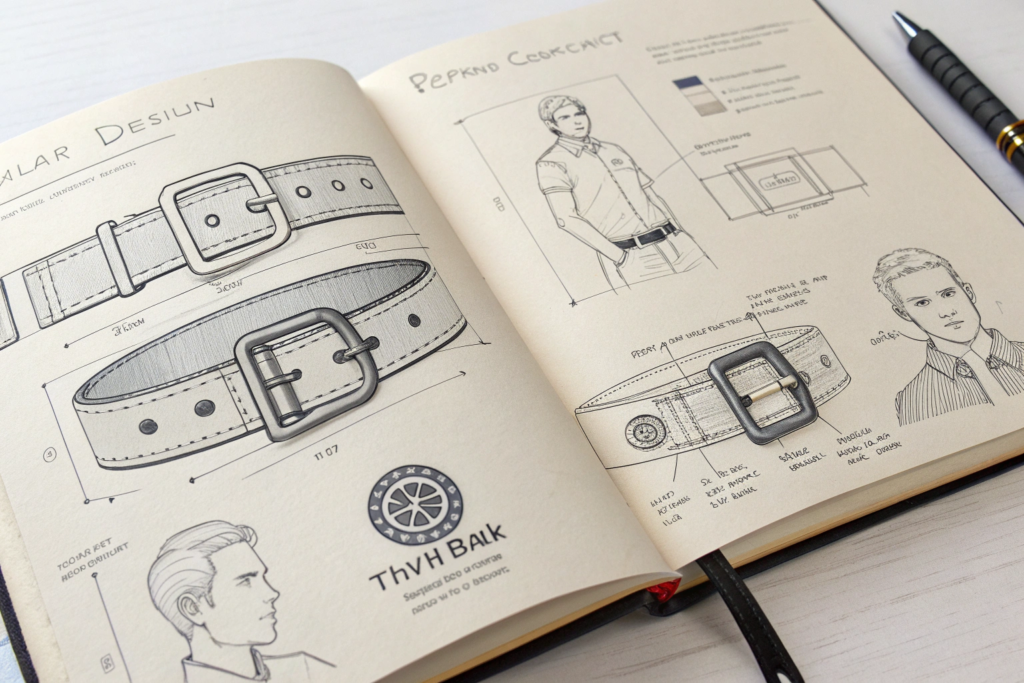
- Robust Construction: Using stronger stitching, reinforced stress points on bags, and higher-quality clasps on jewelry.
- Modular Design: Creating belts with interchangeable buckles or bags with removable straps, allowing for style updates without buying a whole new item.
- Offering Repair Services: Providing customers with repair guides, spare parts (like a replacement hair clip backing), or a dedicated repair service to extend product life.
This approach builds immense brand loyalty and transforms the customer relationship from transactional to long-term. It’s a cornerstone of the circular economy model advocated by organizations like the Ellen MacArthur Foundation.
How are take-back and recycling programs evolving?
Leading brands are implementing programs to keep their products in circulation. This can be:
- Take-Back Schemes: Where customers return old scarves or bags for store credit. The brand then either refurbishes them for resale or recycles the materials into new products.
- Monomaterials: Designing an item (like a beanie) from a single, easily recyclable material stream, rather than mixed fibers that are difficult to separate.
These programs require significant backend logistics but are becoming a key differentiator. They turn waste into a resource and demonstrate a brand’s commitment to closing the loop.
Why Is Supply Chain Transparency Now Non-Negotiable?
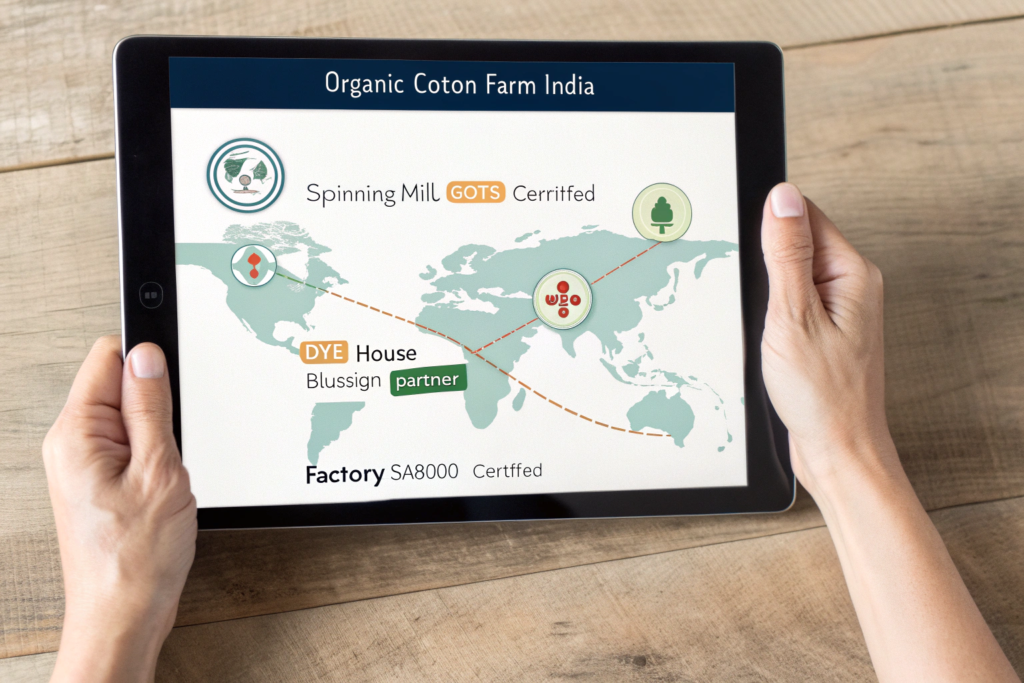
Consumers and retailers are increasingly skeptical of vague ‘green’ claims, their eyes narrowing with suspicion as they sift through marketing jargon that once promised sustainability but now feels like a hollow echo. They demand proof—tangible, verifiable evidence that cuts through the haze of corporate buzzwords. The trend is moving towards radical transparency, where brands no longer hide behind ambiguous statements but instead lay bare their entire supply chain, from the sun-dappled fields where raw materials are harvested to the humming factories where final assembly takes place. This transparency is not just a list of names and locations; it is a living, breathing map that traces every step, every mile, every decision, shared publicly for all to see.
In this light, trust blooms like a well-tended garden, rooted in honesty and accountability. Ethical practices are no longer whispered about in boardrooms but are laid bare for scrutiny, ensuring that fairness, sustainability, and responsibility are woven into the very fabric of production. The air feels lighter, the connection between brand and consumer deeper, as if a silent contract has been forged—one built not on empty promises, but on the unshakable foundation of truth.
What certifications and standards should you look for?
Trust is built through independent, third-party certifications. For accessory brands and their manufacturers, key certifications include:
- Environmental: GOTS (Global Organic Textile Standard) for organic fibers, Bluesign for responsible chemical management, FSC for wood/paper packaging.
- Social: SA8000, BSCI, or Fair Trade certification, which audit working conditions, fair wages, and worker safety in factories.
- Product-Specific: Cradle to Cradle Certified for products designed for circularity.
A transparent manufacturer will not only hold these certifications but will be able to provide documentation for the materials they purchase. This level of detail is essential for brands making solid claims.
How is technology like blockchain enabling transparency?
Innovative brands are using blockchain technology or QR codes on hang tags. When scanned, these codes reveal the product’s journey: where the cotton was grown, where it was spun and dyed, the carbon footprint of its journey, and even photos of the factory where it was made. This level of detail moves sustainability from a marketing story to a verifiable fact. It also helps brands internally manage and audit their supply chains for risk.
What Are the Emerging Business Models for Sustainable Accessories?
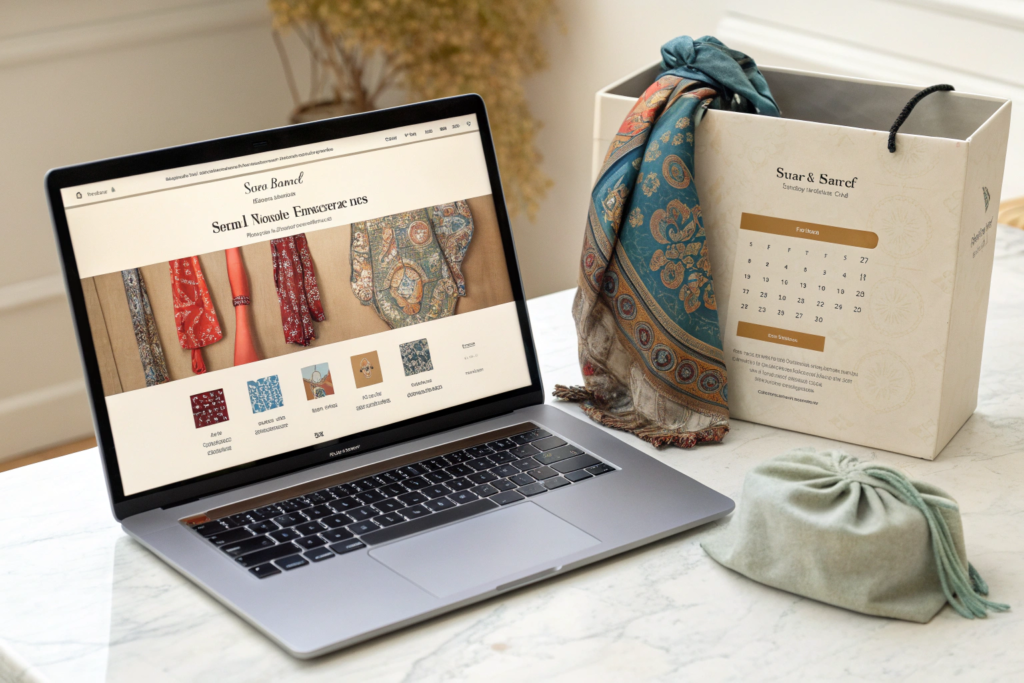
Sustainability is driving new ways of selling and consuming accessories, a quiet revolution that’s reshaping wardrobes and wallets alike. These innovative models—think sleek subscription boxes brimming with handcrafted jewelry, pop-up rental boutiques where statement scarves and designer sunglasses wait to be tried on, and digital platforms offering virtual ‘try-ons’ for limited-edition handbags—challenge the traditional notion of ownership with a gentle but persistent nudge. No longer is the goal to fill closets with endless duplicates; instead, they prioritize access and experience, inviting consumers to savor the allure of a piece without the weight of permanent possession.
Imagine slipping on a delicate silver bracelet borrowed from a curated collection, its cool metal glinting in the sunlight as you attend a garden party, knowing it will soon pass to another who will cherish it just as much. Or browsing a virtual closet on your phone, where each accessory—from a vintage-inspired clutch to a pair of artisanal leather boots—comes with a story of sustainable sourcing and ethical craftsmanship, turning shopping into an immersive journey rather than a race to accumulate. These approaches don’t just shift how we buy; they align profitability with planetary health, proving that businesses can thrive by honoring the earth’s resources. By reducing waste, promoting circularity, and fostering a culture of mindful consumption, these models create a harmonious dance between human desire and environmental stewardship, making sustainability not just a buzzword, but a tangible, joyful part of everyday life.
How are rental and subscription models gaining traction?
For special occasion accessories like statement jewelry, luxury handbags, or high-end hair pieces, rental platforms are growing. This allows consumers to access variety and luxury without the environmental cost of producing and ultimately discarding rarely worn items. Similarly, subscription services for accessories like seasonal scarves or hair bands offer a curated, rotating selection, promoting a "library" instead of a "closet" mentality. For designers, this can mean creating more durable, timeless pieces built for multiple users.
Why is "localized" and "on-demand" production a key trend?
Reducing carbon emissions from long-distance shipping is a major focus. This is spurring interest in:
- Localized Manufacturing: Producing accessories closer to the end market, supporting local economies and reducing transport miles.
- On-Demand Production: Using technologies like digital printing for scarves or 3D printing for jewelry hardware to produce items only after they are ordered, eliminating inventory waste and overproduction.
While challenging for traditional mass production, these models are becoming more feasible with technology and are highly appealing to a niche, conscious consumer base. They represent the cutting edge of sustainable supply chain management.
Conclusion
The trends in sustainable fashion accessories are converging into a holistic new standard: high-quality products made from innovative, low-impact materials, designed for long life within a circular system, and backed by undeniable transparency. This is not a passing trend but a fundamental reshaping of the industry driven by consumer demand, regulatory pressure, and environmental necessity.
For brands and retailers, embracing these trends is an opportunity to build deeper trust, foster innovation, and ensure long-term relevance. For consumers, it empowers more meaningful purchasing decisions.
If you are looking to develop a sustainable accessory line that embodies these forward-thinking principles, we have the expertise in material sourcing, certified production, and transparent partnerships to help. Contact our Business Director, Elaine, at elaine@fumaoclothing.com to start building a collection that looks to the future.