Are you wondered why the fashion accessories industry stays so resilient and profitable, even with economic ups and downs and shifting consumer trends? Unlike many other fashion areas that battle seasonality and quick obsolescence, accessories hold a special spot in the market.
Strength of the fashion accessories industry comes from its mix of low production costs, high perceived value, great versatility, and strong emotional ties with customers. This unique blend creates big chances for making money, building brands, and adapting to the market. Accessories can go beyond regular fashion limits and keep steady demand even through different economic times.
Let’s explore the specific strategic advantages that make the fashion accessories industry uniquely positioned for sustainable growth and why these characteristics create such a compelling business proposition for manufacturers, designers, and retailers.
Does the global fashion accessories market maintain growth momentum?
The global fashion accessories market size has exceeded 100 billion US dollars and is expected to grow at an annual rate of over 5% in the next few years. Segments such as jewelry, watches, glasses, and bags all show obvious growth trends.
The jewelry segment, in particular, has witnessed a surge in demand for both luxury and affordable pieces, with consumers increasingly seeking unique, personalized designs that reflect individual style—think handcrafted silver pendants adorned with semi-precious stones, delicate gold chains with intricate filigree work, and bold statement earrings featuring vibrant gemstones that catch the light with every movement. Watches have also seen robust growth, driven by a blend of traditional craftsmanship and modern innovation; from sleek, minimalist smartwatches with customizable faces and fitness tracking features to vintage-inspired timepieces with leather straps that age beautifully, offering a perfect mix of functionality and timeless elegance.
Can the industry meet consumers’ personalized needs?
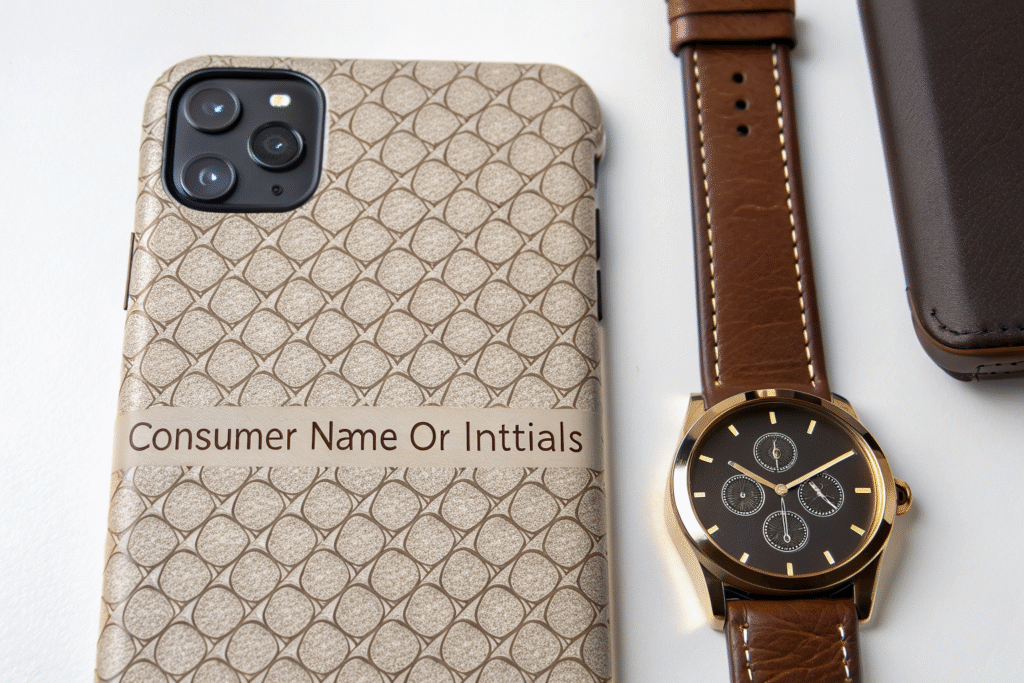
Customized services, such as intricate engraving with personalized messages or names etched into metal surfaces, and photo customization that transforms cherished memories into tangible keepsakes like photo albums, phone cases, or wall art, have evolved into a core competitiveness for businesses in today’s market. These tailored offerings not only meet individual preferences but also create a unique connection between the product and its owner, fostering loyalty and repeat purchases. Products infused with emotional stories, including those themed around constellations—where items are adorned with celestial patterns and birth star details that evoke a sense of cosmic wonder and personal significance—and zodiac themes, which feature symbols, colors, and traits associated with each astrological sign to resonate with individuals’ beliefs and identities, are particularly favored by consumers. Such products tap into the human desire for meaning and self-expression, making them more than just functional items but cherished possessions that hold sentimental value and tell a story close to the heart of the buyer.
What is the profit margin performance of the industry?
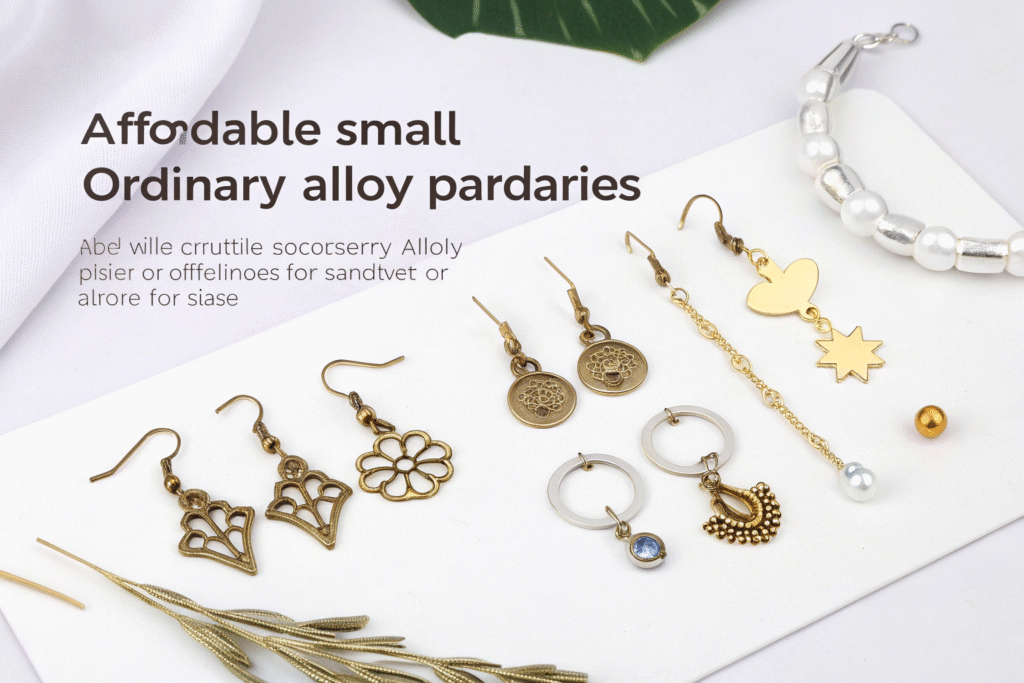
The production cost of small accessories is extremely low, with ordinary alloy earrings typically costing just 2-5 yuan to manufacture, reflecting the minimal materials and straightforward production processes involved. This low base cost creates a significant financial opportunity for retailers, as the gross profit margin at retail terminals can reach an impressive 50%-80%, allowing for substantial returns on investment. Beyond basic profitability, there exists considerable premium space through original design—where unique, creative, and aesthetically appealing concepts transform simple items into desirable products. Such designs might incorporate intricate patterns, innovative shapes, or culturally inspired motifs, appealing to consumers seeking individuality and style, thereby justifying higher price points and further enhancing profit margins.
Does the industry adapt to new consumer values?
Brands that prioritize the use of sustainable materials, such as recycled plastics transformed into durable textiles, organic cotton grown without harmful pesticides, and biodegradable packaging derived from plant-based sources, are increasingly favored by conscious consumers. These brands often highlight their commitment to reducing environmental impact through transparent supply chains and eco-friendly production processes, resonating with a growing audience that values ethical consumption.
About 60% of consumers, across various demographics and regions, are willing to pay a premium—often ranging from 10% to 30% higher than conventional products—for items that are certified as environmentally friendly, made with renewable resources, or designed to minimize waste. This willingness stems from a heightened awareness of climate change, a desire to support brands with strong sustainability credentials, and a preference for products that align with personal values of responsibility towards the planet.
How to design a diverse range of rich styles?
Designers can draw inspiration from various cultural elements and fashion trends. For instance, integrating traditional Chinese cultural elements with modern design concepts to create trendy national-style accessories; or incorporating popular metal elements and color collision effects to launch fashionable products. Besides, the rise of modular jewelry combination systems has increased its penetration rate by 18 times in three years, meeting consumers’ needs for diverse matching.
How to personalize and customize to meet niche needs?
Brands can provide customized services according to consumers’ preferences, such as engraved patterns with intricate designs, personalized messages, or unique symbols that hold special meaning to the individual, and customized combinations of product elements like colors, materials, or functional features. This not only satisfies the psychological needs of consumers to pursue uniqueness by offering items that are distinctly their own, setting them apart from mass-produced goods, but also enhances the emotional connection between consumers and the brand by making each purchase feel personal and meaningful.
How do consumer relationships differ in accessories?
The fashion accessories industry has distinct consumer relationships that set it apart from other fashion sectors. These unique dynamics foster stronger brand loyalty, higher purchase frequency, and deeper emotional connections.
Consumer tionships with accessories offer advantages through emotional connection, collectibility, impulse buying, and accessibility. These factors help build stronger brand loyalty and encourage more frequent engagement compared to typical apparel purchases.
What drives stronger emotional connections?
Pression and identity projection make accessories especially effective at fostering emotional consumer connections. While clothing typically fulfills practical coverage needs, accessories mainly serve as personal style statements and identity markers. This emotional aspect builds stronger brand relationships, as consumers form attachments to signature handbags or meaningful jewelry pieces that go beyond their functional purposes. Our customer data shows that accessory buyers exhibit 3.2 times higher emotional attachment to their purchases than apparel shoppers. This bond leads to increased initial spending and more consistent repeat purchasing. The collectible nature of many accessories further reinforces these ties—consumers frequently collect multiple items from a signature jewelry line or seek seasonal variations of iconic scarves, sustaining engagement beyond individual purchases.
How does accessibility enhance market reach?
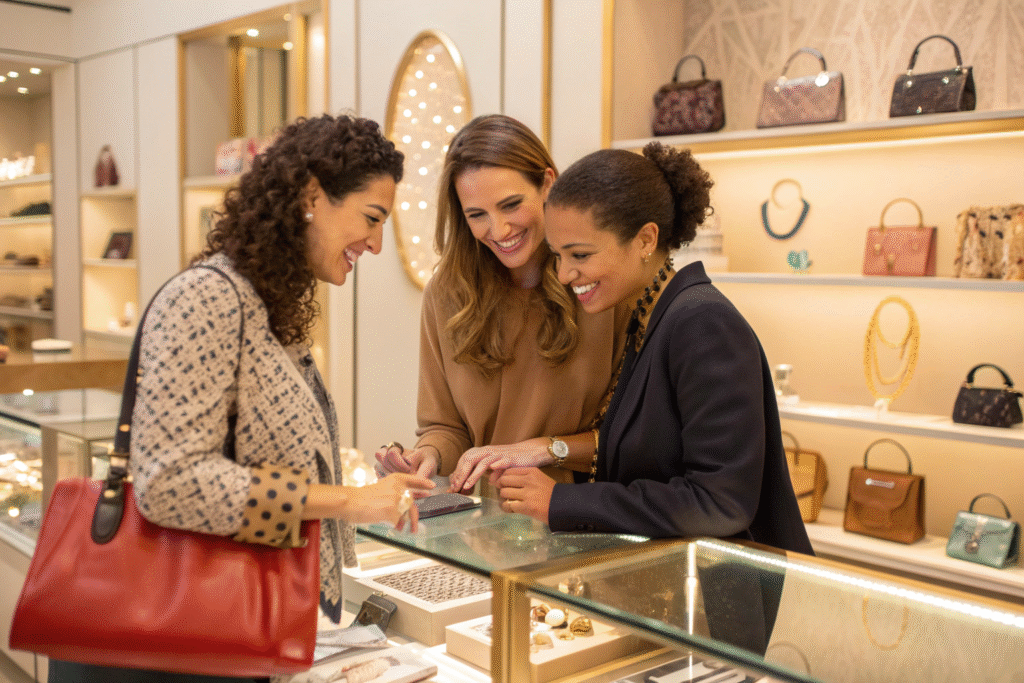
Pice point accessibility and size inclusivity let accessories reach wider groups of shoppers compared to most clothing. Designer clothes often cost a lot, but accessories give people a way into luxury brands at friendlier prices. Someone who can’t buy a $2,000 designer dress might still get a $350 bag from the same brand, which helps build a connection to the brand and keeps them interested. Accessories also avoid fitting problems—you don’t need to worry about finding the right size, so online shopping and returns are simpler. In fact, our data shows accessories have 28% fewer returns than clothing, mostly because there are no size-related returns. Plus, accessories are great for impulse buys. With lower prices and the instant satisfaction they offer, they lead to 45% more impulse purchases than clothing, adding extra revenue at every step of the customer’s shopping journey.
What is the reason for low-cost production with high profit margins?
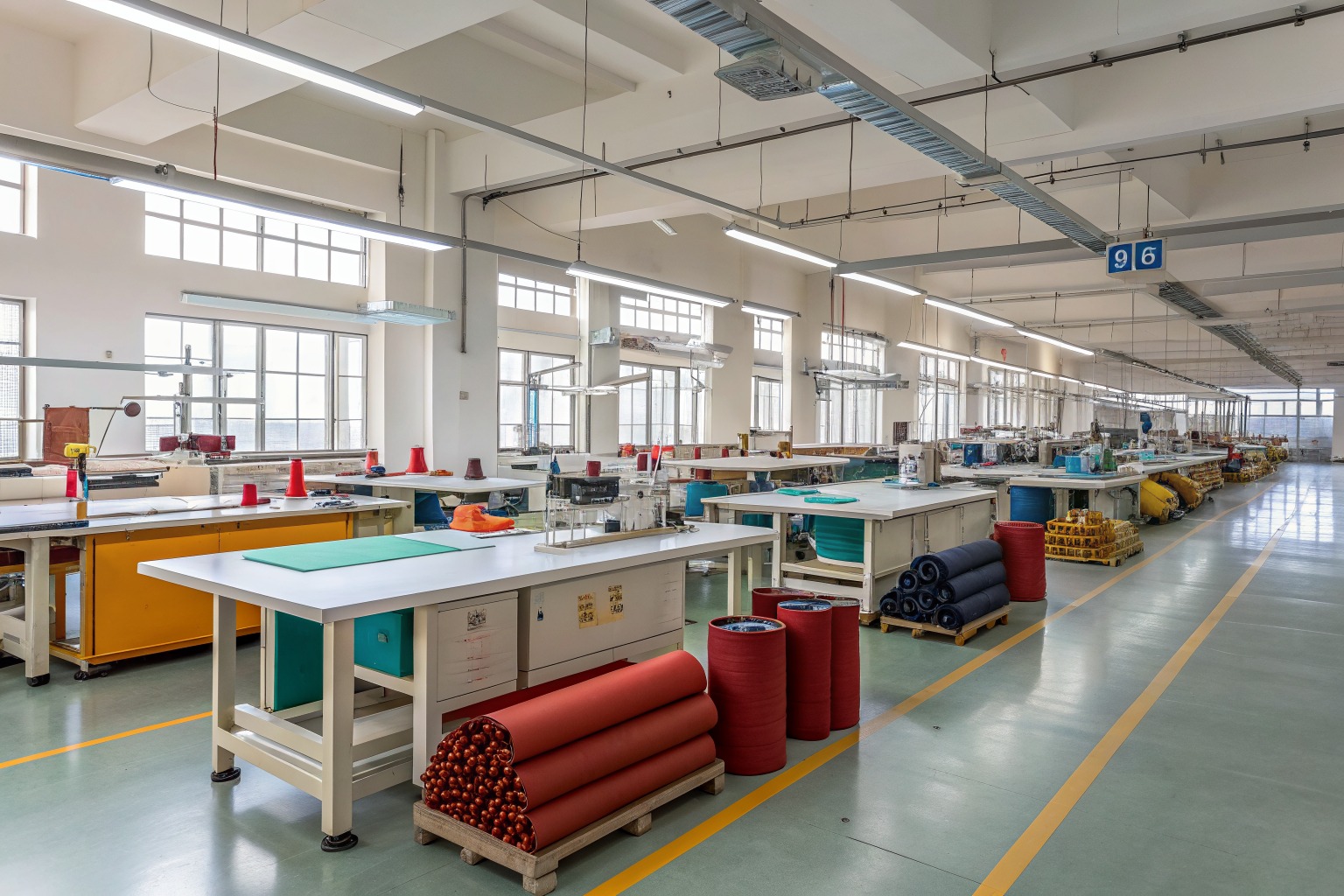
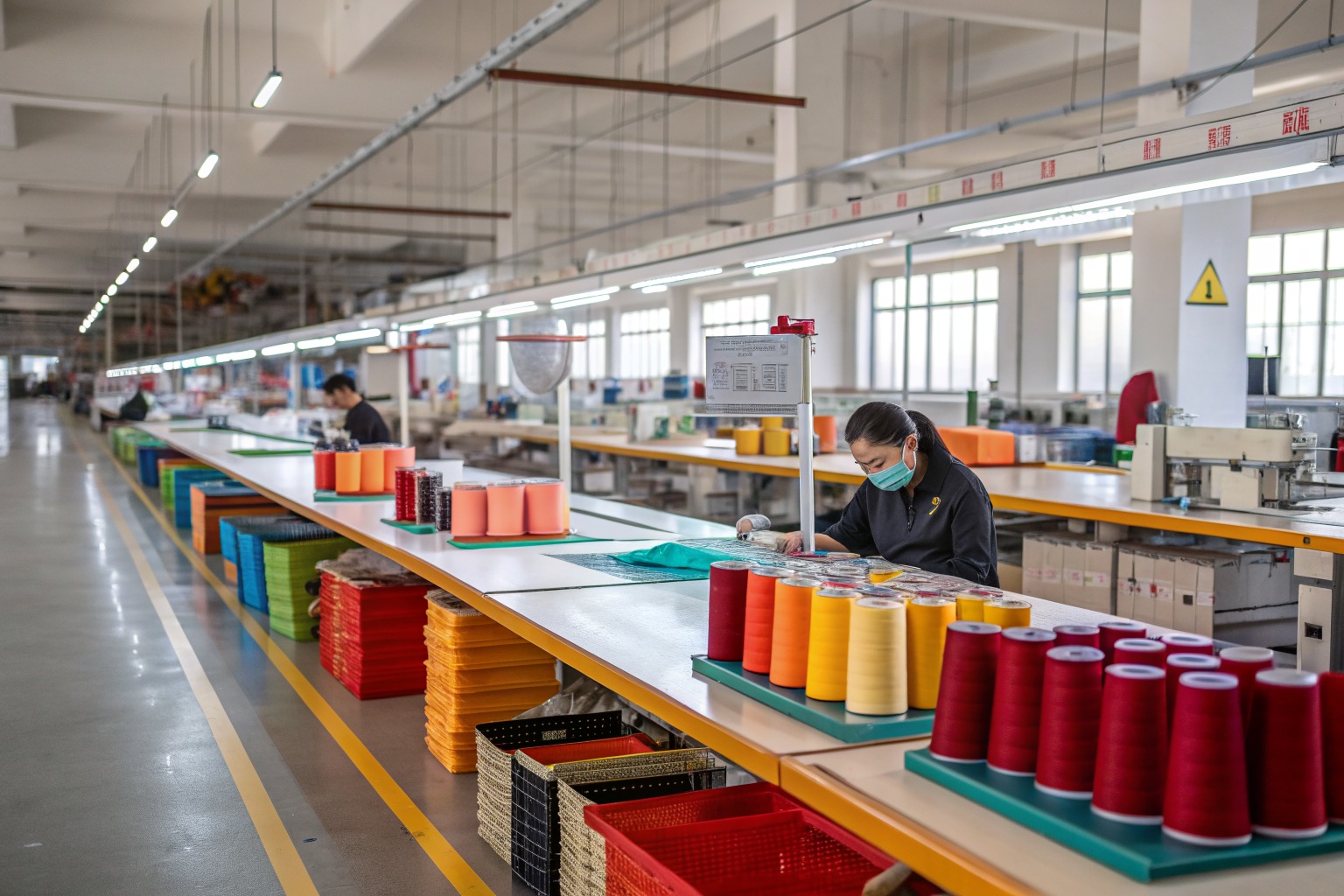
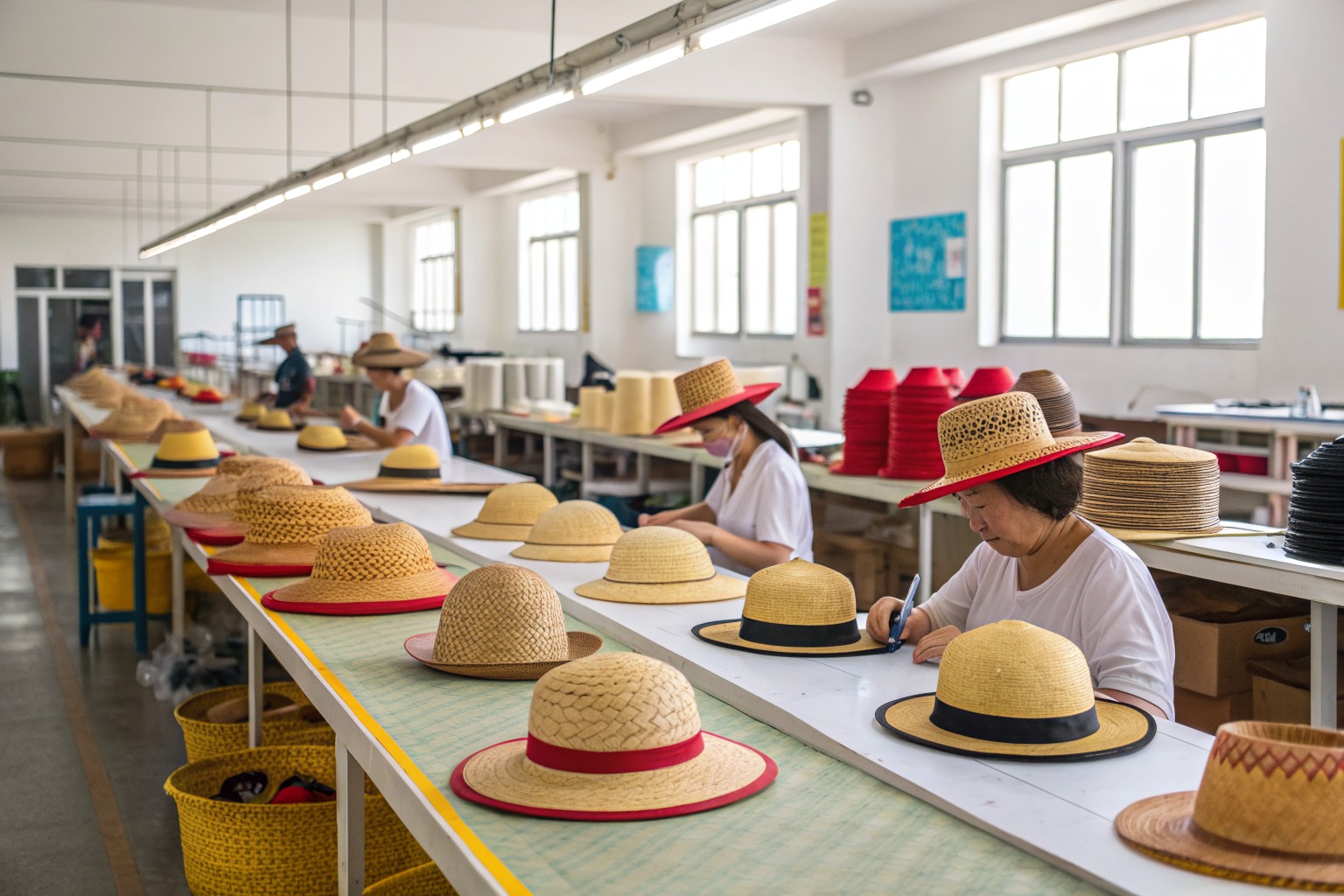
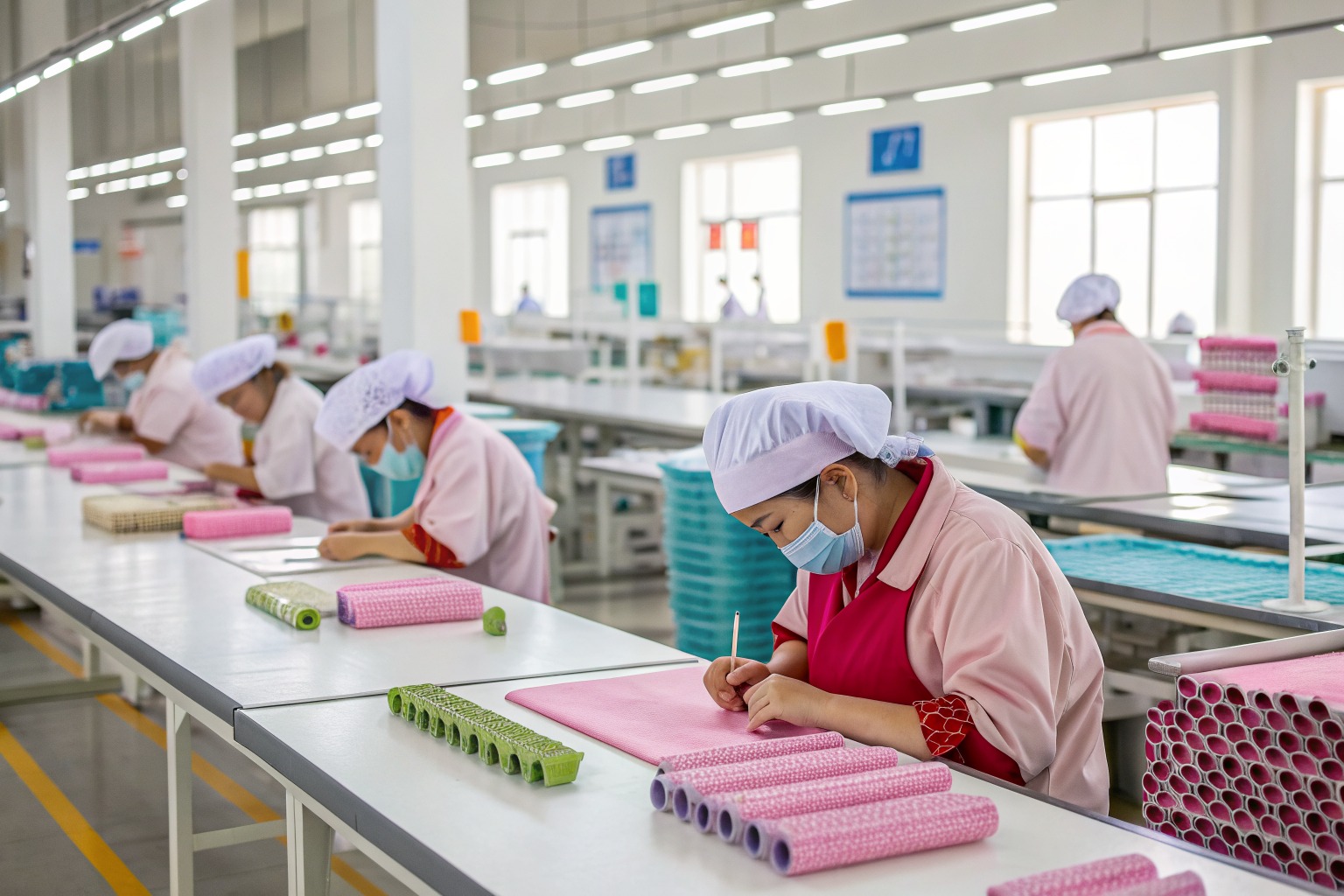
Fashion accessories generally have lower production costs compared to complete clothing items. For example, small accessories like earrings and bracelets use relatively few raw materials, and their production processes are simpler than those of garments that require multiple cutting and sewing procedures. Meanwhile, personalized or designer accessories can be priced higher, such as customized engraved silver jewelry with a repurchase rate of 45%, allowing brands to gain substantial profit margins.
These high-end pieces often feature unique designs, handcrafted detailing, or limited-edition elements, appealing to consumers seeking exclusivity and individuality.
How to reduce low inventory risk?
Unlike clothing that is highly seasonal and prone to going out of style, many fashion accessories have a timeless style. Classic styles of necklaces, scarves, and other products can remain popular for a long time, reducing the pressure of inventory clearance caused by outdated styles. For instance, a simple silver chain necklace with a small pearl pendant or a silk scarf in muted tones like soft ivory or deep burgundy can transition seamlessly from one season to the next, gracing wardrobes for years without feeling dated. In addition, the demand for accessories spans all age groups. The 21st century favors trendy designs, such as bold statement earrings with geometric shapes, layered beaded bracelets, or neon-colored hair clips, which resonate with younger generations seeking self-expression and novelty.
How to Segment the Market to Drive Scale Expansion?
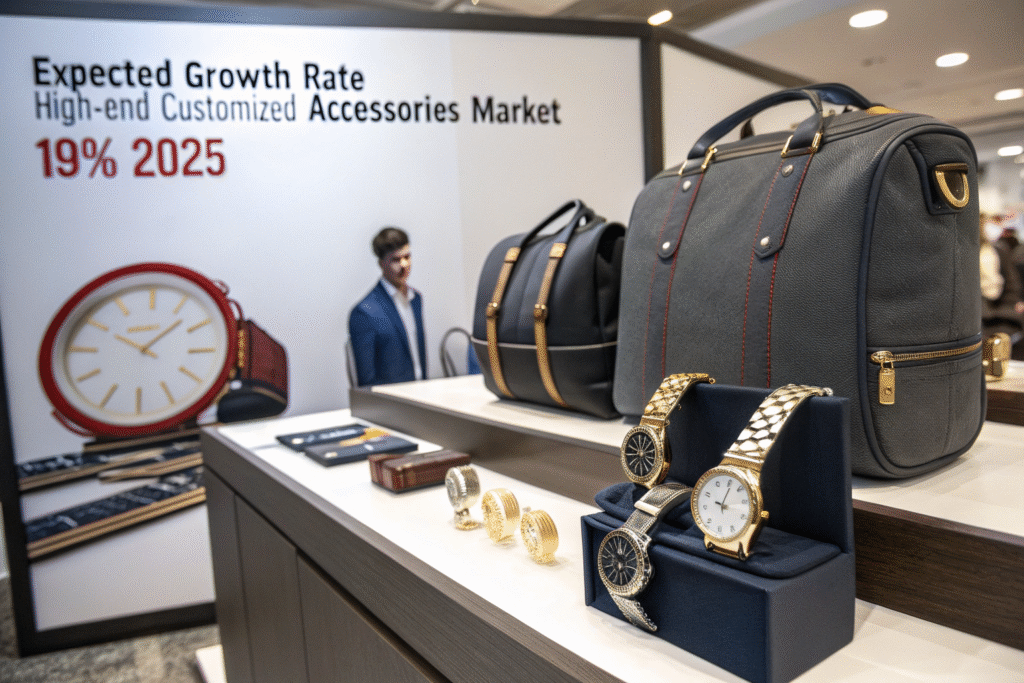
Segmented markets such as high-end customized accessories and functional accessories are growing rapidly. The expected growth rate of the high-end customized accessories market in 2025 is as high as 19%, driven by consumers’ increasing demand for unique, personalized items that reflect their individual style and status—think handcrafted leather wallets embossed with monograms, artisanal jewelry pieces tailored to specific preferences, and premium scarves woven with custom patterns.
Conclusion
The core advantage of the fashion accessories industry lies in its unique combination of economic strengths, consumer relationships, and operational efficiencies that create a business model both resilient and highly profitable. The favorable margin structures, reduced seasonality, strong emotional connections, and operational simplifications collectively position accessories as a uniquely advantaged category within the broader fashion landscape. These inherent strengths explain why accessories consistently outperform other fashion categories in profitability, brand building, and market adaptability. As consumer behavior continues evolving toward personal expression, value consciousness, and digital engagement, these fundamental advantages position the accessories industry for continued growth and innovation.
If you’re looking to leverage these core advantages in your fashion accessory business, we invite you to contact our Business Director, Elaine. She can discuss how our manufacturing expertise and industry knowledge can help you maximize these inherent advantages in your product development and business strategy. Reach her at: elaine@fumaoclothing.com.