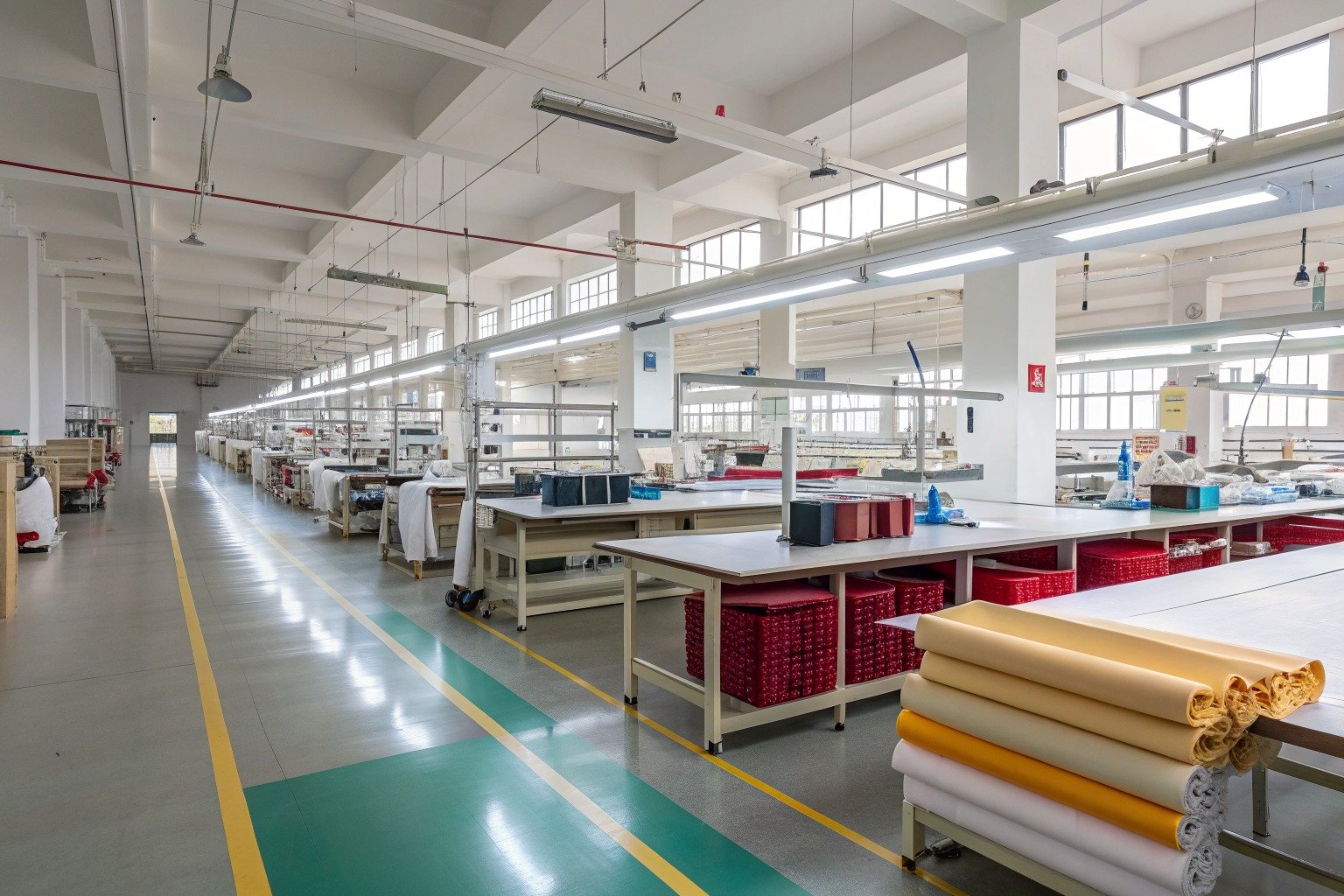
I had a call last spring with a buyer from a major US supermarket chain. He had found our hair accessories and knit hats exactly matching his seasonal promotion plan. The price, the samples, the delivery window, everything aligned. Then came the compliance email. Before any purchase order could be issued, our factory needed to show a valid, recent social compliance audit from an approved third-party firm. If we could not produce that report within two weeks, the entire program would move to a different supplier. I sent him our latest BSCI audit report the same afternoon, and the purchase order followed three days later. Without that audit file sitting ready, the conversation would have ended right there.
US supermarkets ask for factory social compliance audits because their brand reputation, legal liability, and market access depend on it. A single news story about child labor, unsafe working conditions, or forced overtime in a supplier’s factory can trigger consumer boycotts, shareholder lawsuits, and regulatory investigations that cost a retailer far more than any margin saved by sourcing from an unvetted facility. The audit is the supermarket’s primary tool for verifying, not just trusting, that the products on their shelves were made under conditions their customers would find acceptable. I will explain exactly what these audits cover, why they have become non-negotiable in the US retail landscape, and how a factory that invests in compliance turns it from a hurdle into a competitive advantage for your sourcing.
What Exactly Is a Social Compliance Audit and Who Conducts It?
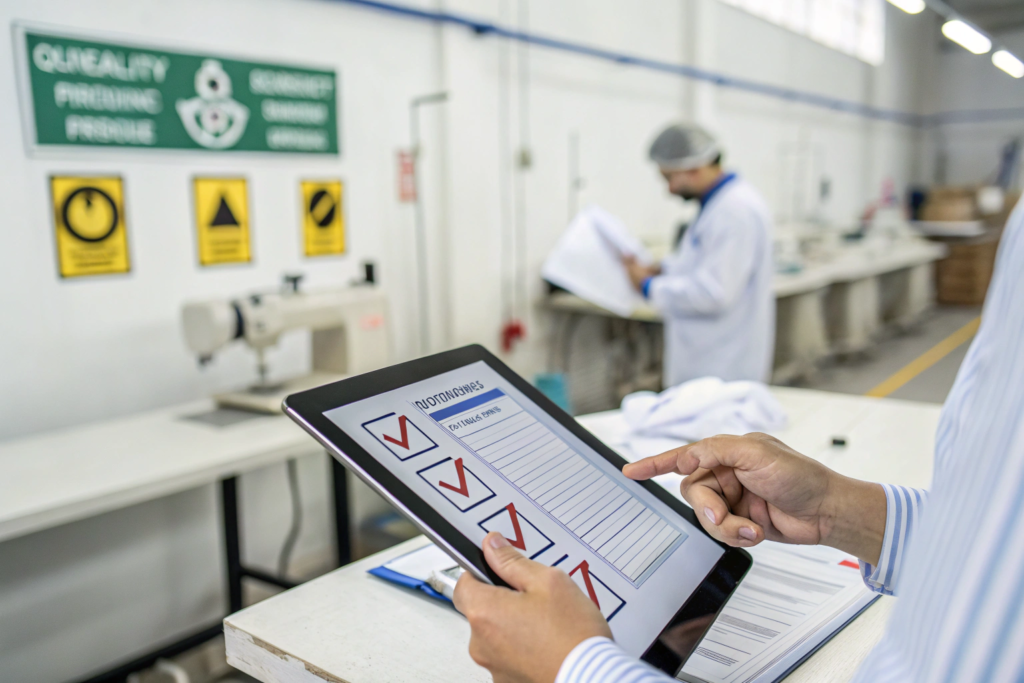
A social compliance audit is not a quality inspection, and confusing the two is a mistake I have seen buyers make repeatedly. A quality inspector checks your product. A social compliance auditor checks your factory’s treatment of the people who make your product. The two audits serve entirely different purposes, are conducted by different firms, and answer to different stakeholders in the retail supply chain. Understanding the structure and purpose of social compliance audits helps you ask the right questions when evaluating a potential factory partner.
Which Audit Standards Do US Retailers Actually Recognize?
The landscape of social compliance auditing can look confusing at first because there are multiple standards, multiple auditing firms, and multiple acronyms. In practice, US supermarkets and major retailers coalesce around a small number of recognized programs that their compliance departments trust. The most commonly requested third-party social compliance audit standards include amfori BSCI, which is widely recognized by European and many US retailers and covers labor rights, workplace safety, environmental performance, and business ethics. Sedex Members Ethical Trade Audit, or SMETA, is the standard most frequently requested by UK and US retailers, built around the Ethical Trading Initiative Base Code and covering labor, health and safety, environment, and business ethics. The Worldwide Responsible Accredited Production, or WRAP, certification is particularly common among US apparel and accessory importers, with a focus on lawful, humane, and ethical manufacturing.
Some retailers also maintain their own proprietary audit programs. Walmart’s Responsible Sourcing audit, Target’s proprietary factory assessment, and Nordstrom’s supplier compliance reviews are examples of retailer-specific programs. However, most of these major buyers will also accept a recognized industry-standard audit like BSCI or SMETA in lieu of their own audit, provided the audit was conducted within the required timeframe, usually within the last 12 months, and the scope covers the specific production facility where your goods will be produced.
The practical takeaway for a brand owner or importer is straightforward. When you evaluate a potential factory partner, ask them directly which social compliance audits they currently hold, request to see the full report, not just the certificate, and confirm that the scope covers the specific production areas where your product category is manufactured. A supplier who responds to this request with immediate access to audit reports and certificate numbers is signaling a mature approach to compliance. You can also reference a recognized social compliance initiative to understand the specific standards that are most commonly accepted across major US retailers.
What Is the Difference Between a Semi-Announced and Fully-Announced Audit?
The announcement protocol of an audit significantly affects the authenticity of what the auditor observes. A fully-announced audit gives the factory a specific date, sometimes several weeks in advance. The advantage is that management ensures the relevant personnel and documents are available. The disadvantage, which critics rightly point out, is that a factory determined to hide problems can temporarily clean up, coach workers on what to say, and hide problematic practices for a single day. This is sometimes called "auditing the auditor," and it undermines the entire purpose of verification.
A semi-announced audit provides a window, typically two to four weeks, during which the auditor may arrive. The factory knows the audit is coming within that period but does not know the exact day. This format makes it significantly harder to stage a completely artificial working environment, because maintaining a facade for several weeks is operationally difficult and expensive. The unannounced audit, in which the auditor simply shows up with no prior notification, is the gold standard for authenticity but is logistically challenging to arrange and less commonly used in established ongoing supplier relationships where a level of trust has already been built.
Most standard BSCI and SMETA audits operate on a semi-announced basis. When you review a factory’s audit report, check the announcement type. A factory that consistently chooses fully-announced audits when a semi-announced option is available may be signaling discomfort with closer scrutiny. A factory that voluntarily requests semi-announced audits is demonstrating confidence that its everyday practices, not just its pre-audit cleanup, meet the standard.
Why Have Social Audits Become a Non-Negotiable Requirement?
This is the question I hear most often from brand owners who are just beginning to scale. They understand why their own company might care about ethical production, but they wonder why a giant supermarket chain, with its enormous buying power and legal resources, treats a factory audit as non-negotiable rather than optional. The answer is that the risk exposure for a supermarket is exponentially larger than for a single brand, and the mechanisms that enforce accountability have become more powerful and more interconnected over the past decade.
How Does Consumer Awareness Impact Supermarket Sourcing Policies?
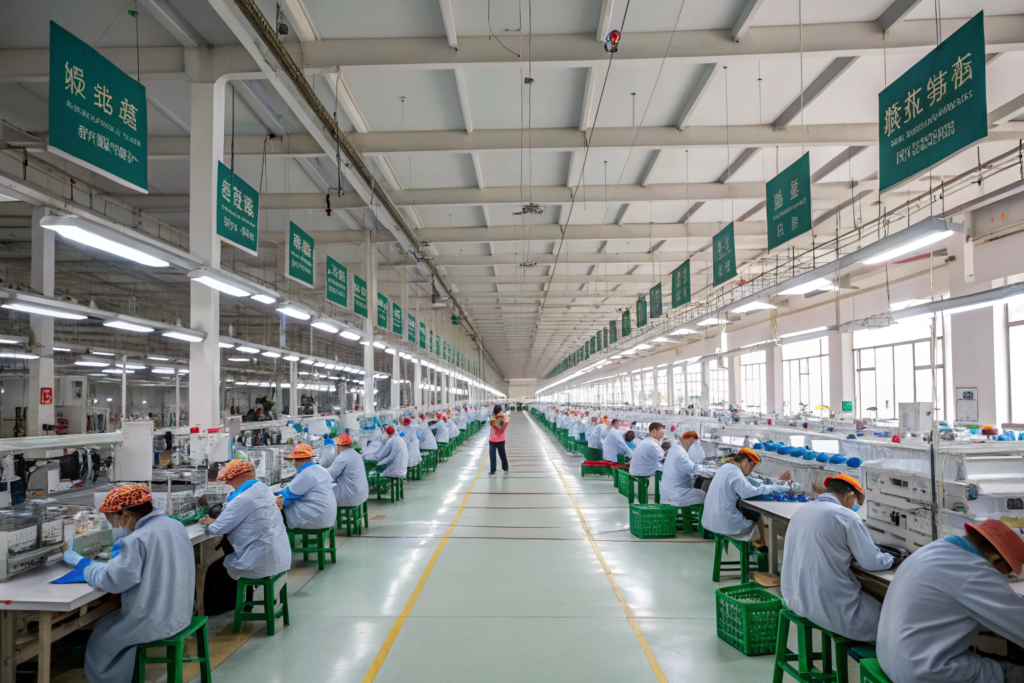
The visibility of supply chain labor issues has changed dramatically. A factory fire or a child labor incident that, thirty years ago, might have appeared briefly on a back page of a newspaper now spreads globally on social media within hours. Consumers, especially the millennial and Gen Z demographics that supermarkets fiercely compete for, have shown a consistent willingness to switch brands based on ethical production concerns. This is not theoretical. Survey data from multiple consumer research firms has documented that a significant percentage of shoppers, often a majority in key demographics, say they would stop buying from a brand if they learned it used unethical manufacturing.
This consumer sentiment creates a direct line from a factory’s working conditions to a supermarket’s quarterly sales numbers. If an activist group investigates a supplier, documents unsafe conditions, and publishes a report tagging the supermarket that sells those products, the reputational damage is immediate and measurable. The supermarket’s customer service lines ring with complaints. Social media feeds fill with calls for boycotts. The PR team scrambles to issue a statement. The cost of that single incident, in lost sales, damaged brand equity, and diverted executive attention, dwarfs whatever premium the supermarket might have paid to source from a compliant, audited factory in the first place. The audit is, in this sense, an insurance policy against a reputational event that could cost millions, and that ethical consumerism trend has only grown stronger as transparency tools have become more accessible to the average shopper.
What Legal Liabilities Do Retailers Face Under Import Regulations?
Beyond consumer pressure, there is hard law. US Customs and Border Protection enforces withhold release orders against imported goods suspected of being produced with forced labor. These WROs are not civil fines that a company can pay and move past. They block the goods from entering the United States entirely. A supermarket that has a container of accessories detained at a port because of a forced labor allegation does not just face a delay. It faces empty shelf space during a promotional window, missed revenue targets, and a permanent record of the detention that future customs officers can reference when scrutinizing subsequent shipments from the same importer.
The legal framework that enables this enforcement has expanded significantly. Section 307 of the Tariff Act of 1930 prohibits the importation of goods made with forced labor, and this law, which was largely dormant in its enforcement for decades, has been activated aggressively in recent years. CBP now has a dedicated forced labor division that investigates supply chains, issues findings, and coordinates with other federal agencies. For US supermarkets, importing goods from a factory without verifying social compliance is now a legal gamble, not just a reputational one.
Additionally, several states, particularly California, have passed transparency laws requiring large retailers and manufacturers to publicly disclose their efforts to eradicate human trafficking and forced labor from their supply chains. The California Transparency in Supply Chains Act is the most prominent example, and because California represents such a large share of the US consumer market, its requirements effectively set a national compliance baseline that most large retailers follow to avoid regulatory fragmentation across their store networks. More information on current US import compliance requirements can help you understand why customs scrutiny at the border has intensified, and why the documentation trail that begins with a factory social compliance audit is often the first thing a customs broker asks for when a shipment is flagged for review.
What Specific Areas Does a Social Compliance Audit Evaluate?
A social compliance audit is not a vague walkthrough where an inspector glances around and writes "looks fine" on a form. It is a structured evaluation covering specific, measurable criteria grouped into distinct modules. Understanding what the auditor is actually checking helps you appreciate why the report matters and what it protects against.
What Do Auditors Check Regarding Labor Rights and Working Hours?
The labor rights module of a social audit examines the actual employment relationship between the factory and its workforce. Auditors verify that all workers are of legal working age, typically 16 or older depending on local law, by reviewing government-issued identification records and cross-checking them against payroll lists. They interview a random sample of workers privately, outside the presence of management, to ask about age verification, hiring practices, and whether any worker paid a recruitment fee that might constitute a form of forced labor through debt bondage.
Working hours form a critical component. The audit standard typically requires that regular working hours not exceed 48 hours per week, that overtime is voluntary and compensated at a premium rate legally required or higher, and that workers receive at least one day of rest in every seven-day period. The auditor does not take the factory’s word for this. They review production records, time cards or digital punch-in data, and payroll records for the past 12 months. They look for patterns. Consistent 80-hour weeks for every worker on every production line suggests that overtime is not truly voluntary, because it is statistically improbable that every single worker independently chooses the maximum allowable overtime every single week.
Wages are checked against local legal minimums and against a living wage benchmark if the audit standard includes that requirement. The auditor reviews randomly selected pay stubs and bank deposit records. They check whether deductions for meals, housing, or uniforms reduce take-home pay below the legal minimum. They verify that social insurance contributions, which are mandatory for Chinese factory workers, have been properly paid to the government. A failure on any of these points is recorded as a non-conformance and must be corrected with evidence submitted to the auditing body within a specified timeline.
How Is Workplace Health and Safety Verified Objectively?
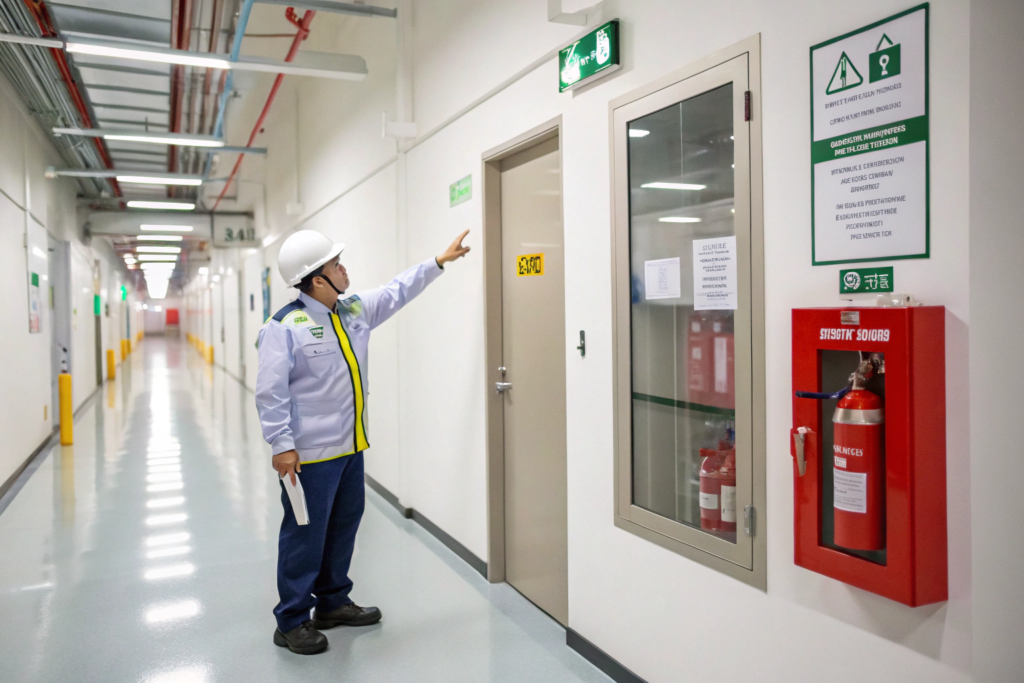
The health and safety module is the most physically visible part of the audit. The auditor walks the entire production floor, all storage areas, the dormitory if provided, and the canteen. They are not looking for general cleanliness. They are looking for specific, measurable safety features. Fire exits must be sufficient in number for the occupancy load, clearly marked with illuminated signs, unlocked during working hours, and opening outward in the direction of escape. Aisles must be wide enough for evacuation and kept clear of boxes and materials. Electrical panels must have covers in place, with no exposed wiring. Chemicals used in production, such as glues and dyes, must be stored in secure, labeled containers with Safety Data Sheets available on site in the local language.
The auditor checks that workers handling chemicals have appropriate personal protective equipment, specifically gloves, masks, and eye protection where required, and that this equipment is being used, not just sitting in a storage cabinet. Fire extinguishers must be appropriately rated for the risks present, mounted in accessible locations, and bearing inspection tags showing they have been serviced within the required timeframe. The auditor also asks to see records of fire drills and emergency evacuation exercises. A factory that has never conducted a fire drill has not demonstrated that its safety systems actually work under the stress of a real emergency.
Building safety is another component. The auditor checks whether the factory building holds a valid certificate of occupancy and whether the structural integrity has been assessed, particularly important for multi-story factory buildings. Proper workplace safety standards principles, though set by US regulators, align closely with the sorts of audit criteria that international compliance firms apply globally, and they provide a useful reference for understanding what comprehensive safety management should include.
How Does a Factory Audit Report Affect Your Sourcing Decision?
An audit report lands on your desk, and you may wonder what to do with it. It is not a simple pass-or-fail binary, despite what the summary page might suggest. The report contains layers of information that directly impact the risk profile of your order, the likelihood of smooth customs clearance, and the probability that your supermarket buyer will accept the factory for your program. Knowing how to read the report and ask the right follow-up questions turns this document from a checking-the-box exercise into a genuine sourcing decision tool.

What Is an Acceptable Audit Score for Major US Retailers?
Most social compliance audit standards do not issue a simple pass or fail grade. They use a graded rating system. Under BSCI, for example, the ratings range from A for outstanding, down through B, C, D, and E, with E representing a critical non-compliance. Most US supermarkets require a C rating or higher as a minimum acceptable threshold for a new supplier. A B rating is considered good and fully acceptable. An A rating is rare and usually reflects years of continuous improvement beyond the baseline standard.
A D rating typically means the audit identified significant non-compliances that require a corrective action plan and a follow-up audit. A factory with a D rating is generally not acceptable for a major US supermarket program until the issues are resolved and a follow-up audit confirms a C or higher rating. The follow-up timeline typically runs from three to six months after the initial audit, which is a delay your production timeline may not be able to absorb. This is why I emphasize to buyers that checking a factory’s current audit status before entering detailed sampling and pricing conversations saves time. A factory with a solid C or B audit in hand is ready. A factory with an expired audit or a D rating with no follow-up scheduled is a project that will consume your time and attention before it produces any goods.
The audit rating also influences the supervision level the supermarket wants to apply to your orders. A factory with a strong B rating may be approved for direct shipment with standard annual re-audits. A factory with a C rating may require more frequent interim check-ins or a pre-shipment quality inspection bundled with a focused social compliance spot check. Understanding these retailer-specific supplier compliance requirements helps you negotiate timelines with your factory much earlier in the sourcing cycle.
How Should You Address Non-Compliances Found in a Report?
Non-compliances are not necessarily deal-breakers, but they require a response. A professional factory will have already prepared a corrective action plan in response to its audit findings, and this document should be available to you alongside the audit report itself. The corrective action plan lists each non-compliance, describes the root cause, specifies the corrective action taken, provides photographic evidence of the correction where applicable, and identifies the responsible person and the completion date.
When you review non-compliances, categorize them by severity. A missing signature on a training record form is a documentation oversight that can be corrected in a day. An unlocked fire exit that opens into a blocked alleyway is a safety hazard that indicates a failure of management attention and requires physical remediation and a demonstrated change in daily practice. Distinguishing between a paperwork glitch and a systemic safety or labor rights issue helps you determine whether the factory is fundamentally sound with some administrative gaps or whether the problems run deeper into management culture.
Ask the factory directly what specific changes were made in response to each non-compliance and request photos or records that document those changes. A factory that volunteers this information openly is demonstrating a commitment to improvement. A factory that makes excuses, blames the auditor, or cannot produce evidence of correction is signaling that compliance is viewed as an external imposition to be managed around rather than an internal standard to be met.
Conclusion
US supermarkets demand social compliance audits because the risk of not demanding them has become too large for any responsible retailer to absorb. Consumer awareness of supply chain labor issues translates directly into purchasing decisions, and a single documented violation in a supplier factory can trigger brand damage that takes years to repair. Customs enforcement through withhold release orders means that goods from non-compliant factories may never reach the supermarket’s shelves regardless of how good the product quality is. State-level transparency laws in key markets like California create additional legal exposure for retailers whose supply chains are not demonstrably free of forced labor.
The audit itself is a structured evaluation covering labor rights, working hours, wages, workplace health and safety, and building integrity, conducted by accredited third-party firms against recognized standards like BSCI and SMETA. The resulting report is not a box to check. It is a risk assessment tool that tells you whether a factory can reliably deliver goods without exposing your retail customer to reputational, legal, and operational disruption. A factory that maintains a current audit with a solid rating and has documented corrective actions for any non-compliances is a factory that has internalized compliance as a business practice, not a one-time project.
For a brand owner or importer, sourcing from an audited factory is not just about meeting a supermarket’s paperwork requirement. It is about protecting your own business from the knock-on effects of a supply chain disruption that you did not cause but will be held responsible for. Your reputation with your buyer is only as strong as the weakest link in your production chain. A factory with a transparent compliance record is a link that strengthens your entire sourcing proposition.
If you are preparing to supply a US supermarket or a major retail chain and need a factory partner whose social compliance documentation is current, transparent, and meets the standards your buyer requires, contact our Business Director Elaine at elaine@fumaoclothing.com. Share the specific audit standards your retail customer requires, and Elaine can provide our latest audit reports, certification documentation, and corrective action records for your compliance file review. She can also connect you with our project management team to align production timelines with your buyer’s compliance approval process, so you are not waiting on paperwork while your selling window closes.