I got a text last Wednesday from a brand owner I have worked with for three years. Her buyer at a major US department store had just told her there was an open slot for a new hair clip collection in the Q3 2026 seasonal program, but the design presentation packet was due in three weeks. If she could present a compelling line of ten to fifteen SKUs with samples and pricing, the shelf space was hers. If she could not meet the deadline, the slot would go to a competitor, and her brand would sit out the entire quarter. I told her we would have the samples ready. By the following Monday, our design team had converted her mood board into 3D renderings. Ten days later, a box of acetate and resin hair clip samples was on her desk in New York. She presented on time, and she won the program.
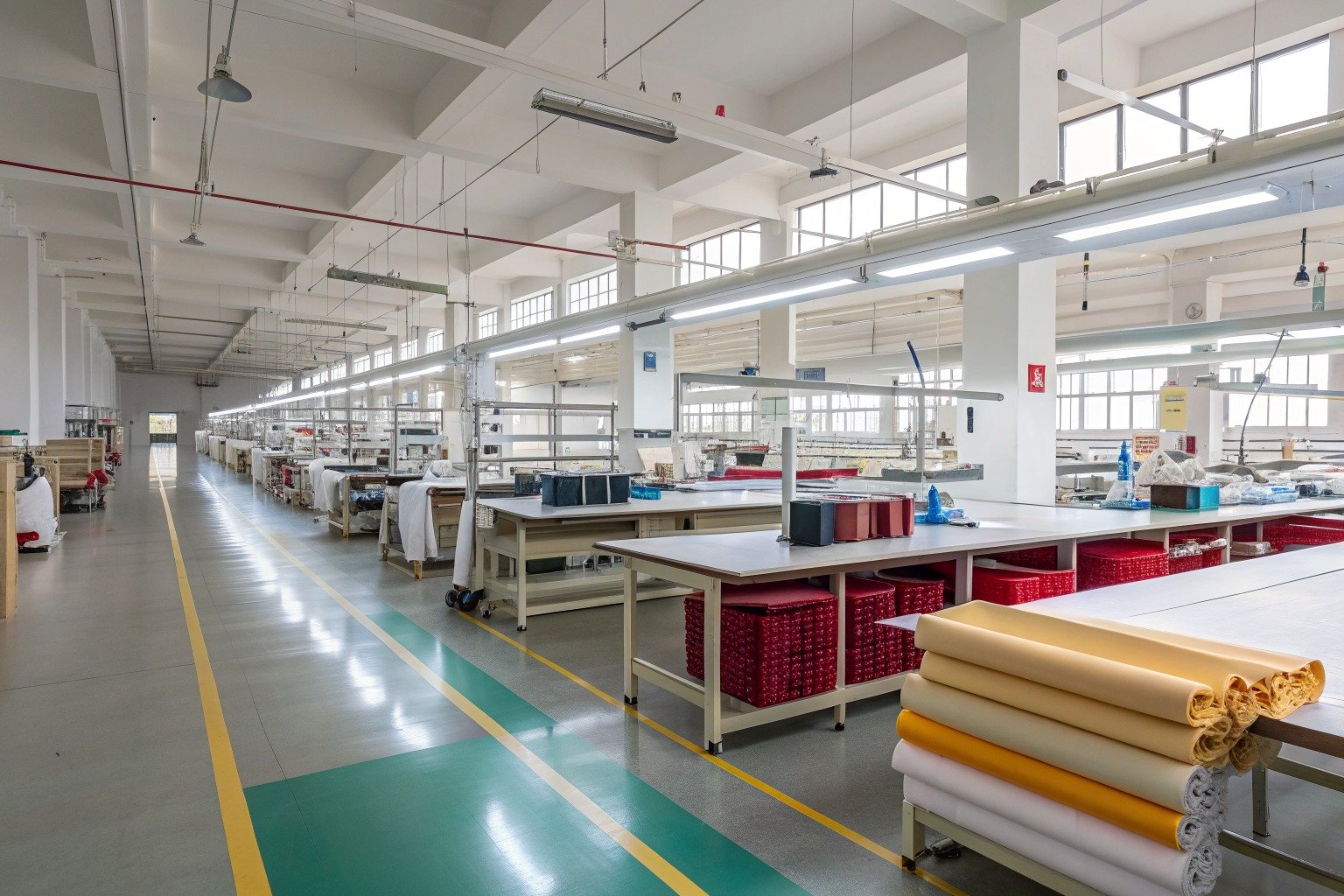
The development speed for a new hair clip collection depends on the complexity level of the product, but a realistic working timeline from concept approval to pre-production samples for Q3 2026 can be as short as 15 to 25 days for acetate-based designs using existing mechanisms and molds, and 30 to 45 days if custom molds or complex hand-applied finishes are required. The factory’s internal structure, specifically whether design, mold fabrication, sample room, and material sourcing all sit under one roof, is the single biggest determinant of speed. I will break down the timelines for different hair clip categories, explain the bottlenecks that slow development down, and show how an integrated factory can compress the schedule without compromising quality.
What Is the Standard Development Timeline for a Hair Clip Collection?
A hair clip collection does not move from idea to finished sample in an unpredictable fog. The process breaks into distinct phases, and each phase has a typical duration that can be compressed with the right resources or stretched when steps are outsourced to external vendors. Understanding the real calendar time for each phase helps you plan your buyer presentation or your ecommerce launch photoshoot with actual dates instead of hopeful guesses.
How Long Does the Design and Material Sourcing Phase Take?
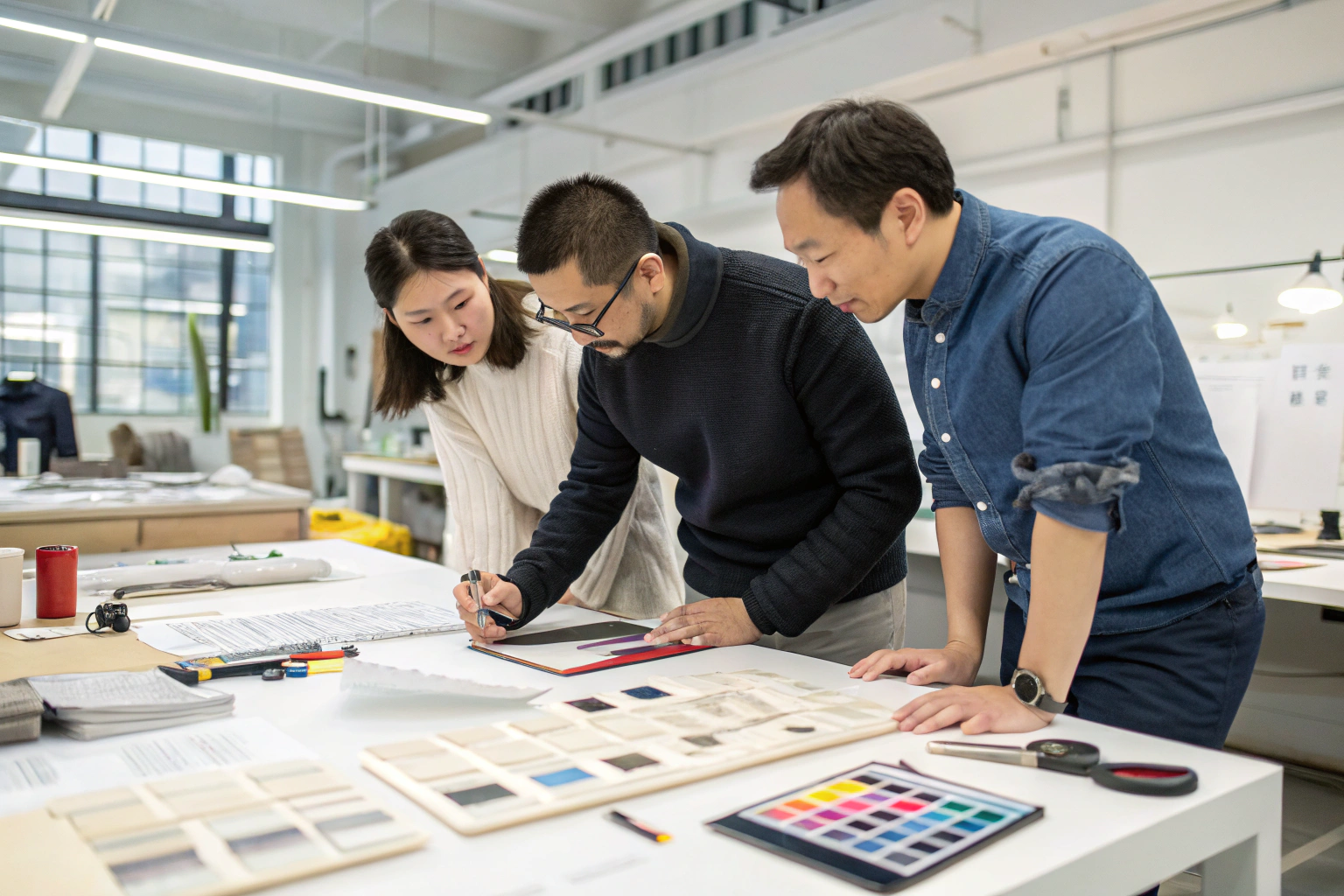
The design and material sourcing phase begins the moment you communicate your collection concept to the factory design team. If you arrive with a complete tech pack including dimensioned sketches, material references, color call-outs, and mechanism preferences, the design phase can be compressed to as little as two to three days. The design team’s job is to review your specifications for mold feasibility, material availability, and production practicality, then generate digital 3D renderings for your approval. These renderings show the clip from multiple angles, in different colorways, with realistic material textures applied so you can evaluate the visual impact before any physical sample exists.
If you arrive with a mood board and a verbal description but no technical specifications, the design phase extends to five to seven days. The design team must translate aesthetic references into specific product dimensions, research which materials can achieve the look you described, and propose concrete design directions for your feedback. This is not wasted time. It is creative development that produces a more fully considered product. But it does add days to the front end of the timeline.
Material sourcing runs in parallel with design once the material direction is confirmed. Acetate sheets for cut-and-polished clips require color matching, thickness confirmation, and stock availability checks. Resin for cast clips requires Pantone matching of the liquid colorant and, for translucent or marbled effects, a small batch trial to confirm the visual result before committing to production quantities. Metal components like springs, alligator clips, and barrette slide mechanisms are largely standard items that can be pulled from inventory if your design uses a common mechanism type. A custom mechanism, such as a uniquely shaped snap clip or a logo-embossed metal plate, adds 10 to 15 days to the material timeline because the metal component supplier must produce a small trial batch for approval. Factories that maintain a well-organized library of pre-qualified acetate sheets and standard mechanisms can significantly accelerate this phase compared to those that source reactively for each order.
What Factors Extend the Sample Making and Approval Cycle?
The sample-making phase is where speed varies most dramatically based on product complexity. An acetate hair clip with a simple shape cut from a standard sheet, polished on the edges, and fitted with a standard spring mechanism can be sampled in five to seven days. The process is cutting, shaping, edge polishing, hardware attachment, and quality check. Our sample room can produce a set of five to eight different acetate clip designs in a single week when the material is already in stock and the mechanisms are standard.
A cast resin clip with a custom shape requires mold fabrication first, and this is a fixed time gate that cannot be shortened beyond a certain point without risking mold quality. A simple two-part resin mold for a small clip shape can be CNC machined, polished, and ready for sample casting in 10 to 12 days. A complex mold with slides for undercuts or a multi-cavity design extends to 15 to 20 days. Once the mold is ready, the actual sample casting and finishing happens quickly, typically two to three days for the first shots to come out of the mold at the correct color and clarity. The first samples almost always need a small mold adjustment. Resin flows slightly differently in a real production mold than in the simulation software, and the sample castings reveal where the flow front creates a subtle line or where an air bubble tends to trap. One round of mold adjustments typically takes three to five days, after which the revised sample is recast and submitted for approval.
The approval cycle itself depends on the feedback loop between you and the factory. A client who receives digital renderings or physical samples and responds within 24 hours with clear, specific feedback keeps the timeline tight. A client who takes five days to review and then provides vague feedback such as "make it look more premium" triggers a second round of interpretation and design work that can add a week to the schedule. Setting clear product specification expectations at the start of the development process is essential for hitting Q3 deadlines without a panicked air freight situation at the end.
Can You Handle Custom Acetate Colors and Blends for Q3 Delivery?
One of the questions I hear most often during collection development is whether custom colors will slow everything down. Brands want their clips to match their seasonal color palette exactly, not to choose from whatever stock colors happen to be available. The good news is that custom acetate coloration and custom resin tinting are both achievable within the Q3 2026 development window, but they involve slightly different processes and timelines that you should plan around.
What Are the Realistic Lead Times for Custom Acetate Blocks?
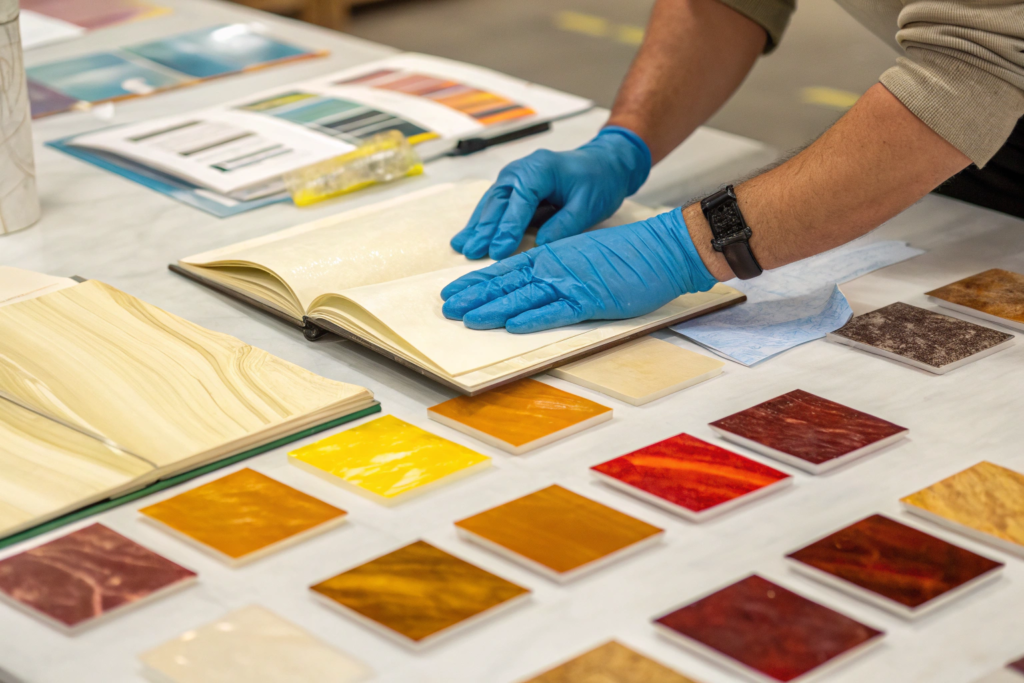
Acetate for hair accessories comes in sheet or block form from specialized acetate manufacturers, primarily in Italy and Japan, with some developing sources in China that have improved significantly in quality over recent years. A stock color acetate sheet, meaning a color and pattern that the acetate manufacturer already produces as a standard offering, can ship within one to two weeks of order placement. If the stock color is available from your factory’s existing inventory, the material is ready on day one of the development timeline.
A custom color acetate block, matched to a specific Pantone reference, requires the acetate manufacturer to formulate a new color batch. This process is not instantaneous, but it is faster than most buyers assume. The acetate manufacturer mixes pigment into the cellulose acetate base, presses the material into a block, cures it, and slices sample sheets for color approval. The typical lead time for a custom acetate color match is three to four weeks from Pantone submission to approved sheets arriving at the factory. For a Q3 2026 delivery, this means the custom color request should be placed by late April or early May 2025 at the absolute latest. If the acetate manufacturer gets the color right on the first submission, the material arrives in time for the sample and production schedule. If a second round of color adjustment is required because the initial match is slightly off under the specific lighting conditions of a retail display, add another two to three weeks.
For multi-color blends and complex patterns like a specific tortoiseshell or a layered marble effect, the development timeline extends further. Each color in the blend must be individually matched, and then the blending ratio and pattern must be trialed. A complex custom blend can take six to eight weeks from initial request to approved material. The practical advice I give to brands on a tight Q3 timeline is to reserve complex custom blends for hero pieces in the collection where the material is the centerpiece of the design, and to use stock or semi-stock colors for supporting SKUs. This hybrid approach gives you a custom, branded feel on your key pieces while keeping the overall collection development on schedule.
How Do Resin Color Matching and Effects Fit the Timeline?
Resin coloring operates differently from acetate. The resin itself starts as a clear liquid, and colorant is added and mixed at the factory rather than at an external material supplier. This means there is no multi-week shipping wait for custom-colored material to arrive from an overseas mill. The color matching happens in-house, and the iteration cycle is measured in hours and days rather than weeks.
A simple solid-color resin matched to a Pantone reference can be formulated and sampled in two to three days. A translucent tint with a specific light-transmission quality, such as a clear resin with just enough pink to look rose-tinted but not opaque, typically requires two to three small batch trials over five to seven days to dial in the exact pigment concentration. Special effects add time but often less than expected. A marbled resin effect mixing two or three colors in a swirl pattern can be prototyped within a week because the technique is in the pouring and swirling method, not in a separate material development step. Glitter suspension, pearl essence, and thermochromic color-changing pigments are additive techniques that the factory can trial on existing resin bases, usually within five to ten days for the first production-worthy sample.
The flexibility of custom resin tinting makes it an optimal choice for brands that need custom colors on a compressed Q3 timeline but do not want to sacrifice color matching accuracy. Acetate offers a different prestige look, but if time is the absolute priority, a cast resin collection with custom colors can be developed and sampled faster. Understanding the differences between resin manufacturing methods helps clarify which processes suit which launch windows best.
What Is the Fastest Development Route for Different Clip Types?
Not all hair clips are created equal in terms of development speed. The construction method, material, and mechanism type create natural differences in how fast a new design can move from sketch to finished sample. If your Q3 2026 collection has flexibility on the construction type, you can structure the assortment to prioritize speed on the bulk of the SKUs and reserve the slower, more complex techniques for a smaller number of statement pieces that justify the longer lead time.
Why Are Cellulose Acetate Clips Usually the Quickest to Sample?
Cellulose acetate hair clips, including claw clips, snap clips, and jaw clips, benefit from a manufacturing process that has the fewest fixed-time gates. The acetate sheet is already a finished material with color, pattern, and surface quality baked in by the acetate mill. The factory’s job is to cut the shape, smooth and polish the edges, attach the metal hardware, and apply any surface finishing.
The cutting and shaping process uses CNC routing or, for simpler shapes, die cutting. A CNC program for a new clip profile can be written in a few hours, and the first cut pieces are ready the same day. The edge polishing process is multi-stage, from coarse smoothing through fine buffing to a high-gloss finish, and it takes skill but not days of waiting between stages. A skilled polishing technician can take a cut acetate blank from rough edge to jewelry-grade gloss in about 30 minutes per piece. Hardware attachment is a fast assembly step once the polished body is ready and the springs or clips are in stock. A simple acetate snap clip with a standard spring mechanism can realistically move from design sketch to finished, photograph-ready sample in five to seven working days. This is why I often recommend that brands building a Q3 collection on a tight deadline anchor the collection in acetate pieces, which gives the collection visual weight and allows the sampling timeline to stay aggressive.
How Long Do Custom Cast Resin and Metal Clip Designs Really Take?
Custom cast resin clips require the mold, and the mold is the pacing item. However, for Q3 2026, brands have a strategic option. If the resin clip design uses a standard shape but custom color and finish, meaning a clip that fits the factory’s existing catalog molds but is poured in a unique custom color or with a special finish like a soft-touch matte coating or a glitter overlay, the development timeline is extremely fast. The mold already exists and is proven. The only development work is the color matching and the finish application, which can be completed in one to two weeks from color approval to finished sample. This approach gives you a custom-branded product without the mold development timeline.
If the resin clip design requires a custom shape with a new mold, the timeline extends to the 30 to 45 days described earlier. For a Q3 2026 collection, a brand that wants custom-shaped resin clips should have initiated the design conversation by April 2025 at the latest. Brands starting the conversation in June or July 2025 should expect to use stock molds with custom colors and finishes for resin, or to focus fully on acetate pieces that can be developed faster.
Metal hair clips, particularly those made from zinc alloy or brass with electroplated finishes, add another layer of complexity. A metal clip requires a casting mold for the metal body, a plating specification for the finish, and often a protective clear coat to prevent tarnishing. The metal casting mold fabrication typically takes 15 to 20 days. The plating process requires a sample to be plated with the specified finish, reviewed for color accuracy and plating thickness, and tested for adhesion and corrosion resistance. This full process for a custom metal hair clip typically runs 30 to 40 days from design approval to finished sample. Metal clips are the slowest development category among hair accessories, and they should be prioritized for early design lock-in within any collection that includes them. Factories that offer integrated design and development services, like the product development workflow we provide, can run multiple clip types in parallel and coordinate the sample delivery so the entire collection arrives at your desk as one cohesive presentation.
How Should Brands Collaborate with the Factory to Hit the Q3 Deadline?
A fast development timeline is not just about what the factory can do. It is equally about how you, as the brand owner, engage with the factory during the development process. The clients who hit their Q3 deadlines consistently share certain communication and decision-making habits that keep the project moving forward without the stop-start delays that kill a compressed schedule. The collaboration method is as important as the manufacturing capability.

What Information Should I Provide to Speed Up the Design Phase?
The single biggest accelerator of the design phase is providing the factory with a complete design brief on day one. A complete brief includes dimensioned sketches or reference photos with scale indications, Pantone color references for each proposed colorway, the specific hair clip mechanism type for each design, a material preference with alternatives if the first choice presents timeline problems, a target retail price point that lets the factory quote materials and construction methods that are commercially viable, and an inspirational mood image that conveys the aesthetic intent but is clearly marked as inspiration, not as a product to be literally copied.
A client who sends all this information in the first project email enables the factory design team to begin working immediately, not to spend days going back and forth clarifying basics. A client who sends only a Pinterest board link and writes "something like these but different" triggers a multi-day clarification process that burns calendar time before any design work begins. The difference in total development timeline between these two approaches is often a full week or more.
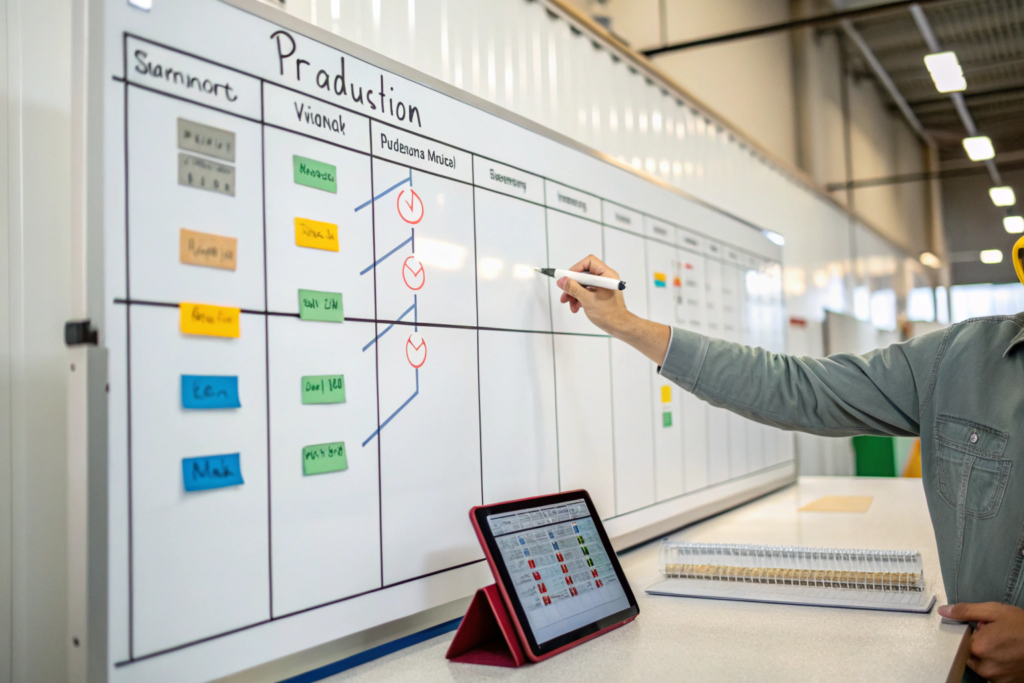
Equally important is communicating your internal approval process upfront. If you personally must approve every design stage, say so. If your business partner or a retail buyer also has approval authority, factor their response time into the project calendar. A design that sits waiting for approval from a third party for five days is not a factory delay. It is a process delay, and it should be budgeted into the timeline from the beginning so the factory can plan sample room capacity accordingly.
How Does Real-Time Digital Proofing Accelerate the Approval Cycle?
Digital proofing has transformed the speed of hair clip development. Rather than waiting for a physical sample to ship internationally before you can give feedback on a design direction, you can now review and approve design elements at digital stages that take minutes to share instead of days to ship.
The process works in stages. After the initial design brief, the factory design team produces 3D renderings of each clip design. These renderings are photorealistic enough to evaluate shape, proportion, color, and pattern placement. You receive a PDF or a link to view the renderings, and you provide feedback within 24 hours, often by marking up the renderings directly with comments such as "make this curve slightly wider" or "try this color but 20% more saturated." The design team revises the renderings, usually within a few hours to a day, and resubmits them. This digital iteration loop can cycle three or four times in a single week without a single physical sample having been made, and it resolves 80% of the design decisions before any material is cut. By the time the physical sample is produced, the shape and color direction are already approved, so the physical sample serves as confirmation rather than discovery. This alone saves one to two weeks compared to the traditional process of sending a physical sample, waiting for feedback, making a revised physical sample, waiting again, and only then finalizing.
Once the physical sample is made, the project manager photographs it in standardized lighting from multiple angles and sends high-resolution images along with a sample tag documenting the material, color code, and mechanism used. If the sample matches the previously approved digital rendering, you can give final approval from the photos without waiting for the physical sample to arrive by courier, which saves another three to five international shipping days per sample round. You can request one express-shipped physical sample for the final tactile quality check.
Conclusion
The speed at which a new hair clip collection can be developed for Q3 2026 depends on three variables: the construction type you choose, the completeness of the design brief you provide at the start, and the degree of vertical integration at the factory handling your project. Acetate-based clips using stock or semi-stock materials and standard mechanisms can be sampled in 5 to 7 days, making them the fastest route to a complete collection presentation. Cast resin clips using existing molds with custom colors can be developed in 10 to 15 days. Custom-molded resin clips or custom metal clips require 30 to 45 days because of the fixed time needed for mold fabrication and finishing trial runs.
The development timeline can be compressed significantly when the factory has mold making, sample room, and material inventory under one roof, because no days are lost to external vendor queues. Digital rendering and proofing save an additional one to two weeks compared to traditional physical-sample-only approval processes. The brand’s own responsiveness, providing a complete brief on day one and giving specific, actionable feedback within 24 hours at each approval gate, is just as important to the timeline as the factory’s speed.
A Q3 2026 collection is not too late to start. A development program initiated in June or July 2025 provides a comfortable timeline for acetate and stock-mold resin collections, with time for thoughtful design iteration, custom color matching, packaging development, and production without air freight premiums. Even custom-molded designs can fit this timeline if the design brief is locked in promptly and the approval cycle stays tight.
If you have a hair clip collection concept for Q3 2026 and you need a development partner who can move at the speed your buyer’s calendar demands, contact our Business Director Elaine at elaine@fumaoclothing.com. Send her your design brief or mood board, your target retail price points, and your deadline for buyer presentation. She can connect you with our design team for an initial feasibility review within 48 hours, and we can present a detailed development calendar showing exactly when samples, revisions, and production will land. Your shelf space opportunity should not expire while you wait for samples.