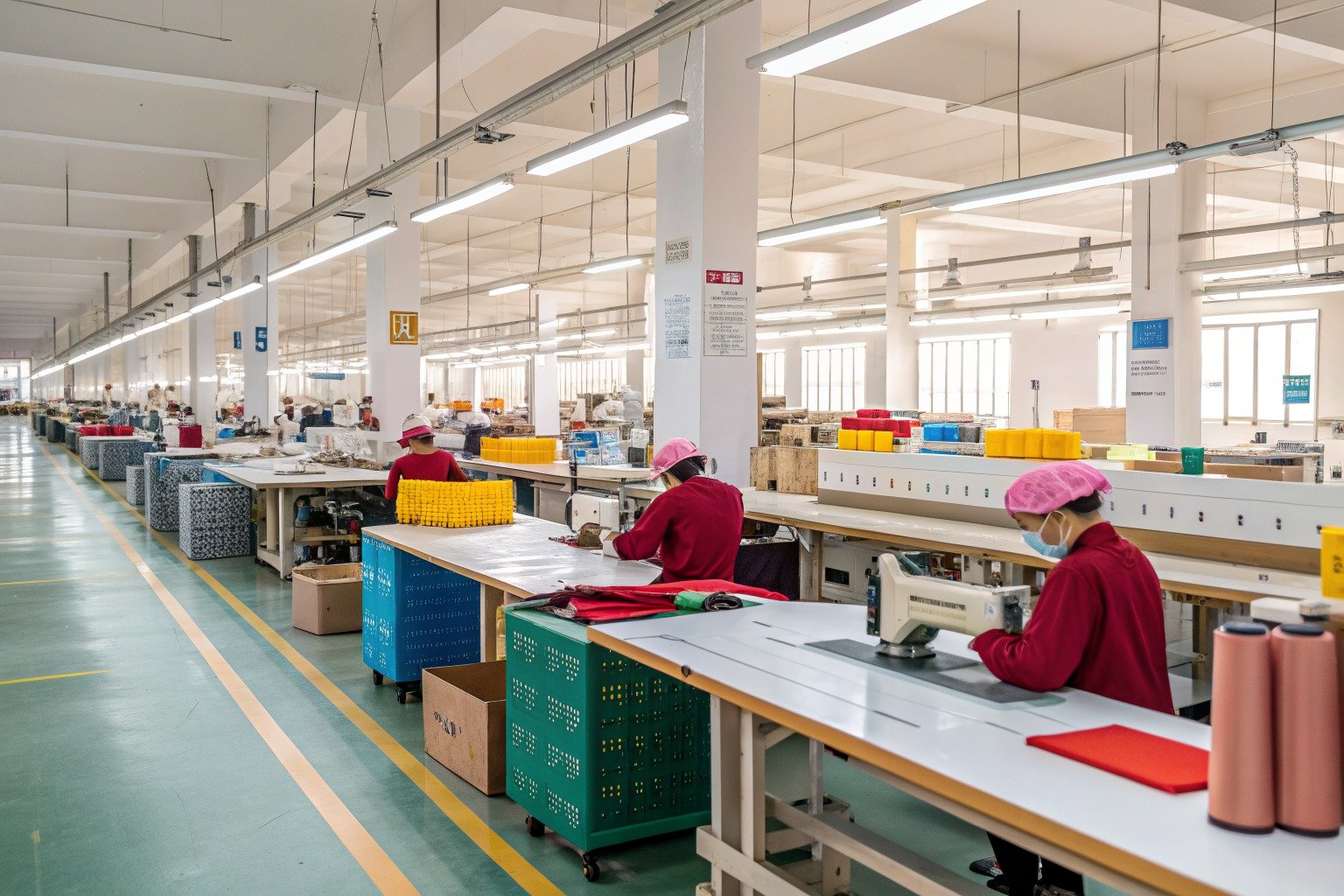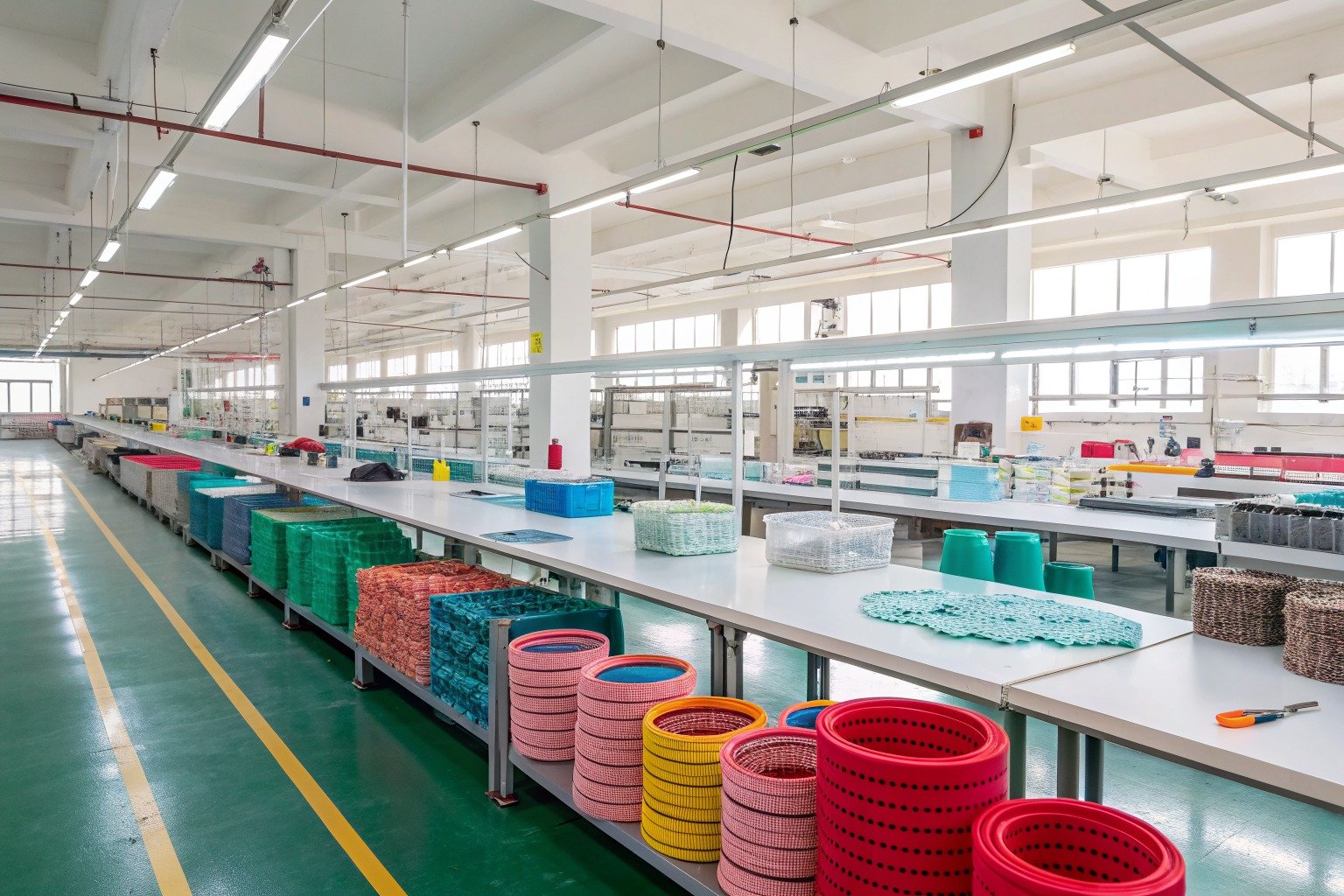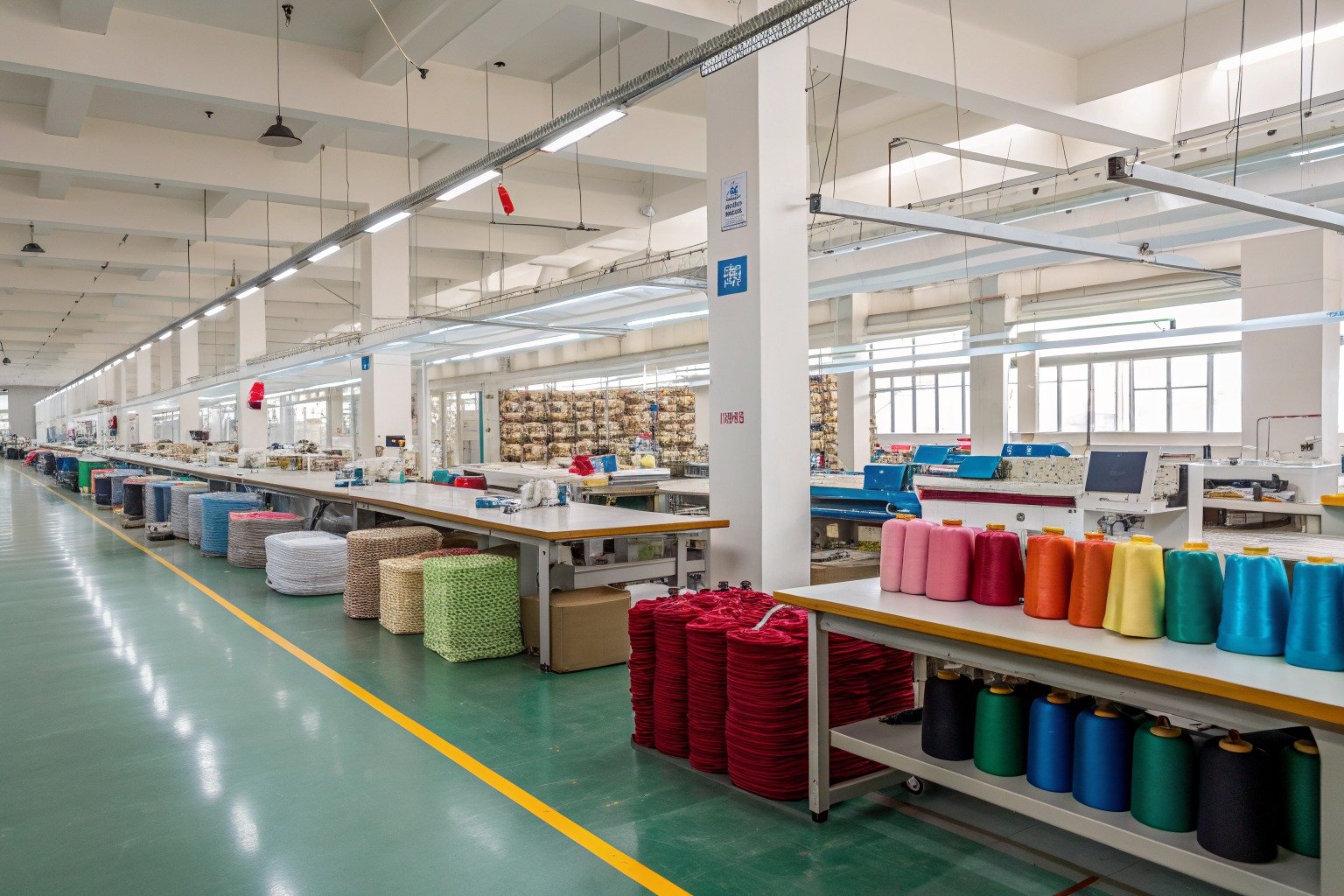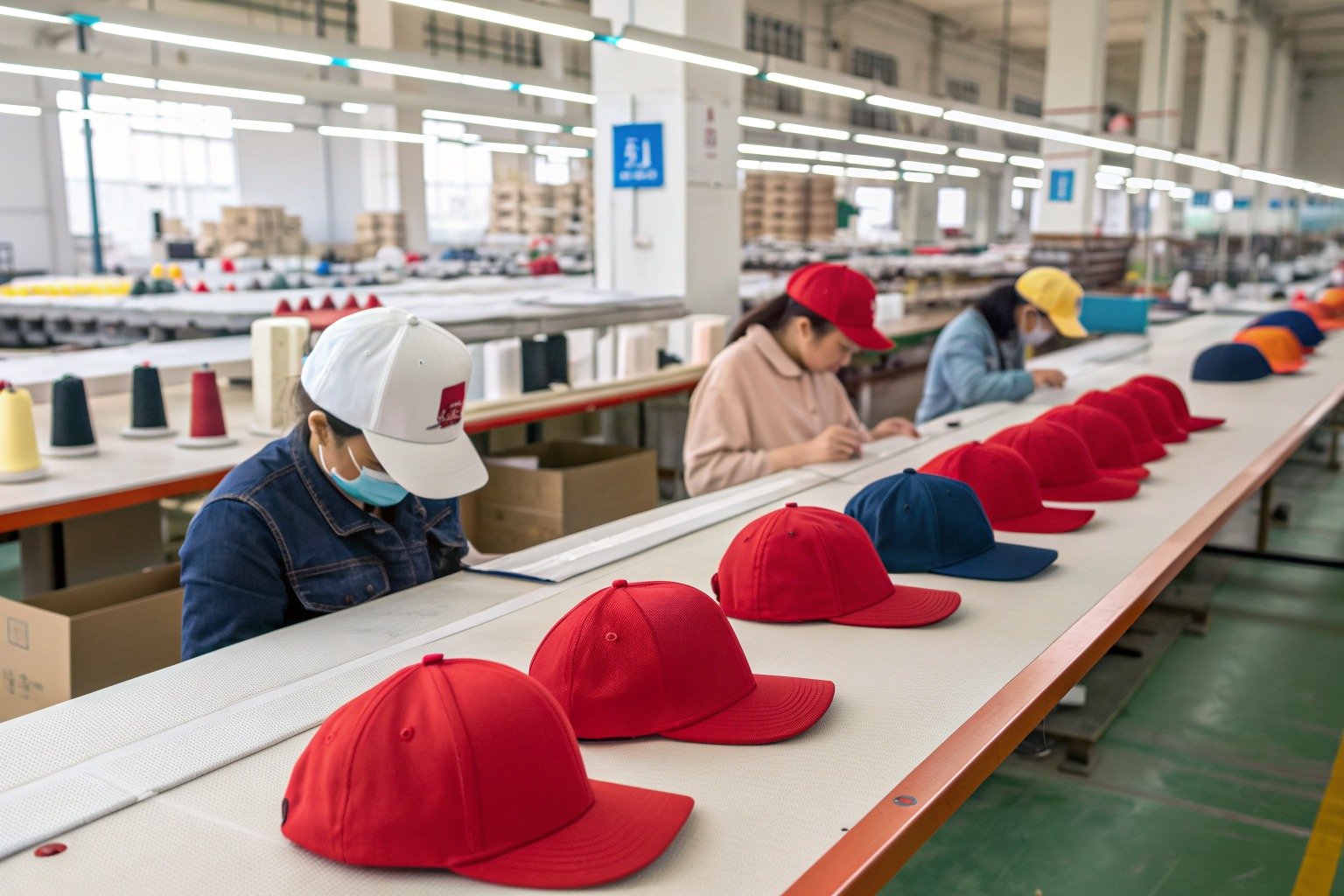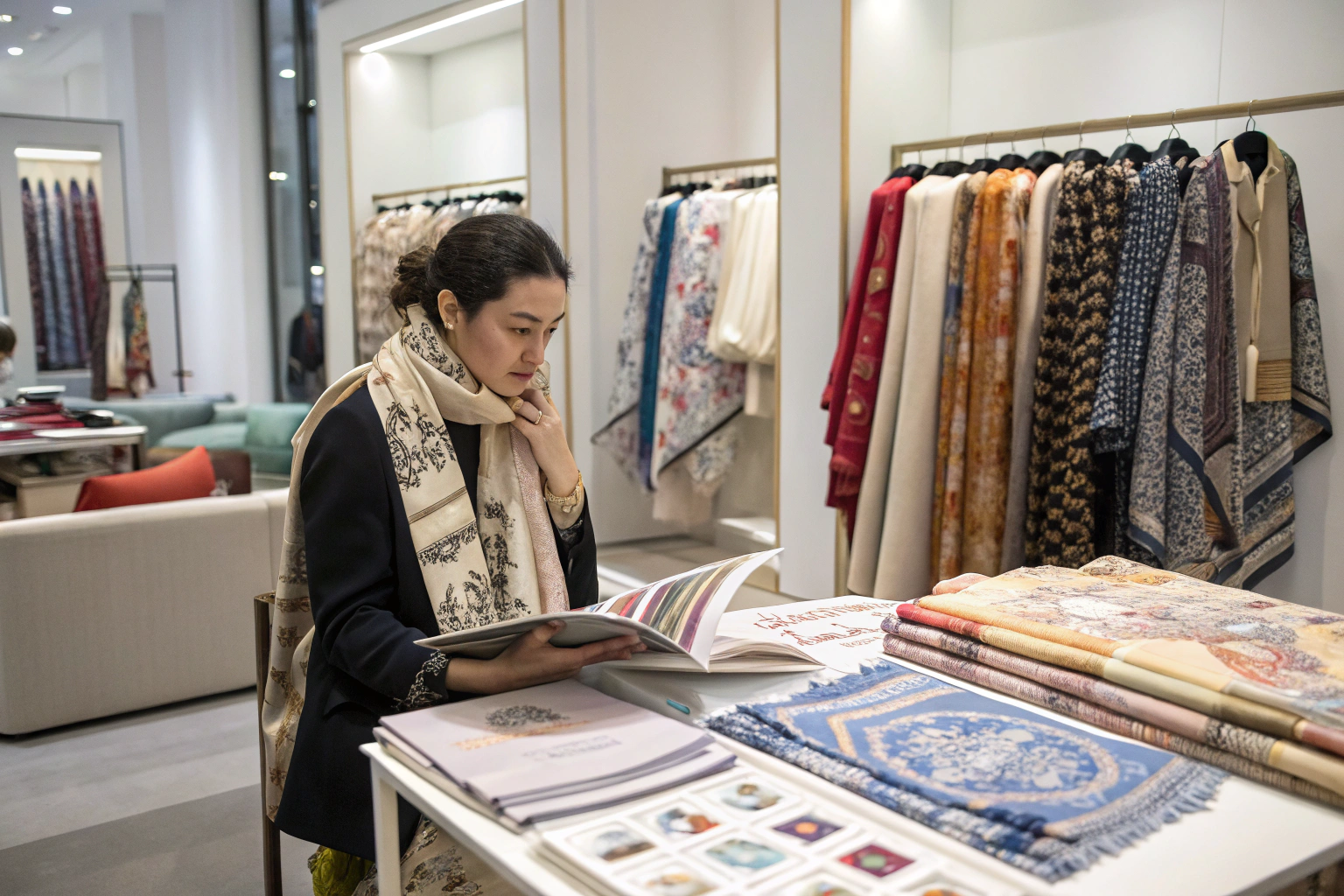
A buyer from a Parisian fashion house sat in our Zhejiang showroom three years ago, reviewing a collection of printed scarves and woven shawls we had developed for her brand. She loved the designs, approved the quality, and was ready to place a substantial order. Then she asked a question that changed our entire approach to the European market. "Can you provide the EU Ecolabel certificate for these fabrics?" At that moment, I had to admit that we could not. The deal did not collapse, but it stalled. She helped me understand that for her brand, which markets itself as an eco-responsible luxury label, the EU Ecolabel was not a nice-to-have marketing badge. It was a hard requirement from her merchandising team. Every textile product they sold had to carry it. We spent the next six months working with our textile mills, reformulating our dye processes, auditing our water treatment, and ultimately earning the certification. That investment opened doors to dozens of European brands that had previously been closed to us.
European brands require EU Ecolabel certification for fabric accessories because the label serves as a government-regulated, scientifically rigorous guarantee that the product meets the highest environmental standards across its entire lifecycle, from raw material extraction to manufacturing, distribution, use, and disposal. Unlike vague marketing terms like "eco-friendly" or "green," the EU Ecolabel is defined by specific, measurable criteria established by the European Commission under Regulation (EC) No 66/2010. For fabric accessories like scarves, shawls, gloves, and caps, this certification addresses the specific environmental impacts of textile production, including chemical use in fiber processing, water pollution from dyeing, emissions from finishing treatments, and the product’s durability and recyclability at end of life.
Understanding the EU Ecolabel is now essential for any factory or brand that wants to compete seriously in the European fabric accessories market. It is not just about compliance. It is about consumer trust, retail access, and price premium. European consumers have become deeply skeptical of greenwashing. They have been burned by brands that put a leaf logo on their packaging without any real environmental commitment behind it. The EU Ecolabel, because it is backed by government regulation and independent third-party verification, cuts through that skepticism. When a consumer sees the green flower logo on a scarf or a beanie, they trust that the product has been vetted to the highest standard. At AceAccessory, we now treat EU Ecolabel compliance as a core part of our production capability for European clients. Let me explain exactly why this certification has become so critical and what it means for your accessory brand.
What Is the EU Ecolabel and How Does It Apply to Fabric Accessories
The EU Ecolabel is an official certification mark owned by the European Union. It was established in 1992 and has been continuously updated to reflect advancing scientific knowledge about environmental impacts. It is a Type I ecolabel under the International Organization for Standardization, ISO 14024, which means it is a voluntary, multi-criteria, third-party verified program. This is fundamentally different from self-declared environmental claims, which are Type II labels with no independent verification. When a fabric accessory carries the EU Ecolabel, it means an independent, accredited certification body has audited the entire supply chain and confirmed compliance with a detailed set of environmental criteria.
The EU Ecolabel applies to fabric accessories through the specific criteria set for textile products, which cover the entire production chain. For a scarf, a cap, a pair of gloves, or a shawl to qualify, the textile fibers must meet limits on pesticide residues and hazardous substances. The dyeing and finishing processes must minimize water pollution, restrict the use of harmful chemicals like azo dyes and formaldehyde, and meet strict requirements for wastewater treatment. The final product must pass tests for durability, color fastness, and dimensional stability to ensure a long usable life. Even the packaging is regulated, with restrictions on plastic packaging and requirements for recycled content.
This is a comprehensive, demanding standard. It is not easy to achieve, and that is precisely why European brands value it so highly. It separates genuinely sustainable products from those that simply claim to be. For our factory, meeting these criteria required significant investment in our processes, but the return in terms of client trust and market access has been substantial.
What Are the Key Criteria for Textile Accessories Under the EU Ecolabel?
The EU Ecolabel criteria for textile products are detailed in Commission Decision (EU) 2014/350, which remains the reference document for textile products, though it is periodically reviewed and updated. The criteria are divided into several categories. For fiber production, organic cotton automatically scores points, but conventional cotton can also qualify if it meets strict limits on pesticide residues. Recycled polyester and polyamide are strongly favored. Virgin synthetic fibers must meet limits on catalyst residues and must be produced at sites with robust environmental management systems. For chemicals and processes, the criteria are particularly strict. Azo dyes that can release carcinogenic aromatic amines are banned outright. Formaldehyde content in the finished fabric must be below 75 parts per million for products that contact the skin, and even lower, below 30 ppm, for products for children. Heavy metals like cadmium, lead, and mercury are restricted to trace levels. Chlorinated solvents and flame retardants are largely prohibited. The wastewater from wet processing, like dyeing and washing, must be treated to remove a specified percentage of the chemical oxygen demand and must meet limits for temperature, pH, and heavy metal content before discharge. For the final product, the fabric must pass tests for color fastness to washing, perspiration, and rubbing, ensuring the accessory does not fade or bleed color during normal use. It must also meet a dimensional stability test, meaning it does not shrink or stretch excessively when washed. These durability requirements are a critical and often overlooked part of the ecolabel. A sustainable product must last. A scarf that falls apart after three washes is not environmentally friendly, no matter how organic the cotton was.
How Does the EU Ecolabel Differ From OEKO-TEX or GOTS?
This is the most common question I hear from buyers. OEKO-TEX Standard 100, GOTS, Global Organic Textile Standard, and the EU Ecolabel are all respected certifications, but they are not interchangeable. OEKO-TEX Standard 100 is a product safety standard. It tests the finished fabric for harmful substances and certifies that it is safe for human use. It does not evaluate the environmental impact of the production process. A textile mill could have terrible wastewater treatment, high energy consumption, and poor chemical management, and still produce fabric that passes OEKO-TEX testing. The EU Ecolabel is much broader. It covers both product safety and environmental production impacts. GOTS is the leading standard for organic textiles. It requires organic fiber certification, restricts chemical inputs, and includes social criteria for worker welfare. It is a very strong standard, but it applies specifically to products with a high percentage of organic fibers. The EU Ecolabel covers a wider range of materials, including recycled synthetics and conventionally grown natural fibers that meet specific limits. It also places a stronger emphasis on the product’s use phase and end-of-life, including criteria for durability and recyclability. In practice, many of our European brand clients hold multiple certifications. A scarf might be GOTS certified for its organic cotton content, carry OEKO-TEX certification for product safety, and also display the EU Ecolabel for overall environmental performance. The certifications are complementary. The EU Ecolabel is often the one that retailers and government procurement programs specifically request because it is the official EU benchmark.
Why Is the EU Ecolabel Important for Market Access in Europe
Market access in Europe is increasingly tied to environmental credentials. This is not just about consumer preference. It is about regulatory requirements, retailer mandates, and public procurement rules. European consumers are among the most environmentally conscious in the world. According to European Commission surveys, over 80 percent of EU consumers say environmental impact is an important factor in their purchasing decisions. But trust is low. The same surveys show that a majority of consumers do not trust companies’ environmental claims. The EU Ecolabel bridges this trust gap because it is government-backed and independently verified.
The EU Ecolabel is critical for market access in Europe because it aligns with both regulatory trends and retailer requirements. Many major European retailers, including large department stores and supermarket chains, have incorporated EU Ecolabel criteria into their sustainable sourcing policies. Government procurement contracts in several EU member states specify EU Ecolabel certification for textile products. Additionally, the upcoming EU Green Claims Directive, expected to be fully enforced in the coming years, will require companies to substantiate environmental claims with rigorous evidence. The EU Ecolabel provides a pre-approved, legally recognized way to make credible environmental claims without risking accusations of greenwashing.
For a factory like ours, being able to offer EU Ecolabel certified fabric accessories is a competitive advantage that opens doors that remain firmly closed to non-certified suppliers. Let me explain how this plays out at the retailer level and in terms of consumer perception.
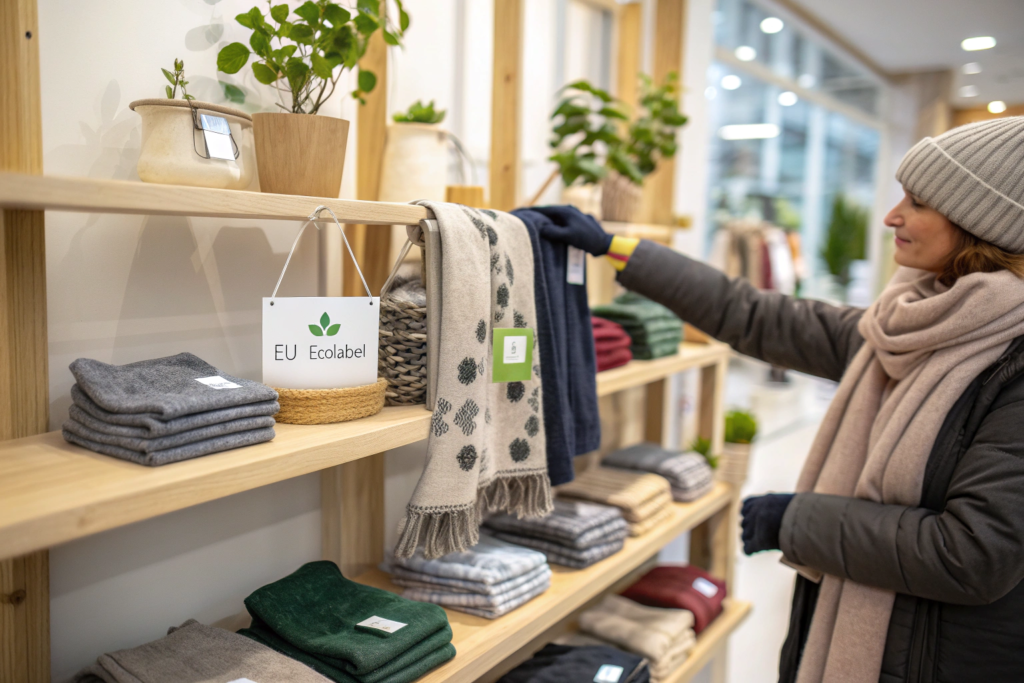
How Do European Retailers Use Ecolabel Certification in Sourcing?
European retailers are under immense pressure to improve the sustainability of their product assortments. This pressure comes from multiple directions. Investors are demanding environmental, social, and governance criteria in their portfolios. Governments are introducing mandatory sustainability reporting requirements. And consumers are voting with their wallets, increasingly choosing brands they perceive as environmentally responsible. Major retailers have responded by setting specific targets for sustainable sourcing. Some have committed to sourcing 100 percent of their cotton from organic or recycled sources by a certain date. Others have created dedicated eco-collections within their stores, where every product must carry a recognized ecolabel. The EU Ecolabel is frequently specified as an approved certification for these initiatives. When a buyer for a large European department store evaluates potential suppliers, one of the first screening questions is about certifications. A factory that can say, "Yes, we offer EU Ecolabel certified production" moves immediately to the shortlist. A factory that cannot even get a meeting. I have experienced this firsthand. Before we earned the certification, we lost opportunities with retailers who simply could not consider non-certified suppliers for certain product categories. The certification is also used by retailers as a merchandising tool. Products with the EU Ecolabel are often grouped together in stores, both physical and online, under a "Sustainable Choices" or "Eco-Friendly" banner. This shelf placement is valuable real estate. Products in these curated collections enjoy higher visibility and often higher sales velocity. The label also simplifies the buyer’s job. Rather than investigating every supplier’s environmental claims, they can rely on the EU Ecolabel as a standardized, trusted benchmark. This reduces their sourcing risk and speeds up the vendor approval process.
Can the EU Ecolabel Justify a Higher Retail Price?
Yes, and this is one of the most compelling business reasons for brands to pursue certification. Multiple market studies have shown that European consumers are willing to pay a premium for products with credible environmental certifications. The premium varies by product category and market, but for fashion accessories like scarves and gloves, a price premium of 10 to 20 percent is commonly observed. The EU Ecolabel commands this premium because it is recognized and trusted. The green flower logo is familiar to European consumers. It appears on thousands of products across the continent, from cleaning products to paper goods to textiles. This familiarity builds confidence. Consumers do not need to research what the label means. They already know. The label also provides a clear, simple answer to the question, "Why is this product more expensive?" The higher price is justified by the investment in cleaner production, safer chemicals, and better durability. This is a story that resonates with the values of the target consumer. For brands, the premium pricing opportunity helps offset the higher production costs associated with certified materials and processes. Organic fibers cost more than conventional ones. Advanced wastewater treatment adds cost. Certification audits themselves have fees. But when the final product can command a 15 percent higher retail price, and when the brand can sell into retailers that require certification, the business case becomes strong.
What Are the Production Requirements for EU Ecolabel Certification
Achieving EU Ecolabel certification for fabric accessories requires meeting a comprehensive set of production requirements that span the entire manufacturing process. This is not a paper exercise. It requires real changes to how a factory operates, from the chemicals it purchases to the way it treats its wastewater to the record-keeping systems it maintains. The certification body does not just test the final product. It audits the factory in person, inspects the chemical storage areas, reviews the wastewater treatment logs, and traces materials back to their sources. The process is thorough and demanding.
The production requirements for EU Ecolabel certification of fabric accessories include strict chemical management protocols, where all dyes, pigments, and finishing agents must be screened against a Restricted Substances List and approved before use. Wastewater from wet processing must be treated on-site or at a municipal treatment plant with documented performance, with limits on chemical oxygen demand, heavy metals, and temperature. Energy and water consumption must be monitored and reported, with improvement plans in place. The entire supply chain for certified fibers, such as organic cotton or recycled polyester, must be traceable through transaction certificates. The factory must also have a documented environmental management system, even if it is not formally certified to ISO 14001.
These requirements represent a significant operational commitment. For our factory, the biggest changes were in chemical management and wastewater treatment. We had to replace several long-standing dye formulations with alternatives that met the EU Ecolabel criteria. We invested in an on-site wastewater treatment system with real-time monitoring. We trained our entire production team on the new protocols. The process took time and money, but it also made us a better, more efficient factory. Here is a closer look at two of the most critical areas.

How Do Chemical Restrictions Affect Dyeing and Finishing?
The chemical restrictions under the EU Ecolabel are among the strictest in the textile industry. The Restricted Substances List goes well beyond legal compliance. Many chemicals that are legally permitted for use in textile production are banned or severely restricted under the ecolabel criteria. Azo dyes that can break down to release carcinogenic amines are completely prohibited. This covers a large percentage of commonly used synthetic dyes. Dyehouses must reformulate their color recipes using alternative dyes that meet the criteria. This is technically challenging, especially for achieving certain deep, bright colors that traditionally rely on specific azo dye chemistries. Formaldehyde, commonly used in anti-wrinkle and easy-care finishes, is restricted to very low levels on the finished product. This means we cannot apply many conventional finishing treatments to EU Ecolabel products. We have to use alternative cross-linking agents or accept a different fabric hand feel. Heavy metals like cadmium, lead, mercury, and chromium VI are restricted to trace levels. This affects the pigments used for printing, the metal complex dyes used for certain shades, and even the metal components like zippers or snaps if they are part of the accessory. Phthalates and certain flame retardants are banned. The impact on our production has been significant but positive. We have developed a library of EU Ecolabel-compliant dye recipes that cover the most commercially important color ranges. We work closely with our chemical suppliers, who now provide detailed technical documentation and certification for every dye and auxiliary chemical we purchase. This documentation is essential for the certification audit and for our own traceability records.
What Wastewater Treatment Standards Must Be Met?
Wastewater from textile wet processing is one of the most environmentally damaging aspects of the fashion industry if not properly managed. Dyehouse effluent contains residual dyes, chemical auxiliaries, salts, and organic matter from the fibers. Untreated, it pollutes rivers, harms aquatic life, and contaminates water supplies. The EU Ecolabel sets specific, measurable limits for wastewater quality. The chemical oxygen demand, which measures the total organic pollution load, must be reduced by a specified percentage, typically above 90 percent, before discharge. The pH must be neutralized to between 6 and 9. The temperature must not be elevated above ambient levels. Heavy metals must be removed to specified low concentrations. The treatment process itself must not cause secondary pollution. For example, sludge from the treatment plant must be disposed of responsibly, not dumped. For our factory, meeting these standards required building an on-site effluent treatment plant. The system uses a combination of physical filtration, chemical coagulation and flocculation, and biological treatment with activated sludge. The treated water is tested at multiple points. We measure the inlet water quality, the water quality after each treatment stage, and the final discharge water quality. The data is logged continuously and reviewed daily. Once a month, an independent accredited laboratory takes samples and runs a full analysis to verify our in-house results. This data is reported to the certification body during annual audits. The investment in wastewater treatment was substantial, but it has benefits beyond certification. Treated water can be partially recycled back into the production process, reducing our overall water consumption and our water bills. The treatment plant also recovers heat from the warm effluent, which is used to pre-heat incoming fresh water, reducing energy consumption. Environmental compliance, when done properly, often aligns with operational efficiency.
How to Communicate EU Ecolabel Certification to Your Customers
Earning the EU Ecolabel certification is a significant achievement, but the value is only realized when that achievement is effectively communicated to the end customer. European consumers are sophisticated. They want to understand what a certification means, not just see a logo. A brand that simply slaps the green flower on a hangtag without context is missing an opportunity to build a deeper connection. A brand that tells the story of the certification, what it required, why it matters, and how it benefits the customer and the planet, creates a powerful marketing asset.
Communicating EU Ecolabel certification effectively requires a multi-channel approach that educates the customer without overwhelming them. On the product itself, the certification label must be displayed according to the EU’s graphic guidelines, with the correct logo, the license number, and a brief statement of what the label certifies. On the brand’s website and social media, short-form content like infographics and videos should explain the key criteria the product met, with a focus on the benefits the customer cares about most, like safer chemicals, better durability, and verified environmental performance. For retail partners, a one-page fact sheet should summarize the certification’s meaning and provide the license details for their own sustainability reporting.
The story of the EU Ecolabel is a story of trust. The brand is not asking the customer to take its word for it. The brand is providing independent, government-regulated proof. This message, delivered clearly and consistently, turns a certification into a competitive advantage.
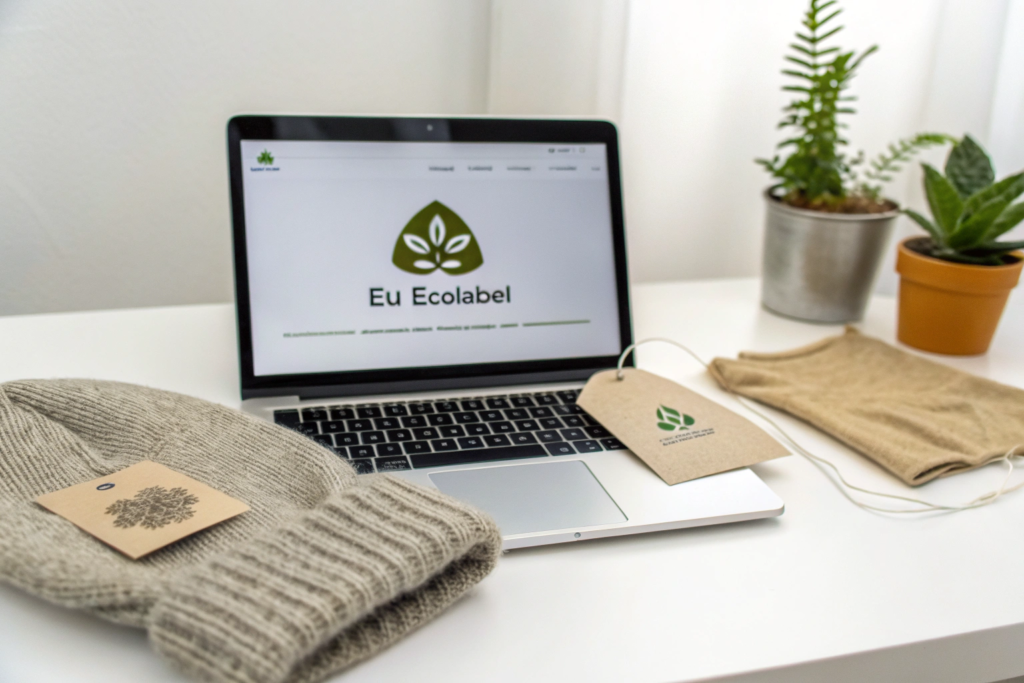
How Should the EU Ecolabel Logo Be Displayed on Products?
The EU Ecolabel logo is a registered trademark, and its use is governed by strict rules. When a brand licenses the label for its products, it receives a unique license number. This number must appear alongside or below the logo. The standard format is the green flower logo with the text "EU Ecolabel" and the license number, for example, "FR/045/001." The logo must be displayed clearly and legibly. It cannot be smaller than a specified minimum size. It cannot be altered, recolored, or distorted. The logo can be applied to the product itself, such as a sewn-in label on a scarf or a printed tag on a glove. It can also appear on the packaging, the hangtag, and in any promotional materials for that specific product. It is important to note that the license is product-specific, not company-wide. A brand cannot put the EU Ecolabel on a product that has not been certified, even if the company has other certified products. Each certified product has its own license. We provide our brand clients with the license documentation and the approved logo artwork files for each certified product. We also maintain a database that tracks which of our products are certified and their corresponding license numbers. This makes it easy for our clients to manage their own labeling and marketing compliance.
What Marketing Messages Resonate With Eco-Conscious European Consumers?
European eco-conscious consumers are skeptical of vague, emotional appeals and respond best to specific, factual information. They want to know the "what" and the "how," not just the "why." Messages that work well include specific, quantifiable claims tied directly to the EU Ecolabel criteria. For example, "This scarf is dyed without azo dyes, using a closed-loop water system that reduces water pollution by 90% compared to conventional dyeing." Or, "This beanie is made from 100% organic cotton, certified by the EU Ecolabel to meet strict limits on pesticide residues and harmful chemicals." The connection to personal benefit is also powerful. Messages like, "EU Ecolabel certified means this product is tested for over 100 harmful substances, so it is safer for your skin and for your family." Durability is an underappreciated marketing angle. "EU Ecolabel certification requires this glove to pass rigorous color fastness and durability tests. It is designed to last, reducing waste and saving you money." This reframes sustainability from a sacrifice to a value-add. The customer is not paying more for a green label. They are paying more for a better, safer, longer-lasting product that also happens to be better for the environment. Social media content should show the behind-the-scenes reality of the certification. Short videos of the wastewater treatment plant, the chemical testing lab, or the organic cotton fields humanize the certification and make it tangible. An infographic that breaks down the key EU Ecolabel criteria in simple terms, with icons and short text, is highly shareable and helps educate the customer base.
Conclusion
The EU Ecolabel has become a defining standard in the European fabric accessories market because it provides what both brands and consumers desperately need, which is trust. In a marketplace flooded with unsubstantiated green claims, the EU Ecolabel stands apart as a rigorous, government-regulated, independently verified certification that covers the full lifecycle of a textile product. We have explored how the label applies specifically to fabric accessories through detailed criteria governing fiber sourcing, chemical management, wastewater treatment, and product durability. You now understand how it differs from OEKO-TEX and GOTS, not as a competitor but as a complementary, more comprehensive environmental benchmark. The business case is clear. European retailers use the label to screen suppliers and curate sustainable collections. Consumers recognize the green flower logo and are willing to pay a premium for products that carry it. The production requirements are demanding but achievable, requiring investment in chemical reformulation, wastewater treatment, and traceability systems. And the communication opportunity is significant, allowing brands to tell a story of verified environmental responsibility that cuts through the noise of greenwashing.
At AceAccessory, our decision to pursue EU Ecolabel certification for our fabric accessories was one of the best strategic moves we have made. It opened the door to European brands and retailers that had previously been inaccessible. It forced us to improve our production processes in ways that reduced costs, improved quality, and minimized our environmental footprint. Our project managers are now experienced in guiding clients through the certification process, from selecting certified materials to managing the audit documentation to ensuring the final product meets all criteria.
If you are a European brand, or a brand selling into the European market, and you are looking for a manufacturing partner who can produce EU Ecolabel certified scarves, shawls, gloves, caps, and other fabric accessories, I invite you to contact us. Reach out to our Business Director, Elaine, at elaine@fumaoclothing.com. She can discuss your product requirements, explain our certified production capabilities, and provide samples and documentation to support your own EU Ecolabel application. Let us help you meet the highest environmental standard in the European market and give your customers a reason to trust your brand completely.