The fashion accessory supply chain has traditionally operated through fragmented channels—trade shows, wholesale markets, and relationship-based networking. While these methods have served the industry for decades, they create significant barriers to efficiency, transparency, and scalability. Suppliers often struggle to reach new markets, while buyers face challenges in verifying manufacturer capabilities and product quality before committing to orders.
Digital platforms revolutionize fashion accessory suppliers by creating global market access, enabling data-driven decision making, streamlining operations, and fostering transparent supplier-buyer relationships. These platforms transform how suppliers connect with customers, manage production, and scale their businesses by leveraging connectivity, data analytics, and integrated digital tools.
Let's examine the specific transformative impacts digital platforms are having on fashion accessory suppliers across different aspects of their operations.
How do digital platforms expand market access and customer reach?
Traditional wholesale models limited accessory suppliers to regional markets or required substantial travel and marketing investment to reach international buyers. Geographic boundaries, language barriers, and limited marketing budgets constrained growth potential, particularly for small to medium-sized manufacturers.
Digital platforms demolish these barriers by creating virtual marketplaces where suppliers can showcase their capabilities to global audiences 24/7 without proportional increases in marketing expenditure.
What global reach opportunities do digital platforms create?
B2B marketplaces like Alibaba and Global Sources enable accessory suppliers to present their manufacturing capabilities to international buyers they could never reach through traditional channels. Our company profile on leading platforms receives inquiries from over 40 countries monthly, with 35% of these converting to serious business discussions. This global visibility has allowed us to diversify our client base across North America, Europe, and emerging markets, reducing our dependency on any single region and making our business more resilient to regional economic fluctuations.
How do digital platforms facilitate niche market targeting?
Specialized platform algorithms match suppliers with buyers seeking specific capabilities, whether for sustainable materials, custom manufacturing, or particular product categories. Through platform analytics, we identified growing demand for eco-friendly hair accessories and developed a dedicated collection that now represents 28% of our business. This market intelligence allows us to anticipate trends and adapt our offerings faster than through traditional market research methods.

How do digital platforms enhance operational efficiency?
Traditional accessory manufacturing involves significant manual processes for order management, communication, and production tracking. Paper-based systems, email chains, and disconnected software create inefficiencies, errors, and communication gaps that delay production and increase costs.
Digital platforms integrate these disparate functions into streamlined workflows that automate routine tasks, reduce errors, and provide full visibility across operations.
What specific operational improvements do digital platforms deliver?
Integrated platform solutions combine order management, production tracking, and communication tools that synchronize information across departments and with customers. Our implementation of a manufacturing platform reduced order processing time from 3 days to 4 hours by automating documentation, specifications sharing, and production scheduling. This workflow automation has eliminated the miscommunication that previously caused 15% of our production delays and reduced administrative costs by 32%.
How do platforms improve production planning and inventory management?
Real-time data analytics on digital platforms provide insights into production capacity, material requirements, and order status that enable better planning decisions. Our platform integration allows us to track raw material inventory against confirmed orders and forecasted demand, automatically generating purchase orders when supplies reach predetermined thresholds. This predictive inventory management has reduced material shortages by 78% while decreasing excess inventory by 42%, significantly improving our cash flow position.
How do digital platforms enable data-driven business decisions?
Traditional accessory manufacturing often relied on intuition and past experience for business decisions, with limited access to market data, performance analytics, or customer insights. This approach made it difficult to identify opportunities, optimize operations, or anticipate market shifts.
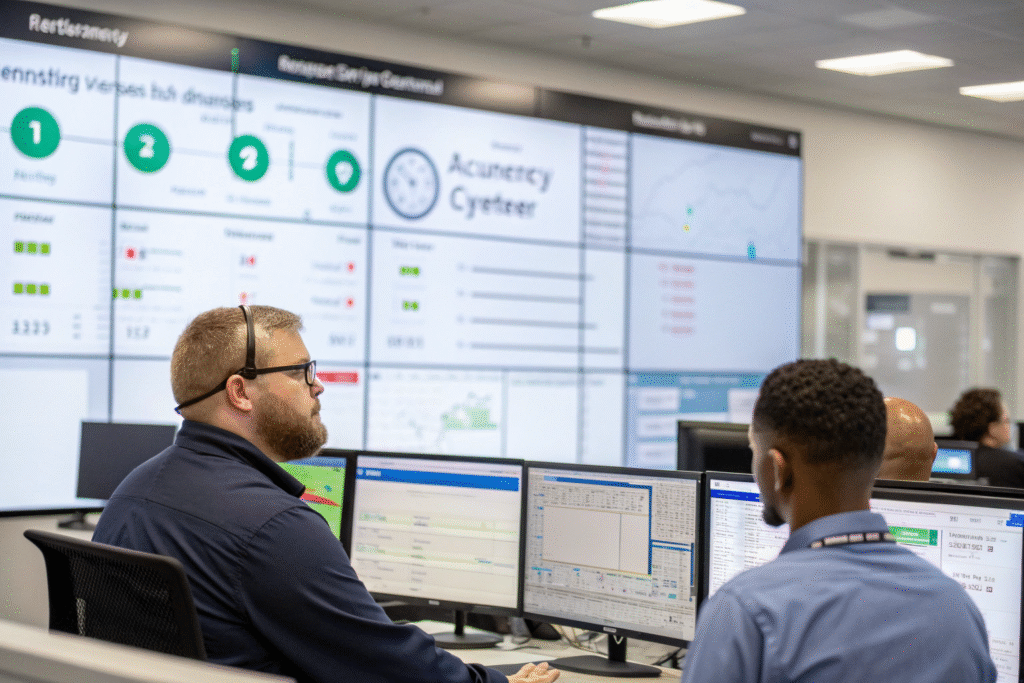
Digital platforms generate valuable data that suppliers can analyze to make informed decisions about product development, pricing, capacity planning, and market expansion.
What business intelligence do digital platforms provide?
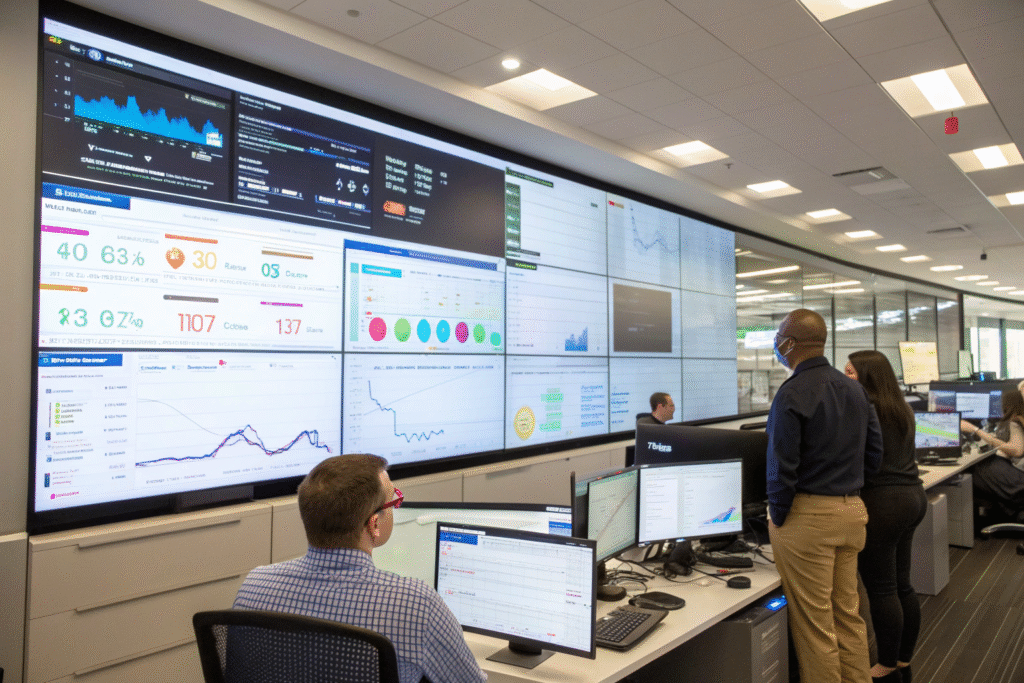
Platform analytics offer insights into customer behavior, product performance, market trends, and competitive positioning. Our analysis of platform data revealed that customers who viewed our custom manufacturing capabilities were 5x more likely to place large orders than those only browsing standard products. This insight prompted us to redesign our digital showcase to emphasize custom work, resulting in a 42% increase in custom order inquiries. This customer intelligence has fundamentally changed how we allocate our sales and marketing resources.
How can suppliers leverage data for strategic planning?
Performance metrics collected through digital platforms help suppliers identify strengths, weaknesses, and opportunities across their business. By analyzing our platform data, we discovered that our production capacity for complex jewelry items was underutilized while simple hair accessories were consistently oversubscribed. This capacity analysis enabled us to rebalance our marketing efforts and adjust pricing, increasing overall capacity utilization from 68% to 87% and boosting profitability.
How do digital platforms build trust and transparency?
The fashion accessory industry has historically suffered from information asymmetry, with buyers having limited visibility into supplier capabilities, production conditions, and product quality before placing orders. This uncertainty often led to extended due diligence processes, strained relationships, and occasional disappointing outcomes.
Digital platforms create transparent ecosystems where suppliers can verify their credentials, showcase their capabilities, and build reputations that transcend geographic and cultural boundaries.
How do verification systems enhance supplier credibility?
Platform verification mechanisms—including business licenses, factory audits, and production certifications—provide independent validation of supplier claims. Our digital platform profiles include verified certifications for sustainable manufacturing, quality management systems, and social compliance, which 68% of our international clients specifically reference as decision factors. This credibility building has shortened our sales cycle by approximately 40% as buyers spend less time on due diligence and more time on productive collaboration.
How does review and rating systems influence buyer decisions?
Transparent feedback systems allow previous customers to share their experiences, creating social proof that helps new buyers evaluate suppliers. Our collection of 127 verified customer reviews with an average 4.8/5 rating has become one of our most valuable marketing assets, with 55% of new clients referencing these reviews as influencing their decision to contact us. This reputation capital has proven particularly valuable for attracting quality-conscious buyers who are willing to pay premium prices for reliable service and consistent quality.

Conclusion
Digital platforms are revolutionizing fashion accessory suppliers by transforming how they connect with customers, manage operations, make business decisions, and build trust in the global marketplace. The accessibility, efficiency, intelligence, and transparency that platforms provide are not merely incremental improvements but fundamental shifts that enable suppliers to compete effectively regardless of their size or geographic location.
As platform technologies continue to evolve—incorporating AI, blockchain, and increasingly sophisticated analytics—their transformative impact will only deepen, making digital platform adoption not just advantageous but essential for accessory suppliers seeking growth and sustainability in the modern global economy.
If you're looking to leverage digital platforms to enhance your accessory supply capabilities or want to partner with a supplier that has fully embraced digital transformation, we invite you to contact our Business Director, Elaine. She can discuss our digital capabilities and how we use platforms to deliver exceptional service to our partners worldwide. Reach her at: elaine@fumaoclothing.com.