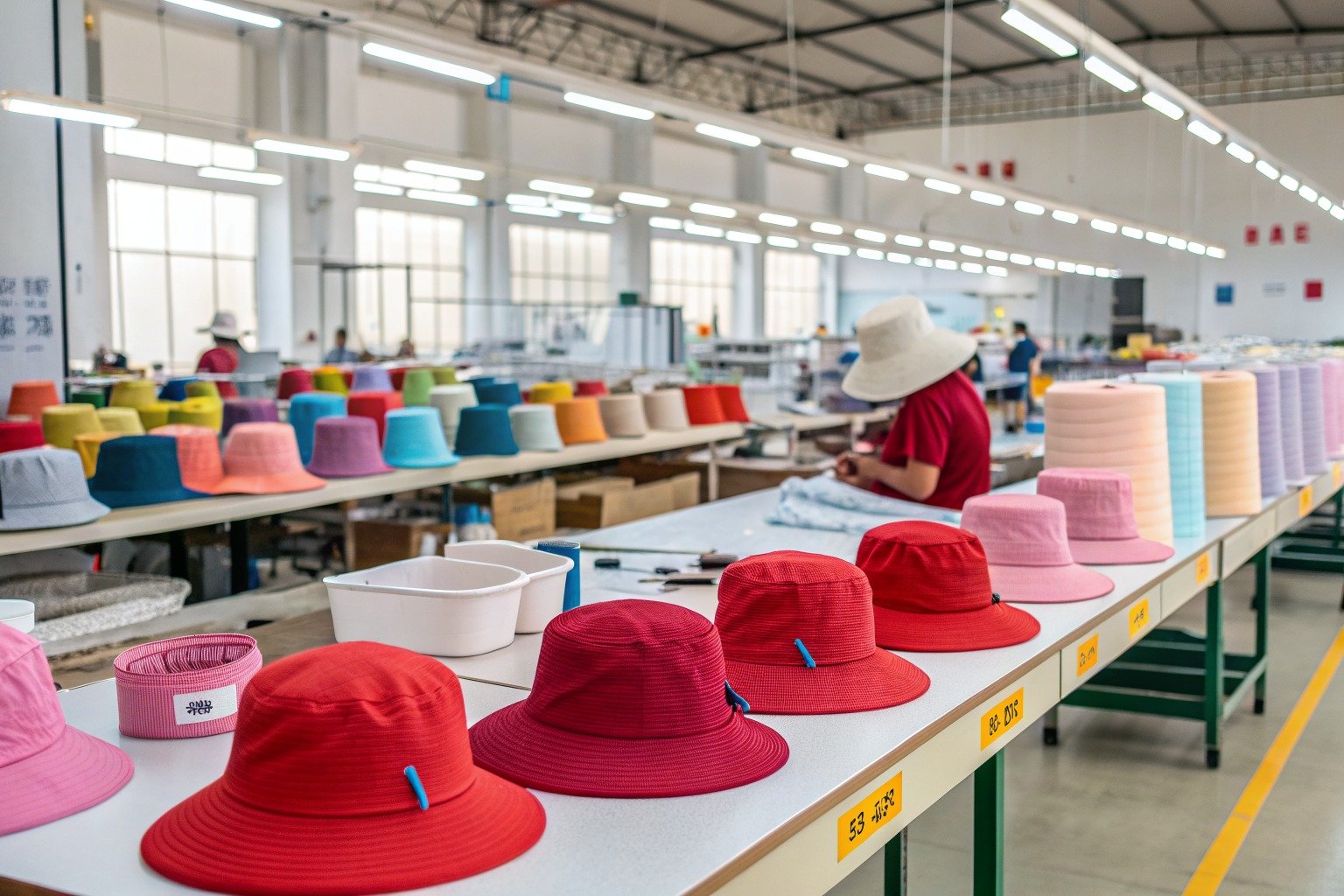
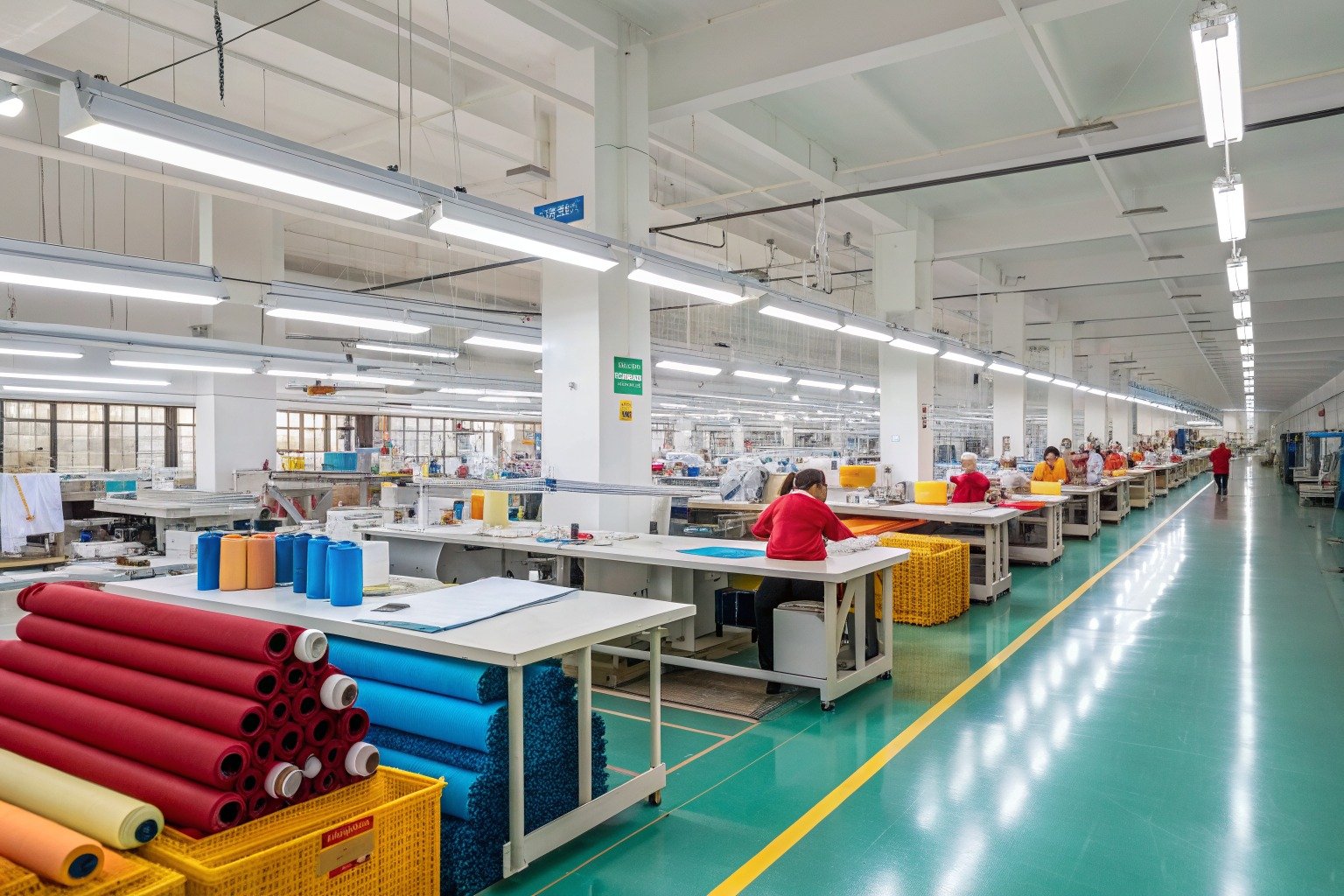
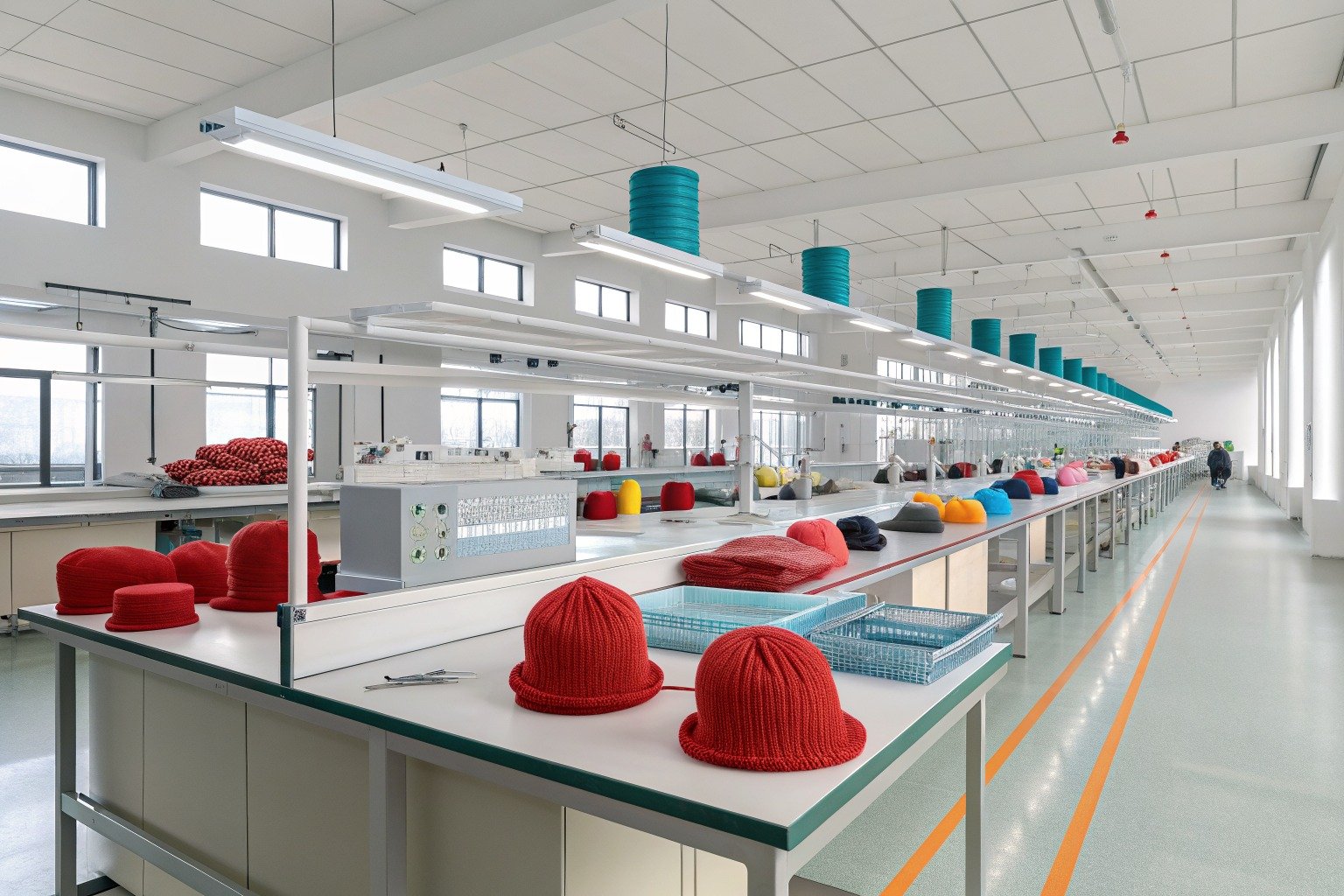
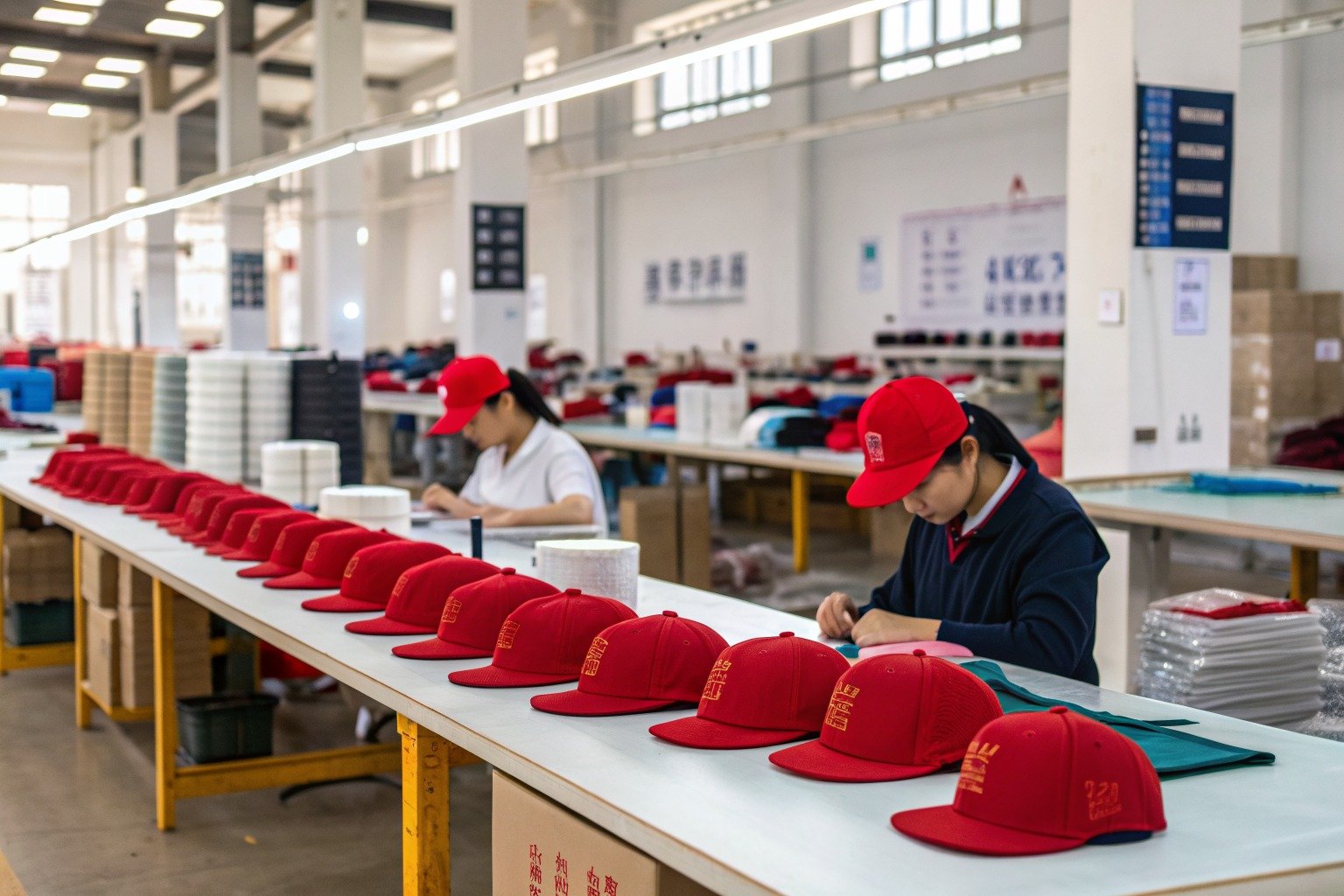
Custom fashion accessories present unique quality control challenges that differ significantly from mass-produced items. Each customized piece—whether personalized jewelry, monogrammed bags, or made-to-order hair accessories—has unique specifications that traditional quality control methods struggle to verify efficiently. The variability introduced by customization means standardized inspection protocols often miss defects specific to individual orders.
Real-time quality checks for custom fashion accessories combine computer vision systems, IoT sensors, and AI algorithms to verify each unique item against its specific design parameters during production.This approach moves quality control from a separate final inspection stage to an integrated process that identifies and addresses issues immediately, reducing waste and ensuring every custom piece meets exact customer specifications.
Let’s explore the practical implementation of real-time quality systems across different stages of custom accessory production.
What infrastructure is needed for real-time quality monitoring?
Traditional quality control typically occurs at the end of production lines, creating a significant lag between when defects occur and when they’re detected. This delay allows multiple defective units to be produced before problems are identified, resulting in wasted materials and rework costs—particularly problematic with custom materials that cannot be repurposed.
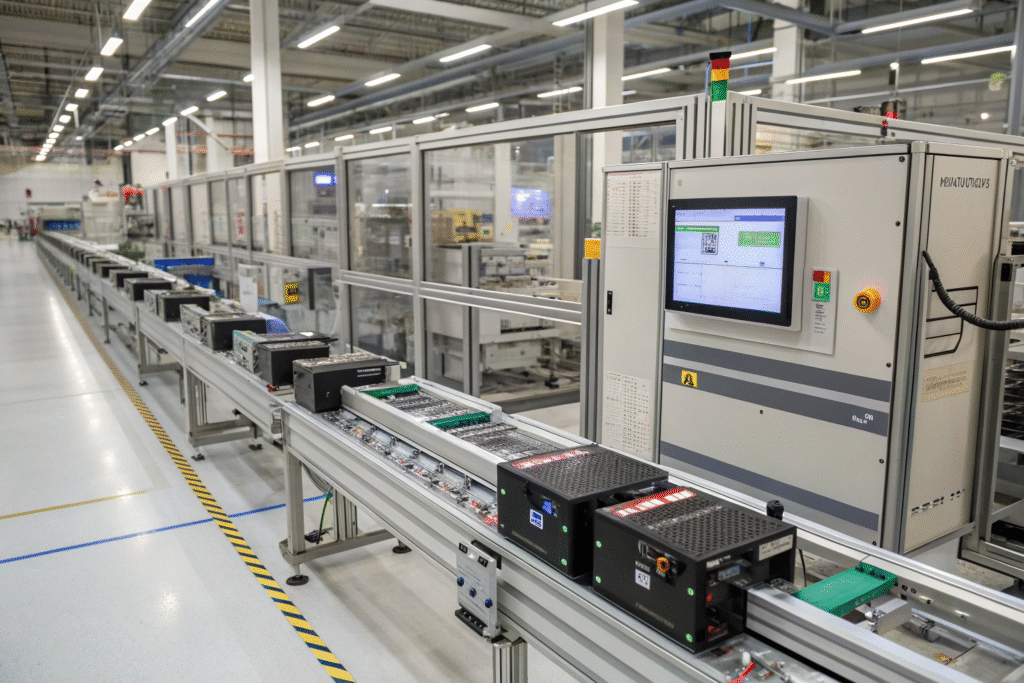
Real-time quality systems require integrated hardware and software infrastructure that can capture, process, and act on quality data throughout the manufacturing process.
What hardware components enable real-time quality assessment?
High-resolution vision systems with appropriate lighting capture detailed images of products at each production stage, while precision sensors measure dimensions, weight, color, and other physical attributes. IoT-enabled production equipment automatically shares operational parameters that might affect quality. In our custom belt production, we’ve installed vision systems at each workstation that automatically verify buckle alignment, stitch consistency, and leather grain direction against the customer’s specific order requirements. This integrated monitoring has reduced custom order defects by 67% compared to our previous end-of-line inspection approach.
How does software infrastructure support real-time quality decisions?
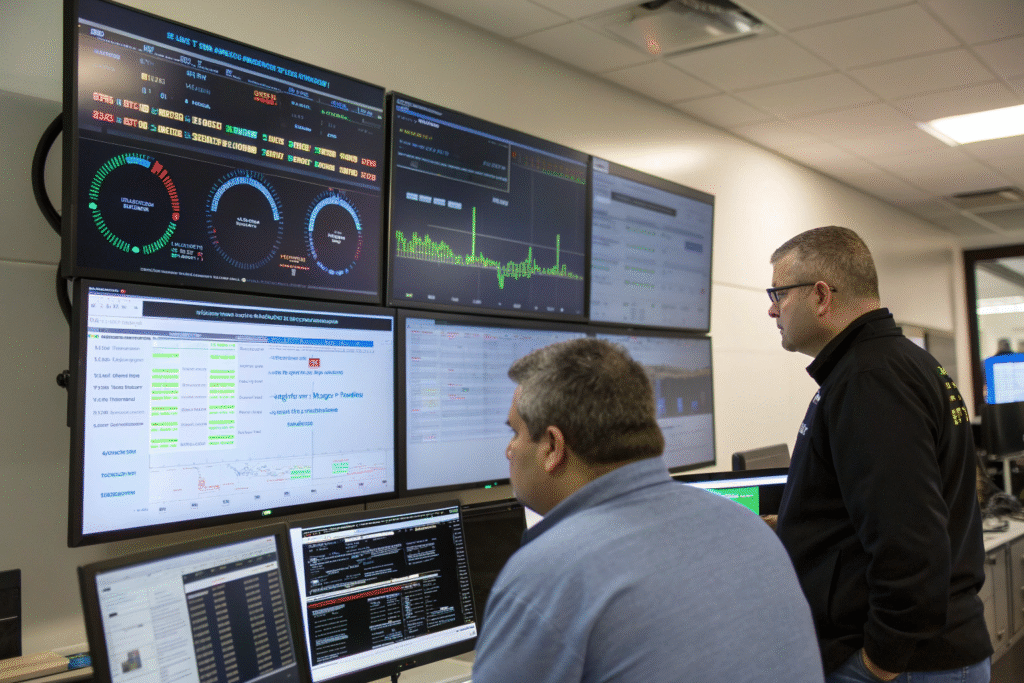
Quality management platforms compare real-time production data against digital design files for each custom order, while AI algorithms identify deviations and patterns that might indicate emerging issues. Our system automatically references the exact custom specifications for each accessory—whether unique engraving patterns on jewelry or specific color combinations on scarves—and flags any discrepancies immediately. The software creates a complete quality record for each custom piece, providing customers with verification that their specific requirements were met.
How do computer vision systems verify custom specifications?
Human inspectors face significant challenges verifying custom accessories efficiently, as each item has unique parameters that require constant mental context switching. This variability leads to inspection fatigue and inconsistent application of quality standards across different custom orders.
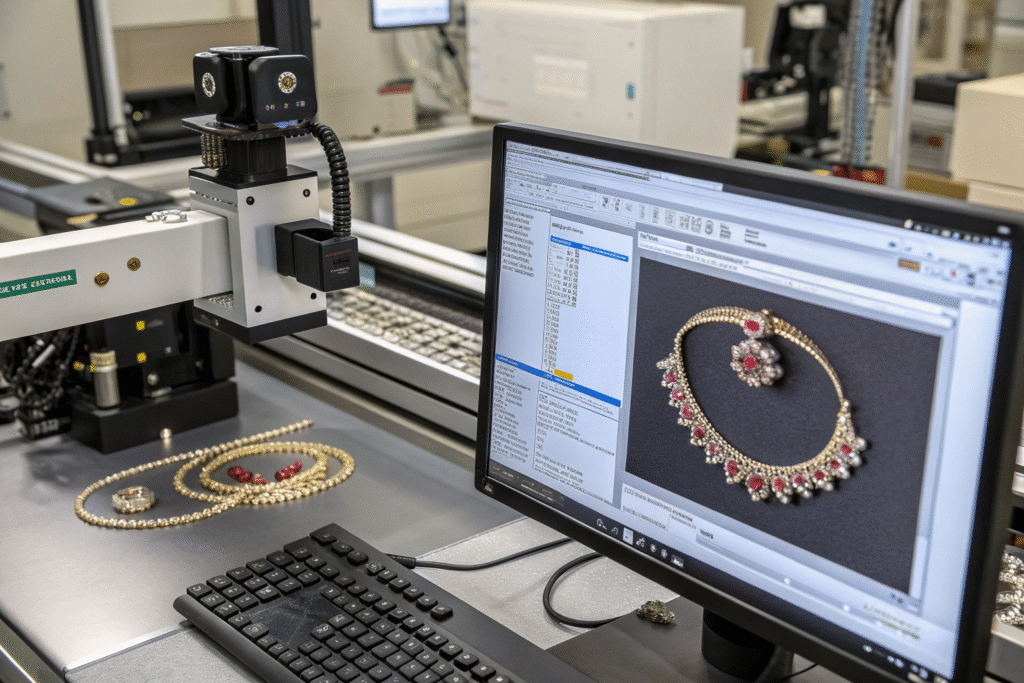
Computer vision systems maintain consistent inspection standards regardless of product variability, using reference images and design files to verify each custom piece against its specific requirements.
How does computer vision handle the variability of custom accessories?
Adaptive vision algorithms are trained to recognize quality parameters rather than specific products, allowing them to verify diverse custom items against their unique design specifications. For our personalized jewelry line, the system compares each piece against the customer’s approved digital rendering, checking stone placement, engraving accuracy, and metal finish consistency. This specification-based verification has achieved 99.2% accuracy in identifying deviations from custom designs, compared to approximately 85% accuracy with manual inspection of custom items.
What types of custom details can computer vision verify?
Advanced vision systems can inspect embroidery precision on monogrammed bags, color matching on custom-dyed scarves, dimensional accuracy on 3D-printed accessories, and material consistency across made-to-order pieces. Our system for custom hair accessories verifies that crystal patterns match the customer’s design layout within 0.5mm tolerance and checks color consistency across dyed components. This precise verification has been particularly valuable for matching customer-provided color swatches or replicating heirloom pieces where exact color matching is emotionally significant to the customer.
How can IoT sensors monitor production quality in real time?
Many quality issues in custom accessory manufacturing originate from subtle equipment variations or material inconsistencies that aren’t visible until after completion. Traditional approaches discover these issues only after value has been added to potentially defective pieces.
IoT sensors integrated into production equipment monitor conditions and parameters continuously, identifying quality deviations at their source before they affect finished products.
What production parameters should be monitored for quality assurance?
Temperature and humidity sensors ensure material processing occurs within optimal ranges, while vibration analysis detects equipment misalignments that might affect precision work. Pressure sensors verify consistent application force during assembly operations. In our custom leather bag production, we monitor sewing machine tension in real-time, ensuring consistent stitch quality across different leather types and thicknesses specified by customers. This parameter monitoring has eliminated stitching-related defects that previously affected 12% of our custom leather orders.
How does real-time data prevent custom order defects?
Predictive quality analytics use IoT data to identify patterns that precede defects, enabling intervention before unacceptable products are created. Our system detected that specific combinations of temperature and humidity were causing adhesive curing issues in custom composite accessories. By establishing preventive thresholds and automatic alerts, we now address environmental conditions before they affect production, reducing adhesive-related defects by 83% despite increasing custom order complexity.
How to implement immediate corrective actions based on quality data?
Real-time quality data provides limited value if it doesn’t trigger immediate corrective actions. Traditional quality systems often create delays between problem identification and resolution, allowing multiple defective units to be produced before adjustments are made.
Next-generation quality systems integrate monitoring with automated responses and operator guidance that address issues as they emerge.
How can automated systems respond to quality issues in real-time?
Closed-loop control systems automatically adjust equipment parameters when quality deviations are detected, while automated sorting mechanisms redirect non-conforming items for rework before additional value is added. In our custom metal jewelry production, vision systems detect polishing inconsistencies and automatically adjust polishing time and pressure for subsequent pieces with similar characteristics. This adaptive manufacturing approach has reduced our rework rate from 15% to 3% for custom metal accessories with complex surface treatments.
How do guided correction systems assist human operators?
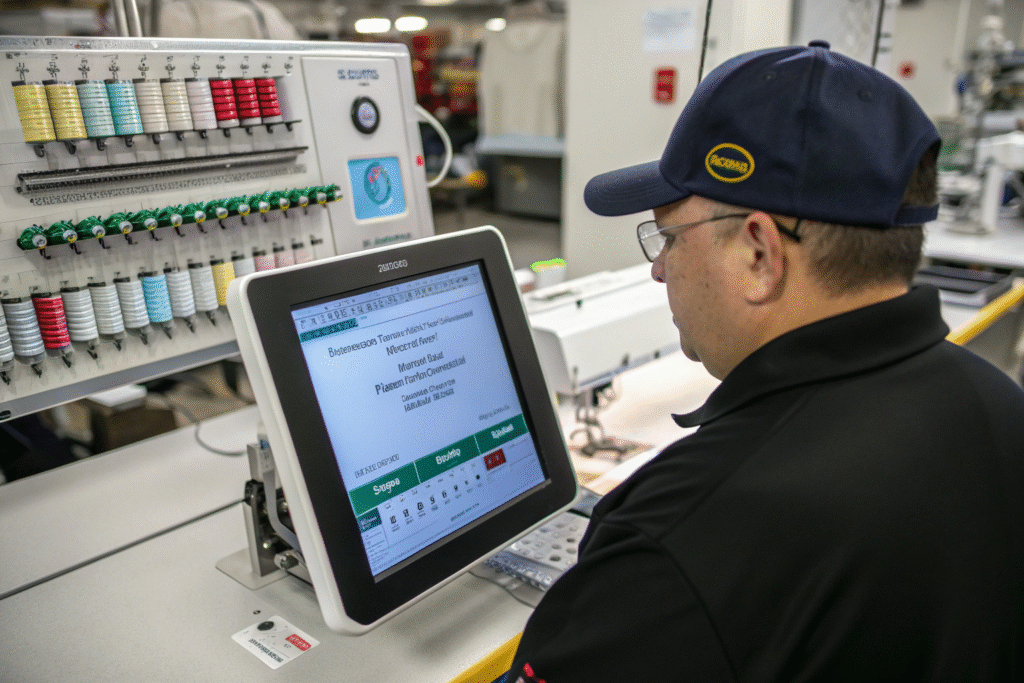
Augmented reality interfaces and digital work instructions provide operators with specific guidance when quality issues are detected, showing exactly what adjustments to make based on the real-time quality data. For our custom embroidery station, when the system detects thread tension issues or pattern misalignment, it immediately shows the operator which specific adjustments to make and verifies the correction was effective. This guided correction has reduced operator error rates by 72% and decreased training time for new operators by 65% despite increasing product customization complexity.
Conclusion
Deploying real-time quality checks for custom fashion accessories requires integrating advanced technologies throughout the manufacturing process rather than simply adding inspection at the end. By combining computer vision, IoT monitoring, and immediate corrective systems, manufacturers can ensure each custom piece meets exact specifications while reducing waste and rework costs.
The investment in real-time quality systems pays dividends not only through higher customer satisfaction and reduced returns, but also through more efficient production processes and valuable quality data that drives continuous improvement—particularly important for custom manufacturing where each order represents both a unique product and a potential long-term customer relationship.
If you’re looking to implement real-time quality systems for your custom accessory production or want to partner with a manufacturer that guarantees quality through advanced verification technologies, we invite you to contact our Business Director, Elaine. She can discuss our quality assurance approaches and how they ensure your custom designs are produced perfectly every time. Reach her at: elaine@fumaoclothing.com.