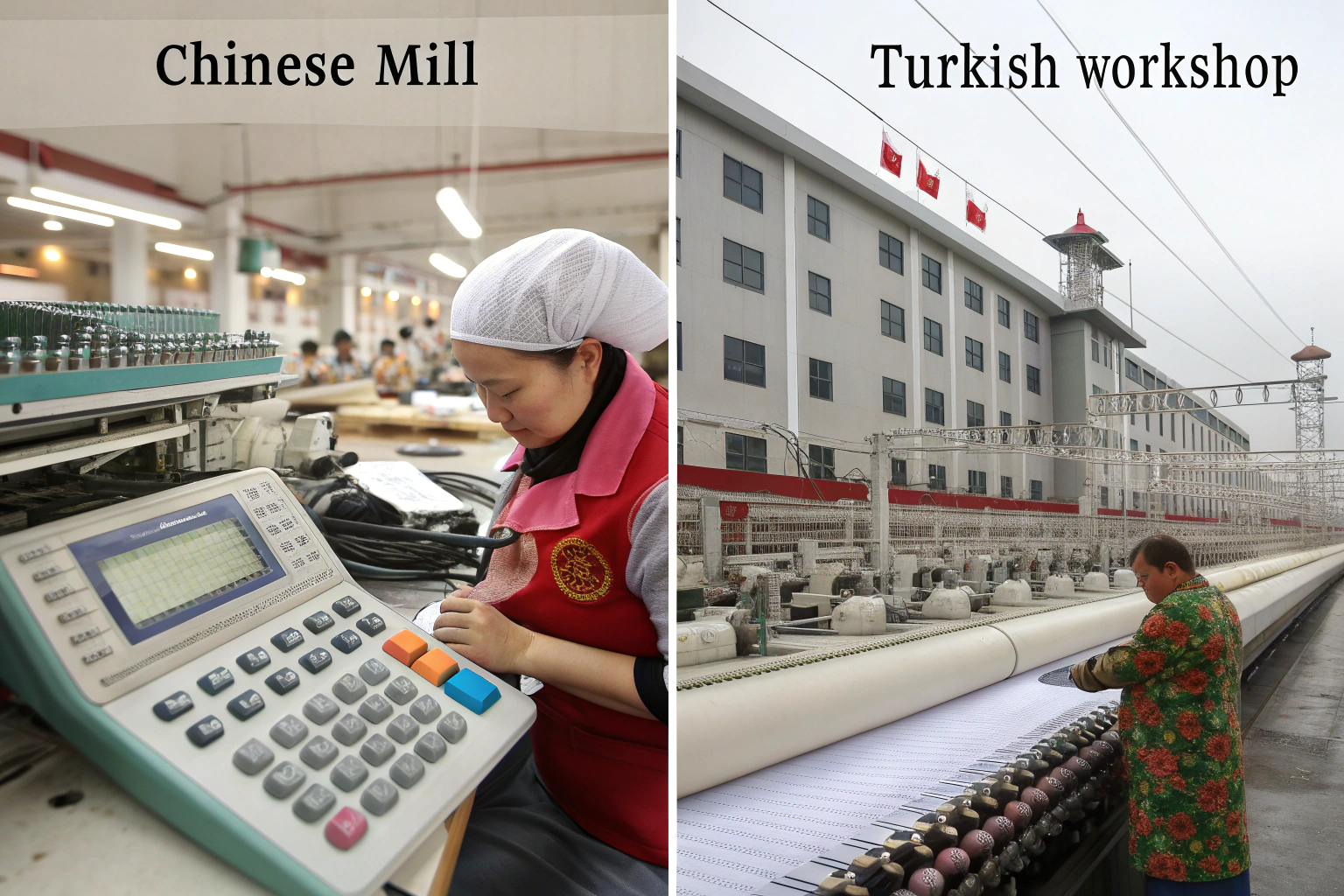
You are a buyer for a mid-sized accessories brand. For years, you have sourced your woven belts from a supplier in Turkey. The quality is good. The proximity to Europe is convenient. But your margins are under pressure. A competitor is offering a very similar woven belt at a retail price you cannot touch. You request a quote from a Chinese factory. The FOB price is 35% lower than your Turkish supplier’s price. You are intrigued but skeptical. How can the price be that much lower? Is it lower quality? Is it a different material? Is there a catch? You are not just comparing prices. You are trying to understand the fundamental economic forces that allow Chinese manufacturers to undercut a established, high-quality supplier like Turkey.
Chinese woven belt suppliers beat Turkish suppliers on price primarily due to massive economies of scale in yarn production and weaving, a fully vertically integrated and localized supply chain in Zhejiang that eliminates component import costs, and significantly lower energy and labor costs per unit, all without sacrificing the quality of the base materials and construction.
I manage Shanghai Fumao in Zhejiang, and woven belts are a core part of our production. We compete with Turkish suppliers regularly, particularly for the European and North American markets. I have a deep respect for Turkish craftsmanship, but I understand exactly where our cost advantage comes from. It is not a mystery. It is structural. Let me explain the specific factors that create the price gap.
How Do Economies of Scale in Chinese Textile Production Lower Belt Costs?
The single biggest driver of the price difference is scale. The Chinese textile industry operates at a volume that is unmatched anywhere in the world. This scale permeates every level of the supply chain, from the production of the raw polyester or polypropylene yarn to the weaving of the belt webbing.
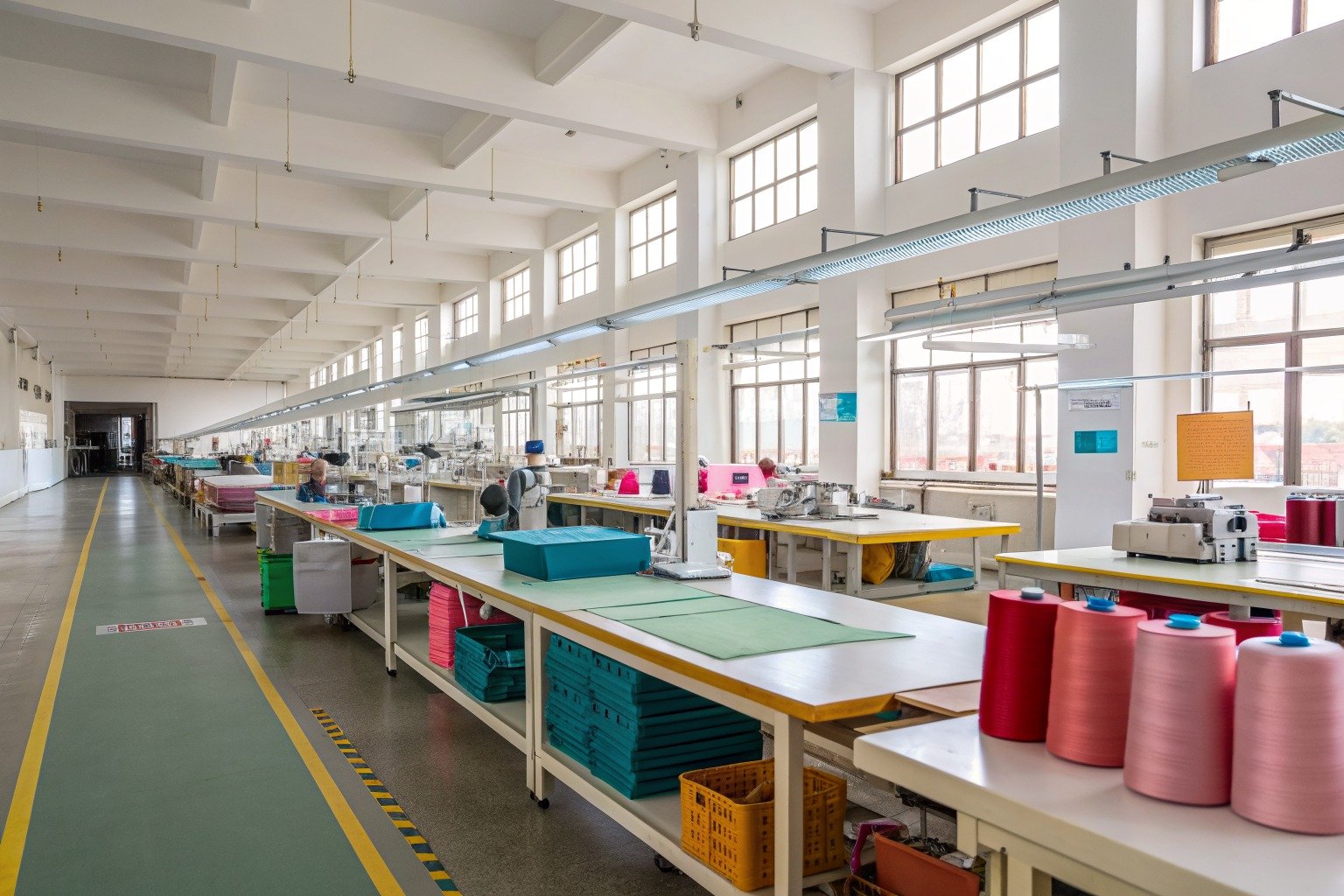
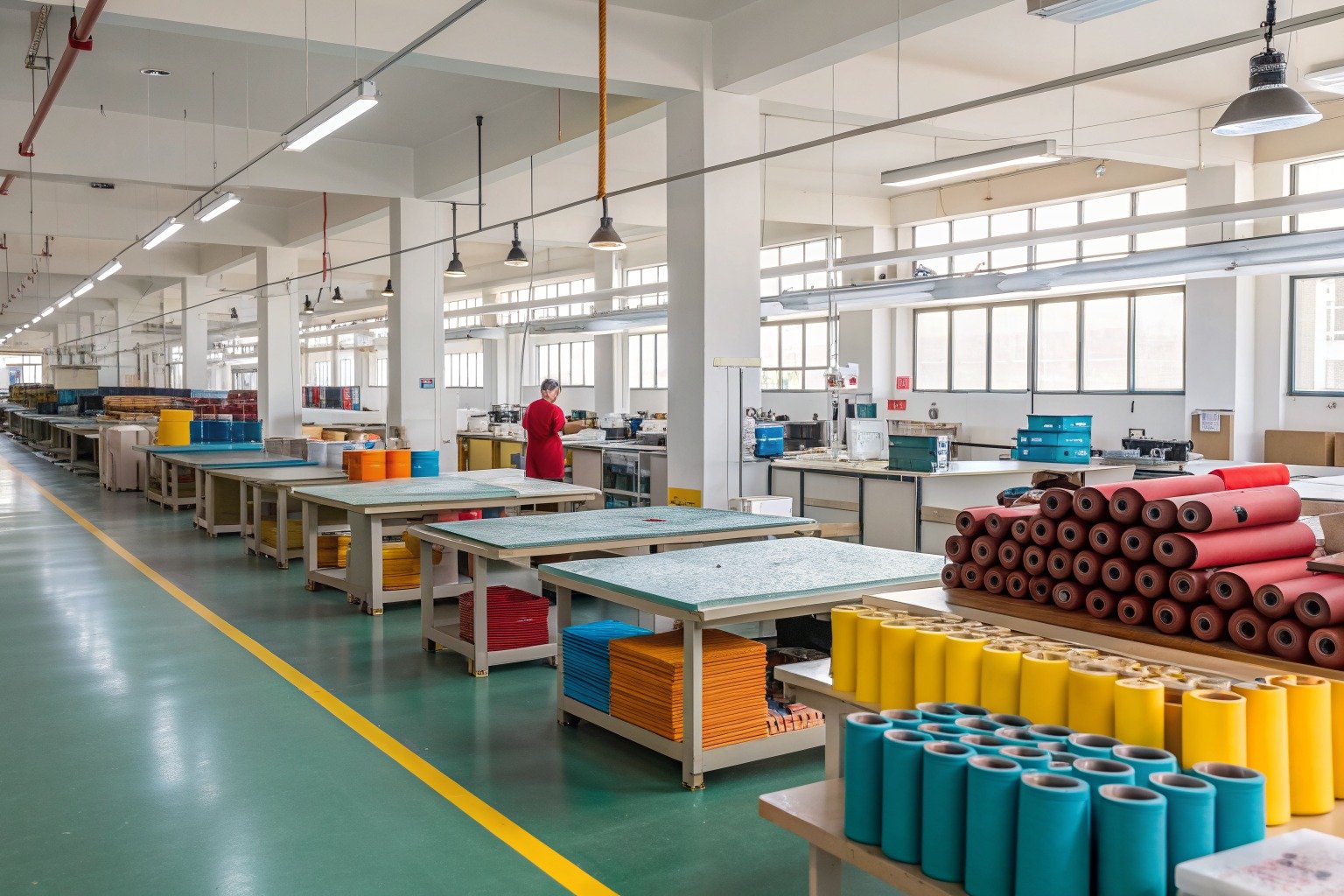
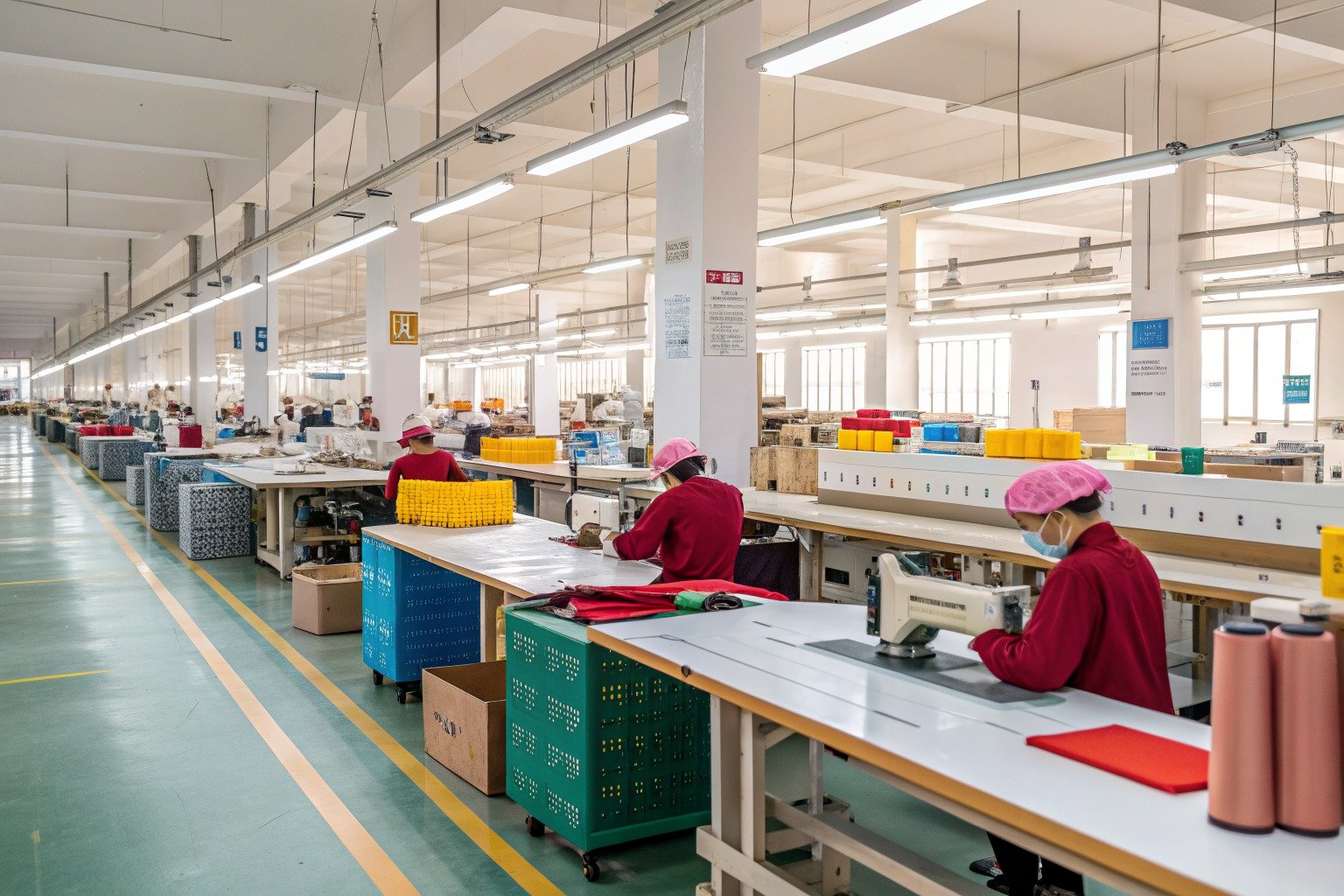
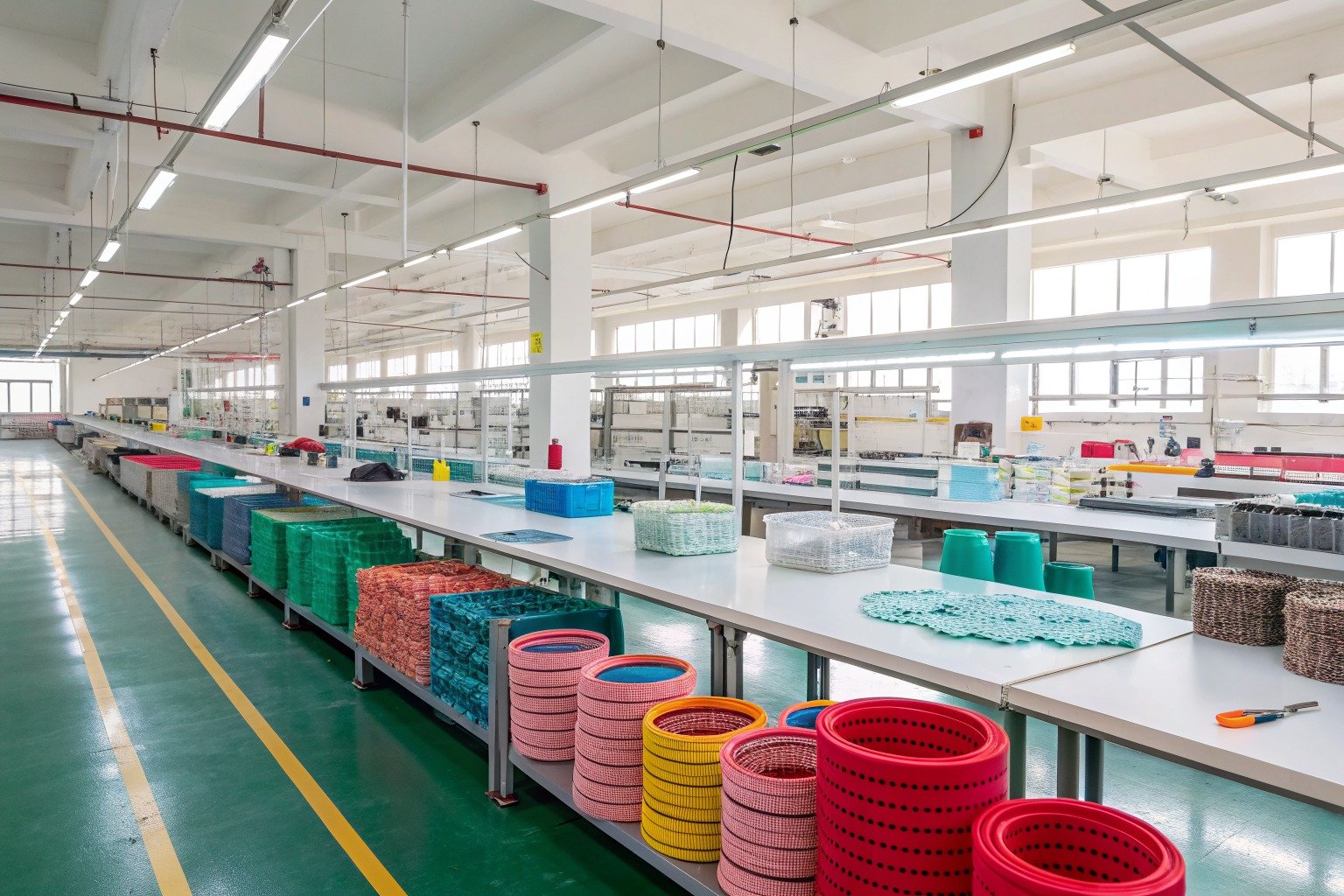
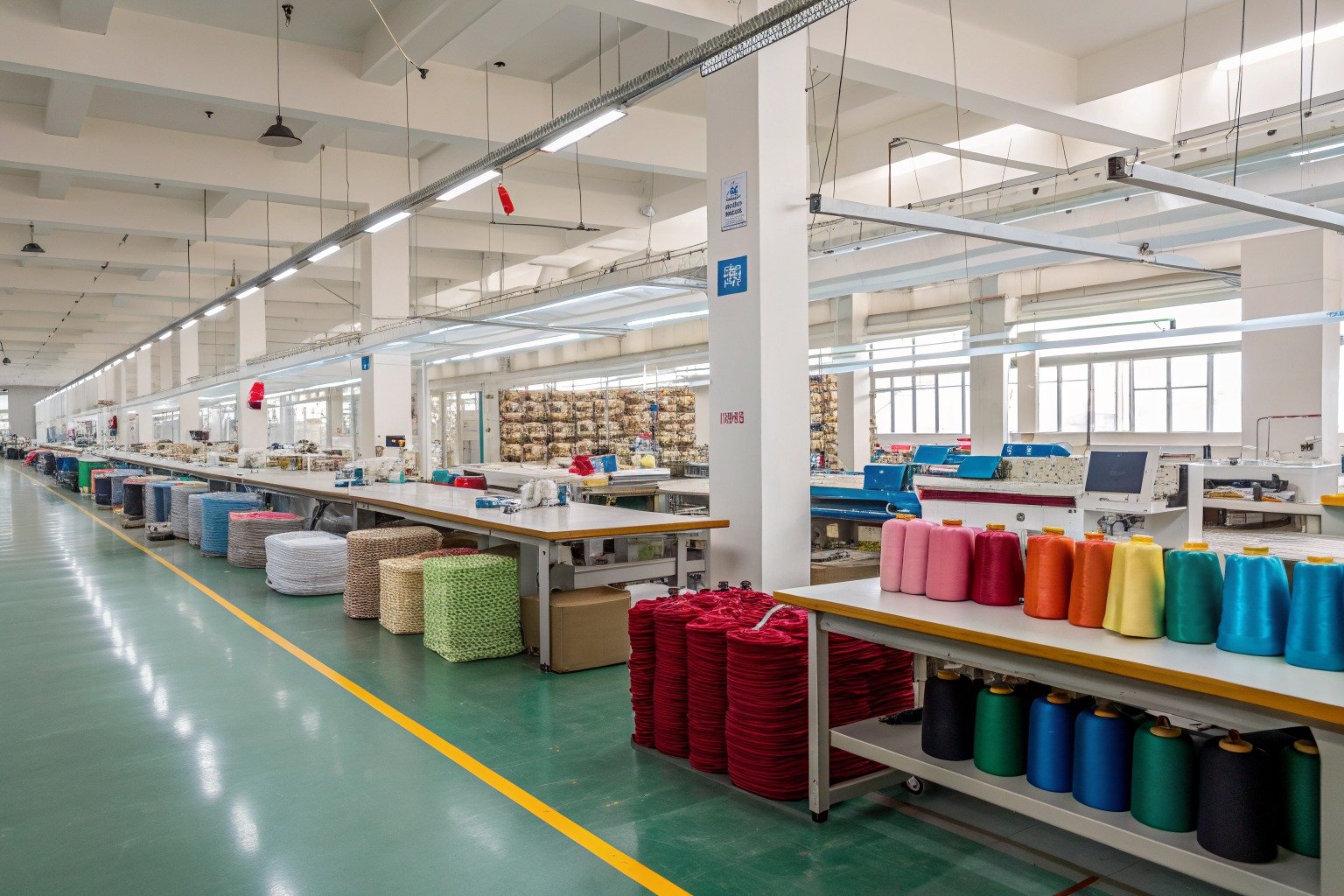
A yarn factory in Zhejiang or Jiangsu province does not produce tons of yarn. It produces thousands of tons. The massive volume allows these factories to achieve incredibly low costs per kilogram. They purchase raw petrochemical materials in enormous quantities, securing the best possible pricing. Their energy costs and labor costs are spread across a vast output. This low-cost yarn is then sold to webbing mills. These mills operate hundreds of high-speed, automated needle looms. A single factory floor might have 500 looms running simultaneously, twenty-four hours a day. The output is measured in kilometers of webbing per day. This scale drives the cost per meter of webbing down to levels that smaller, less automated Turkish mills simply cannot match. This economies of scale in Chinese polyester yarn and webbing production is the foundational cost advantage.

What Is the Cost Difference in Raw Polyester Yarn?
Let us look at a specific cost component. Polyester yarn is the primary raw material for most fashion woven belts. The price of polyester yarn in China, purchased in the volumes used by major webbing mills, is consistently among the lowest in the world. This is due to China’s dominance in petrochemical refining and polymer production. A Turkish belt manufacturer, even a large one, is likely purchasing yarn at a higher price. They may even be importing some of their yarn from Asia, incurring freight and duty costs that add to their material expense. This cost comparison of polyester yarn in China versus Turkey for textile manufacturing is a significant line item in the final belt cost.
How Does Automation in Webbing Mills Reduce Labor Cost Per Meter?
Labor cost is often cited as the main reason for China’s low prices. While labor costs in China have risen significantly, they are still generally lower than in Turkey for semi-skilled factory work. However, the more important factor is automation. A modern Chinese webbing mill is highly automated. One technician can monitor dozens of looms. The labor content per meter of webbing is incredibly low. The cost of the webbing is driven primarily by the cost of the yarn and the depreciation of the machinery. In contrast, some Turkish production, particularly for higher-end or specialty weaves, may involve more manual processes or smaller, less automated looms. This impact of automation on labor cost per meter in Chinese webbing mills is a key driver of efficiency.
Why Does the Zhejiang Supply Chain Create an Unbeatable Cost Advantage?
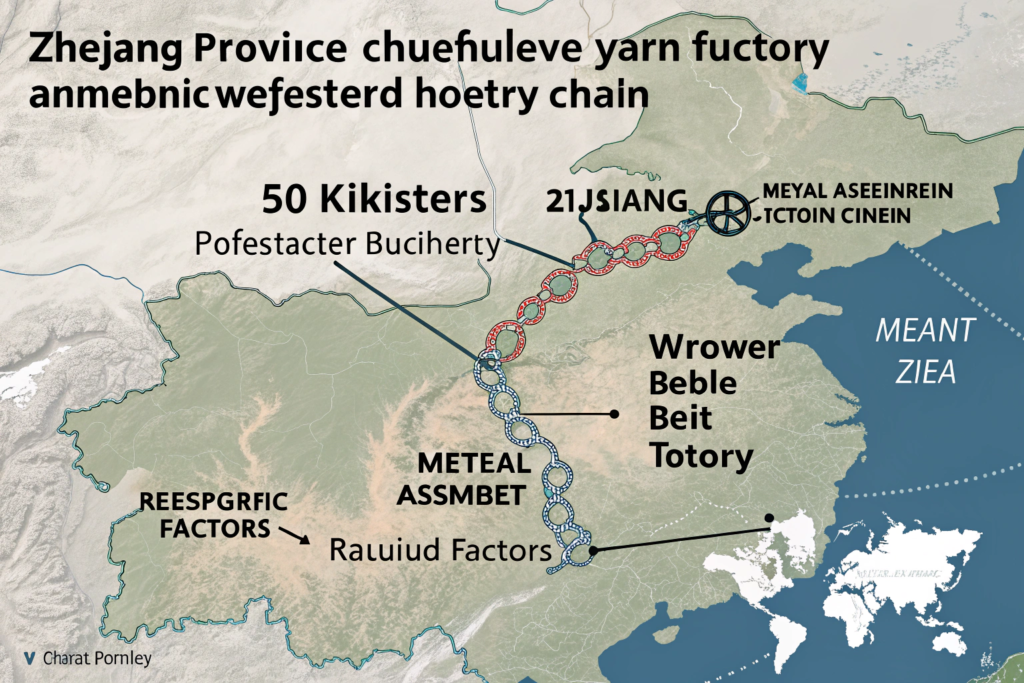
The price of the webbing is only one part of the belt’s cost. A belt also requires a buckle, a leather or faux leather tip, and packaging. In China, and specifically in Zhejiang province, all of these components are manufactured within a tight geographic radius. This creates a supply chain efficiency that is extraordinarily difficult to replicate elsewhere.
Our factory is located within an hour’s drive of major metal hardware manufacturing hubs. We can source high-quality zinc alloy buckles at very competitive prices. The buckle factories benefit from the same economies of scale in metal casting and plating. The leather tips are sourced from specialized leather goods workshops nearby. Even the cardboard hang tags and polybags are produced locally. There are no long-distance shipping costs for components. There are no import duties on components. There are minimal delays. This clustered, localized supply chain minimizes the total cost of the finished belt. A Turkish manufacturer may need to import buckles or specialized components, adding cost and complexity. This Zhejiang localized supply chain advantage for accessory component sourcing is a powerful economic force.
How Do Buckle and Hardware Costs Compare Between China and Turkey?
Metal hardware, such as zinc alloy buckles, is a significant cost component. China is the world’s largest producer of these components. The scale of the die-casting and plating industry in China drives prices down. A standard, high-quality zinc alloy buckle with an electroplated finish can be sourced in China for a fraction of the cost of a comparable buckle made in Europe or Turkey. While Turkey has a strong metalworking industry, its scale in the specific category of small fashion accessory hardware is smaller, and its costs are generally higher. This cost comparison of zinc alloy buckles and metal hardware China versus Turkey contributes directly to the final belt price difference.
What Is the Impact of Energy Costs on Chinese Manufacturing?
Energy is a major input for both yarn production and metal casting. While energy prices fluctuate, China’s industrial energy policies and its massive investment in power generation have historically provided a cost advantage for energy-intensive industries compared to many European and neighboring regions. Turkish manufacturers have faced significant volatility and increases in energy costs in recent years. These higher energy costs are embedded in the price of their yarn, their webbing, and their metal components. This comparative industrial energy costs for textile and metal manufacturing China and Turkey is another structural factor favoring Chinese production.
Are There Quality Trade-Offs for the Lower Price of Chinese Woven Belts?
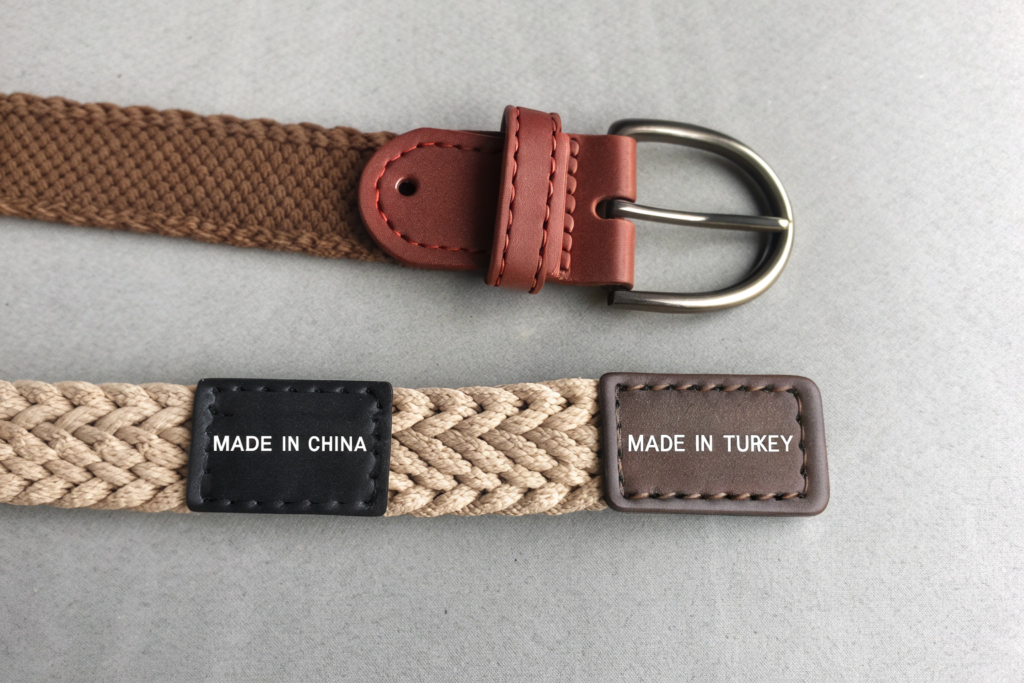
This is the critical question. Does the lower price come with lower quality? The answer is, it depends entirely on the specific Chinese factory you choose. The stereotype of cheap, low-quality Chinese goods is outdated. The top tier of Chinese manufacturers, like AceAccessory, produce woven belts that are equal in material quality and construction to the best Turkish suppliers. The cost advantage comes from scale and efficiency, not from using inferior materials.
A quality Chinese woven belt will use high-density polyester or polypropylene webbing with consistent color and a smooth finish. The stitching will be tight and even. The buckle will be made from a solid zinc alloy with a durable, chip-resistant plating. The leather tip will be made from genuine leather or a high-quality polyurethane. The overall construction will be robust. The lower price is not a signal of lower quality. It is a signal of a more efficient manufacturing ecosystem. The key is to partner with a reputable factory that has the quality systems in place. This quality comparison of premium Chinese woven belts versus Turkish woven belts shows that the top tier is competitive on quality.
How Do You Ensure You Are Getting the Quality You Pay For?
The lower price does open the door to lower-quality suppliers who do cut corners. You must protect yourself through due diligence and clear specifications. Request a physical sample. Do not rely on photos. Specify the exact weave density of the webbing, for example, the number of picks per inch. Specify the material and plating of the buckle. Specify the type of leather or PU for the tip. Request a third-party inspection before shipment to verify that the bulk production matches the approved sample. A reputable factory like AceAccessory will welcome these specifications and the third-party inspection. We are confident in our quality. This quality assurance and specification process for sourcing woven belts from China is your protection against substandard goods.
What Are the Lead Time and Logistics Considerations?
Price is paramount, but lead time and logistics are also part of the total cost equation. Chinese production, due to its scale and efficiency, typically offers competitive lead times. A standard woven belt order can be produced in 30 to 45 days. The ocean freight transit time to Europe or North America is longer from China than from Turkey to Europe. This is a disadvantage for Chinese suppliers serving the European market. However, the lower FOB price often more than compensates for the additional freight cost and transit time. We work with our clients to optimize their supply chain, using consolidated shipments and efficient routing to minimize the total landed cost. This lead time and logistics comparison for woven belts China versus Turkey to Europe and USA is a key part of the sourcing decision.
What Role Does Labor Specialization Play in the Cost Gap?
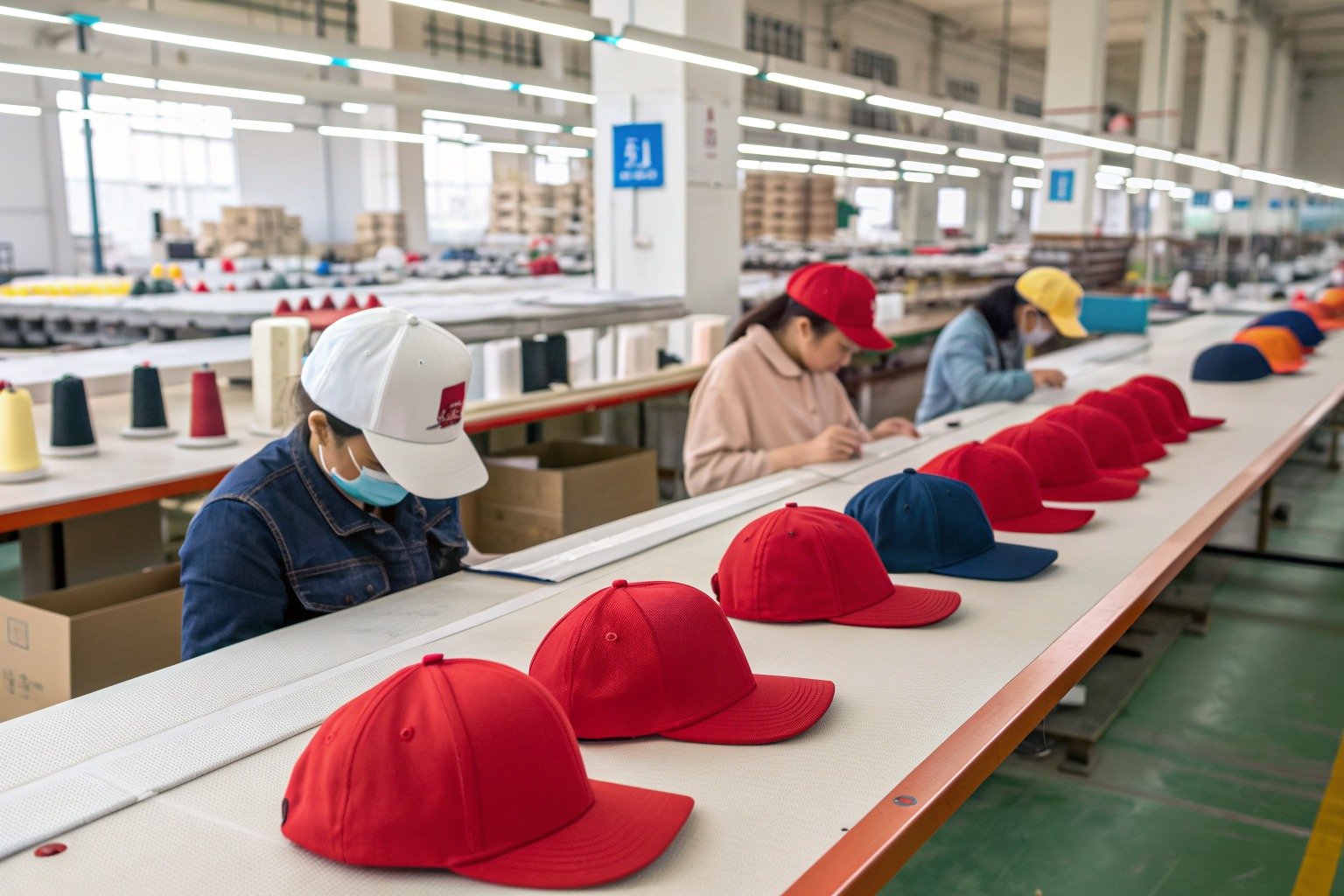
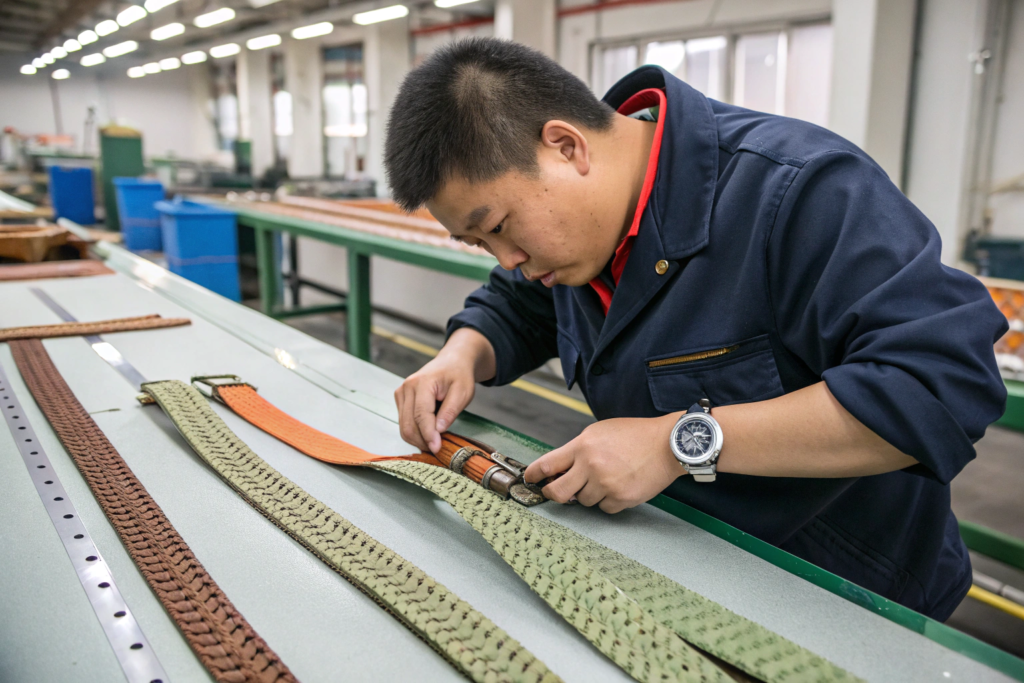
Beyond the cost of materials, the cost of assembling the belt contributes to the final price. Chinese factories have perfected the art of labor specialization for high-volume, repetitive tasks. A belt assembly line is broken down into discrete, simple operations. One worker attaches the buckle. Another folds the webbing. Another sews the tip. Another attaches the hang tag. Each worker performs their single task hundreds or thousands of times per day. This extreme specialization leads to incredible speed and efficiency. The labor cost per belt is minimized. This level of task specialization is most effective in a high-volume, large-scale factory environment, which is the hallmark of Chinese manufacturing. Smaller Turkish workshops may use a more craft-based approach where a single worker performs multiple steps, which, while offering flexibility, is less efficient for large, standardized orders. This labor specialization and assembly line efficiency in Chinese woven belt factories is a key component of the cost advantage.
How Does Minimum Order Quantity Reflect the Different Production Models?
The difference in production models is reflected in the minimum order quantities or MOQs. A large, highly automated Chinese factory like AceAccessory is optimized for efficiency at scale. Our MOQs for custom woven belts are typically 1,000 to 2,000 units per color. This allows us to set up the looms and the assembly line for a long, efficient run. A smaller Turkish workshop may be willing to accept a lower MOQ, perhaps 300 to 500 units. This flexibility comes at a higher per-unit cost. For brands that need small, frequent runs, a Turkish supplier might be a better fit despite the higher price. For brands that are scaling and need consistent, high-volume production at the lowest possible cost, the Chinese model is superior. This MOQ comparison for woven belts Chinese scale versus Turkish flexibility helps brands choose the right partner for their stage of growth.
Is the Chinese Advantage Sustainable in the Long Term?
The cost advantage is not static. Labor costs in China continue to rise. Energy prices fluctuate. Other manufacturing destinations, such as Vietnam and Bangladesh, are developing their own textile industries. However, the sheer scale, the depth of the localized supply chain, and the accumulated manufacturing expertise in China create a powerful inertia. It is difficult for other countries to replicate the entire ecosystem. The Chinese woven belt industry is also moving up the value chain, investing in more sustainable materials like recycled polyester and in more complex, fashion-forward weaves. The strategy is not just to be the cheapest, but to be the best value, offering a combination of price, quality, scale, and innovation that is hard to beat. This long term competitiveness and sustainability of Chinese woven belt manufacturing is based on continuous improvement.
Conclusion
Chinese woven belt suppliers are beating Turkish suppliers on price not because of a single factor, but because of a powerful, interconnected set of structural advantages. Massive economies of scale in yarn and webbing production drive down material costs. A highly localized and efficient supply chain in Zhejiang eliminates component import costs. Relatively lower energy and labor costs, amplified by automation and task specialization, further widen the gap. And all of this is achieved while the top tier of Chinese factories maintains quality standards that are fully competitive with the best Turkish manufacturers.
For a brand owner or buyer, this means that sourcing woven belts from a reputable Chinese factory like Shanghai Fumao offers a compelling value proposition. You get a high-quality product at a significantly lower FOB price. You must manage the longer transit times and adhere to higher MOQs, but the cost savings often far outweigh these considerations. The key is to partner with a factory that has the scale, the quality systems, and the supply chain integration to deliver on the promise of that lower price.
If you are sourcing woven belts and want to explore the cost and quality advantages of Chinese manufacturing, I encourage you to contact our Business Director, Elaine. She can provide a detailed quotation based on your specific design and volume. You can email Elaine at: elaine@fumaoclothing.com. Let us show you the value of scale and expertise.