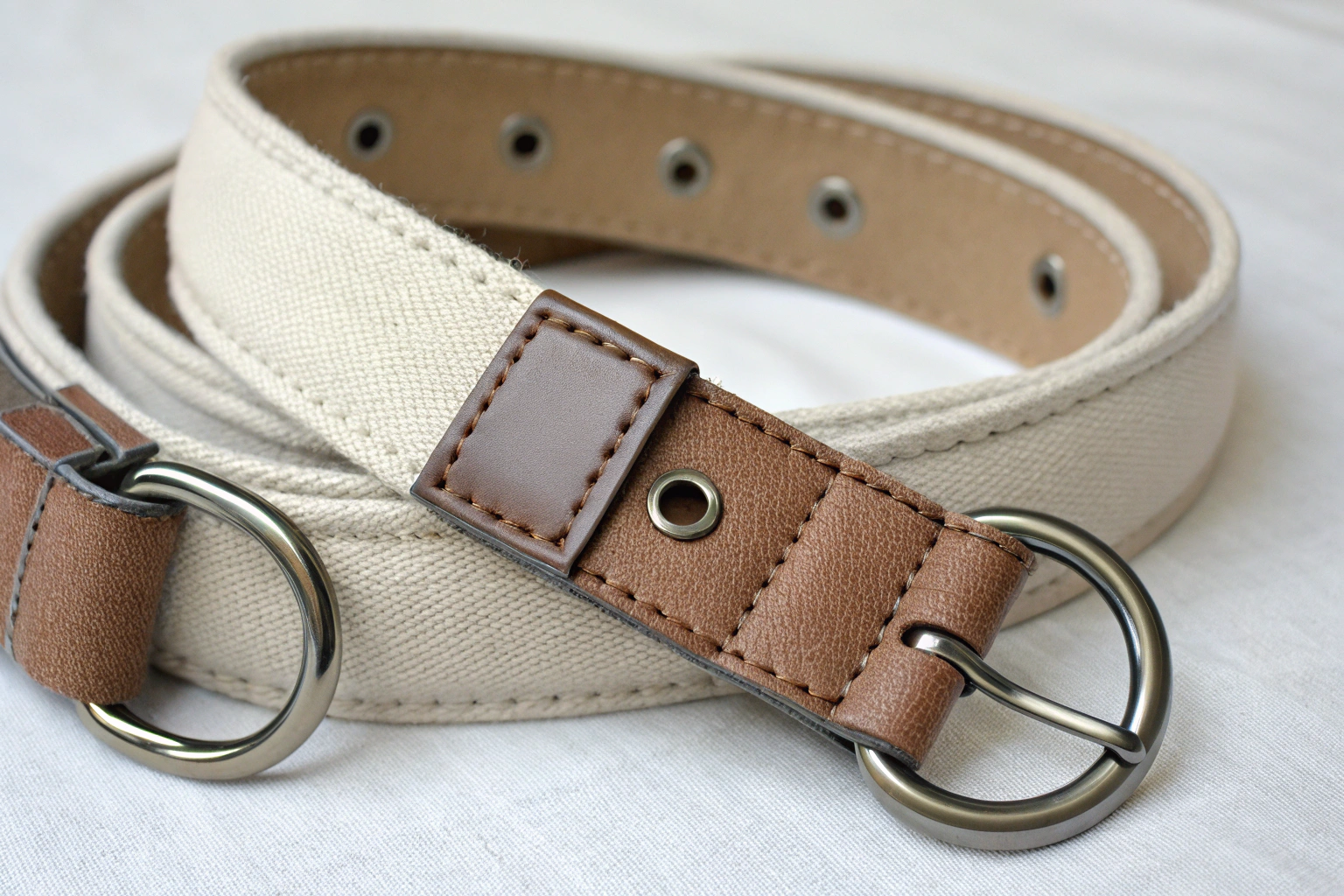
You have seen the trend. Double-ring belts are everywhere. They are minimalist, adjustable, and have a modern, effortless look. You want to add this style to your collection. You email your regular belt factory in China. You send a photo and ask for a quote. The reply is confusing. "We do buckle belts. This style different. Need new pattern. Need new hardware." You are surprised. It looks so simple. Two rings and a strap. Why is this a challenge for a factory that makes thousands of traditional buckle belts? You are not just asking for a different buckle. You are asking for a fundamentally different construction method.
To successfully produce double-ring belt styles with a Chinese factory, you must partner with a supplier that has experience with this specific construction, which requires a different pattern for the strap end, a specialized sewing operation to secure the rings, and access to high-quality, smooth-finish metal rings in the correct size and thickness to function properly without damaging the belt material.
I manage Shanghai Fumao in Zhejiang, and we produce both traditional buckle belts and double-ring styles. The double-ring belt is deceptively simple. Its simplicity is exactly what makes it tricky to manufacture correctly. A factory that only knows how to attach a standard buckle with a snap or a screw will struggle. Let me explain the specific manufacturing knowledge required and how to ensure you get a quality product.
Why Is the Double-Ring Belt Construction Different from a Buckle Belt?
A traditional belt with a prong buckle and a belt loop involves several separate components. The buckle is attached, usually with a snap or a screw. The belt loop, or keeper, is a separate piece that is slid onto the strap and stitched in place. The end of the strap that attaches to the buckle is often folded and stitched down. A double-ring belt consolidates all of this into a single, integrated construction. The two rings serve as both the buckle and the keeper.
The construction requires the end of the belt strap to be folded around both rings and then stitched securely to itself. This creates a permanent loop that holds the rings in place. This requires a different strap pattern. The end that holds the rings needs to be longer to allow for the fold and the stitching. It requires precise measurement to ensure the rings are held snugly but not so tight that the belt cannot be adjusted. The stitching must be extremely strong and durable because all the tension of wearing the belt is concentrated on this single stitched loop. A factory that only knows how to punch a hole for a snap and sew on a separate keeper will not have the pattern or the sewing skills for this construction. This double ring belt construction method versus traditional buckle belt assembly is a fundamentally different skill set.
What Are the Critical Dimensions for the Strap End?
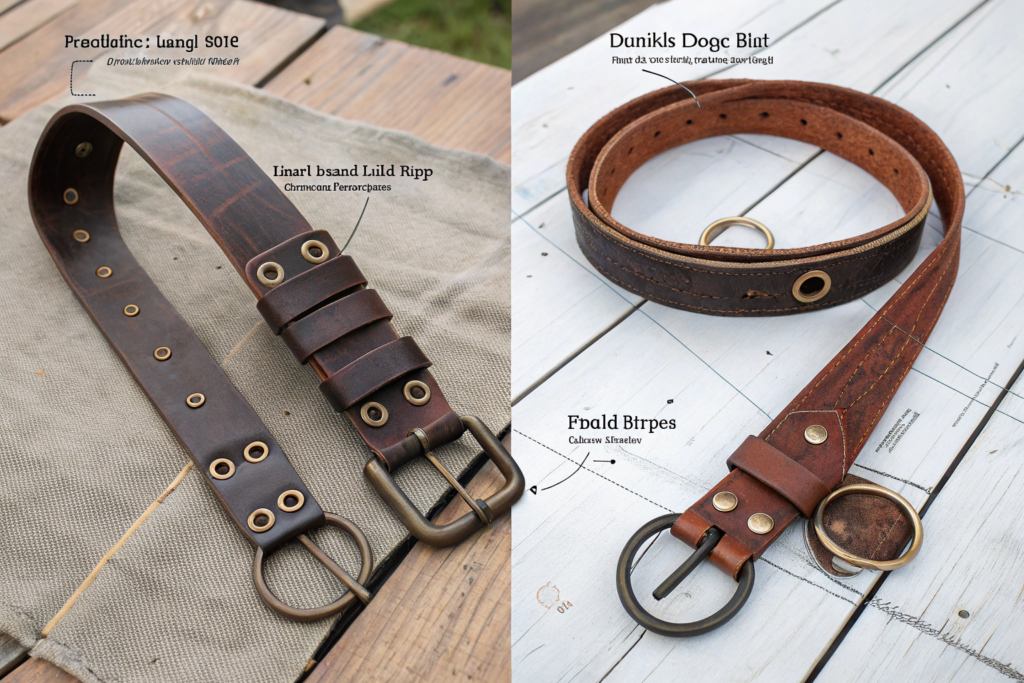
The dimensions of the strap end that wraps around the rings are critical. If it is too short, you cannot fold it and sew it securely. If it is too long, it creates a bulky, unattractive tail. The exact length depends on the size of the rings and the thickness of the belt material. As a general rule, the end needs to be long enough to pass through both rings, fold back on itself for a distance of approximately 5 to 7 centimeters, and allow for two rows of secure stitching. Our pattern makers at Shanghai Fumao have developed precise formulas for calculating this length based on the material and ring size. This is not guesswork. This calculating strap end length for secure double ring belt construction is a precise engineering detail.
How Do You Ensure the Stitching Is Strong Enough?
The stitched loop that holds the rings is the single point of failure on a double-ring belt. If this stitching fails, the belt falls apart. The stitching must be exceptionally strong. We use heavy-duty bonded nylon thread, which is much stronger than standard cotton or polyester thread. We use a minimum of two parallel rows of stitching, and often a box stitch with an X in the center for maximum strength. The stitch length, or the number of stitches per inch, is tightly controlled to ensure durability. We also perform a pull test on a sample from every production batch to verify the strength of the stitched loop. This heavy duty stitching and reinforcement techniques for double ring belt loops is non-negotiable for a quality product.
What Are the Key Quality Requirements for the Metal Rings?
The rings are not just decorative. They are functional hardware that must withstand constant friction and tension. A cheaply made ring with a rough finish or a sharp seam will quickly damage the belt material. As the belt is tightened and loosened, the fabric or leather rubs against the ring. If the ring has any burrs, sharp edges, or a rough weld seam, it will abrade and cut the belt material. The belt will look worn and frayed after minimal use.
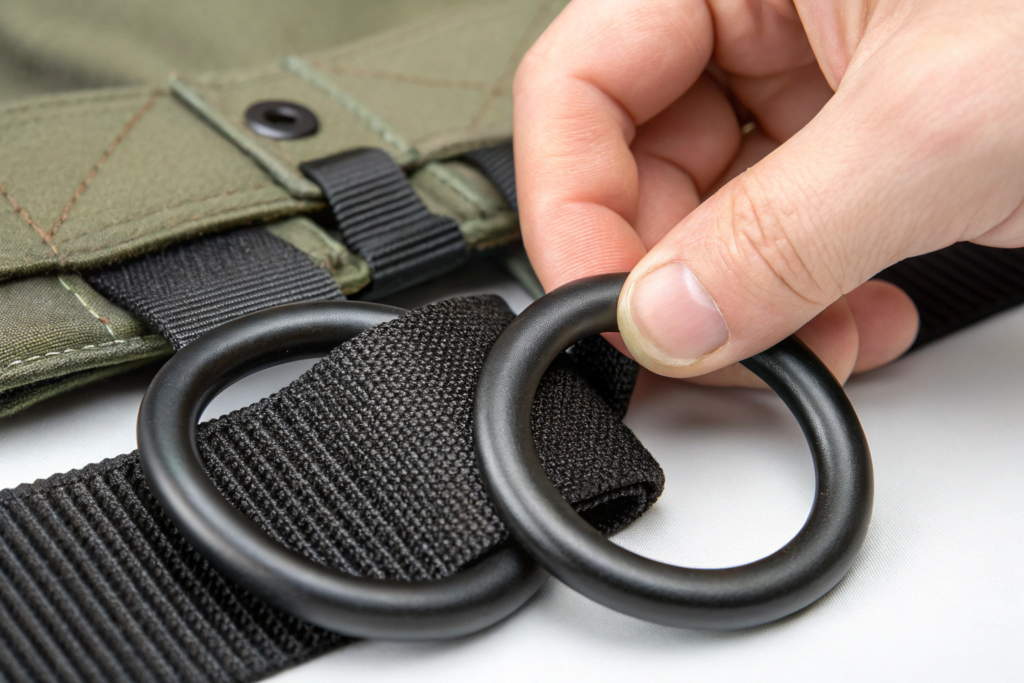
The rings must be made from a solid metal, typically zinc alloy or iron, and must have a perfectly smooth finish. The weld seam where the ring is closed must be ground and polished completely flush. The surface plating or coating must be durable and resistant to chipping. The size and thickness of the ring must be appropriate for the width and thickness of the belt strap. Rings that are too thin will bend under tension. Rings that are too small will not allow the belt to thread easily. At AceAccessory, we source our rings from specialized hardware suppliers who understand these quality requirements. We inspect every batch of rings for finish and dimensional accuracy. This quality specifications for metal D rings and O rings used in belt manufacturing is critical for product longevity.
What Are the Best Metal Finishes for Double-Ring Belts?
The finish of the rings is a key design element and must be durable. The most popular finishes for 2026 are matte black, which offers a modern, minimalist look. Brushed gold or light champagne gold, which adds a touch of warmth and elegance. And gunmetal or dark silver, which provides an industrial, understated feel. The plating must be thick enough to resist wear and scratching. We perform an abrasion test on plated samples to ensure the finish is durable. We can match the ring finish to other hardware in your collection, such as zipper pulls or handbag clasps. This durable and trending metal finishes for belt rings and hardware allows for brand coordination.
Should You Use D-Rings or O-Rings for This Style?
Both D-rings and O-rings are used for this style, and each has a slightly different look and function. D-rings, with their flat side, sit more flush against the body and provide a cleaner, more tailored look. They are the more common choice for fashion belts. O-rings create a slightly different visual, with both rings being perfectly round. They can have a slightly more utilitarian or nautical feel. The choice is primarily aesthetic. We offer both styles and can advise on which size and shape works best with your specific belt width and material. This D ring versus O ring selection for double ring belt styles is a design decision we help our clients make.
How Do You Specify the Correct Leather or Fabric for a Double-Ring Belt?
The double-ring style works with a wide variety of materials, but the material choice affects the functionality and the durability of the interaction with the rings. A material that is too thick or too stiff will be difficult to thread through the rings and will create a bulky, awkward knot. A material that is too thin or too soft may not hold its shape and could slip.
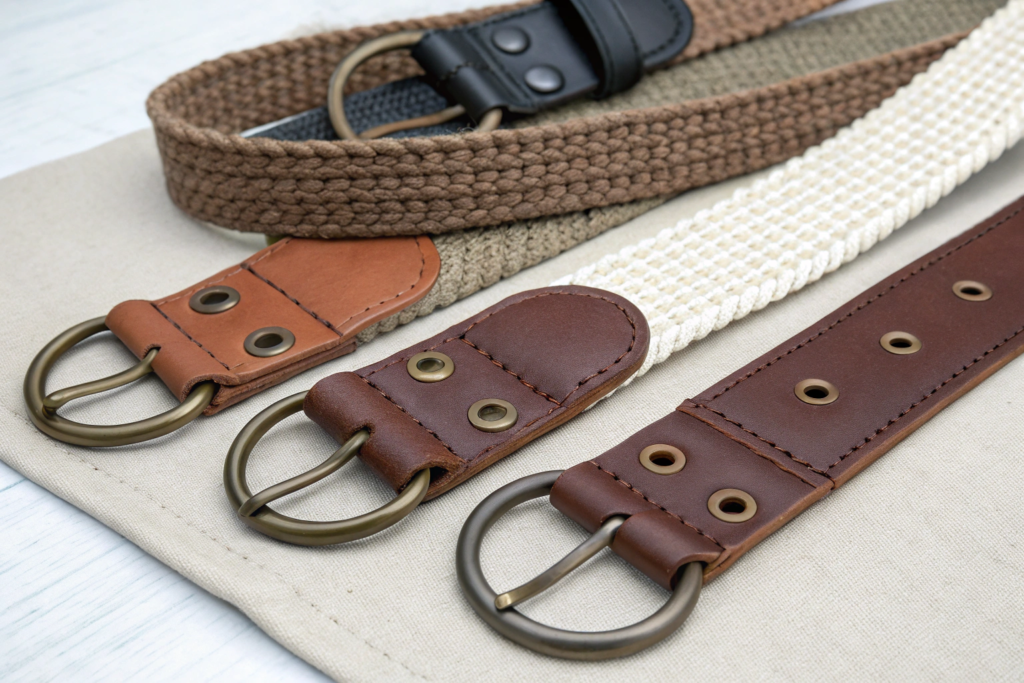
Leather is a classic choice. For a double-ring belt, a supple, medium-weight leather works best. It should be firm enough to hold its shape but flexible enough to thread easily. Suede and nubuck are also popular, offering a softer, more casual look. Fabric belts, such as cotton webbing, canvas, or recycled polyester, are also excellent candidates for this style. They are lightweight, flexible, and often less expensive than leather. The key is to select a material with a tight, durable weave that will not fray easily when rubbed against the rings. This material selection guide for double ring belts leather suede canvas webbing ensures the right match of material and hardware.
How Does Material Thickness Affect the Ring Size and Fit?
The thickness of the belt material and the interior diameter of the rings must be carefully matched. A good rule of thumb is that the interior opening of the ring should be approximately twice the thickness of the belt material to allow for easy threading. If the material is 3mm thick, the ring opening should be at least 6mm. If the material is a thick, 5mm leather, the ring needs a correspondingly larger opening. If the rings are too small, threading the belt becomes a frustrating struggle for the consumer. We calculate the optimal ring size based on the material sample you provide. This matching ring interior diameter to belt material thickness for functionality is a key ergonomic consideration.
Can a Double-Ring Belt Be Made with Vegan Leather?
Absolutely. High-quality polyurethane or PU leather, as well as innovative plant-based materials like Piñatex, made from pineapple leaf fiber, or apple leather, work very well for this style. The same principles apply. The material must be flexible and durable, and the edges must be cleanly finished to prevent fraying or peeling. We have significant experience working with vegan leathers for belt production. We can advise on which vegan materials offer the best combination of aesthetics, durability, and cost for the double-ring style. This vegan leather options for double ring belts PU and plant based materials is a growing segment of the market.
How Do You Ensure a Clean, Minimalist Finish on the Belt End?
The double-ring belt is all about the minimalist aesthetic. There is no buckle to hide behind. The folded and stitched end of the belt is highly visible. The finish on this end must be impeccable. A ragged cut, uneven stitching, or a bulky profile will ruin the clean, modern look.
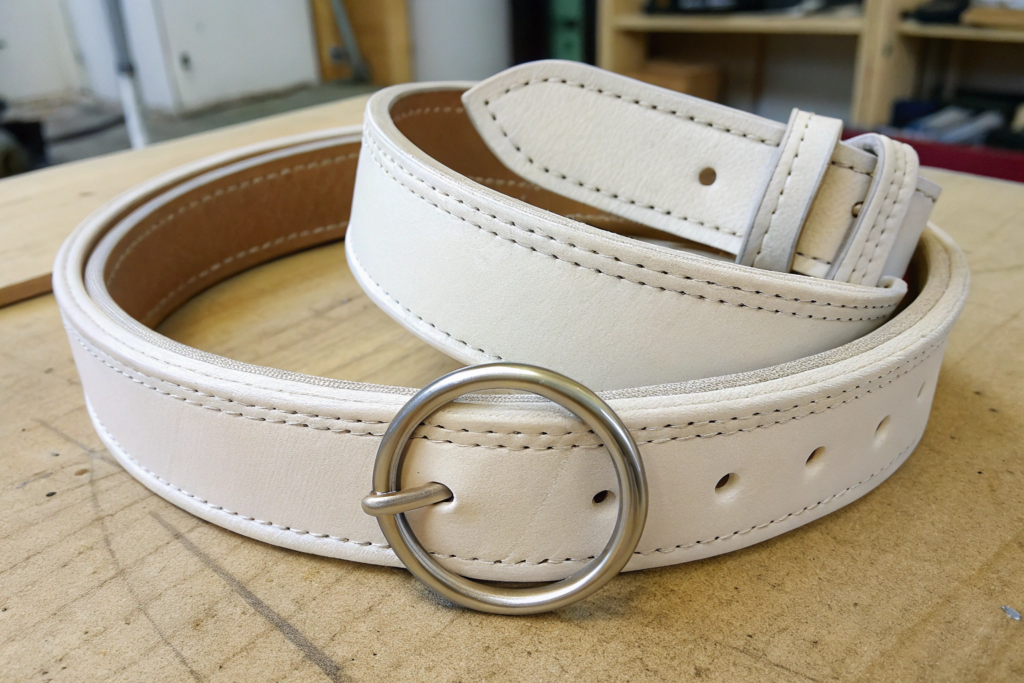
The end of the strap is typically cut at an angle or a soft point. This makes it easier to thread through the rings and adds a refined design detail. The cut edge must be finished. For leather, this means the edge is beveled, sanded smooth, and then painted or burnished to match the color of the leather. For fabric, the edge must be cut cleanly with a hot knife or folded under and stitched to prevent fraying. The stitching that secures the rings must be perfectly straight and even. This attention to detail in the finishing is what separates a premium double-ring belt from a crude imitation. This edge finishing and stitching precision for minimalist double ring belt aesthetics is the hallmark of quality craftsmanship.
What Is the Best Way to Package a Double-Ring Belt?
The minimalist design calls for minimalist, thoughtful packaging. A bulky, plastic-heavy package contradicts the aesthetic. We recommend simple, elegant packaging. A kraft paper belly band that holds the coiled belt. A small, branded hang tag attached with natural twine. An organic cotton pouch for a premium presentation. The packaging should protect the belt during transit and present it beautifully on the retail shelf or in the e-commerce shipment. We work with our clients to develop packaging solutions that align with their brand and the product’s minimalist ethos. This sustainable and minimalist packaging ideas for double ring belts enhances the overall brand experience.
How Do You Test the Functionality of the Double-Ring Closure?
Before a new style goes into bulk production, we perform a series of functional tests. We thread and unthread the belt dozens of times to ensure the rings are smooth and the action is easy. We put the belt on a mannequin and simulate wear, checking that the rings hold the belt securely without slipping. We apply tension to the stitched loop to verify its strength. We check that the end of the belt does not slip back through the rings unintentionally. This real-world functional testing ensures that the belt not only looks good but also performs flawlessly for the consumer. This functional testing and quality assurance for double ring belt mechanisms is the final step before production.
Conclusion
Producing a high-quality double-ring belt requires a factory that understands this style is not just a buckle belt with a different piece of hardware. It is a distinct construction method with its own set of critical dimensions, material considerations, and finishing requirements. The simplicity of the design demands precision and quality in every detail, from the smooth finish of the rings to the strength of the stitching and the clean finish of the strap end.
A factory like Shanghai Fumao, which has dedicated experience with this style, can navigate these details seamlessly. We have the patterns, the hardware sources, the sewing expertise, and the quality control processes to deliver a double-ring belt that is both beautiful and durable. We understand the minimalist aesthetic and the functional demands of this popular style.
If you are looking to add double-ring belts to your collection and want a manufacturing partner with proven expertise in this category, I encourage you to contact our Business Director, Elaine. She can provide samples of our double-ring construction and discuss material and hardware options. You can email Elaine at: elaine@fumaoclothing.com. Let us help you create a belt that is defined by its elegant simplicity.