You have built a beautiful brand around your imported umbrellas. The designs are unique. The quality is excellent. You have done everything right. Then you receive a letter from an attorney. A customer's umbrella malfunctioned during a storm. The metal rib snapped, and a sharp edge cut the customer's hand. They are suing your company for medical expenses and damages. Your stomach drops. You have general business insurance, but you are not sure if it covers this. You realize that selling a physical product exposes you to a specific type of risk you had not fully considered. You are not just selling umbrellas. You are assuming legal responsibility for their safety and performance.
Handling product liability insurance for imported umbrellas requires you, the US importer of record, to secure your own domestic product liability policy with adequate coverage limits, typically $1 million to $2 million per occurrence. You must ensure the policy covers products manufactured in China, maintain a rigorous chain of quality control documentation, and understand that your Chinese factory's insurance does not protect you from lawsuits filed in the United States.
I manage Shanghai Fumao in Zhejiang, and while I am not an insurance agent, I have guided many clients through the practical realities of managing product liability risk for their imported goods. The umbrella is a perfect example of a product with inherent liability exposure. It has moving metal parts. It is used in adverse weather. It can fail. Let me explain the specific steps you need to take to protect your business.
Why Does the Importer of Record Bear the Primary Liability in the US?
This is the most critical concept for any importer to understand. When a product manufactured in China is sold in the United States, the legal responsibility for its safety falls primarily on the company that brings it into the country and places it into the stream of commerce. This is you, the importer of record. The fact that the product was made by a factory in Zhejiang does not shield you from liability. US courts will hold you responsible.
If a consumer is injured by a defective umbrella, their attorney will sue the deepest pockets in the supply chain. That is typically the US brand or retailer, not the overseas factory. Suing a Chinese factory in a US court is procedurally difficult and expensive. Suing the US company whose name is on the product is straightforward. Therefore, you must have your own US-based product liability insurance policy that names your company as the insured. You cannot rely on any insurance policy held by your Chinese factory. That policy likely does not provide coverage for lawsuits filed in the US, and it does not name you as an insured party. This importer of record legal liability for product defects in the United States is the fundamental reason you need your own coverage.
Does the Factory's Insurance Provide Any Protection for Me?
In almost all cases, no. A typical Chinese factory will have some form of business insurance, but it is designed to protect the factory's assets in China. It is not designed to defend and indemnify a US brand against a product liability lawsuit filed in a US court. The policy language, the coverage territory, and the named insured will not extend to you. While you can request to be named as an "additional insured" on the factory's policy, this is rarely granted for foreign entities and, even if it is, the coverage is often limited and difficult to enforce across international borders. You must have your own domestic policy. This limitations of relying on a Chinese factory's insurance for US product liability claims is a critical risk management reality.
What Is the Difference Between General Liability and Product Liability?
Many small business owners have a Commercial General Liability or CGL policy. They assume this covers everything. A CGL policy does include coverage for product liability, but it is important to understand the scope. The CGL policy typically covers bodily injury and property damage arising from your products. However, you must ensure that the policy includes "Products-Completed Operations" coverage. This is the specific part of the policy that covers claims arising from products that have been sold and are in use by consumers. You should review your policy with your insurance broker to confirm you have adequate product liability limits, typically written as a per-occurrence limit and an aggregate limit. This commercial general liability versus specific product liability coverage explained is an important distinction to discuss with your broker.
What Are the Specific Liability Risks Associated with Umbrellas?
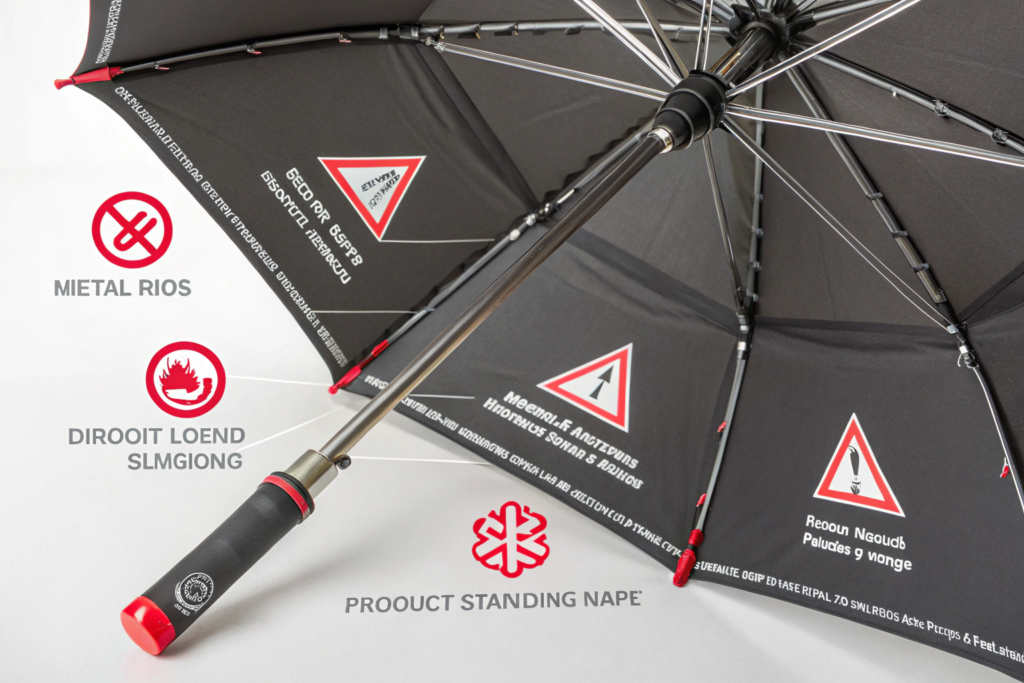
Umbrellas are not just fashion accessories. They are mechanical devices with inherent risks. Understanding these specific risks helps you communicate with your insurance broker and implement quality control measures to mitigate them. The primary risks associated with umbrellas include mechanical failure of the frame, sharp edges and points, and pinching injuries.
The metal ribs and stretchers of an umbrella are under tension. A cheaply made rib can snap under wind pressure, creating a sharp, jagged point that can cut the user's hand or face, or even injure a bystander. The opening mechanism, particularly on automatic umbrellas, uses a strong spring. A malfunctioning mechanism can cause the umbrella to open unexpectedly with force, striking the user. The metal tip at the top of the umbrella, known as the ferrule, and the tips at the end of the ribs are points that can cause eye injuries or scratches. A quality umbrella is engineered to minimize these risks. A cheap umbrella amplifies them. At Shanghai Fumao, our quality control for umbrellas specifically addresses these risk areas. We use flexible fiberglass ribs instead of brittle steel. We test the automatic open and close mechanism for smooth, controlled operation. We ensure all tips are securely capped and smooth. This inherent product liability risks associated with umbrella design and construction informs both our manufacturing and your insurance needs.
How Can Quality Control Documentation Reduce My Liability Risk?
In the event of a lawsuit, your best defense is evidence. You need to be able to demonstrate that you exercised reasonable care in the design, manufacture, and importation of the product. This is where your quality control documentation becomes invaluable. Your attorney will want to see your product specifications. They will want to see the test reports showing the umbrella frame met certain strength standards. They will want to see the inspection reports from the factory showing that the specific lot of umbrellas passed QC. They will want to see your communications with the factory regarding safety and compliance.
At Shanghai Fumao, we provide our clients with a comprehensive documentation package. This includes material specifications, assembly drawings, and final AQL inspection reports. We can also provide test reports for specific performance criteria, such as frame strength or sharp point testing. This documentation trail is not just about quality. It is a critical legal asset. It demonstrates due diligence. This importance of quality control documentation in defending product liability claims cannot be overstated.
Do I Need Different Insurance for Manual Versus Automatic Umbrellas?
From an underwriting perspective, an automatic umbrella, with its spring-loaded opening mechanism, is considered a slightly higher risk than a simple manual umbrella. The potential for a malfunction causing injury is greater. When you apply for product liability insurance, your broker will likely ask about the types of products you sell. Be honest and specific. Disclose that you sell automatic umbrellas. The premium difference is likely to be minimal, but failure to disclose could jeopardize your coverage in the event of a claim. This product liability underwriting considerations for manual versus automatic opening umbrellas is a detail your broker needs to know.
How Much Product Liability Insurance Coverage Do I Need?
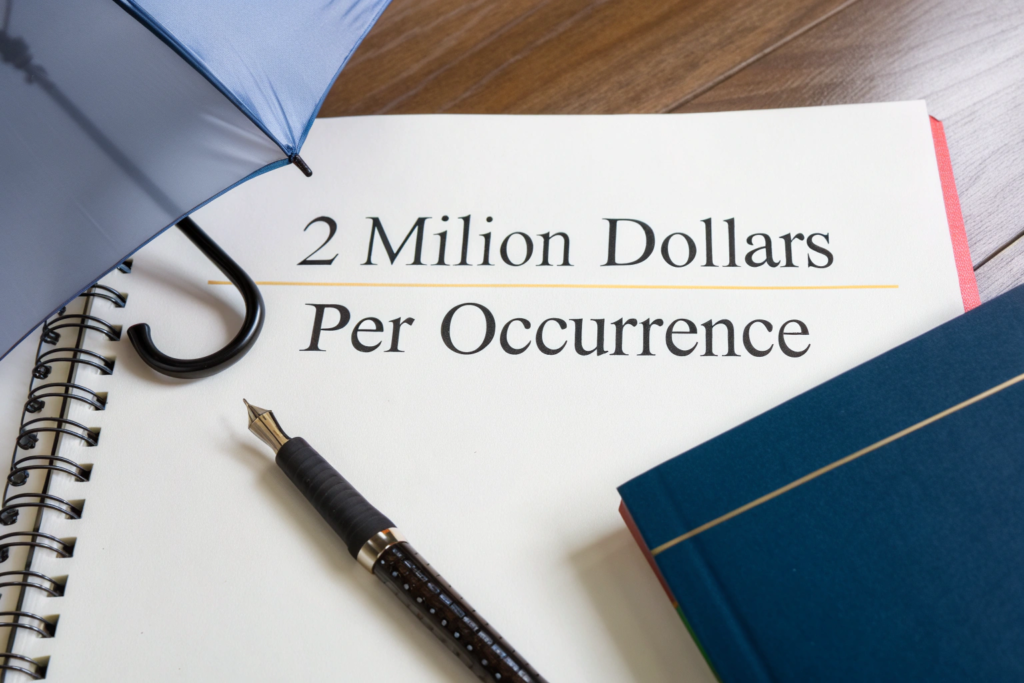
This is the question every importer asks. The answer depends on several factors, including the volume of your sales, the types of retailers you sell to, and your personal risk tolerance. However, there are clear industry standards that serve as a starting point. The most common coverage limit requested by retailers and considered a baseline of adequate protection is $1 million per occurrence and $2 million in the aggregate.
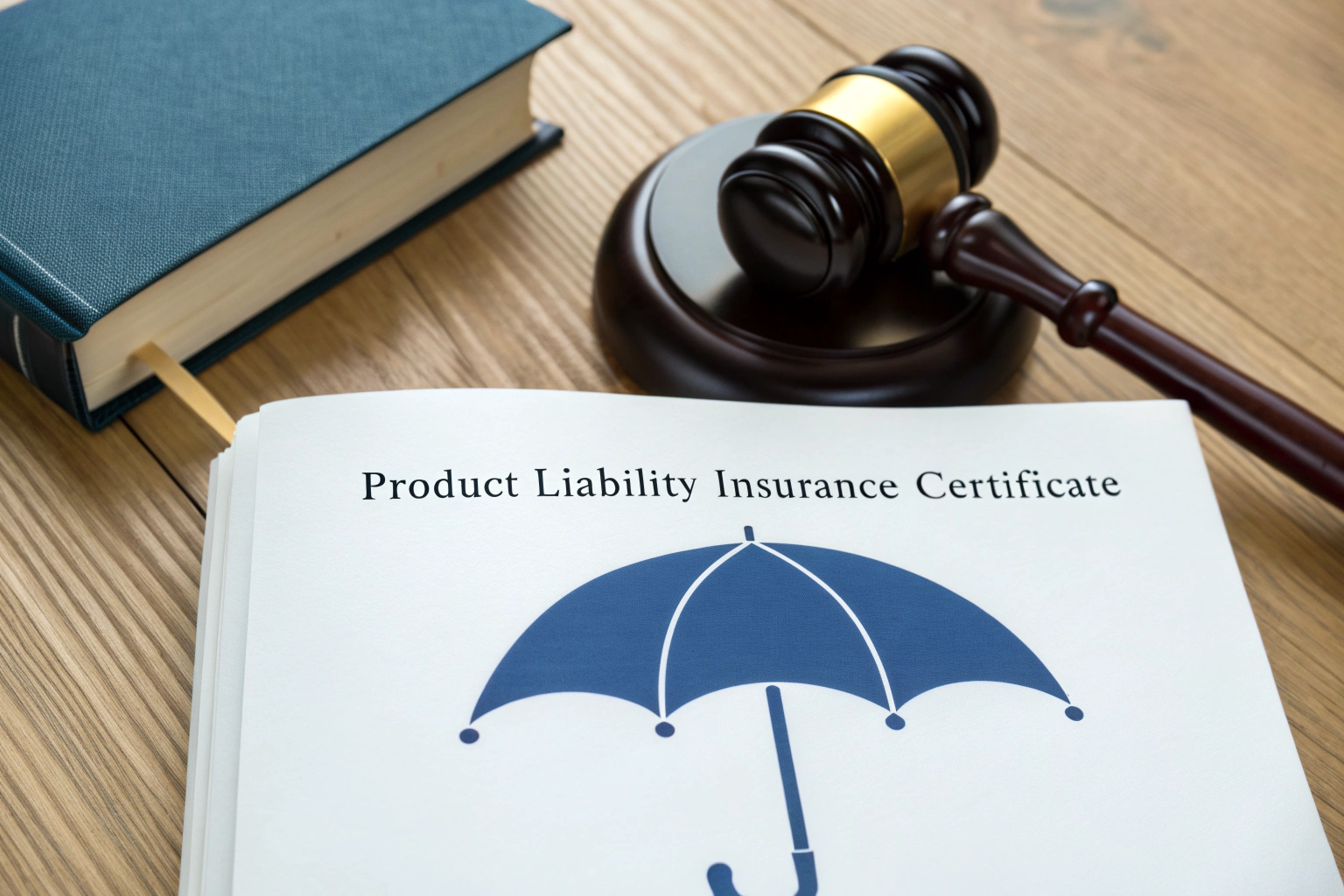
If you sell your umbrellas to major retailers, such as department stores or large chains, they will almost certainly require you to list them as an "additional insured" on your policy and to provide a certificate of insurance showing coverage limits of at least $1 million, and often $2 million or more. This is a non-negotiable requirement for doing business with them. Even if you only sell direct-to-consumer online, a $1 million per occurrence limit is a prudent minimum. The cost of defending even a frivolous lawsuit can be tens of thousands of dollars. A serious injury claim can easily exceed $1 million in medical costs and damages. This recommended product liability insurance coverage limits for consumer goods importers provides a financial safety net.
What Does It Mean to Add a Retailer as an Additional Insured?
This is a standard request from retail partners. Adding a retailer as an "additional insured" on your product liability policy extends your coverage to protect them against claims arising from your product. If a customer sues the retailer because your umbrella malfunctioned, your insurance policy will defend the retailer and pay any settlement or judgment, up to your policy limits. The retailer wants this protection so they are not left holding the bag for a defect in a product you manufactured and supplied. The cost to add an additional insured is usually minimal or free. You simply request a certificate of insurance from your broker naming the retailer. This additional insured endorsement on product liability policies for retailers is a standard business practice.
How Much Does Product Liability Insurance for Umbrellas Typically Cost?
The cost of product liability insurance varies widely based on your sales volume, your claims history, and the specific insurer. For a small to medium-sized accessories brand with annual revenue under $1 million and no prior claims, a $1 million per occurrence policy might cost anywhere from $750 to $2,500 per year. It is a relatively affordable form of business insurance considering the catastrophic risk it protects against. The best way to get an accurate quote is to work with an insurance broker who specializes in commercial insurance for product-based businesses. They can shop your risk to multiple carriers and find the best rate. This estimated cost range for product liability insurance for small to medium accessory brands is a worthwhile investment for peace of mind.
How Do I File a Claim If a Customer Reports an Injury?
Despite your best efforts at quality control, an incident may occur. A customer contacts you to report that your umbrella broke and caused an injury. Your response in the first few hours and days is critical. Do not admit fault. Do not offer to pay for anything immediately. Your first call should be to your insurance broker or directly to the claims hotline for your insurance carrier.
You need to document everything. Record the customer's name, contact information, and a detailed description of the incident. Ask for photos of the injury and the failed umbrella. Secure the physical umbrella if possible. Provide all of this information to your insurance carrier. They will assign a claims adjuster who will investigate the incident and handle all communication with the injured party. Your role is to cooperate fully with your insurance company's investigation. This is why you pay for insurance. Let the professionals handle it. This steps to take when a product injury claim is reported by a customer protects your legal position.

Should I Issue a Product Recall for a Defective Umbrella?
A product recall is a serious and costly undertaking. It is typically initiated when a defect is discovered that poses a substantial safety hazard. If you discover a systemic defect in a batch of umbrellas, for example, you learn that a specific lot of automatic umbrellas has a faulty spring that causes them to shatter, you have a legal obligation to report this to the Consumer Product Safety Commission or CPSC. You should consult with an attorney specializing in CPSC compliance. Your product liability insurance policy may provide some coverage for recall expenses, but this is often a separate endorsement you must purchase. The decision to initiate a recall is complex and should not be made without expert legal guidance. This product recall obligations and procedures for consumer goods under CPSC regulations is a specialized area of law.
How Do I Vet a Factory to Minimize My Liability Exposure?
Your first line of defense against liability claims is choosing the right factory partner. You need a factory that has robust quality control systems and that uses quality materials and components. During your vetting process, ask specific questions about their quality assurance for umbrellas. "What type of ribs do you use? What is your testing protocol for the automatic open mechanism? Can you provide a test report showing the frame strength?" A factory like AceAccessory can answer these questions with data and documentation. A factory that cannot or will not provide this information is a higher risk. Your due diligence in selecting a factory is part of your legal defense. This factory vetting checklist for minimizing product liability risk in umbrella imports is a proactive risk management tool.
Conclusion
Handling product liability insurance for imported umbrellas is a non-negotiable responsibility of being a US importer and brand owner. The legal system places the burden of product safety squarely on your shoulders. You cannot outsource this risk to your Chinese factory. The solution is a three-part strategy. First, secure your own domestic product liability insurance policy with adequate limits, typically $1 million to $2 million per occurrence. Second, partner with a quality-focused factory like AceAccessory that provides the documentation and testing to demonstrate due diligence. Third, have a clear plan for documenting and reporting any incidents.
This may seem like a daunting added cost and complexity. But the cost of a modest insurance premium and a rigorous quality program is infinitesimal compared to the potential cost of a single serious injury lawsuit. It is the price of building a sustainable, responsible brand. It allows you to sleep at night, knowing that you have protected your business and your personal assets from the inherent risks of bringing physical products to market.
At Shanghai Fumao, we support our clients' risk management efforts by providing transparent quality control and comprehensive documentation. We view this as part of our partnership.
If you are sourcing umbrellas and want to discuss our quality assurance protocols and the documentation we can provide to support your insurance and compliance needs, I encourage you to contact our Business Director, Elaine. You can email Elaine at: elaine@fumaoclothing.com. Let us help you build a safe and successful umbrella program.