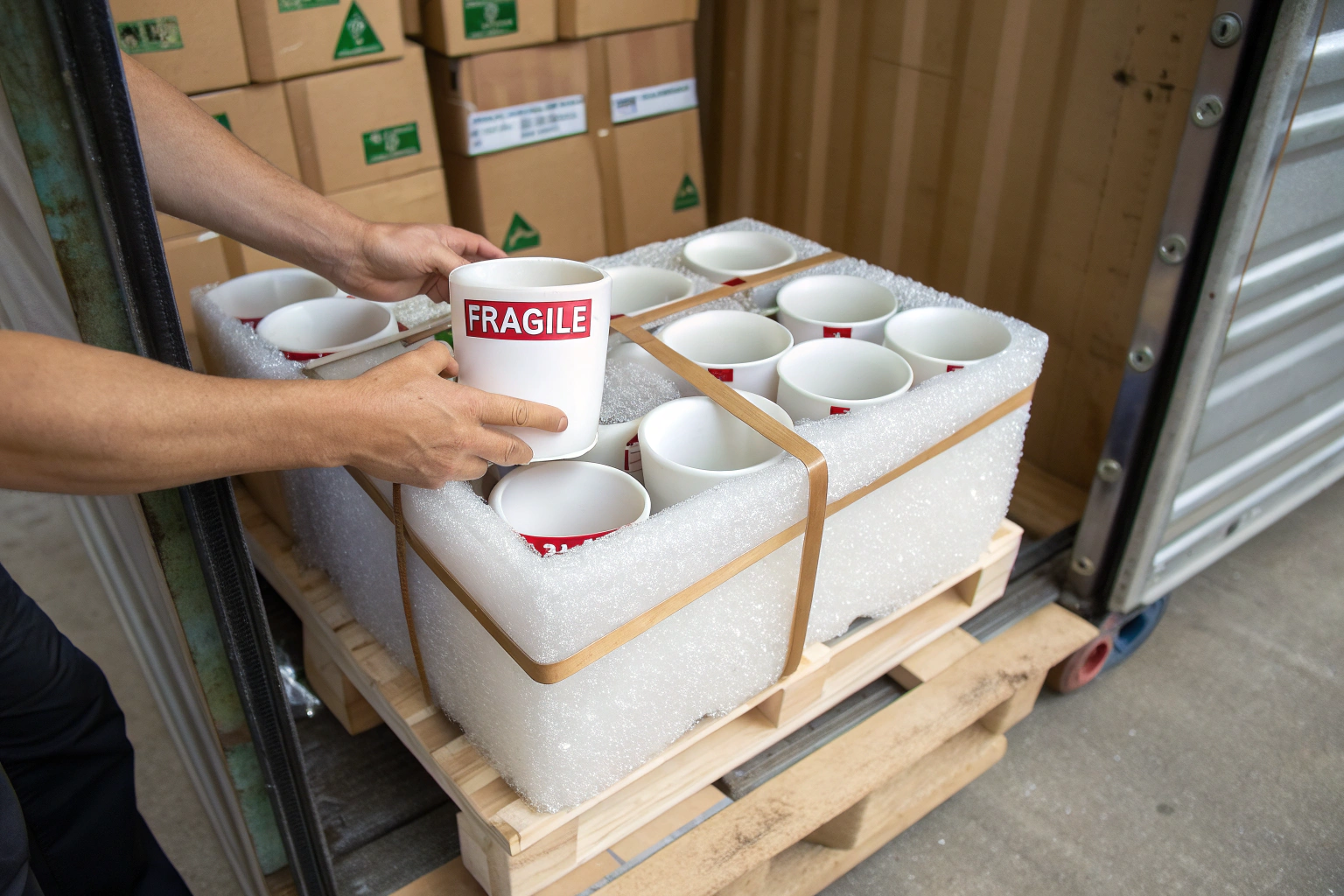
You spent six months developing a beautiful line of ceramic cups. The glaze is perfect. The shape is unique. Your first order of 2,000 units is finally ready at the factory in China. Now comes the moment of truth. You must get these fragile, breakable items from our loading dock in Zhejiang to your warehouse in California without them arriving as a box of expensive ceramic shards. You ask your freight forwarder for a quote. They give you options: the cheap consolidator, the standard carrier, the premium service. You do not know which one to trust. You are not just shipping cups. You are shipping your brand’s reputation and a significant financial investment.
The safest logistics provider for shipping fragile cups overseas is not a single company, but a combination of a specialized freight forwarder experienced in handling high-value, breakable consumer goods, using a premium ocean carrier with a proven low-damage record, and most critically, a factory that engineers the packaging and palletization to withstand the specific rigors of ocean transit and multiple handling points.
I manage AceAccessory in Zhejiang, and while cups are a smaller part of our overall accessory business, the principles of shipping fragile items are universal. I have seen shipments arrive perfectly and I have seen the heartbreaking photos of crushed cartons and broken product. The difference is rarely the carrier’s name on the side of the container. The difference is the preparation before the container doors ever close. Let me explain the layered approach to safe fragile shipping.
Why Is Packaging Engineering More Critical Than the Carrier Name?
You might assume that choosing a famous, expensive carrier guarantees safe delivery. It does not. An ocean container is a brutal environment. It is stacked ten high on a ship. It is lifted by cranes. It is jostled on trucks. It is exposed to humidity and temperature swings. Your fragile cups will experience significant vibration and compression forces regardless of which carrier’s logo is on the vessel.
The primary determinant of safe arrival is the packaging. The packaging must be engineered to protect the cup from the specific hazards of the journey. This is not about putting some bubble wrap in a box and hoping for the best. It is about calculated protection.
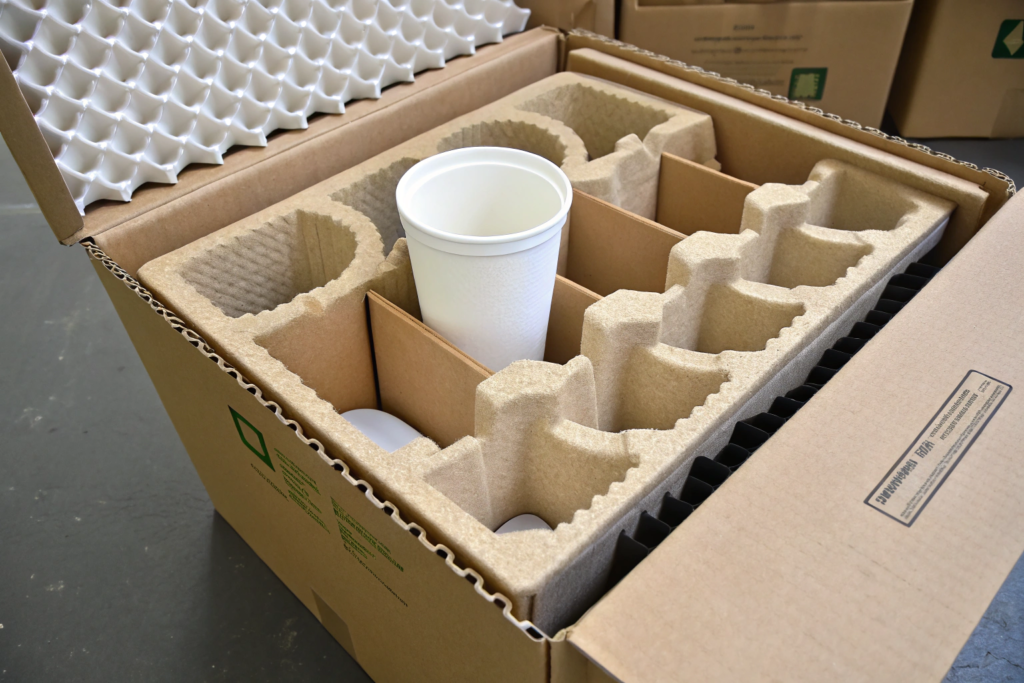
At Shanghai Fumao, for any fragile item, we start with the packaging design. We use an inner box to cradle the individual cup. This inner box often uses custom-cut foam or molded pulp inserts that suspend the cup and prevent it from touching the sides of the box. This inner box is then placed inside a master carton. The master carton must be made of high-quality, double-wall corrugated cardboard. It must be strong enough to be stacked without collapsing. Void fill is used to prevent the inner boxes from shifting. This engineered protective packaging design for fragile ceramic and glass items is the single most important factor in preventing breakage.
What Is the ISTA 3A Drop Test and Why Should You Require It?
How do you know if the packaging is good enough? You test it. The International Safe Transit Association or ISTA publishes standardized testing protocols that simulate the hazards of the distribution environment.
The ISTA 3A test is specifically designed for parcel delivery and less-than-truckload shipments. It includes a series of drops, vibrations, and compression tests. A packaged product that passes ISTA 3A has a very high probability of surviving the journey intact. We can perform this test in-house or through a third-party laboratory. We drop the packaged cup from a specified height onto a concrete floor. We check for damage. We adjust the packaging until it passes.
Requesting an ISTA 3A test report or certification for your packaging provides objective evidence that your goods are protected. It is a far better indicator of safe arrival than the carrier’s brand name. This ISTA 3A package testing certification for fragile consumer goods is the standard you should demand from your factory.
How Does Palletization Prevent Damage During Transit?
A loose carton is a vulnerable carton. It can be thrown, kicked, or crushed by heavier cartons. A properly built and secured pallet transforms multiple loose cartons into a single, solid, stable unit that is handled by a forklift. This dramatically reduces handling damage.
The cartons of cups should be stacked neatly on a sturdy, four-way entry pallet. The stack should be interlocked for stability. Edge protectors should be placed on the corners to prevent the strapping from cutting into the cartons. The entire pallet should be wrapped tightly with multiple layers of stretch film. The film binds the cartons together into a single, rigid block.
When the pallet is moved by a forklift, the entire unit moves. The individual cartons do not shift or rub against each other. This is the single most effective way to prevent transit damage. We palletize all fragile shipments at AceAccessory. This proper palletization techniques for reducing transit damage to fragile cargo is a non-negotiable part of our shipping process.
Which Freight Forwarders Specialize in Fragile and High-Value Goods?
You do not book space directly with the ocean carrier. You work through a freight forwarder. The forwarder is your logistics partner. They book the vessel space, manage the documentation, and coordinate the inland trucking. Choosing a forwarder with specific experience in fragile goods is essential.
A forwarder that only handles heavy machinery or raw materials may not understand the nuances of shipping consumer goods. A forwarder that specializes in retail and e-commerce freight understands the importance of timely delivery and damage-free arrival. They have relationships with carriers that are known for better cargo care. They can advise on insurance options.
We work with a select group of forwarders who have proven track records with our clients’ fragile shipments. We can recommend these forwarders to you. They understand our packaging methods and they communicate clearly. This selecting a freight forwarder with expertise in fragile and high value consumer goods is a critical decision in your supply chain.

What Is the Difference Between a Consolidator and a Direct Carrier?
A freight consolidator, or NVOCC, combines multiple small shipments from different shippers into a single full container. This is how LCL freight works. Your pallet of cups might share a container with someone else’s shipment of textiles. This introduces risk. You have no control over how the other cargo is packed or how the container is loaded. The consolidator’s container might be loaded and unloaded multiple times at their warehouse, increasing handling.
A direct carrier service, where your goods fill a full container, either your own FCL or a dedicated FCL, is inherently safer for fragile items. The container is loaded once at our factory. It is sealed. It is not opened again until it reaches its final destination. There is no intermediate handling. There is no risk of someone else’s poorly packed cargo shifting and crushing your goods.
For fragile items like ceramic cups, FCL is strongly recommended. The cost savings of LCL are often erased by the cost of a single broken cup. This LCL consolidation versus FCL direct shipping for fragile cargo protection is a risk management decision.
How Important Is Cargo Insurance and What Does It Actually Cover?
Cargo insurance is a non-negotiable requirement for shipping fragile goods. But you must understand what you are buying. Standard carrier liability is minimal. It is often limited to a small amount per kilogram, which is a fraction of the retail value of your cups.
All-risk cargo insurance covers physical loss or damage from external causes. It covers breakage. But it does not cover inherent vice. Inherent vice is damage caused by the nature of the product itself, such as a poorly made cup that breaks under normal transit vibration. It does not cover damage caused by insufficient packaging. This is why the packaging engineering is so critical. If you file an insurance claim, the insurer will investigate the packaging. If they determine the packaging was inadequate, your claim may be denied.
We work with our clients to ensure the declared value on the insurance certificate is accurate. We provide the packing list and commercial invoice required for the insurance application. This cargo insurance coverage and exclusions for fragile product shipments is a essential financial protection.
What Role Does the Factory Play in Ensuring Safe Ocean Transit?
The journey of your fragile cups begins on our factory floor. The care and precision we apply during the packing and loading process set the stage for everything that follows. A factory that treats packing as an afterthought will produce damaged goods, regardless of which carrier you choose.
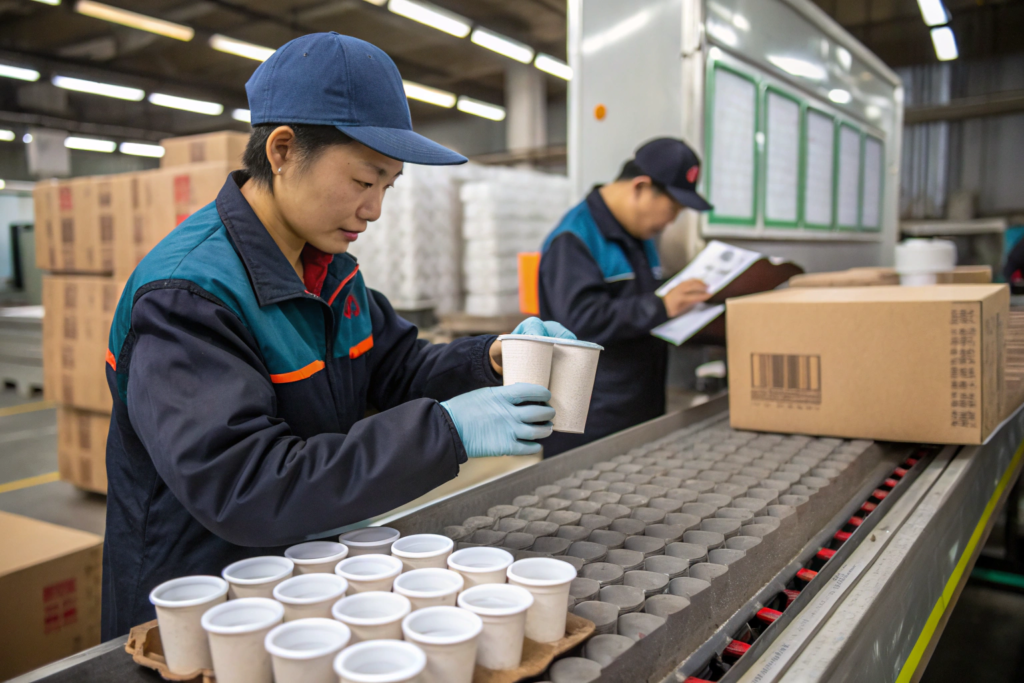
At AceAccessory, packing fragile items is a specific, trained skill. Our packing team follows a detailed Standard Operating Procedure or SOP. They know the correct way to assemble the inner box and insert the cup. They know how much void fill to use. They know how to seal the carton securely. They know how to build a stable pallet. This is not unskilled labor. It is a critical quality control step.
We also photograph the loading process. We take pictures of the pallets inside the container. We take a picture of the closed and sealed container doors with the container number visible. This photo documentation provides a record of the condition of the goods at the point of origin. It is valuable evidence in the event of an insurance claim. This factory responsibility and packing SOPs for export of fragile goods is the first and most important line of defense against damage.
How Should the Container Be Loaded to Minimize Movement?
Even within a full container, cargo can shift if not loaded correctly. The forces of the ocean can cause cartons to slide and rub, leading to abrasion damage or collapse. The container must be loaded to form a solid, tight block.
We load the pallets tightly from the nose of the container to the door. Any remaining space at the door is filled with dunnage. Dunnage can be air bags, which are inflated to fill the void, or honeycomb cardboard, or wood bracing. The goal is to eliminate any empty space that would allow the cargo to shift. The cargo should be immobilized.
We also consider weight distribution. Heavy pallets should not be loaded on top of lighter, fragile pallets. The load should be balanced from side to side. These loading principles are fundamental to cargo securement. This container loading and cargo securement best practices for fragile shipments prevents the most common cause of in-transit damage.
What Documentation Helps Track and Manage the Shipment?
Visibility into the shipment’s journey reduces anxiety and allows you to plan. A professional factory and forwarder provide you with the key tracking documents.
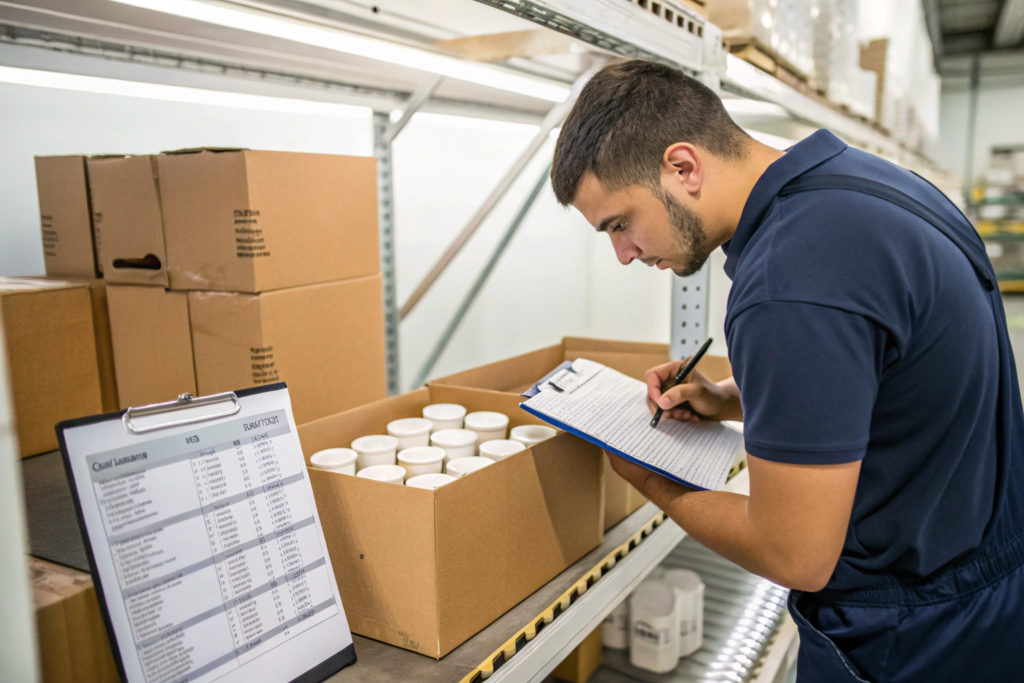
You should receive the ocean carrier’s Bill of Lading number. This allows you to track the vessel’s progress across the ocean. You should receive the container number. You should receive a copy of the packed container photo and the detailed packing list showing exactly how many cartons of each SKU are on each pallet. This documentation package gives you full control and visibility. If a problem arises, you have the information you need to address it quickly. This essential shipping documents for tracking and managing fragile international cargo is part of our standard service.
How Do You Handle Last-Mile Delivery and Final Inspection?
The journey is not over when the container is unloaded at the port. The final leg of the journey, from the port to your warehouse, is often where hidden damage occurs. The trucking company that handles this last-mile delivery is a critical link in the chain.
We recommend using a trucking company that is experienced in handling palletized, fragile freight. They should have air-ride suspension on their trailers to minimize vibration. You should coordinate with your warehouse team to inspect the shipment immediately upon arrival. Before the driver leaves, your team should check the pallets for any visible damage to the stretch wrap or the cartons. They should note any exceptions on the delivery receipt. "Carton #12 crushed" or "Pallet wrap torn." This documentation is essential for filing a claim if damage is discovered later. This last mile delivery and receiving inspection procedures for fragile imported goods protects your interests at the final stage.
What Is the Protocol for Discovering Damage After Delivery?
Sometimes, concealed damage is not discovered until the cartons are opened days or even weeks after delivery. This is a difficult situation, but it is not hopeless.
You must have a clear protocol. Photograph the damaged product and the packaging immediately. Retain all packaging materials for inspection by the insurance surveyor. Notify your freight forwarder and your insurance broker in writing within the time limit specified in your policy, typically within a few days of discovery. Provide the photos, the packing list, and the commercial invoice.
Your insurance broker will guide you through the claims process. The key is prompt notification and thorough documentation. This concealed damage claims process for imported fragile goods is a procedure you should understand before you ever need to use it.
Can Air Freight Be a Safer Option for Fragile Cups?
Air freight involves less overall transit time, which reduces the window of exposure to potential damage. However, air freight involves more handling events. The goods are loaded and unloaded from trucks, moved through cargo terminals, and loaded into aircraft containers. Each handling event is an opportunity for mishandling.
The packaging for air freight must be just as robust as for ocean freight. The primary advantage of air freight for fragile items is the reduced time in transit. This can be beneficial for time-sensitive launches or for replenishing inventory after a damage claim. However, the cost is significantly higher. For most cup shipments, well-engineered packaging and careful palletization for ocean freight provide adequate protection at a much lower cost. This air freight versus ocean freight risk and cost analysis for fragile items is a trade-off between transit time and shipping cost.
Conclusion
The safest logistics provider for shipping fragile cups overseas is not a single name you can pick from a list. It is an ecosystem of carefully managed steps, starting with engineered packaging that passes ISTA testing, continuing with a factory that packs and palletizes with precision, supported by a specialized freight forwarder who books space on reliable vessels, and ending with a careful last-mile delivery and a diligent receiving inspection.
The carrier’s name on the side of the ship is the least important variable in this equation. The most important variable is the preparation. A well-packaged, properly palletized shipment will survive a journey on almost any carrier. A poorly packaged shipment will be damaged, regardless of how much you paid for premium freight.
At Shanghai Fumao, we take responsibility for the preparation. We engineer the packaging. We build the pallets. We document the loading. We work with trusted forwarders. We do everything in our control to ensure your fragile cups arrive at your warehouse in the same perfect condition they left our factory. We cannot control the ocean, but we can control the box.
If you are planning a shipment of fragile items and want a factory partner who treats packing as a science, not an afterthought, I encourage you to contact our Business Director, Elaine. She can discuss our packaging protocols and provide examples of our palletization and loading procedures. You can email Elaine at: elaine@fumaoclothing.com. Let us help you ensure your fragile products survive the journey and delight your customers.