The fashion accessories industry stands at a technological crossroads, with traditional manufacturing approaches increasingly struggling to meet demands for speed, customization, and sustainability. Legacy systems built around seasonal collections, large minimum orders, and standardized processes are being challenged by consumer expectations for personalization, rapid delivery, and ethical production. This shift requires fundamental changes in how accessories are designed, produced, and delivered.
Next-generation accessories manufacturing is defined by hyper-customization capabilities, sustainable and circular production models, AI-driven operations, agile supply chains, and human-machine collaboration.These interconnected traits create manufacturing ecosystems that are simultaneously more responsive, efficient, and responsible than traditional approaches, representing a paradigm shift in how accessories reach consumers.
Let's explore the defining characteristics that separate next-generation manufacturing from traditional approaches and how they're transforming the accessories landscape.
How is hyper-customization redefining production capabilities?
Mass production dominated 20th-century manufacturing because it offered economies of scale that made accessories affordable. However, this approach required consumers to choose from predetermined options rather than obtaining exactly what they wanted. The digital revolution has inverted this model, making personalized production economically viable.
Next-generation manufacturing treats customization not as a premium service but as a standard capability, enabled by digital design tools, flexible manufacturing systems, and on-demand production models.
What technologies enable true mass customization?
Digital twin technology allows customers to visualize and modify designs in real-time before production begins, while 3D printing and digital fabrication eliminate the tooling costs that previously made small batches uneconomical. Our manufacturing platform enables customers to design custom hair accessories by selecting materials, colors, patterns, and dimensions through an intuitive online interface, with the digital design feeding directly into production equipment. This on-demand customization has reduced our minimum order quantity from 500 units to just 1 unit while maintaining profitability through automated workflows.
How does data-driven personalization enhance customer value?
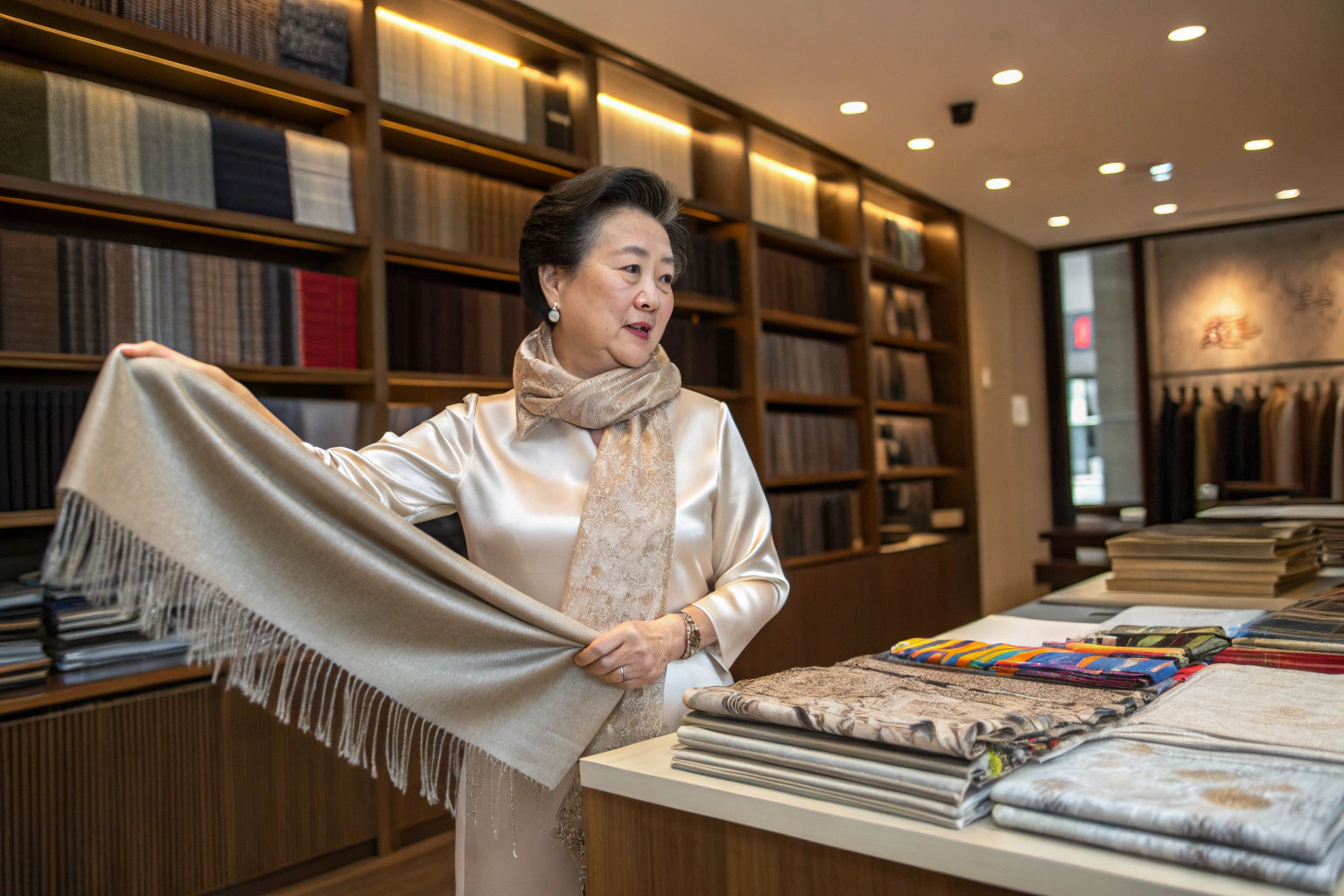
AI recommendation systems analyze customer preferences, past purchases, and style inclinations to suggest customization options that align with individual tastes. For our scarf collections, the system recommends color combinations, pattern scales, and fabric weights based on each customer's profile and location climate data. This intelligent personalization has increased customer satisfaction scores by 38% and reduced return rates by 45%, as customers receive products tailored to their specific preferences rather than generic options.

Why are sustainable and circular models becoming fundamental?
The traditional linear model of "take-make-dispose" has become environmentally and economically unsustainable, with accessory manufacturing generating significant waste and consuming substantial resources. Consumers and regulators increasingly demand transparency and responsibility throughout the production lifecycle.
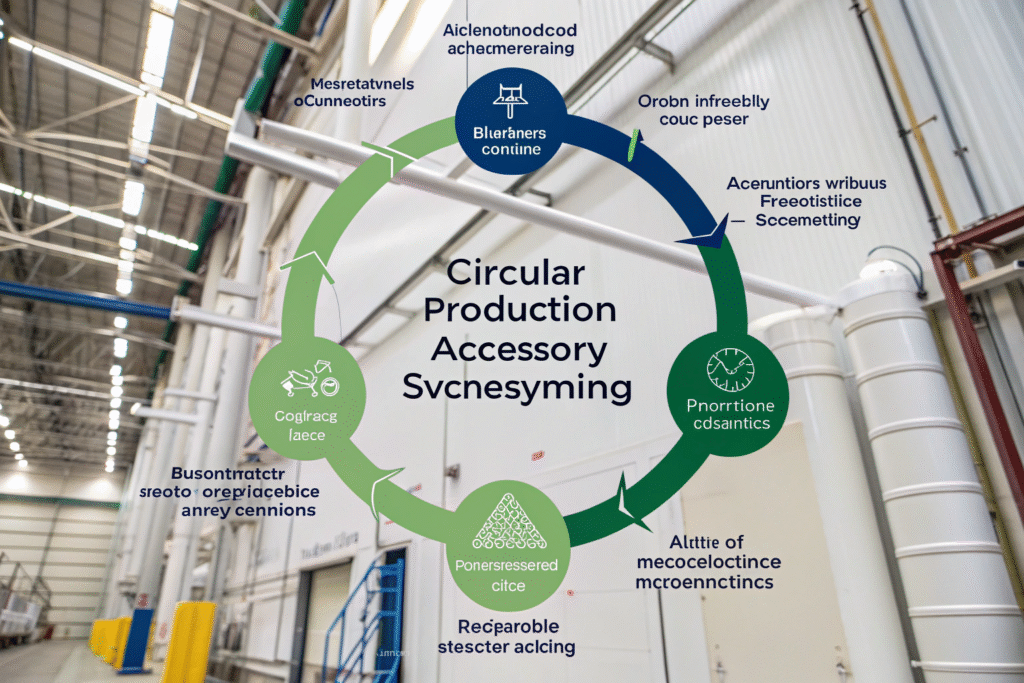
Next-generation manufacturing embraces circular economy principles that design out waste, keep materials in use, and regenerate natural systems, transforming sustainability from a compliance issue to a core business advantage.
How are circular production models implemented in practice?
Closed-loop manufacturing systems recapture and reuse materials that would traditionally become waste, while product-as-a-service models encourage return and refurbishment rather than disposal. Our handbag production now incorporates reclaimed materials from previous collections, with customers offered discounts for returning worn items that we disassemble and repurpose. This circular approach has reduced our virgin material consumption by 52% while creating new revenue streams from refurbished collections.
What role do transparent supply chains play in next-generation manufacturing?
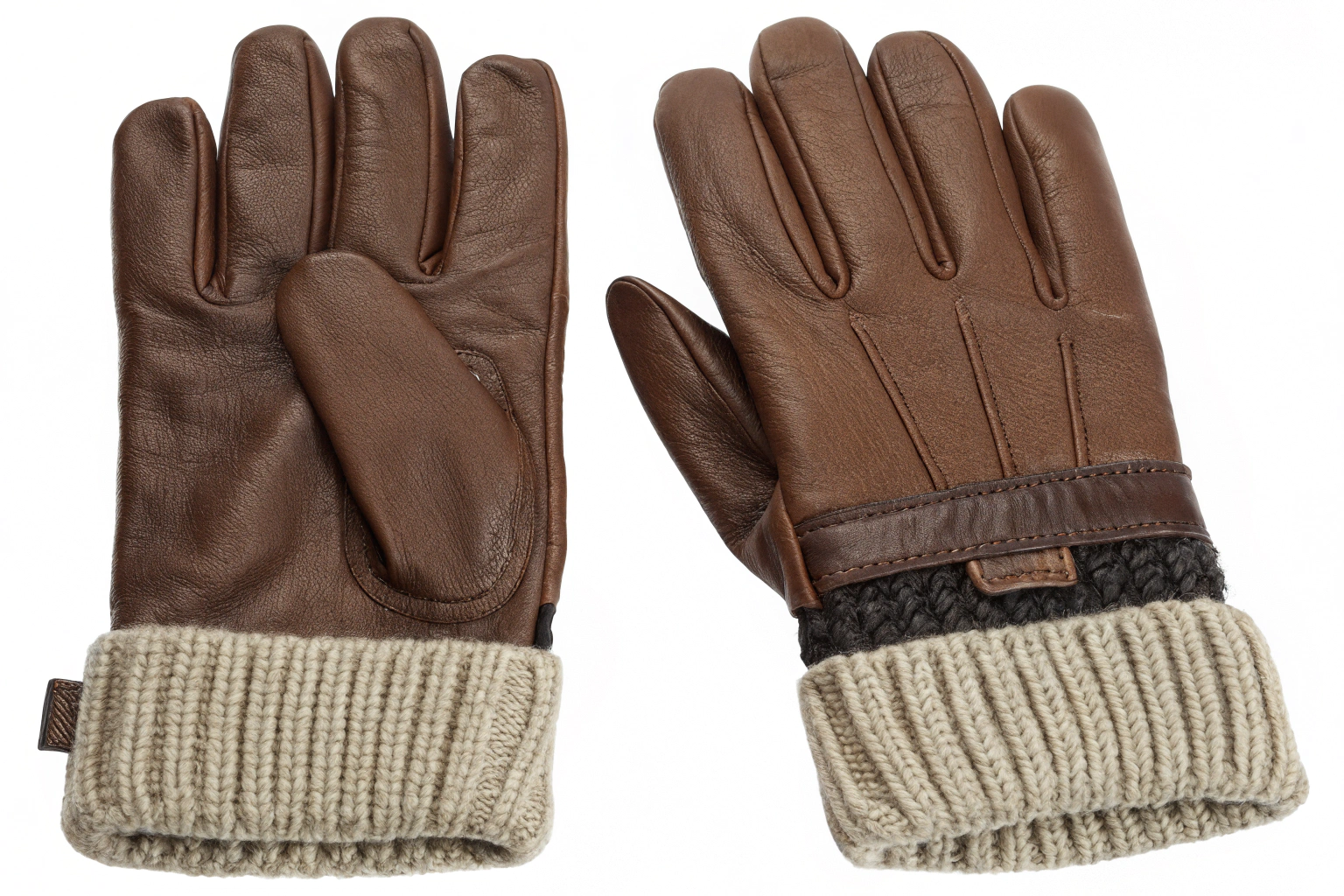
Blockchain-enabled traceability provides verifiable records of material origins, production conditions, and environmental impact, while life cycle assessment tools quantify sustainability metrics across the entire production process. We've implemented transparent sourcing for our leather accessories, allowing customers to trace materials back to certified sustainable farms. This supply chain transparency has become a significant market differentiator, with 68% of our B2B clients specifically citing it as a key factor in their purchasing decisions.
How is AI and data integration transforming operations?
Traditional manufacturing relied heavily on human expertise and retrospective analysis, making operations reactive rather than proactive. Data often existed in silos, with limited integration between design, production, and business functions.
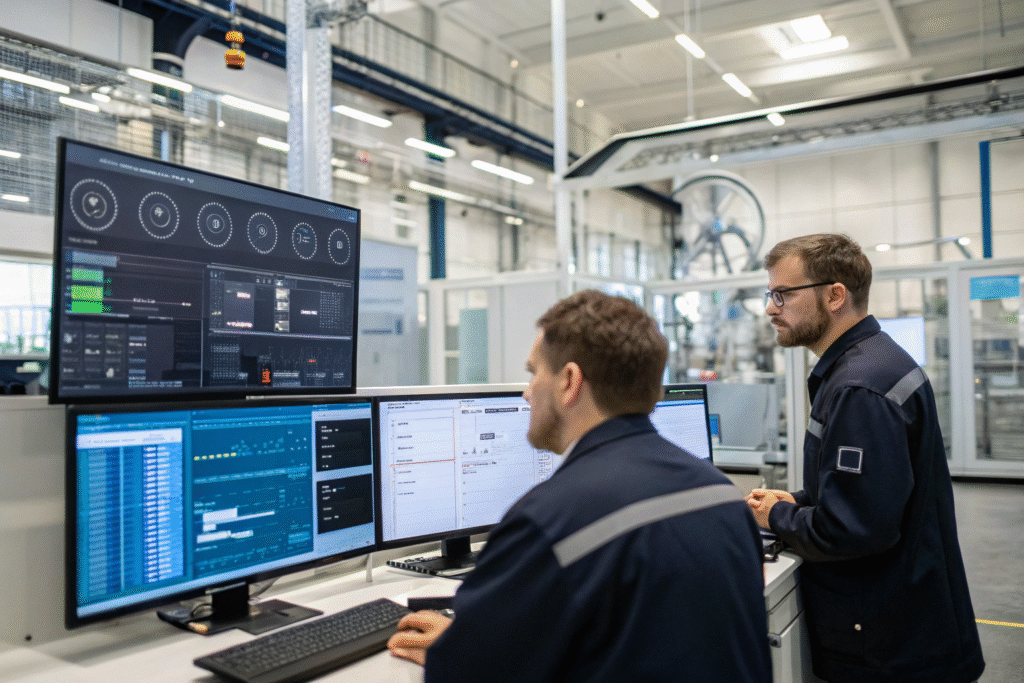
Next-generation manufacturing treats data as a strategic asset, with AI and machine learning algorithms optimizing decisions across the entire value chain from forecasting to production to distribution.
What operational areas benefit most from AI optimization?
Predictive analytics transform demand forecasting, production planning, and inventory management by identifying patterns invisible to human analysis. Our AI systems have reduced forecasting errors by 76% by incorporating social media trends, search data, weather patterns, and economic indicators alongside historical sales data. This predictive accuracy has lowered inventory costs by 32% while improving order fulfillment rates from 88% to 97% through better production and distribution planning.
How does machine learning enhance production quality and efficiency?
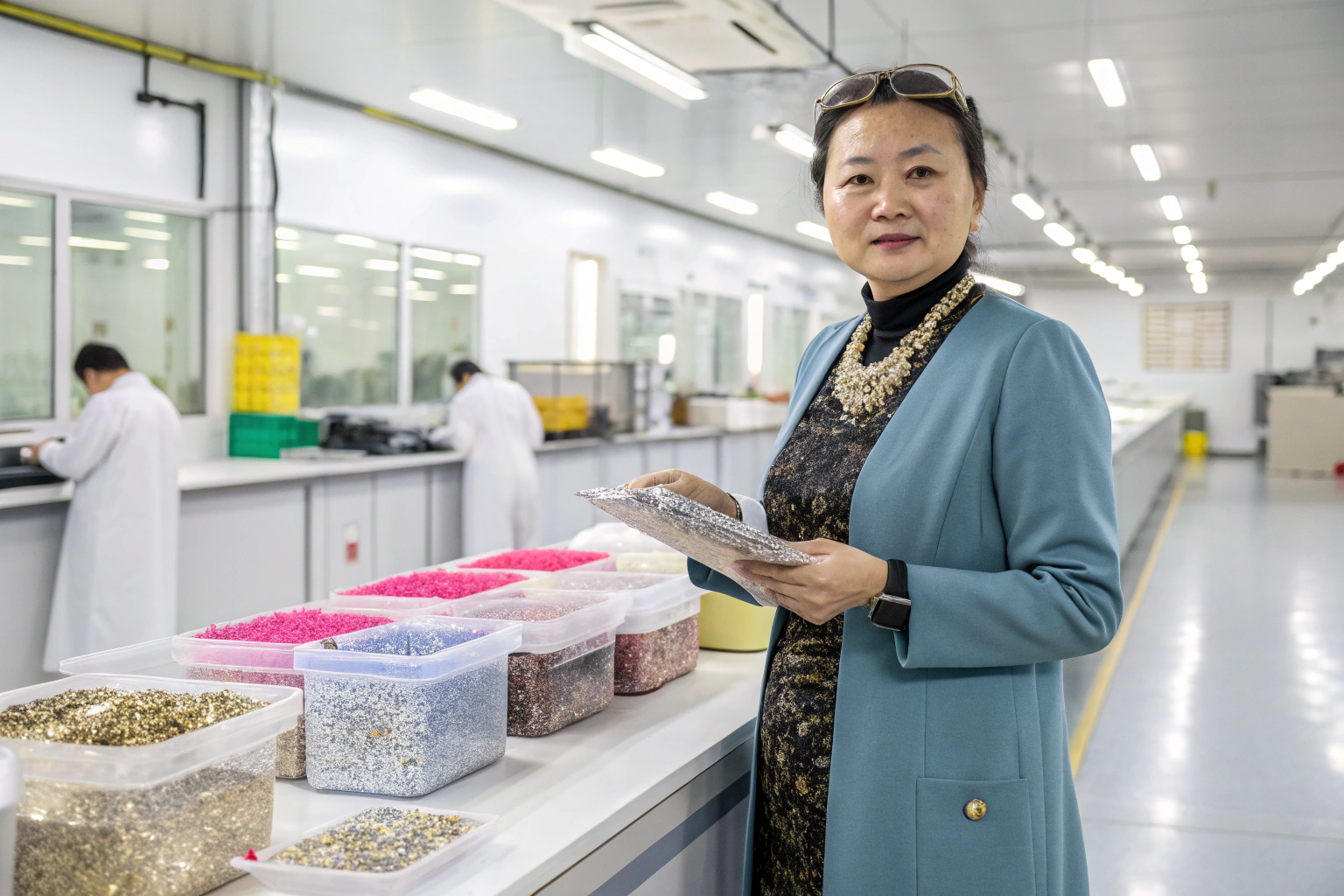
Computer vision systems perform real-time quality inspection with superhuman accuracy, while adaptive control algorithms optimize machine parameters for different materials and designs. Our jewelry production lines now use machine learning to identify microscopic defects in stone setting and metal finishing, achieving 99.9% quality consistency compared to the 92-95% typical of manual inspection. This automated quality control has reduced customer returns by 64% while decreasing inspection costs by 41%.
What makes agile and resilient supply chains crucial?
Global disruptions, changing consumer behaviors, and increasing demand volatility have exposed the vulnerabilities of traditional extended supply chains built for cost efficiency rather than resilience. The accessories industry, with its seasonal patterns and trend sensitivity, requires exceptional responsiveness.
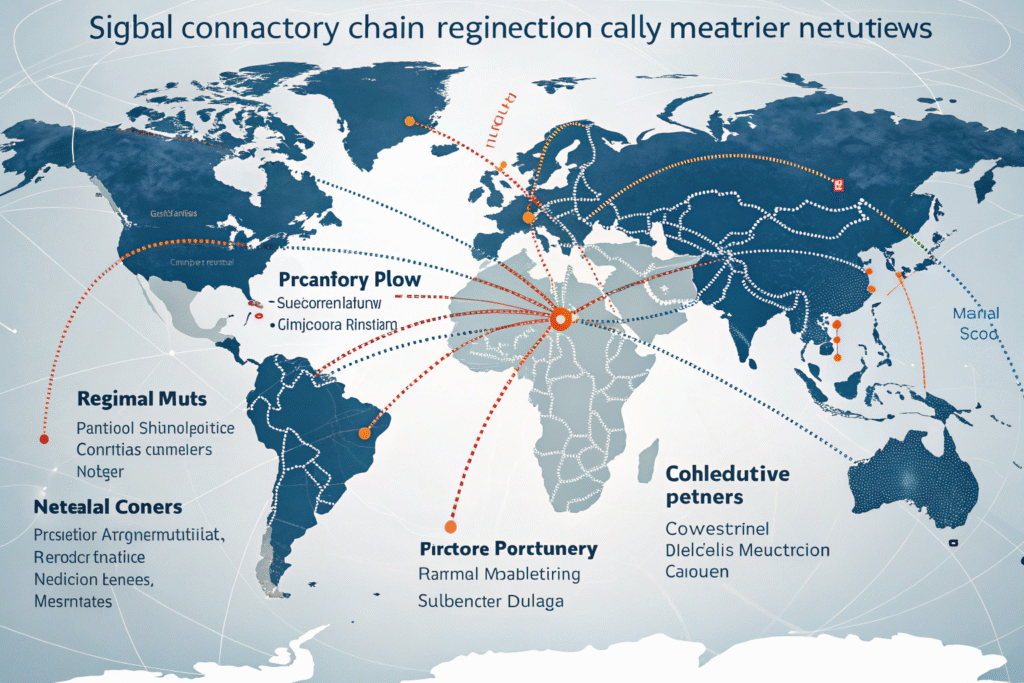
Next-generation manufacturing develops supply networks that balance efficiency with resilience, incorporating regional production hubs, digital inventory management, and flexible partnership models.
How do next-generation manufacturers achieve supply chain resilience?
Distributed manufacturing networks combine centralized design and development with regional production facilities that can respond quickly to local demand changes. We've established micro-factories in key markets that produce our most popular accessory designs on demand, reducing shipping distances and import dependencies. This regional production model cut our average delivery time from 28 days to 5 days while reducing transportation emissions by 63%.
What role does supplier collaboration play in agile operations?
Digital partner platforms enable real-time communication and coordination with material suppliers, component manufacturers, and logistics providers. Our supplier portal allows partners to monitor our inventory levels and production schedules, enabling them to proactively adjust their operations rather than reacting to purchase orders. This collaborative approach has improved on-time material delivery from 82% to 96% while reducing raw material inventory by 44% through better coordination.
Conclusion
Next-generation accessories manufacturing represents a fundamental transformation in how products are conceived, created, and delivered. By embracing hyper-customization, circular sustainability, AI-driven operations, and agile supply chains, forward-thinking manufacturers are building businesses that are simultaneously more responsive to consumer needs, more efficient in their operations, and more responsible in their environmental impact.
These defining traits are not isolated improvements but interconnected elements of a new manufacturing paradigm that will separate industry leaders from followers in the coming decade. The manufacturers who thrive will be those who view these changes not as necessary expenses but as opportunities to build deeper customer relationships, more efficient operations, and more sustainable businesses.
If you're looking to partner with a manufacturer that embodies these next-generation capabilities for your accessory lines, we invite you to contact our Business Director, Elaine. She can discuss how our approach combines customization, sustainability, and technological innovation to deliver exceptional value. Reach her at: elaine@fumaoclothing.com.