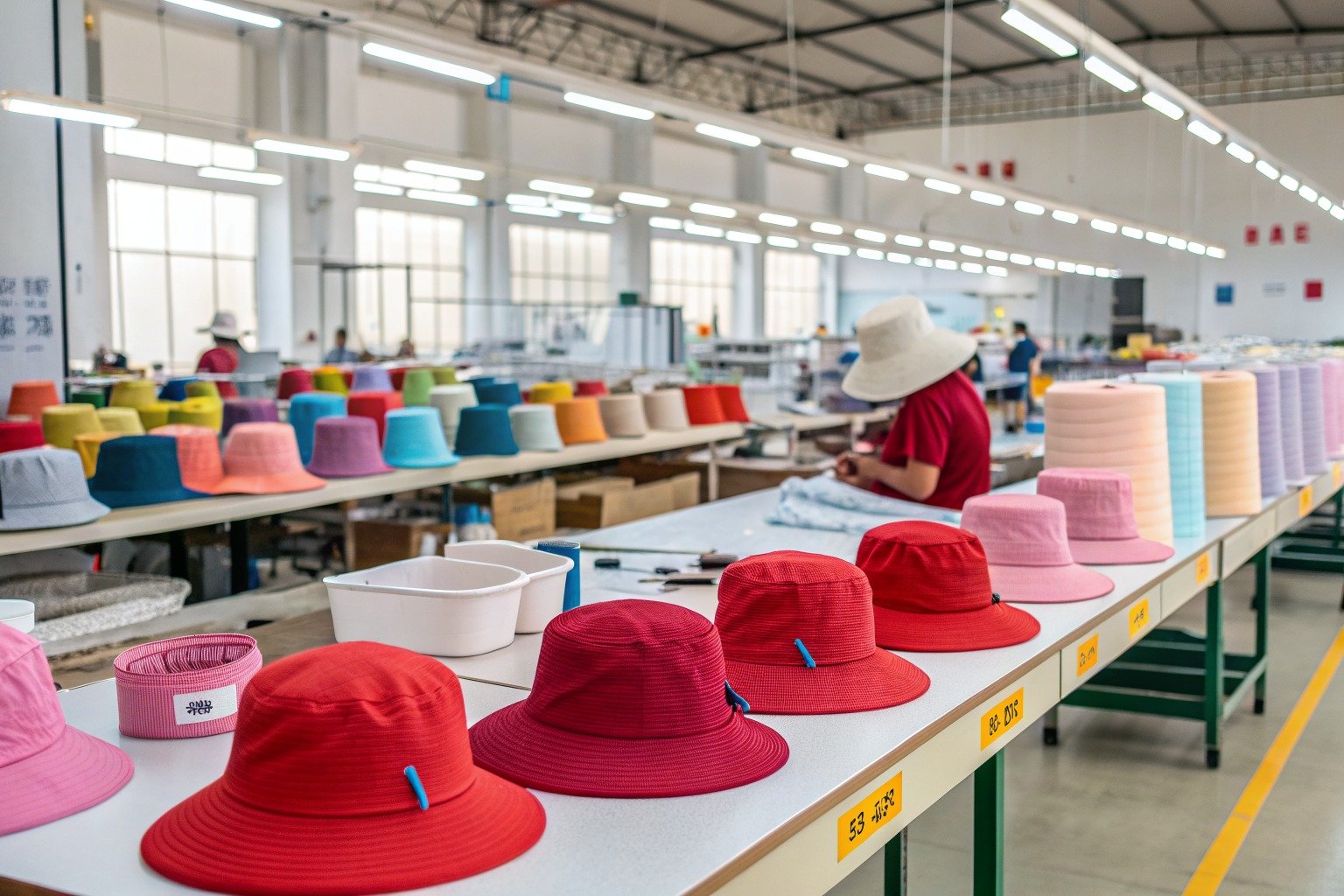
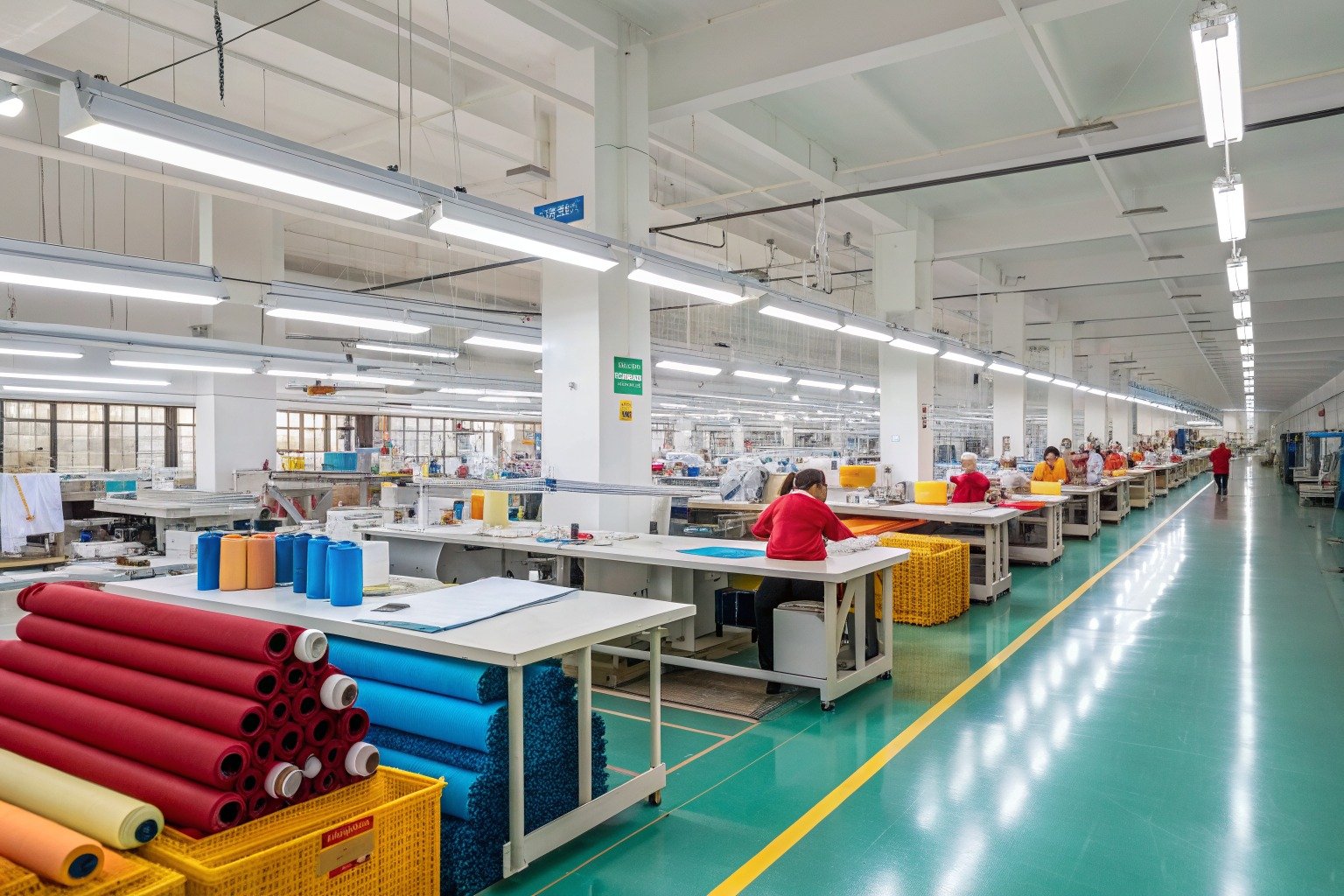
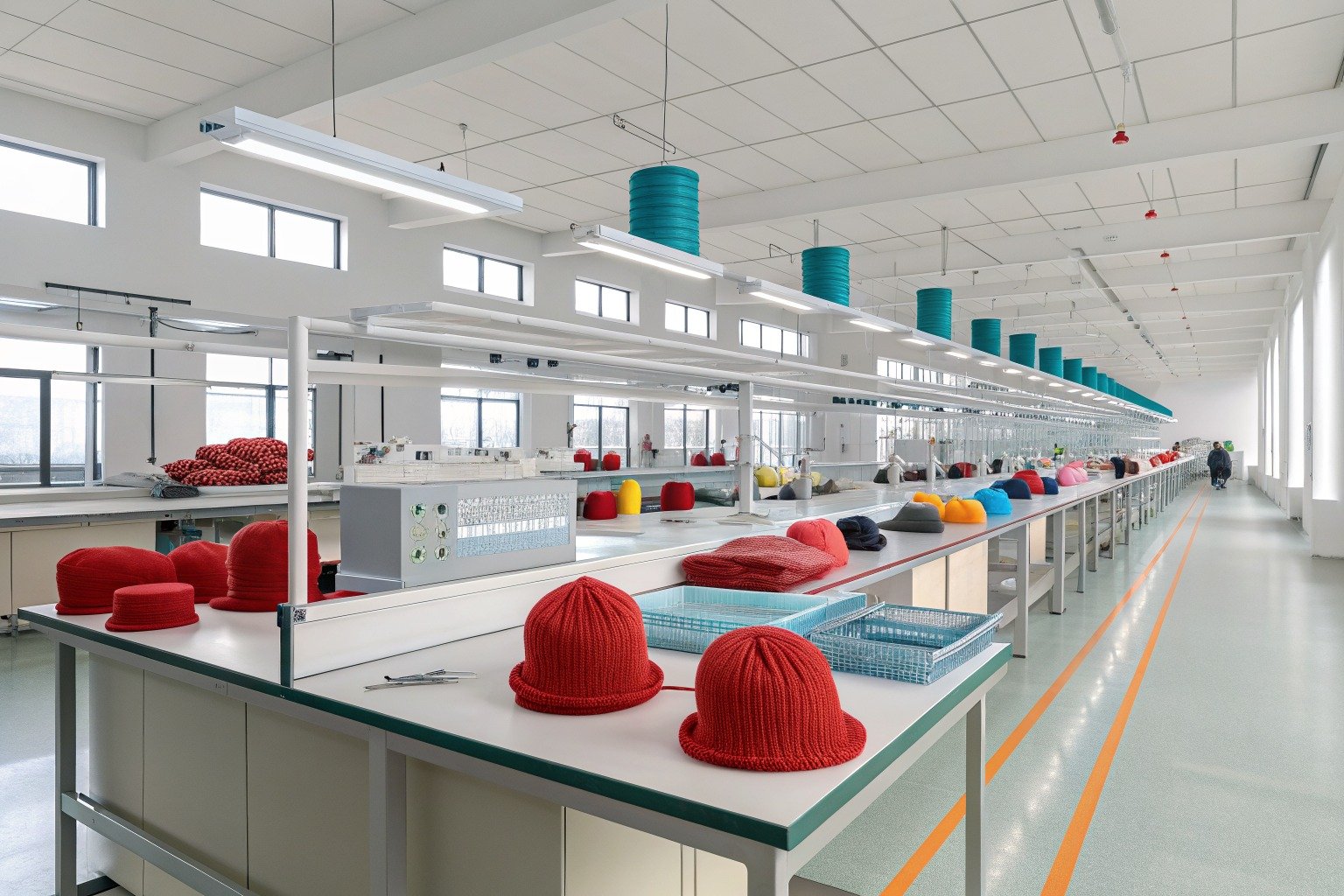
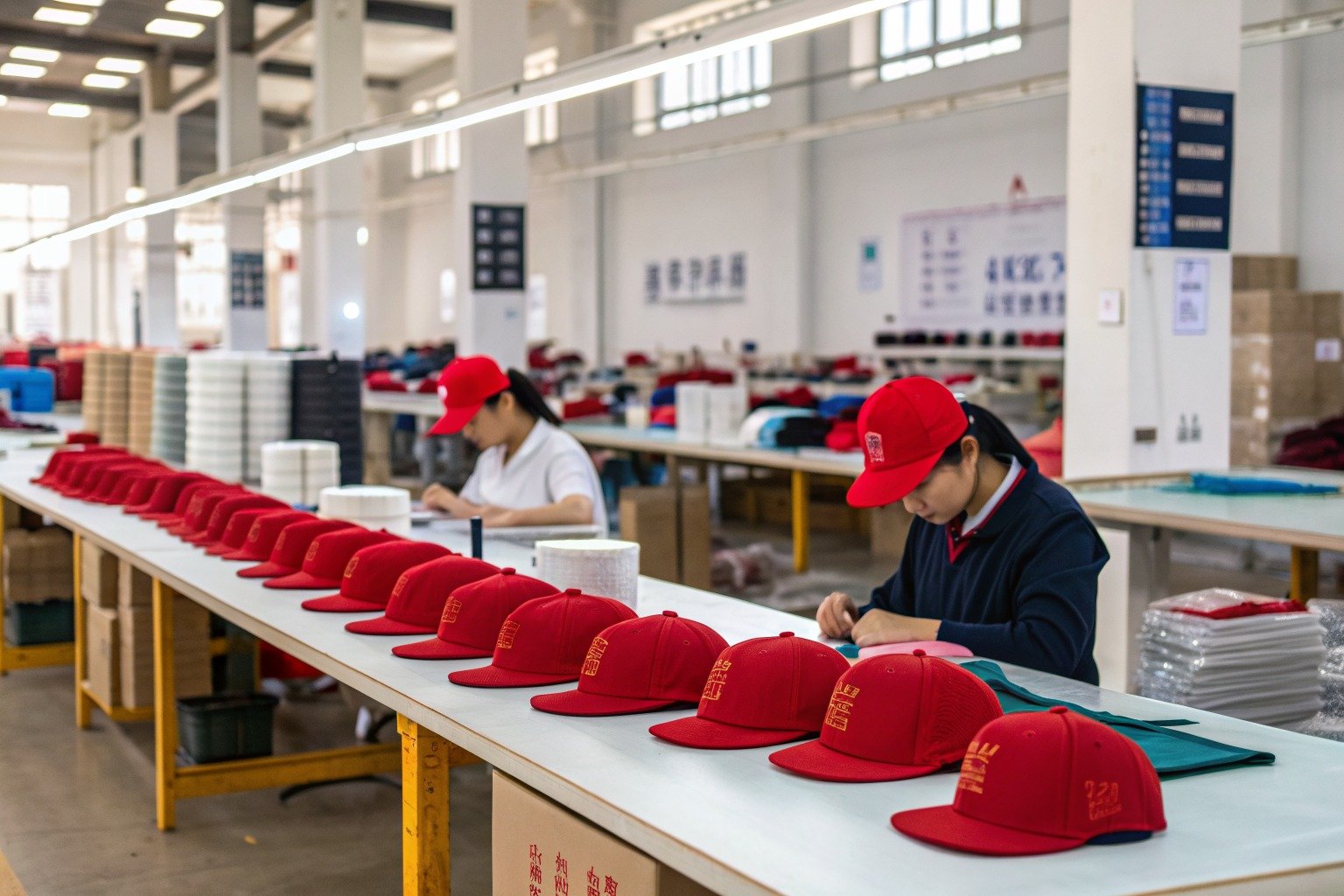
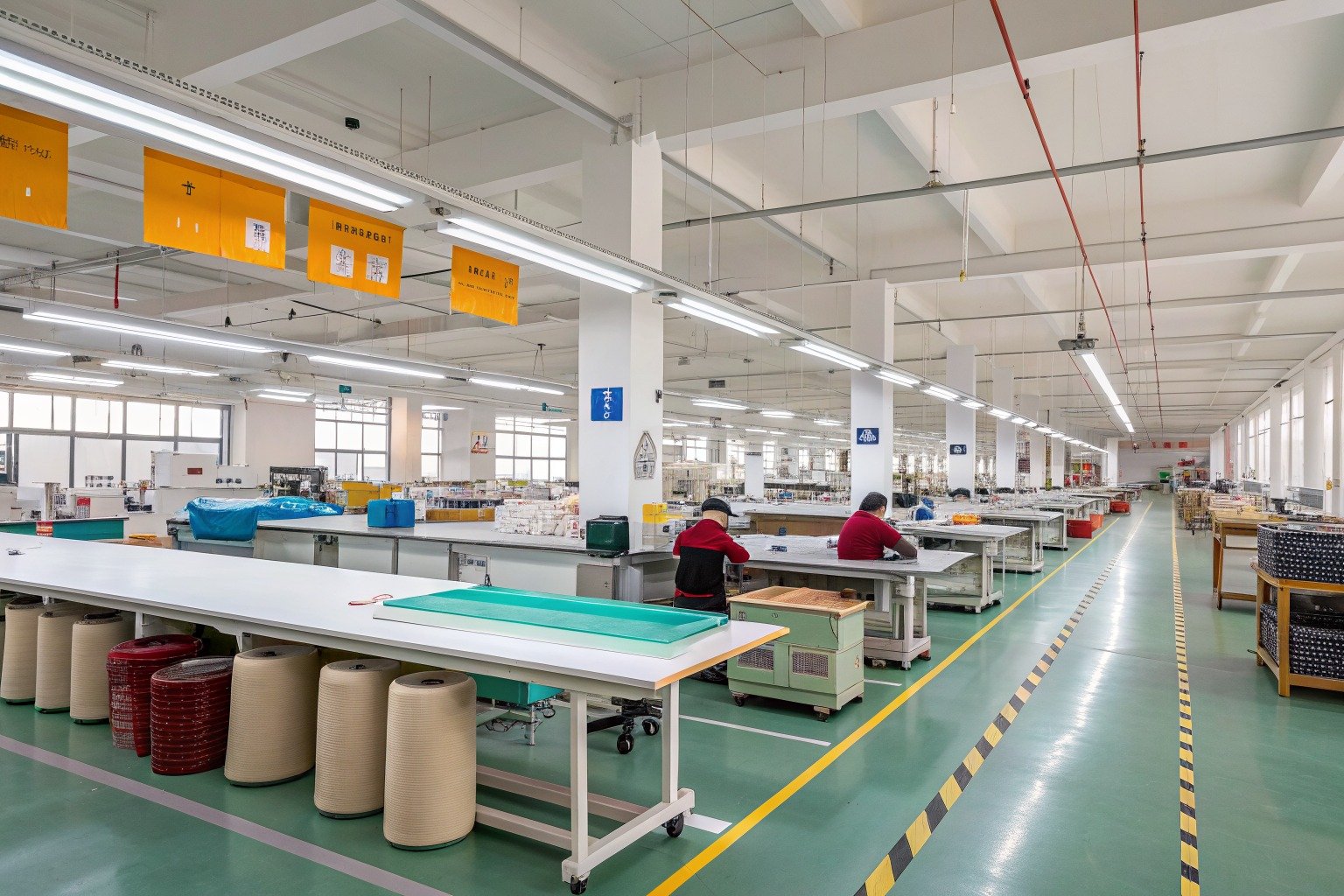
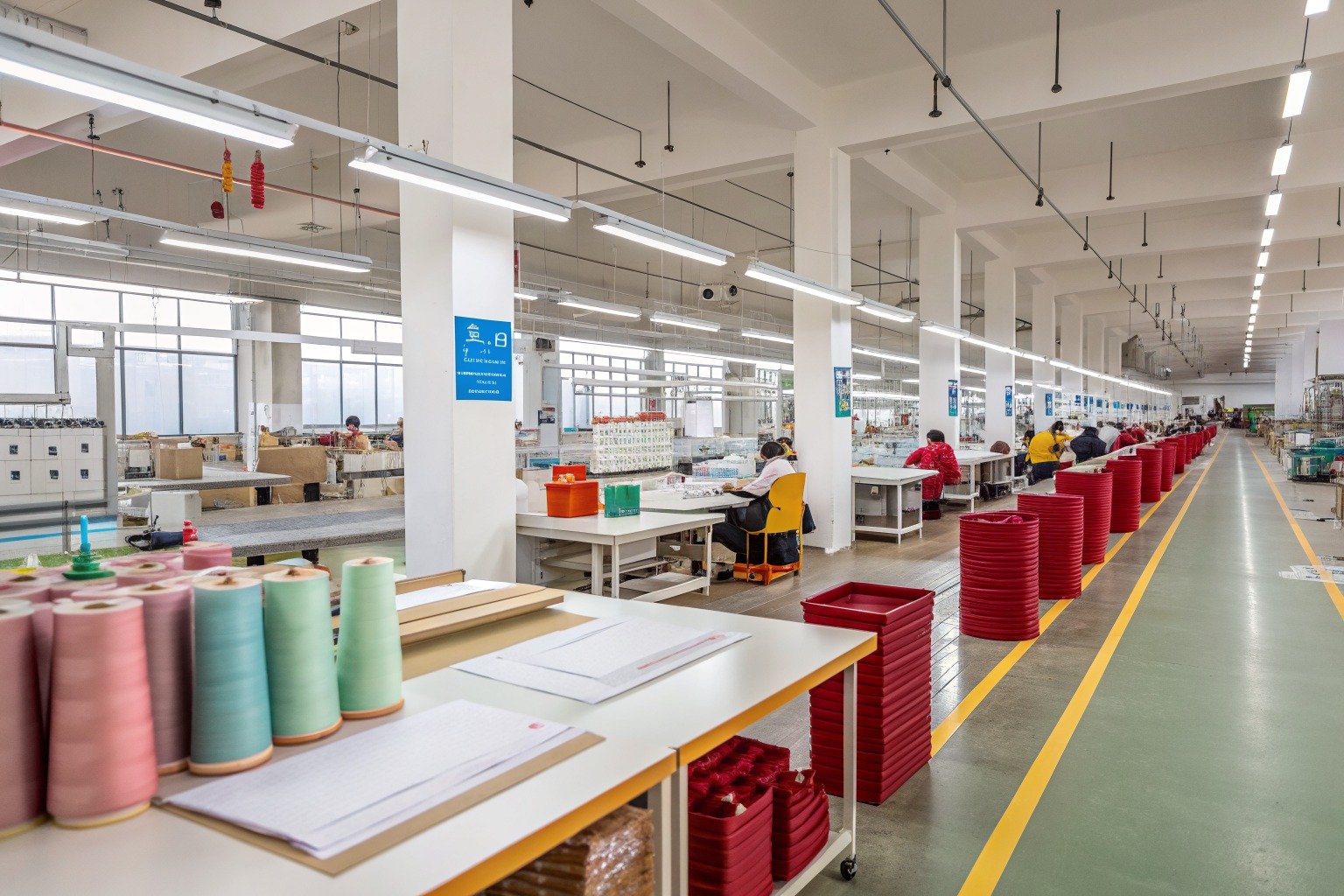
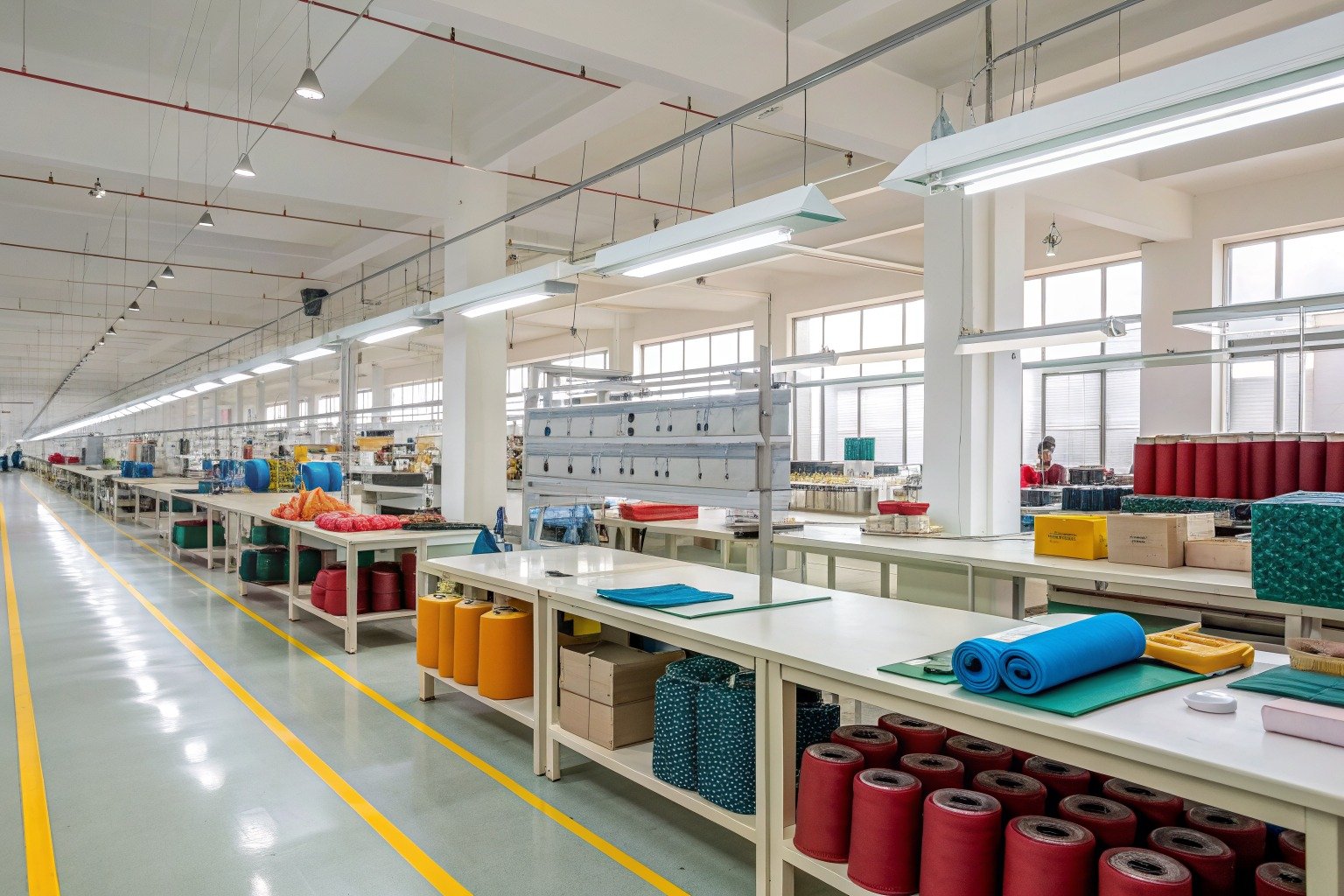
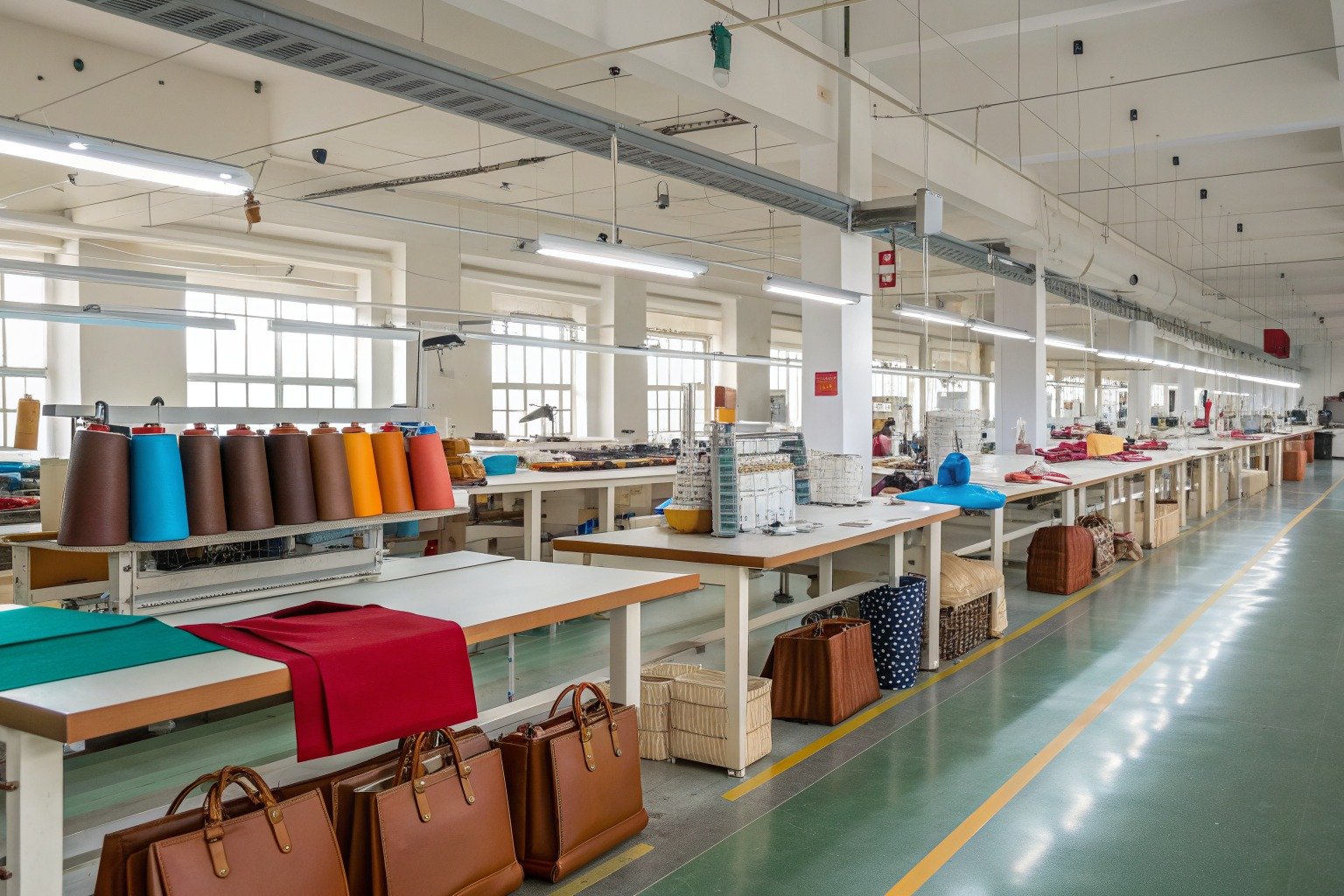
The fashion accessories industry has traditionally been plagued by significant material waste, with approximately 15-20% of fabrics, leather, and other materials ending up as scrap during production. This waste represents both environmental harm and substantial economic loss, as manufacturers pay for materials that never reach customers. Traditional factories often lack the precise monitoring and control systems needed to identify and address waste sources effectively.
Smart factories are dramatically reducing production waste in the fashion accessories industry through real-time monitoring, predictive analytics, automated optimization, and connected systems that enable precise material usage, minimized errors, and circular production approaches. By leveraging IoT sensors, AI algorithms, and advanced manufacturing technologies, these intelligent facilities identify waste patterns invisible to human observation and implement proactive solutions.
Let’s examine the specific smart factory technologies and approaches that are transforming waste management in accessory manufacturing.
How do smart factories optimize material usage and cutting efficiency?
Material cutting represents one of the largest sources of waste in accessory manufacturing, particularly with expensive materials like genuine leather, silk, or specialty fabrics. Traditional cutting relies on operator experience and manual pattern placement, often resulting in suboptimal material utilization due to human limitations in processing complex optimization variables.
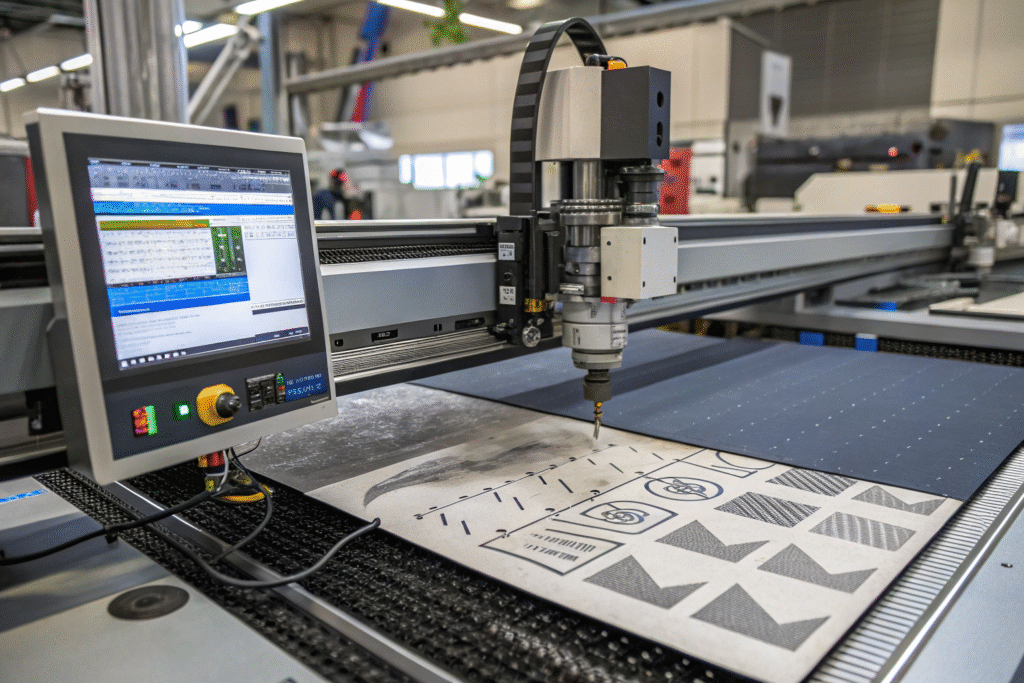
Smart factories employ AI-powered nesting algorithms, computer vision systems, and automated cutting technologies that achieve near-perfect material utilization by analyzing thousands of potential pattern arrangements in minutes.
What makes AI nesting algorithms superior to manual pattern placement?
AI nesting software processes material characteristics, design specifications, and natural material variations to generate cutting patterns that maximize usable output. For leather belt production, our smart factory system analyzes each hide’s unique shape, thickness variations, and natural flaws before calculating optimal cutting patterns. This approach has achieved material utilization rates of 92-95%, compared to 70-75% with traditional methods, reducing our leather waste by approximately 28% while maintaining the same production volume.
How does computer vision enhance cutting precision and waste reduction?
Computer vision systems integrated with cutting equipment scan materials for defects, color inconsistencies, and structural imperfections that might compromise product quality. In our silk scarf production, high-resolution cameras identify weaving flaws and direct cutting systems to avoid these areas while still maximizing usable material. This dual focus on quality preservation and waste minimization has decreased our premium fabric waste by 35% while improving overall product quality consistency and reducing seconds or rejected items.
How do real-time monitoring systems identify and prevent waste?
Traditional manufacturing often discovers waste problems only after they’ve occurred, making corrective action reactive rather than preventive. Without precise, real-time data, manufacturers struggle to identify the specific processes, machines, or operators generating excessive waste.
Smart factories deploy networks of IoT sensors, vision systems, and connected equipment that monitor production processes continuously, identifying waste sources as they emerge and enabling immediate intervention.
What types of waste do smart monitoring systems detect?
IoT sensors track material consumption, energy usage, and production efficiency metrics across all manufacturing stages. Vision systems inspect products for defects at multiple checkpoints, while connected equipment monitors its own performance for deviations that might indicate emerging problems. Our smart factory implementation identified that a specific sewing station was generating 40% more thread waste than others due to subtle machine calibration issues—a problem that had gone unnoticed for months despite regular manual inspections.
How does predictive maintenance reduce material waste?
Equipment malfunctions and gradual performance degradation often cause subtle increases in material waste long before complete failure occurs. Predictive maintenance systems in smart factories monitor equipment conditions and identify patterns indicating impending problems. In our metal stamping operations for jewelry components, vibration analysis detected bearing wear that was causing slight misalignments and increasing material scrap by 8%. Addressing this issue proactively prevented an estimated 1.2 tons of metal waste annually while avoiding unplanned downtime.

How do automated processes minimize human error and variability?
Human operators, regardless of skill level, introduce natural variability into manufacturing processes through differences in technique, fatigue, and attention levels. This variability directly contributes to inconsistent quality, increased errors, and higher waste rates—particularly in intricate accessory production requiring precise execution.
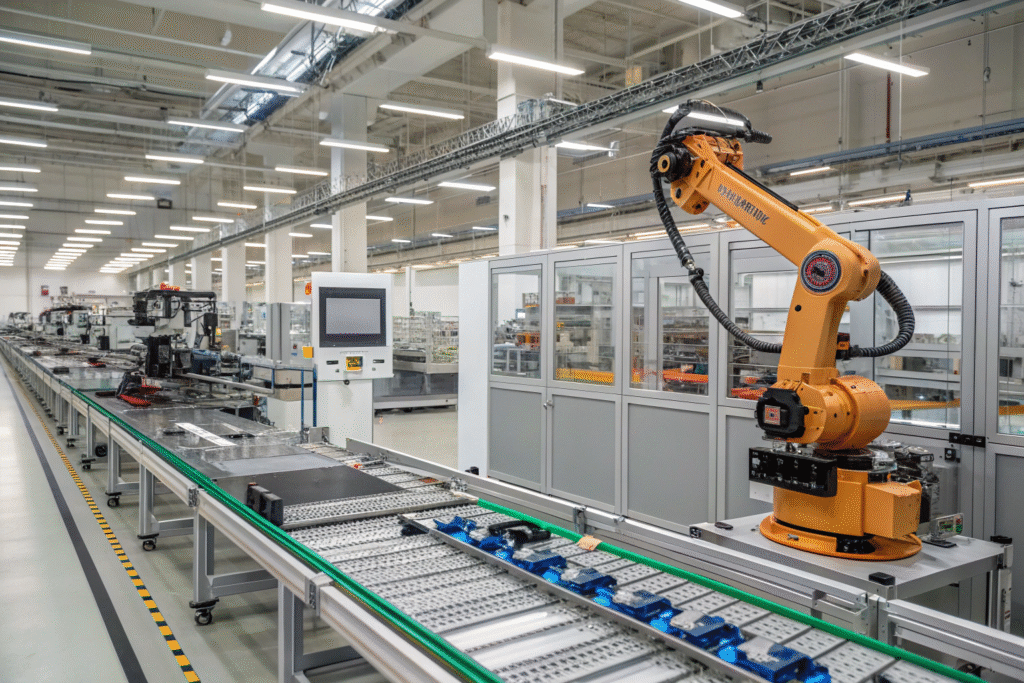
Smart factories implement automation, robotics, and standardized digital workflows that eliminate human variability while maintaining the flexibility needed for diverse accessory production.
What specific processes benefit most from automation for waste reduction?
Robotic assembly systems excel at repetitive tasks requiring consistent precision, such as setting stones in hair accessories, attaching clasps to jewelry, or applying adhesives in exact patterns. Our automated bracelet assembly cells achieve 99.7% accuracy in component placement compared to 92-95% with manual assembly, virtually eliminating waste from misaligned or damaged components. This precision has reduced our component scrap rate by 64% while improving product quality and consistency.
How do digital workflows standardize processes to minimize errors?
Digital work instructions displayed at each station ensure every operator follows identical procedures, using precisely measured materials and verified techniques. For our custom belt production, digital guides show exact cutting measurements, hole placement specifications, and finishing requirements, eliminating the variations that occurred when different workers interpreted the same design specifications slightly differently. This standardization has reduced material errors by 52% and decreased rework requirements by 71%.
How do circular production approaches transform waste management?
Traditional manufacturing follows a linear "take-make-dispose" model that treats production waste as an inevitable byproduct to be managed. Smart factories embrace circular economy principles that design waste out of the system and find value in materials traditionally considered scrap.
Through material innovation, waste repurposing, and closed-loop systems, smart factories turn waste streams into valuable resources.
How are smart factories repurposing production waste?
AI waste analysis systems identify opportunities to repurpose production remnants into new products or components. Our smart factory detected that leather scraps from belt production could be transformed into decorative elements for hair accessories rather than being discarded. This waste valorization initiative created a new product line while reducing our leather waste by 29%, turning a cost center into a revenue stream. Similarly, fabric remnants from scarf production are now used to create limited-edition patchwork designs that command premium prices.
What role do material innovations play in waste reduction?
Smart factories leverage advanced materials specifically engineered for minimal waste generation. We’ve incorporated laser-cut materials that leave virtually no residue, 3D-printed components that use only the necessary material, and biodegradable alternatives that reduce environmental impact when disposal is unavoidable. Our transition to 3D-printed metal components for jewelry clasps eliminated the 40% material waste typically generated through traditional stamping processes while allowing more intricate designs.
Conclusion
Smart factories are revolutionizing waste reduction in the fashion accessories industry by replacing traditional, often wasteful practices with data-driven, optimized processes. Through material optimization, real-time monitoring, automated precision, and circular approaches, these advanced manufacturing facilities dramatically reduce environmental impact while improving economic performance.
As smart factory technologies continue to advance and become more accessible, they offer a clear path toward sustainable accessory manufacturing that aligns with both environmental responsibility and business efficiency—proving that ecological and economic objectives can be mutually reinforcing rather than conflicting.
If you’re interested in reducing waste in your accessory production through smart manufacturing approaches or want to partner with a factory that prioritizes sustainable practices, we invite you to contact our Business Director, Elaine. She can discuss our waste reduction initiatives and how they benefit both our partners and the planet. Reach her at: elaine@fumaoclothing.com.