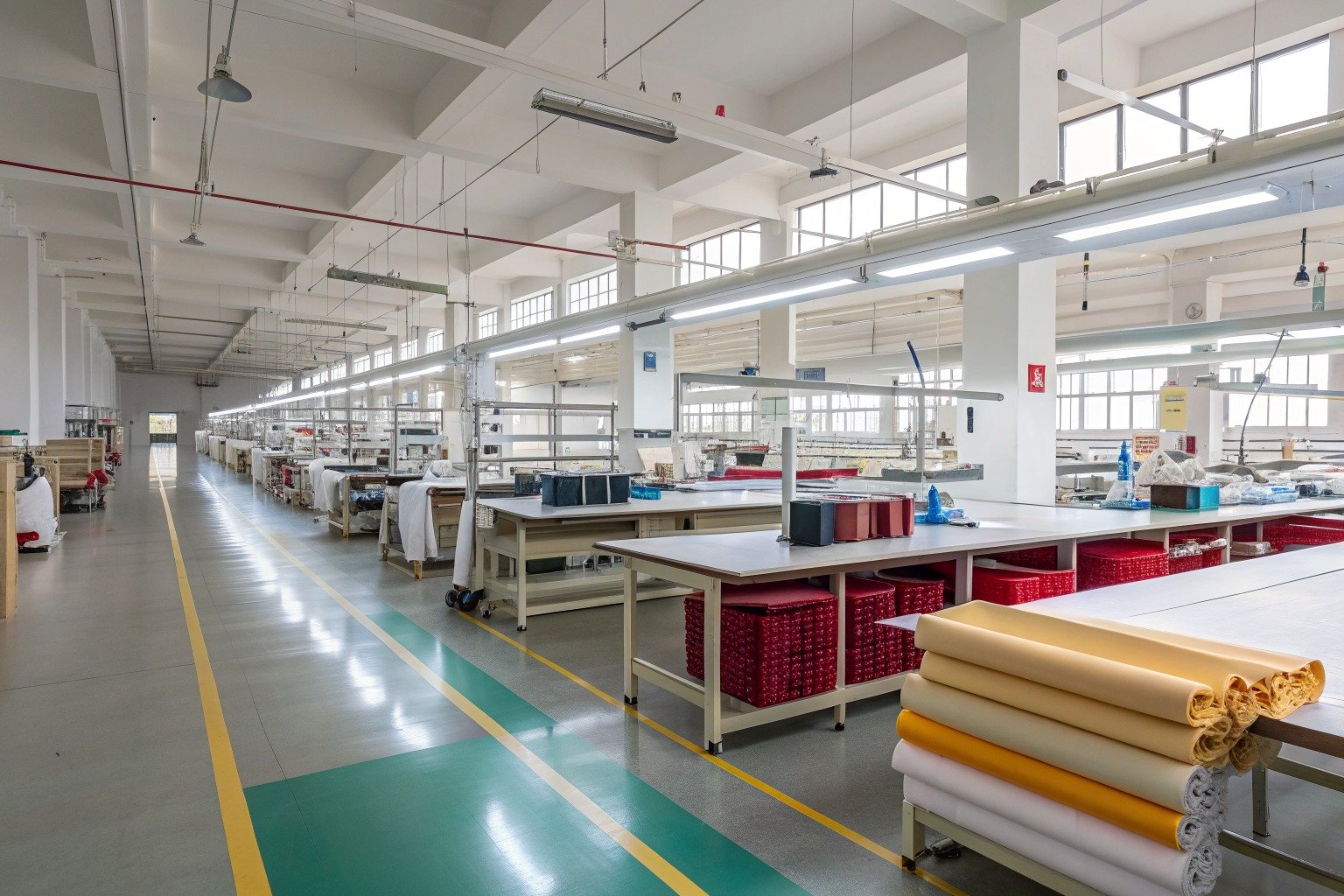
You find the perfect wide-brim straw hat on a Pinterest board. It has a wavy, sculpted brim that looks like a flower in bloom, and the crown is wrapped with a colorful hand-dyed silk band. You imagine selling this hat at Coachella, Burning Man, and every summer music festival in between. You email ten factories. Nine reply with "MOQ 3,000 units per shape." Your entire festival marketing budget can support maybe 300 hats. You are not a mass-market retailer. You are a boutique festival brand, and you need small-batch, high-impact headwear that stops a scrolling thumb on Instagram. The mass-production factory door slams shut.
The minimum order for a custom shape straw hat for festivals in our factory is 300 units per shape and color, with the option to split those 300 units across up to three different crown ribbon colors. This low minimum is possible because we hand-block the straw bodies on adjustable wooden hat blocks rather than relying on a $4,000 steel hydraulic press die that requires 3,000 units to amortize. Our millinery team hand-shapes each crown and brim on a modular block system.
You do not need to order a shipping container of identical hats. Festival fashion thrives on exclusivity and small drops that sell out in hours. I want to explain exactly how our hand-blocking process enables low minimums, what straw materials we stock for immediate sampling, and how we handle the custom crown ribbon, trim, and branding that turns a generic straw hat into your signature festival piece.
How Does Hand-Blocking Enable Low Minimums Compared to Hydraulic Press Molding?
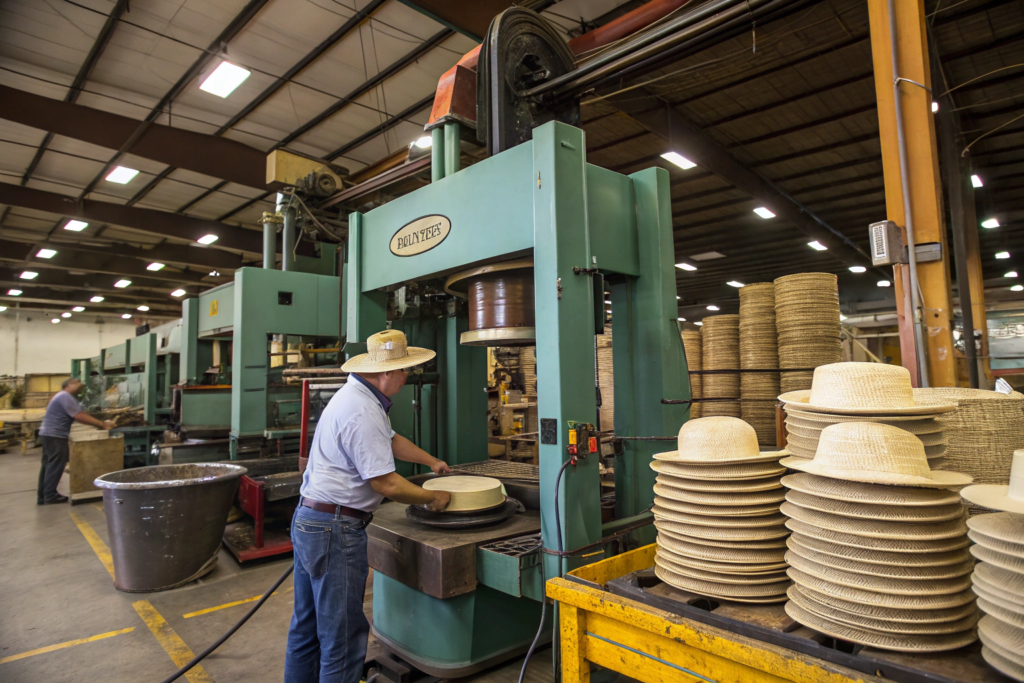
A mass-production straw hat factory uses a hydraulic press. This press compresses a pre-stiffened straw hood between a male and female steel die under tons of pressure and high heat, instantly forming the brim and crown shape. The die set costs between $3,000 and $5,000 to machine from tool steel. The press operator can punch out 500 hats in a single shift. But that die cost must be spread across at least 3,000 hats just to reach a reasonable per-unit tooling amortization. A small brand ordering 300 hats would pay a $10 to $16 per-hat tooling surcharge, completely destroying the margin.
Hand-blocking enables low minimums because the wooden hat block that shapes the crown costs $80 to $150 to hand-carve by our in-house block maker, and it can be adjusted with removable spacer rings to vary the crown height and brim angle slightly without buying a new block. The straw hood is steamed, pulled over the block by hand, tied with a blocking cord to set the shape, and dried in a warm air chamber. This process takes 15 minutes per hat but requires zero amortized tooling investment.
Our block room contains over 300 wooden blocks in crown shapes ranging from a classic fedora teardrop to a wide flat plateau crown. We can modify an existing block by adding a carved wooden ring to the base to increase the crown height by two centimeters, costing $30 in the block maker’s time instead of $4,000 for a new die set. For a festival brand that wants a slightly taller crown than a standard block, this adjustment is simple and fast.
What is the skill requirement for hand-blocking a consistent hat shape?
A hand-blocker trains for six months to achieve consistent crown tension. The key skill is pulling the steamed straw uniformly around the block without creating thin spots where the straw weave stretches and opens up, or thick wrinkles where the straw bunches under the blocking cord. Our senior blockers have over ten years of experience and block 40 hats per day each at an identical crown diameter tolerance of plus or minus 3 millimeters.
Which straw materials are suitable for hand-blocking?
Hand-blocking requires a pliable, long-fiber straw that softens uniformly under steam and holds its shape when dried. We use Toquilla straw from Ecuador for premium festival hats, which is the same fiber used in genuine Panama hats, and a more affordable Japanese Toyo paper straw for mid-range festival hats. Both fibers steam-soften beautifully and dry to a stiff, shape-retaining finish.
What Festival-Specific Brim Shapes Are Trend-Setters Requesting in 2026?
The standard flat, round brim is a blank canvas, not a finished festival look. The festival consumer wants a brim that is part architectural sculpture, part sun protection, and 100% photographable. The trend is moving toward undulating, asymmetrical brims that look like a flower viewed from above.
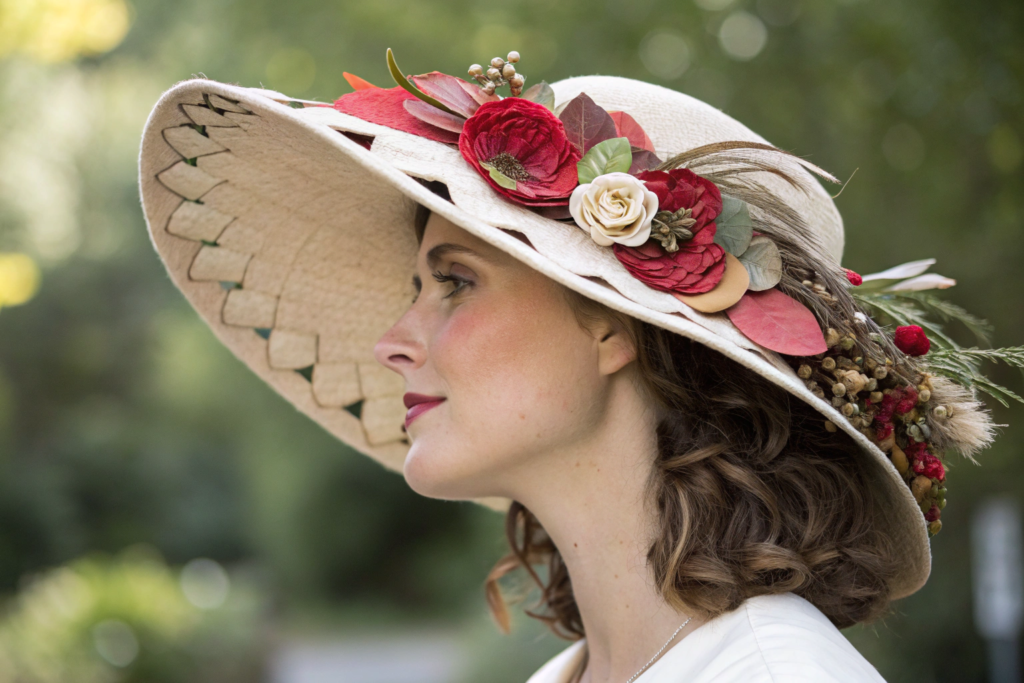
The three festival-specific brim shapes trending for 2026 are the petal wave brim with five gentle, rounded scallops that create a flower silhouette when viewed from above, the asymmetric dip brim with one side dramatically turned down to frame the face and the opposite side flared upward, and the halo brim which is a narrower, stiff brim that sits close to the crown at a 90-degree angle and is decorated with dried flowers and feathers tucked behind the ribbon. All three are achievable via hand-blocking and hand-shaping.
The petal wave brim is created by hand-shaping the brim edge over a series of curved wooden forms while the straw is still damp from steaming. The blocker presses the brim edge between two curved wooden templates for each petal scallop and ties it in place to dry. The process adds 20 minutes to the blocking time per hat.
How do you ensure the brim shape survives packing and travel?
The festival consumer stuffs the hat in a backpack or a tent. A hand-shaped brim must survive crushing and spring back. We treat the finished hat with a natural gelatin-based stiffener that penetrates the straw fibers and dries to a flexible, shape-memory film. The hat can be rolled gently or packed flat, and the brim returns to its blocked shape within an hour of unpacking.
Can the brim shape be customized based on a brand’s proprietary CAD drawing?
Yes. We accept a vector file in Adobe Illustrator format showing the top-down brim profile. Our block maker creates a custom shaping template from laser-cut plywood based on the vector outline. The template cost is $200, and it produces an identical brim silhouette across the entire production run.
How Do Custom Crown Ribbons and Trims Differentiate a Festival Hat?
The straw body provides the silhouette. The ribbon and trim provide the personality and brand identity. A generic grosgrain ribbon in black or tan does nothing for a festival hat. The ribbon is the primary canvas for color, pattern, and branding.
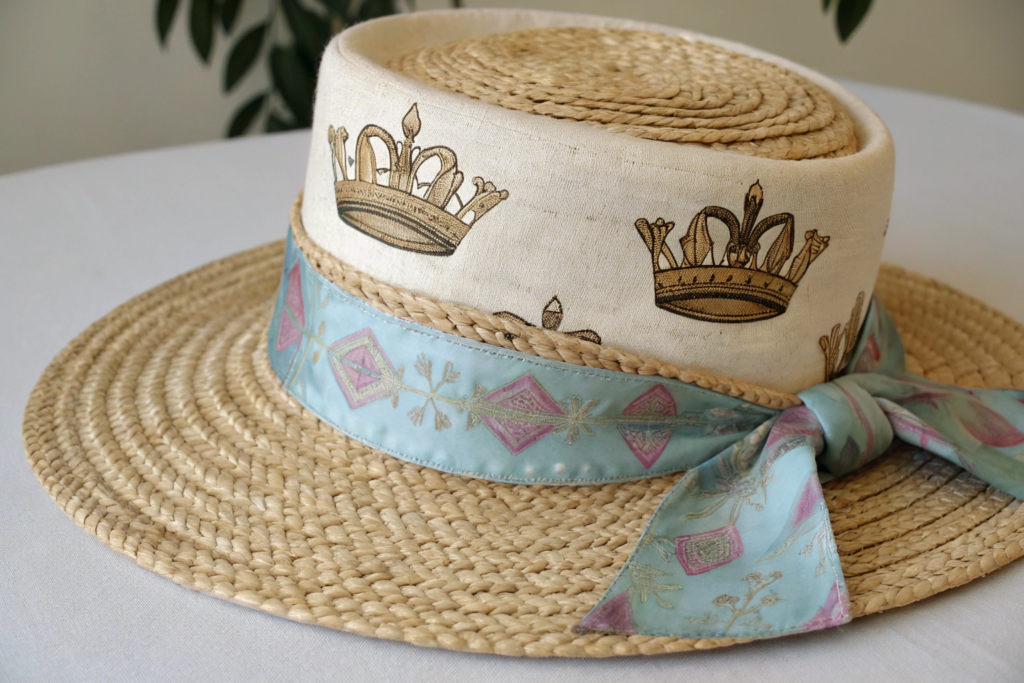
We offer custom crown ribbons in hand-dyed silk, digitally printed cotton sateen with a brand’s signature pattern, and a braided jute and raffia blend for an earthy, boho aesthetic. The ribbon is wrapped around the crown by hand and tacked at four invisible points so it can be removed and replaced with a different ribbon by the consumer, adding versatility and extending the hat’s wearable life.
The hand-dyed silk ribbon is produced in our tie-dye studio. Each ribbon is unique due to the hand-dye process. For a brand that wants a consistent but artisanal look, we dye the ribbons in small batches of 20 with the same dye recipe, achieving a controlled variation that reads as intentional and handcrafted.
Can a brand’s logo be integrated into the ribbon without looking like a promotional product?
We deboss the brand logo onto a small, tonal leather patch that is stitched onto the ribbon at the center back of the crown. The deboss is subtle, a blind impression without color fill, visible up close but not screaming "branded merchandise." For an even subtler approach, the logo is laser-engraved onto a small wooden bead that serves as the ribbon knot closure.
What trim attachments are trending for 2026 festival hats?
Dried flower clusters tucked behind the ribbon, small feather plumes from ethically sourced farmed pheasant and guinea fowl, and tiny brass charms that clip onto the ribbon with a miniature carabiner. These trims are attached at our finishing station and packaged with a protective tissue wrap to prevent crushing during shipping.
What Sampling Timeline Should a Festival Brand Plan For?
Festival season planning starts in January for an April launch. A brand that discovers our factory in February still has time to develop a custom hat, receive samples, and place a production order for delivery before Coachella weekend one, but only if the sampling process is fast and decisive.
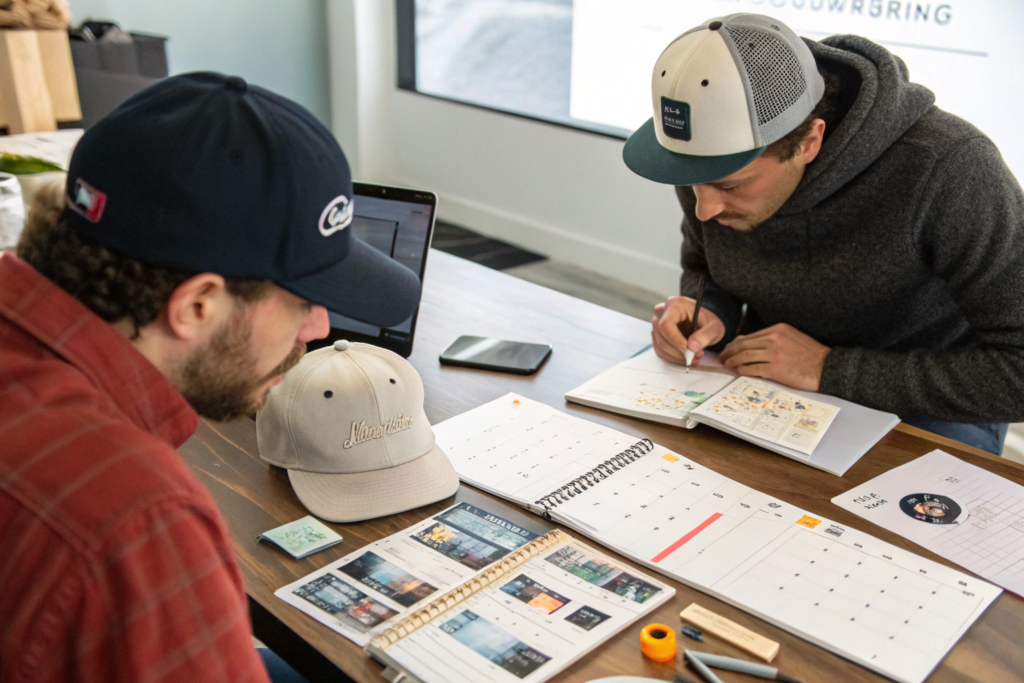
A festival brand should plan for a two-week sampling timeline: 48 hours from reference image to CAD rendering and ribbon swatch selection, 5 days to produce three physical prototype hats with different brim shapes and ribbon combinations, and 4 days for express courier delivery to the brand’s US or European studio. The total door-to-door sampling timeline is 11 to 14 days.
The sample is not a sales sample mass-produced. It is a hand-blocked, single-piece prototype produced by the same senior blocker who will lead the production run. The sample is an exact representation of the final product, not a "similar" look.
How many sample rounds are typical before production approval?
With a detailed initial brief and a clear reference photo, the first sample round is approved about 70 to 80% of the time. If minor adjustments are needed, a second sample round adds 5 additional days. We strongly recommend the brand send a physical reference hat, even a competitor’s hat, to eliminate the ambiguity of verbal descriptions of brim width and crown height.
What is the production lead time after sample approval for a 300-unit order?
Three hundred hand-blocked hats requires roughly 15 to 18 production days, plus 3 days for a final QC steam and shape touch-up. The total lead time from sample approval to ship-ready is approximately 20 days. For a festival brand that approves samples by mid-February, the finished goods ship in early March and arrive at the US port by late March, in time for April distribution.
Conclusion
Custom shape straw hats for festivals do not require a mass-production factory with a 3,000-unit minimum and a $5,000 steel die. A hand-blocking millinery workshop with an in-house block maker, a hand-dye ribbon studio, and a library of 300 existing block shapes can produce a fully custom, sculptural festival hat starting at 300 units. The wavy petal brim, the dip-dyed silk ribbon, the logo-debossed leather patch, and the dried flower trims are all executed by skilled hand labor, not heavy industrial presses.
Our Zhejiang millinery workshop is set up for these small-batch, high-design festival hat programs. We stock Toquilla straw, Toyo paper straw, hand-dye silk ribbon blanks, and a curated trim library of dried florals and ethically sourced feathers. Our block maker can carve a new sculptural brim template in three days.
If you are a festival brand, a resort boutique, or an influencer launching a summer hat collection, do not wait until the season is already underway. Contact our Business Director, Elaine now. She will send you a digital lookbook of our current crown and brim shapes, a ribbon swatch card, and a sample pricing sheet for a 300-unit starter order. Write to her at elaine@fumaoclothing.com. Let’s put a hat on the festival field that stops the scroll and sells out before sunset.