Navigating international shipping for fashion accessories presents unique challenges that balance cost efficiency, delivery speed, product protection, and customs compliance. Whether you’re a growing e-commerce business or an established retailer, optimizing your international shipping strategy can significantly impact customer satisfaction, operational costs, and global expansion success.
The best way to ship fashion accessories internationally involves a strategic combination of carrier selection based on product value, destination-specific packaging solutions, accurate customs documentation, and technology-driven tracking systems. There’s no universal solution—the optimal approach varies by accessory type, destination market, business model, and customer expectations.
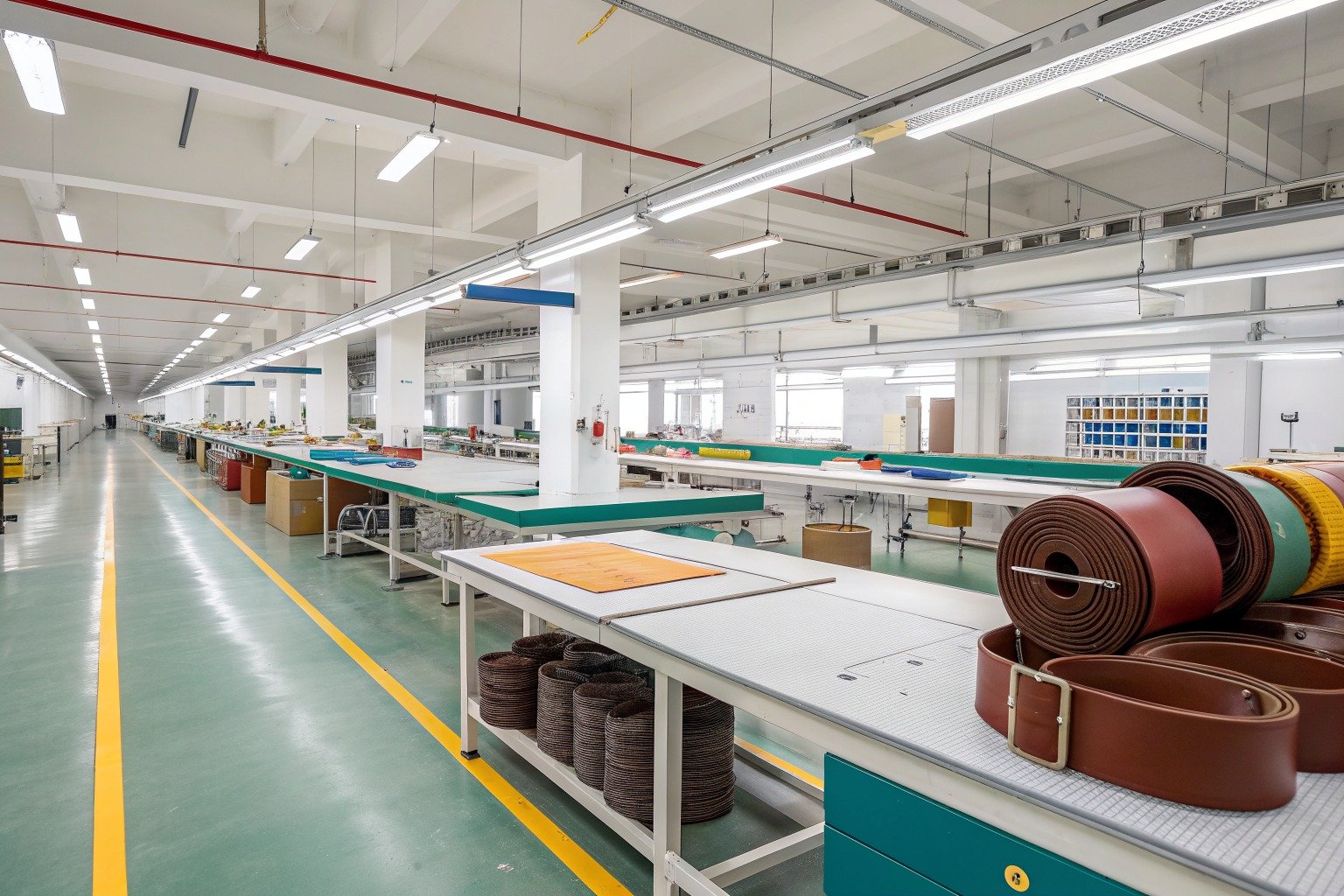
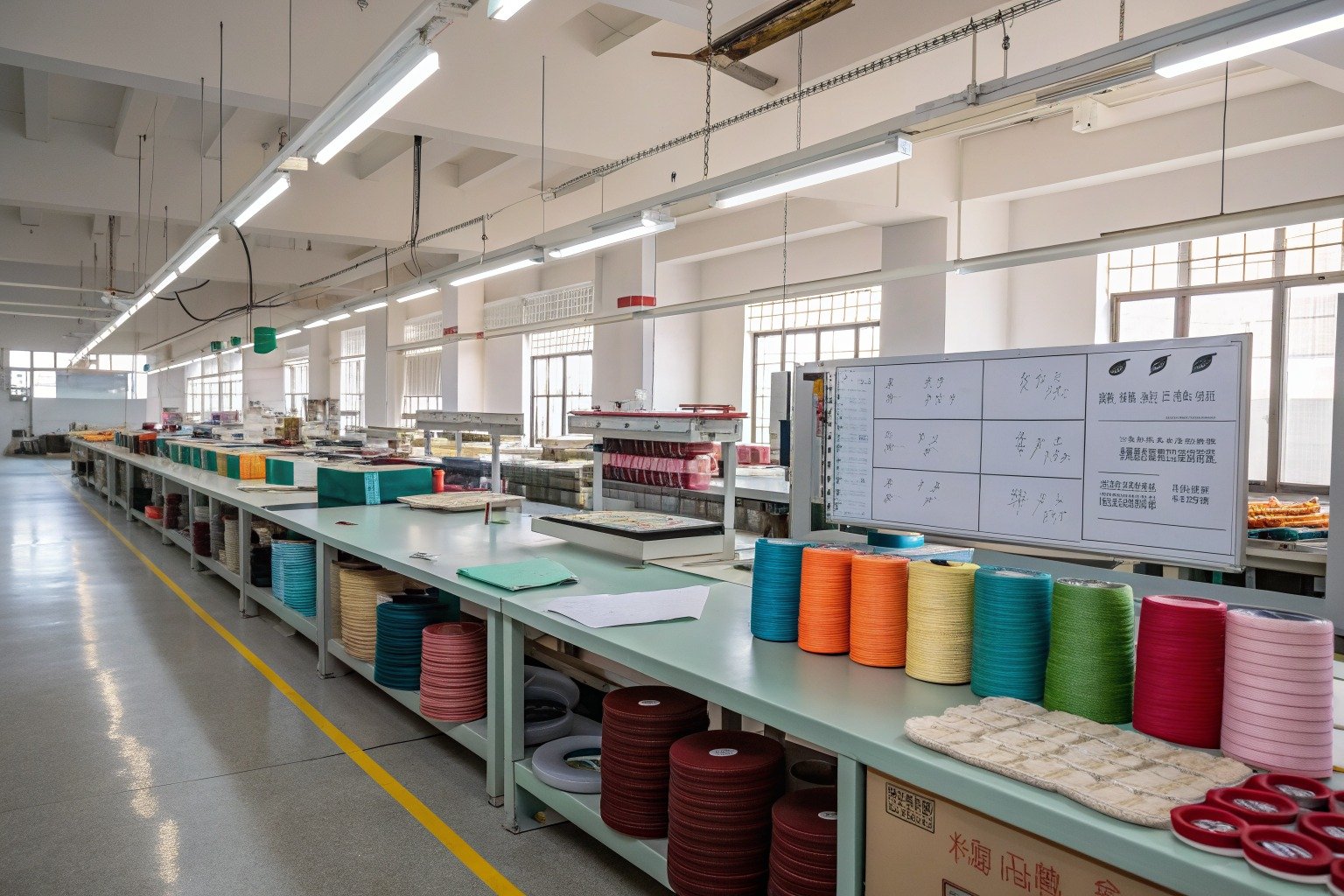
Having shipped millions of accessory units from our manufacturing facilities in China to clients across North America, Europe, Australia, and emerging markets, we’ve developed proven methodologies that reduce costs while ensuring products arrive undamaged and on time.
How to select the right international shipping carriers?
Choosing appropriate shipping carriers is the foundational decision that impacts cost, reliability, and customer experience. The carrier selection should align with your business priorities—whether that’s speed, cost minimization, or reliability.
Carrier selection requires evaluating delivery timelines, pricing structures, tracking capabilities, and destination coverage to match your specific accessory types and business requirements.
When should you use express couriers versus postal services?
Strategic carrier selection depends on multiple factors including package value, delivery urgency, and destination country infrastructure. Express couriers like DHL, FedEx, and UPS offer premium services with faster transit times, comprehensive tracking, and higher reliability but at significantly higher costs. Postal services like China Post, USPS, or local national posts provide more economical options with longer delivery windows and basic tracking.
Our data analysis reveals distinct patterns for accessory businesses:
- High-value accessories ($75+): Typically justify express shipping costs through reduced loss rates and superior customer experience
- Mid-range accessories ($25-75): Often benefit from hybrid services that balance cost and delivery speed
- Low-value accessories (under $25): Usually most cost-effective through postal services, especially to countries with reliable mail systems
The table below illustrates key differences:
| Service Type | Average Delivery | Cost Factor | Tracking Quality | Ideal Accessory Types |
|---|---|---|---|---|
| Express Courier | 2-5 business days | High | Real-time, comprehensive | Luxury jewelry, delicate hair accessories, high-value orders |
| Postal Air Mail | 10-25 business days | Low | Basic, limited updates | Low-cost hair bands, simple scarves, small leather goods |
| Economy Sea | 30-60 days | Very Low | Minimal until arrival | Bulk shipments, seasonal inventory, non-urgent replenishment |
| Hybrid Services | 7-15 business days | Medium | Good, regular updates | Mid-range accessories, established international markets |
How can businesses optimize carrier selection for mixed accessory orders?
Tiered shipping strategies allow businesses to match service levels to order characteristics rather than applying one-size-fits-all approaches. We help clients implement rules-based shipping that considers:
- Order value thresholds: Automatic upgrade to express service for orders over specific amounts
- Product mix: Delicate items routed through more protective shipping channels
- Destination performance: Historical delivery data informing carrier selection by country
- Seasonal factors: Adjusted strategies during peak seasons with carrier capacity constraints
This nuanced approach typically reduces overall shipping costs by 18-32% while improving delivery consistency and customer satisfaction metrics.

What packaging solutions protect fashion accessories during international transit?
Fashion accessories present unique packaging challenges due to their diversity—from delicate hair ornaments to structured handbags. The right packaging must protect against physical damage, environmental factors, and handling hazards while representing brand quality.
Effective international packaging combines structural integrity, material-specific protection, brand-appropriate presentation, and cost efficiency across diverse accessory categories.
How to package different accessory types for international shipping?
Category-specific protection addresses the unique vulnerabilities of each accessory type:
- Delicate hair accessories: Individual poly bags, bubble wrap sleeves, and compartmentalized boxes prevent crushing and scratching
- Jewelry and metallic items: Anti-tarnish strips, soft pouches, and secure mounting prevent movement and oxidation
- Textile accessories (scarves, shawls): Rigid boxes prevent compression damage, tissue interleaving maintains fabric integrity
- Structured items (belts, handbags): Custom inserts maintain shape, corner protectors prevent impact damage
- Mixed material accessories: Combined approaches addressing each material’s vulnerability
Our quality assurance process includes international shipping simulation that tests packaging against vibration, compression, impact, and climate variations. This proactive approach has reduced damage rates by over 75% for our clients shipping globally.
Why does brand-appropriate packaging matter for international shipments?
Unboxing experience preservation ensures that brand identity survives the international journey. While protective functionality is paramount, maintaining aesthetic appeal upon arrival drives customer satisfaction and repeat purchases. We implement brand-consistent packaging through:
- Custom printed boxes that withstand handling while communicating brand values
- Tissue paper and branded tape that survive transit while creating presentation impact
- Thank you cards and care instructions that enhance the customer experience
- Consistent color schemes and design elements across all touchpoints
This attention to brand presentation has proven particularly valuable for accessories businesses where the unboxing moment represents a key brand touchpoint and social sharing opportunity.

How to navigate customs clearance for fashion accessories?
Customs clearance represents one of the most complex aspects of international accessory shipping, with regulations varying significantly by country and product category. Proper preparation prevents delays, additional costs, and compliance issues.
Successful customs navigation requires accurate product classification, complete documentation, understanding of destination-specific regulations, and proactive communication with customs brokers.
What documentation ensures smooth customs clearance for accessories?
Complete and accurate paperwork prevents the majority of customs delays and issues. Essential documents include:
- Commercial Invoice: Detailed description, quantity, value, and harmonized system codes
- Packing List: Itemized contents matching the commercial invoice
- Certificate of Origin: When required for tariff purposes or trade agreements
- Specific Certifications: Safety, materials, or special category documentation
- Shipping Manifest: Comprehensive overview of shipment contents
We provide clients with automated documentation systems that generate country-specific paperwork based on the latest regulatory requirements. This approach has reduced customs clearance delays by approximately 40% compared to manual documentation processes.
How do HS codes impact accessory shipping costs and compliance?
Proper product classification using Harmonized System (HS) codes directly affects duty rates, import restrictions, and clearance procedures. Common accessory classifications include:
- Hair accessories: Typically HS 9615.19 with duty rates varying by material
- Textile scarves and shawls: HS 6214.30 with specific fiber content requirements
- Costume jewelry: HS 7117.19 with material-specific regulations
- Belts and bandoliers: HS 9615.19 with leather-specific considerations
- Headbands and hair ornaments: HS 9615.19 with decoration-specific categories
Incorrect classification can lead to customs delays, additional charges, or seizure of goods. Our maintained database of international HS codes and regular regulatory updates helps clients avoid these pitfalls while optimizing duty costs through proper classification.

What technology solutions optimize international accessory shipping?
Modern shipping technology has transformed international logistics from operational challenge to competitive advantage. The right tools provide visibility, efficiency, and customer communication capabilities that elevate the entire shipping experience.
Effective shipping technology encompasses integrated tracking, automated documentation, predictive analytics, and customer communication platforms that work together seamlessly.
How can integrated tracking systems enhance the customer experience?
Real-time visibility transforms customer uncertainty into engagement throughout the international shipping journey. Advanced tracking systems provide:
- Detailed updates from pickup to delivery
- Customs clearance milestones and notifications
- Exception alerts and proactive delay management
- Estimated delivery dates with increasing accuracy
- Multi-carrier tracking through unified interfaces
We provide clients with white-labeled tracking portals that maintain brand identity while offering comprehensive shipment visibility. This approach has reduced "where is my order" inquiries by approximately 65% while significantly improving customer satisfaction scores.
Why should accessory businesses implement automated shipping optimization?
Intelligent carrier selection uses algorithms to continuously evaluate shipping options based on multiple variables:
- Real-time carrier rates and capacity
- Historical performance data by route and service level
- Package characteristics and destination requirements
- Cost versus speed trade-offs specific to business priorities
- Seasonal factors and carrier capacity constraints
This technology-driven approach typically reduces shipping costs by 15-30% while maintaining or improving delivery reliability. The systems also automatically adjust strategies based on performance data, creating continuous improvement in international shipping operations.

Conclusion
Optimizing international shipping for fashion accessories requires a strategic, multi-faceted approach that aligns carrier selection, packaging solutions, customs compliance, and technology integration with your specific business needs and customer expectations. The most successful strategies combine cost efficiency with reliable delivery, product protection, and seamless customer experience. By implementing these proven methodologies, accessory businesses can transform international shipping from a logistical challenge into a competitive advantage that supports sustainable global growth.
If you’re looking to develop or optimize your international accessory shipping strategy, we invite you to contact our Business Director, Elaine. She can discuss how our integrated manufacturing and logistics capabilities can streamline your global operations. Reach
her at: elaine@fumaoclothing.com.