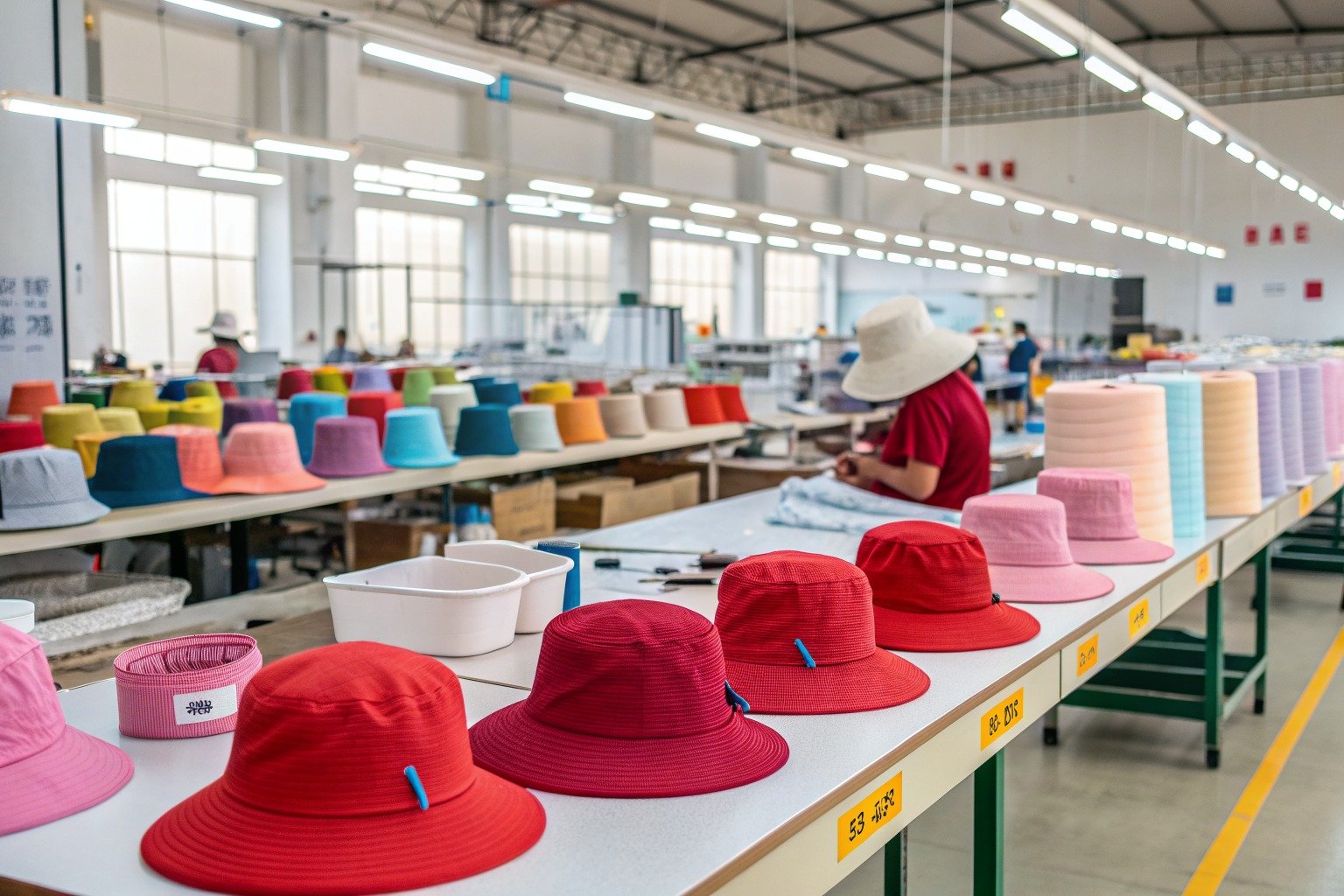
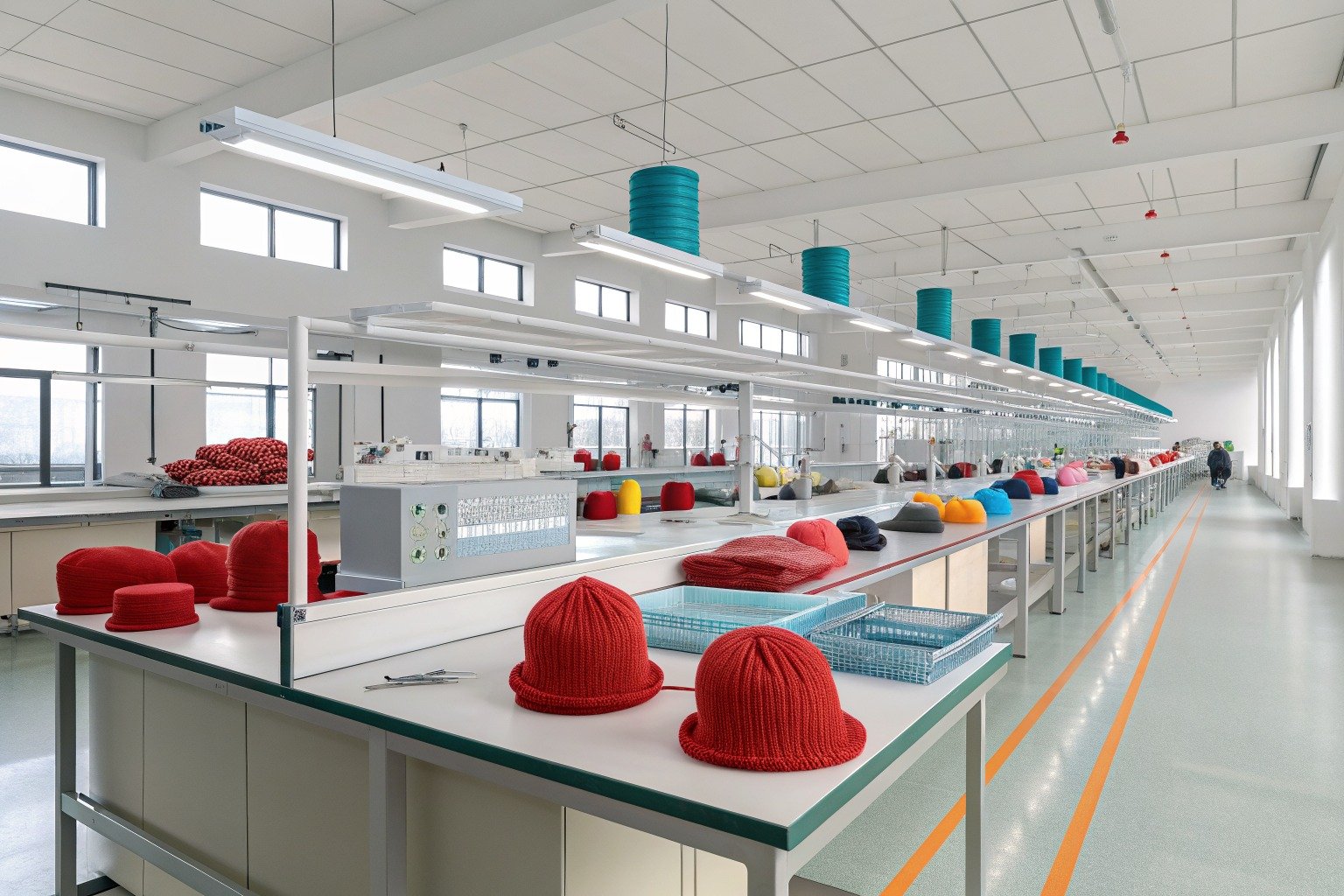
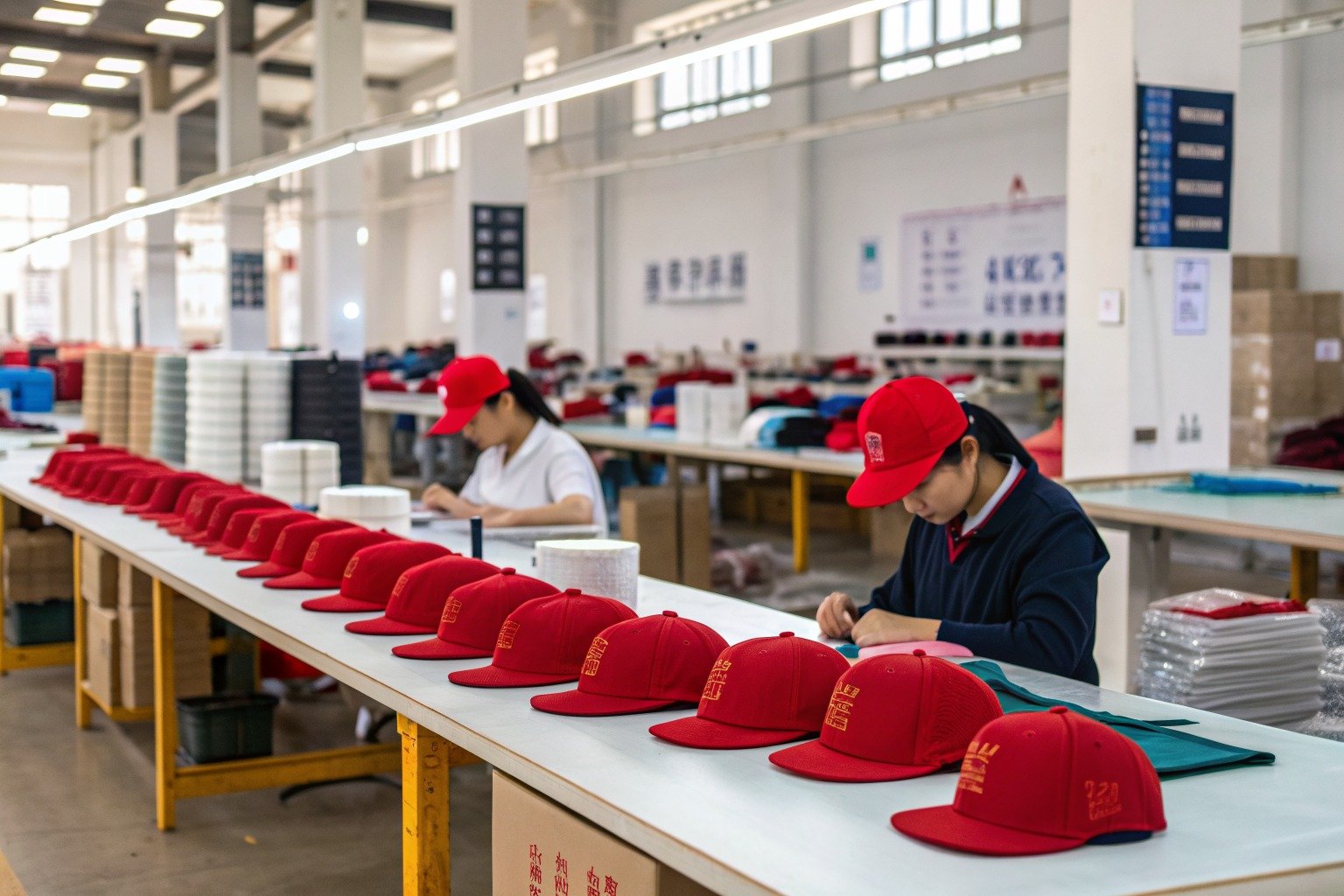
As a professional manufacturer and exporter of accessories, we at AceAccessory have spent years observing what makes retail displays succeed or fail. Our clients, ranging from major supermarkets to boutique brands, often ask us how they can present our hair clips, scarves, hats, and belts in a way that maximizes sales and enhances the customer experience. A well-planned display does more than just show products; it tells a story, engages shoppers, and significantly boosts your average transaction value.
The best way to display accessories in retail is by creating a multi-sensory, organized, and thematic environment that guides the customer journey. This involves strategic placement, thoughtful lighting, interactive elements, and a clear narrative that connects the accessories to the customer’s lifestyle. An effective display makes products easy to see, touch, and imagine owning, ultimately removing friction from the path to purchase.
Let’s dive into the core principles and actionable strategies you can implement to transform your accessory section from a simple holding area into a powerful profit center.
How Can Strategic Placement Increase Accessory Sales?
Placement is everything in retail. The location of your accessory display can determine its success before a customer even touches a product. Strategic placement is about intercepting the customer’s natural path and creating moments of discovery.
A well-placed accessory display captures impulse buys and complements primary purchases. The goal is to integrate accessories into the main shopping flow, not relegate them to a forgotten corner. High-traffic areas near the entrance, adjacent to fitting rooms, and next to the checkout counter are prime real estate. For example, placing a stand of colorful hair bands and clips near a kids’ clothing section can lead to complementary sales, as parents are already in a buying mindset. Similarly, positioning belts and scarves close to relevant apparel allows customers to visualize complete outfits, increasing the perceived value and likelihood of a multi-item purchase.

Why are checkout areas crucial for accessory displays?
The checkout area is the last point of contact with a customer and is prime for impulse purchases. Shoppers here are often waiting, making them more likely to browse small, appealing items. Displays here should feature low-cost, high-appeal accessories like fun hair clips, keychains, or small pouches. This strategy capitalizes on the customer’s already-decided intent to buy. It’s an easy "add-on" that doesn’t require much additional consideration. Many large supermarkets and chains excel at this, using impulse purchase strategies to significantly boost their bottom line. Furthermore, the design of these displays should be compact and vertical, utilizing gondola shelves to maximize a small footprint.
What is the "See, Touch, Buy" principle?
The "See, Touch, Buy" principle emphasizes creating a tactile experience. Customers are far more likely to purchase an accessory if they can interact with it. This means avoiding overly secured packaging that requires assistance to open. For items like scarves, gloves, and hats, allow customers to feel the material. Our clients find that when they switch from locked glass cases to open, accessible displays for non-high-theft items, sales increase. The ability to touch builds an emotional connection and reassures customers about the quality of the materials. This sensory engagement is a key part of omnichannel retailing, bridging the gap between the online and in-store experience.
How Does Lighting and Color Psychology Influence Buying Decisions?
Lighting and color are not just decorative elements; they are powerful psychological tools that can dramatically alter perception and behavior. A dimly lit, colorless display will fail to do justice to even the most beautifully crafted accessories.
Proper lighting and a strategic color palette work together to create mood, highlight products, and guide the eye. They make your accessories look more desirable and can even influence how customers perceive quality and value.

What is the best lighting for showcasing different accessories?
The best lighting is tailored to the product. For metallic items like belts with buckles or hair clips, focused spotlights create attractive sparkle and draw attention. For soft goods like knit hats and scarves, softer, diffused lighting can enhance the texture and make them look cozy and inviting. It’s crucial to avoid harsh shadows or overly warm/yellow lights that can distort color. We advise our clients to use LED lights for their brightness, color accuracy, and energy efficiency. Proper illuminance levels are key. For instance, a general display might require 500 lux, but a featured item could need 1000 lux to stand out. Consistent, high-quality lighting is a non-negotiable aspect of professional visual merchandising.
How can color schemes boost accessory visibility?
Color schemes organize your display and evoke specific emotions. A monochromatic scheme (e.g., various shades of blue for scarves) looks sophisticated and organized. A complementary scheme (e.g., orange and blue) creates dynamic energy that makes products pop. For seasons, you might use warm tones (reds, oranges) for fall/winter accessories and cool tones (blues, greens) for spring/summer. The background color is also critical; a neutral background ensures colorful accessories are the star. Understanding color psychology helps in crafting a display that not only looks good but also subconsciously communicates the right message, such as trust (blue) or excitement (red). This is a core principle in effective store design.
What Are The Most Effective Fixtures For Accessory Displays?
The fixtures you choose—the shelves, racks, and stands—form the skeleton of your display. They define how products are organized and presented. The right fixture makes products accessible and visually appealing, while the wrong one can create clutter and confusion.
Effective fixtures serve both form and function. They should be sturdy enough to hold your inventory but also designed to enhance the product’s appeal and make the shopping experience intuitive for the customer.
| Fixture Type | Best For | Key Benefit |
|---|---|---|
| Grid Panels | Hair clips, small hair bands, jewelry | Maximizes wall space, highly organizable |
| Cube Displays | Scarves, gloves, beanies, belts | Creates a clean, modular look; easy to group by color |
| Tabletop Bins | Seasonal items, sale products, hair ties | Encourages browsing and impulse touching |
| Freestanding Towers | Belts, bags, longer scarves | Utilizes vertical space, acts as a focal point |
| Mannequins & Busts | Hats, scarves, statement necklaces | Shows products in use, provides styling inspiration |

How do you choose between open and closed displays?
The choice between open and closed displays balances accessibility with security. Open displays, like tabletop bins or hanging racks, encourage interaction and impulse handling, which is ideal for lower-cost items like hair bands and cloth hats. Closed displays, such as glass-fronted cabinets, are necessary for high-theft items or high-value products like premium leather belts. They convey a sense of exclusivity and protection. Many retailers use a hybrid approach: open displays for the majority of products with a single locked case for the most expensive items. This strategy maintains an inviting atmosphere while minimizing loss. Investing in smart loss prevention solutions allows for more open, engaging displays without sacrificing security.
Why are multi-level displays so important?
Multi-level displays are crucial because they create visual interest and maximize space. A flat table display is often boring and inefficient. By using risers, tiered stands, or cascading hooks, you can ensure products at the back are visible. This "vertical merchandising" draws the eye upward and makes the entire presentation look fuller and more dynamic. For example, a display for baseball caps can use a multi-arm spinner rack, allowing customers to see dozens of options without taking up much floor space. This approach to retail merchandising is essential for driving density and variety in a limited area.
How To Create Thematic Displays That Tell A Story?
Today’s consumers, especially those shopping at branded stores, crave more than just products; they seek experiences and stories. A thematic display bundles accessories together under a compelling narrative, making them more memorable and desirable.
Thematic displays connect accessories to a customer’s aspirations, hobbies, or the season. Instead of just selling a hat, you’re selling "A Day at the Beach" or "Winter Mountain Getaway." This emotional connection is a powerful driver of sales.

What are the key elements of a successful theme?
A successful theme has three key elements: a clear concept, cohesive props, and relevant products. The concept could be a season ("Summer Fun"), a color trend ("Desert Neutrals"), or an event ("Back to School"). Props are used sparingly to suggest the theme without cluttering the space—a small toy sailboat with summer hats and sunglasses, for instance. Most importantly, the products must fit the narrative perfectly. We work with our clients on seasonal trend forecasting to ensure the accessories we develop, from straw hats to canvas bags, align with the stories they want to tell in-store. This level of curation is a hallmark of strong brand storytelling.
How often should you rotate your thematic displays?
Thematic displays should be rotated frequently to keep the retail environment fresh and give customers a reason to return. A good rule of thumb is to align with major seasons and holidays: Spring, Summer, Back-to-School, Fall, Holiday/Winter, and then reset in January. This means a significant change about every 6-8 weeks. However, smaller updates or "refreshes" can happen more often, such as introducing a new color of hair clips or highlighting a "Accessory of the Week." Frequent rotation not only combats customer boredom but also creates a sense of urgency ("This summer display won’t be here long!"). This practice is central to dynamic visual merchandising strategies.
Conclusion
Displaying accessories effectively in retail is a blend of art and science. It requires a deep understanding of customer psychology, spatial design, and product storytelling. By mastering strategic placement, harnessing the power of lighting and color, selecting the right fixtures, and building compelling themes, you can transform your accessory department from a passive collection of items into an active, engaging, and high-converting space. Remember, a great display does the selling for you, making it easy for customers to discover, desire, and ultimately purchase your products.
If you’re looking for a reliable manufacturing partner to supply high-quality, on-trend accessories that will make your displays shine, we are here to help. At AceAccessory, we combine fast production with rigorous quality control to ensure your shelves are always stocked with best-sellers. For a professional discussion about your accessory needs, please reach out to our Business Director, Elaine, at elaine@fumaoclothing.com. Let’s build your perfect product line together.