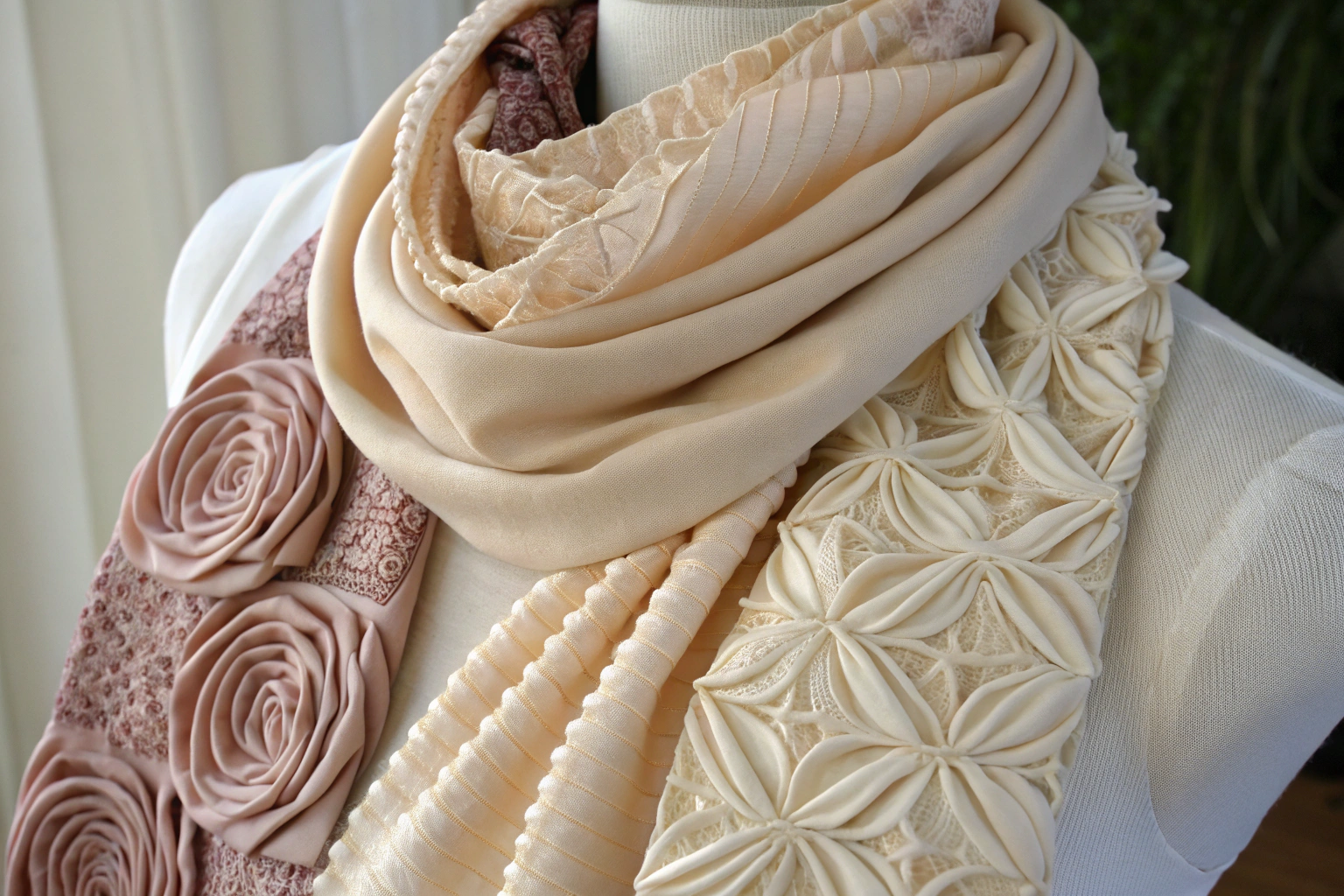
I’ve been in the textile business for decades, and I can tell you that texture is one of the most powerful tools in a designer’s arsenal. A beautiful color or print can catch the eye, but texture invites the hand. It adds a whole new dimension to a scarf, making it not just something to look at, but something to feel, to touch, to experience. A textured scarf is an invitation.
Fabric manipulation techniques are the key to creating this magic. These are the methods by which a flat, two-dimensional piece of fabric is transformed into a three-dimensional object with depth, pattern, and a rich, tactile quality. From the elegant precision of pleating to the intricate beauty of smocking, these techniques elevate a simple scarf into a work of art.
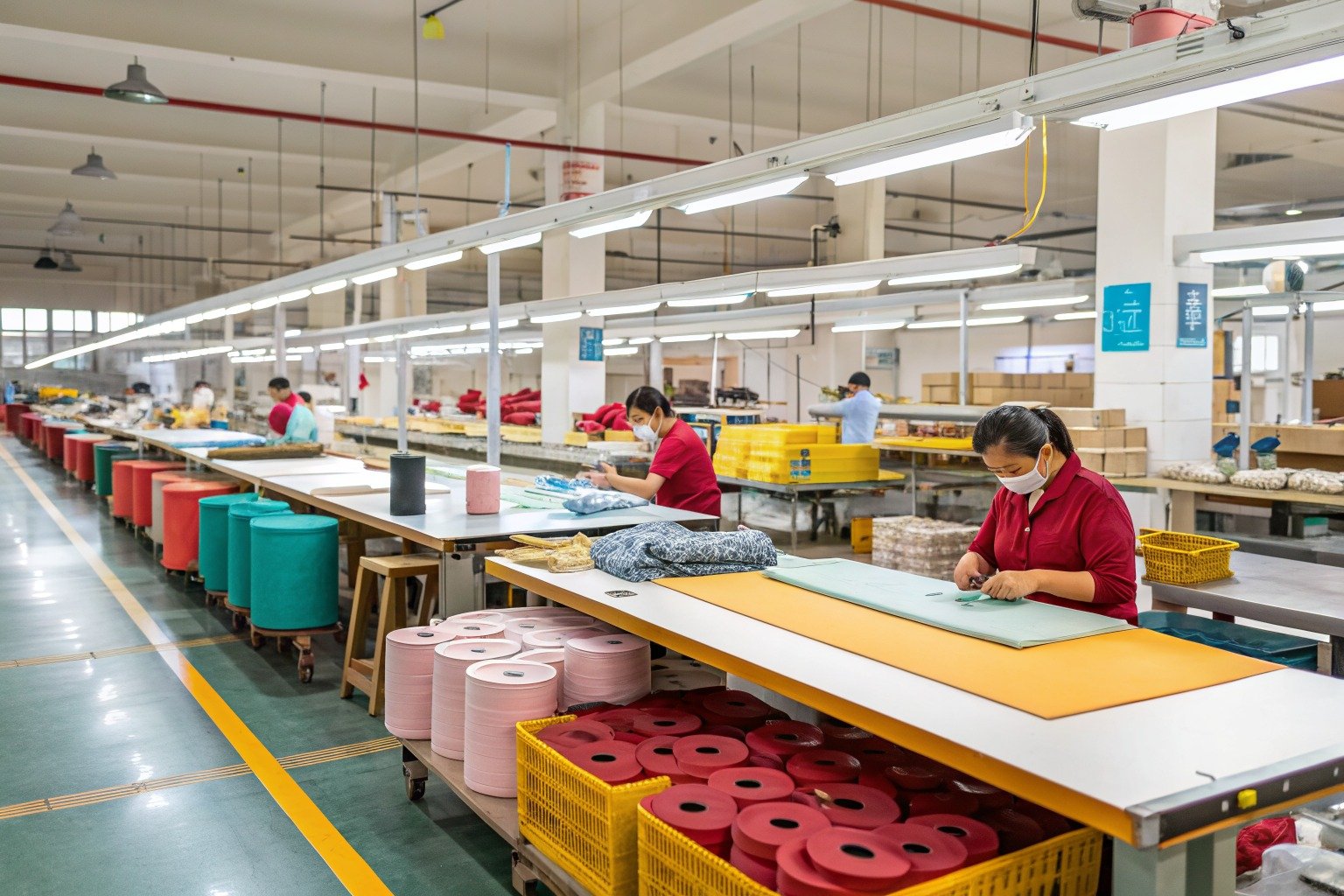
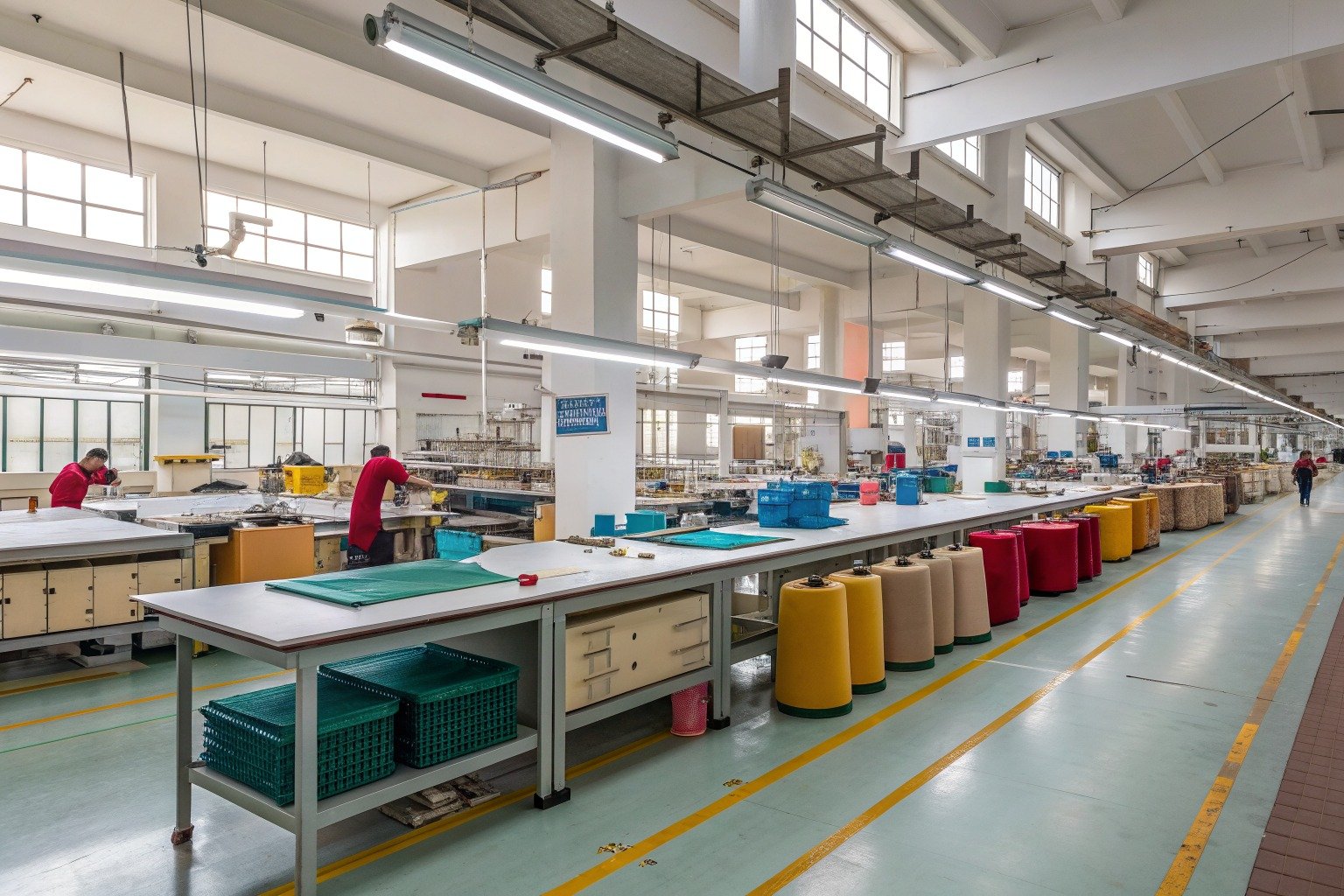
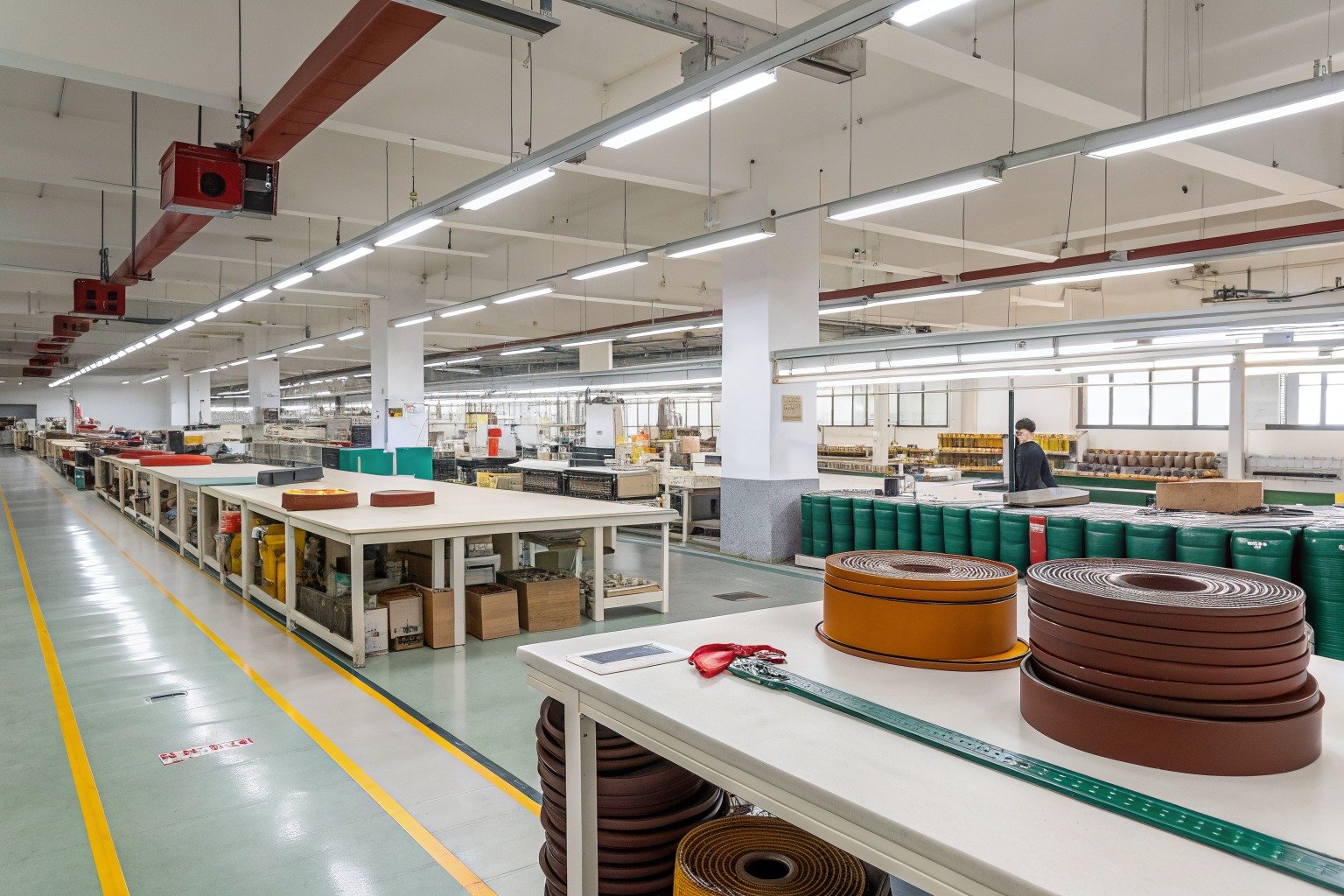
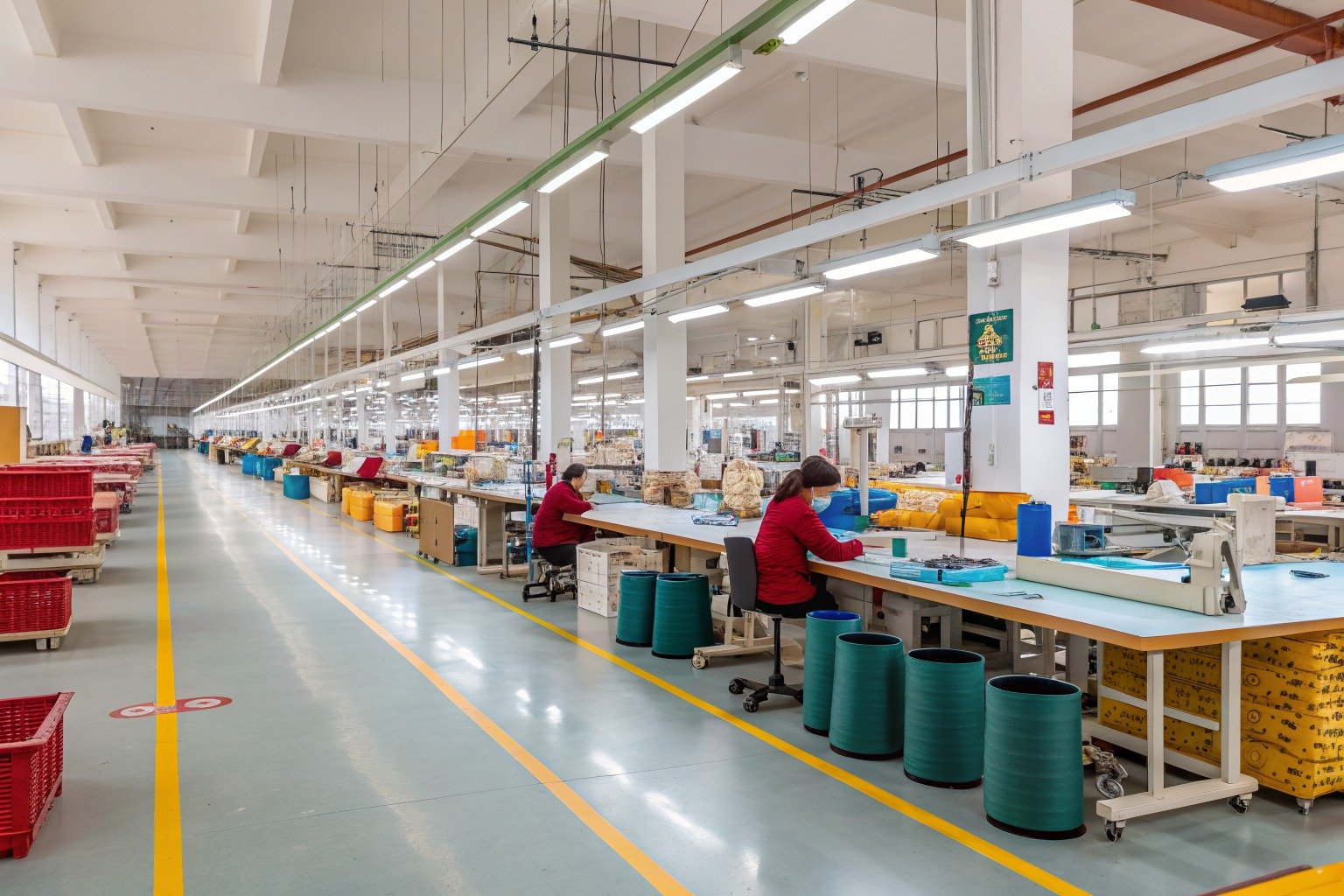
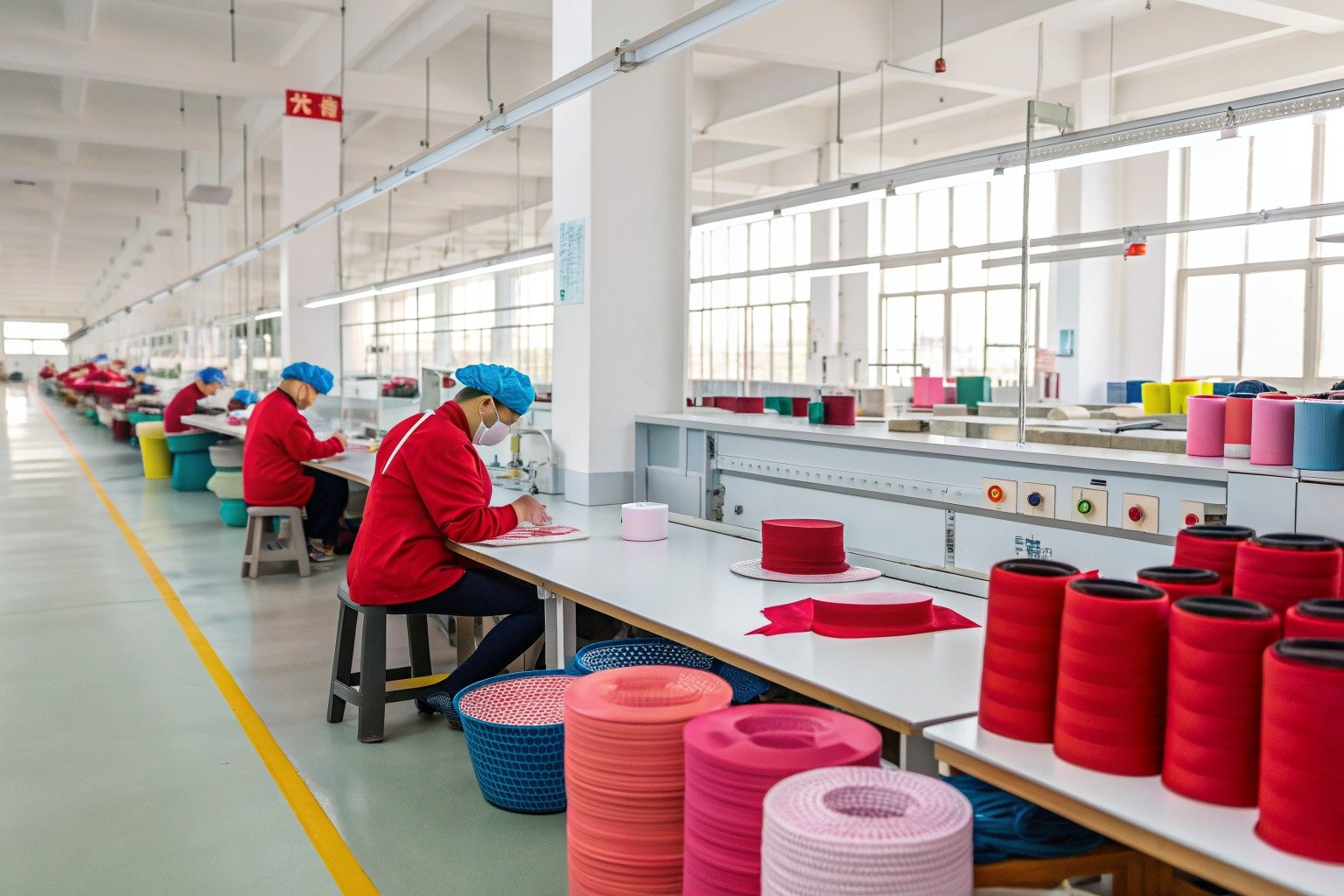
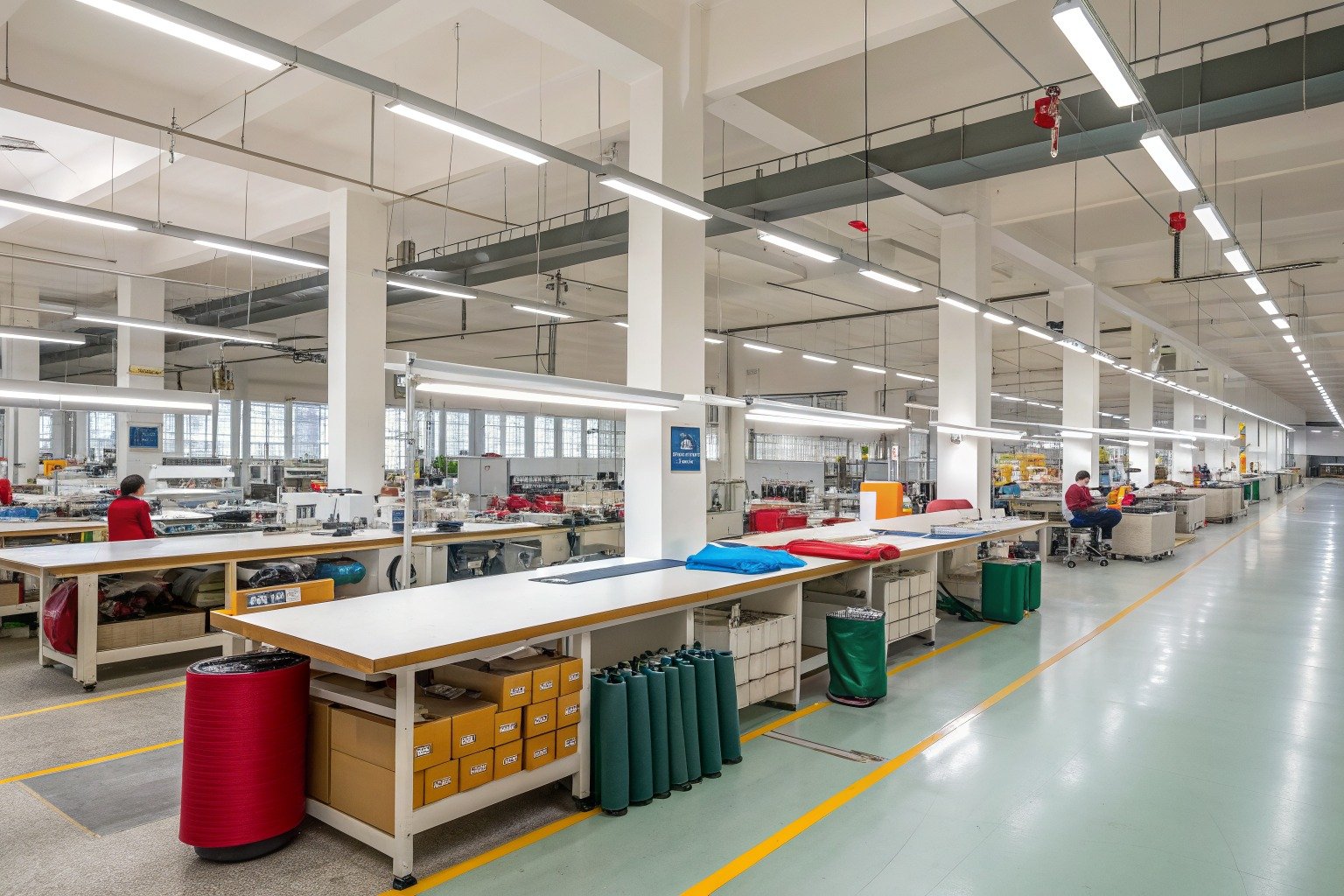
For buyers like Ron, who are looking to offer their customers something truly special, understanding these techniques is essential. At Shanghai Fumao Clothing, we have extensive experience in fabric manipulation. We work with skilled artisans who have mastered these techniques, and we also use modern machinery to create beautiful, consistent textures. In this post, I’ll share the most popular fabric manipulation techniques for textured scarves. For more on our work with textiles, you might be interested in our guide on the latest techniques for digital embroidery on delicate fabrics.
Why Is Texture So Important In Scarf Design?
Before we dive into the specific techniques, it’s important to understand why texture is so crucial in scarf design. A scarf is one of the most tactile items we wear. It’s constantly against our skin, and we handle it frequently. Texture adds a whole new layer of sensory pleasure to this experience.
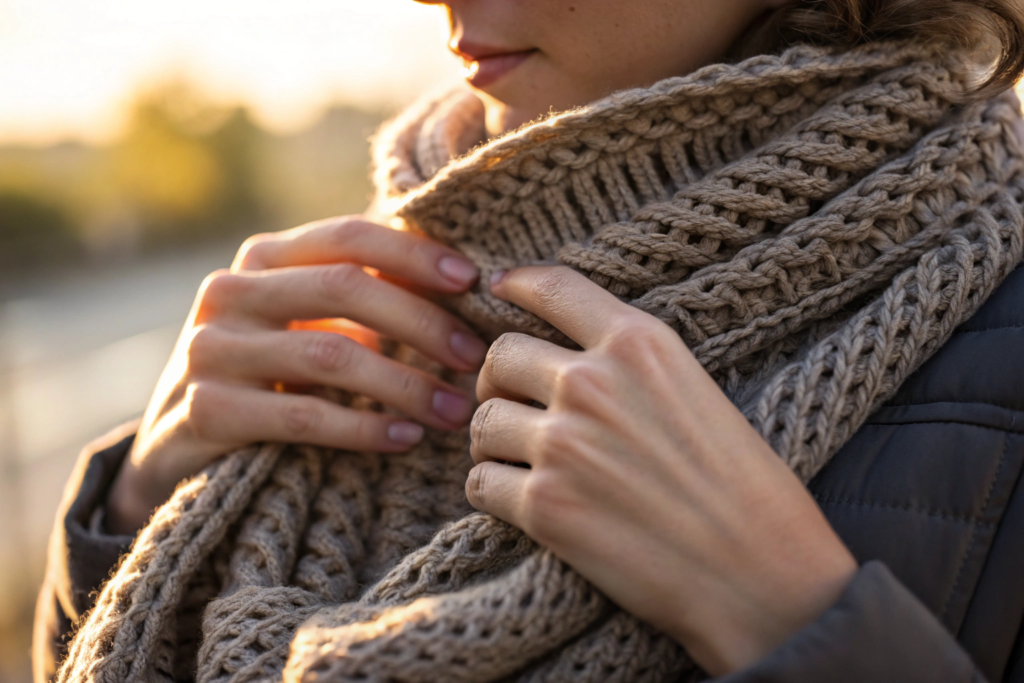
What does texture add to a scarf?
- Visual Interest: Texture creates shadows and highlights, adding depth and dimension to a scarf. It makes the fabric more visually engaging, even from a distance.
- Tactile Pleasure: A textured scarf is a joy to touch. The raised patterns, the soft gathers, the crisp pleats—all of these invite the hand and create a richer sensory experience. This is similar to the appeal of hand-knitted accessories, where the texture is part of the charm.
- Perceived Value: Texture is often associated with higher quality and craftsmanship. A scarf with intricate pleating or smocking looks and feels more luxurious than a simple, flat piece of fabric.
- Warmth and Insulation: Certain textured techniques, like pleating or gathering, can create air pockets that add warmth, making the scarf more functional as well as beautiful.
- Design Versatility: Texture can be used to create a huge range of looks, from elegant and sophisticated to casual and bohemian. It’s an incredibly versatile design tool.
Texture is what transforms a simple piece of fabric into a truly special accessory.
How does texture affect the drape and feel of a scarf?
The manipulation of the fabric inherently changes its properties.
- Drape: Techniques like pleating or smocking can make a fabric stiffer and more structured, affecting how it drapes. A heavily pleated scarf will hold its shape differently than a flat one.
- Weight: Adding texture usually adds weight to the fabric, which can affect how it feels and hangs.
- Hand Feel: The texture itself changes the hand feel. A ruched scarf will feel soft and gathered, while a pleated one will feel crisp and structured.
- Movement: Textured scarves move differently. The folds and gathers catch the air and create a more dynamic, flowing movement.
Understanding these effects is key to choosing the right technique for your design. This attention to the final look and feel is similar to the considerations we make when sourcing high-quality silk twill scarves, where the fabric’s weight and drape are critical.
What Are The Most Popular Pleating Techniques?
Pleating stands as one of the most timeless and sophisticated techniques for infusing a scarf with rich, tactile texture. This artful method transforms a simple piece of fabric into a canvas of structured elegance by meticulously folding it into a sequence of uniform, parallel creases, each pressed with care to lock in a lasting, sculpted dimension. The result is a surface that catches light, casting subtle shadows and adding depth that elevates even the simplest design.
Among the pantheon of pleating styles, each variety boasts its own distinct character: some yield soft, flowing waves that whisper against the neck, while others create crisp, sharp lines that exude quiet authority. Whether delicate and dainty or bold and architectural, these pleats breathe life into the scarf, turning it from a mere accessory into a statement of refined craftsmanship and understated beauty.
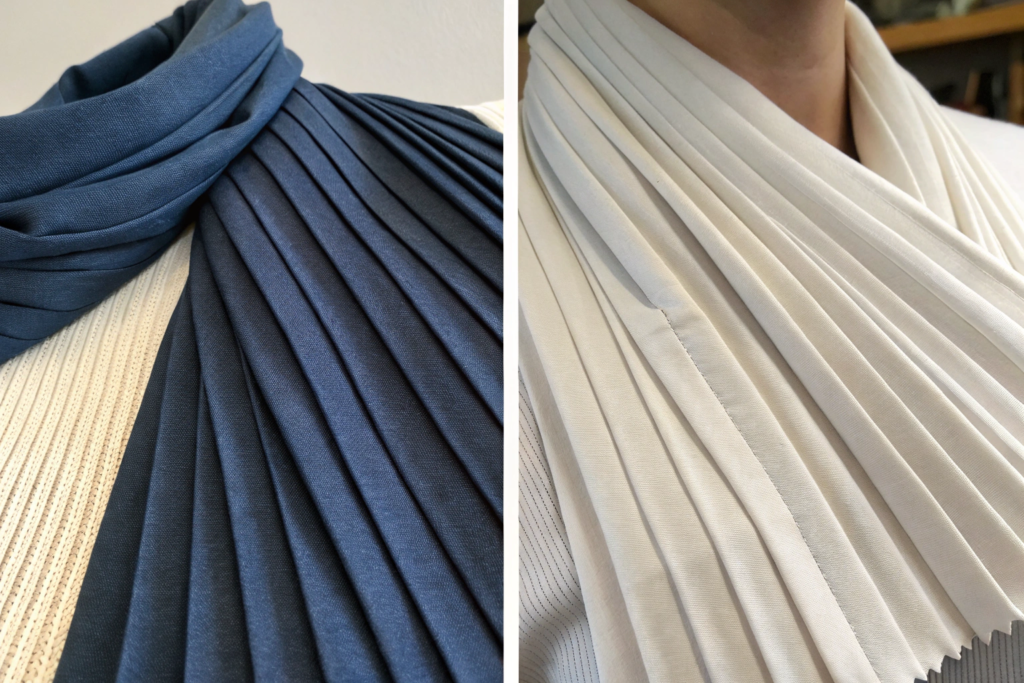
What are knife pleats?
Knife pleats are a series of flat, even folds that all face in the same direction. They create a very clean, crisp, and tailored look. They are often used on more structured scarves and can add a touch of sophistication and elegance. Knife pleats can be narrow or wide, depending on the desired effect. They are a classic choice for a polished, put-together look. This structured elegance is reminiscent of the clean lines seen in geometric accessory shapes.
What are accordion pleats?
Accordion pleats (also called knife pleats that go back and forth) are a series of very narrow, sharp pleats that alternate direction, like the folds of an accordion. They create a very textured, springy fabric with a lot of stretch and recovery. This is a very popular technique for creating scarves with a lot of body and movement. They are often used on lightweight fabrics like silk or polyester to add volume and texture. A pleated silk scarf is a timeless and elegant accessory.
What Are The Most Popular Gathering And Shirring Techniques?
Gathering and shirring are delicate textile techniques that involve gently pulling, twisting, or gathering fabric together to create soft, organic folds, subtle puckers, and rich, tactile texture. These methods breathe life into garments and textiles, infusing them with a much softer, more romantic, and fluid look than the crisp, sharp lines of traditional pleating.
Imagine the gentle sway of a dress as it moves, its fabric rippling with soft, undulating gathers that catch the light and cast gentle shadows, evoking a sense of ethereal grace and understated elegance. The result is a visual and sensory experience that feels warm, inviting, and full of quiet charm, contrasting beautifully with the structured rigidity of sharply defined pleats.
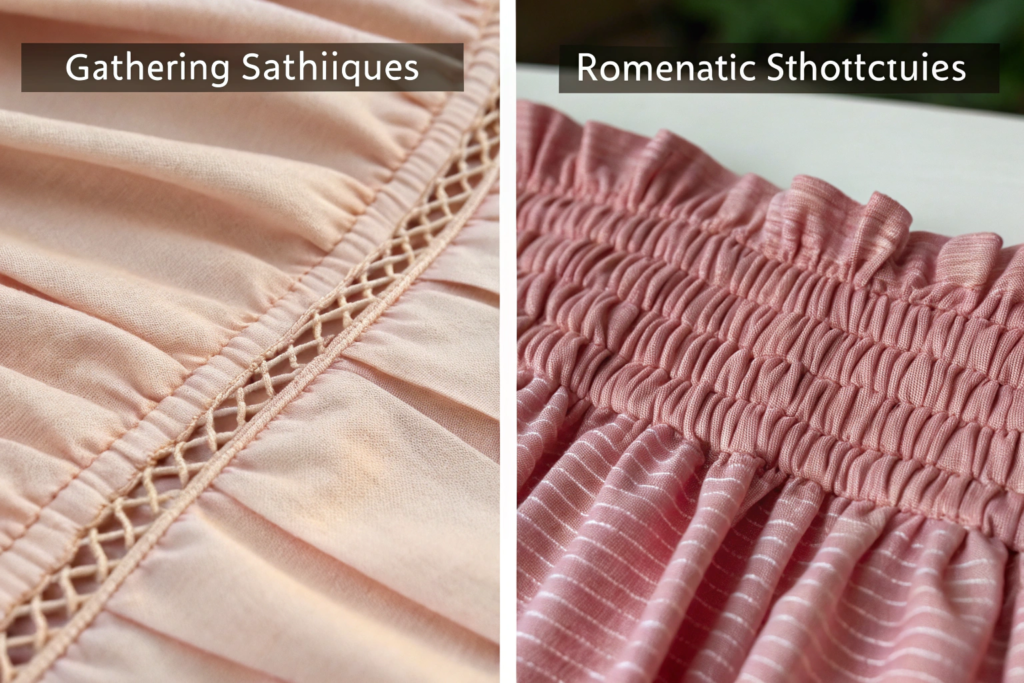
What is ruching?
Ruching (also called gathering) is a technique where fabric is gathered along one or more lines to create soft, irregular folds and a ruffled effect. It’s a very versatile technique that can be used to create everything from a subtle, textured band to a dramatic, cascading ruffle. Ruching adds a soft, romantic, and feminine touch to scarves. It’s often used on lightweight fabrics like silk, chiffon, or jersey. This soft, romantic look is similar to the appeal of scarves with contrasting edges, where a simple detail adds visual interest.
What is shirring?
Shirring is a technique that uses multiple parallel lines of gathering stitches to create a puckered, textured effect. Traditionally, this was done with small stitches and then pulled, but modern shirring often uses elastic thread in the bobbin, which creates a permanent, stretchy gather. Shirring adds a beautiful, textured, and slightly stretchy quality to the fabric. It’s very popular on lightweight scarves and adds a lovely, tactile dimension.
A ruched or shirred scarf has a soft, romantic, and very touchable quality.
What Are Smocking And Other Intricate Techniques?
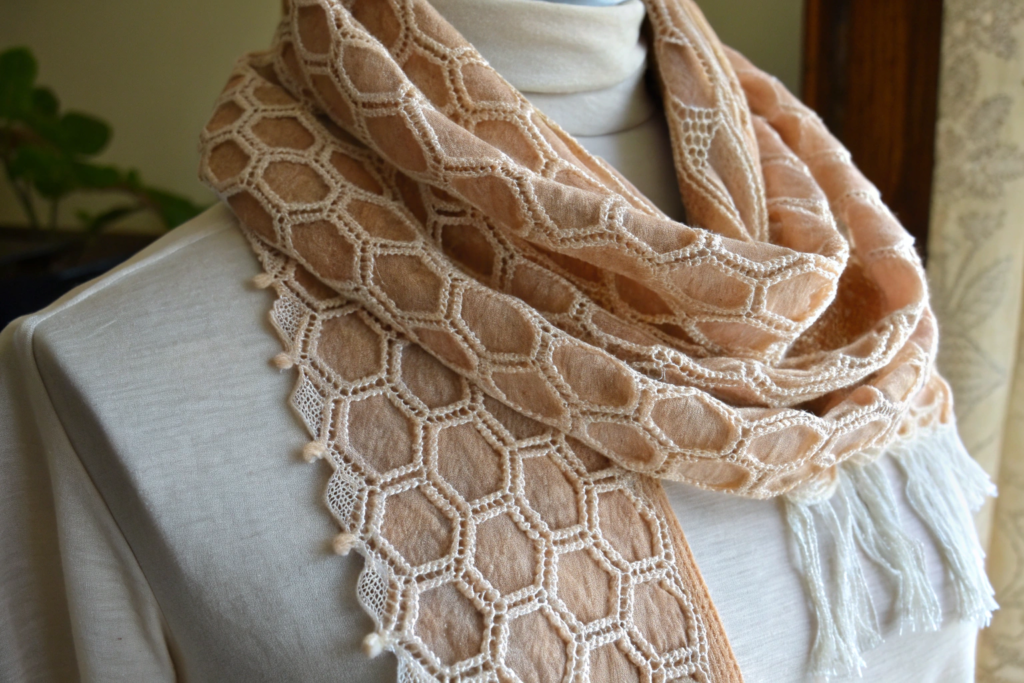
For a truly luxurious and artisanal look, more intricate fabric manipulation techniques are employed, each stitch and fold a testament to the weaver’s mastery. These techniques, such as hand-embroidered filigree, delicate pleating that catches the light like scattered diamonds, and subtle ruching that breathes life into the textile, demand a high level of skill honed over years of dedicated practice.
Often executed by nimble fingers working in serene ateliers, where the soft rustle of silk and the faint scent of natural dyes fill the air, these handcrafted processes transform ordinary threads into extraordinary tapestries of texture and depth.
What is smocking?
Smocking is an ancient embroidery technique used to gather fabric so that it can stretch. Before elastic, smocking was used in cuffs and bodices to allow for movement. Today, it’s a beautiful decorative technique. It involves gathering the fabric into even pleats and then embroidering over them with decorative stitches to hold the gathers in place. The result is a beautifully textured, elastic, and highly decorative fabric. Smocking can be done in a huge variety of patterns, from simple geometric designs to complex floral motifs. A smocked scarf is a true work of art, showcasing incredible craftsmanship. The intricate patterns are similar in their artistry to the jacquard weave patterns we discussed, where the pattern is woven into the fabric.
What are tucks and pintucks?
Tucks are created by folding the fabric and stitching along the fold to create a raised, dimensional line. Pintucks are very narrow tucks, often sewn in parallel rows. They add a subtle, elegant texture to a scarf. Tucks can be used to create stripes, patterns, or to add structure and shape. They have a clean, tailored look that is both classic and modern. This precise, tailored look is reminiscent of the best finishes for a brushed metal look, where subtle details make all the difference.
Conclusion
Fabric manipulation techniques are the secret to creating scarves with extraordinary texture, beauty, and tactile appeal. From the crisp, elegant lines of pleating to the soft, romantic folds of ruching and the intricate, artisanal beauty of smocking, each technique offers a unique way to transform a simple piece of fabric into a work of art. These techniques add visual interest, perceived value, and a rich sensory experience that elevates a scarf from a mere accessory to a cherished possession. By understanding and utilizing these techniques, designers can create scarves that are not only beautiful to look at but also a joy to wear and touch.
At Shanghai Fumao Clothing, we have a deep appreciation for the art of fabric manipulation. Our factory in Zhejiang works with skilled artisans who have mastered techniques like smocking and hand-gathering. We also use modern machinery to create precise, consistent pleats and tucks. We can help you bring your textured scarf visions to life, whether you’re looking for the elegant precision of knife pleats or the intricate beauty of hand-smocked designs. Our experienced project managers can guide you through the process, from design and material selection to production and quality control.
If you’re ready to explore the beautiful world of textured scarves, let’s talk. Please contact our Business Director, Elaine, at elaine@fumaoclothing.com. We’ll help you create scarves that your customers will love to touch and wear.