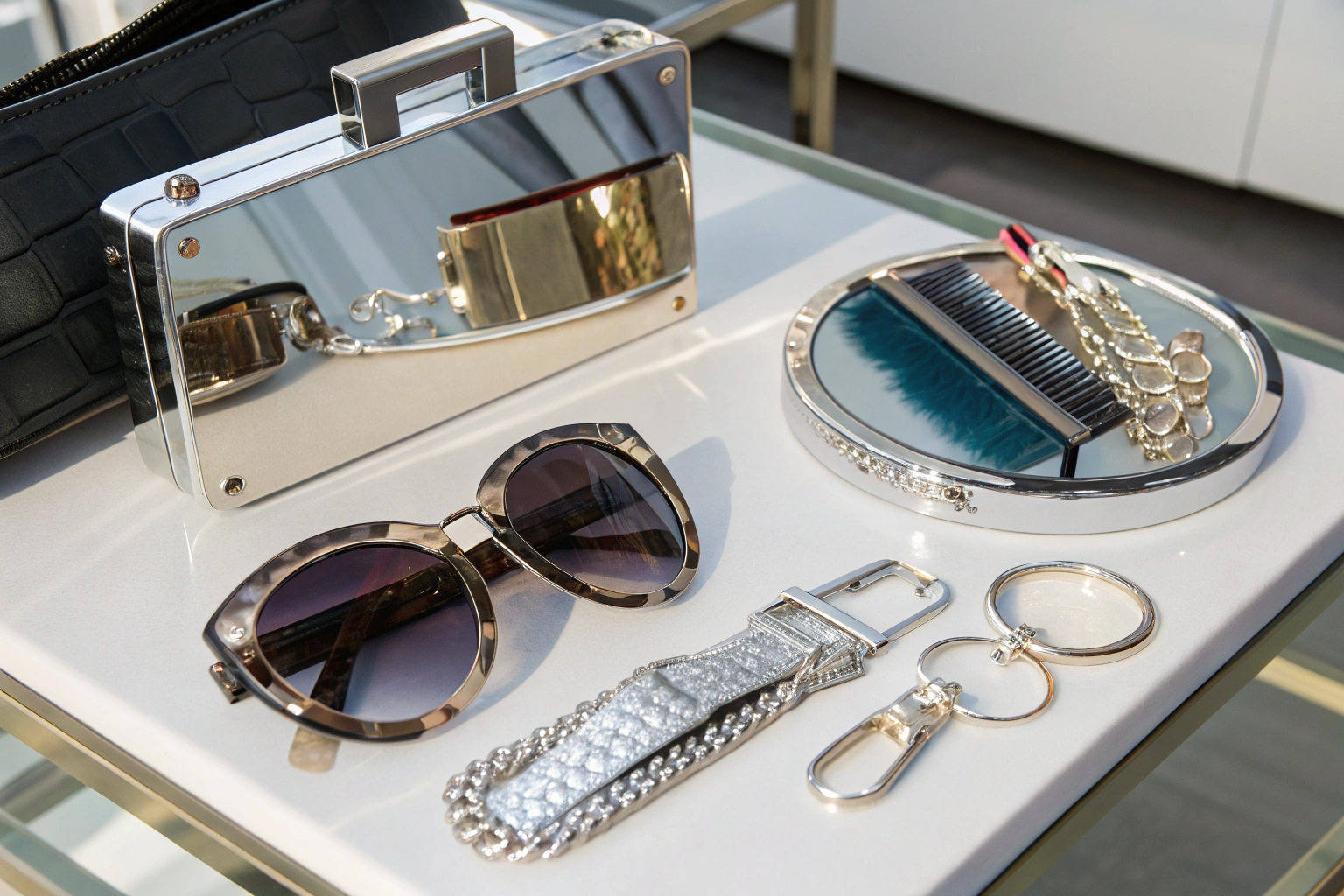
I’ve been in the accessory business for decades, and I can tell you that few things catch the eye quite like a mirror or a highly reflective surface. There’s something inherently glamorous and attention-grabbing about an accessory that shines and reflects light. From mirrored sunglasses to shiny metallic bags, these pieces have a unique appeal that transcends trends.
But sourcing accessories with mirrors or reflective surfaces comes with its own set of unique challenges. It’s not as simple as choosing a material and a design. You have to think about the quality of the reflective coating, its durability against scratches and wear, its resistance to tarnishing or peeling, and even safety considerations, especially for items that will be worn on the body.
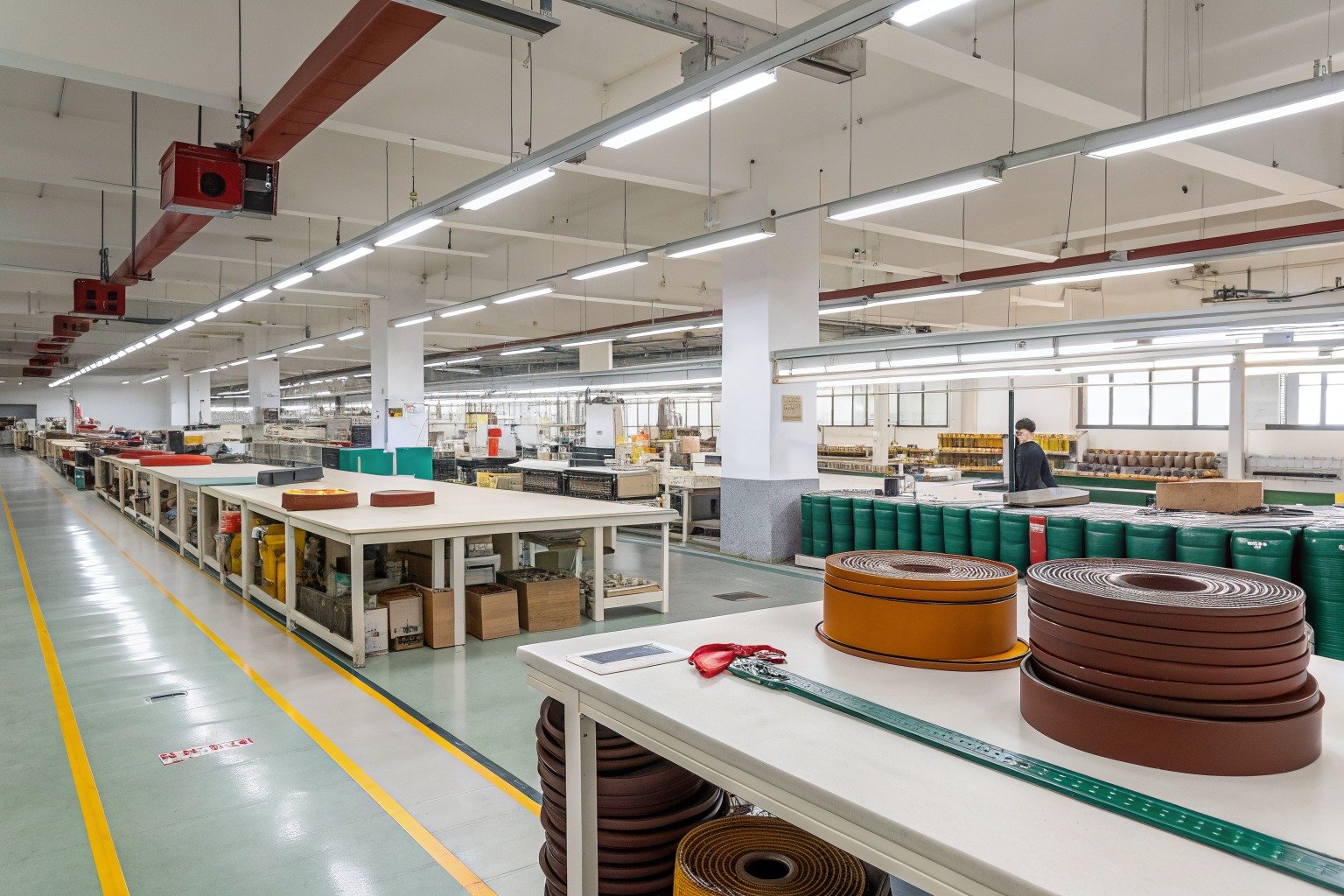
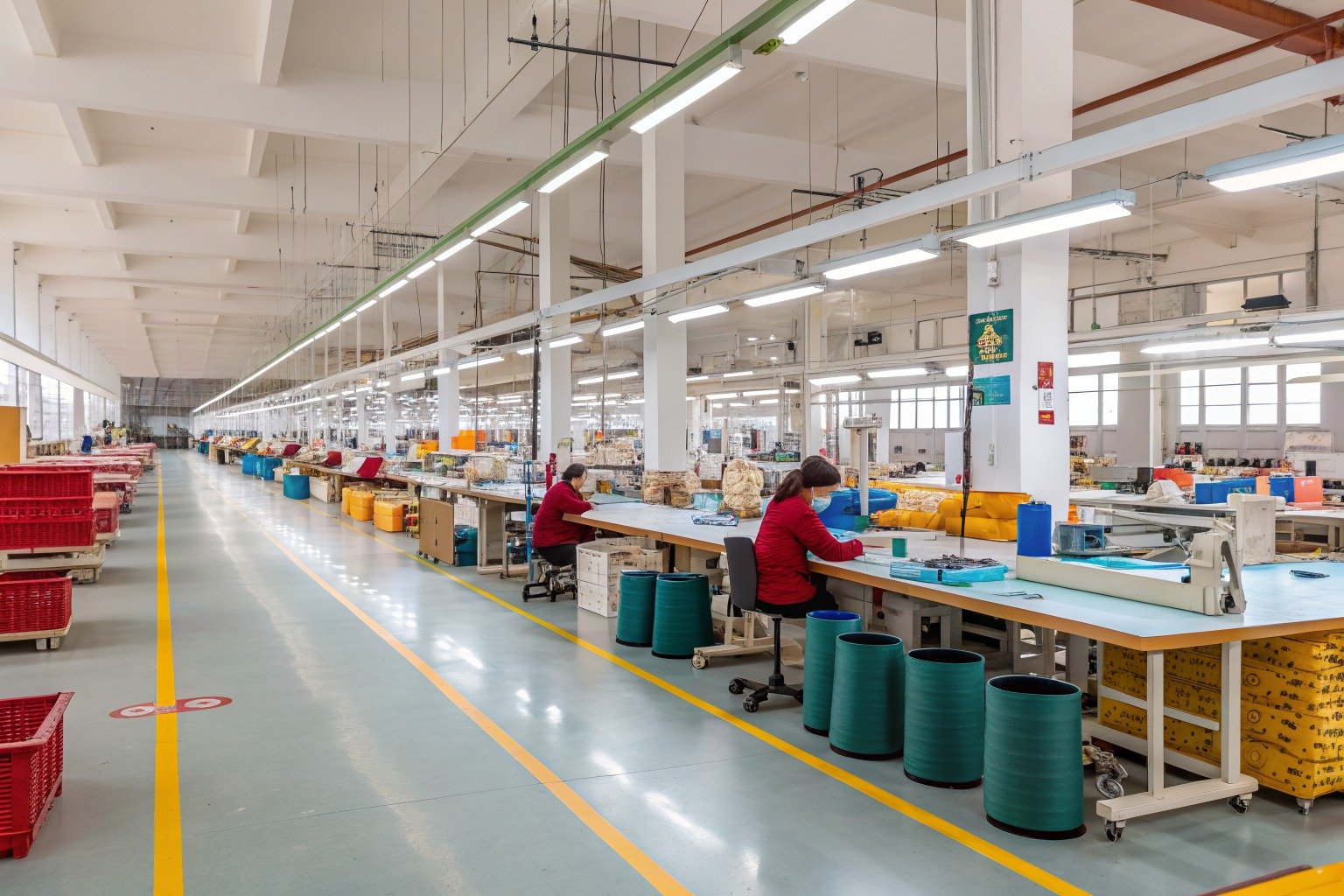
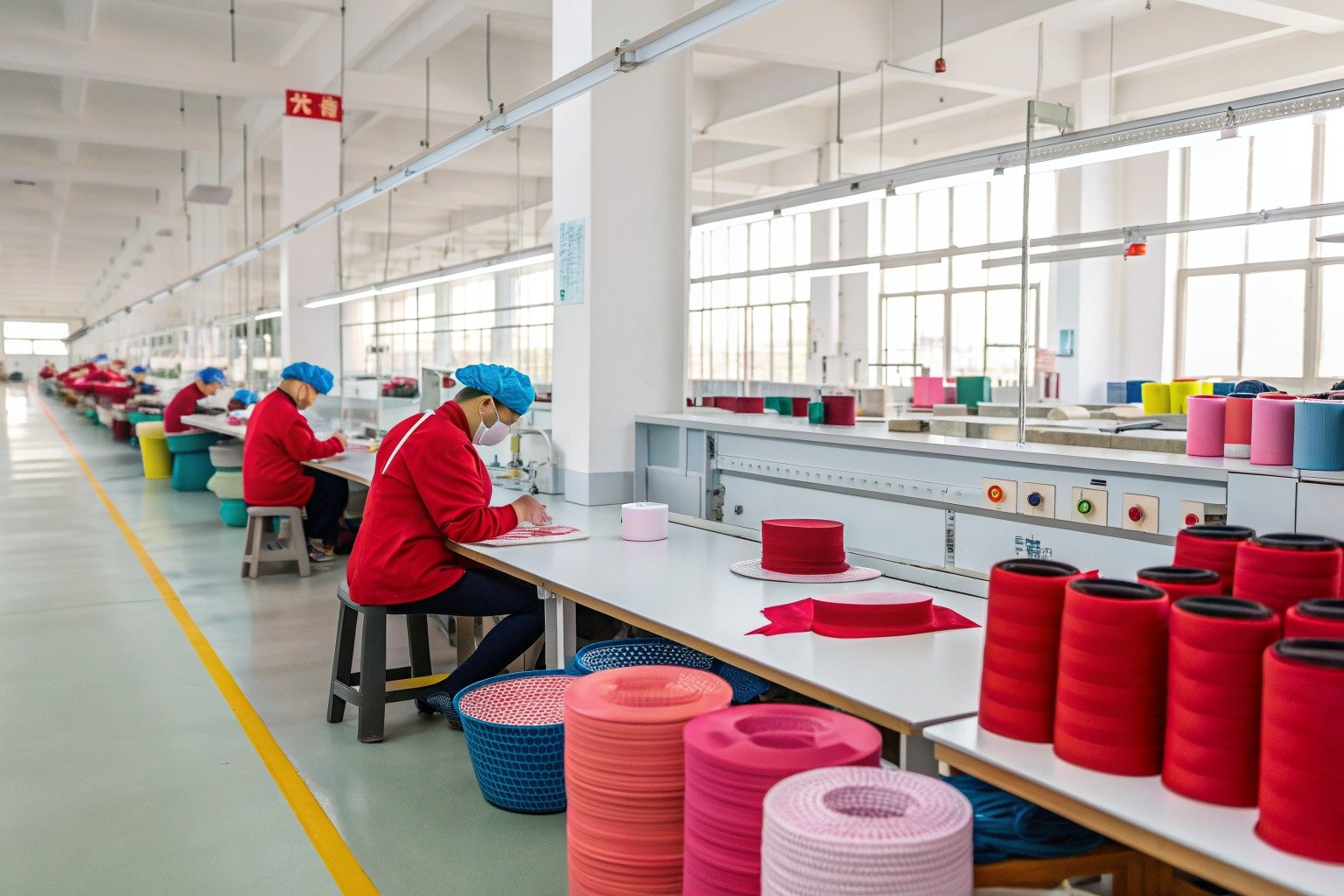
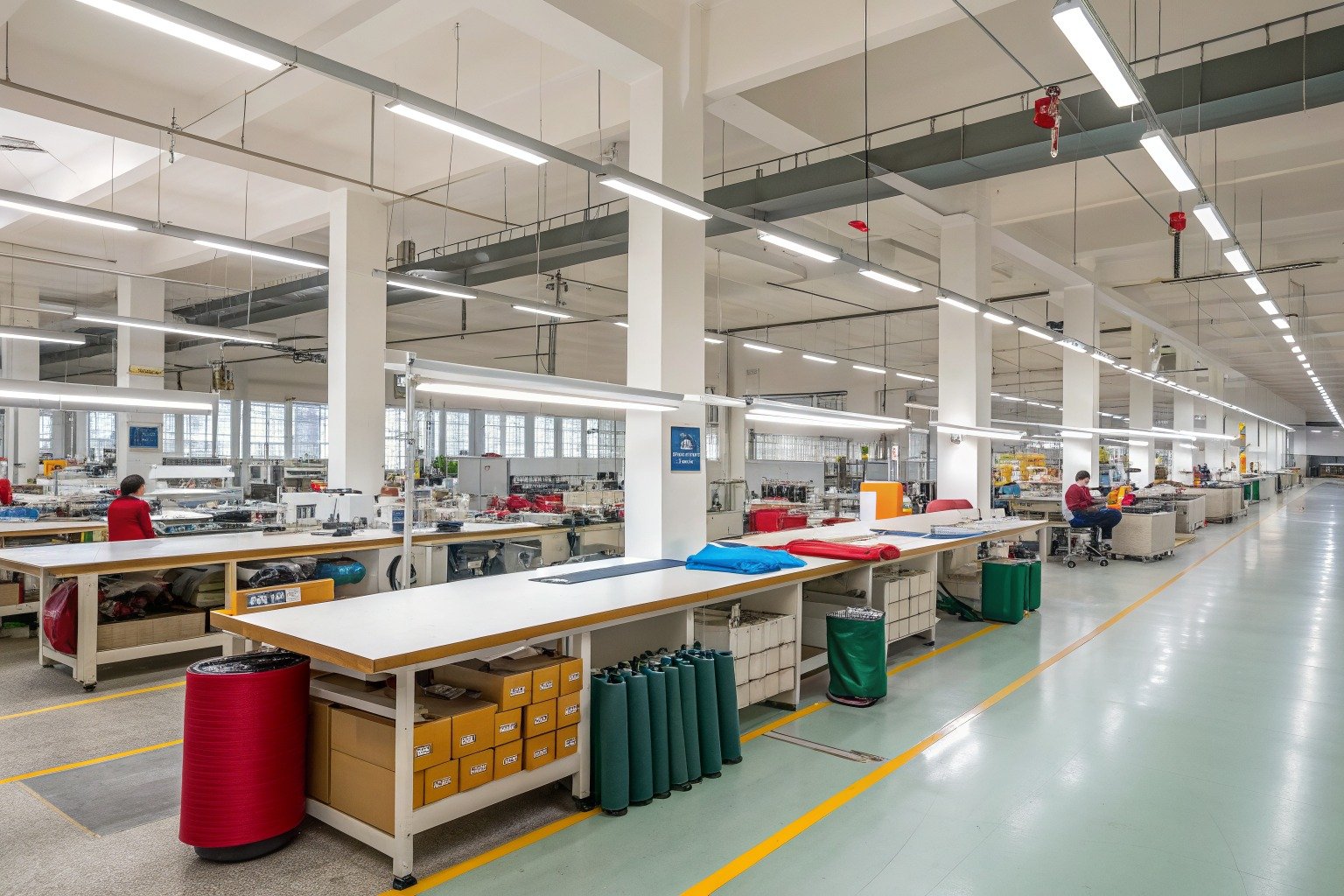
Buyers like Ron, who are looking to add a touch of glamour to their product lines, need to understand these considerations to avoid sourcing products that look great at first but quickly become scratched, dull, or even dangerous. At Shanghai Fumao Clothing, we have extensive experience manufacturing accessories with mirrors and reflective finishes. We understand the materials, the coatings, and the quality control required to create products that are both beautiful and durable. In this post, I’ll share the key considerations for sourcing these stunning accessories.
What Are The Different Types Of Reflective And Mirrored Surfaces?
The term "mirrored" or "reflective" can refer to several different materials and finishes. Each has its own properties, advantages, and disadvantages. The right choice for your accessory depends on the product, the desired look, the budget, and the performance requirements.
Understanding these different types is the first step in sourcing the perfect reflective accessory. At our factory, we work with all of these materials and can advise on the best option for your specific product. For more on material properties, databases like MatWeb can be helpful.
What is the difference between mirrored glass, mirrored acrylic, and polished metal?
- Mirrored Glass: This is what we typically think of as a mirror. It’s glass with a reflective metallic coating (usually silver or aluminum) on the back. It offers the most perfect, clear reflection. However, it is heavy, brittle, and can shatter. It’s generally only suitable for very specific accessory applications, like large statement pendants or elements in a handbag, and it requires very careful handling.
- Mirrored Acrylic: This is a popular and versatile alternative to glass. It’s a plastic sheet (acrylic) that has been coated with a reflective metallic layer. It offers a very good, though slightly less perfect, reflection than glass. Its huge advantages are that it is lightweight, shatter-resistant, and much easier to cut and shape. This makes it ideal for a wide range of accessories, from hair clips to bag panels to jewelry.
- Polished Metal: Metals like stainless steel, silver, brass, and aluminum can be polished to a very high, mirror-like shine. This creates a reflective surface that is integral to the metal itself, not a coating. Polished metal is incredibly durable and scratch-resistant (depending on the metal). It’s perfect for belt buckles, jewelry, and metal components of bags. However, it can be heavier and more expensive than mirrored acrylic.
The choice depends on the specific requirements of your product. For a lightweight, shatter-resistant hair clip, mirrored acrylic is perfect. For a high-end, durable belt buckle, polished stainless steel is an excellent choice. A polished stainless steel buckle has a timeless, luxurious appeal.
What about reflective coatings on fabric or leather?
Another way to achieve a reflective or shiny look is to apply a reflective coating or laminate to fabric or leather.
- Metallic Laminates: A thin, flexible metallic film can be laminated onto fabric or leather, giving it a shiny, metallic appearance. This is often seen in "metallic" leather handbags or shoes. The durability depends on the quality of the lamination and the base material.
- Reflective Inks and Prints: Special inks containing reflective particles (like glass beads) can be printed onto fabric. These are often used for safety gear (like running vests) but can also be used for fashion accents. They reflect light back to its source, creating a bright, glowing effect at night.
- Metallic Foil Stamping: A thin layer of metallic foil can be heat-stamped onto leather or fabric to create shiny logos or patterns. This is a decorative accent, not a full-surface treatment.
These techniques allow for reflective effects on flexible materials, opening up even more design possibilities.
How Do You Ensure The Durability Of Reflective Finishes?
The biggest challenge with mirrored and reflective surfaces is making sure they last. A beautiful, shiny finish that scratches easily, peels, or tarnishes after a few weeks of use will lead to very unhappy customers. Durability is paramount. This requires careful material selection, high-quality coatings, and rigorous testing.
At our factory, we put every reflective accessory through a battery of tests to ensure it can withstand real-world wear and tear. We test for scratch resistance, adhesion of coatings, and resistance to tarnishing. For standards on testing coatings, organizations like ASTM International have relevant test methods.
How do you test for scratch resistance on mirrored surfaces?
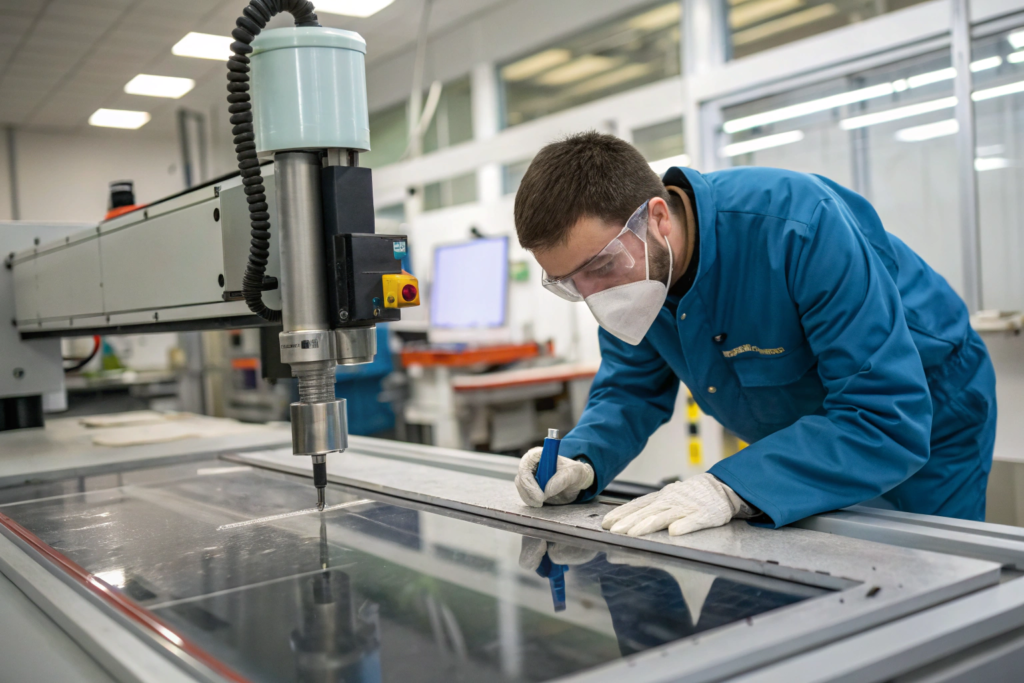
Scratch resistance is critical. A single deep scratch on a mirrored surface can ruin its appearance. We test this in several ways:
- Taber Abrasion Test: We use a Taber Abraser (similar to the one used for leather, but with a different abrasive wheel) to rub the reflective surface under a controlled load for a set number of cycles. We then examine the surface for visible scratches and measure any loss of reflectivity.
- Pencil Hardness Test: This is a simpler test where we try to scratch the surface with pencils of increasing hardness. The hardest pencil that does not leave a scratch gives us a measure of the surface’s hardness.
- Coin Test: For a quick, practical test, we might lightly rub a coin across the surface to see if it scratches. This simulates what might happen in a purse or pocket.
For mirrored acrylic, we often apply a hard coating to the surface to improve its scratch resistance. For polished metal, the inherent hardness of the metal (like stainless steel) is the main factor.
How do you prevent coatings from peeling or delaminating?
For mirrored acrylic and other coated surfaces, the adhesion of the reflective coating to the base material is crucial. A coating that peels or delaminates is a complete failure.
- Adhesion Test: We perform a cross-hatch adhesion test. We use a sharp blade to cut a small grid pattern into the coating, then apply a piece of specialized tape and pull it off firmly. We then examine the grid to see if any of the coating has been pulled off. A high-quality coating will show no removal.
- Environmental Testing: We also subject samples to temperature and humidity cycling to see if the coating’s adhesion is affected by changes in the environment.
- Proper Application: The key to preventing delamination is a clean, properly prepared surface and the correct application of the coating. We work with suppliers who have mastered this process.
Ensuring strong adhesion is essential for a product that will last.
What Safety Considerations Are Important?
Safety is a paramount concern, especially for accessories that will be worn on the body or used by children. Mirrored surfaces, if made of glass, can be a safety hazard if they break. This is a critical consideration that should influence your material choices.
For any accessory that could be dropped, knocked, or flexed, mirrored acrylic is almost always a safer choice than glass. It’s also important to consider the edges of any reflective piece. They should be smooth and polished to prevent cuts.
Why is acrylic often a safer choice than glass for wearable accessories?
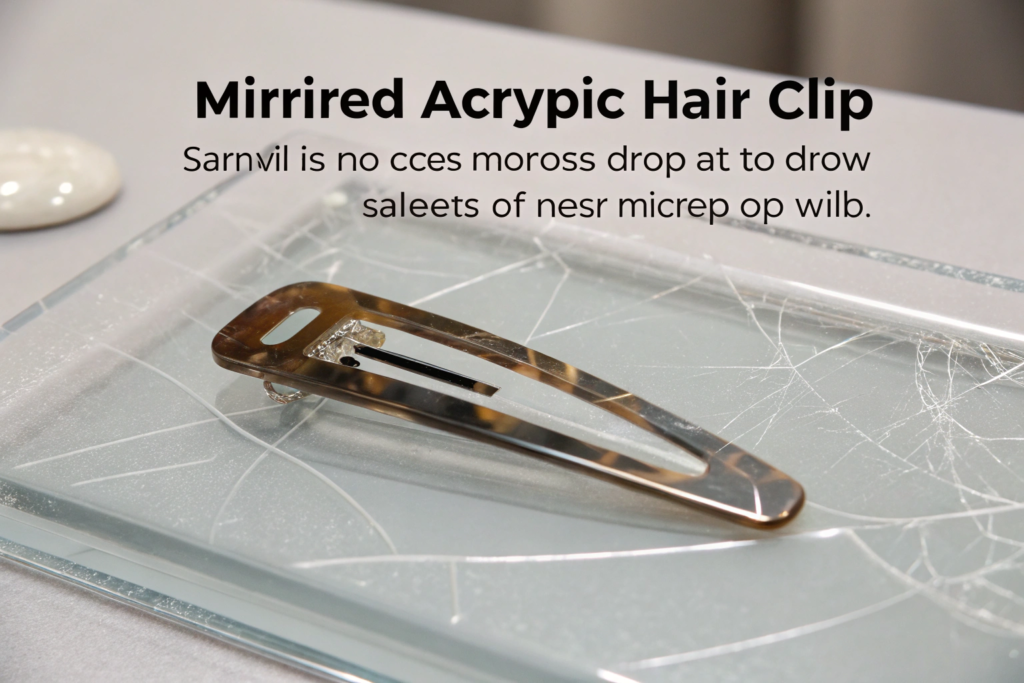
For accessories that will be worn—like hair clips, brooches, earrings, or pendants—acrylic is vastly safer than glass.
- Shatter Resistance: Acrylic is a plastic. It is very strong and impact-resistant. If it does break, it tends to crack or fracture into larger, duller pieces, not the sharp, dangerous shards that glass produces. This dramatically reduces the risk of injury.
- Lightweight: Acrylic is much lighter than glass, making it more comfortable to wear, especially for larger pieces.
- Ease of Finishing: Acrylic can be easily machined and polished to create smooth, safe edges.
For any accessory that will be worn, we strongly recommend mirrored acrylic over glass. It provides the same stunning visual effect with a fraction of the risk.
How do you ensure edges are safe and not sharp?
Even with acrylic, sharp edges can be a problem. A poorly finished edge can snag hair or even scratch skin. This is a quality control issue.
- Polishing: After cutting, the edges of acrylic pieces should be polished. This can be done by flame polishing (passing the edge through a flame to melt it slightly, creating a smooth, glossy finish) or by mechanical polishing with abrasive compounds.
- Quality Control Inspection: Every piece should be visually inspected and also checked by hand to ensure there are no rough or sharp spots.
- Design: Sometimes, the design itself can help. A slightly beveled or rounded edge is less likely to be sharp than a perfectly square-cut edge.
This attention to detail ensures that the accessory is not only beautiful but also comfortable and safe to wear.
How Do You Design For Maximum Visual Impact?
The whole point of a mirrored accessory is its visual impact. The way it catches and reflects light is what makes it special. Designing to maximize this effect is an art in itself. You need to think about the shape, the surface finish, and how the piece will interact with its environment.
At our factory, we work with designers to create pieces that are not just reflective, but truly eye-catching. For inspiration, look at how light interacts with different shapes and surfaces in architecture and design.
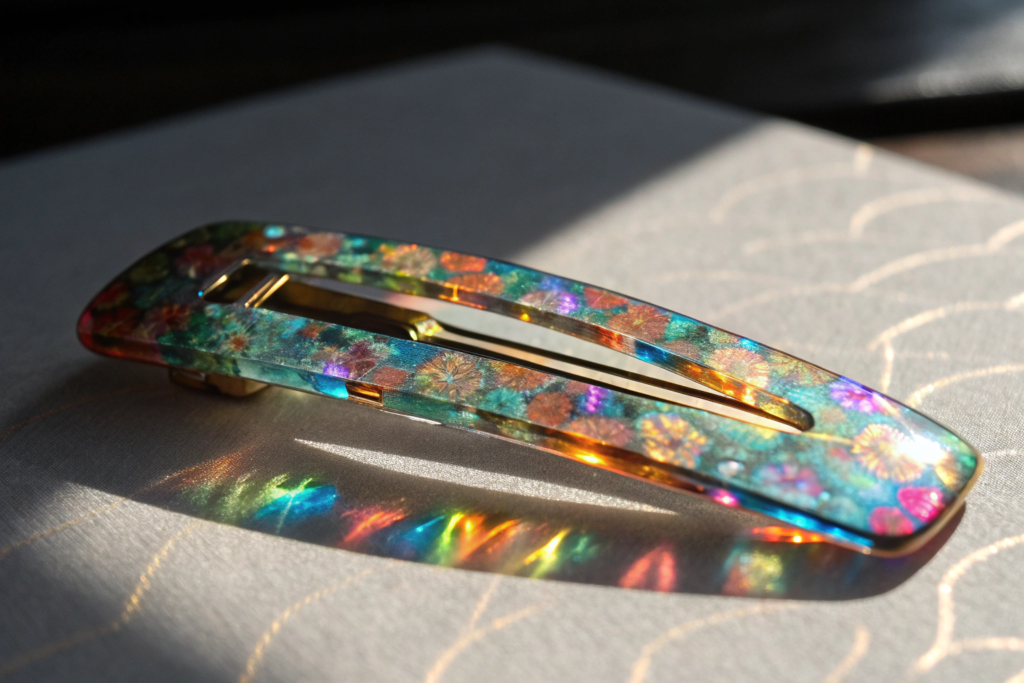
How do different shapes and facets affect light reflection?
The shape of the mirrored surface dramatically affects how it reflects light.
- Flat Surfaces: A flat, smooth mirror creates a clear, undistorted reflection. It’s classic and elegant, but it can be somewhat static.
- Faceted Surfaces: Cutting the acrylic or metal into multiple small, flat facets (like a gemstone) creates a much more dynamic and sparkling effect. Each facet catches the light from a different angle, creating a brilliant, shimmering display. This is a very popular technique for jewelry and hair clips.
- Curved Surfaces: A curved mirrored surface will create a distorted, fun-house-mirror type of reflection. This can be used for a more playful, avant-garde look.
- Textured Surfaces: A surface with a subtle texture will scatter the light, creating a softer, more diffused glow rather than a sharp reflection. This can be very elegant.
The choice of shape and surface finish is a key design decision that determines the final visual effect. A faceted mirrored acrylic hair clip will sparkle much more than a flat one.
What are the best ways to incorporate reflective elements into a design?
Reflective elements can be used in many ways, from the main focus of the design to a subtle accent.
- As the Main Material: The entire accessory, or a large part of it, can be made from a reflective material. Think of a mirrored acrylic clutch or a pair of sunglasses with mirrored lenses.
- As an Accent: Smaller reflective elements can be used to add pops of shine and glamour. A few mirrored studs on a handbag, a reflective charm on a bracelet, or a mirrored inlay on a belt buckle.
- In Geometric Patterns: Combining reflective and non-reflective materials in a geometric pattern creates a striking, modern look.
- Layering: Layering reflective elements over other materials can create depth and visual interest.
The key is to use reflective elements intentionally, to enhance the design, not just for the sake of adding shine.
Conclusion
Sourcing accessories with mirrors or reflective surfaces is a journey into a world of glamour and visual impact. But it requires careful consideration of materials, durability, and safety. By understanding the differences between mirrored glass, mirrored acrylic, and polished metal, you can choose the right material for your product. By prioritizing durability through scratch resistance and adhesion testing, you ensure your products stay beautiful. By choosing shatter-resistant acrylic for wearable items, you prioritize customer safety. And by thoughtfully designing the shape and surface finish, you maximize the stunning visual effect that makes these accessories so desirable.
At Shanghai Fumao Clothing, we have the expertise to bring your reflective accessory visions to life. Our factory in Zhejiang works with high-quality mirrored acrylic, polished metals, and other reflective materials. We have rigorous quality control processes to ensure durability and safety. Our skilled artisans can create everything from faceted hair clips to sleek mirrored bag components. We can guide you through the material selection, design, and production process to create accessories that truly shine.
If you’re ready to add a touch of glamour to your product line with mirrors and reflective surfaces, let’s talk. Please contact our Business Director, Elaine, at elaine@fumaoclothing.com. We’ll help you create accessories that catch the light and capture the imagination.