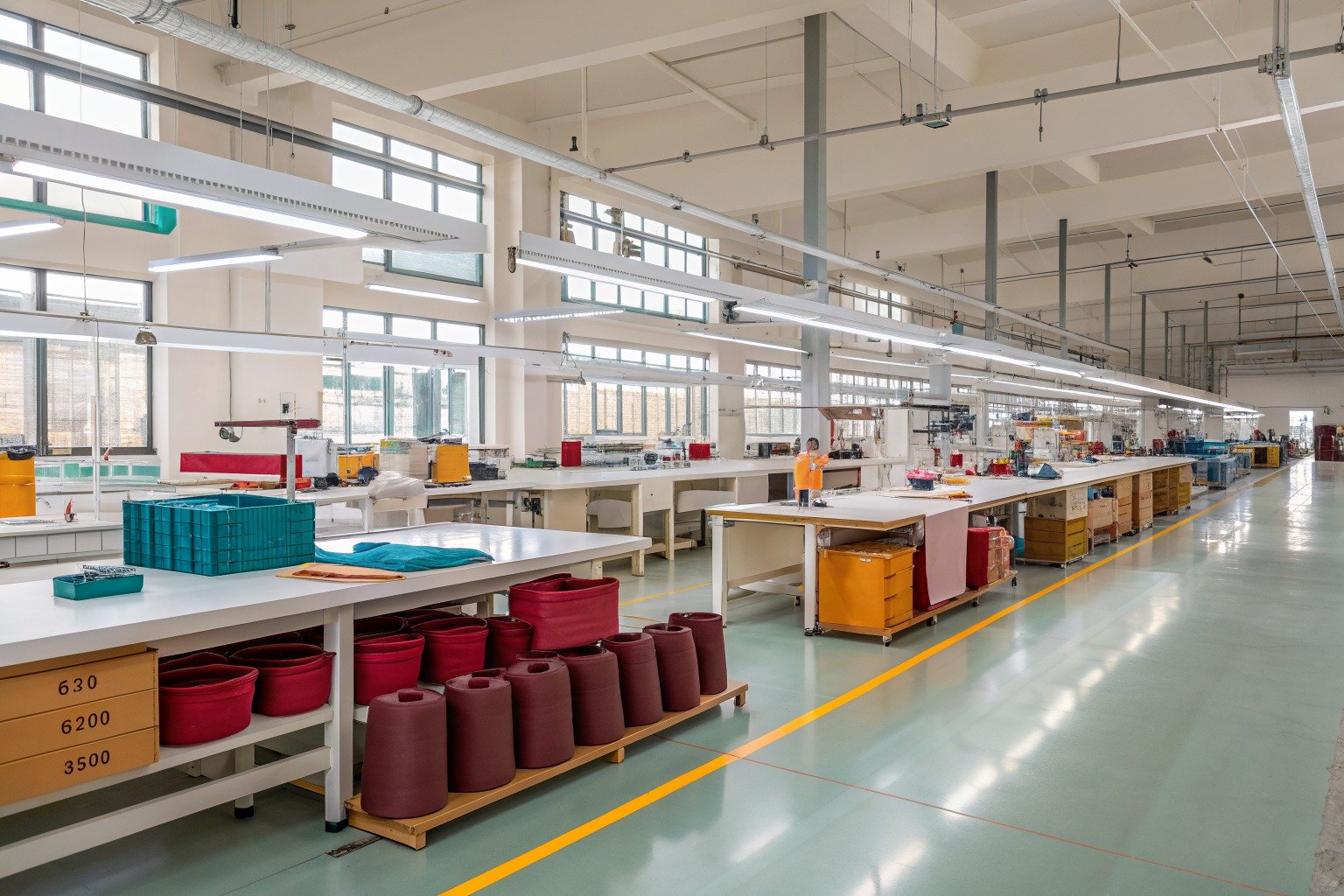
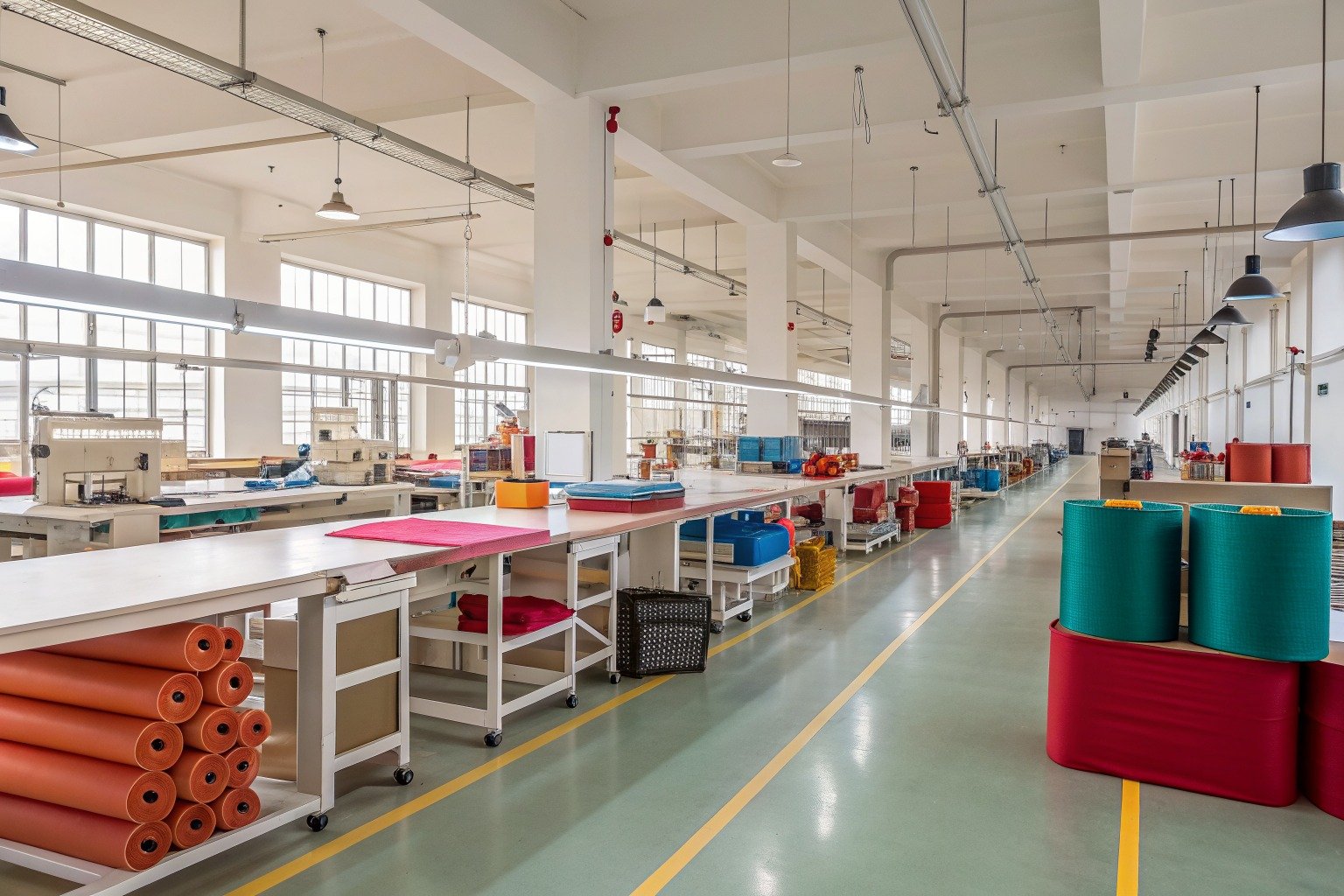
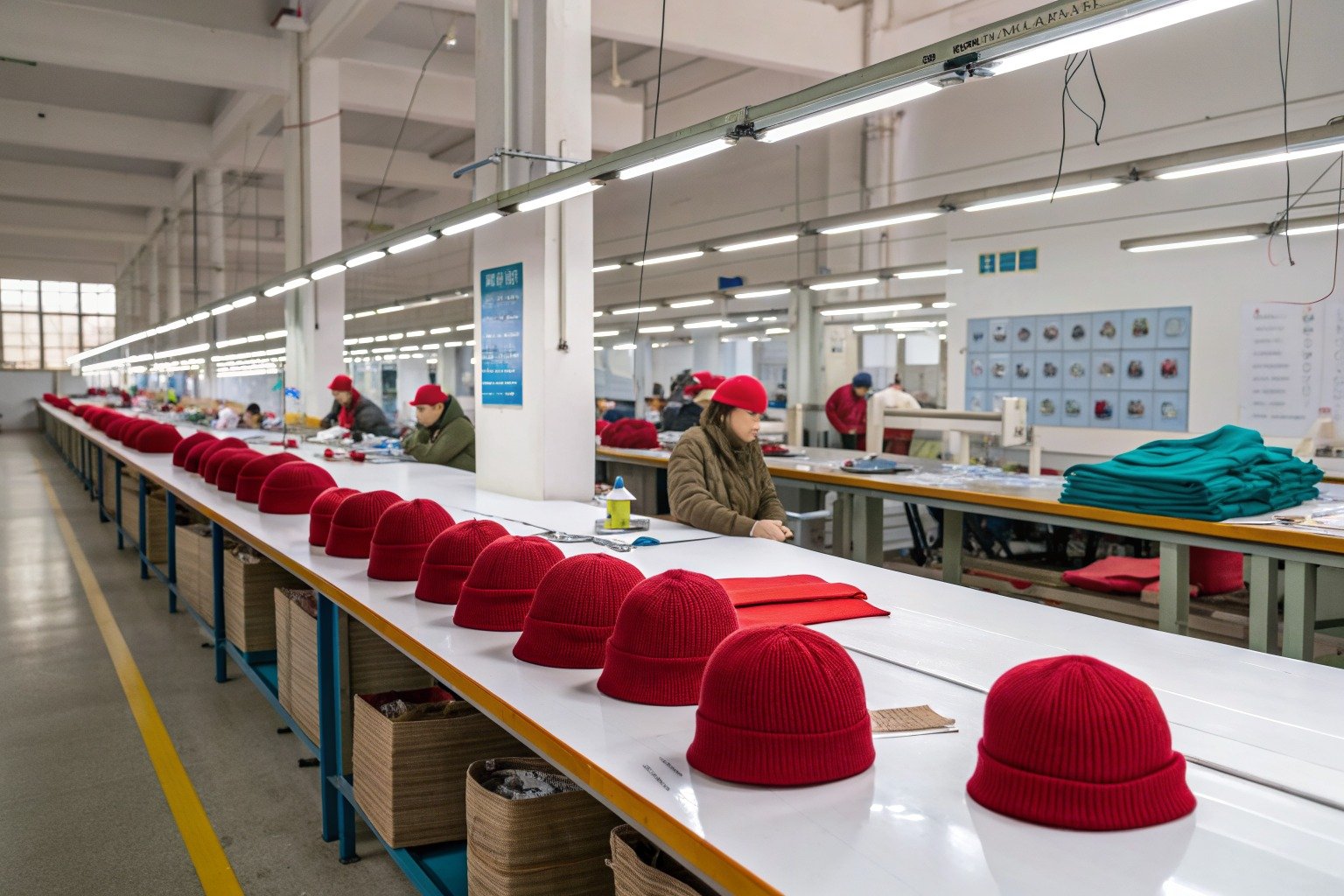
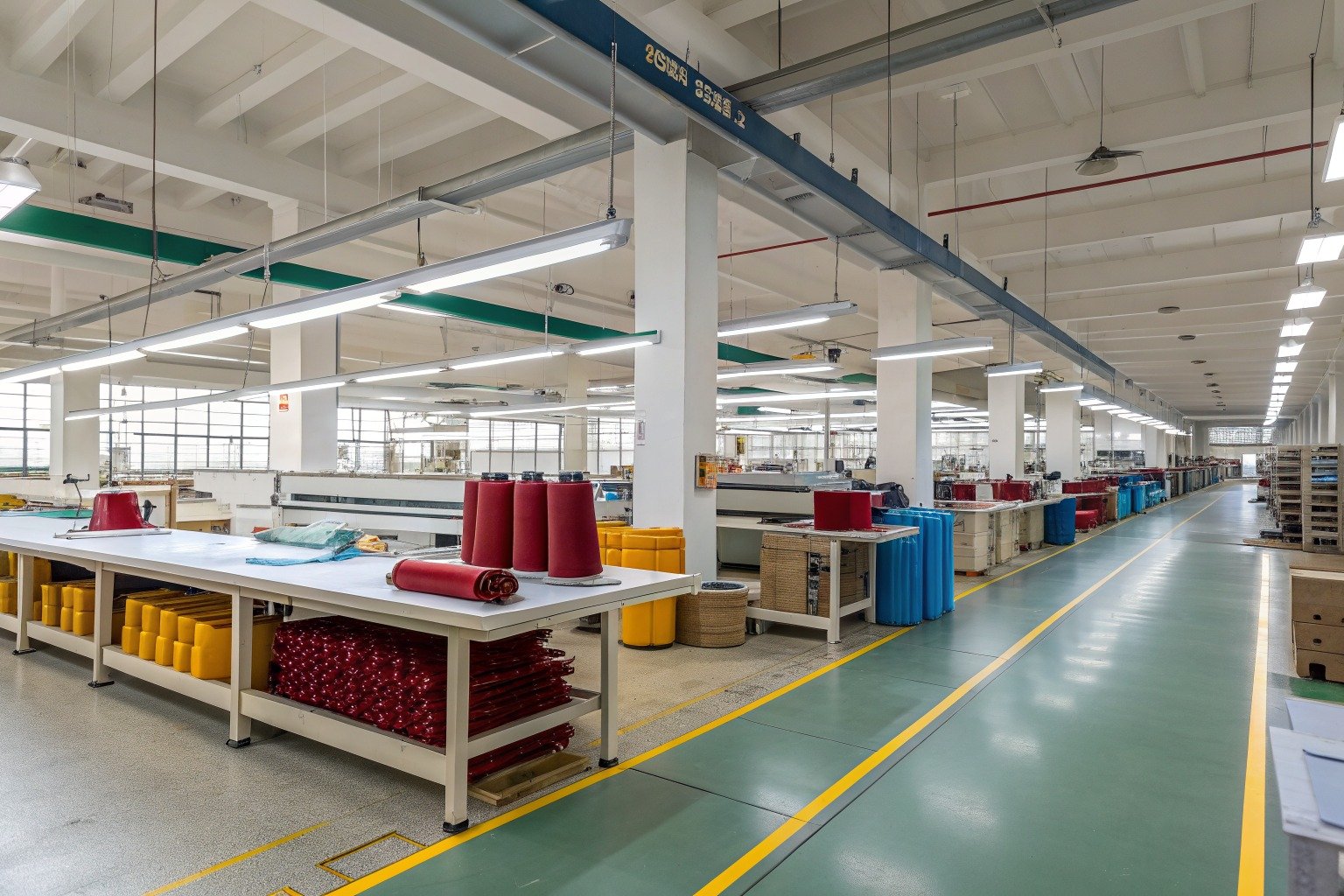
Global demand for ethically produced fashion accessories continues to grow, with hair accessories representing one of the fastest-growing categories. However, many brands struggle to identify Chinese manufacturers who combine quality production with genuine ethical practices. At AceAccessory, we’ve navigated this complex landscape for over a decade, helping international clients source hair accessories that align with their values without compromising on quality or affordability.
Sourcing ethically produced hair accessories from China requires thorough factory vetting, verification of social compliance certifications, transparent supply chain mapping, and ongoing monitoring of working conditions and environmental practices. This comprehensive approach ensures your products meet both quality standards and ethical requirements expected by today’s conscious consumers.
Ethical sourcing goes beyond simple price negotiations—it involves building partnerships with manufacturers who share your commitment to responsible production. Here’s how to navigate this process successfully.
R
What certifications verify ethical hair accessory production?
Certifications provide independent verification of ethical claims, but understanding which certifications matter most—and what they actually verify—is crucial for effective sourcing decisions.
The most meaningful certifications for ethical hair accessory production include social compliance standards, environmental management systems, and material-specific certifications that address the entire production process from raw materials to finished products.
Why are social compliance audits essential?
Social compliance verification through audits like SMETA, BSCI, and SA8000 ensures factories meet international labor standards covering working hours, fair compensation, workplace safety, and non-discrimination. These audits examine critical aspects like whether workers receive legally mandated breaks, if overtime is voluntary and properly compensated, and if dormitory facilities meet acceptable standards. Our facility maintains regular social compliance audits that have become prerequisites for partnerships with major European and North American retailers. This certification process, while demanding, has consistently proven valuable for attracting brands with strong corporate social responsibility commitments.
How do environmental certifications impact ethical sourcing?
Environmental management certifications like ISO 14001 indicate a factory’s commitment to reducing its ecological footprint through systematic pollution prevention, waste reduction, and resource conservation. For hair accessories, this extends to proper chemical management in dyeing processes, wastewater treatment, and reducing material waste during production. Our implementation of these standards has enabled us to work with eco-conscious brands seeking verified sustainable production. The certification process also often reveals efficiency improvements that reduce costs, demonstrating that ethical and commercial interests can align effectively.

How to verify factory working conditions remotely?
In an era of global sourcing, physical factory visits aren’t always possible, making remote verification methods essential for assessing working conditions and ethical compliance from afar.
Remote verification combines virtual factory tours, digital documentation review, worker interviews via video call, and third-party audit reports to build a comprehensive picture of factory conditions without physical presence.
What can virtual factory tours reveal?
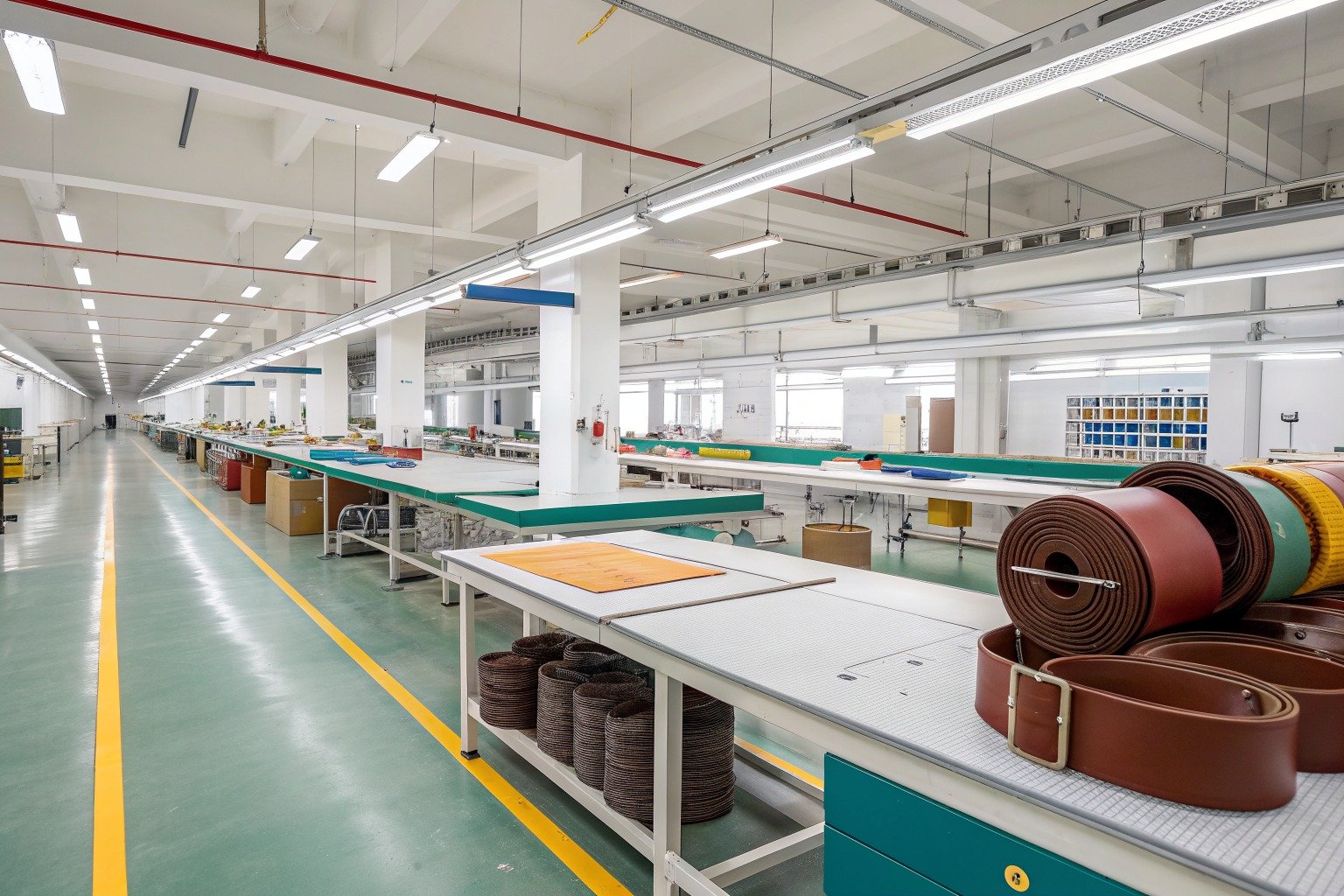
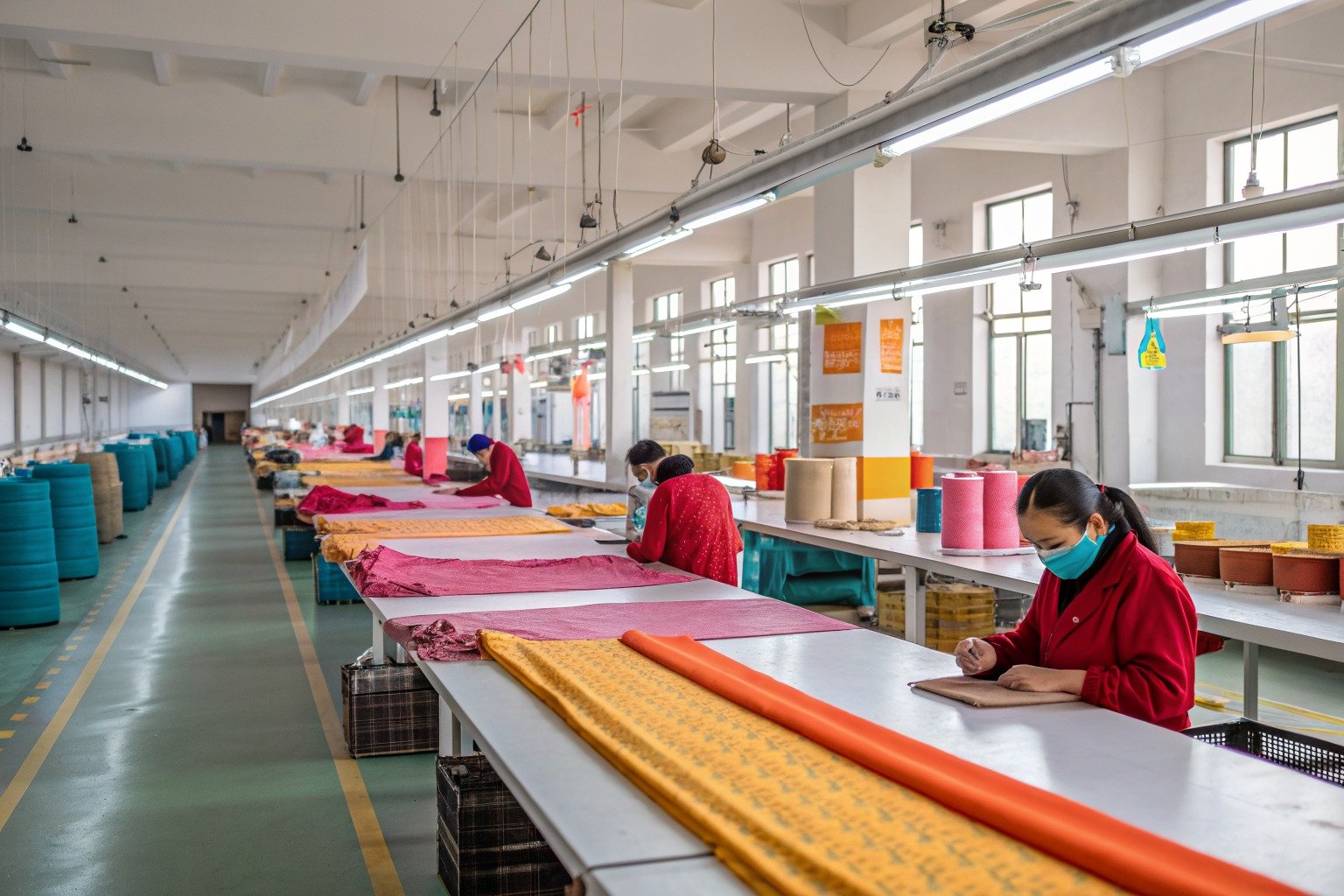
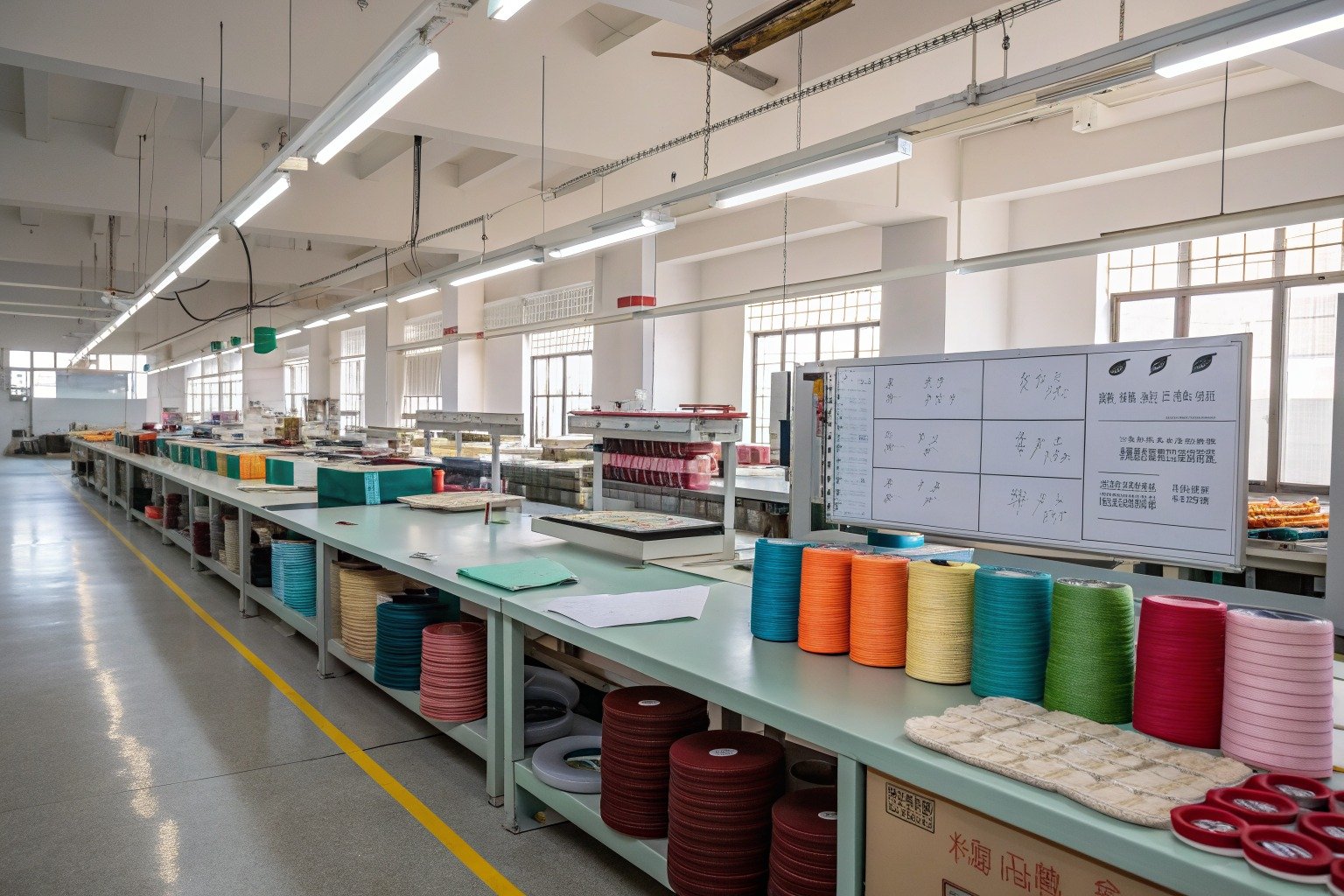
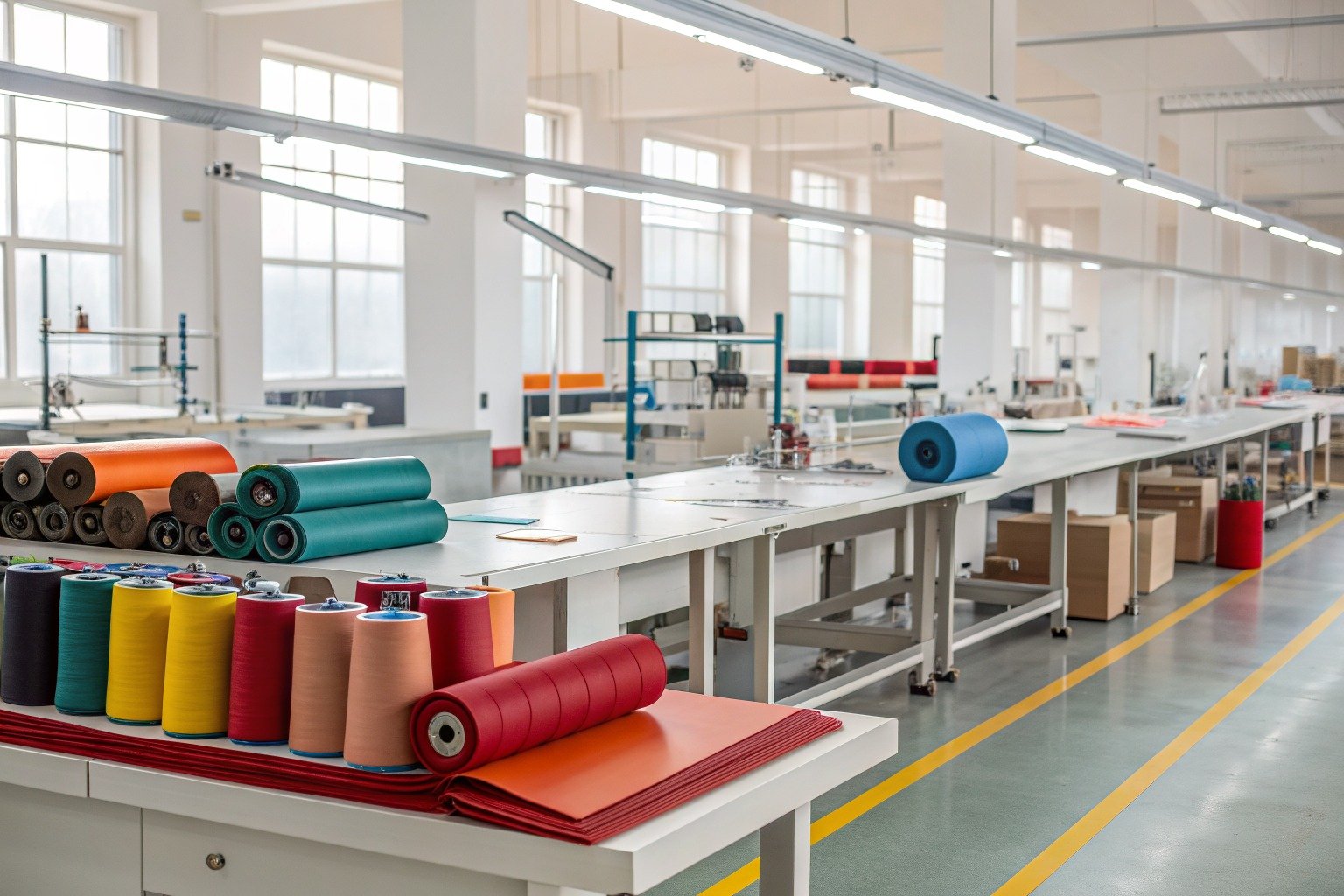
Virtual transparency through live-streamed factory tours allows buyers to inspect facilities in real-time, observing working conditions, safety equipment, and overall factory environment. These tours should include all production areas, worker facilities, and safety features. We conduct regular virtual tours for international clients, showing everything from our production floors to cafeteria and dormitory facilities. This openness builds trust and demonstrates we have nothing to hide. The most revealing moments often occur spontaneously—seeing how workers interact naturally, observing safety protocols in action, and noticing small details that indicate genuine care for employee wellbeing rather than staged presentations.
How to assess worker satisfaction remotely?
Worker engagement assessment can be conducted through third-party facilitated interviews, anonymous feedback systems, and turnover rate analysis. While language barriers exist, professional interpreters can help conduct meaningful conversations with randomly selected workers about their experiences. We participate in such assessments voluntarily, understanding that genuine worker satisfaction is both an ethical imperative and a quality indicator—happy workers produce better products. These assessments have helped us identify areas for improvement that have subsequently increased both employee satisfaction and production quality for our hair accessories manufacturing.

What questions should you ask potential suppliers?
Asking the right questions separates genuinely ethical manufacturers from those merely paying lip service to sustainability. These questions should cover working conditions, environmental practices, supply chain transparency, and continuous improvement commitments.
Strategic questioning should move beyond yes/no responses to explore how policies are implemented, measured, and improved over time. The answers reveal whether ethical practices are deeply embedded or superficially applied.
How to investigate working conditions effectively?
Working condition inquiries should cover specific areas like working hours management, wage structure, contract transparency, and grievance mechanisms. Rather than asking "Do you follow local labor laws?"—which typically receives a simple "yes"—ask "How do you ensure working hours don’t exceed legal limits?" or "Can you show me your system for tracking and compensating overtime?" These more detailed questions reveal actual implementation rather than policy existence. Our clients most appreciate when we provide concrete examples of how we’ve addressed these issues, such as our digital attendance tracking that automatically flags when workers approach legal overtime limits.
What environmental practices matter for hair accessories?
Environmental practice questions should address material sourcing, production processes, and waste management. Specific questions might include: "What percentage of your materials come from recycled or sustainable sources?" "How do you manage wastewater from dyeing processes?" and "What happens to production waste?" For hair accessory production, plastic usage is particularly relevant—inquire about efforts to reduce virgin plastic consumption and increase use of recycled materials. Our transparent answers to these questions have helped build long-term partnerships with brands seeking to improve their environmental footprint through responsible manufacturing choices.

How to maintain ethical standards throughout production?
Ethical sourcing requires ongoing attention rather than one-time certification. Maintaining standards demands consistent monitoring, clear communication, and collaborative problem-solving when issues arise.
Sustainable ethical production involves regular auditing, worker feedback mechanisms, transparent communication channels, and continuous improvement processes that address issues proactively rather than reactively.
What monitoring systems ensure ongoing compliance?
Continuous monitoring combines scheduled audits, unscheduled inspections, worker feedback channels, and production tracking systems. The most effective approach uses multiple overlapping methods rather than relying on a single verification system. Our facility employs digital monitoring that tracks working hours automatically, regular internal audits, and anonymous worker feedback channels that have helped us identify and address issues before they escalate. This multi-layered approach provides our clients with confidence that ethical standards are maintained consistently, not just during audit periods. The data from these systems also helps us demonstrate year-over-year improvements in key social responsibility metrics.
How does ethical production impact product quality?
Quality correlation with ethical production is significant and measurable. Factories that invest in proper working conditions, fair compensation, and worker training typically experience lower defect rates, higher productivity, and better overall quality control. The table below shows comparative data from our facility before and after implementing comprehensive ethical manufacturing practices:
| Metric | Before Ethical Implementation | After Ethical Implementation |
|---|---|---|
| Product Defect Rate | 5.2% | 2.1% |
| Employee Turnover | 35% annually | 12% annually |
| On-Time Delivery | 87% | 96% |
| Customer Returns | 4.8% | 1.9% |
These improvements demonstrate how ethical practices and commercial success reinforce each other, creating sustainable manufacturing partnerships that benefit workers, manufacturers, and brands alike.

Conclusion
Sourcing ethically produced hair accessories from China requires diligence, transparency, and partnership rather than simple transactional relationships. By focusing on verified certifications, thorough factory assessment, strategic questioning, and ongoing monitoring, brands can successfully navigate the complexities of ethical sourcing while maintaining product quality and competitive pricing.
The journey toward completely ethical production is continuous, but the rewards—including stronger brand reputation, better product quality, and more resilient supply chains—make the effort worthwhile. As consumer awareness grows, ethical manufacturing transitions from competitive advantage to business necessity.
If you’re looking for an ethical manufacturing partner for your hair accessory collections, we invite you to contact our Business Director, Elaine. She can guide you through our ethical manufacturing processes and help you develop products that align with your values and quality expectations. Reach her at: elaine@fumaoclothing.com.